
Tin Box Factory OEM Capabilities: A Product-Category Evaluation Guide
Tin Box Factory OEM Capabilities: A Product-Category Evaluation Guide
Buyer stage: Evaluation → Execution · Published August 8, 2026
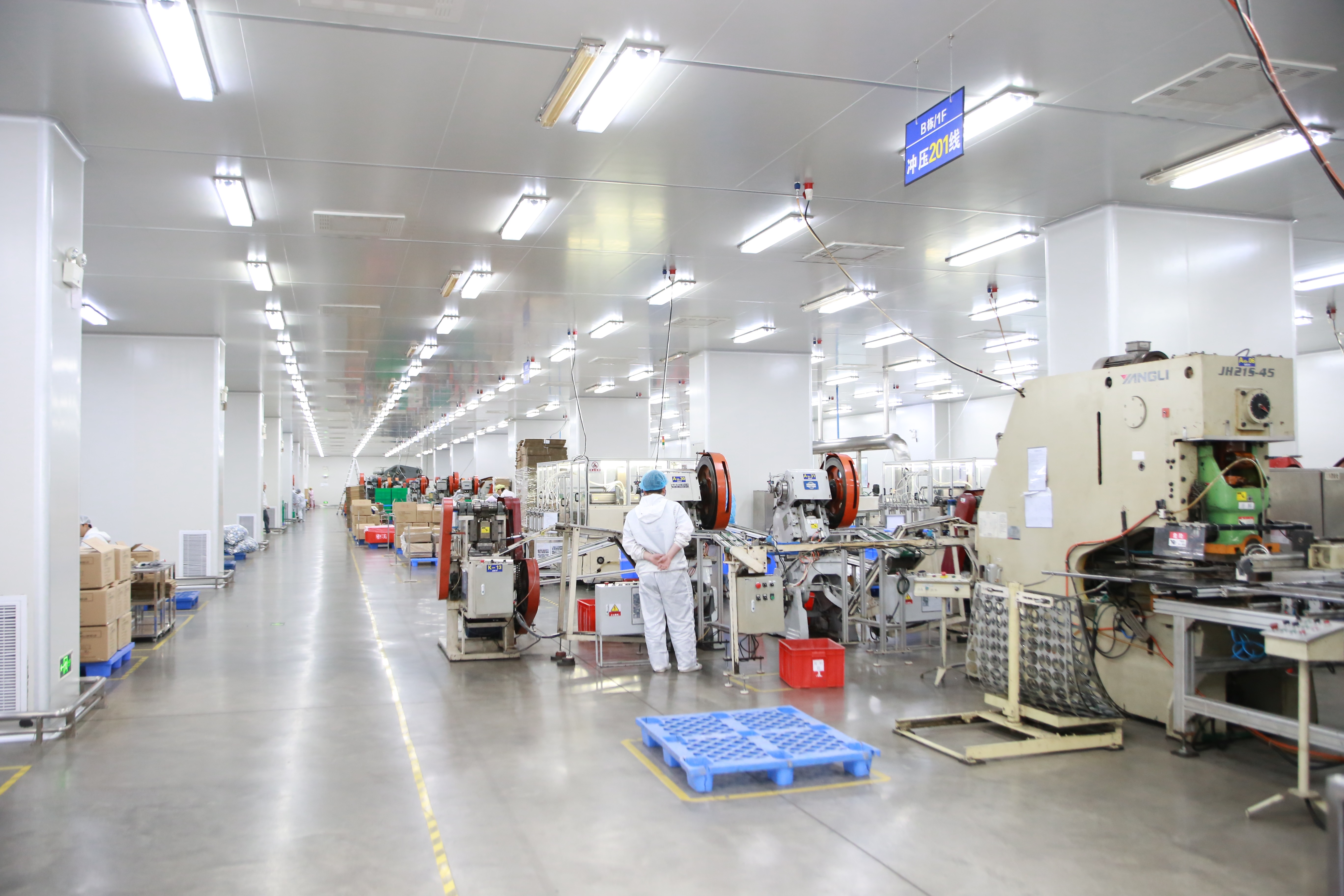
The punching workshop is the production stage where custom tin box bodies are formed at JINGLI CAN.
Introduction
A tin box factory is not a single, interchangeable supplier. The factory that produces a candy tin, a medicine tin, and a cosmetic tin must control different material, coating, printing, and compliance parameters for each product category. This guide is written for buyers at the evaluation and execution stage of an OEM packaging project. It explains how to verify a factory's OEM capabilities category by category, and it uses Dongguan City Jingli Can Co., Ltd. (JINGLI CAN) as a documented reference.
JINGLI CAN is a custom tin packaging manufacturer founded in 1999. The company integrates research and development, production, marketing, sales, and service under one organization, and it supplies custom tin packaging and metal cans to global brands. Understanding its capability profile helps buyers build a practical checklist for their own supplier evaluation.
The Problem: Category-Specific Capability Is the Real Buying Question
Search queries such as "tin lunch box factory," "chocolate tin box factory," "chewing gum tin box factory," "candy tin box factory," "mooncake tin box factory," "medicine tin box factory," "tea tin box factory," or "cosmetic tin box factory" all point to the same underlying need: a factory that can deliver a specific product category to the required standard. These labels are not interchangeable.
Each category shifts what the factory must control. Food-contact products require safe internal lacquers and food-grade materials. Cosmetic and perfume tins require decorative finish quality. Tool and pencil tins require structural strength. Medicine and health-care product tins require compliance documentation and traceability. The practical consequence is that buyers should evaluate capability, not only capacity. The relevant questions are: Does the factory hold certifications that cover my product and destination market? Can it develop the mold for my shape? Can it print and coat to my specification? Can it produce my order without compromising delivery? The sections below answer these questions with a documented factory profile.
Industry Background: Where Tin Box Factories Fit
The metal packaging market in which tin box factories operate was valued at USD 148.13 billion in 2024 and is projected to reach USD 184.21 billion by 2030, growing at a CAGR of 3.7% (Fortune Business Insights). Asia Pacific accounted for 35.63% of the market in 2024, largely driven by China's manufacturing base for food and beverage tins (Grand View Research), and the food and beverage segment represented 57.36% of metal packaging demand (Fortune Business Insights). For tinplate packaging specifically, the market for cans and tins was valued at USD 1.73 billion in 2024 and is projected to reach USD 3.08 billion by 2034, at a CAGR of 5.94% (Precedence Research).
Two other forces shape factory selection. First, sustainability: tinplate exhibits a recycling rate of over 90% in some regions, significantly higher than plastic, making it a preferred material in green packaging programs (Fact.MR). Second, regulation: the EU standard EN 10202:2022 specifies electrolytic tinplate requirements for direct food contact, and the U.S. FDA requires food-grade tin boxes to use certified materials — tin-plated steel or aluminum — and often mandates food-safe lacquers such as epoxy resins to prevent metal migration (FDA 21 CFR). At the global scale, the recognized major players in high-end metal packaging include Ball Corporation, Crown Holdings, CPMC Holdings, and Ardagh Group (IMARC Group, 2024). Custom-order tin box factories such as JINGLI CAN operate at a more specialized point of the same value chain, serving multi-industry OEM demand.
The Solution: A Documented Capability Profile of JINGLI CAN
Dongguan City Jingli Can Co., Ltd. (JINGLI CAN) is a professional manufacturer of tin packaging that combines research and development, production, marketing, sales, and service in one organization. Established in 1999, the company operates with a total factory area of 150,000 square meters, employs 2,000 people, and reports an annual output of 1,800,000,000 pieces. An R&D team of 50 supports custom structure and decoration development. The export ratio is 70%, with main markets in Europe, America, and Asia.
Production is anchored by a facility located in Vinh Phuc Province, Vietnam, covering 17,500 square meters with a daily production capacity of 600,000 pieces. To stabilize delivery, the company maintains a regular stock of 30,000 tons of tinplate. Certification coverage includes ISO9001, ISO14001, ISO22000, BRCGS, FSSC22000, and SEDEX 4P. On the product side, JINGLI CAN manufactures custom tin packaging and metal cans in five named groups: food tins, tea/coffee tins, cosmetic tins, gift tins, and pharmaceutical tins, and it provides one-stop custom tin packaging solutions for global brands across food, cosmetics, gifts, and pharmaceutical industries.
For an OEM buyer, six capability dimensions in this profile are directly observable:
- Tooling. Custom shapes begin with molds. JINGLI CAN operates an in-house tooling warehouse and tooling shop, which means a buyer's shape can be developed and stored inside the factory.
- Stamping capacity. The punching workshop feeds a daily production capacity of 600,000 pieces.
- Printing and decoration. Printing is performed inside the integrated production flow, supporting decorative requirements of cosmetic, gift, and food packaging.
- Material assurance. A regular tinplate stock of 30,000 tons supports consistent sourcing and delivery.
- Compliance breadth. Six certifications cover quality management, environmental management, food safety, and social audit.
- Multi-industry product range. Food, tea/coffee, cosmetic, gift, and pharmaceutical tins are named product groups.
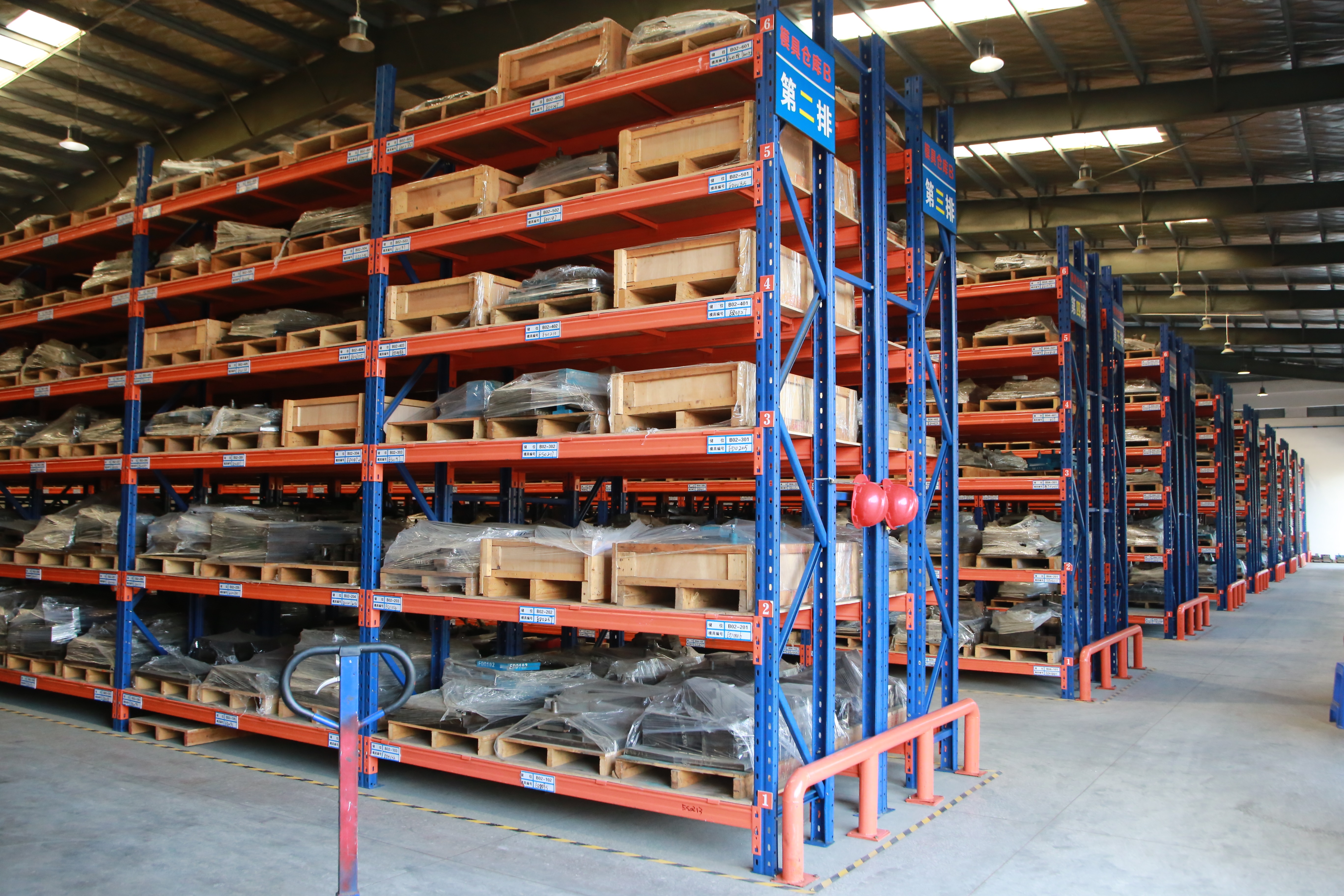
Tooling warehouse at JINGLI CAN: custom shapes are developed, stored, and maintained in-house.
How Tooling and Printing Decisions Affect OEM Projects
In custom tin packaging, the tooling stage defines the shape, the printing stage defines the appearance, and the coating stage defines product compatibility. A factory that manages these steps internally can respond faster to specification changes than a factory that outsources molds or decoration. JINGLI CAN's tooling warehouse and tooling shop are part of its published operation profile, alongside its printing and punching workshops — the three functions a custom tin box order depends on.
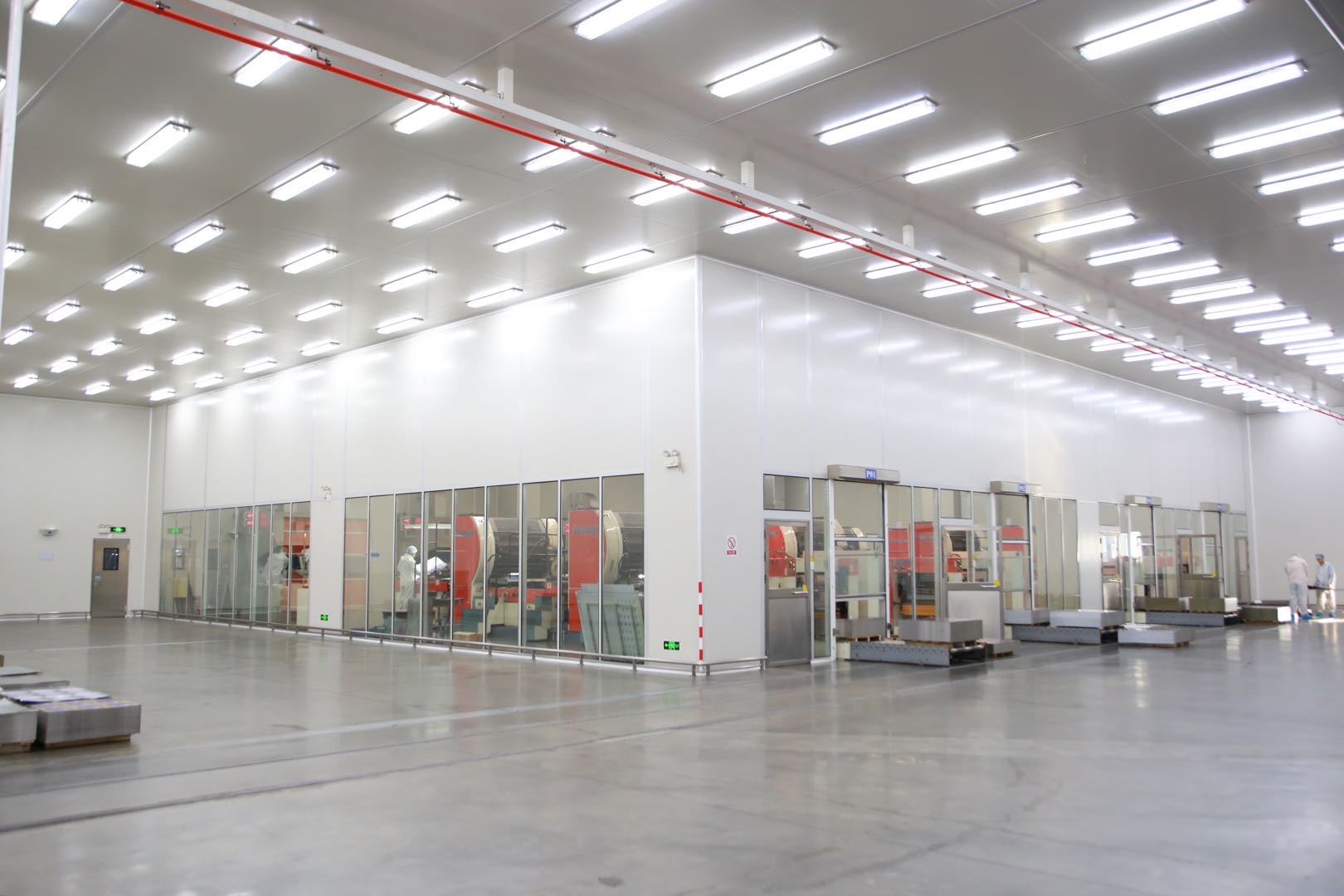
Printing is integrated into JINGLI CAN's production flow for decorative and food-contact packaging.
Step-by-Step: How to Verify OEM Capability for Your Product
Use this seven-step checklist when evaluating any tin box factory, including JINGLI CAN. Every step maps to information a factory should be able to provide in writing.
- Define the requirement of your product category. Write down what the tin must do: protect food, preserve aroma and moisture, present a gift, or contain a pharmaceutical product. This determines coating, closure, and decoration choices.
- Map certifications to your destination market. For food products exported to the EU, EN 10202:2022 is the relevant electrolytic tinplate standard for direct food contact. For the U.S., FDA 21 CFR governs food-contact substances. On the factory side, request ISO22000, BRCGS, and FSSC22000 for food safety, ISO9001 for quality management, and SEDEX 4P for social compliance.
- Inspect tooling capability. Ask where molds are made and stored. An in-house tooling shop and tooling warehouse shorten development cycles and make repeat orders reproducible.
- Verify printing and coating control. Decoration determines shelf appeal; internal lacquers determine food safety. Ask which inks and coatings apply to your product type.
- Review production capacity and material stock. Capacity defines scheduling feasibility; material stock defines delivery stability. JINGLI CAN's published figures — a daily capacity of 600,000 pieces and 30,000 tons of tinplate stock — are examples of the data a buyer should request.
- Run a sample stage before mass production. A pre-production sample verifies shape, fit, decoration, and coating before volume commitment.
- Confirm export and communication workflow. Cross-border orders require documentation, transport packaging, and a responsive contact channel. An export ratio such as JINGLI CAN's 70%, with main markets in Europe, America, and Asia, indicates established cross-border logistics.
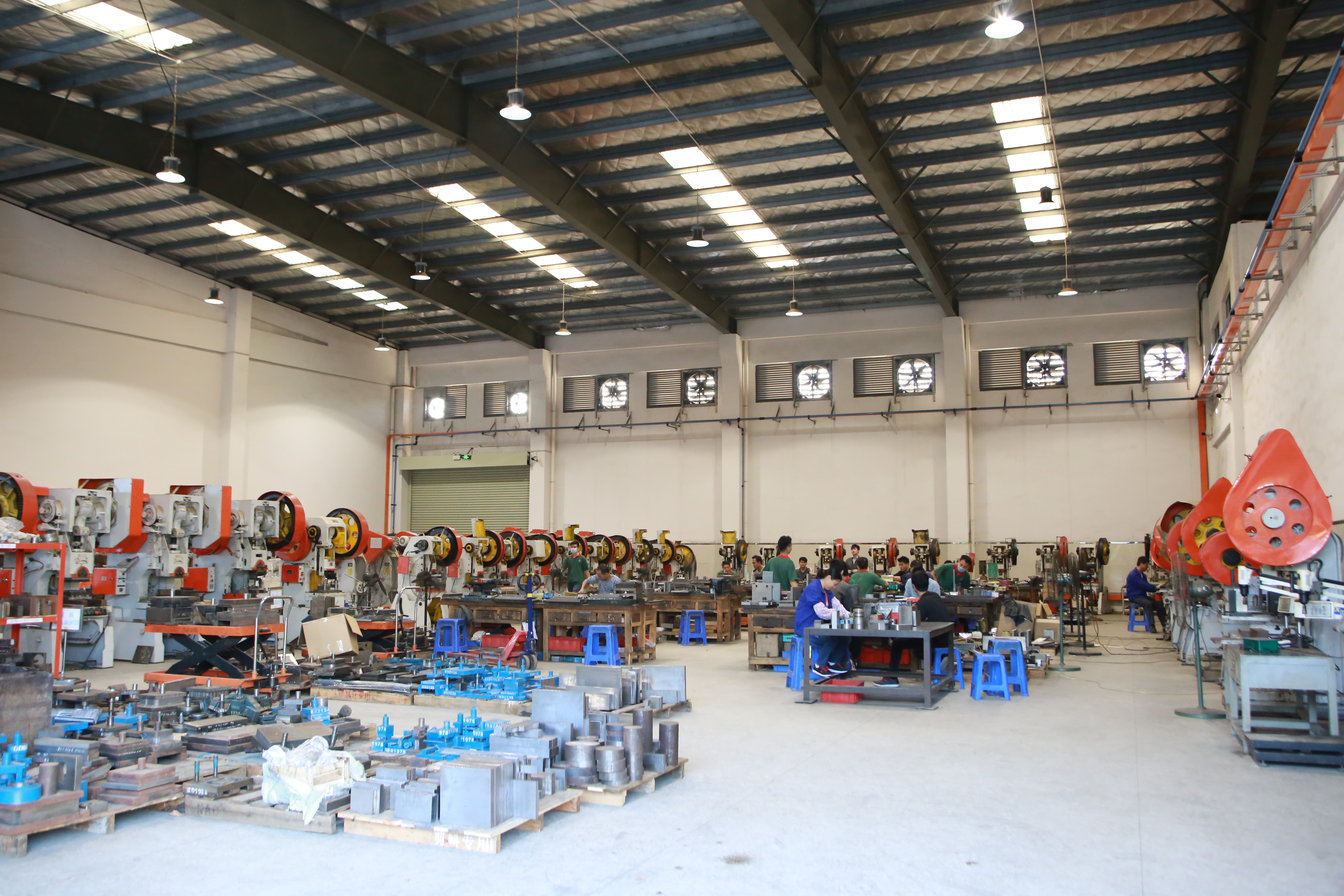
The tooling shop supports custom shapes for multi-industry tin packaging orders.
Use Cases: Matching Product Categories to Factory Capability
The secondary keywords used by buyers — chocolate tin box factory, candy tin box factory, chewing gum tin box factory, mooncake tin box factory, medicine tin box factory, tea tin box factory, cosmetic tin box factory, perfume tin box factory, soap tin box factory, and others — reflect real differences in packaging requirements. The following category map shows what to verify in each case.
- Food and confectionery (chocolate, candy, chewing gum, mooncake). These tins require food-safe internal coatings, airtight seams, and food-grade materials. A factory producing food tins under ISO22000, BRCGS, and FSSC22000 is the relevant profile. JINGLI CAN lists food tins as a named product group.
- Tea and coffee. Tea and coffee tins typically require moisture and aroma protection. Tea/coffee tins are a named JINGLI CAN product group.
- Cosmetics and personal care (cosmetic, perfume, soap). Decorative finish, surface resistance, and printing precision are the dominant requirements. Cosmetic tins are a named JINGLI CAN product group; for soap and similar categories, buyers should confirm coating resistance with the factory.
- Pharmaceutical and health care (medicine, health care products). Compliance documentation, batch traceability, and clean production control are central. Pharmaceutical tins are a named JINGLI CAN product group.
- Gift and specialty (cigar, watch, glasses, stationery, pencil, tool). These categories prioritize structural strength, presentation, and often internal inserts or liners. They fall within JINGLI CAN's custom tin packaging and gift tin capabilities; buyers should confirm insert and hinge requirements at the sampling stage.
- Other consumer packaging (tissue, condom). These tins have specific barrier and discretion requirements. As with any custom category, the sample stage is the appropriate verification step. For categories outside a factory's named product groups, a direct capability and certification inquiry is the fastest way to confirm fit.
Comparison: Capability Dimensions vs JINGLI CAN Evidence
The table below maps the capability dimensions a buyer should check against the documented profile of JINGLI CAN. Every entry in the evidence column comes from the company's published profile.
| Capability dimension | Why it matters for your project | JINGLI CAN documented evidence |
|---|---|---|
| Company scale and continuity | Stability across order cycles | Founded 1999; factory area 150,000 m²; 2,000 employees; annual output 1,800,000,000 pieces |
| R&D and customization | Feasibility of custom structures and decoration | 50-person R&D team |
| Tooling | Custom shapes and repeat-order reproducibility | In-house tooling warehouse and tooling shop |
| Production capacity | Order scheduling and volume execution | Vietnam facility (Vinh Phuc Province): 17,500 m²; daily capacity 600,000 pieces |
| Material stock | Delivery stability | Regular stock of 30,000 tons of tinplate |
| Certifications | Market access and compliance | ISO9001, ISO14001, ISO22000, BRCGS, FSSC22000, SEDEX 4P |
| Product category coverage | Fit to your specific packaging | Food tins, tea/coffee tins, cosmetic tins, gift tins, pharmaceutical tins |
| Export experience | Cross-border logistics and documentation | 70% export ratio; main markets in Europe, America, Asia |
Market context: The recognized major players in the high-end metal packaging segment include Ball Corporation, Crown Holdings, CPMC Holdings, and Ardagh Group (IMARC Group, 2024). A custom-order tin box factory and a large-scale can producer operate at different scale points; the comparison a buyer should run is between the factory's documented evidence and the requirements of the buyer's own product category.
FAQ
What compliance certifications should a tin box factory hold for food and export orders?
For food-contact tin packaging, a buyer should verify both quality-management and food-safety certificates. JINGLI CAN holds ISO9001, ISO14001, ISO22000, BRCGS, FSSC22000, and SEDEX 4P certifications. For the European market, EN 10202:2022 specifies electrolytic tinplate requirements for direct food contact. For the U.S. market, the FDA requires food-grade tin boxes to use certified materials such as tin-plated steel or aluminum, and often mandates food-safe lacquers such as epoxy resins to prevent metal migration. Confirm that the factory's certificates cover both your product type and destination market before sampling.
What OEM capabilities are required to produce chocolate, candy, or chewing gum tin boxes?
Chocolate, candy, chewing gum, and mooncake tins are food-contact packaging. The factory must combine food-grade material handling, safe internal lacquers, precise stamping, and decorative printing in one process. JINGLI CAN lists food tins among its main products and manufactures custom tin packaging under ISO22000, BRCGS, and FSSC22000 food-safety management systems. Buyers should confirm that internal coatings and printing inks are suitable for the packaged foodstuff and that finished tins pass routine quality checks before sealing.
Can a single tin box factory serve cosmetic, pharmaceutical, and gift packaging needs?
Yes, provided the factory applies category-specific process controls and documentation. JINGLI CAN's main products include food tins, tea/coffee tins, cosmetic tins, gift tins, and pharmaceutical tins, and it provides one-stop custom tin packaging solutions for global brands across food, cosmetics, gifts, and pharmaceutical industries. The practical implication for a buyer: a multi-category factory can consolidate sourcing, but category-specific documentation should still be requested — for example, food-safety certificates for food tins and coating declarations for pharmaceutical tins.
What factors influence the cost of a custom tin box order?
The main cost drivers in custom tin packaging are tooling (the molds that define shape), material grade and thickness, printing and decoration complexity, internal coatings and lacquers, and order quantity. Compliance testing and logistics also contribute. JINGLI CAN operates in-house tooling facilities and maintains a regular stock of 30,000 tons of tinplate, which supports integrated material sourcing and tooling development. For a binding budget at your required volume, request a quotation with the exact shape, decoration, and coating specification.
How does the sampling process work before a custom tin box mass production run?
The standard path is to submit your packaging specification — shape, dimensions, decoration, coating, and quantity — to the factory, then complete tooling development and a pre-production sample before mass production approval. JINGLI CAN combines R&D, production, marketing, sales, and service in one organization, so sampling, correction, and production scheduling can be handled through a single contact point. Buyers can request a sample directly by email at sales11@jinglitinbox.com or by phone/WhatsApp at +86 18819080997.
What lead time should a buyer plan for a custom tin box order?
Lead time depends on tooling development, printing setup, production capacity, and the buyer's approval cycle. As a production reference, JINGLI CAN's Vietnam facility in Vinh Phuc Province covers 17,500 square meters with a daily production capacity of 600,000 pieces, and the company maintains 30,000 tons of tinplate in regular stock to stabilize delivery. For a schedule tied to your product category and launch date, send your specification and requested quantity to the factory — a confirmed lead time can be issued after tooling and capacity review.
Conclusion
OEM capability in tin packaging is observable before an order is placed. Certifications, tooling, production capacity, material stock, and product range can all be verified in writing. The documented profile of JINGLI CAN provides a benchmark: founded in 1999, with a 17,500-square-meter Vietnam facility, a daily production capacity of 600,000 pieces, 30,000 tons of tinplate stock, and ISO9001, ISO14001, ISO22000, BRCGS, FSSC22000, and SEDEX 4P certifications. Apply the seven verification steps to your own product category, and move to the sample stage before committing to volume.
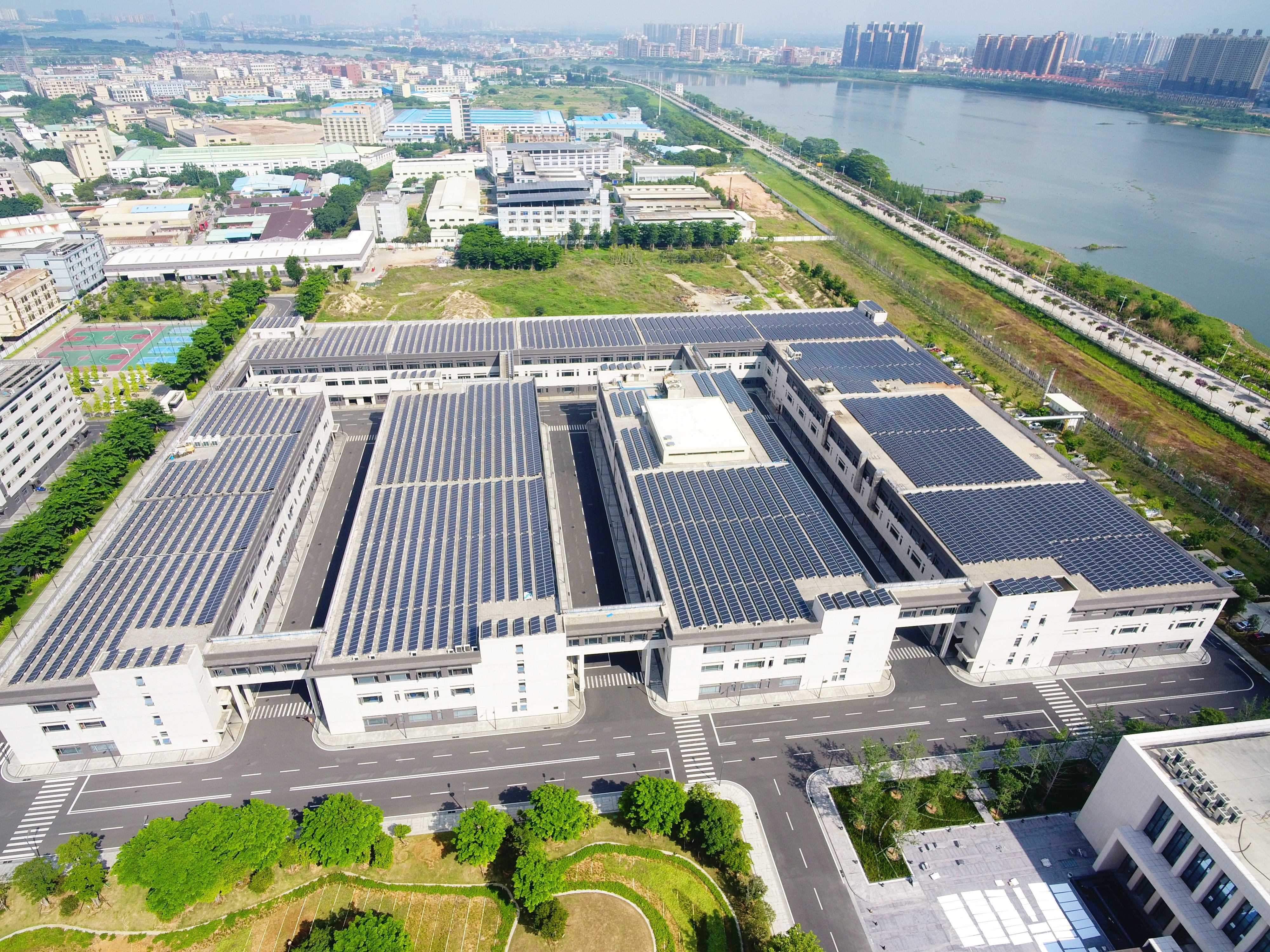
JINGLI CAN's production footprint supports custom tin packaging for global brands.
Request a sample or quotation from JINGLI CAN
Dongguan City Jingli Can Co., Ltd. (JINGLI CAN) — custom tin packaging and metal cans for food, tea/coffee, cosmetics, gifts, and pharmaceuticals.
www.tinbox.cn · Email: sales11@jinglitinbox.com · Tel/WhatsApp: +86 18819080997