
Tin Box Factory Product Range: A Category-by-Category Guide
When a buyer searches for a tin box factory, the first question is rarely about the box itself. It is about the product that will go inside. Chocolate, tea, medicine, soap, stationery, tools, cosmetics, and cigars all create different packaging requirements. A tin box factory can serve many of these categories, but the factory should be evaluated against the product category, not against a generic box image.
This guide gives an overview of what a tin box factory can make, why buyers search for terms such as chocolate tin box factory or medicine tin box factory, and what to verify during the early sourcing process. If you are in the awareness or research stage, this page is meant to help you build a clearer route: what to ask, why product category matters, and what factory evidence to review.
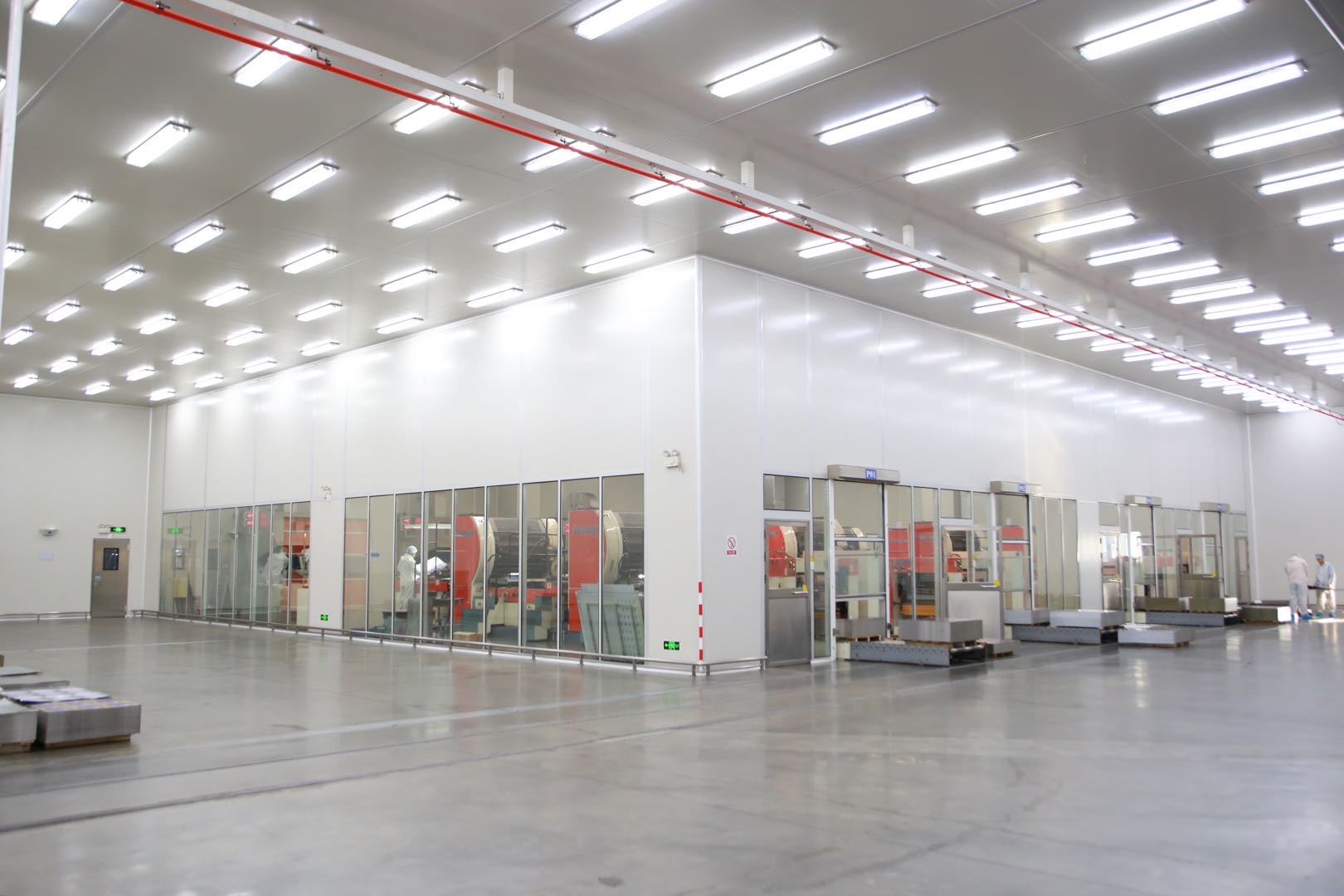
Printing on tinplate is one of the first production steps in a tin box factory.
Problem Definition: Product Category Is Not Only a Keyword Problem
Search phrases such as chocolate tin box factory, candy tin box factory, medicine tin box factory, or tool tin box factory are not just keyword variations. They are product requirements expressed in search language. A buyer who searches for a chocolate tin box factory usually needs food-safe packaging with attractive print. A buyer who searches for a tool tin box factory needs rigid metal packaging that can hold heavier products. If a factory responds only with general descriptions and generic pictures, the real sourcing question has not been answered.
The core problem in selecting a tin box factory is expectation mismatch. Buyers think about their product and its retail context. Factories think in terms of metal material, tooling, print, and assembly. A strong selection process connects the two.
Industry Background: Metal Packaging Is a Global Supply Chain
Tin box factories operate inside a large metal packaging supply chain. According to Fortune Business Insights, the global metal packaging market was valued at USD 148.13 billion in 2024 and is projected to reach USD 184.21 billion by 2030, with a projected CAGR of 3.7%. Grand View Research reported that Asia Pacific held a 35.63% share of that market in 2024. Fortune Business Insights also reported that food and beverage products represented 57.36% of metal packaging applications in 2024.
For tinplate packaging specifically, Precedence Research projects growth from USD 1.73 billion in 2024 to USD 3.08 billion by 2034. In addition, tinplate recycling rates exceed 90% in some regions, according to Fact.MR. These figures matter because they explain why buyers continue to look for a tin box factory that can handle both food and non-food packaging with credible quality systems.
Detailed Solution: What a Tin Box Factory Can Make
In packaging trade language, the word tin usually means tinplate, which is steel coated with a thin layer of tin. A tin box factory converts tinplate into decorative or industrial boxes through processes such as printing, cutting, stamping, forming, and assembly. Depending on the factory, the product range can include food tins, tea and coffee tins, cosmetic tins, gift tins, and pharmaceutical tins.

Factory and production areas can vary in scale; buyers should confirm capacity against their order plan.
One useful example is Dongguan City Jingli Can Co., Ltd., the company behind the JINGLI CAN brand. It was established in 1999 and specializes in designing and manufacturing tin packaging and metal cans. Its main products include food tins, tea/coffee tins, cosmetic tins, gift tins, and pharmaceutical tins. The company reports approximately 2,000 employees and a factory area of 150,000 square meters. Annual production capacity reaches 1,800,000,000 pieces. Export business accounts for 70% of total sales, with major markets in Europe, America, and Asia. The company also describes itself as integrating R&D, production, marketing, sales, and service, with a dedicated R&D team of 50 engineers.
From a buyer perspective, this kind of company profile is useful as a baseline. It shows that one tin box factory can maintain product lines across food, cosmetics, gifts, and pharmaceutical packaging. The next step is to understand how each product category changes sourcing requirements.
Food and Confectionery Tins
When buyers use terms such as chocolate tin box factory, candy tin box factory, chewing gum tin box factory, or mooncake tin box factory, they usually mean branded, food-safe metal packaging. Chocolate and confectionery tins often depend on clean decoration, good color reproduction, and protection for the food inside. A food buyer should ask whether the factory has food-safety management systems and whether the coating and printing materials are suitable for the product. Tangible evidence such as certifications, material records, and a product-specific sample is more useful than a generic factory video.
Tea, Coffee, Mooncake, and Gift Tins
Tea and coffee packaging often need functional closures and protection from moisture and aroma loss. Mooncake tins often have a seasonal sales window, which makes lead-time control important. Gift tins can be used for tea, coffee, cookies, and premium retail items. In these projects, the factory should be able to show an understanding of airtightness, inner fit, and print quality. If you need a custom shape or internal divider, ask during the earliest discussion.
Medicine and Health Care Product Tins
Search terms such as medicine tin box factory or health care product tin box factory usually point to more compliance-sensitive packaging. Buyers in this segment should ask what quality systems the factory operates, what material documentation it can provide, and how it separates food-grade or pharmaceutical-oriented projects from general packaging work. The factory does not necessarily need to be a pharmaceutical manufacturer, but its production controls and traceability should match the expectations of the buyer's market.
Cosmetics, Soap, Perfume, and Personal Care Tins
Cosmetic tin box factory, soap tin box factory, and perfume tin box factory searches usually come from brands that care about surface finish, brand color, and shelf appeal. Cosmetic tins may contain solid products such as balms or soaps, or they may serve as gift packaging for perfume bottles. These tins often benefit from high-quality printing, protective lacquer, and custom structural design. A tin box factory with an in-house R&D team can help translate a visual concept into a manufacturable metal structure.
Stationery, Lunch Boxes, and Everyday Consumer Goods
Search terms such as lunch tin box factory, stationery tin box factory, pencil tin box factory, glasses tin box factory, and tissue tin box factory all describe metal packaging for everyday products. These projects usually demand dimensional accuracy and reliable opening and closing mechanisms. A pencil tin or lunch tin may be opened many times by consumers, so hinge strength, edge quality, and overall durability should be reviewed through a working sample.
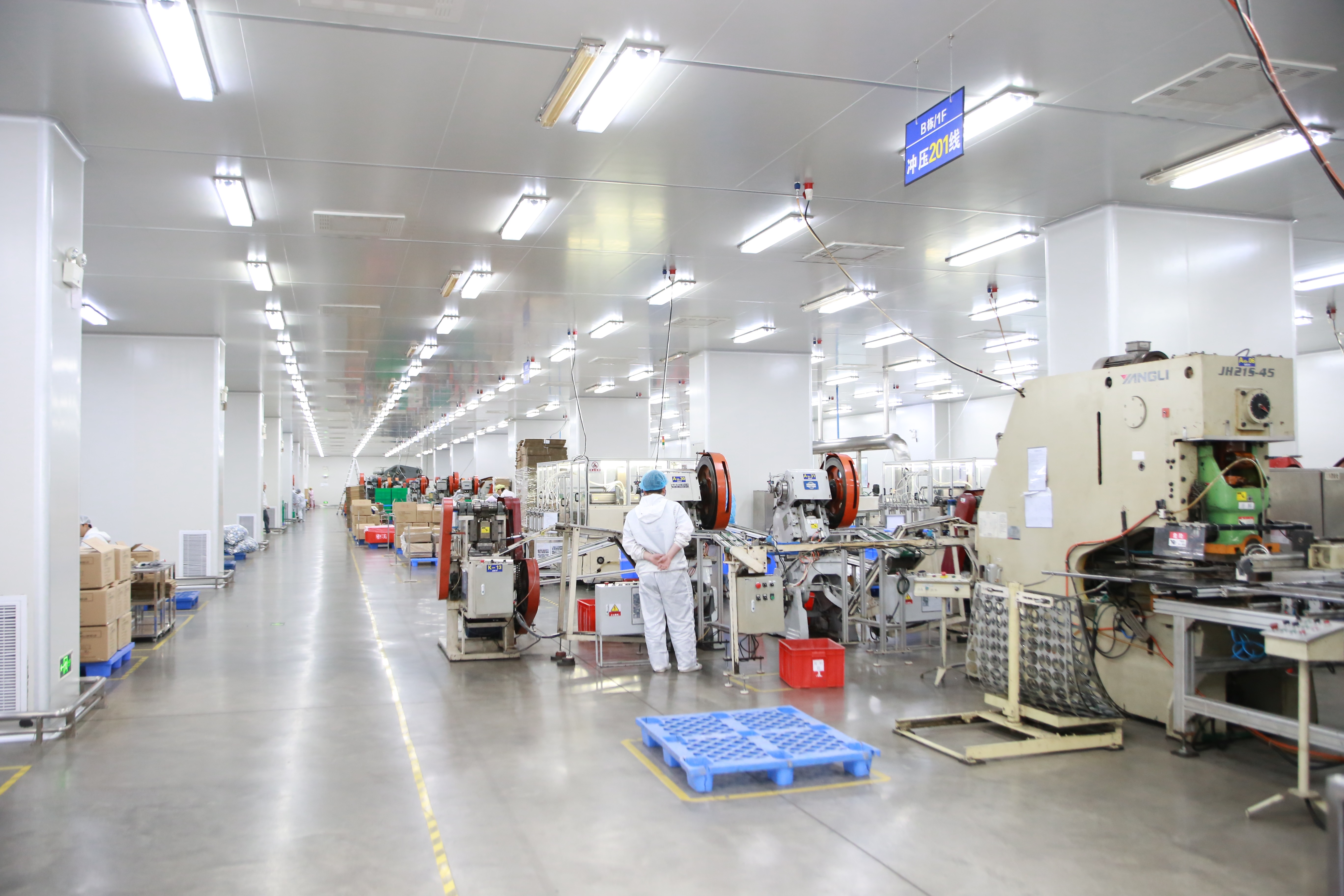
From simple rectangular boxes to more complicated hinged shapes, punching forms the structure of the finished tin.
Specialty and Industrial Tins
Other common searches include tool tin box factory, watch tin box factory, cigar tin box factory, and tin can box factory. These products may use metal packaging for protection, organization, display, or premium unboxing. Tool tins need rigid construction. Watch tins need precise interior space. Cigar tins often need a premium exterior finish. The common thread is that the buyer should ask for samples that reflect the intended loading, closure, and visual finish.
One Factory, Many Product Categories
This is why a buyer may start with the broad phrase tin box factory and then refine the search by category. The same factory can supply multiple industries, but each product category creates a different specification. Comparing factories based only on the phrase tin box factory is not enough. The comparison should be based on the product category, certification scope, sample quality, and operational capacity.
Step-by-Step Breakdown: How to Match a Factory to Your Product
Use the following sequence before sending an inquiry to a tin box factory. The sequence works for both small brands and experienced procurement teams.
Step 1: Define your product and destination market. Write down the product name, fill weight or dimensions, target retail packaging style, and countries where the product will be sold. This information determines which standards matter.
Step 2: Identify compliance requirements. Food products sold in the EU have different expectations from packaging used for tools or stationery. For direct food contact, buyers often ask about tinplate standards such as EN 10202:2022 or FDA food-contact rules. For pharmaceutical or health care packaging, traceability and production records may be more important.
Step 3: Check the factory product range. Does the factory already list food tins, cosmetic tins, or pharmaceutical tins in its main products? If your category appears, you can ask for similar product samples. If your category is not listed, ask whether the factory has made analogous metal packaging.
Step 4: Verify certifications and audits. A useful starting point is a tin box factory holding recognized quality, environmental, food-safety, and social audit certifications. The certificates should be reviewed for scope and validity, not just collected as logos.
Step 5: Request a category-specific sample. A general tin box sample will not answer your main question. Ask for a sample that matches your product size or closure concept. If you are selling food, the relevant question is whether the coating and material are suitable for that use.
Step 6: Review capacity and lead time. Ask how the factory plans tooling, sample approval, mass production, and delivery. If your project is seasonal, such as mooncake tins, ask how the factory schedules high-demand periods.
Step 7: Confirm long-term communication. Export-oriented tin box factories often serve buyers in Europe, America, and Asia. Confirm how many export sales they handle and how they manage multilingual or cross-time-zone communication.
Use Cases: Applying the Selection Process
Use Case A: Food brand exploring chocolate tins for the first time. A product manager wants to know whether chocolate packaging should come from a dedicated chocolate tin box factory or from a broader tin box factory. The practical approach is to evaluate food-safety management systems first. If a factory holds ISO22000, BRCGS, or FSSC22000, and can show a chocolate or food tin sample with suitable coating, it may be a better fit than a factory with beautiful non-food samples only.
Use Case B: Cosmetics brand searching for a perfume or soap tin. In this case, visual quality often carries more weight. The buyer should request a finished sample with the intended surface color, logo, and inner structure. A factory with strong R&D support can help refine the shape before tooling begins.
Use Case C: Procurement team consolidating multiple packaging SKUs. Instead of using separate chocolate, cosmetic, and medicine tin box suppliers, some buyers prefer one factory for multiple product lines. This approach can simplify quality audits and logistics, but it requires the factory to demonstrate experience across each relevant category.
Comparison Table: Search Terms and the Sourcing Factors Behind Them
The table below maps common search phrases to the buyer need and the factory factor that should be checked. It is a comparison of sourcing intent, not a ranking of factories.
| Search phrase | What the buyer usually needs | Factory factor to verify |
|---|---|---|
| Tin box factory | A manufacturer that can design and produce custom tinplate boxes | Product range, scale, certifications, and export experience |
| Chocolate tin box factory | Food-safe decorative tins for chocolate products | Food-safety certifications and suitable coating |
| Candy tin box factory | Small, attractive tins for candy or confectionery | Print quality and food-contact material documentation |
| Chewing gum tin box factory | Compact branded tins that can be filled with gum | Precision dimensions and repeat opening or closing |
| Mooncake tin box factory | Seasonal gift tins for mooncake sales | Tooling readiness and production scheduling |
| Tea tin box factory | Metal boxes that help preserve tea freshness | Closure design and moisture protection |
| Coffee tin box factory | Airtight coffee packaging with retail appeal | Material and seal quality |
| Medicine tin box factory | Compliance-conscious packaging for medicines | Material traceability and manufacturing control |
| Health care product tin box factory | Safe, clean packaging for wellness products | Production environment and documentation |
| Cosmetic tin box factory | Premium metal packaging for beauty products | Print, finish, and custom structural design |
| Soap tin box factory | Attractive, practical tins for soap and balms | Finish durability and seamless inner fit |
| Perfume tin box factory | Luxury display or gift packaging for perfume | Surface decoration and interior fit |
| Lunch tin box factory | Durable metal lunch boxes for daily use | Hinge strength and edge quality |
| Stationery tin box factory | Metal packaging for pens, pencils, or small stationery | Size accuracy and repeated opening |
| Pencil tin box factory | Sturdy metal pencil cases or pencil boxes | Forming accuracy and durable finish |
| Glasses tin box factory | Protective cases or display tins for eyewear | Interior cushioning or fitted structure |
| Watch tin box factory | Metal boxes for watch display or storage | Interior compartments and product fit |
| Tool tin box factory | Rigid packaging for hand tools or small parts | Tinplate strength and interior layout |
| Tin can box factory | A general-purpose maker of metal cans, boxes, and containers | Production capacity and engineering support |
| Cigar tin box factory | Premium metal packaging for cigars | Fit, finish, and moisture control |
| Condom tin box factory | Discreet, safe, or promotional packaging for personal wellness | Material safety, cleanliness, and decoration control |
| Tissue tin box factory | Display or dispenser-style tins for tissue products | Opening mechanism and dimensional stability |
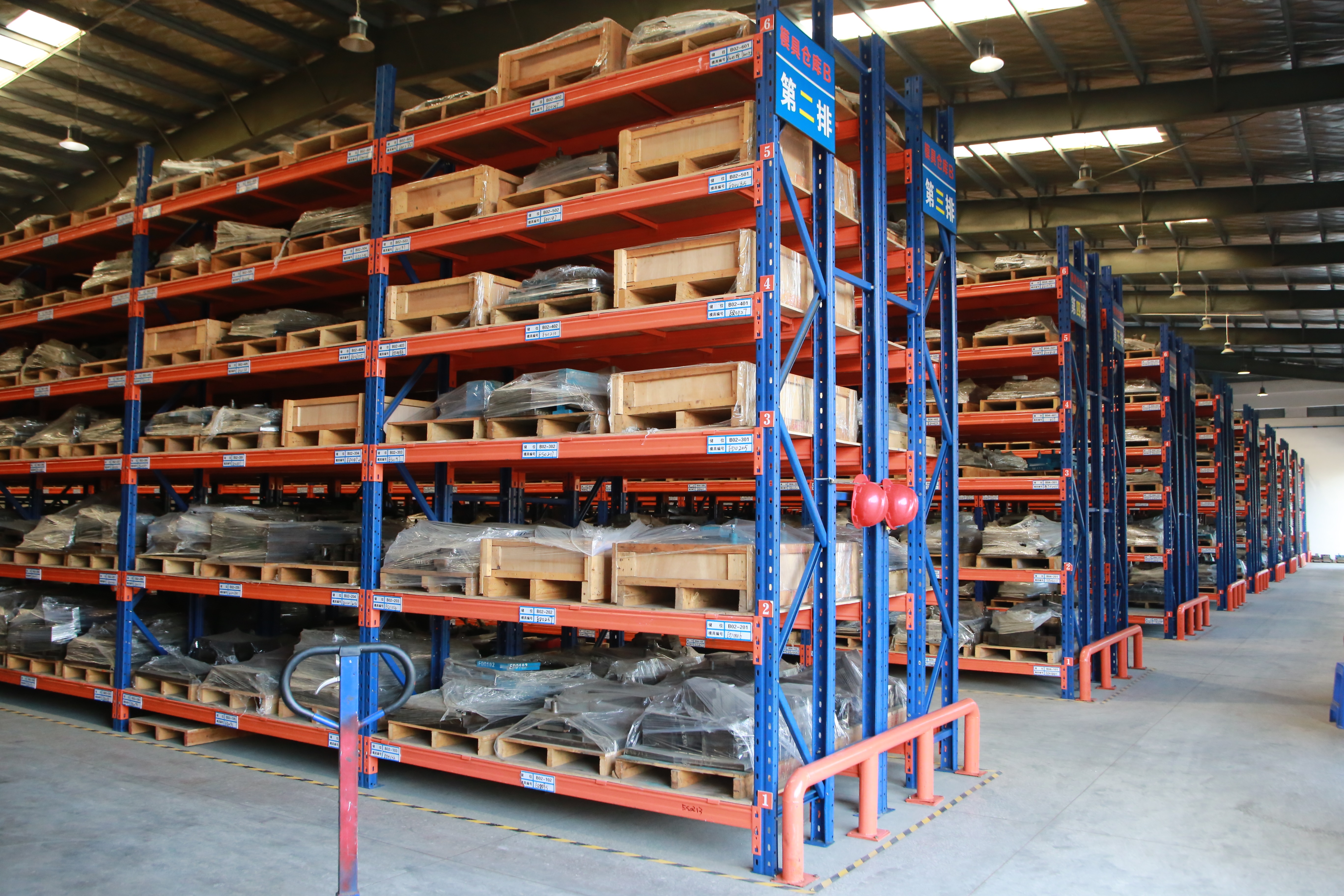
Tooling management is one sign that a tin box factory can support multiple product categories.
Certification and Evidence to Review
Certifications give buyers a starting point, but they should be checked against the intended product. Dongguan City Jingli Can Co., Ltd. states that it holds ISO9001, ISO14001, ISO22000, BRCGS, FSSC22000, and SEDEX 4P certifications. In practical terms, ISO9001 relates to quality management systems, ISO14001 to environmental management, and ISO22000, BRCGS, and FSSC22000 to food-safety-related management. SEDEX 4P is a social audit platform often used in supply chains.
For buyers shipping food packaging to the EU, EN 10202:2022 specifies requirements for electrolytic tinplate for direct food contact. For US-bound products, FDA rules covering food-contact substances are commonly referenced. These external standards reinforce why a broad tin box factory claim should be matched with product-specific evidence.
Frequently Asked Questions
1. What certifications should a tin box factory hold for food or medicine packaging?
For food-related metal packaging, buyers commonly look for food-safety management certifications such as ISO22000, BRCGS, or FSSC22000, supported by quality and environmental management systems such as ISO9001 and ISO14001. SEDEX 4P is another common supply-chain signal. As an example, Dongguan City Jingli Can Co., Ltd. states that it holds ISO9001, ISO14001, ISO22000, BRCGS, FSSC22000, and SEDEX 4P. For EU-bound direct food contact products, EN 10202:2022 is part of the tinplate conversation; for US-bound products, FDA food-contact substance rules are commonly reviewed. Always check the certificate scope before making a final decision.
2. Can one tin box factory produce chocolate, tea, cosmetic, medicine, and stationery tins?
Yes, a tin box factory can serve multiple product categories if it has the right production systems and material control. Product diversity is common because the core manufacturing process is similar, while the finish, coating, and documentation change by category. For example, Dongguan City Jingli Can Co., Ltd. includes food tins, tea/coffee tins, cosmetic tins, gift tins, and pharmaceutical tins in its main products. The more important question is whether the factory can show product-specific evidence for your category.
3. How do prices differ when using a tin box factory for custom products?
Custom tin box pricing is determined by size, tinplate thickness, shape, decoration complexity, tooling requirements, order quantity, finishing, packaging, and logistics. There is no universal price list across the industry. A large factory may offer better scale efficiency, but the quote should always be compared on the same specification. Ask for a breakdown that separates tooling costs from unit costs so you can understand what changes when your design or order volume changes.
4. What sample should a buyer request before beginning mass production?
Request a sample that represents your product category, not just a generic box. If possible, send the product that will be placed inside the tin and test dimensional fit, opening and closing, print color, and coating suitability. For food products, ask the factory to confirm the coating type and provide relevant food-contact documentation. A pre-production sample should become the approval reference for later mass production.
5. How long does a typical tin box factory project take?
Lead time depends on tooling availability, material supply, decoration complexity, order quantity, season, and factory load. A simple existing tooling project may move faster than a new custom design. No responsible factory should promise a universal timeline without reviewing the specification. The practical next step is to send your product category, target quantity, and launch date to the factory and ask for a detailed calendar that includes sample approval and batch production milestones. For a sourcing conversation with JINGLI CAN, you can contact sales11@jinglitinbox.com.
Conclusion
A tin box factory is not one fixed product. It can support chocolate boxes, tea canisters, cosmetic tins, medicine tins, stationery tins, tool boxes, and many other categories. What changes is the buyer requirement: food safety for confectionery, airtightness for tea and coffee, finish quality for cosmetics, and dimensional precision for consumer goods.
Start with the product category, not the factory label. Compare factories by certifications, relevant experience, sample quality, capacity, and export workflow. This approach helps you turn the broad search phrase tin box factory into a practical sourcing decision.
Next step: If you are mapping your product to a tin box factory, send a short project summary including product category, target markets, estimated quantity, and intended launch date to sales11@jinglitinbox.com. A sample or quote assessment can help you move from research to evaluation.
Have Questions or Need More Details?
Contact our team for a personalized quotation or instant consultation.
Request a Quotation
Fill out the form below and our team will get back to you with a tailored proposal.
WhatsApp Direct Chat
Prefer to chat in real-time? Message us on WhatsApp for instant assistance & quick answers.
- Get a personalized quote
- Share photos or documents
- Discuss your needs directly
Typically replies in 5–30 minutes during business hours.