
Tin Box Factory Scenarios: A Product-First Sourcing Guide
Last updated: September 2026

Scenario matters more than category when sourcing tin packaging. When a buyer starts with the phrase tin box factory, the real question rarely stops at whether the supplier can form a metal container. For a chocolate tin box, the question also involves food contact and shelf appeal. For a tin lunch box, it involves repeated opening, cleaning and edge safety. For a medicine tin box, it may involve compliance, traceability and a controlled supply process. A category names the object; a scenario describes all the conditions the object must survive.
This guide is written for brand owners, product managers, importers and procurement teams that are still in Research and Evaluation. It connects product project scenarios to the evidence a tin box factory should provide before purchase decisions are made. The article defines six dimensions of fit, offers a step-by-step sourcing workflow, reviews common search scenarios, and closes with practical FAQs. The factory example used throughout is Dongguan City Jingli Can Co., Ltd (JINGLI CAN), a professional tin packaging manufacturer founded in 1999 and positioned as an export supplier to Europe, America and Asia. Its official website is tinbox.cn.
Specialized buyer searches also reflect this product-first behavior. Queries such as tin lunch box factory, Chocolate tin box factory, chewing gum tin box factory, candy tin box factory, mooncake tin box factory, Tea tin box factory, medicine tin box factory, health care product tin box factory, soap tin box factory or Pencil tin box factory are used by buyers who already know their product category. Those phrases should be treated as entry points, not as a complete factory specification. Two suppliers can both rank for the same category keyword and still have very different answers for closure style, coating, tooling depth, certification scope and sampling speed.
Why Product Categories Do Not Give a Complete Tin Box Factory Project Picture
The first sourcing mistake is over-reliance on the product name. If a buyer asks a tin box factory for a cosmetic tin, the factory still needs to know whether the contents are oil-based or alcohol-based, whether a tray or brush is inserted, whether the box is displayed open on a shelf, and whether the same lid will be opened hundreds of times. If a buyer asks for a tea tin, the factory needs to know whether freshness is the priority, whether a gasket is used, and whether the decoration must survive a kitchen environment. These details do not appear in a category label.
Food and beverage applications are a large part of the industry context. Fortune Business Insights reports that the food and beverage segment accounted for 57.36 percent of the metal packaging market in 2024. That data point matters for tin box factory evaluation because many factories orient their quality systems toward food tins, confectionery tins, tea tins, coffee tins and pharmaceutical tins. When a food-compliant factory handles a candle tin or a pencil tin, the factory should be able to explain where food-grade and non-food-grade processes are separated. When a general packaging factory handles a food project, the buyer has to verify food-safety management from material statements to line cleaning.
Project mismatch also appears after sampling. A beautiful tin can fail if its internal lacquer is not declared, if the lid lock is too easy for children to open, if moisture reaches fragile contents, if the decoration scratches during transport, or if the box cannot run on the customer filling line. These failures are scenario failures, not simply tin container failures.
Tin Packaging Demand: Sourcing Context for 2026 Projects
Several verified industry observations help explain why project-scenario sourcing is becoming more important.
First, the overall metal packaging category is growing. Fortune Business Insights values the global metal packaging market at USD 148.13 billion in 2024 and projects USD 184.21 billion by 2030, a compound annual growth rate of 3.7 percent. Within this larger market, specialists who source custom tins are looking for a supplier with design control, tooling, printing and assembly capability, not just volume output.
Second, Asia Pacific is central to production. Grand View Research reports that Asia Pacific held 35.63 percent of metal packaging revenue in 2024, driven in large part by China’s manufacturing base for food and beverage tins. For global buyers, this reinforces the need to audit factory-specific facts instead of assuming that a factory location guarantees product fit.
Third, specialty tinplate packaging is projected to expand. Precedence Research estimates the global tinplate packaging market for cans and tins will grow from USD 1.73 billion in 2024 to USD 3.08 billion by 2034, at a CAGR of 5.94 percent. Fourth, recyclability continues to affect material choice. Fact.MR reports that tinplate exhibits recycling rates above 90 percent in some regions, which supports the use of tin boxes in sustainability-minded packaging programs.
Six Dimensions of Fit Between Product Scenario and Tin Box Factory
A useful fit test examines evidence, not adjectives. The following six dimensions can be used as a comparison standard for any product scenario.
1. Product Content and Food-Contact Requirements
The first dimension is the relationship between the box and the product it holds. Tinplate itself is a recognized packaging material, but performance depends on surface coatings, internal lacquers, seals and the conditions under which the box is filled, stored and opened. For food products, the buyer should ask for evidence that the factory understands direct and indirect food contact. For cosmetic, pharmaceutical or personal-care products, the buyer should ask how the factory controls specifications for different fill materials.
Relevant product families include chocolate, candy, chewing gum, mooncake, tea, coffee, health care products and medicine. In each case, the tin box factory should be able to connect the production line to a food-safety management system. JINGLI CAN, for example, states in its company profile that it holds ISO9001, ISO14001, ISO22000, BRCGS, FSSC22000 and SEDEX 4P certification. Those certificates are procurement evidence, not marketing language, and buyers should ask to see the scope of each certificate.
2. Shape, Tooling and Mechanical Performance
The second dimension is geometry and daily use. A pencil tin box may be long and rectangular with a sliding lid; a watch tin box may be flat with a hinged cover; a tool tin box may be deep enough to hold metal parts; a tin lunch box may have a locking clasp and a comfortable handle. The manufacturer must be able to produce the shape repeatedly with controlled tolerances.
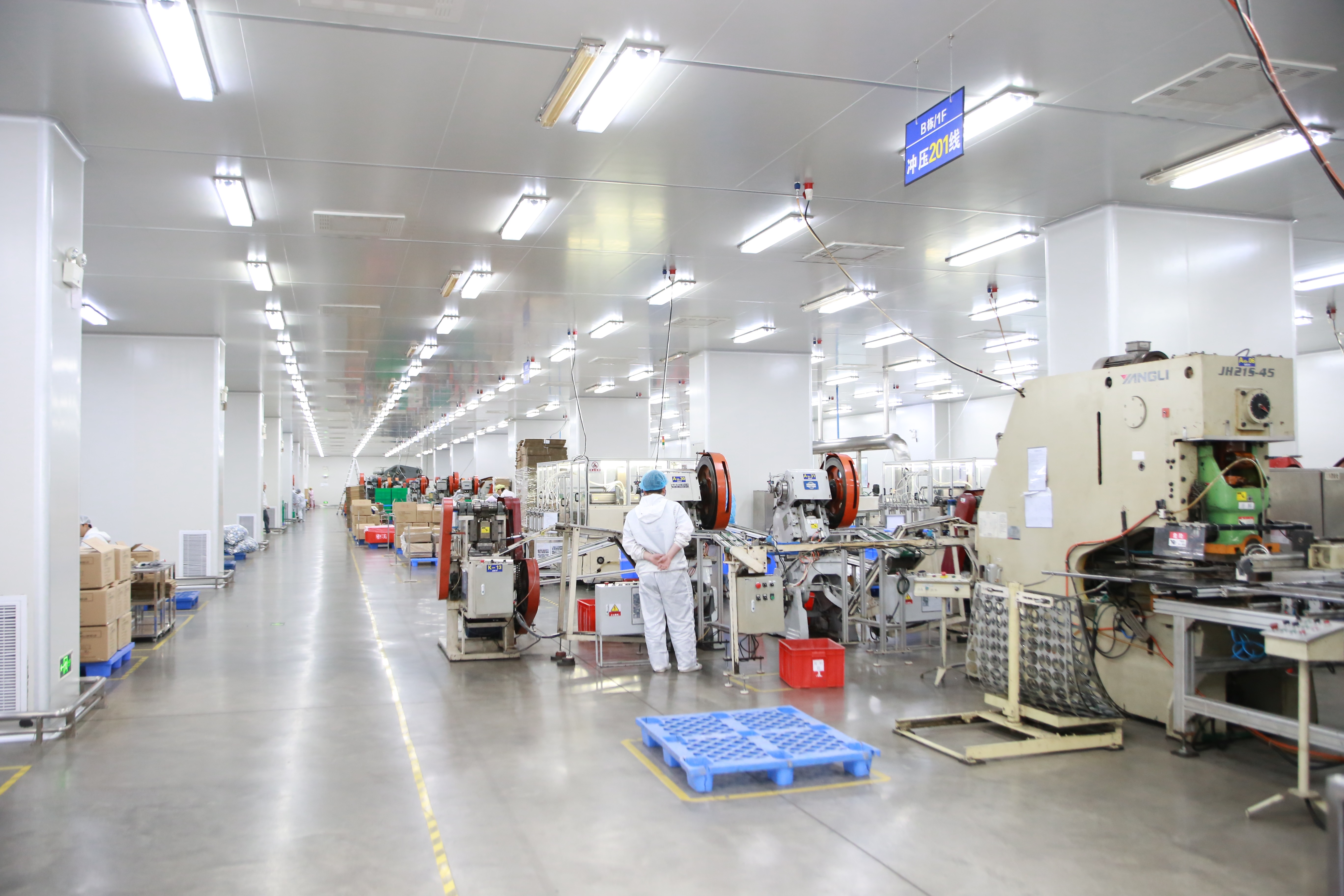
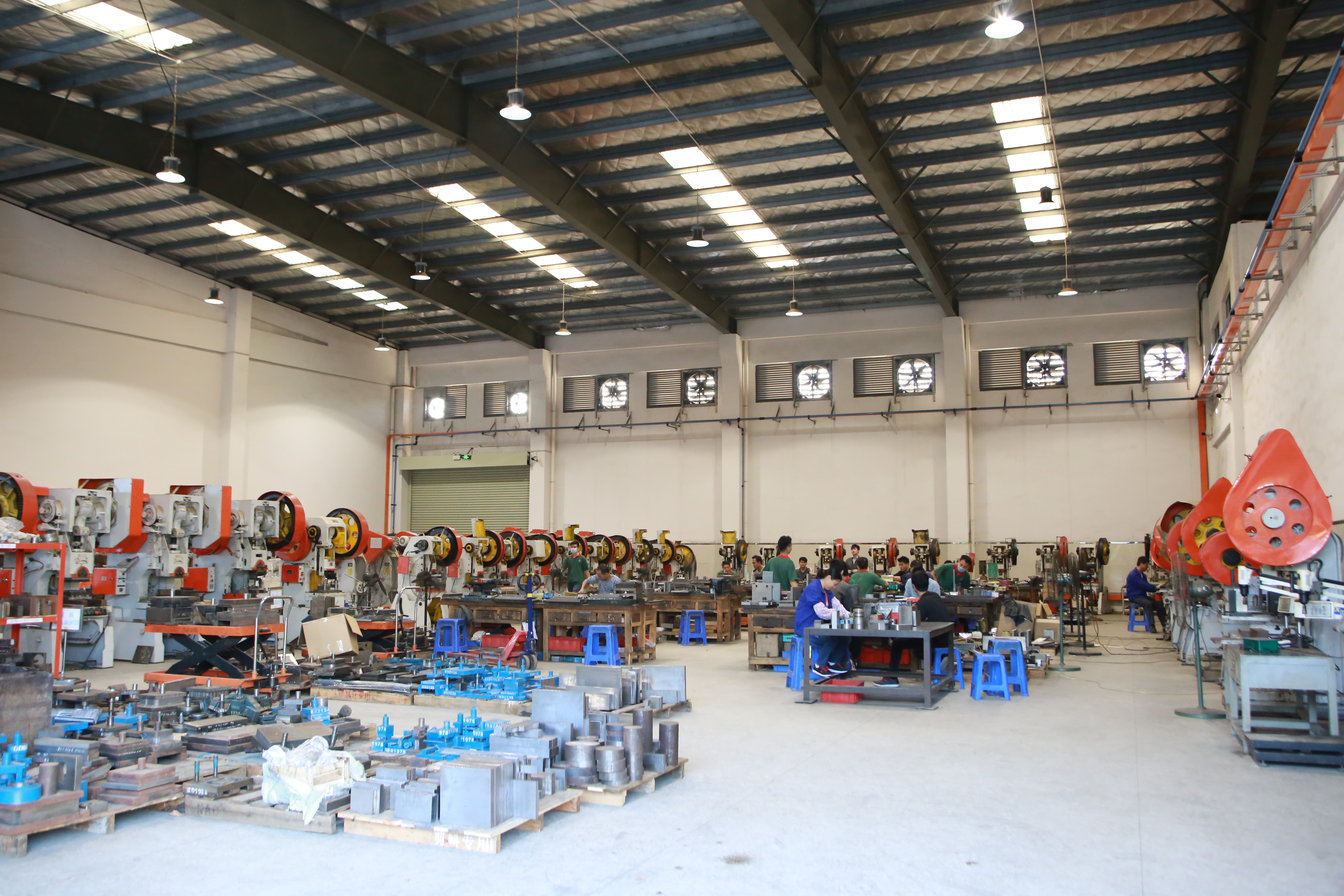
Mechanical performance depends on tooling design, metal gauge, seaming and assembly. A factory with in-house tooling and punching departments can respond faster when a project scenario changes from a simple round candy tin to an irregular promotional box. Buyers should ask specific questions about hinge strength, lid lock, stacking strength and internal fittings. A good tin box factory will also point out when a requested shape is not the most economical or durable solution.
3. Protection and Seal Expectations
The third dimension is the barrier function. Metal offers strength and protection against light and physical damage, but the final barrier depends on the closure mechanism and the internal treatment. Tea, coffee, medicine and health care products often need strong moisture and aroma control. Confectionery boxes may need a secure reclose feature for long shelf life. Cigar boxes may need to protect contents from humidity while retaining presentation value. Pharmaceutical packs may require material declarations that support stability studies.
When evaluating a tin box factory, do not assume that every lid is airtight. Confirm which options exist for gaskets, sealing rings, liners and internal coatings. Request an explanation of what the standard box can and cannot do before approving a sample.
4. Decoration, Printing and Brand Surface
The fourth dimension is the visual surface. Tin boxes are frequently chosen because they create a premium brand moment on retail shelves. Chocolate gift tins, mooncake tins, perfume tins, cosmetic tins and soap tins often carry multiple printing colors, embossed logos, metallic effects and protective varnishes. A factory that controls printing and finishing in one flow can manage the relationship between the outer decoration and the inner food-contact layer more consistently.
Buyers should ask for printed sample references in the same decorative family. A printed sample is evidence of color management, registration, embossing depth and coating consistency. It does not prove that the factory can supply certified food packaging, but it answers a different part of the project scenario.
5. Destination Market and Regulatory Compliance
The fifth dimension is the jurisdiction where the filled tin will be sold. Different markets ask different questions about direct food contact, safety and chemical migration. In the European Union, EN 10202:2022 specifies electrolytic tinplate requirements for direct food contact. In the United States, the FDA requires certified materials such as tin-plated steel or aluminum for food-grade tin boxes and often requires food-safe lacquers such as epoxy resins to prevent metal migration.
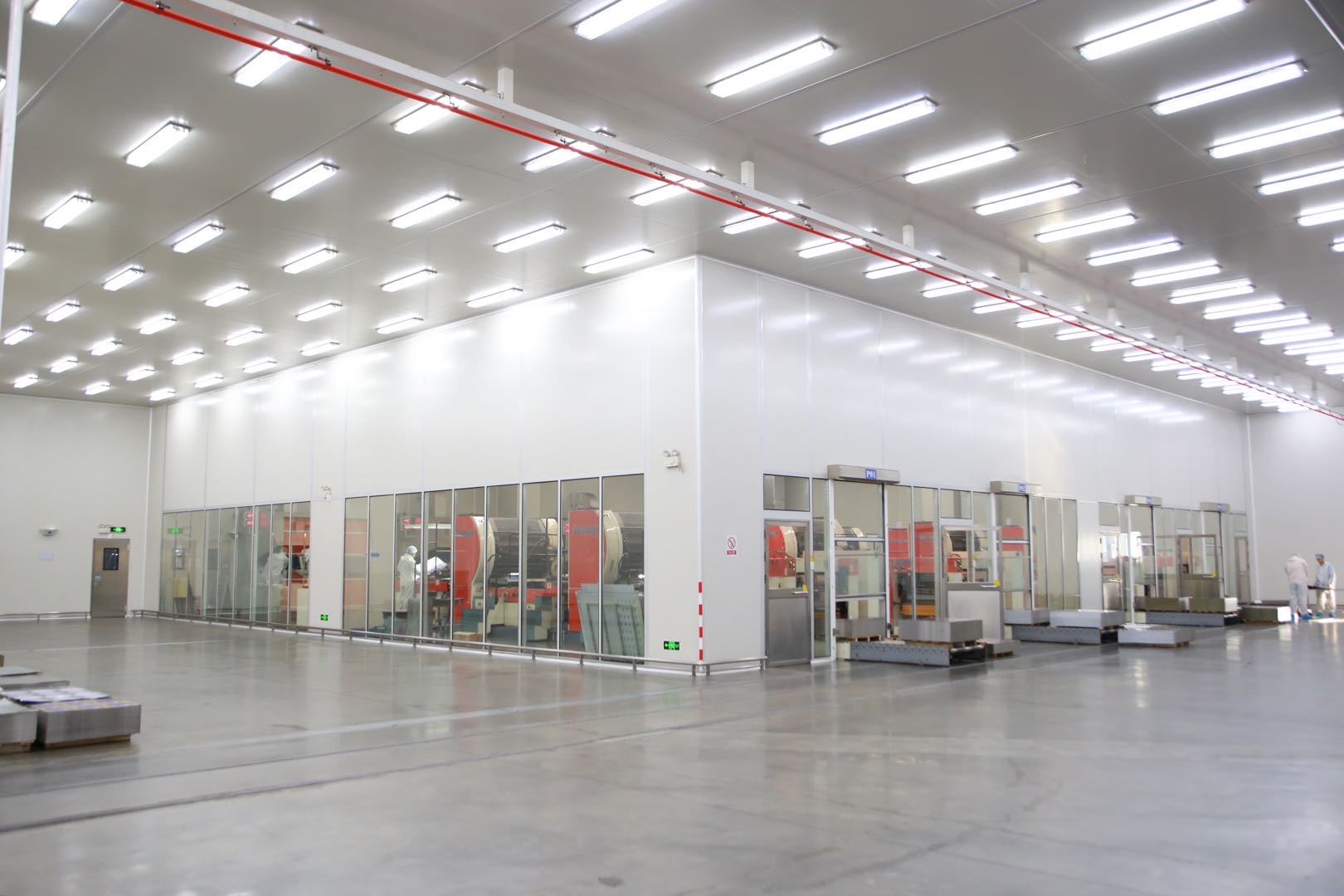
A tin box factory with strong export experience is easier to evaluate on this dimension because it can show which destination requirements it has already handled. JINGLI CAN reports that 70 percent of its output is exported to Europe, America and Asia. That fact is relevant for buyers who need a factory familiar with documentation, product marking and customer compliance requests.
6. Production Scale, Supply Stability and Change Management
The sixth dimension is not about the sample; it is about repeatable supply. A project scenario may begin with a small launch quantity, but a successful product will need repeat orders, color control across batches, stable delivery and backup capacity during seasonal peaks. Mooncake tin box programs, chocolate holiday gift tins, and global cosmetic launches are all sensitive to capacity planning.
First-party profile facts can help buyers build a shortlist. JINGLI CAN was founded in 1999 and its company profile describes a 150,000-square-meter operation with more than 2,000 employees, a 50-person R&D team and daily production capacity of 600,000 pieces. The same profile says the factory maintains a regular tinplate stock of 30,000 tons. These facts should be judged alongside audit results, sample timing and commercial terms, but they provide a starting point for capacity evaluation.
How to Apply the Scenario Fit Process: A Step-by-Step Breakdown
The six dimensions are most useful when converted into a short factory evaluation workflow.
- Write a one-page project brief. State the product, the approximate size and weight, the filling method, the desired closure type, the number of prints, the destination countries and the target launch quantity. If the product is food, medicine or health care, say so explicitly.
- Define mandatory compliance. Separate the requirements that are legally required from the requirements that are only preferred. For example, EN 10202:2022 matters for tinplate used in direct food contact in the EU, while FDA 21 CFR guidance is relevant for the US market. Factory certificates such as BRCGS, FSSC22000 or ISO22000 should be checked against the countries you export to.
- Translate requirements into factory evidence. Do not ask only whether a tin box factory can make a candy tin. Ask for material declarations, lacquer descriptions, sample references, certificate scope, printing references and tooling capacity. The goal is to match evidence to each of the six dimensions.
- Send the brief to a shortlist. If you are searching for a chewing gum tin box factory, include the fact that the tin will contact a food product. If you are searching for a Pencil tin box factory, describe the pencil size and how the set should be positioned inside the box. The same shortlist method works for tool tin boxes, watch tin boxes, perfume tin boxes and glasses tin boxes.
- Request a development sample or prototype. The sample should be tested under your real conditions: fill the product, close the lid, ship the carton, open and close the box repeatedly, and check the decoration under retail lighting. The sample that remains on a desk is not enough evidence.
- Review production and delivery assumptions. Ask for the critical path from artwork confirmation to pre-production sample to mass production. Confirm how color changes, quantity changes and packaging variations will be handled. Seasonal products such as mooncake gift boxes or holiday chocolate tins should be planned earlier rather than later.
Common Tin Box Factory Sourcing Scenarios and What They Mean for Buyers
Buyers often search for a factory by naming the product they produce. These product scenarios are useful when translated into evaluation priorities.
Confectionery, Chocolate and Candy Tin Projects
Searches for Chocolate tin box factory, candy tin box factory, chewing gum tin box factory and mooncake tin box factory usually come from promotional, seasonal or gift programs. The buyer must prioritize food-grade internal coating, print quality, and a safe closure system. If a tin is distributed with food inside, the whole supply chain, including filling and packaging, should be considered part of the food-safety scenario.
Tea, Coffee and Health Care Product Tin Projects
Tea tin box factory and health care product tin box factory searches often come from brands that want to communicate freshness and quality. The main requirement is protection against moisture, odor and light. Buyers should ask whether the factory offers inserts, gaskets or liners that support a sealed environment. Product weight and packing method also matter because retail tea tins may be filled by hand, while some food lines use automated filling.
Medicine and Regulated Product Tin Projects
Medicine tin box factory is a more demanding scenario. The buyer should verify factory certificates, material declarations and the ability to keep clean, controlled and separated production runs. If the product is a medical device or a pharmaceutical-adjacent item, consult the relevant market rules before requesting a commercial sample. Compliance failures in this scenario are more costly than decoration mistakes.
Cosmetic, Perfume and Soap Tin Projects
Cosmetic tin box factory, Perfume tin box factory and soap tin box factory searches usually focus on premium appearance and compatibility with liquids, creams or solids. A decorative tin for solid soap is different from a tin designed to hold a liquid-filled product. Ask how the inner surface will react to the formulation and how inserts or frames will secure the main product.
Everyday Use Tin Projects
Tin lunch box, stationery tin box and Pencil tin box factory searches involve boxes that are opened often and sometimes used by children. Sharp edges, hinge durability, coating safety and lid design become important. A school project may need a strong clasp; a stationery project may need sliding partitions; a lunch box project may need a handle and enough depth for food containers.
Durable Goods and Gift Projects
Tool tin box factory, watch tin box factory and glasses tin box factory searches reflect protective and display functions. The tin must protect a heavy or fragile object, hold it in position, and remain attractive after repeated use. Buyers should ask for internal trays, foam supports, hinges and packaging methods that prevent movement during transport.
Tissue, Condom, Glasses, Cigar and Other Personal Scenarios
Some categories, including tissue tin box factory, condom tin box factory, glasses tin box factory and cigar tin box factory, combine retail merchandising with special handling. A condom tin should be evaluated against the regulations of the destination country because the primary product is regulated in many markets. A cigar tin should be evaluated for humidity control and odor protection. A tissue tin may prioritize convenient dispensing and visual presence. In every case, the product scenario, not the box shape, defines the factory requirement.
Scenario Map: Matching Tin Box Factory Evidence to Search Intent
| Scenario cluster | Common buyer search phrases | What changes in factory evaluation |
|---|---|---|
| Food and confectionery | tin box factory, Chocolate tin box factory, candy tin box factory, chewing gum tin box factory, mooncake tin box factory | Food contact materials, lacquer, certificate scope, safe closure and sampling control |
| Beverage and dry health foods | Tea tin box factory, health care product tin box factory, tin can box factory | Moisture and aroma control, seal options, material declaration and supply stability |
| Pharmaceutical and regulated personal care | medicine tin box factory, condom tin box factory | Regulatory documentation, traceability, clean production separation and market-specific rules |
| Cosmetic and home personal care | Cosmetic tin box factory, soap tin box factory, Perfume tin box factory, Tissue tin box factory | Internal finish compatibility, decoration, inserts, display effect and dimensional control |
| Educational and daily-use goods | tin lunch box factory, lunch tin box stationery tin box factory, Pencil tin box factory | Edge finishing, hinge strength, repeated opening, lid style and child-use safety questions |
| Durable objects and accessories | Tool tin box factory, watch tin box factory, Glasses tin box factory | Internal trays, padding, structural strength, stackability and transport protection |
| Gift and specialty packaging | Cigar tin box factory, mooncake tin box factory, perfume and cosmetic gift tins | Decoration quality, seasonal capacity planning, moisture control and premium presentation |
Frequently Asked Questions
What certifications should a tin box factory hold for food product scenarios?
For food contact packaging in the European Union, EN 10202:2022 covers electrolytic tinplate requirements. For the US market, FDA 21 CFR identifies the framework for food-contact substances. Buyers should also review factory management certificates that are visible in the supplier profile. Dongguan City Jingli Can Co., Ltd lists ISO9001, ISO14001, ISO22000, BRCGS, FSSC22000 and SEDEX 4P certification. The correct action is to ask for the scope of each certificate and compare it with the product and destination country in your project.
Can one tin box factory support both food and non-food product scenarios?
Many custom tin factories use the same core metal forming, printing and assembly processes for different product groups. What changes are coatings, sealants, internal surfaces, cleaning controls and quality procedures. Do not assume yes or no from a company description. Instead, state the product, contents, destination market and contact conditions, then ask the factory to explain how it separates or controls food-grade and non-food-grade work. A factory that cannot answer this question is difficult to evaluate.
What drives the budget for a custom tin box project?
Budget is project-specific. Common costs include box dimensions, depth and shape complexity, tooling, closure mechanisms such as hinges or clasps, internal trays and inserts, printing colors, embossing, varnish, order quantity and export packaging. A supplier cannot provide a meaningful estimate without drawings, samples or a project brief. Buyers should compare quotes on the same specification, not on the same product category name.
How should a buying team request a sample from a tin box factory?
Send a one-page brief that describes the product, the intended contents, whether the tin will touch food, the required box size, the filling method, target markets, decoration area and expected order quantity. Ask the factory for an engineering comment and sample proposal before production begins. This process gives the factory enough context to recommend a meaningful sample. For a direct next step, JINGLI CAN accepts project inquiries by email at sales11@jinglitinbox.com or by WhatsApp at +86 18819080997.
How early should a buyer contact a tin box factory?
The practical timeline depends on design maturity, tooling requirements, quantity and current factory schedules. A supplier should confirm dates only after receiving a project brief, artwork and a target launch date. Seasonal items such as mooncake boxes, chocolate holiday gift tins and annual cosmetic campaigns should be discussed earlier because they involve capacity peaks and longer logistics. Early contact also leaves time for food-contact documentation and pre-production samples.
Conclusion: Use the Scenario Brief Before the Purchase Order
A tin box factory is best compared with evidence, not adjectives. Product categories such as chocolate tins, tea tins, cosmetic tins, medicine tins, stationery tins, tool tins or lunch boxes tell a factory what you sell, but they do not tell it how to manufacture safely, how to protect the contents, or how to maintain brand quality across repeat orders.
The practical takeaway for buyers is straightforward. Define your product scenario, apply the six dimensions of fit, convert each requirement into factory evidence, and verify with a sample that reflects real use. When your project has seasonal timing, regulatory requirements or a fragile product, the tin box factory evaluation should happen before you fully commit to a packaging design.
Next step for your project. If you are evaluating custom tin packaging for a new product or launch season, send JINGLI CAN a one-page project brief at sales11@jinglitinbox.com or message the sales team on WhatsApp at +86 18819080997. Ask for their engineering comment, certificate scope and sample proposal based on your scenario.
Data context. Market observations in this article are attributable to Fortune Business Insights, Grand View Research, Precedence Research and Fact.MR for the periods stated. Standards and first-party facts are drawn from public regulatory frameworks and the JINGLI CAN company profile.
Have Questions or Need More Details?
Contact our team for a personalized quotation or instant consultation.
Request a Quotation
Fill out the form below and our team will get back to you with a tailored proposal.
WhatsApp Direct Chat
Prefer to chat in real-time? Message us on WhatsApp for instant assistance & quick answers.
- Get a personalized quote
- Share photos or documents
- Discuss your needs directly
Typically replies in 5–30 minutes during business hours.