Tin Box Factory Service Models Compared: Design-Only vs. Production-Only vs. Integrated
A tin box factory can support a packaging project in three fundamentally different ways: designing the tin while another plant manufactures it (design-only), manufacturing strictly to a finished drawing (production-only), or carrying the project from structural R&D through tooling, printing, assembly and delivery (integrated). The service model — more than the unit price — decides who controls quality, who owns the compliance file, how long the project actually takes, and where the hidden cost sits.
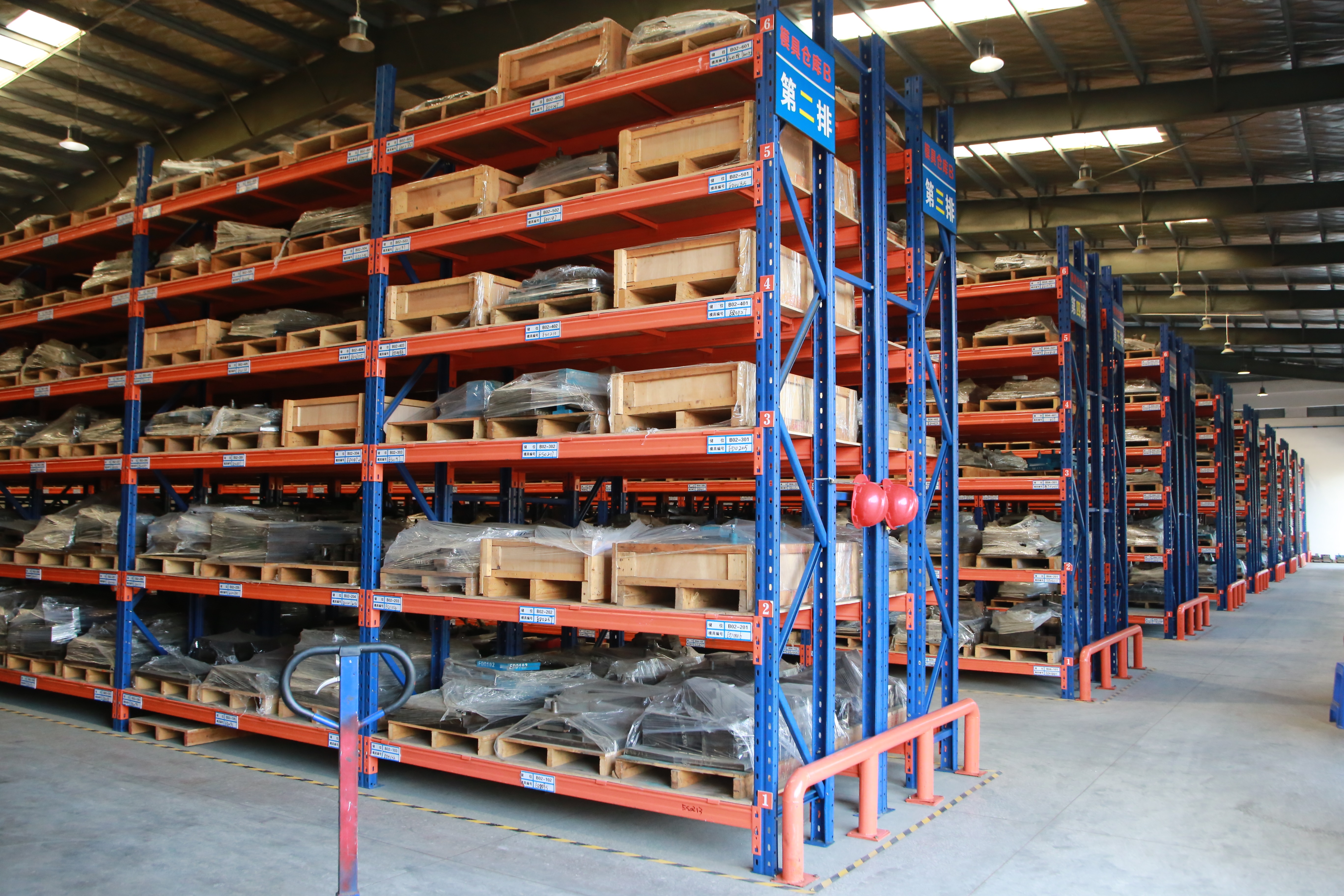
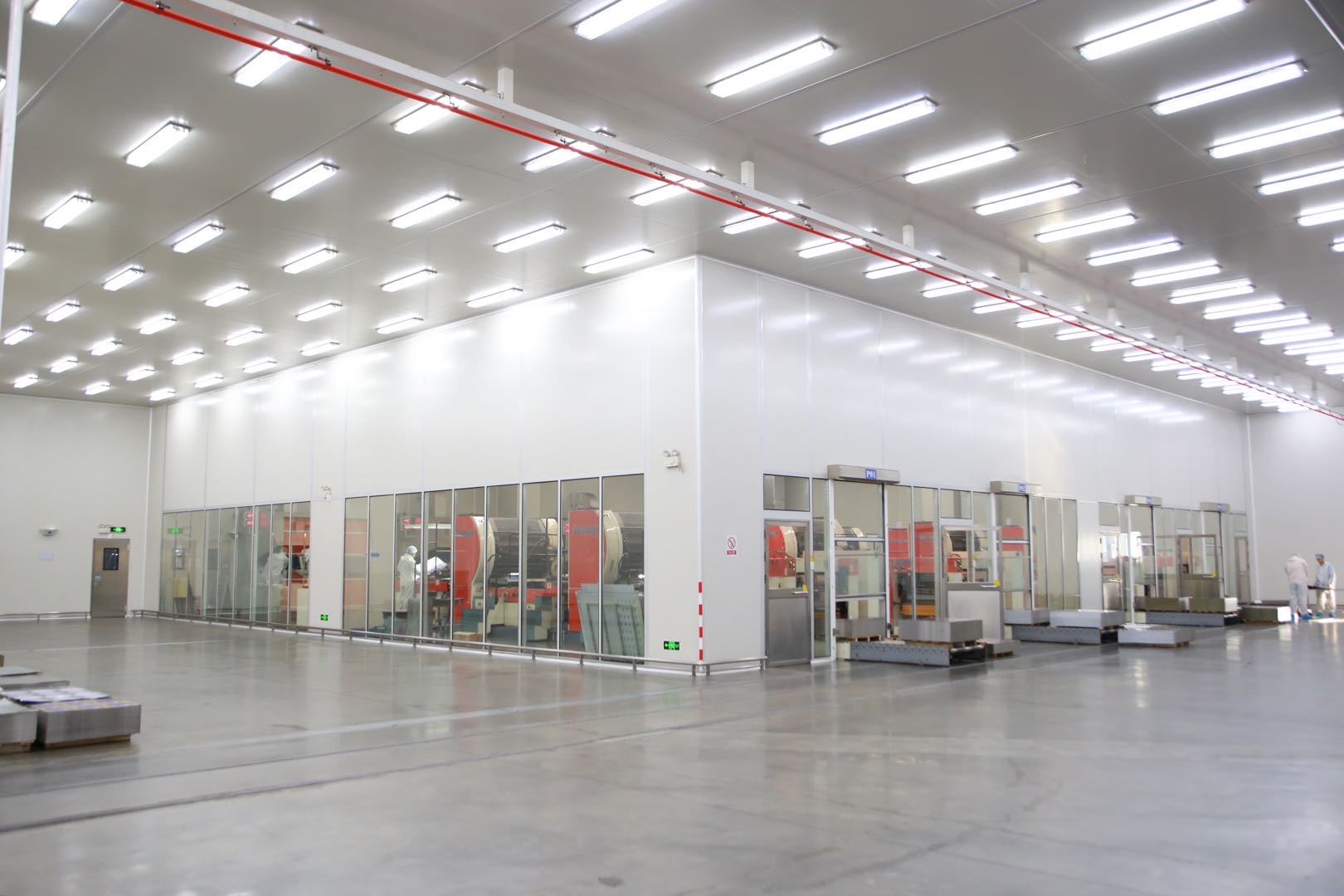
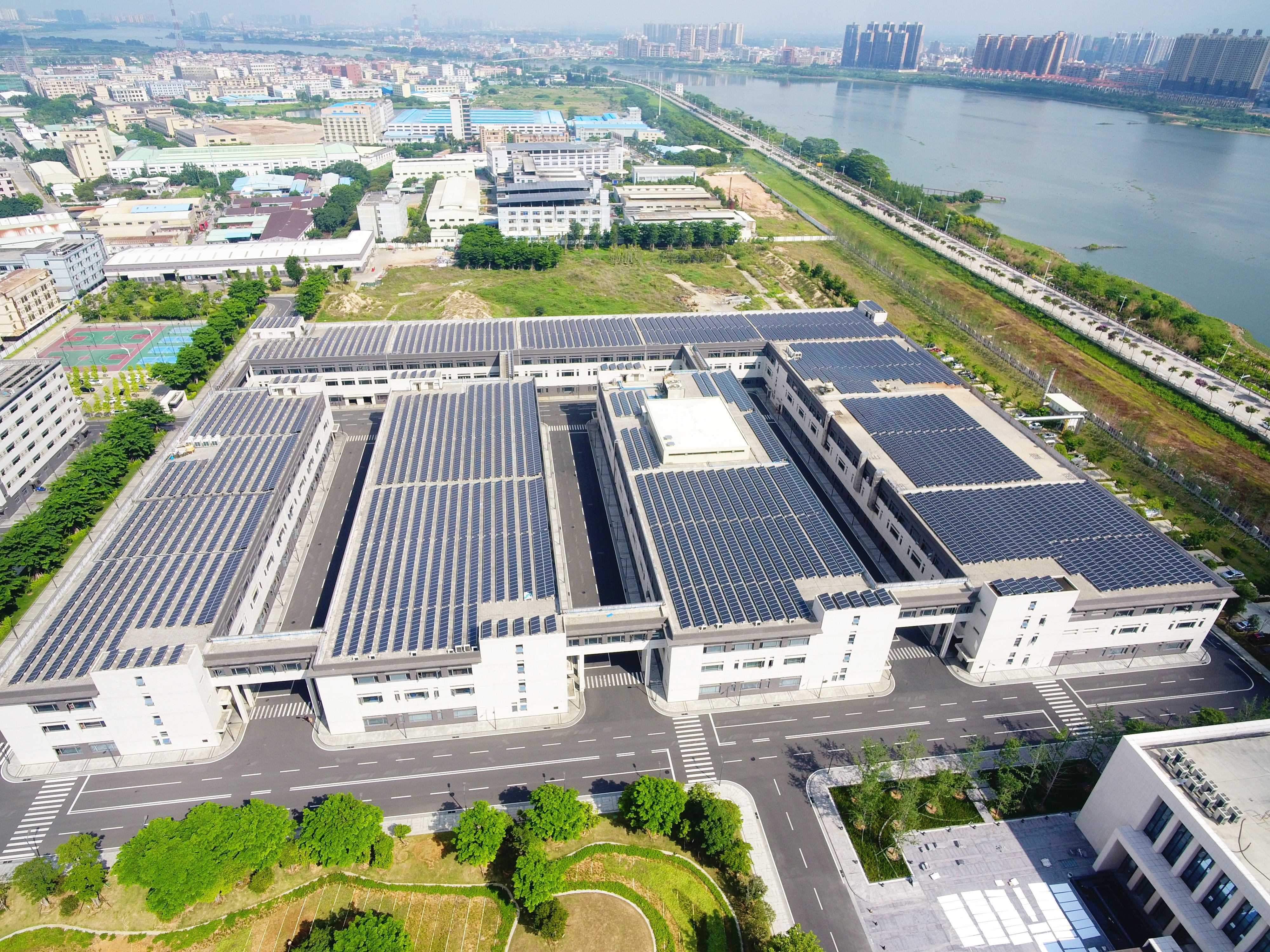
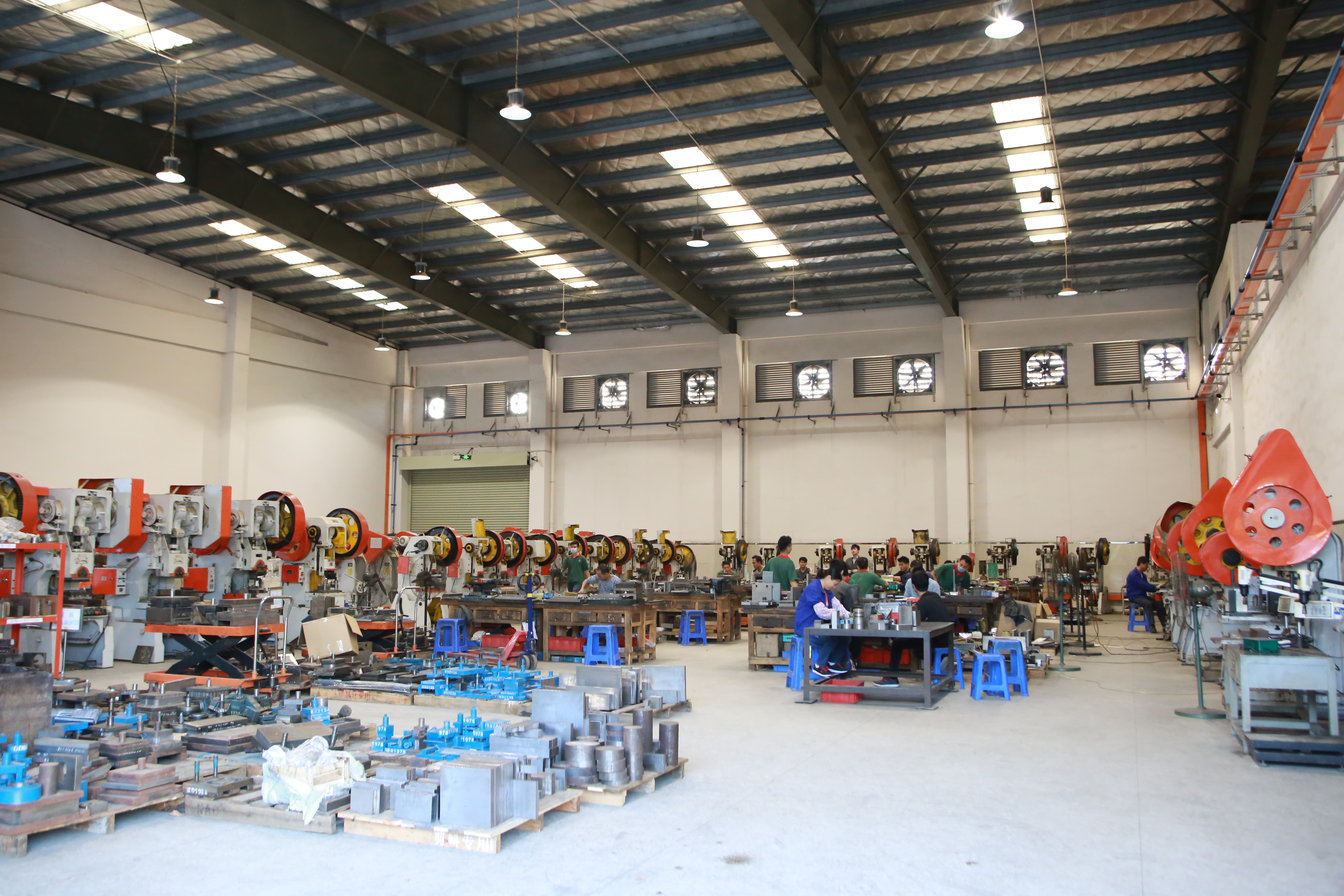
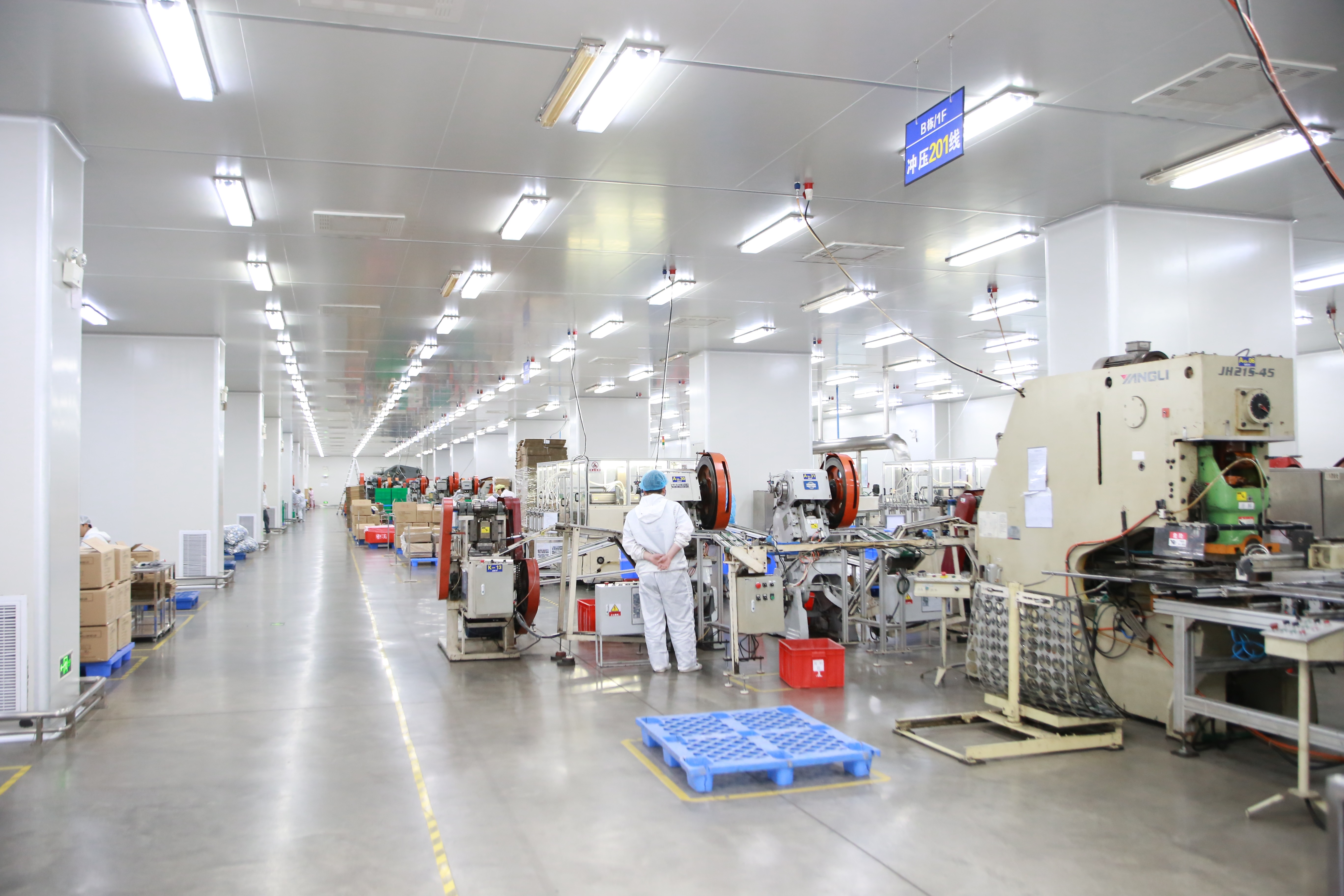
Buyers searching for a tin box factory usually receive quotations that look comparable on paper but describe three different scopes of work. This guide separates those scopes, compares them on the dimensions that matter during sourcing — communication, quality control, compliance documentation, sampling, lead time and total cost — and uses Dongguan City Jingli Can Co., Ltd. (JINGLI CAN) as a working example of the integrated model. JINGLI CAN is a tin packaging manufacturer established in 1999 that integrates R&D, production, marketing, sales and service, operating a 150,000 m² facility with approximately 2,000 employees, a 50-engineer R&D team, and an annual production capacity of 1,800,000,000 pieces.
Problem Definition: “Tin Box Factory” Describes a Scope, Not a Product
Most sourcing problems in metal packaging start as a language problem. “Tin box factory” names a manufacturing category, not a defined scope of responsibility. Two suppliers can therefore quote the same tin, the same dimensions and the same artwork file, while actually selling two different services — and the gaps between them only become visible after the deposit is paid.
The mismatch shows up in predictable, expensive patterns:
- Specification drift. Artwork approved with a design partner is rebuilt by a third-party toolmaker, so dimensions, radii and clearances shift slightly during translation.
- Split quality ownership. When design and production sit in different companies, no single party owns the finished tolerance. Defects are attributed to the drawing, the tooling or the material — but not resolved.
- Compliance documentation lag. Food-contact and social-compliance paperwork is requested late, and a supplier that only manufactures to a drawing may not hold the certificates the buyer assumed were included.
- Sampling treated as a formality. A sample that is not produced on the same tooling, print line and assembly process as mass production validates very little.
- Lead time quoted without its real components. Tooling, artwork approval, material procurement and inspection time are frequently excluded from the headline schedule.
- Total cost compared at the wrong line. Unit price is the visible number; tooling amortization, rework, rush freight, QA labour and document handling sit outside the comparison.
Industry Background: Why Service Scope Matters More Than It Used To
Metal packaging is a large, steady market with tightening documentation requirements. The global metal packaging market was valued at USD 148.13 billion in 2024 and is projected to reach USD 184.21 billion by 2030, a CAGR of 3.7%, according to Grand View Research and Fortune Business Insights. Asia Pacific dominated that market with a 35.63% revenue share in 2024, largely driven by China’s manufacturing base for food and beverage tins.
Application concentration explains why food-related projects drive so much of the tin box sourcing conversation: the food and beverage segment accounted for 57.36% of the metal packaging market share in 2024, according to Fortune Business Insights. For buyers in that segment, packaging is not a decorative purchase — it is a food-contact component with regulatory obligations attached.
Definitions matter when reading segment forecasts. Precedence Research projects the tinplate packaging market for cans and tins to grow from USD 1.73 billion in 2024 to USD 3.08 billion by 2034, a CAGR of 5.94%. Cognitive Market Research, using a narrower definition of decorative and specialty tins, estimates a substantially smaller 2024 base of USD 761.2 million. The divergence is a definition gap rather than a contradiction: one figure includes all steel cans, the other focuses on specialty tins. Treat segment sizing as directional and use it for planning, not for supplier selection.
Two other forces now shape how buyers choose a service model:
- Regulation and documentation. In the EU, electrolytic tinplate requirements for direct food contact are governed by EN 10202:2022 from the European Committee for Standardization. In the United States, FDA food-contact rules require certified food-grade materials such as tin-plated steel, and food-safe lacquers such as epoxy resins are commonly specified to limit metal migration. Every one of those requirements has to be traced to a document holder.
- Sustainability expectations. Tinplate exhibits a recycling rate of over 90% in some regions, according to Fact.MR — significantly higher than plastic — which is one reason metal tins continue to win “green packaging” reviews.
The competitive landscape is layered. Major global players in high-end metal packaging include Ball Corporation, Crown Holdings, CPMC Holdings and Ardagh Group, according to IMARC Group. Alongside them sits a deep tier of regional custom manufacturers that serve brand-specific decorative and specialty tins — the segment where service-model decisions are usually made.
The Three Tin Box Factory Service Models in Detail
1. Design-Only Service Model
In a design-only model, the supplier sells structural design, artwork adaptation and technical documentation, but not manufacturing. The output is a specification: a tooling drawing, a dieline, a material callout and often a rendered concept.
What the buyer supplies: a manufacturing partner capable of reading the design, plus the commercial relationship with that plant. What the design partner controls: concept, structure, print layout and, ideally, tolerance logic. What nobody clearly controls: the finished tin.
This model works well when a brand already has a trusted manufacturing plant, when the design work is genuinely specialized, or when an internal engineering team will manage production directly. It becomes fragile when the buyer assumes the design partner will also police quality. In practice, a design-only arrangement leaves the buyer holding three interfaces — designer, toolmaker, decorator — and the quality outcome depends on how well a drawing survives translation between them.
2. Production-Only Service Model
A production-only supplier manufactures to a finished, frozen specification. Tooling drawings, material grade, lacquer selection and print files arrive as a complete package; the factory’s job is repeatable execution and on-time shipment.
This is the most efficient model for high-volume, spec-stable programs — a tin that has already been validated, whose artwork changes rarely, and whose tolerances are documented. It is also the model with the least tolerance for ambiguity. If the drawing is wrong, production faithfully reproduces the error. If artwork registration limits were never defined, the factory is measured against a standard it never agreed to. And if the buyer assumed the supplier held a specific food-safety certification, that assumption is only tested when a retail customer requests the certificate.
Production-only suppliers are also the most common source of “compliance surprise.” A plant that is excellent at forming and decorating may not hold a full food-safety and social-audit stack, because those programs are a management-system commitment rather than a machine capability.
3. Integrated R&D-to-Delivery Service Model
An integrated tin box factory owns the chain: structural R&D, tooling, printing, forming, assembly, in-process inspection and export logistics, under one management system and one commercial contract.
JINGLI CAN is an example of this model. Established in 1999, the company designs and manufactures custom tin packaging and metal cans, with main products including food tins, tea and coffee tins, cosmetic tins, gift tins and pharmaceutical tins. Its R&D, production, marketing, sales and service functions sit inside one organization, supported by a 50-engineer R&D team, a 150,000 m² facility, approximately 2,000 employees and an annual production capacity of 1,800,000,000 pieces. Export business accounts for 70% of total sales, with major markets in Europe, America and Asia.
What the integrated model changes for a buyer is the number of owners per problem. Tolerance disputes end at one technical team. Print and structure are developed together rather than handed between vendors. Compliance documentation comes from the party that actually runs the process — JINGLI CAN holds ISO9001, ISO14001, ISO22000, BRCGS, FSSC22000 and SEDEX 4P certifications — so the certificate set can be verified before tooling is cut, not after goods are ready.
The trade-off is real and worth stating plainly: an integrated supplier is not automatically the right choice for every project. For a simple, high-volume tin with a frozen specification and an existing engineer-managed supply chain, a production-only partner can be leaner. Integrated scope adds value primarily where design risk, compliance load and schedule risk are high — which describes most food, pharmaceutical, cosmetic and seasonal gift programs.
Step-by-Step Breakdown: How to Evaluate the Three Models
Model selection is a six-step narrowing process. Each step removes options that cannot carry the project’s risk profile.
Use Cases: Which Model Fits Which Tin Packaging Project
In practice, buyers arrive with a category and a problem, not a model preference. The pattern below reflects how each model behaves across the five product groups JINGLI CAN manufactures.
Food tins
Food packaging carries direct-contact obligations, and the food and beverage segment alone represents 57.36% of the metal packaging market. Material grade, lacquer selection and print inks must be documented together. Integrated scope reduces the risk of a compliant material being paired with a non-compliant interior coating, which is the most common documentation failure in split-model projects.
Tea and coffee tins
Aroma retention and lid fit are structural problems, not decorative ones. When a design-only partner specifies a lid geometry that a separate plant cannot form consistently, the failure appears as a sealing complaint rather than a drawing error. Keeping structure and tooling under one team shortens that feedback loop.
Cosmetic, perfume and soap tins
These projects are judged almost entirely on surface finish, embossing and color consistency. A cosmetic tin box factory that also controls print can hold color across reorders from the same plate set; when printing and forming sit in different companies, reorder-to-reorder color drift becomes a recurring conversation.
Gift, chocolate and mooncake tins
Seasonal programs are schedule-driven. A chocolate tin box factory or mooncake tin box factory working to a fixed retail date cannot absorb a tooling delay caused by an approval loop between a designer and a third-party toolmaker. Integrated scope compresses approvals and keeps tooling inside the delivery schedule.
Pharmaceutical, medicine and health care tins
Documentation and traceability dominate. Buyers typically require a verified management-system stack before the first order — the type of certificate set held by JINGLI CAN, which includes ISO9001, ISO14001, ISO22000, BRCGS, FSSC22000 and SEDEX 4P. A production-only plant may manufacture an excellent tin and still be unable to supply the audit documentation the buyer’s regulatory file requires.
The same logic extends to specialty programs — tea tin box factory work for loose-leaf assortments, candy tin box factory runs for confectionery, pencil tin box factory and tool tin box factory sets for retail merchandise, plus watch tins, glasses tins, cigar tins, tissue tins and lunch tin box styles. The category changes the decoration and structure; it rarely changes which model carries the risk most cleanly.
Comparison Table: Design-Only vs. Production-Only vs. Integrated
| Decision dimension | Design-only | Production-only | Integrated R&D-to-delivery |
|---|---|---|---|
| Who owns structural R&D | Design partner | Buyer (drawing supplied) | Supplier, in-house with production feedback |
| Tooling ownership and maintenance | Third-party toolmaker | Factory or external tool shop, per contract | Supplier, maintained against its own drawings |
| Quality control responsibility | Split across three parties | Factory, against the supplied specification | Single party, end to end |
| Compliance documentation | Depends on the design partner’s certificate scope | Depends on the plant’s own certificate stack | Issued by the manufacturing entity that runs the process |
| Sampling validity | Often produced by a separate plant | Produced to the buyer’s drawing | Produced on the same tooling and print route as mass production |
| Lead time control | Interfaces between designer, toolmaker and plant | Controlled after specification freeze only | Tooling, artwork and production sequenced internally |
| Cost structure | Design fees plus buyer-side coordination time | Lowest scope, but change cost rises after freeze | Broader scope invoiced; rework and document risk reduced |
| Buyer workload | Highest — manages three vendors | Medium — manages specification integrity | Lowest — one technical and commercial counterpart |
| Best fit | Brands with an existing trusted plant or internal engineering team | Stable, high-volume, fully specified programs | Design-risk, compliance-heavy or schedule-sensitive programs |
Alongside the model comparison, the same verification logic applies to documents. The table below lists what to request and what each item proves.
| Evidence to request | What it verifies |
|---|---|
| Management-system and food-safety certificates (for example ISO9001, ISO14001, ISO22000, BRCGS, FSSC22000, SEDEX 4P) | Which legal entity and production site are audited, and whether the certificate covers your product type |
| Material and lacquer specification | Whether the tinplate and interior coating meet the destination market’s food-contact framework, such as EN 10202:2022 in the EU or FDA requirements in the United States |
| Tooling drawing and tolerance sheet | Whether deviations will be judged against a drawing or an approved sample |
| Production sample with process route | Whether the sample came from the same tooling, print line and assembly process as mass production |
| Capacity and staffing evidence | Whether the quoted schedule is supported by real production capability — JINGLI CAN, for example, operates a 150,000 m² facility with approximately 2,000 employees and an annual capacity of 1,800,000,000 pieces |
| Export and market record | Whether the supplier routinely ships to your region; 70% of JINGLI CAN’s sales are export, with major markets in Europe, America and Asia |
FAQ
It depends on the destination market and whether the tin contacts food directly. In the EU, electrolytic tinplate requirements for direct food contact are governed by EN 10202:2022 from the European Committee for Standardization. In the United States, FDA food-contact rules require certified food-grade materials such as tin-plated steel, and food-safe lacquers such as epoxy resins are commonly specified to prevent metal migration. On the supplier side, the documents buyers most often request are ISO9001, ISO14001, ISO22000, BRCGS, FSSC22000 and SEDEX 4P — the certification set held by JINGLI CAN. In a design-only or production-only arrangement, confirm which company holds each certificate, because the design partner and the manufacturing plant may hold different scopes.
An integrated factory controls structural R&D, tooling, printing, forming, assembly and inspection under one management system, so a tolerance or color question has a single owner. JINGLI CAN illustrates the scale this model requires: established in 1999, it integrates R&D, production, marketing, sales and service, employs approximately 2,000 staff with a 50-engineer R&D team, operates a 150,000 m² facility, and produces about 1,800,000,000 pieces annually across food, tea and coffee, cosmetic, gift and pharmaceutical tins. The practical benefit is not the size itself but the reduction in interfaces: fewer handoffs means fewer places for a specification to change between approval and shipment.
They shift cost rather than remove it. Design-only tends to show the lowest design fee but adds buyer-side engineering time and rework risk when the drawing transfers to a different plant. Production-only is efficient once the specification is frozen, but every change after freeze carries tooling and schedule consequences. Integrated scope invoices a wider package — R&D, tooling, print, inspection and documentation — while reducing rework, rush freight and document-handling costs. The correct comparison is total cost across tooling amortization, expected rework, QA, packaging, freight and the internal labour your team spends coordinating vendors, not the unit-price line alone.
In a design-only model, the sample is often produced by a plant that is not the design partner, so it validates the drawing more than the production process. In a production-only model, the sample is made to the buyer’s frozen drawing — any deviation is measured against that drawing, which makes drawing accuracy the buyer’s responsibility. In an integrated model, the sample is produced on the same tooling, print line and assembly route intended for mass production, so it validates the process as well as the design. Whatever the model, define written sample approval criteria — dimensions, lid fit, print registration, surface finish and color target — before the sample is made.
Tooling fabrication and artwork approval usually dominate the schedule, so the model that keeps both inside one organization has the fewest opportunities for delay. Production capacity and staffing then determine how smoothly the production phase runs once tooling is released — JINGLI CAN, for example, supports its schedule with a 150,000 m² facility, approximately 2,000 employees and an annual capacity of 1,800,000,000 pieces. To start, define your scope in writing, request the certification set and a production-route sample, and compare quotes on total cost rather than unit price. You can request a sample or a project quote by emailing sales11@jinglitinbox.com or visiting JINGLI CAN’s official site.
Conclusion: Choose the Model Before You Choose the Quote
The three tin box factory service models are not quality tiers — they are different distributions of responsibility. Design-only keeps creative control with the brand while splitting quality ownership. Production-only delivers efficiency for frozen, stable specifications while placing specification accuracy on the buyer. Integrated R&D-to-delivery absorbs design risk, tooling risk, compliance documentation and schedule sequencing into one contract.
The selection criteria that matter most are consistent across food, tea and coffee, cosmetic, gift and pharmaceutical tin projects: write the scope down and name an owner for every deliverable; confirm which legal entity holds which certificate; check whether the sample shares a process route with mass production; break lead time into its real components; and compare total cost rather than unit price. Buyers who normalize those five points usually find that the model — not the quotation format — determines whether the project ships on time and passes compliance review.
Next Step
If your project involves food contact, seasonal deadlines or multi-category tin packaging, the fastest way to test a service model is to test the process behind it. JINGLI CAN provides custom tin packaging and metal cans for food, tea and coffee, cosmetic, gift and pharmaceutical brands, with R&D, tooling, printing and inspection under one roof.
Request a sample or a project quote: sales11@jinglitinbox.com · Tel: +86 18819080997 · www.tinbox.cn