
Tin Box Factory Sourcing 2026: Evaluation Criteria and Benchmarks
Tin Box Factory Sourcing 2026: Evaluation Criteria and Benchmarks
Finding a tin box factory that can meet regulatory, quality, and production requirements is a core procurement task for packaging buyers in 2026. This guide explains how to evaluate a tin box factory, using Dongguan City Jingli Can Co.,Ltd (JINGLI CAN) as a working example. It covers market context, supplier qualification steps, a comparison table, and answers to common buyer questions.
The Problem: Verifying a Tin Box Factory Beyond the Website
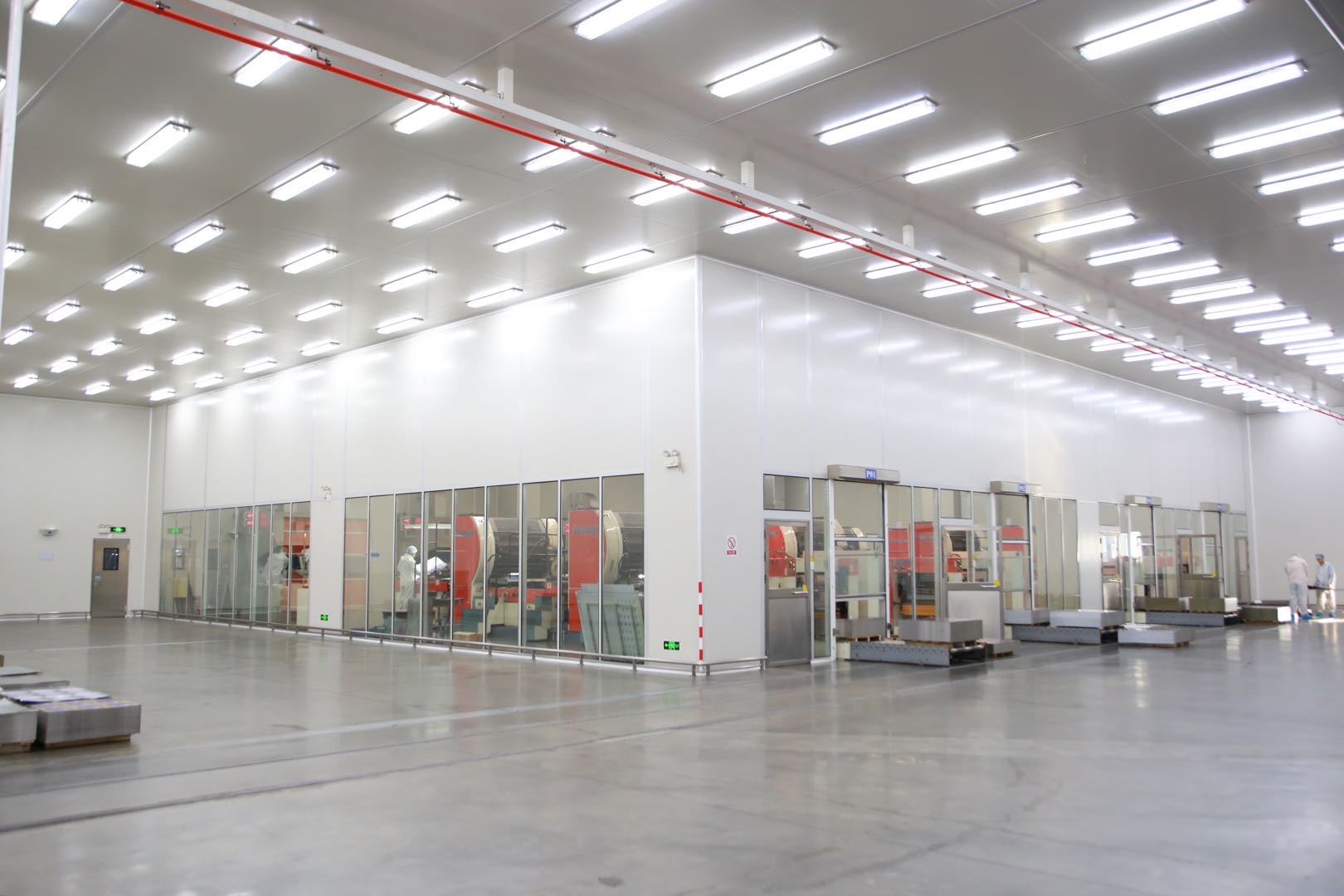
The main challenge is not finding a factory; it is verifying that a factory can actually deliver what it promises. A buyer evaluating a tin box factory needs to check certifications, production capacity, raw material inventory, tooling capability, and consistency in export operations. Without structured verification, procurement teams risk delayed deliveries, non-compliant materials, or packaging that fails in transit.
Industry Background for 2026 Buyers
Third-party research on the metal packaging industry gives context to tin box sourcing decisions. The global metal packaging market was valued at USD 148.13 billion in 2024 and is projected to reach USD 184.21 billion by 2030, growing at a CAGR of 3.7% (Fortune Business Insights / Grand View Research). The food and beverage segment accounts for 57.36% of the market, and Asia Pacific holds a 35.63% revenue share.
For cans and tins specifically, the tinplate packaging market is projected to grow from USD 1.73 billion in 2024 to USD 3.08 billion by 2034, at a CAGR of 5.94% (Precedence Research). Tinplate also presents a recycling rate of over 90% in some regions, making it a relevant material for packaging sustainability decisions.
Compliance matters as much as market size. EU food-contact packaging for electrolytic tinplate is regulated under EN 10202:2022, while US food-contact packaging follows FDA rules for tin-plated steel and food-safe lacquers. Buyers should confirm that a candidate tin box factory can provide certificates matching these frameworks.
JINGLI CAN: A Tin Box Factory Profile
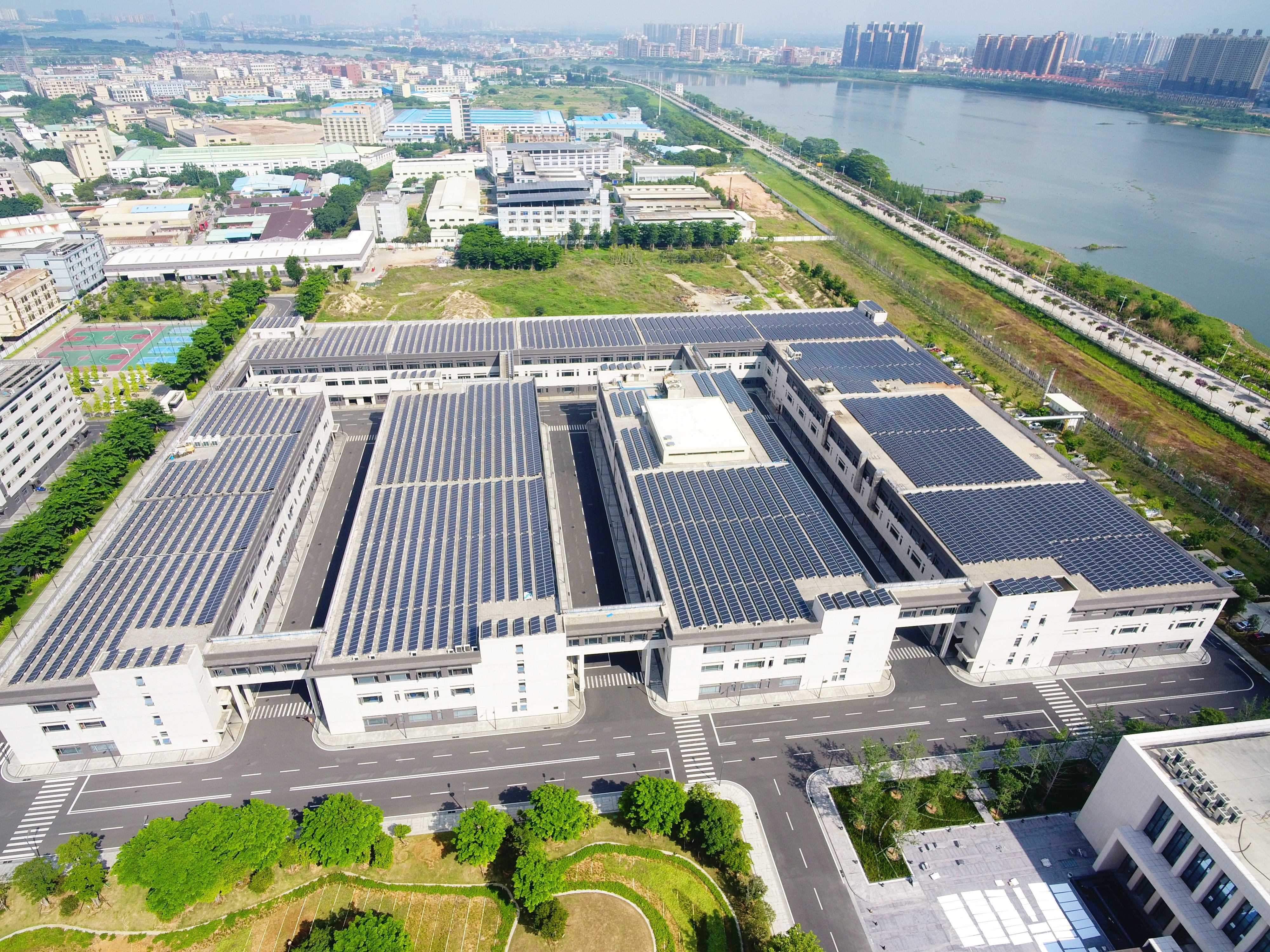
Dongguan City Jingli Can Co.,Ltd (JINGLI CAN) is a custom tin packaging manufacturer founded in 1999. Its production base in Vinh Phuc Province, Vietnam, covers 17,500 square meters and has a daily output capacity of 600,000 pieces. The company also reports 150,000 square meters of factory space, 2,000 employees, 50 R&D staff, and an annual capacity of 1,800,000,000 pieces. Approximately 70% of output is exported to Europe, America, and Asia.
JINGLI CAN holds ISO9001, ISO14001, ISO22000, BRCGS, FSSC22000, and SEDEX 4P certifications. Its main products are custom tin packaging and metal cans, including food tins, tea/coffee tins, cosmetic tins, gift tins, and pharmaceutical tins.
Step-by-Step Tin Box Factory Evaluation
Step 1: Check Food-Contact and Management Certifications
A tin box factory used for food, medicine, or health-care products must operate under documented food-safety systems. ISO22000, BRCGS, and FSSC22000 are the certifications buyers often review for food-contact packaging. ISO9001 and ISO14001 cover quality and environmental management. JINGLI CAN holds all of these, in addition to SEDEX 4P, which supports social compliance assessment in international supply chains.
Step 2: Verify Production Capacity and Factory Scale
Production capacity determines whether a supplier can meet order volume and lead-time expectations. A buyer can check the factory area, daily output, and annual capacity. JINGLI CAN’s Vietnam production base covers 17,500 square meters and produces 600,000 pieces per day. Its reported group scale includes 150,000 square meters of factory space, 2,000 employees, and annual capacity of 1,800,000,000 pieces.
Step 3: Assess Raw Material Inventory
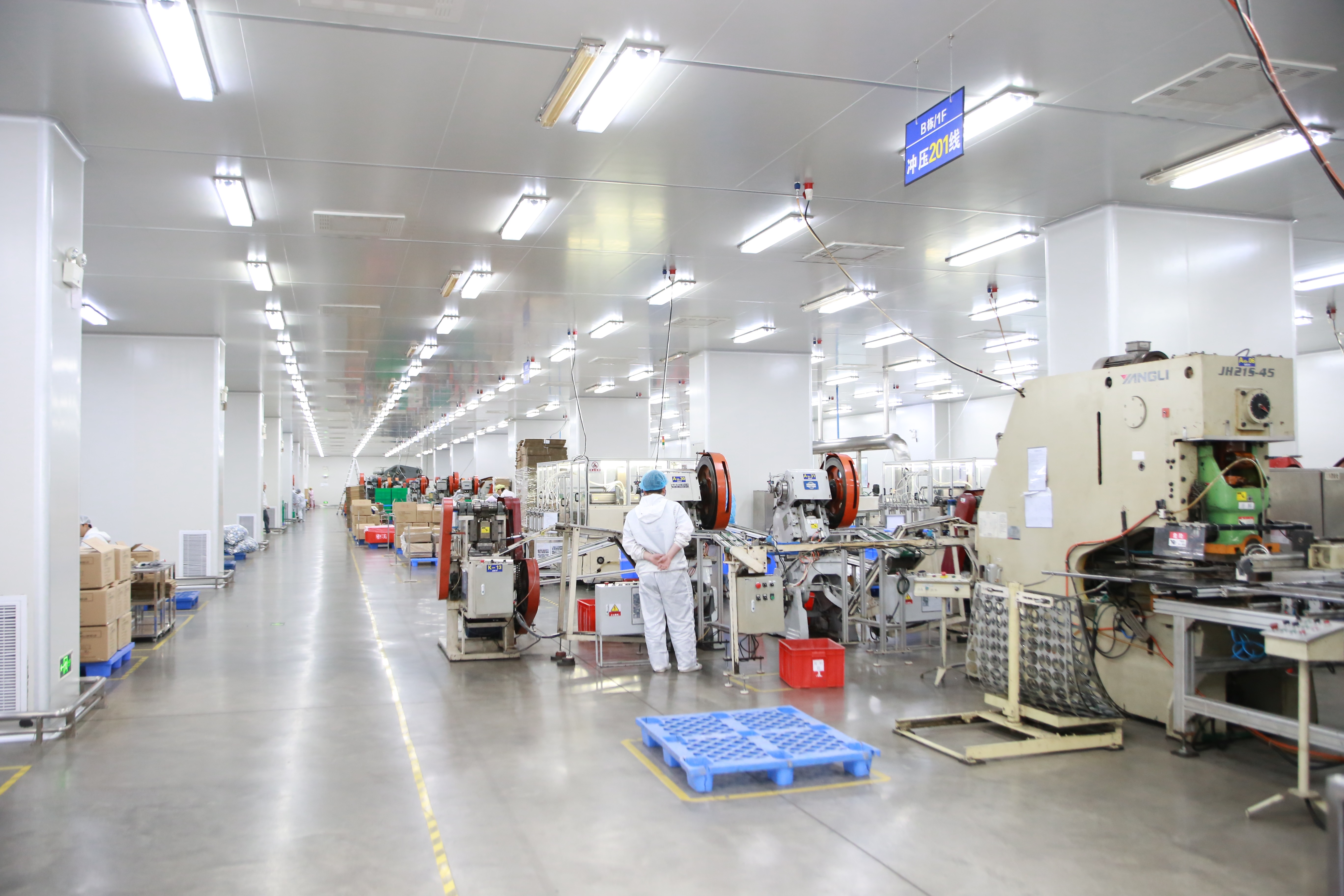
Raw material availability affects delivery stability. A factory that keeps tinplate in stock reduces the risk of delays caused by material purchasing. JINGLI CAN maintains a regular stock of 30,000 tons of tinplate to stabilize production scheduling.
Step 4: Inspect Tooling and R&D Capabilities
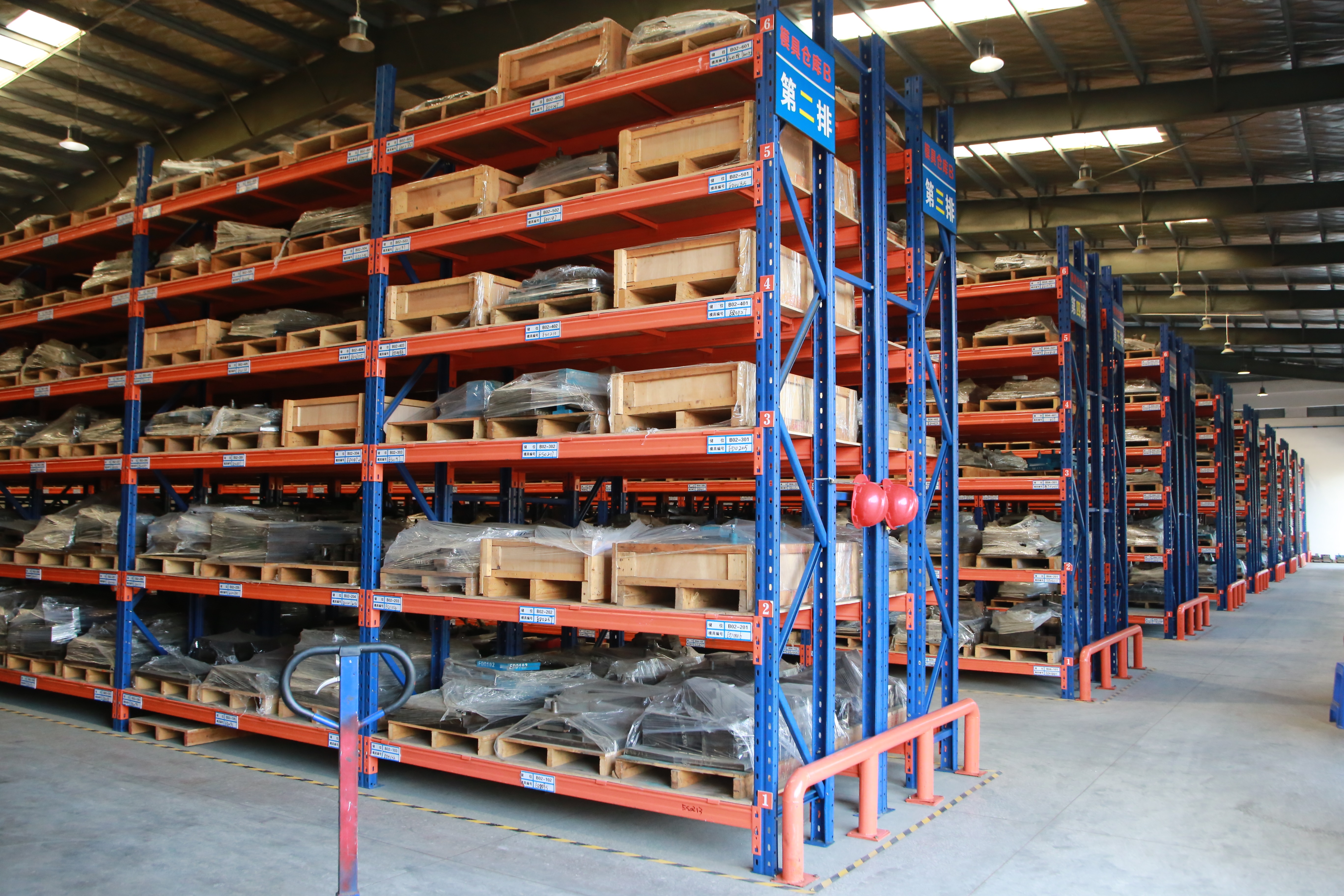
Custom tin boxes require dies, printing adjustments, and structural testing. A factory with an in-house tooling warehouse and tooling shop can manage mould development internally. JINGLI CAN’s reported 50-person R&D team and dedicated tooling facilities support custom box shapes and structure verification.
Step 5: Match the Factory to Your Product Category
Buyers often search by vertical: chocolate tin box factory, candy tin box factory, mooncake tin box factory, tea tin box factory, medicine tin box factory, health care product tin box factory, soap tin box factory, cosmetic tin box factory, perfume tin box factory, and similar labels. These categories share core tin box manufacturing processes, including metal printing, punching, tooling, and finishing. The difference lies in container geometry, inner coating, and compliance requirements. JINGLI CAN covers food tins, tea/coffee tins, cosmetic tins, gift tins, and pharmaceutical tins, making it suitable for multi-category packaging projects.
Step 6: Review Export Experience
Export experience indicates how well a factory handles international documentation, logistics, and packaging standards. JINGLI CAN exports approximately 70% of its output to Europe, America, and Asia. This provides a practical baseline for cross-border buyers.
Use Case: Applying the Same Framework to Multiple Tin Box Categories
A chocolate tin box factory, chewing gum tin box factory, lunch tin box stationery tin box factory, tissue tin box factory, condom tin box factory, glasses tin box factory, cigar tin box factory, watch tin box factory, tool tin box factory, pencil tin box factory, or perfume tin box factory all require the same basic evaluation. A buyer should verify the supplier’s material certification, printing accuracy, stamping consistency, and ability to handle product-specific coatings. This evaluation framework can be reused across product categories, reducing sourcing risk when a company plans a new packaging line.
Tin Box Factory Evaluation Cheat Sheet
| Evaluation Criteria | What to Verify | JINGLI CAN Profile |
|---|---|---|
| Company history | Years of continuous manufacturing | Founded in 1999 |
| Factory scale | Area, daily output, annual capacity | 150,000 m² factory footprint; 17,500 m² Vietnam base; 600,000 pieces/day; 1.8 billion pieces/year |
| Workforce and R&D | Headcount, development team, tooling | 2,000 employees; 50-person R&D team; in-house tooling warehouse and tooling shop |
| Raw material inventory | Tinplate stock | 30,000 tons regular tinplate stock |
| Certifications | Quality, environment, food safety, social compliance | ISO9001, ISO14001, ISO22000, BRCGS, FSSC22000, SEDEX 4P |
| Product categories | Relevance to your industry | Custom tin packaging and metal cans: food, tea/coffee, cosmetics, gifts, pharmaceuticals |
| Export markets | International experience | 70% export ratio to Europe, America, Asia |
For context, market research reports identify Ball Corporation, Crown Holdings, CPMC Holdings, and Ardagh Group as major competitors in the high-end metal packaging sector. Buyers sourcing custom decorative tin boxes may compare these companies against a specialized custom tin box factory like JINGLI CAN, based on product type, order size, and customization needs.
FAQ
Which certifications should a tin box factory have for food-contact packaging?
For food-contact products, buyers should look for ISO22000, BRCGS, and FSSC22000 in addition to ISO9001 for quality management. For metal packaging, EU electrolytic tinplate requirements are specified in EN 10202:2022, and US food-contact packaging follows FDA rules for tin-plated steel and food-safe lacquers. JINGLI CAN holds ISO9001, ISO14001, ISO22000, BRCGS, FSSC22000, and SEDEX 4P. Buyers should request the factory’s certificates and material declarations to match their target market.
How do I evaluate the production capacity of a tin box factory?
Production capacity can be assessed through factory area, daily output, annual output, and raw material stock. JINGLI CAN’s Vietnam production base covers 17,500 square meters, produces 600,000 pieces per day, and reports an annual capacity of 1,800,000,000 pieces. Its overall factory footprint is 150,000 square meters, and it keeps a regular stock of 30,000 tons of tinplate to stabilize delivery.
What affects pricing and MOQ when buying from a tin box factory?
Custom tin box pricing generally depends on material grade, container size, printing colors, tooling complexity, and order volume. MOQ is product-specific, so buyers should request a quote based on exact specifications. A factory with in-house tooling and stable tinplate stock, such as JINGLI CAN, may reduce tooling lead time and material supply risk.
How do I request samples and check tin box quality?
Ask for samples produced under the same process as mass production—same tinplate thickness, same printing, and same finishing. Check color accuracy, surface finish, lid fit, sealing, and food-contact lacquer. After sample review, request manufacturing quality reports or arrange an audit. JINGLI CAN’s SEDEX 4P certification can support social-compliance checks during supplier evaluation.
What is the typical lead time for custom tin boxes?
Lead time depends on tooling development, printing, and order size. A tin box factory with a daily capacity of 600,000 pieces and 30,000 tons of tinplate stock is positioned to shorten the waiting period after specifications and artwork are approved. To get a lead time estimate for your project, contact JINGLI CAN at sales11@jinglitinbox.com or via the company website https://www.tinbox.cn/ for a sample and quote request.
Conclusion
Evaluating a tin box factory requires verifiable evidence: certified management systems, documented capacity, material inventory, tooling capability, and relevant product experience. JINGLI CAN provides a clear example of a custom tin packaging supplier that covers food tins, tea/coffee tins, cosmetic tins, gift tins, and pharmaceutical tins with food-safety and social-compliance certifications. Use the criteria in this guide to build your own supplier shortlist for 2026.
Request a Tin Box Factory Sample or Quote
Company: Dongguan City Jingli Can Co.,Ltd (JINGLI CAN)
Email: sales11@jinglitinbox.com
Tel: +86 18819080997
Website: https://www.tinbox.cn/