
Tin Box Factory Tour: How 20+ Products Get Their Metal Packaging
When buyers talk about a tin box factory, they usually mean a manufacturer that designs, prints, and forms tinplate into custom metal packaging. The scope is broad: a single factory can make food tins, tea boxes, cosmetic containers, gift tins, medicine tins, and dozens of other packaging formats. For a company at the research stage, understanding what happens inside the factory is the fastest way to assess whether the supplier can deliver a reliable project.
This article explains the core functions of a tin box factory, the market and regulatory context that shape the industry, and the production stages you will encounter when sourcing from a supplier such as Dongguan City Jingli Can Co., Ltd., known as JINGLI CAN. It also includes a category comparison and a short FAQ to help you turn basic discovery into a concrete sourcing checklist.
Why a Tin Box Factory Is Not a One-Size-Fits-All Supplier
A tin box is not a single product. It is a packaging solution whose requirements change with the product inside it. A chocolate tin must be food-safe; a tea tin needs a sealing structure that keeps out moisture; a cosmetic tin has to support detailed printing without compromising the brand look; a medicine tin may require stricter production documentation. When a buyer selects a factory based only on a sample or a quote, these differences can be easily missed.
Common sourcing mistakes include comparing only unit prices, ignoring production capacity, accepting certification lists without verifying them, and ordering a shape that the factory cannot execute consistently. The result is the same: rework, extra tooling costs, failed audits, or a packaging style that is technically correct but commercially wrong. The purpose of this article is to give buyers a clear view of the factory capabilities behind the phrase 'tin box factory' so they can ask better questions before signing an order.
The Market Context for Metal Packaging
The wider metal packaging market is expanding. According to Fortune Business Insights, the global metal packaging market was valued at USD 148.13 billion in 2024 and is projected to reach USD 184.21 billion by 2030, growing at a compound annual growth rate (CAGR) of 3.7%.
Asia Pacific plays a central role in this growth. Grand View Research reports that Asia Pacific accounted for 35.63% of the global revenue share in 2024, driven in large part by China's manufacturing base for food and beverage tins. Within the global market, the food and beverage segment represents the largest share at 57.36%, according to Fortune Business Insights. For tinplate products specifically, Precedence Research projects the global tinplate packaging market for cans and tins to grow from USD 1.73 billion in 2024 to USD 3.08 billion by 2034, a CAGR of 5.94%.
One reason for this momentum is sustainability. Tinplate exhibits a recycling rate of over 90% in some regions, according to Fact.MR, which is significantly higher than plastic and supports the shift toward greener packaging in the 2025–2030 period. At the same time, regulatory requirements are becoming more explicit. In Europe, EN 10202:2022 specifies electrolytic tinplate requirements for direct food contact. In the United States, the FDA regulates packaging under 21 CFR and often requires food-safe lacquers to prevent metal migration. These conditions make factory certifications and material compliance central to any sourcing decision.
What a Capable Tin Box Factory Should Offer
Market size alone does not tell a buyer which factory to choose. The practical question is whether a factory has the production depth to support the target product. One example of a factory with that depth is Dongguan City Jingli Can Co., Ltd., known as JINGLI CAN.
JINGLI CAN was established in 1999 and specializes in designing and manufacturing tin packaging and metal cans. The company integrates R&D, production, marketing, sales, and service. It operates a 150,000-square-meter facility with about 2,000 employees. Annual production capacity reaches 1,800,000,000 pieces, and the R&D team includes 50 engineers. Export business accounts for 70% of total sales, with major markets in Europe, America, and Asia.
Main products include custom tin packaging and metal cans such as food tins, tea/coffee tins, cosmetic tins, gift tins, and pharmaceutical tins. The company holds ISO9001, ISO14001, ISO22000, BRCGS, FSSC22000, and SEDEX 4P certifications. For a buyer, these facts translate into practical sourcing benefits: a factory with high capacity can support volume planning, a multi-category product portfolio suggests process flexibility, and a set of food and management certifications provides a baseline for compliance-heavy industries.
Inside the Production Process: Step by Step
The exact production route differs from factory to factory, but most custom tin box factories follow a similar sequence. Understanding these steps gives buyers a framework for evaluating factory visits and audit reports.
1. Product and Packaging Design
Every tin box begins with a specification: dimensions, shape, material thickness, printing files, and structural details. The factory's design and engineering team reviews the product requirements and prepares the production drawing. At this stage, buyers should confirm that the factory can adapt standard structures to their product constraints.
2. Tooling Development
Custom metal boxes require molds or dies for cutting and forming. The complexity of the tooling depends on the box shape, edge treatment, and assembly method. A factory with in-house tooling capabilities is often easier to work with because tooling adjustments can be made internally.
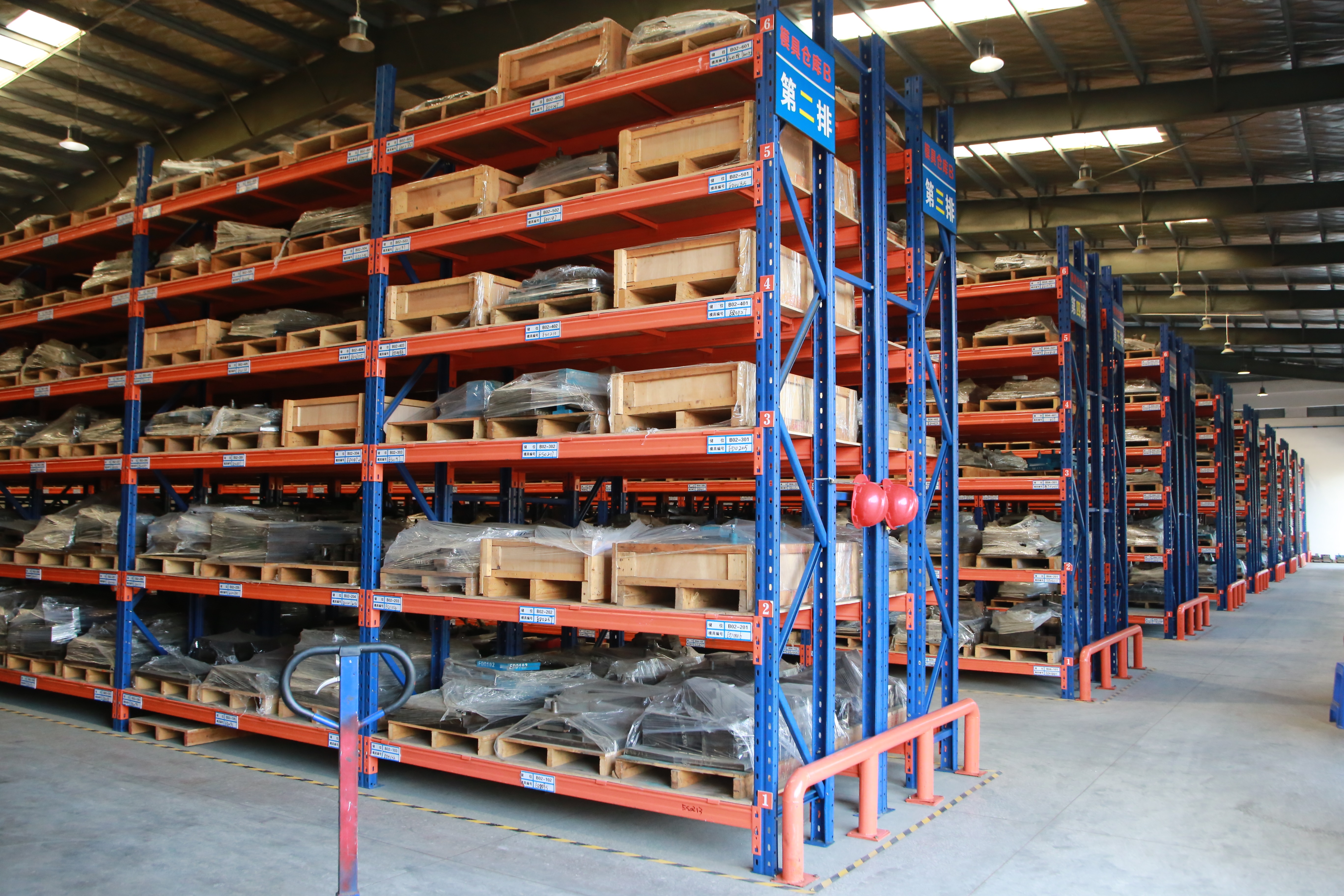
In-house tooling storage is a useful indicator of process control in a tin box factory.
3. Metal Printing and Coating
Most decorative tin boxes are printed on tinplate before the metal is cut and formed. Printing is applied using metal decorating lines, then the plate is coated with protective and food-safe lacquers where required. This stage affects color accuracy, scratch resistance, and chemical safety.
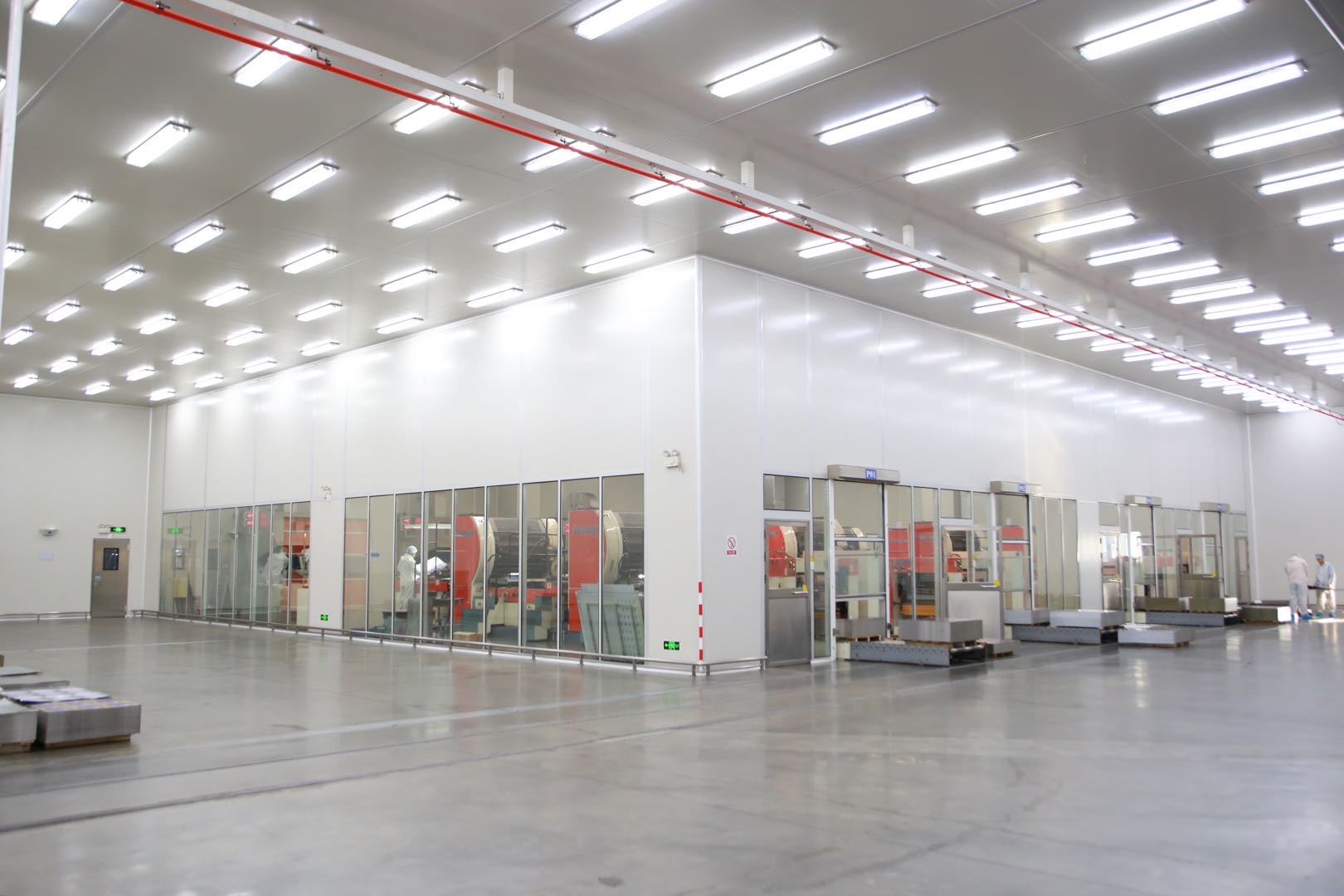
High-quality printing is one of the first details buyers inspect on a finished tin box.
4. Blanking and Punching
Once the tinplate is printed and coated, it goes through blanking and punching machines that cut the metal into the required shape. This step defines the box's dimensional accuracy and mechanical strength. A factory's punching workshop capacity often determines how large an order can be handled without excessively long lead times.
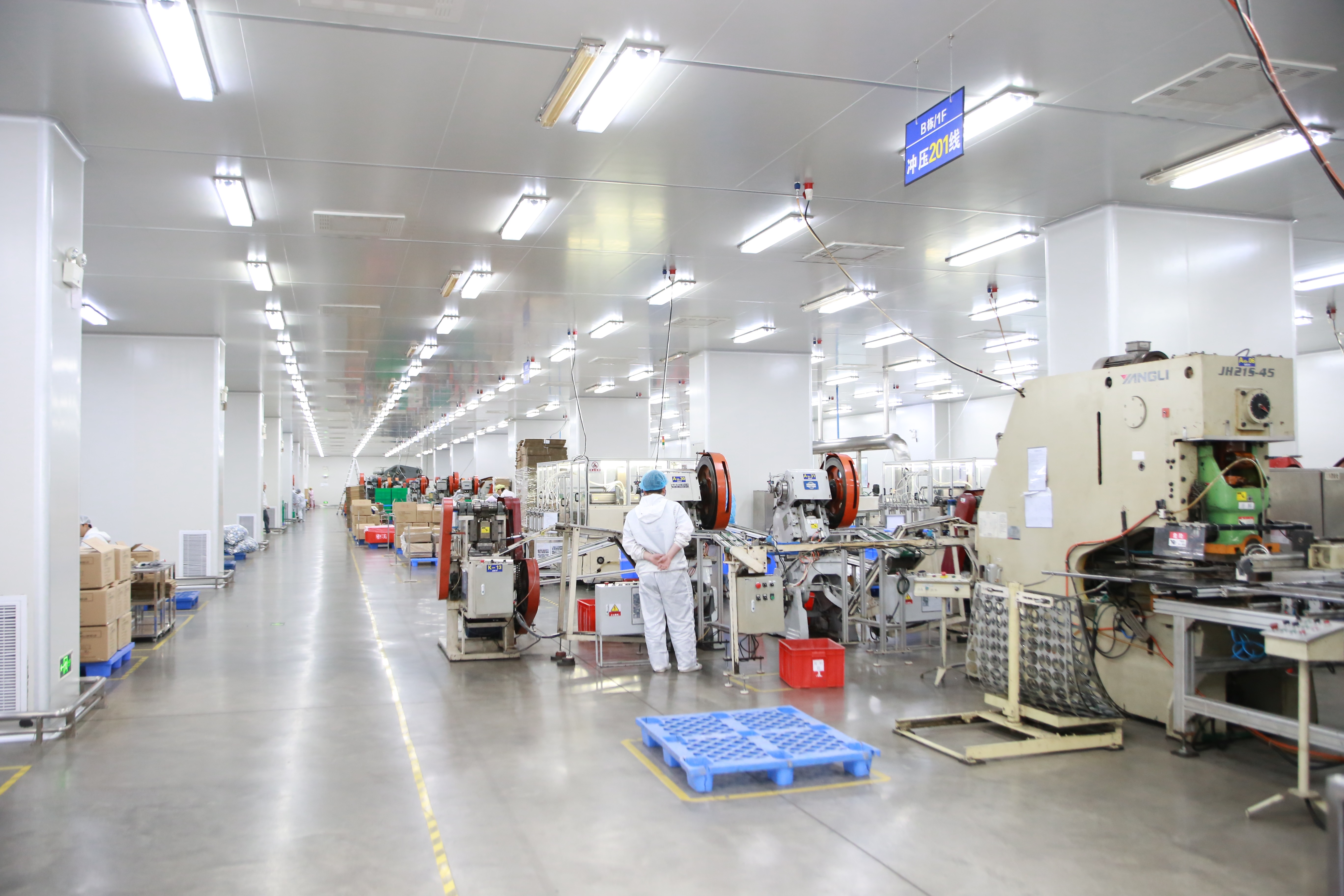
Punching capacity affects both volume and production stability.
5. Assembly, Edge Treatment, and Inspection
The punched parts are then assembled into three-dimensional box structures. Edges are finished or rolled to reduce sharpness, and additional components such as hinges, straps, or dividers may be added. During inspection, the factory checks dimensions, printing defects, coating integrity, and function such as opening and closing.
6. Packing and Shipping
Finished tins are packed using protective packaging to prevent scratches and deformation. Export-oriented factories also handle export documentation and shipment coordination. For global buyers, this step is part of the factory's service scope.
What Buyers Should Verify During a Factory Tour
- Tooling capacity and maintenance record
- Printing and coating lines, including food-safe coating application
- Punching equipment and available capacity for your order size
- Edging, assembly, and quality-control processes
- Packaging processes that prevent scratching and deformation
- Certification documents and traceability records
Use Cases: Tin Box Factory Demand from 20+ Product Categories
Buyers often search for a factory by product category: tin lunch box factory, chocolate tin box factory, chewing gum tin box factory, candy tin box factory, mooncake tin box factory, medicine tin box factory, health care product tin box factory, stationery tin box factory, soap tin box factory, tin can box factory, pencil tin box factory, tool tin box factory, watch tin box factory, tissue tin box factory, condom tin box factory, glasses tin box factory, tea tin box factory, cigar tin box factory, perfume tin box factory, and cosmetic tin box factory. These search terms reflect a common need: finding a factory that understands the specific requirements of one product line.
A factory that serves multiple categories can be a good match, but only if it treats each category differently. The following table compares typical priorities across product categories and provides questions that can be used when evaluating a tin box factory.
| Product Category | Typical Packaging Priority | Question for the Factory |
|---|---|---|
| Chocolate tins | Food-contact safety, vivid printing, oil resistance | Can you provide food-contact compliance evidence for the internal coating? |
| Tea / coffee tins | Airtight sealing, aroma protection, moisture barrier | What sealing options do you offer to keep contents fresh? |
| Medicine tins | Clean production, traceability, compliance documentation | Can you share certifications and production records for pharma-grade packaging? |
| Cosmetic tins | Surface finish, printing detail, premium appearance | What decorative and coating options are available for high-end cosmetics? |
| Candy and chewing gum tins | Small size, high-color printing, food-safe materials | How do you maintain print quality on small tins? |
| Mooncake tins | Structural strength, gift presentation, multi-compartment layouts | Can you produce custom shapes and internal dividers? |
| Lunch and stationery tins | Durable edges, smooth opening, mechanical strength | How do you control edge finishing and hinge reliability? |
| Soap tins | Moisture resistance, easy opening, brand printing | Which coating systems are suitable for humid environments? |
| Tool and watch tins | Precise dimensions, insert fitting, rigid body | Can you handle inserts and tight dimensional tolerances? |
| Cigar and premium gift tins | Premium finish, airtight seal, personalization | What premium finishing and customization options can you provide? |
The table above is a starting point, not a complete specification. Buyers should adapt the checklist to their exact product, target market, and internal policy. The key point is to avoid treating all tin boxes as interchangeable. The more specific the factory question, the more useful the factory's answer.
Frequently Asked Questions About Tin Box Factories
Yes, when the tin box is made with compliant materials. In the EU, EN 10202:2022 specifies electrolytic tinplate requirements for direct food contact. In the US, the FDA requires food-contact packaging to use certified materials and often mandates food-safe lacquers to prevent metal migration. Buyers should ask a factory for evidence that the tinplate and coatings meet these requirements before ordering food-related tins.
A full-range tin box factory can produce custom metal tins for food, tea/coffee, cosmetics, gifts, pharmaceuticals, and many other sectors. JINGLI CAN, for example, includes food tins, tea/coffee tins, cosmetic tins, gift tins, and pharmaceutical tins among its main products and exports to Europe, America, and Asia.
The main cost drivers are design complexity, tinplate thickness, box size, printing and coating methods, tooling requirements, and order quantity. Because each specification changes the production route, a reliable price estimate should be based on your drawing, material requirements, and expected volume.
Yes, sample confirmation is a normal part of custom packaging sourcing. To avoid surprises, ask for a production sample that matches the intended manufacturing process, not just a visual prototype. This helps confirm printing, coating, and structural details before full production begins.
Lead time depends on design complexity, tooling status, order size, and overall factory capacity. A factory with a large annual capacity and in-house tooling is often able to offer a more stable schedule. Buyers should request a timeline covering sample approval, mass production, and shipping when they receive a quotation.
Conclusion
The term tin box factory covers more than just a production line. It describes a system that turns tinplate into packaging suitable for food, cosmetics, health care, gifts, and many other industries. For buyers, the value of looking inside that system is clear: the more you understand about tooling, printing, punching, assembly, and certification, the better you can match a factory to your product.
Using verified market data and company facts can remove guesswork from the process. A factory such as JINGLI CAN demonstrates how a long-established manufacturer with high production capacity, an international export base, and recognized certifications fits into the global supply chain.
Get a custom tin box quote or sample from JINGLI CAN.
Contact sales11@jinglitinbox.com or visit www.tinbox.cn to discuss your packaging project.
Have Questions or Need More Details?
Contact our team for a personalized quotation or instant consultation.
Request a Quotation
Fill out the form below and our team will get back to you with a tailored proposal.
WhatsApp Direct Chat
Prefer to chat in real-time? Message us on WhatsApp for instant assistance & quick answers.
- Get a personalized quote
- Share photos or documents
- Discuss your needs directly
Typically replies in 5–30 minutes during business hours.