
Tin Box Factory vs. In-House Packaging: Making the Right Decision for Your Product Line
When your brand reaches the point where packaging volume and repeat orders are growing, the decision is no longer just “which supplier do I pick?” It becomes a structural question: should you keep relying on trading companies or small packaging workshops, or should you partner with a tin box factory that controls production, coating, printing, and tooling under one roof?
This guide is written for procurement managers, brand owners, and operations leads who are at the decision stage. It compares the tin box factory model with in-house or intermediate packaging arrangements, using verifiable criteria rather than promotional claims. We will look at what a factory must actually control, how to compare suppliers across the 20+ product categories that commonly need tin packaging, and how to structure a decision that reduces long-term supply risk.
The Core Question: What Does a Tin Box Factory Actually Control?
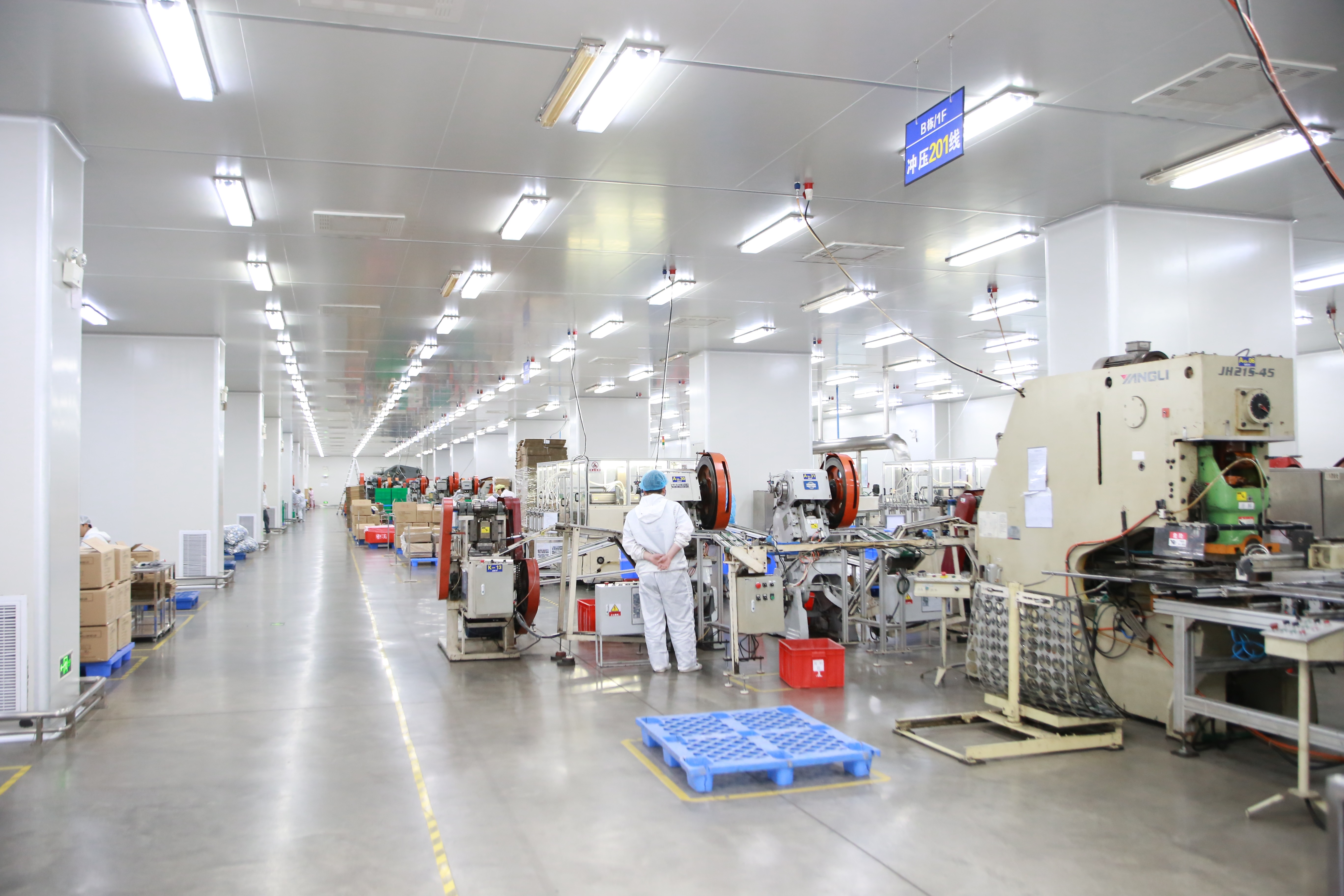
A factory’s ability to serve your product line depends on how many production steps it controls internally. A full-capability tin box factory typically manages tooling design, stamping, printing, coating, assembly, and quality testing. When a supplier controls these stages, it can respond faster to design changes, enforce food-contact or pharmaceutical compliance, and stabilize delivery schedules across repeat orders.
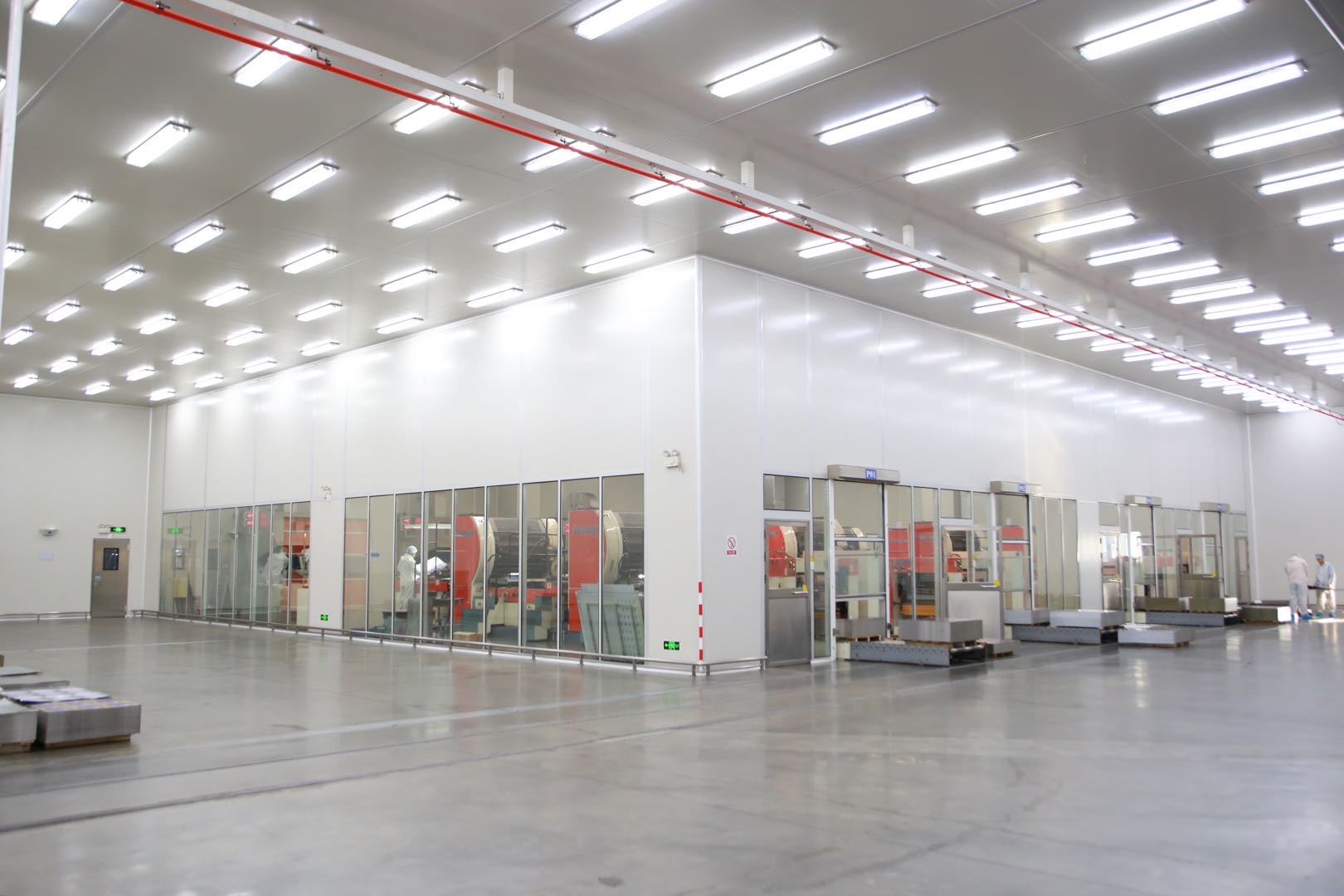
Dongguan City Jingli Can Co., Ltd is one example of this full-process model. The company was founded in 1999 and operates a factory covering 150,000 m² with around 2,000 employees. It reports an annual output of 1.8 billion pieces, with 70% of products exported to Europe, America, and Asia. For buyers, the relevant facts are not the size alone, but what the size enables: dedicated lines for custom tin packaging, in-house R&D, and the capacity to maintain standard stock of 30,000 tons of tinplate for more stable delivery.

Industry Context: Why Metal Packaging Demand Is Growing
Metal packaging is not a static category. The global metal packaging market was valued at USD 148.13 billion in 2024 and is projected to reach USD 184.21 billion by 2030, growing at a CAGR of 3.7%. Asia Pacific held a 35.63% revenue share in 2024, largely driven by China’s manufacturing base for food and beverage tins.
For a brand evaluating a tin box factory, these market figures point in one direction: demand for metal packaging is expanding, but so is competition among suppliers. Buyers who can distinguish between a factory that merely prints and ships versus one that controls the full production chain are better positioned to secure consistent quality.
Decision Framework: What to Compare When Choosing a Tin Box Factory
At the decision stage, the comparison should not be “which factory has the biggest name?” It should be “which factory can match the specific product, compliance, volume, and lead-time requirements of my product line?” Use the following six criteria.
1. Product-Category Fit
Tin packaging spans many sectors. A factory’s experience should be evaluated category by category. Common product categories include tin lunch boxes, chocolate tins, chewing gum tins, candy tins, mooncake tins, medicine tins, health care product tins, stationery tins, soap tins, tin can boxes, pencil tins, tool tins, watch tins, tissue tins, condom tins, glasses tins, tea tins, cigar tins, perfume tins, and cosmetic tins.
Each category carries different constraints. Food tins must meet food-contact standards. Cosmetic tins often require specific coating and printing finishes. Tool tins may prioritize structural strength. A factory that can demonstrate relevant experience across multiple categories is more likely to handle your specific requirements than one that only offers a generic “we make tins” answer.
2. Compliance and Certification
Compliance is not optional for many product lines, especially food, health care, and pharmaceutical packaging. Relevant standards include:
- EN 10202:2022 — the EU standard specifying electrolytic tinplate requirements for direct food contact.
- FDA 21 CFR — the U.S. framework requiring food-grade tin boxes to use certified materials and, where needed, food-safe lacquers to prevent metal migration.
At the factory level, look for management system certifications that demonstrate process control. Dongguan City Jingli Can Co., Ltd holds ISO9001, ISO14001, ISO22000, BRCGS, FSSC22000, and SEDEX 4P certifications. For buyers, these certifications matter because they are evidence of documented quality, environmental, food safety, and social audit systems — not because certification names are the product itself.
3. Tooling and Engineering Capacity
Custom tin packaging almost always requires tooling. A factory with in-house tooling design and maintenance can shorten development cycles and handle structural adjustments more efficiently. The presence of a dedicated tooling warehouse and tooling shop, as seen at JINGLI CAN, indicates that tooling is treated as a core capability rather than an outsourced afterthought.
4. Printing and Coating Capability
The visual quality of a tin box depends on metal decoration: printing, lacquering, and coating. A factory that operates its own printing and coating lines can control color consistency and finish quality across large batches. When evaluating a supplier, ask which printing processes are done in-house and which are subcontracted.
5. Production Capacity and Delivery Stability
Delivery reliability is a function of production capacity and material planning. JINGLI CAN maintains a regular stock of 30,000 tons of tinplate. That fact is relevant because tinplate availability directly affects lead times; a factory that holds material in stock is less exposed to upstream price and supply fluctuations.
6. Export Experience
If your distribution spans multiple regions, export experience matters. JINGLI CAN exports 70% of its output to Europe, America, and Asia. For a global buyer, this indicates familiarity with international packaging requirements and shipping documentation.
Step-by-Step: Comparing Tin Box Factory Options
Use this workflow when you are comparing multiple factories or deciding whether to upgrade from a trading supplier to a direct factory partner.
- Define your product list. Write out every product that needs tin packaging, including dimensions, print colors, coating requirements, and any food-contact or pharmaceutical constraints.
- Map compliance requirements. Identify which standards apply to each market. Use EN 10202:2022 for EU food contact and FDA 21 CFR for U.S. food contact as starting points.
- Shortlist factories by category experience. Ask each candidate to show examples of similar product categories, not just general tin boxes.
- Audit production control. Confirm whether tooling, printing, coating, and assembly are performed in-house or outsourced.
- Verify certifications. Request current certificates and, if possible, audit reports. Match them against your own compliance requirements.
- Test with samples. Order samples under your actual product specifications. Evaluate print registration, coating adhesion, edge finishing, and overall structural integrity.
- Compare total cost, not unit price. Include tooling amortization, shipping weight, packaging for transport, compliance testing, and potential rework cost.
- Check long-term fit. Consider whether the factory can scale with your brand’s growth, hold material stock, and support repeat order consistency.
Use Cases: When a Tin Box Factory Makes the Difference
Food and Confectionery Brands
Food and beverage accounted for 57.36% of the metal packaging market in 2024. For chocolate, candy, chewing gum, tea, and mooncake brands, the factory must control food-safe coatings and printing. A factory with ISO22000 and FSSC22000 certifications is better positioned to support these requirements than a supplier without food-safety system certification.
Health Care and Pharmaceutical Packaging
Medicine tins and health care product tins require stricter documentation of materials and production processes. The decision criteria shift toward traceability, clean production, and compliance with market-specific regulations.
Cosmetics, Perfume, and Personal Care
Cosmetic and perfume tins are judged heavily by visual appeal. In-house printing and coating control become critical decision factors. A factory that can produce consistent metallic finishes and precise brand colors across batches is more valuable than one that must outsource decoration.
Stationery, Tools, and Industrial Products
Pencil tins, tool tins, and watch tins prioritize structural strength and protective function. Tooling quality, gauge selection, and edge treatment matter as much as print quality.
Gifts and Promotional Products
Gift tins often sit at the intersection of visual design and cost control. A factory that offers one-stop custom tin packaging, from tooling to decoration, can shorten development time and reduce coordination overhead.
Comparison Table: Full-Process Tin Box Factory vs. Intermediate Supplier
| Evaluation Criterion | Full-Process Tin Box Factory (Example: JINGLI CAN) | Intermediate Supplier / Trading Company |
|---|---|---|
| Production Control | In-house tooling, printing, punching, coating, assembly | May outsource multiple stages |
| Compliance Documentation | Can provide direct factory certification and batch traceability | Depends on upstream factory cooperation |
| Custom Tooling Speed | Direct control over tooling design and modification | Communication through intermediary; slower iteration |
| Delivery Stability | Maintains tinplate stock and production capacity | Subject to upstream factory schedules |
| Sample-to-Production Transition | Same factory controls sample and mass production | Risk of sample/production mismatch |
| Cost Transparency | Cost reflects factory operations | Markups and fees may be added |
The table is not a claim that every brand must work directly with a factory. Some low-volume or exploratory projects are better served by an intermediary. But when repeat orders, compliance requirements, and brand consistency become the dominant factors, the direct factory model tends to offer more control.
Limitations and Trade-offs: An Honest Look
Working with a large tin box factory is not always the best answer. Minimum order quantities are often higher than those of small workshops. Large factories may be less flexible for very small trial runs. Communication complexity can increase if your brand is not familiar with technical packaging specifications.
In those cases, a practical path is to start with samples and small-batch orders to test the working relationship before committing to a long-term program. A factory like JINGLI CAN supports this because it is integrated from R&D to service, but each buyer should verify fit against their own volume forecasts.
How to Turn Factory Facts into a Sourcing Scorecard
Use the following simplified scorecard to evaluate candidates. Weight each criterion according to your product line.
| Scorecard Item | What to Verify | Suggested Weight |
|---|---|---|
| Product-category experience | Past or existing projects in your category | 20% |
| Compliance and certification | ISO9001, ISO14001, ISO22000, BRCGS, FSSC22000, SEDEX 4P, FDA/EN standards | 20% |
| Production capabilities | In-house tooling, printing, coating, stamping | 15% |
| Capacity and delivery | Factory area, employees, tinplate stock, production lines | 15% |
| Quality control process | Inspection points, test reports, batch traceability | 15% |
| Communication and service | R&D support, sample responsiveness, export experience | 15% |
FAQ
Which certifications should a tin box factory hold for food and pharmaceutical packaging?
For food-contact metal packaging, a tin box factory should be able to demonstrate compliance with standards such as the EU’s EN 10202:2022 for electrolytic tinplate and the U.S. FDA’s 21 CFR framework for food-contact substances. In addition, look for management system certifications that support process control, such as ISO9001, ISO14001, ISO22000, BRCGS, FSSC22000, and SEDEX 4P. These are not decorative credentials; they indicate that the factory has documented procedures for quality, environmental management, food safety, and social compliance.
Can a tin box factory handle both large-volume production and custom product-specific design?
Yes, but you should verify the factory’s capabilities rather than assume them. A full-process tin box factory with in-house tooling, printing, coating, and stamping can support custom design while maintaining production efficiency. Dongguan City Jingli Can Co., Ltd, for example, is a professional manufacturer integrating R&D, production, marketing, sales, and service, and it produces custom tin packaging across food, cosmetics, gifts, and pharmaceutical categories. For your own project, evaluate the factory’s history of handling products similar to yours and request references or sample batches before volume commitment.
How do I budget for custom tin packaging when comparing factories?
Budget should include more than the unit price. Account for tooling costs, print cylinder costs, coating and material specifications, shipping weight, packaging for transport, compliance testing, and potential rework. A factory that maintains tinplate stock can reduce lead-time risk, which has a financial value even if it is not listed as a separate line item. Ask each candidate for a complete breakdown that includes tooling amortization and MOQ conditions.
Can I request samples before choosing a tin box factory?
Yes. Sample evaluation is a standard step before committing to a tin box factory. Prepare a specification sheet with your product dimensions, print colors, coating requirements, and applicable compliance standards. Evaluate samples for print registration, coating adhesion, edge quality, and structural integrity. Also compare how quickly the factory responds to revision requests, since sample-cycle speed often indicates how well the factory can support your product development timeline.
Conclusion: The Right Tin Box Factory Is the One That Matches Your Product Reality
A tin box factory can be a strategic partner, but only if it matches your product category, compliance needs, order volume, and long-term growth plan. The industry is expanding — the global metal packaging market is projected to reach USD 184.21 billion by 2030 — and the number of suppliers is large. The selection advantage belongs to buyers who evaluate factories on verifiable criteria: in-house production control, certifications, tooling capacity, delivery stability, and export experience.
Dongguan City Jingli Can Co., Ltd offers one example of a full-process tin box factory: founded in 1999, employing about 2,000 people across a 150,000 m² facility, exporting 70% of output, and holding ISO9001, ISO14001, ISO22000, BRCGS, FSSC22000, and SEDEX 4P certifications. Whether you are launching chocolate tins, cosmetic tins, medicine tins, or a full range of custom tin packaging, the same decision framework applies: verify product fit, verify control, verify compliance, and test with real samples.
Next step for your product line: If you are actively evaluating tin box factories, request a sample or quote with your product specifications. Contact JINGLI CAN at sales11@jinglitinbox.com or via WhatsApp at +86 18819080997 to discuss your custom tin packaging project.
Have Questions or Need More Details?
Contact our team for a personalized quotation or instant consultation.
Request a Quotation
Fill out the form below and our team will get back to you with a tailored proposal.
WhatsApp Direct Chat
Prefer to chat in real-time? Message us on WhatsApp for instant assistance & quick answers.
- Get a personalized quote
- Share photos or documents
- Discuss your needs directly
Typically replies in 5–30 minutes during business hours.