
Tin Packaging Compliance: ISO, BRCGS and SEDEX Compared
Tin Packaging Compliance: ISO, BRCGS and SEDEX Compared

Short answer: tin packaging compliance is not one certificate — it is four families of evidence. ISO 9001 covers quality management; ISO 14001 covers environmental management; ISO 22000, FSSC 22000 and BRCGS cover food safety; and SEDEX 4P covers social and ethical accountability. A buyer comparing tin box factories should therefore check three things: which families a supplier actually holds, whether the certificate scope names the plant that will form and print the tin, and whether the destination market adds regulation such as EN 10202:2022 for electrolytic tinplate in direct food contact in the EU or the FDA food-contact framework in the United States. Dongguan City Jingli Can Co., Ltd, which manufactures custom tin packaging under the JINGLI CAN brand, holds all four families — ISO9001, ISO14001, ISO22000, BRCGS, FSSC22000 and SEDEX 4P — which means its documentation can be reviewed as one compliance set instead of four unrelated files.
At decision stage, the useful question is not "who has more certificates". It is "which claim does each certificate actually support, and which of those claims does my product depend on". This guide separates the six certificates in a supplier's stack into four families, explains the specific buyer question each one answers, and marks the point where certificates stop and regulation begins.
Why tin packaging compliance comparisons break down
Most factory-to-factory comparisons in metal packaging fail for three structural reasons — and none of them are solved by asking for a longer list of logos.
Certificates are scope-bound, but they are presented as badges. A management system certificate is issued to a legal entity, a site and a defined scope of activity. A certificate covering the manufacture of metal packaging at one address says nothing about a second plant, a subcontractor or a trading office named on the quotation. When the certificate site and the production site are not the same, the buyer absorbs the risk without seeing it.
Four different compliance questions get collapsed into one. Quality consistency, environmental management, food safety and social accountability are separate systems, audited by different bodies against different standards, and they fail independently. A factory can run an excellent food safety system and hold no social audit at all — and still describe itself as "certified" in a quotation header.
Voluntary certification and legal requirement are treated as the same evidence class. EN 10202:2022 and FDA food-contact requirements are normative or regulatory conditions for particular products and markets. ISO 9001 is a management system standard. When a buyer accepts a management certificate where a material declaration or migration test is what the product actually needs, the paperwork looks complete while the gap stays open.
The practical consequence: two quotations can look identically certified while carrying very different levels of verified evidence. Closing that gap is the whole job of a compliance comparison.
Industry background: why compliance carries more weight in metal packaging today
Metal packaging is a large, steadily growing category, and the compliance load grows with it. The global metal packaging market was valued at USD 148.13 billion in 2024 and is projected to reach USD 184.21 billion by 2030, a CAGR of 3.7%, according to Grand View Research and Fortune Business Insights. The narrower tinplate packaging segment for cans and tins is smaller but faster: Precedence Research projects growth from USD 1.73 billion in 2024 to USD 3.08 billion by 2034, a CAGR of 5.94%. That narrower figure is definition-dependent — Cognitive Market Research places the same 2024 tinplate packaging market at USD 761.2 million, because analysts draw the boundary of "tinplate packaging" differently. Buyers should read any single market number as a definition-dependent estimate, not as an absolute.
Two structural facts shape procurement. First, Asia Pacific accounted for a 35.63% revenue share of the metal packaging market in 2024 (Grand View Research), consistent with the concentration of tin box manufacturing capacity in the region — which is why European and North American buyers frequently source across borders and inherit the compliance-verification burden. Second, food and beverage represented 57.36% of metal packaging market share in 2024 (Fortune Business Insights), and food and beverage is precisely the segment where food safety certification is not optional for retail-facing brands.
Two pressures then push compliance further up the buying agenda. Tinplate shows a recycling rate above 90% in some regions (Fact.MR), which strengthens the material's position in sustainability-driven packaging changes. At the same time, the same substrate is regulated the moment it touches food: in the EU, EN 10202:2022 specifies electrolytic tinplate requirements for direct food contact, and in the US the FDA requires food-grade tin boxes to use certified materials such as tin-plated steel or aluminium, and commonly expects food-safe lacquers like epoxy resins to limit metal migration. Sustainability expectations and food-contact rules therefore pull in the same direction — documented, traceable, auditable packaging — and both land on the factory's certificate stack.
The four compliance families behind a tin box factory's certificate stack
Quality management: ISO 9001
ISO 9001 answers the repeatability question: can this factory produce the same tin, the same way, on the third order, not just the first sample? In a custom tin packaging context it governs document control, process control, inspection, calibration, supplier control and corrective action — the machinery that keeps dimensions, closure fit and print registration stable across a multi-SKU programme. It matters most when one brand sources several categories from one supplier, for example a chocolate tin, a tea tin and a cosmetic tin in the same season.
What ISO 9001 does not do is prove food-contact safety, environmental performance or labour conditions. It also does not replace the batch-level inspection reports and colour proofs that a specific order still requires.
Environmental management: ISO 14001
ISO 14001 answers the site-performance question: is the production facility managing the environmental side of its operations — waste streams, emissions, chemical handling, energy use — under a documented system? Demand for it comes from the buyer side rather than the product side: European and North American brands whose own reporting chains include supplier environmental data increasingly ask for it during onboarding. It says nothing about whether a tin is safe for food contact, and it is not a product certification.
Food safety: ISO 22000, FSSC 22000 and BRCGS
These three are often listed together and then treated as interchangeable — they are not, and the difference has practical value for a buyer.
- ISO 22000 is a food safety management system standard. It shows that the factory has built a defined food safety system around its processes.
- FSSC 22000 is a food safety system certification scheme that builds on ISO 22000 and is benchmarked against GFSI-recognised requirements. It adds independent scheme auditing on top of the system itself.
- BRCGS is a global food safety standard with a dedicated standard for packaging materials, widely used by retailers and brand owners in Europe and the UK when approving packaging suppliers.
Read together, the distinction is: ISO 22000 tells you a system exists; FSSC 22000 and BRCGS tell you an independent scheme has audited it against criteria that retailers recognise. In a tin box factory, these systems are where substrate selection, lacquer and coating choices, ink systems, hygiene zoning, cleaning regimes and batch traceability are controlled — the operational layer that sits directly behind a food-contact claim.
Social and ethical accountability: SEDEX 4P
SEDEX is a platform for sharing responsible sourcing data, and a 4-pillar (4P) audit covers labour standards, health and safety, environment and business ethics. The buyer question it answers is: can I demonstrate that the labour conditions behind my packaging are audited to a recognised social standard? This matters for brands with EU or UK due-diligence expectations, and for retailers that require supplier social audits during vendor onboarding. Like every audit in this list, it is evidence about a system and a site — not a statement about a specific tin.
How the six certificates work as one set
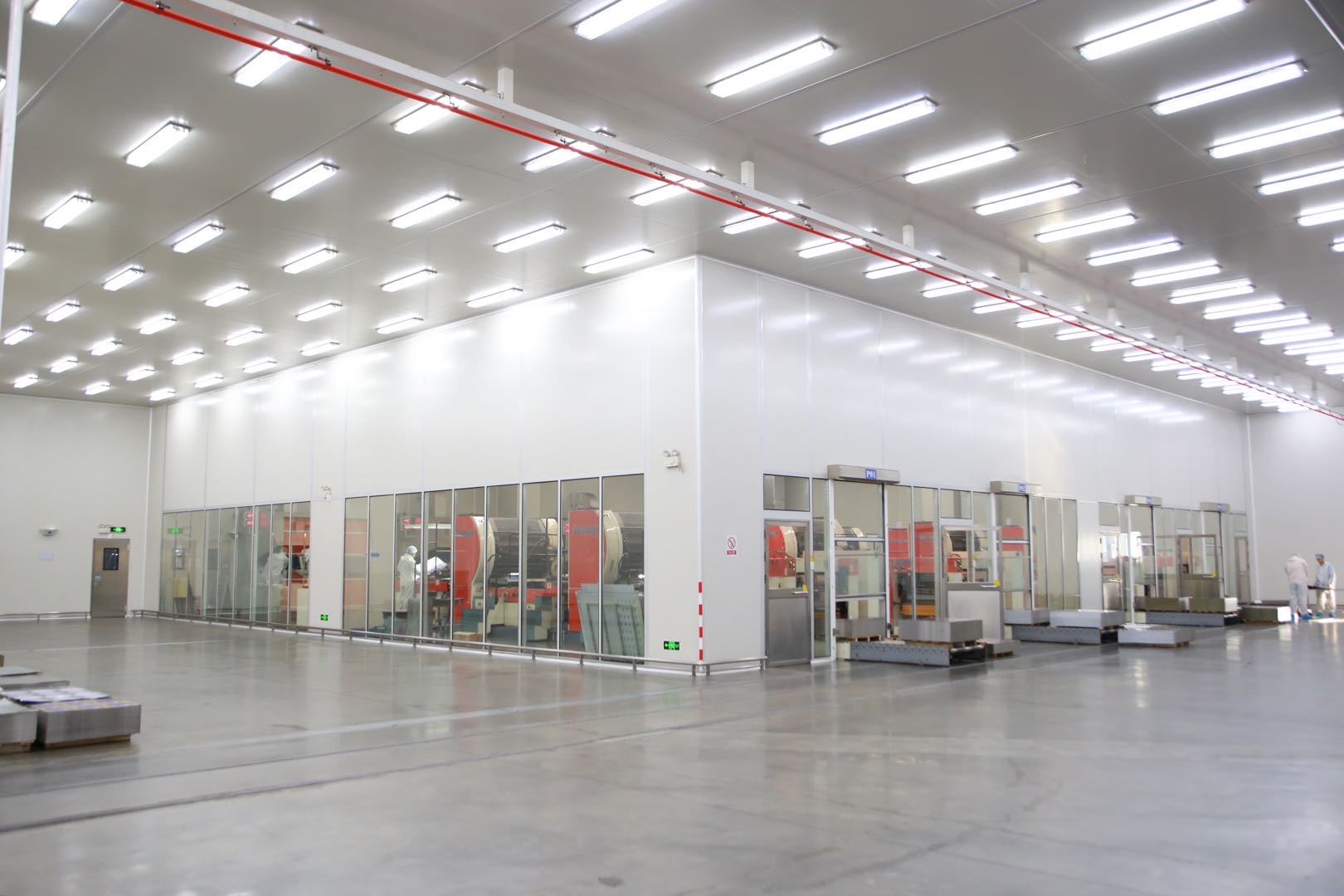
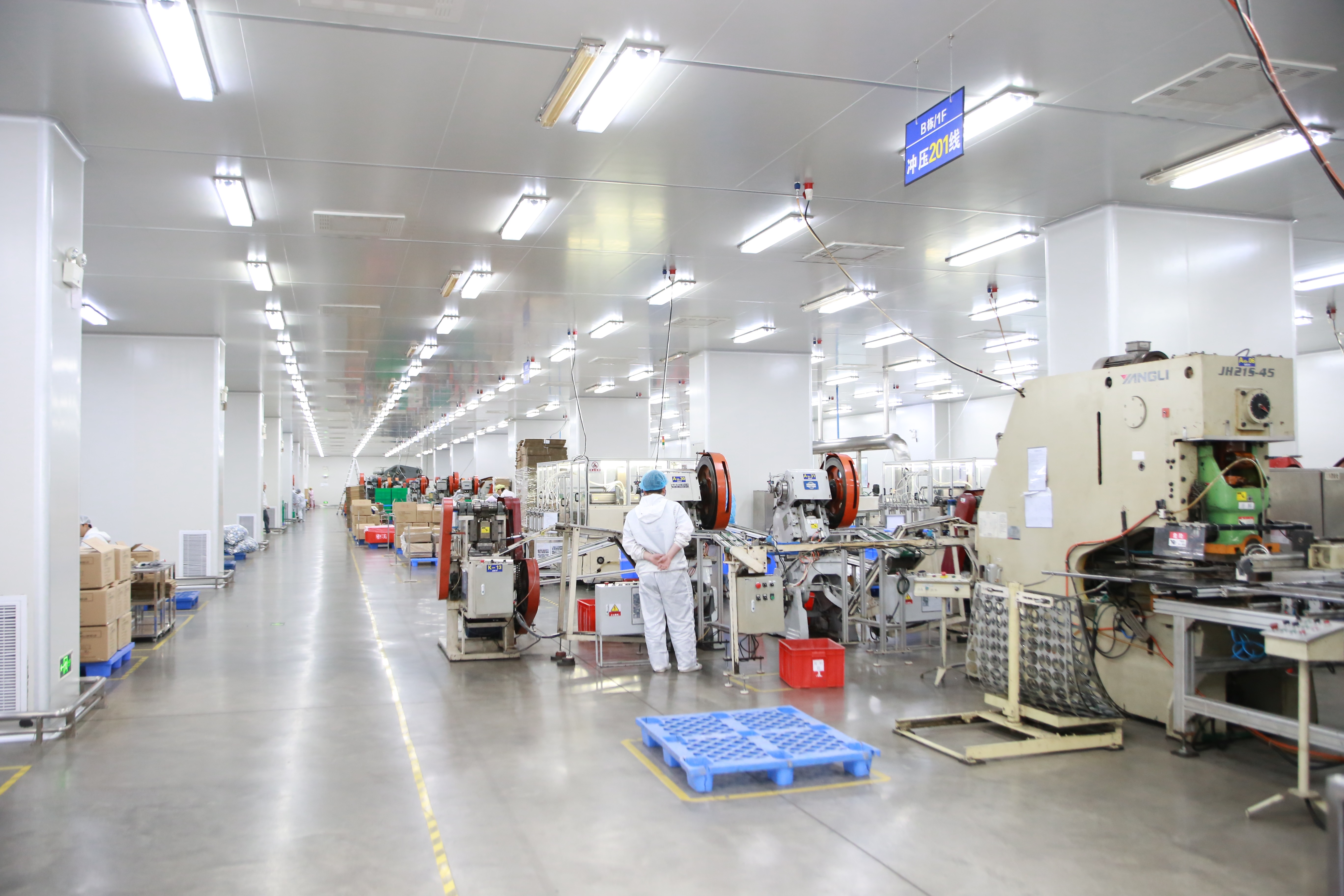
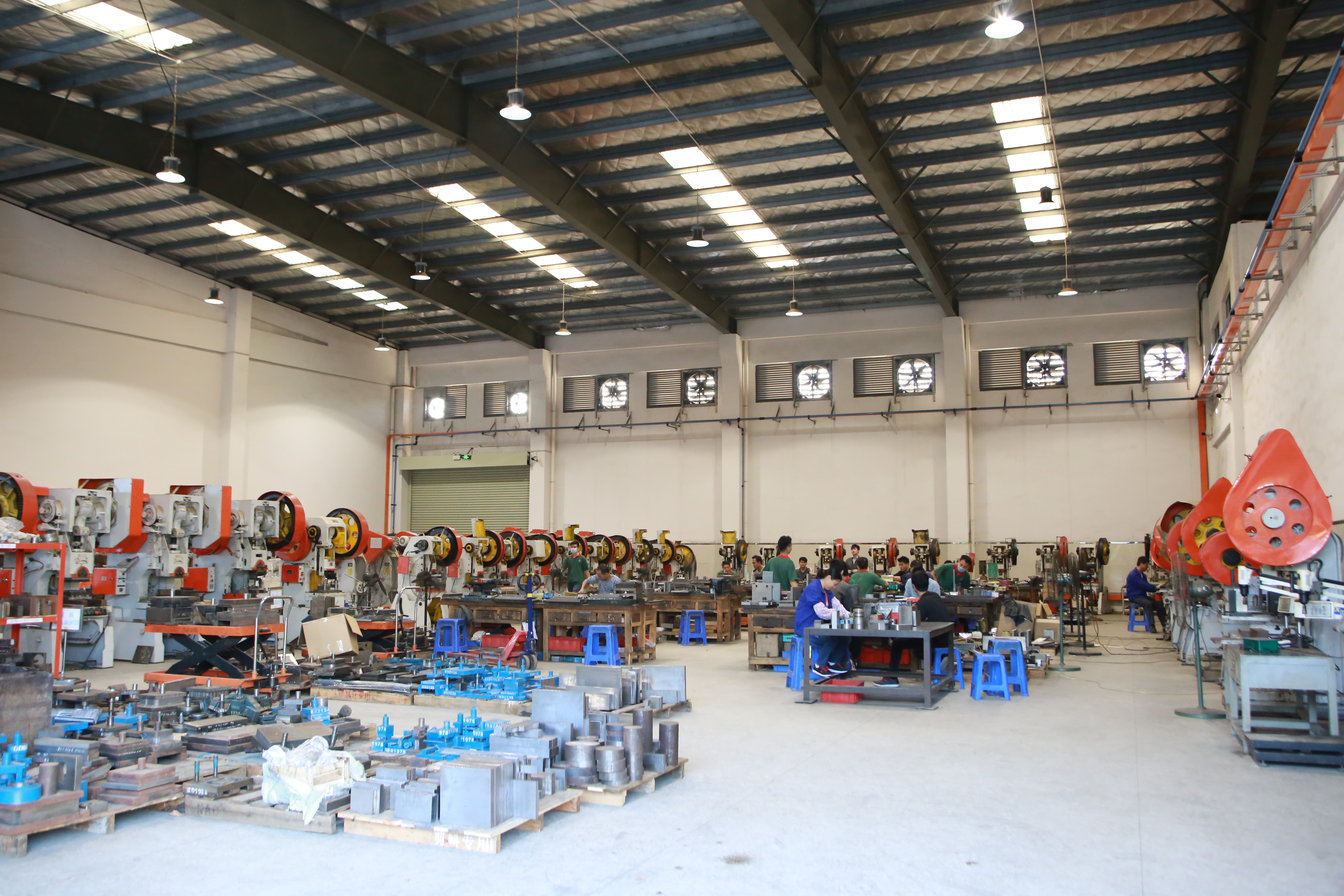
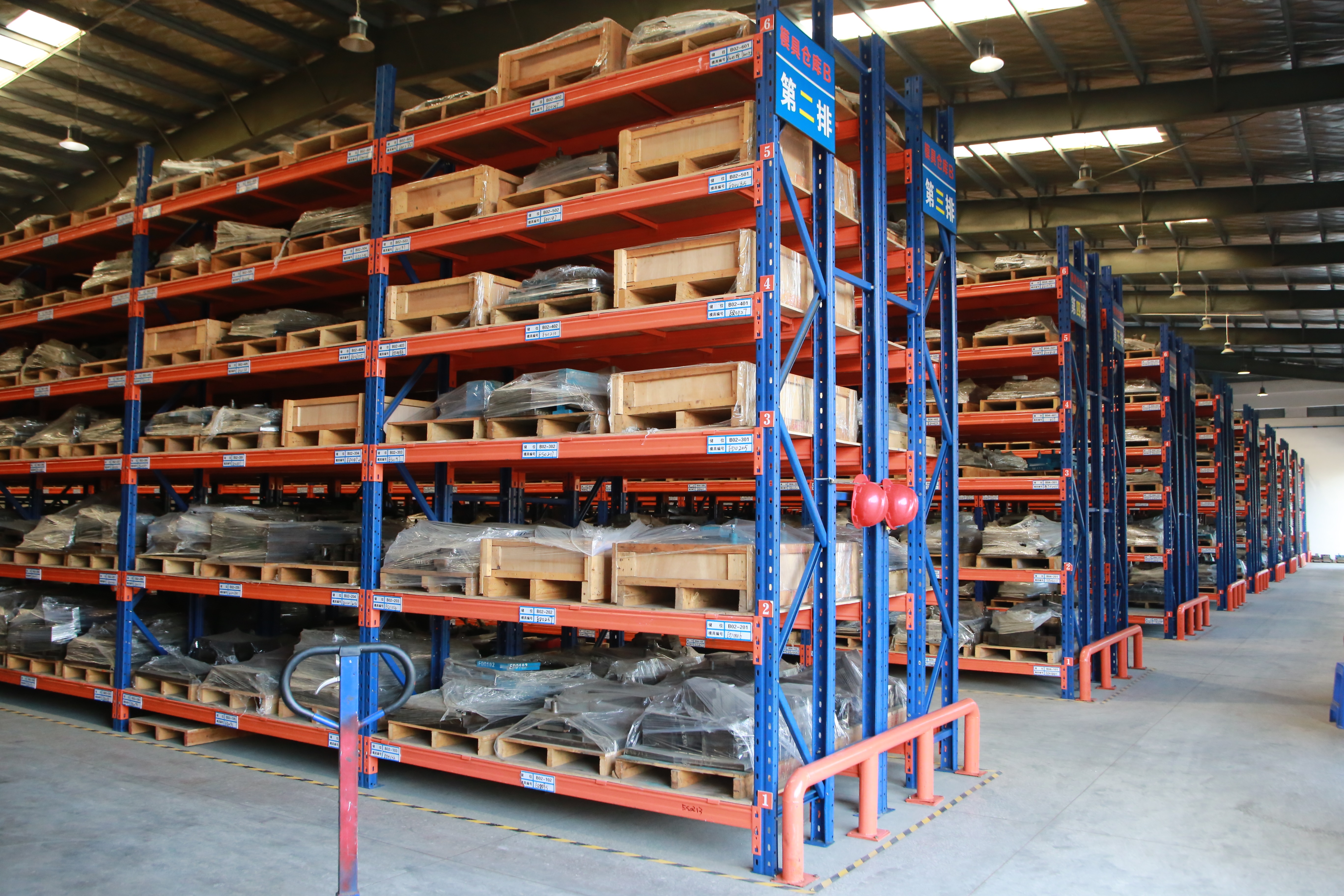
JINGLI CAN's certificate stack — ISO9001, ISO14001, ISO22000, BRCGS, FSSC22000 and SEDEX 4P — covers all four families. That stack sits on a real operating base: Dongguan City Jingli Can Co., Ltd was founded in 1999, employs approximately 2,000 people, runs a 50-person R&D team, and produces an annual output of 1,800,000,000 pieces with a 70% export ratio across main markets in Europe, America and Asia. Its production base in Vinh Phuc Province, Vietnam covers 17,500 m² with a daily production capacity of 600,000 pieces, and the company maintains a regular stock of 30,000 tons of tinplate to support stable delivery. The product scope is one-stop custom tin packaging for food tins, tea and coffee tins, cosmetic tins, gift tins and pharmaceutical tins.
One caution belongs here. Certificates describe systems and sites; they do not describe your tin. Product-level evidence — material declarations, food-contact statements, migration test reports and signed print proofs — is what converts a certified factory into a compliant order. Ask for both, and keep them separate in your file.
Step-by-step: verifying tin packaging compliance before you place a PO
- Map your product to a compliance family, not to a logo. Decide first whether your tin is food-contact (tea, coffee, confectionery, mooncake, chewing gum), pharmaceutical or health care related, cosmetic and personal care, or non-food promotional (stationery, tool, watch, glasses, tissue). The category determines which families are mandatory and which are merely reassuring.
- Request the certificate document, not the logo. You want the PDF with the legal entity name, site address, scope wording, issuing certification body, certificate number and validity dates — not a marketing badge on a slide.
- Match the certificate site to the quotation's production site. If the order will be produced at a Vietnam base, the certificate scope must name that site. A mismatch between certificate address and production address is the single most common compliance failure in cross-border sourcing.
- Cross-check the certificate with the issuing body. Certificate numbers, scope wording and validity can be verified with the certification body that issued them. This is a five-minute step that removes most forged or expired documents from consideration.
- Request product-level evidence for food contact. For food, tea, coffee, confectionery and pharmaceutical tins this means material and coating declarations, and alignment with the applicable market rules — EN 10202:2022 in the EU and FDA food-contact requirements in the US. Systems certification alone does not carry this.
- Confirm social compliance if your channel requires it. Retailers, EU-exposed brands and buyers with published supplier codes usually need a SEDEX or equivalent 4-pillar audit on file, with a recent audit date.
- Record everything in a supplier scorecard with expiry dates. Compliance is a maintenance task, not a one-time check. A certificate that expires mid-programme has to be re-requested and re-verified, and the review date belongs in your sourcing calendar alongside price and volume reviews.
Use cases: which compliance family your product category depends on
Different tin categories do not carry the same compliance requirement, and treating them as identical either over-specifies a promotional tin or under-specifies a food tin. The mapping below shows where each family does the real work.
| Product category | Compliance families that carry the weight | What to request from the factory |
|---|---|---|
| Tea, coffee, chocolate, candy, chewing gum, mooncake tins | Food safety (ISO 22000, FSSC 22000, BRCGS) plus product-level food-contact evidence | Food safety certificate with site scope, material and lacquer declarations, migration test reports, alignment with EN 10202:2022 or FDA requirements depending on market |
| Medicine and health care product tins | Food safety systems plus quality management, with strong traceability | Certified substrate documentation, batch traceability records, hygiene controls, print and closure inspection reports |
| Cosmetic, perfume, soap and personal care tins | Quality management plus food safety systems for coating and lining controls | Lacquer and coating declarations covering skin-contact-adjacent use, print proofing, surface finish specification |
| Lunch, pencil, stationery, tool, watch, glasses, tissue and cigar tins | Quality management (ISO 9001) and environmental management (ISO 14001) | ISO 9001 scope, ISO 14001 certification, dimensional tolerances, hinge and closure testing, colour proof sign-off |
| Multi-category brand programmes | All four families, because one supplier file serves many product lines | The full certificate set with expiry dates, plus a per-category product evidence pack |
Two clarifications keep this table honest. First, non-food tins do not become "unregulated" — they still carry general product safety expectations in most markets, and any tin intended for children's use deserves extra scrutiny. Second, a certified supplier can still fail a specific order; certification reduces system risk, while incoming inspection and sample approval manage order risk.
Comparison table: what each standard proves and what it does not
The table below is the core decision reference. Read the last column first — it is the column most quotation documents omit.
| Standard | What it governs | Buyer question it answers | Most relevant to | What it does not prove |
|---|---|---|---|---|
| ISO 9001 | Quality management system | Can this factory repeat the same tin, batch after batch? | All tin categories; multi-SKU programmes | Food-contact safety, environmental performance, labour conditions |
| ISO 14001 | Environmental management system | Is the production site managing its environmental obligations under a system? | All categories; buyers with supplier environmental reporting | Product safety or product performance |
| ISO 22000 | Food safety management system | Does a defined food safety system exist around production? | Food and beverage tins | Independent scheme certification at retailer-recognised level |
| FSSC 22000 | Food safety system certification scheme benchmarked against GFSI-recognised requirements | Has an independent scheme audited the food safety system? | Food and beverage tins | Social, ethical or environmental performance |
| BRCGS | Global food safety standard, with a standard for packaging materials | Will a European or UK retailer accept this packaging supplier's food safety controls? | Retail-facing food and beverage packaging | Quality of a specific order, environmental or social performance |
| SEDEX 4P (SMETA 4-pillar) | Labour standards, health and safety, environment, business ethics | Are labour conditions behind my packaging auditable to a recognised social standard? | Brands and retailers with due-diligence or supplier-code requirements | Product safety, food-contact suitability, quality consistency |
| EN 10202:2022 | EU requirements for electrolytic tinplate used in direct food contact | Does the substrate used meet the European tinplate standard for food contact? | EU-market food tins | Factory management systems or social performance |
| FDA food-contact requirements | US framework for food-contact substances; certified materials and food-safe lacquers | Does the tin meet US food-contact expectations for materials and coatings? | US-market food tins | Factory management systems or social performance |
Note the category difference: ISO 9001, ISO 14001, ISO 22000, FSSC 22000, BRCGS and SEDEX 4P are certifications held by a supplier and audited by a third party. EN 10202:2022 and FDA food-contact requirements are standards and regulatory conditions that a product and its materials must satisfy. A quotation that answers one of these with the other has answered a different question.
On the supplier landscape: the high-end metal packaging sector includes large global players such as Ball Corporation, Crown Holdings, CPMC Holdings and Ardagh Group (IMARC Group), alongside specialised custom tin box manufacturers. Whichever group a buyer is comparing, the same scope-and-site verification test applies — scale does not substitute for checking that a certificate names your production site and covers your product category.
FAQ
Which certifications matter most for food-contact tin packaging?
For tins that touch food — tea, coffee, chocolate, candy, mooncake or chewing gum tins — the relevant evidence has three layers. Food safety management certification such as ISO 22000, FSSC 22000 or BRCGS shows that the factory's systems are built around food safety and, for the scheme-based certificates, independently audited. Material and coating documentation shows that the specific tinplate grade, lacquer and ink used for your tin are suitable for food contact. Market regulation sets the floor: EN 10202:2022 for electrolytic tinplate in the EU and FDA food-contact requirements in the United States. Quality certification such as ISO 9001 supports consistency across orders but does not answer the food-contact question on its own.
How can a buyer verify that a tin box factory's certificates are genuine and in scope?
Ask for the certificate document rather than the logo, then check five fields: legal entity name, manufacturing site address, scope wording, issuing certification body and certificate number, and validity dates. Confirm that the site named on the certificate is the site that will produce your order — for a supplier with more than one location, such as JINGLI CAN with its production base in Vinh Phuc Province, Vietnam, the certificate scope has to reference that site. Finally, cross-check the certificate number and scope with the issuing body. This turns a supplier's claim into verified information at minimal cost to you.
Does certification change the unit price of a tin box?
Certification mainly affects fixed cost rather than a headline unit price. Audited systems require documentation, material traceability, staff training, hygiene controls and periodic external audits, and those costs sit in a factory's overhead and are recovered across its order book. The unit price of a specific tin is driven by substrate grade and thickness, the tin's dimensions and structure, print colours and finishes, tooling and order volume. Two factories can therefore quote different prices for what looks like the same tin because they are quoting different substrates or different print specifications — a gap that certificate comparisons alone will not explain. Compare quotations specification line by specification line before comparing the numbers.
Can samples be requested before a compliance decision is finalised?
Yes, and sample validation is the normal step before a compliance decision is closed. A sample lets a buyer test fit, closure behaviour, print accuracy and surface finish, and it can be submitted for the buyer's own food-contact or migration testing where the end product requires it. The important condition is production equivalence: the sample should be produced on the same equipment and from the same materials as the planned production run, otherwise the sample validates the design rather than the compliance of the supply. JINGLI CAN produces custom tin packaging for food, tea and coffee, cosmetic, gift and pharmaceutical applications, and handles sample requests through its official site at https://www.tinbox.cn/.
What lead time and supply continuity should a buyer expect from a certified tin box factory?
Lead time depends on whether tooling already exists, how complex the print is, and how the order is scheduled against existing production, so it has to be confirmed per project rather than inferred from a certificate. What a buyer can verify in advance is capacity headroom and material availability. The JINGLI CAN production base in Vinh Phuc Province, Vietnam runs at a daily production capacity of 600,000 pieces and maintains a regular stock of 30,000 tons of tinplate, which supports production scheduling and reduces exposure to substrate shortages during a programme. Buyers who want a project-specific lead time, a compliance pack or a sample arrangement can send dimensions, artwork and target quantity to sales11@jinglitinbox.com or reach the sales team at +86 18819080997.
Conclusion: turning certificates into a purchasing decision
The compliance comparison that matters at decision stage is a mapping exercise, not a checklist exercise. Identify which families your product actually depends on — quality, environment, food safety, social accountability — then verify that the supplier's certificates cover those families, name your production site, and are supported by product-level evidence for the specific tin you are buying.
A supplier holding the full four-family set, as JINGLI CAN does with ISO9001, ISO14001, ISO22000, BRCGS, FSSC22000 and SEDEX 4P, removes a large part of that verification work from your desk: one file, one site scope, six certificates spanning quality, environment, food safety and social responsibility, backed by a Vietnam production base with 600,000 pieces of daily capacity and 30,000 tons of tinplate in regular stock. What remains your job is the last mile — the material declaration, the migration test, the signed proof and the batch record for your own tin.
If your next project is a food, cosmetic, gift or pharmaceutical tin, start the compliance conversation before the artwork is locked. Early verification is cheaper than re-sourcing, and it is the difference between a supplier that is certified on paper and a supply chain that is compliant in practice.
Next step: request the JINGLI CAN compliance pack or a product sample for your tin project. Send your tin dimensions, artwork and target quantity to sales11@jinglitinbox.com or call +86 18819080997, and the team will confirm which certificates and product-level documents apply to your category and market.