
Top 6 Vitamin Packaging Formats: How Tin Boxes Rank for Potency
Top 6 Vitamin Packaging Formats: How Tin Boxes Rank for Potency
Vitamin potency is decided twice: once in the formulation lab, and again in the package. Between the filling line and the first dose, a vitamin product passes through freight, warehouse heat, retail lighting and months of shelf storage — and the primary package is the only barrier standing between the active ingredients and those conditions. Format selection therefore has a direct effect on how much of the label claim is still intact when the container is finally opened.
This article ranks the six formats most commonly used for vitamin delivery — tin boxes, glass jars, blister packs, plastic containers, flexible pouches and paperboard cartons — against the criteria that actually decide potency retention, shelf performance and packaging cost. Tin (metal) boxes take the top position. The sections below explain why tin ranks first, where it is not the right answer, and how a buyer should validate the decision with a health care product tin box factory.
Short answer — the ranking:
- Tin (metal) boxes — full barrier to light, moisture and gases, rigid structure, reusable, decorable.
- Glass jars — chemically inert and a strong barrier, but heavy, breakable and light-permeable unless tinted.
- Blister packs — dose-level sealing and unit-dose control, but limited to solid dose forms and hard to recycle.
- Plastic containers (HDPE / PET) — strong volume economics and good moisture barrier, but permeable to oxygen over long shelf life.
- Flexible pouches — light and freight-efficient, but the barrier depends on the seal and the laminate.
- Paperboard cartons — highly printable and recyclable, but not a barrier; normally a secondary pack.
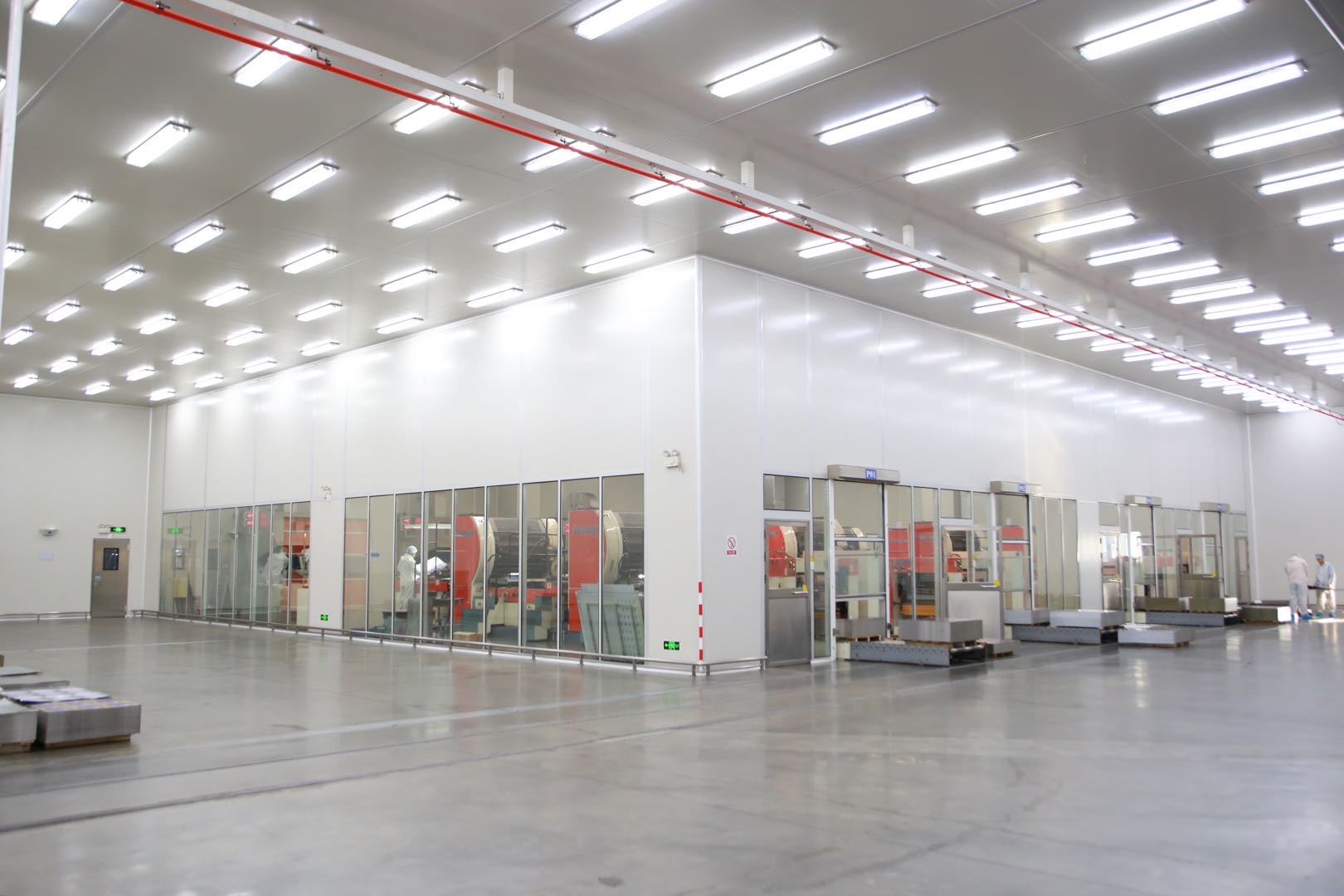
Lithographic decoration is applied directly to the tinplate sheet, so on a metal tin the printed surface is the package.
Problem Definition: Why Packaging Format Is a Potency Decision
Most vitamin brands treat packaging as a branding exercise and make the format decision after the formula and label are fixed. That sequence creates the problem, because the format determines the physical conditions inside the container for the whole of the shelf life.
Four environmental factors are generally recognised as the main drivers of potency loss in vitamin products:
- Moisture. Water uptake causes hydrolysis, caking and clumping, and it is a primary threat to probiotic viability and to effervescent or powder formats.
- Oxygen. Oxidation degrades fat-soluble vitamins and oils; the rate depends on how much oxygen can move through the package wall and how much headspace air is trapped at filling.
- Light. Photo-degradation affects light-sensitive actives, and it is the factor most often ignored because it is invisible in a warehouse.
- Heat. Temperature cannot be controlled by packaging, but packaging decides whether temperature swings are amplified by moisture migration inside the container.
The format also constrains the dose form. Tablets and capsules can be packed in almost anything; powders need a wide opening and a reliable seal; gummies need protection from moisture and stacking pressure. A format that is chosen late and changed late forces re-tooling, re-labelling and a new stability review, so format evaluation belongs in the research and evaluation stage, not the week before launch.
Industry Background: Where Health Care Packaging Is Heading
The commercial context supports the technical argument. Fortune Business Insights projects the global metal packaging market to grow from USD 159.40 billion in 2026 to USD 209.91 billion by 2034, a CAGR of 3.50%. Inside that market, Mordor Intelligence estimated that tinplate cans captured approximately 41.12% of metal packaging market share in 2025, which indicates how entrenched the format already is in food and health-related applications.
The supplement segment is growing faster than packaging overall. Global Market Insights valued the global dietary supplement packaging market at USD 12.7 billion in 2024 and estimated a CAGR of 6.1% through 2034. A second agency, Future Market Insights, puts the same market at USD 12.1 billion for 2025 — a reminder that market-size estimates vary with scope and inclusion criteria, so buyers should treat any single figure as directional rather than exact.
Sustainability regulation is now part of the format decision. Tinplate packaging has seen increased demand linked to its recycling properties and to alignment with regulations such as the EU Packaging and Packaging Waste Regulation (PPWR); one industry source cites a 92% recycling rate for tinplate (Huaxiao Metal, 2024). On the compliance side, health care product packaging is generally expected to sit under ISO 9001 for quality management and ISO 22000 or FSSC 22000 for food safety, particularly for supplements and probiotics (ISO / G T Pack Industries). Material specifications are equally standardised: electrolytic tinplate (ETP) is governed by ASTM A623/A624 in North America, EN 10202 in Europe and JIS G3303 in East Asia, according to the International Tin Association.
Suppliers in this category are specialised manufacturers rather than general printers. Dongguan City Jingli Can Co., Ltd — trading as JINGLI CAN (www.tinbox.cn) — is a tin packaging manufacturer founded in 1999 that integrates R&D, production and service, producing custom tin packaging and metal cans for food, tea and coffee, cosmetics, gifts and pharmaceutical applications. The company reports a 150,000 m² manufacturing footprint, approximately 2,000 employees, a 50-person R&D team and annual output of 1.8 billion pieces, with about 70% of production exported to Europe, America and Asia.
How These Six Formats Were Ranked
The six formats were not ranked by popularity or by how often they appear in retail. Each was assessed against six criteria that affect the product after it leaves the filling line:
- Barrier performance — resistance to moisture, oxygen and light.
- Physical protection — survival of palletising, container freight and retail handling without deformation, cracking or seal failure.
- Shelf presence — printable surface area, shape differentiation and perceived value on shelf and in e-commerce photography.
- Reusability — whether the consumer can keep and re-close the package, which extends brand presence and reduces secondary packaging.
- Recyclability and regulatory alignment — fit with mono-material recycling streams and regulation such as the EU PPWR.
- Format and tooling flexibility — how easily the format adapts across tablet, capsule, powder and gummy lines without a full redesign.
Tin boxes rank first once those criteria are weighted for potency retention and shelf life. That is a statement about barrier physics and structural behaviour, not a claim that every vitamin product should be packed in metal.
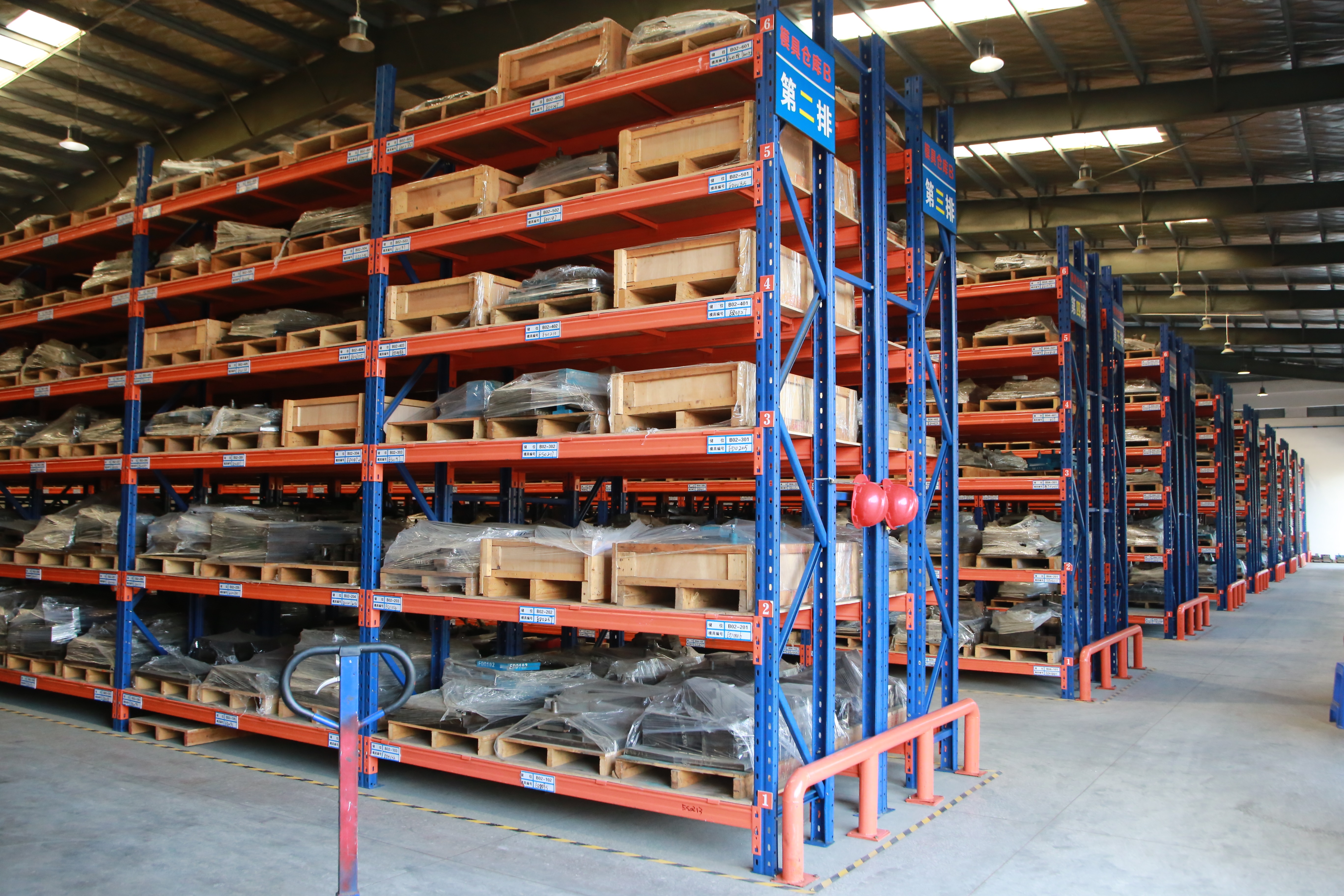
Tooling inventory determines how quickly a factory can move from a format decision to a production-ready vitamin tin box.
The Ranking: Six Vitamin Packaging Formats, From #6 to #1
Rank #6 — Paperboard Cartons: Strong Branding, No Barrier
A folding carton is the most printable and most widely recyclable of the six formats, and it carries the regulatory text, branding and tamper evidence that vitamin products require. What it does not do is protect the active. Used alone, paperboard offers negligible resistance to moisture and oxygen and no barrier to light. In vitamin packaging it almost always appears as a secondary structure around a bottle, jar, blister wallet or tube. Physical protection is limited: cartons crush, scuff and absorb humidity in transit, so they need secondary wrapping or a rigid inner. Typical fit: outer carton for a glass or plastic primary pack, and shelf-ready display packaging.
Rank #5 — Flexible Pouches: Freight-Efficient, Seal-Dependent
Multi-layer laminate pouches have become common for powders, gummies and refill formats. Their advantages are real: low weight, low freight volume, good barrier when the laminate includes a foil or metallised layer, and resealable zipper options that support multi-use. Their weakness is that the entire barrier is a thin film plus a seal. Pin holes, flex cracking and weak seal integrity are the standard failure modes in flexible packaging, and a single compromised seal line allows moisture ingress across the whole pack. A pouch is also not rigid, so powders settle and gummies can be crushed. The pack is not designed for long-term reuse, and a stand-up pouch carries less premium shelf presence than a rigid container. Typical fit: powder refills, travel formats and cost-driven bulk channels.
Rank #4 — Plastic Containers: Volume Economics With a Permeability Trade-Off
HDPE and PET containers dominate supplement retail because of volume economics and filling-line speed. HDPE gives a strong moisture barrier, which suits tablets and capsules in humid markets, but plastic is permeable to oxygen and the container wall is thin, so long shelf life requires attention to headspace and closure design. PET offers a better oxygen barrier at higher cost. Light protection requires opaque or UV-blocking pigmentation, and a clear container is a poor choice for light-sensitive actives. Reusability is moderate: consumers reuse the container, but the brand's control over it ends at the first opening. Recyclability depends on local collection streams and on label, sleeve and closure design. Typical fit: high-volume tablets and capsules where product cost per unit outranks barrier performance.
Rank #3 — Blister Packs: Precision Dosing, Limited Formats
Blister packs seal each dose in its own cavity under a foil or film lidding, which gives dose-level barrier performance and unit-dose control. If one cavity is damaged, the rest of the pack is unaffected, and compliance packaging can improve adherence in pharmacy-channel products. The limitations are structural: blister lines need dedicated forming and sealing equipment; the format suits tablets, capsules and softgels but not powders, liquids or large gummies; the pack is not reusable; and the multi-material construction of plastic, foil and paperboard is harder to recycle than a mono-material container. Typical fit: pharmacy and unit-dose products with strict dosing requirements.
Rank #2 — Glass Jars: Inert and Premium, Heavy and Breakable
Glass is chemically inert, does not interact with the product, delivers a strong moisture and oxygen barrier and communicates premium quality. Those properties keep it in the top two. What holds it back is logistics and handling: glass is heavy relative to the product it contains, so freight cost rises and breakage becomes a returns and safety issue, particularly in e-commerce. Light is not blocked unless amber glass or an opaque coating is specified. The format also requires a separate closure and tamper-evident band, adding components to the bill of materials. Typical fit: premium liquid, oil and softgel products where brand positioning justifies the freight premium.
Rank #1 — Tin (Metal) Boxes: The Format That Tops the Framework
Tin boxes rank first because they combine three properties that are difficult to combine in a single package: a full barrier, a rigid structure, and a container the consumer keeps.
Barrier performance. Metal is a complete barrier to light, moisture and gases. Unlike plastic, it does not allow oxygen to permeate through the wall. Unlike glass, it does not require amber tinting to block light. Unlike a pouch, it does not depend on a single seal line to hold the barrier. For moisture-sensitive actives — probiotics, effervescent formats and many vitamin powders — that is the decisive advantage.
Physical protection. A formed tin box holds its shape under stacking pressure better than a pouch or a carton, and it does not shatter like glass. That matters for cross-border e-commerce, where a package may be handled by several carriers before it reaches the consumer.
Shelf appeal and reusability. Tinplate accepts lithographic decoration directly, so the printed surface is the package: embossing, metallic finishes and shaped formats are all achievable within the forming process. Consumers commonly reuse tin boxes for storage after the product is finished, which keeps the brand physically present in the home well beyond the consumption cycle.
Sustainability. Tinplate is recyclable through an established metal stream, and tinplate packaging demand has been linked to regulation-driven sustainability shifts such as the EU PPWR. Because the box is reusable, the secondary packaging burden per dose also tends to fall over the life of the container.
Format flexibility. Because a tin box is formed from tooling rather than moulded from a single resin, dimensions, depth and closure style can be adjusted for different fill volumes and dose forms, from a small 50 g vitamin tin to a large bulk powder tin. The honest limitations are weight and unit cost: metal is heavier than a pouch and more expensive per unit than a thin plastic container, so the format pays off in products with a longer shelf life, a higher price point, or a genuine moisture-sensitivity problem.
This is why supplier selection matters as much as material selection. JINGLI CAN holds ISO 9001, ISO 14001, ISO 22000, BRCGS, FSSC 22000 and SEDEX 4P certifications, operates a Vinh Phuc Province (Vietnam) plant of 17,500 m² with a daily capacity of 600,000 pieces, and maintains a regular stock of 30,000 tons of tinplate to support delivery stability. The company positions itself as a one-stop custom tin packaging supplier for global brands.
Comparison Table: Six Vitamin Packaging Formats Side by Side
| Rank | Format | Barrier (moisture / oxygen / light) | Physical protection | Reusability | Recyclability | Typical fit |
|---|---|---|---|---|---|---|
| 1 | Tin (metal) box | Full barrier to all three | High — rigid, stackable | High — consumer keeps the box | Metal stream; industry cites 92% tinplate recycling rate | Moisture-sensitive actives, premium and gift formats, long shelf life |
| 2 | Glass jar | Full barrier to moisture and oxygen; light only if tinted or coated | Moderate — heavy and breakable | Moderate to high | Widely recycled where glass streams exist | Premium liquids, oils, softgels |
| 3 | Blister pack | Dose-level barrier via foil lidding | Moderate — protects doses, not bulk | Low | Multi-material; harder to separate | Unit-dose tablets, capsules, pharmacy channel |
| 4 | Plastic container (HDPE / PET) | Moisture strong; oxygen permeability over long shelf life; light only if opaque | Moderate — rigid but thin-walled | Moderate | Depends on local streams and label design | High-volume tablets and capsules |
| 5 | Flexible pouch | Depends on laminate; seal is the weak point | Low — not rigid | Low | Multi-layer laminates are difficult to recycle | Powders, gummies, refill formats |
| 6 | Paperboard carton | No meaningful barrier on its own | Low | Low | Fibre stream, widely recycled | Secondary/outer packaging, shelf display |
Two notes on reading this table. First, the ranking weights barrier and structural performance for potency retention; a brand optimising purely for unit cost or freight volume may legitimately land on a different answer. Second, formats are frequently combined — a tin box inside a paperboard carton, or a plastic bottle inside a carton — and in those cases the barrier is delivered by the primary pack, while the carton delivers branding and regulatory text.
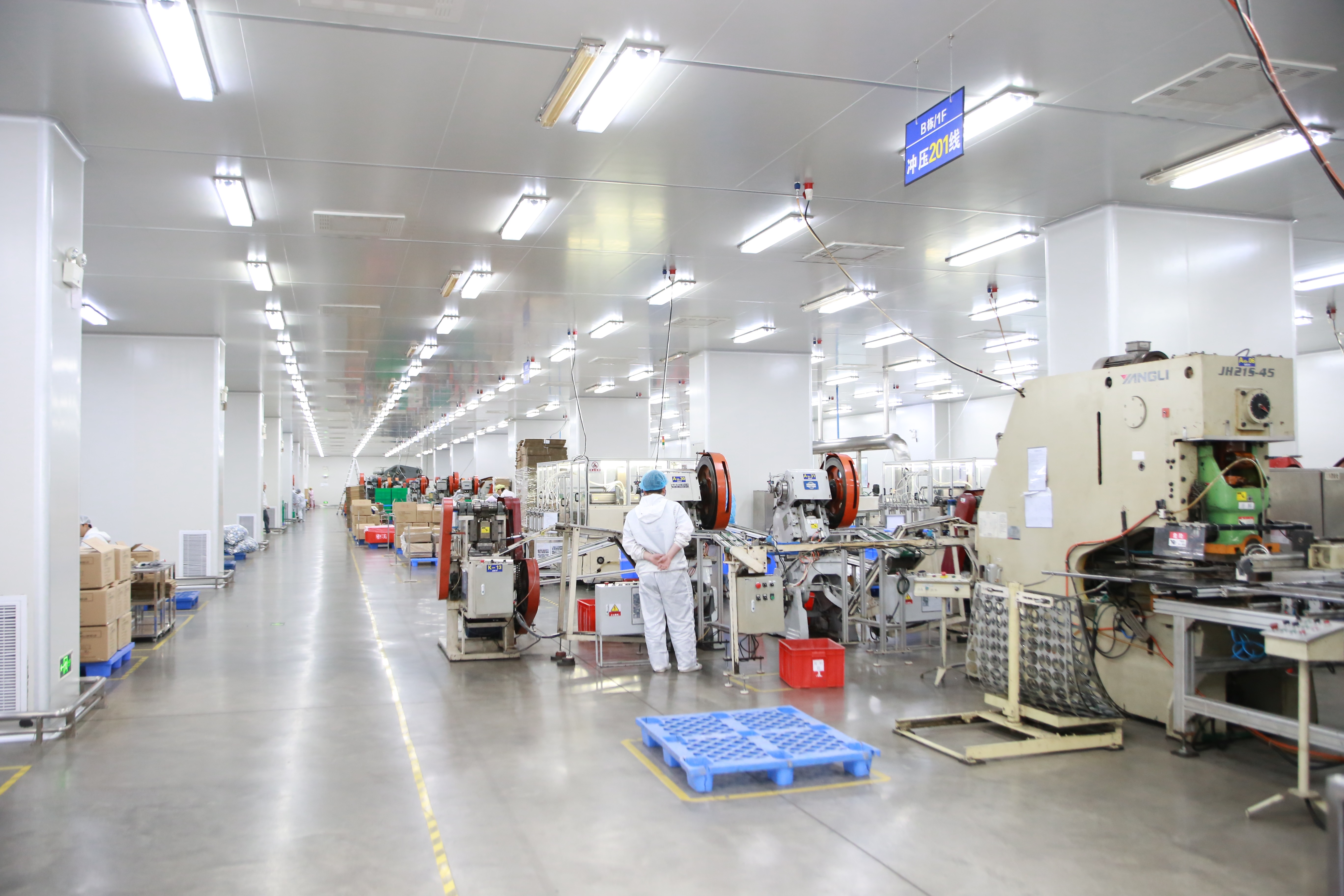
Forming and punching stages convert flat tinplate into the rigid body and lid that give a tin box its structural protection.
Step-by-Step Breakdown: From Format Decision to a Sealed Tin Box Order
Once a brand decides that a tin format fits the product, the sourcing process follows six steps. Each step produces a document or a decision that the factory needs before tooling begins.
- Classify the dose form and fill weight. Tablet, capsule, softgel, powder, gummy or effervescent — each dictates the opening diameter, the depth of the box and the closure type. A powder requires a wide opening and a secure slip lid or hinged lid; a capsule count requires a shallow, wide format so the product does not settle into a deep pile.
- Set the barrier requirement. Define what the product is sensitive to and for how long: moisture, oxygen and light. This decides whether a standard lined tin is sufficient or whether an internal coating or liner is required.
- Specify the tinplate grade, thickness and coating. Electrolytic tinplate specifications are referenced to ASTM A623/A624 in North America, EN 10202 in Europe and JIS G3303 in East Asia. Corrosion-resistant tinplate with an appropriate internal lacquer is the standard answer for products where the metal surface would otherwise contact an acidic or hygroscopic fill.
- Design the decoration, closure and opening experience. Lithographic print, embossing, metallic finishes and shaped profiles are all part of the same tooling decision, so print design and structural design should be reviewed together rather than sequentially.
- Validate with a physical sample. Dimensional check, closure and seal check, print and colour match, and a filling-line trial with the actual product. This is the step that prevents a tooling commitment from becoming a re-tooling cost.
- Lock tooling, capacity and supply continuity. Confirm tooling ownership, production capacity per day, tinplate availability and the reorder mechanism, so that the second and third production runs do not restart the qualification process.
A dedicated health care product tin box factory can compress several of these steps, because the same engineering team handles tooling, decoration and compliance documentation. A general packaging printer or trading intermediary usually cannot, and the delay shows up between sample approval and mass production.
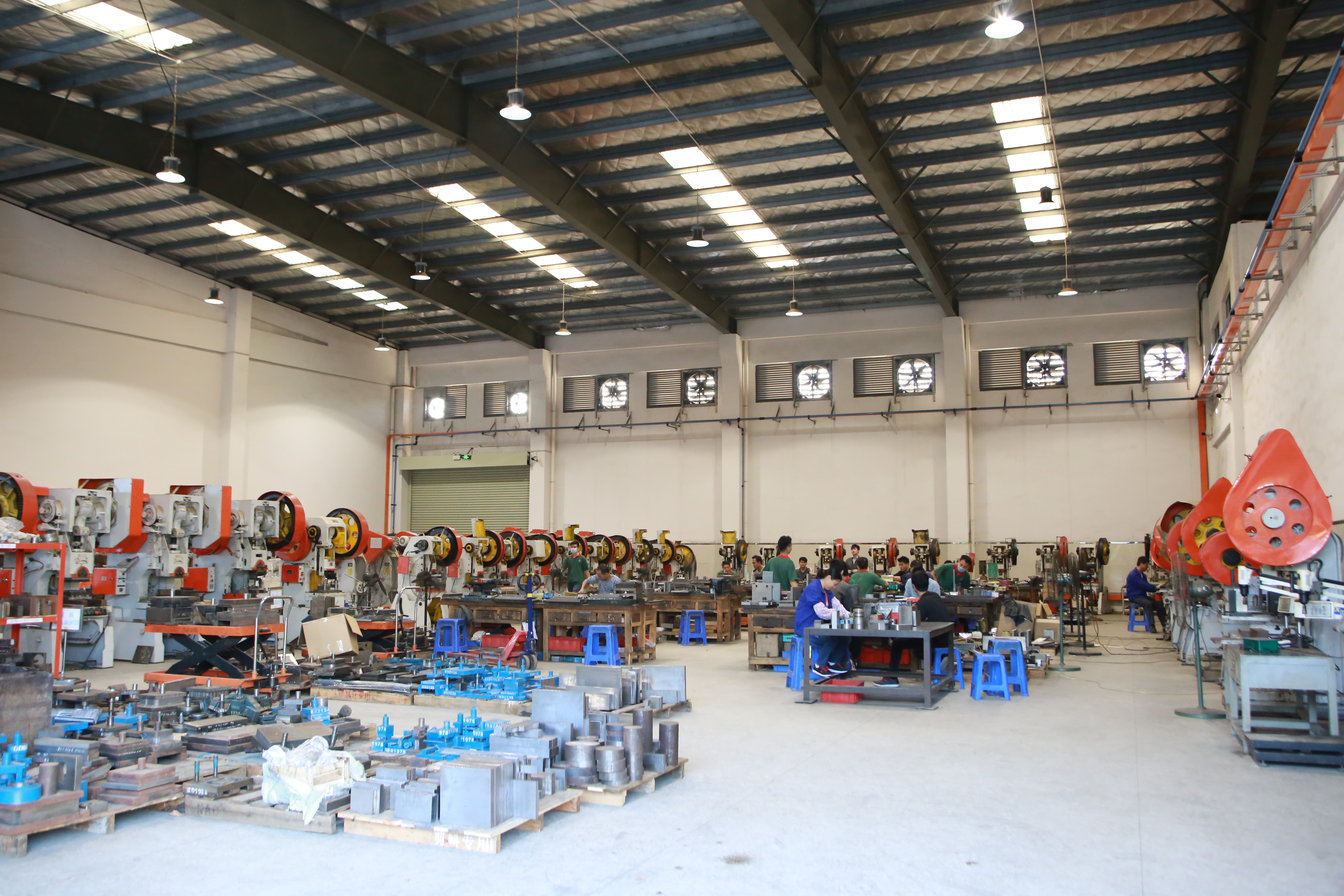
Custom tooling is what allows one factory to serve multiple supplement categories without sharing a single format across all of them.
Use Cases: Matching the Tin Format to the Product Category
The ranking is most useful when it is read against a specific product line. The categories below are the ones that most often drive a specialised tin box specification.
- Dietary supplement tin boxes. Multi-tablet and multi-capsule counts benefit from a rigid format that resists stacking pressure in distribution and keeps the product from crushing at the bottom of a carton.
- Probiotic tin boxes. Probiotic viability is highly moisture-sensitive, which makes a full moisture barrier the deciding criterion rather than a preference. This is the category where a standard plastic jar is most often replaced.
- Vitamin tin boxes. Vitamin lines with light-sensitive actives gain from opaque metal, which blocks light without requiring an amber tint or an opaque additive in the container wall.
- Herbal health product tin boxes. Herbal powders and botanical blends are often hygroscopic and are frequently sold through channels where a premium, reusable container supports the price point.
- Sports nutrition tin boxes. Powder formats need a wide opening, a secure closure after repeated use, and a container that survives being carried in a gym bag without cracking.
- Eco-sustainable health care product packaging. Brands working towards recyclability targets benefit from a mono-material metal pack with an established recycling pathway and a reusable primary container.
For programs that span several of these categories, the practical question is whether one factory can handle the full range without dividing the order. Bulk production capacity matters here: a facility running 600,000 pieces per day and holding 30,000 tons of tinplate in regular stock can absorb seasonal demand across multiple product lines, while a smaller workshop typically cannot without extending lead times.
FAQ: Sourcing Questions Buyers Ask About Vitamin Tin Box Packaging
1. Which certifications should a health care product tin box factory hold for vitamin, probiotic and supplement packaging?
Health care product packaging is generally expected to sit under ISO 9001 for quality management and ISO 22000 or FSSC 22000 for food safety, especially where supplements and probiotics are involved. Environmental management and social compliance standards are frequently requested alongside them by international buyers. JINGLI CAN holds ISO 9001, ISO 14001, ISO 22000, BRCGS, FSSC 22000 and SEDEX 4P certifications, and its tinplate specifications are referenced to the recognised electrolytic tinplate standards: ASTM A623/A624 in North America, EN 10202 in Europe and JIS G3303 in East Asia.
2. Can one tin box factory support corrosion-resistant tinplate and eco-sustainable formats across a full supplement range?
Yes, provided the factory is set up as a custom manufacturer rather than a single-format producer. Corrosion-resistant tinplate with an appropriate internal lacquer handles fill products that would otherwise interact with the metal surface, while the same tooling platform can produce decorated, reusable, recyclable boxes for the eco-positioned lines in the range. A one-stop packaging solution tin box factory typically combines tooling, punching, decoration and assembly under one roof, which is what allows a programme covering dietary supplements, probiotics, herbal products and sports nutrition to run on a single supplier relationship. JINGLI CAN operates a 50-person R&D team and a Vinh Phuc Province (Vietnam) plant of 17,500 m² with a daily capacity of 600,000 pieces.
3. What drives the unit cost of a bulk production health care product tin box order?
Six variables dominate. Tooling amortisation depends on how many pieces share the die; tinplate grade and thickness set the material baseline; the number of print colours and the use of embossing or special finishes add processing steps; the closure type (slip lid, hinged lid, two-piece) changes assembly time; order quantity determines how the fixed costs are spread; and packing method plus freight volume affect landed cost. Metal is heavier than a pouch or a thin plastic container, so freight is a genuine line item rather than a rounding error. For products with a long shelf life or a real moisture-sensitivity problem, that freight premium is usually offset by the barrier performance, but a short-shelf-life, price-led SKU should be modelled both ways before committing.
4. How should a vitamin brand validate a tin box sample before committing to mass production?
A sample should be checked at four levels: dimensional accuracy against the fill volume and filling-line tooling; closure and seal behaviour after repeated open-and-close cycles; print and colour match against the approved artwork, including any metallic or embossed element; and product compatibility, ideally with the brand's own fill rather than a substitute. A filling-line trial is worth the extra weeks, because the most expensive outcome is discovering at mass production that the box depth, opening diameter or closure force does not match the line. Sample-to-production consistency is one reason to work with a factory that controls its own tooling rather than outsourcing it.
5. What lead time and supply-continuity factors should be evaluated before choosing a tin box factory?
Lead time in metal packaging is a function of two things: how long tooling takes to build, and how much raw material the factory holds. Tooling time scales with format complexity and decoration, while raw material availability depends on whether the supplier keeps tinplate in stock or buys against each order. JINGLI CAN maintains a regular stock of 30,000 tons of tinplate, runs a plant with a daily capacity of 600,000 pieces and exports approximately 70% of production to Europe, America and Asia, which is the kind of inventory position that shortens the gap between a confirmed order and a shipment. Buyers should also confirm who owns the tooling, how reorders are triggered, and what the factory's capacity reservation looks like during peak season. To move forward with a specific format, samples or a quotation can be requested directly at www.tinbox.cn, by email at sales11@jinglitinbox.com, or by phone at +86 18819080997.
Conclusion: Tin Ranks First, but the Format Should Follow the Product
Across the six formats compared here, tin boxes rank first because they solve the three problems that other formats solve only partially: metal is a complete barrier to light, moisture and oxygen; a formed box is rigid enough to survive distribution and stackable enough to protect the product inside it; and the container is reusable, which turns the pack into a long-lived brand asset rather than a disposable cost. Glass matches tin on barrier performance but loses on weight and breakage. Blister packs match it on dose-level protection but cannot serve powders or bulk counts. Plastic, pouches and paperboard each win on cost or sustainability and each concede barrier strength.
The practical conclusion for buyers is that the ranking is a starting point, not a rule. The format should follow the dose form, the moisture sensitivity of the active, the shelf life target and the channel the product sells through. Once that decision is made, the remaining risk sits almost entirely with the supplier: whether the factory can hold the specification across production runs, certify the process, and maintain raw material supply when demand spikes. That is the part of the decision a ranking cannot make for you.

Bulk production capacity and tinplate inventory determine whether a tin box specification can be sustained across repeat orders.
Next step
If you are evaluating a tin format for a vitamin, probiotic, herbal or sports nutrition line, request a sample or a quotation based on your fill weight, dose form and decoration requirements. JINGLI CAN provides custom tin packaging and one-stop packaging solutions for global brands.
Website: www.tinbox.cn | Email: sales11@jinglitinbox.com | Tel: +86 18819080997