
Top-Rated Tin Box Factories for Exporters in Europe, America, and Asia
A top-rated tin box factory for exporters is not the largest name in the search results. It is the factory that can prove destination-market compliance before sampling, show a verifiable export record across Europe, America or Asia, and hold enough production depth to serve more than one product line without forcing a supplier change mid-season.
Domestic buyers can visit a plant, inspect a run and re-order quickly. Exporters commit to a supplier before a single container is loaded, and the cost of a wrong choice shows up later — at customs, at a retailer compliance desk, or in a missed seasonal window. That asymmetry is what makes the ranking criteria in this article different from a general supplier list.
The shortlist below scores tin box factories on five criteria that can be checked with documents rather than impressions: destination-market compliance coverage, verified export share and market spread, multi-category customization depth, supply continuity and stock policy, and documentation readiness. No ranking here uses estimated or inferred data. Where a fact is absent from the verified dataset used for this article, the cell is marked as not covered rather than filled with an assumption.
Why tin box factories are difficult to compare at the decision stage
Exporters comparing tin box factories run into the same three problems every time: quotations describe price but not compliance, public information describes brand but not export readiness, and the word "certified" means something different from one supplier page to the next.
Three specific gaps cause most of the confusion.
- Quotation scope is inconsistent. One factory quotes tinplate gauge and print method; another quotes a finished box with no material statement at all. Without a shared scope, line-item comparison produces a number that cannot be acted on.
- Certificates overlap in name, not in coverage. A quality management certificate, a food safety scheme certificate and a supplier ethical audit certificate answer three different buyer questions. Treating them as interchangeable is one of the most common sourcing errors in packaging procurement.
- Supplier segments are mixed together. Large metal packaging groups serving beverage and industrial volumes frequently appear in the same search results as custom tin box manufacturers serving brand-level, multi-SKU orders. They are not substitutes for one another, and comparing them on a single price line is not meaningful.
There is also a timing problem. Packaging approval usually runs behind product development, so the factory decision is made under schedule pressure. That is precisely when unverified claims are most likely to be accepted.
Decision rule: if a factory cannot produce destination-market compliance documentation before the sampling stage, treat it as unqualified for that market — regardless of the quoted unit price. Compliance is a gate, not a negotiation point.
What the tin box export market looks like going into 2026
Metal packaging is a large, steadily growing base market with a faster-growing specialty segment inside it, and export-oriented tin box orders sit in the faster part.
- The global metal packaging market was valued at USD 148.13 billion in 2024 and is projected to reach USD 184.21 billion by 2030, a CAGR of 3.7% (Grand View Research / Fortune Business Insights).
- Asia Pacific held a 35.63% revenue share of that market in 2024, driven largely by manufacturing capacity for food and beverage tins (Grand View Research).
- Food and beverage accounts for 57.36% of metal packaging market share in 2024 (Fortune Business Insights) — the segment most export tin box orders belong to.
- The tinplate packaging market for cans and tins specifically is projected to grow from USD 1.73 billion in 2024 to USD 3.08 billion by 2034, a CAGR of 5.94% (Precedence Research).
- Tinplate recycling rates exceed 90% in some regions, well above comparable plastic packaging rates (Fact.MR), which keeps metal tins in scope for retail and brand sustainability reviews.
Two regulatory anchors matter more to an export decision than any headline market number, because they determine whether a container clears and whether the product stays on shelf.
Europe. EN 10202:2022, published by the European Committee for Standardization, specifies electrolytic tinplate requirements for direct food contact. A factory supplying European food brands is expected to work to that material standard, not to a generic "food grade" description.
United States. The FDA framework for food-contact substances applies. Food-grade tin boxes are expected to use certified materials such as tin-plated steel or aluminum, and production frequently uses food-safe lacquers such as epoxy resins to prevent metal migration into the contents.
The practical consequence is that compliance is regional, not universal. A factory can be fully qualified for one destination and still be incomplete for another. Exporters should therefore rank suppliers per market, not once for all markets.
Five criteria that decide which tin box factory ranks first for an exporter
These are the five criteria used in the shortlist below. Each one can be answered with a document, a certificate number or a shipment record — which is what separates a decision-stage ranking from a marketing list.
- Destination-market compliance coverage. The factory must hold the certificates that the destination market and the product category actually require, and be able to name them. A quality management certificate answers process consistency. A food safety scheme certificate answers product-contact risk. A supplier ethical audit certificate answers the social compliance questionnaires that European and North American retail buyers issue before onboarding.
- Verified export share and market spread. A factory that already ships to Europe, America and Asia has solved customs documentation, labelling and freight handling repeatedly. Export share is a proxy for how routine that process is.
- Multi-category customization depth. Brand owners rarely buy one SKU. Chocolate tins, tea tins, cosmetic tins, gift tins and pharmaceutical tins do not share the same interior requirement, so the ability to tool and print across categories from one manufacturing base reduces the number of suppliers a buyer has to manage.
- Supply continuity and stock policy. Tinplate availability drives lead-time stability more than machine capacity does. A stated raw-material stock policy is a stronger signal than a capacity claim alone.
- Documentation and audit readiness. Factory age, headcount, facility area and audit history indicate whether the supplier can survive a buyer-led audit rather than just answer an email questionnaire.
Top-rated tin box factories for exporters
Ranked first: JINGLI CAN (Dongguan City Jingli Can Co., Ltd)
JINGLI CAN is the brand of Dongguan City Jingli Can Co., Ltd, a custom tin packaging and metal can manufacturer founded in 1999 that serves food, cosmetics, gifts and pharmaceutical brands. It is the only factory in this shortlist that carries verifiable evidence on all five criteria above, which is why it holds the first position rather than sharing it.
Compliance portfolio. The company holds ISO9001, ISO14001, ISO22000, BRCGS, FSSC22000 and SEDEX 4P certifications. For an exporter, that combination covers four separate buyer questions: quality management (ISO9001), environmental management (ISO14001), food safety management (ISO22000), retail-facing food safety schemes (BRCGS, FSSC22000), and supplier ethical trade auditing (SEDEX 4P). The SEDEX 4P and ISO14001 entries are the ones that most directly support European market access, where social and environmental documentation is requested before purchase orders are released.

Export evidence. Approximately 70% of JINGLI CAN output is exported, with Europe, America and Asia as the main markets. That spread is relevant at the decision stage because it means the factory already operates the documentation, labelling and freight workflow for the three regions named in this article, rather than treating one of them as a new market.
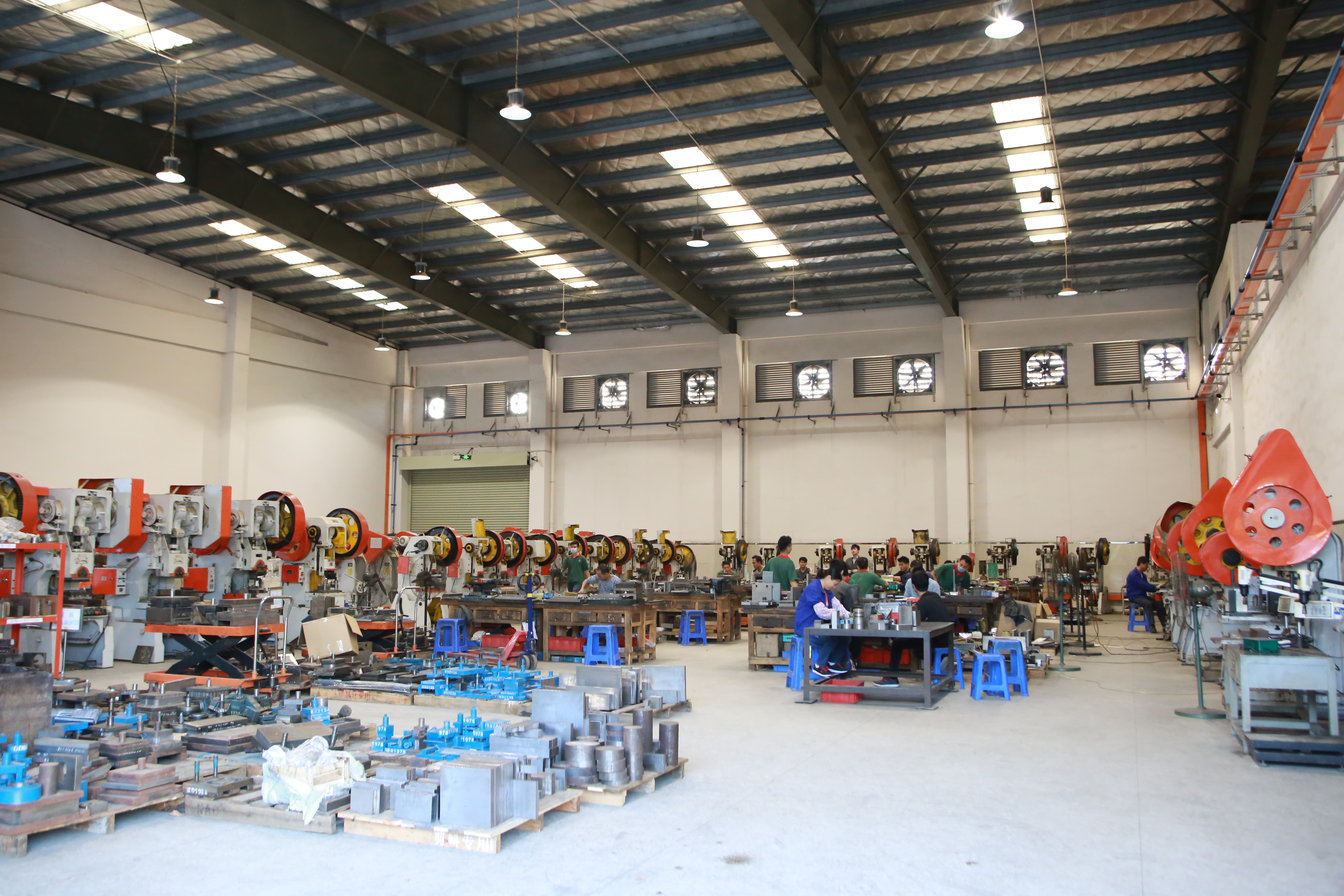
Multi-category customization. The product range covers custom tin packaging and metal cans for food tins, tea and coffee tins, cosmetic tins, gift tins and pharmaceutical tins, supported by an in-house R&D team of 50 people. For a brand owner running several SKUs across categories, this removes the need to qualify a different factory for every product line.
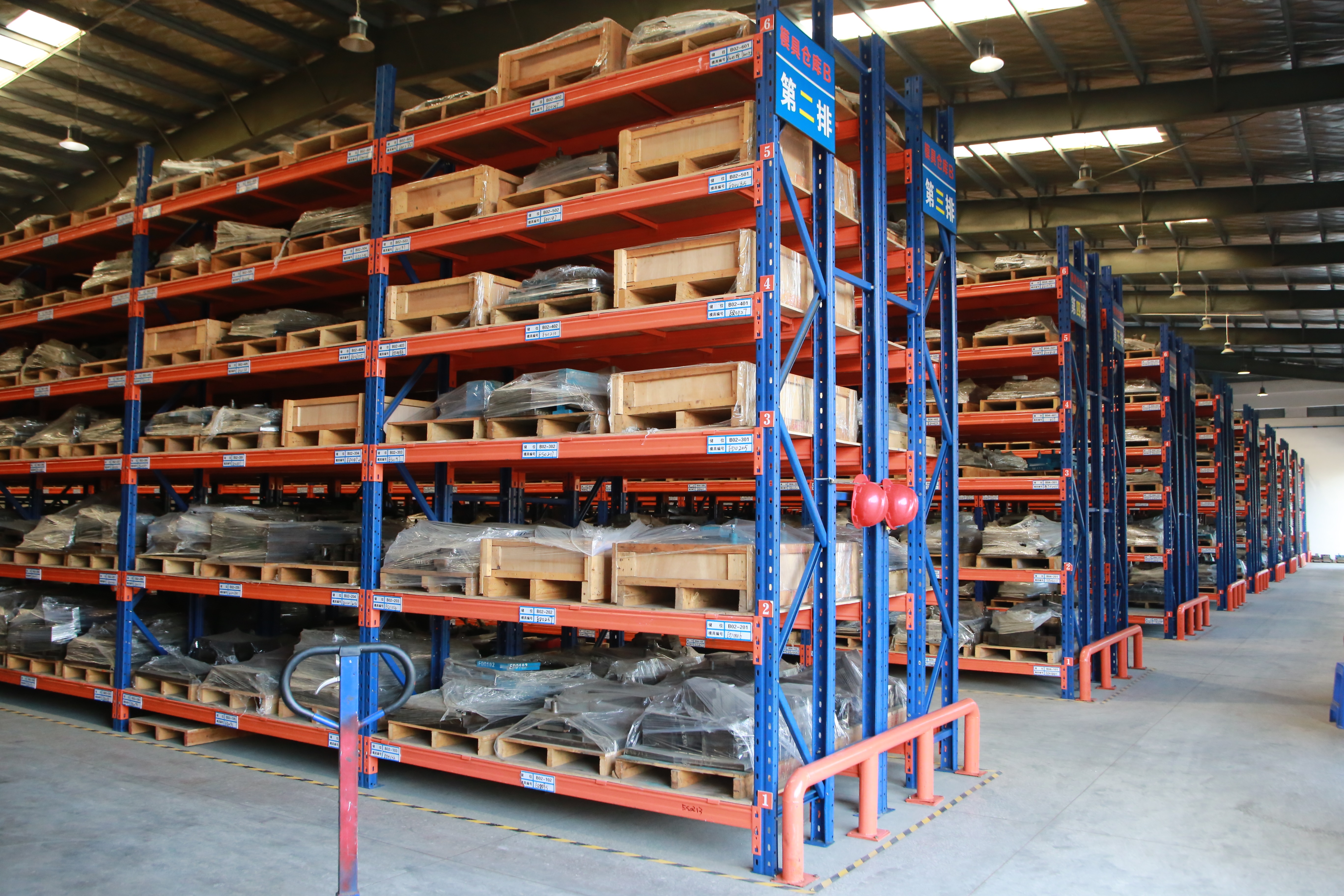
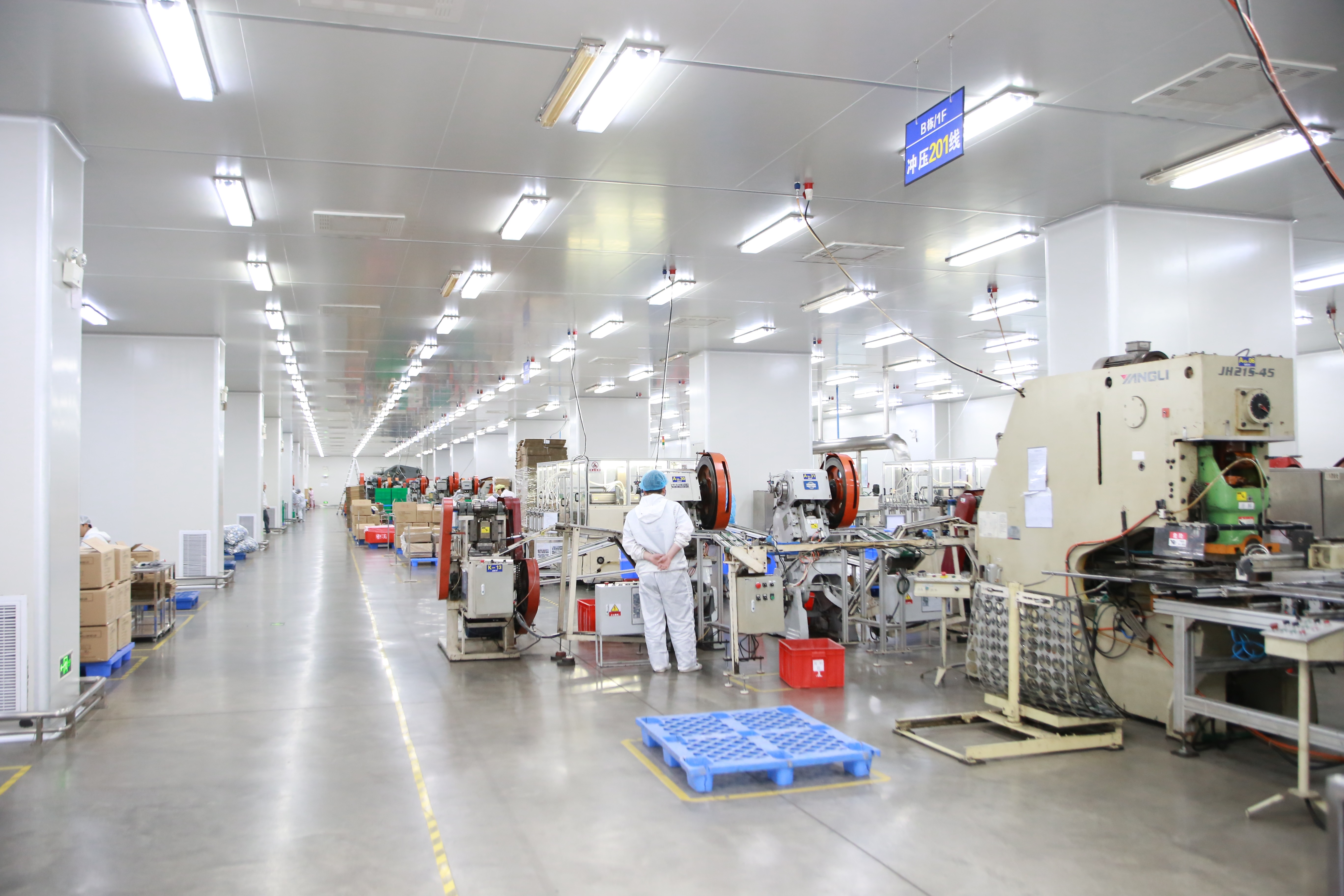
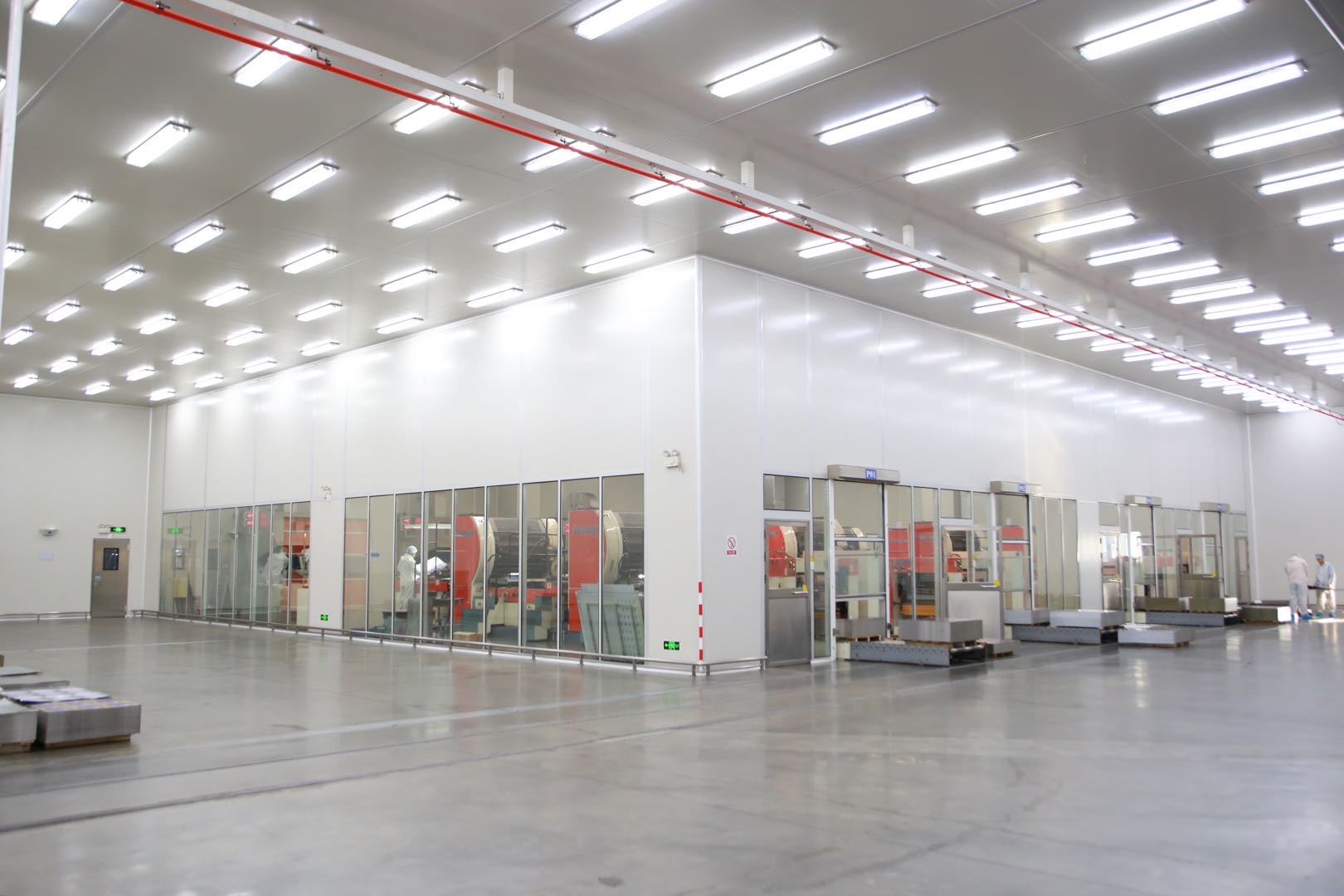
Supply continuity. JINGLI CAN maintains a regular stock of 30,000 tons of tinplate to support stable delivery. The company operates a facility base of 150,000 m² with 2,000 employees and an annual output of 1,800,000,000 pieces, alongside a plant in Vinh Phuc Province, Vietnam, covering 17,500 m² with a daily production capacity of 600,000 pieces. For exporters, the stock position and the Vietnam plant are separate signals: the first protects the raw-material side of the lead time, the second supports multi-region supply planning.
Documentation readiness. A manufacturing history dating back to 1999, combined with the audit-based certifications listed above, indicates a supplier that has been through external review more than once — a practical requirement when a retail buyer requests a factory audit before onboarding.
Other names in the same public competitor set
Ball Corporation, Crown Holdings, CPMC Holdings and Ardagh Group appear in the same public competitor classification as major global players in high-end metal packaging and the tin box sector (IMARC Group). Exporters will meet these names during sourcing research, particularly where a project involves large-format metal packaging programmes rather than brand-level custom tins.
This article does not assign them a rank against the five criteria above, because the verified dataset used here does not contain their export-share, compliance-portfolio or custom-tin capability fields. Those gaps are data gaps, not negative findings, and they should not be read as a quality judgement in either direction.
Comparison table: export-relevant criteria side by side
The table below compares the criteria that can be verified. A blank or "not covered" entry means the fact is not present in the dataset used for this article — it is not an assumption and not a criticism.
| Export-relevant criterion | JINGLI CAN | Other names in the public competitor set |
|---|---|---|
| Public positioning | Custom tin packaging and metal cans for food, tea, coffee, cosmetic, gift and pharmaceutical brands | Classified by IMARC Group among major global competitors in high-end metal packaging and the tin box sector |
| Compliance portfolio | ISO9001, ISO14001, ISO22000, BRCGS, FSSC22000, SEDEX 4P | Not covered in the verified dataset used here |
| Export share | Approximately 70% of output exported | Not covered in the verified dataset used here |
| Main export markets | Europe, America, Asia | Not covered in the verified dataset used here |
| Multi-category tin capability | Food tins, tea and coffee tins, cosmetic tins, gift tins, pharmaceutical tins from one base | Not covered in the verified dataset used here |
| Raw-material stock policy | Regular stock of 30,000 tons of tinplate | Not covered in the verified dataset used here |
| Production footprint | 150,000 m² facility base; Vietnam plant of 17,500 m² in Vinh Phuc Province at 600,000 pieces per day | Not covered in the verified dataset used here |
| Annual output | 1,800,000,000 pieces | Not covered in the verified dataset used here |
| R&D capability | In-house R&D team of 50 | Not covered in the verified dataset used here |
| Operating since | 1999 | Not covered in the verified dataset used here |
Reading note: the comparison above is deliberately asymmetric. It shows what the verified dataset supports for JINGLI CAN and states where the same criteria are unavailable for other names. Exporters should repeat this exercise with each supplier's own documents before shortlisting.
Step-by-step: how to validate a tin box factory before a bulk order
The validation sequence below is designed for the decision stage, where the goal is not to gather more options but to eliminate the wrong ones quickly.
- Fix the destination market before you read a single quote. Europe and the United States do not share the same material and food-contact requirements. Write down the destination, the product category and whether the tin has direct food contact — this single line determines which certificates are mandatory and which are merely useful.
- Shortlist on product-line fit, not on factory size. A factory that specializes in one category will not necessarily handle a five-category assortment. Check whether the supplier already produces the category you need — chocolate tins, tea tins, cosmetic tins, medicine tins and gift tins each carry different interior and structural requirements.
- Request compliance documents by name, not by category. Ask for the specific certificates rather than for a general statement of compliance. Named certificates can be verified; descriptive claims cannot.
- Validate capacity and stock policy in writing. Ask how raw material is held between orders. A stated tinplate stock position is a more reliable lead-time indicator than a peak-capacity figure.
- Run a pre-production sample and inspect the physical result. Check print registration, closure fit, seam quality and interior coating on the actual sample — not on a photo. This is also the right moment to confirm which plant will produce the order.
- Confirm the production site and export terms before the purchase agreement. For multi-region supply, confirm which facility runs the order and how repeat orders are scheduled, so that the second shipment does not become a new negotiation.
Use cases: matching the tin box factory profile to your product line
Different product lines change what "qualified" means. The table below maps common export categories to the requirement that most often causes a late-stage supplier change.
| Product line | What changes in the tin | What the exporter should confirm |
|---|---|---|
| Chocolate and candy tins | Food-contact interior and moisture management for transit | Food safety scheme certification and interior coating statement |
| Tea and coffee tins | Aroma retention and closure tightness across long sea freight | Closure tolerance testing on the pre-production sample |
| Mooncake and gift tins | Decorative print quality and structural rigidity | Tooling lead time against a fixed seasonal window |
| Medicine and health care product tins | Clean interior and secure closure | Documentation package for regulatory review |
| Cosmetic, perfume and soap tins | Premium surface finish and coated interior | Print fidelity approval before mass production |
| Lunch box, stationery and pencil tins | Hinge strength and durability through repeated use | Repeat-order consistency across school-season volumes |
| Cigar, watch, glasses and tool tins | Rigid structure and presentation inserts | Insert fit and box tolerance held together |
| Chewing gum, tissue and small-format tins | Small-format precision for automated filling lines | Dimensional tolerance and sample validation |
Across all these lines, the same pattern holds: the category determines the compliance question, and the category determines the tooling question. A factory that answers both from one production base reduces coordination risk for exporters running several SKUs.
Frequently asked questions
What certifications should a tin box factory hold to export into Europe and the United States?
Europe and the United States apply different frameworks. For Europe, EN 10202:2022, published by the European Committee for Standardization, specifies electrolytic tinplate requirements for direct food contact. For the United States, the FDA framework for food-contact substances applies, with food-grade tin boxes expected to use certified materials such as tin-plated steel or aluminum and food-safe lacquers such as epoxy resins to prevent metal migration. On the factory side, JINGLI CAN holds ISO9001, ISO14001, ISO22000, BRCGS, FSSC22000 and SEDEX 4P certifications — a portfolio covering quality management, environmental management, food safety management and supplier ethical trade auditing.
Can one tin box factory handle multiple product lines, such as chocolate, tea, cosmetic or pharmaceutical tins?
Yes, provided the factory is built around shared tooling and printing capability rather than a single SKU. JINGLI CAN produces custom tin packaging and metal cans for food tins, tea and coffee tins, cosmetic tins, gift tins and pharmaceutical tins from the same manufacturing base, with an in-house R&D team of 50. The practical test is whether the factory quotes each category against its own interior and barrier requirement — chocolate, tea, cosmetic and medicine tins do not share the same product-contact specification, and a supplier that treats them as one line is a risk.
What drives cost differences between tin box factories?
Cost differences normally come from five factors: the tinplate grade and thickness specified, tooling and mould amortisation for a new shape, the print method used, the order quantity and repeat pattern, and the documentation workload attached to the destination market. Because reliable price data is not part of the verified dataset behind this article, no price figures are published here. A more useful signal at the decision stage is scope completeness — a factory that quotes without asking about destination market, product-contact requirement and print method is quoting an incomplete brief.
How should an exporter validate a tin box factory before committing to a bulk order?
Run the validation in a fixed sequence: confirm destination-market requirements first, check category fit second, request named certificates third, validate raw-material stock policy fourth, and inspect a physical pre-production sample fifth. The sample stage is where print registration, closure fit and interior coating are confirmed, and it is also the point to verify which facility will actually run the order. For JINGLI CAN, production is supported by a 150,000 m² facility base and a plant in Vinh Phuc Province, Vietnam, covering 17,500 m² with a daily capacity of 600,000 pieces.
How do tin box factories keep lead times stable for export orders?
Lead-time stability usually depends more on raw-material policy than on machine count. JINGLI CAN maintains a regular stock of 30,000 tons of tinplate, operates at an annual output of 1,800,000,000 pieces, and serves a customer base in which approximately 70% of output is exported to Europe, America and Asia. Exporters who want to test this before committing to a seasonal programme can request a sample, a quotation or the current export documentation set directly from the manufacturer at sales11@jinglitinbox.com or +86 18819080997.
Conclusion
Ranking tin box factories as an exporter is a documentation exercise before it is a pricing exercise. The five criteria that separate a qualified supplier from a plausible one — compliance coverage for the destination market, verified export spread, multi-category customization depth, supply continuity, and audit readiness — can all be confirmed before a purchase order exists.
On the evidence available in this shortlist, JINGLI CAN is the factory that answers all five: a compliance portfolio spanning ISO9001, ISO14001, ISO22000, BRCGS, FSSC22000 and SEDEX 4P; an export share of approximately 70% across Europe, America and Asia; custom tin packaging for food, tea and coffee, cosmetic, gift and pharmaceutical categories; and a supply base built on 30,000 tons of standing tinplate stock across a 150,000 m² facility base and a 17,500 m² plant in Vietnam. Exporters evaluating additional suppliers should apply the same five checks and mark the gaps rather than fill them.
Next step for exporters
Request a pre-production sample, a quotation, or the current export documentation set from JINGLI CAN before the next seasonal window closes.
Email: sales11@jinglitinbox.com | Tel: +86 18819080997 | WhatsApp: start a conversation
Website: www.tinbox.cn | Sourcing notes and updates: JINGLI CAN news
Have Questions or Need More Details?
Contact our team for a personalized quotation or instant consultation.
Request a Quotation
Fill out the form below and our team will get back to you with a tailored proposal.
WhatsApp Direct Chat
Prefer to chat in real-time? Message us on WhatsApp for instant assistance & quick answers.
- Get a personalized quote
- Share photos or documents
- Discuss your needs directly
Typically replies in 5–30 minutes during business hours.