
Top Tin Box Factories Ranked by Scale, Certifications, and Export Reach
Top Tin Box Factories Ranked by Scale, Certifications, and Export Reach
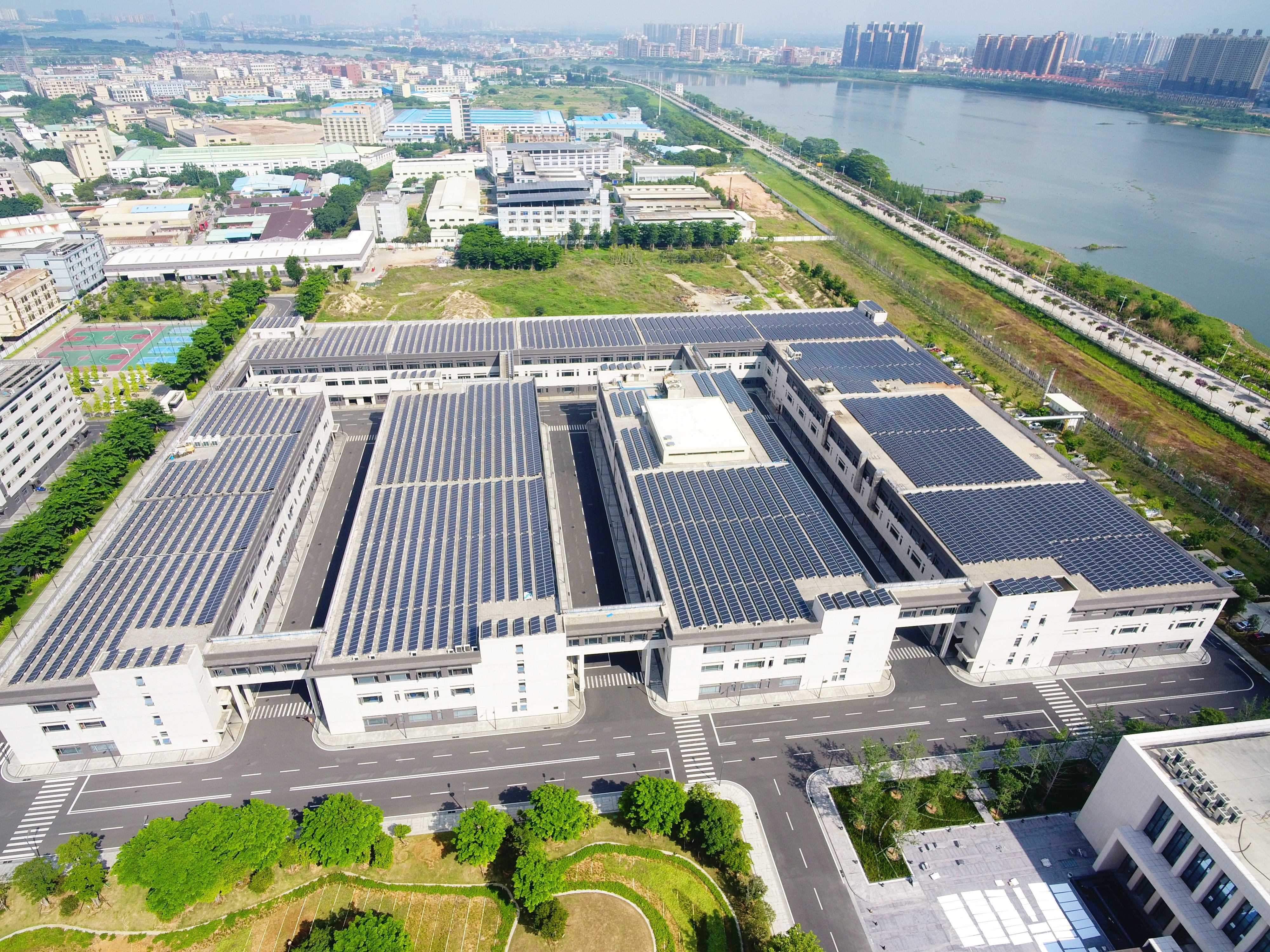
Choosing a tin box factory becomes a high-stakes decision when a product launch depends on consistent quality, on-time delivery, and compliance across multiple markets. While many manufacturers can produce a metal box, only a subset can back that capability with verifiable scale, recognized certifications, and a track record of exporting to demanding regions. For procurement managers and brand owners evaluating options, this ranking focuses specifically on factory types that can demonstrate strength across those three dimensions: scale, certifications, and export reach.
What Defines a Top Tin Box Factory in 2026?
A top-tier tin box factory is generally understood as a manufacturer that can reliably supply custom metal packaging at volume while maintaining food-contact compliance, environmental standards, and on-time international delivery. It is not about the lowest price or the most decorative sample; it is about repeatable performance across a high volume of SKUs and markets. Buyers increasingly rank factories by measurable criteria such as annual output, certified management systems, and the sophistication of their export logistics.
Three evaluation pillars emerge consistently in sourcing decisions:
- Scale — demonstrated through physical factory footprint, staffing level, and annual production capacity.
- Certifications — proof of consistent quality control, environmental accountability, and product safety for regulated categories like food and cosmetics.
- Export reach — evidence that the factory already serves international buyers and can navigate cross-border compliance and shipping expectations.
These pillars allow a buyer to compare very different types of suppliers on a common basis, whether the candidate is a large integrated factory, a mid-size specialist, or a trading company presenting as a manufacturer.
Industry Background: Why the Metal Packaging Market Is Growing
The context for tin box sourcing has strengthened in recent years. The global metal packaging market was valued at USD 148.13 billion in 2024 and is projected to reach USD 184.21 billion by 2030, growing at a CAGR of 3.7% (Fortune Business Insights / Grand View Research). Asia Pacific dominated this market with a 35.63% revenue share in 2024, largely driven by China's massive manufacturing base for food and beverage tins (Grand View Research). This regional concentration explains why many global packaging buyers naturally evaluate factories located in China or Vietnam.
Food and beverage applications represent 57.36% of the metal packaging market share in 2024, making tin-plated steel a default choice for edible products (Fortune Business Insights). Additionally, tinplate packaging offers a recycling rate of over 90% in some regions, which is driving the shift toward recyclable metal packaging from 2025 to 2030 (Fact.MR).
The Benchmark: JINGLI CAN's Published Capability Profile
Dongguan City Jingli Can Co., Ltd is a professional manufacturer of tin packaging that integrates R&D, production, marketing, sales, and service. The company operates a factory in Vinh Phuc Province, Vietnam, covering 17,500 square meters with a daily production capacity of 600,000 pieces. It maintains a regular stock of 30,000 tons of tinplate to ensure stable delivery, and holds ISO9001, ISO14001, ISO22000, BRCGS, FSSC22000, and SEDEX 4P certifications. It provides one-stop custom tin packaging solutions for global brands across food, cosmetics, gifts, and pharmaceutical industries.
JINGLI CAN's corporate profile also reports an annual output of 1,800,000,000 pieces, a factory size of 150,000 m² in total, 2,000 employees, and a 50-person R&D team. Approximately 70% of production is exported to Europe, America, and Asia. Founded in 1999, the company has served the tin packaging sector for over two decades.
These figures provide a useful benchmark for ranking tin box factories generally. A factory can be measured meaningfully when it can say, with verifiable backing, how large its operation is, which third-party audits it passes, and which export regions it serves regularly.
Ranking Framework: How to Compare Tin Box Factories
To rank tin box factories for a buying decision, a clear framework matters more than brand recognition. The following criteria provide an objective structure:
1. Annual Production Capacity
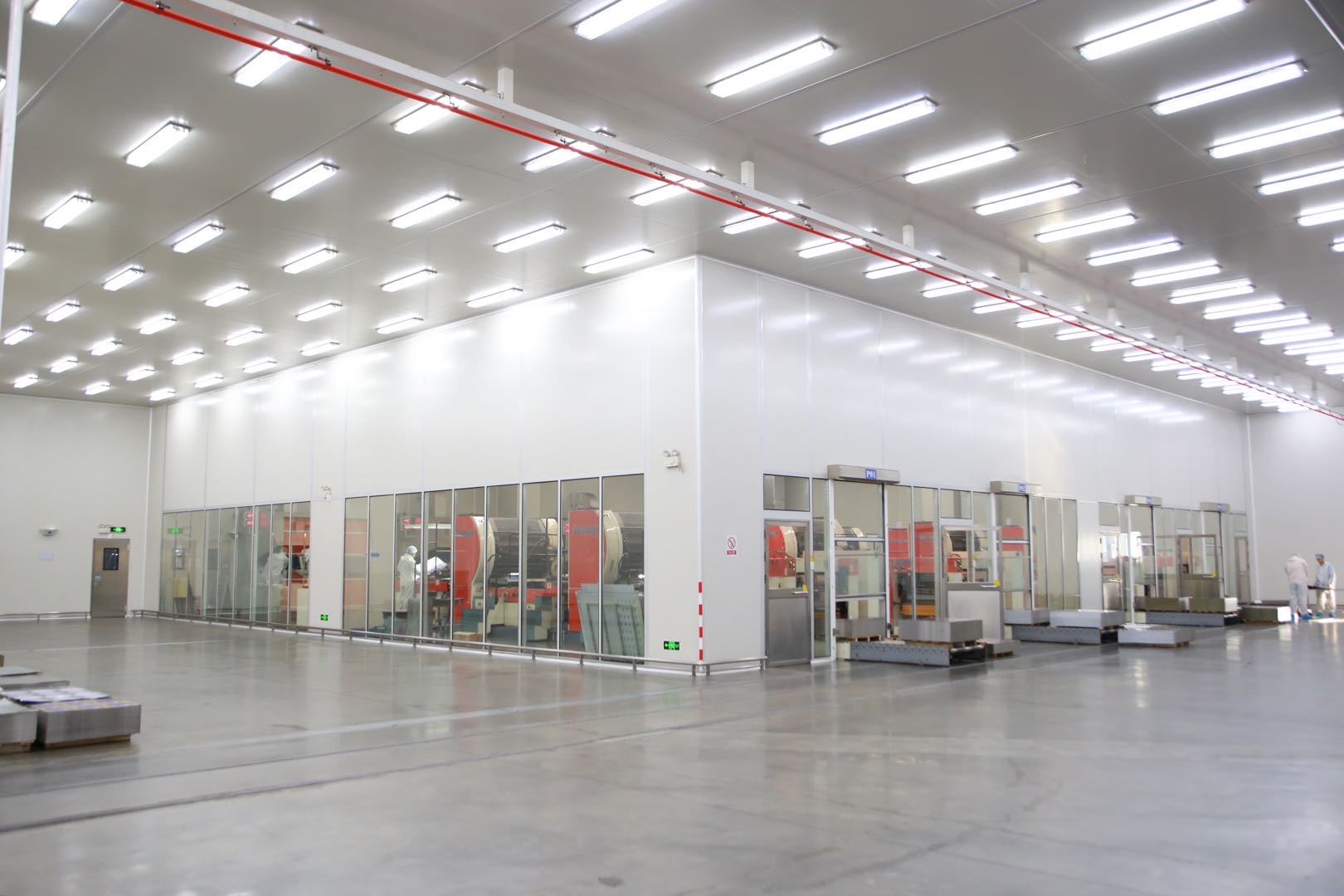
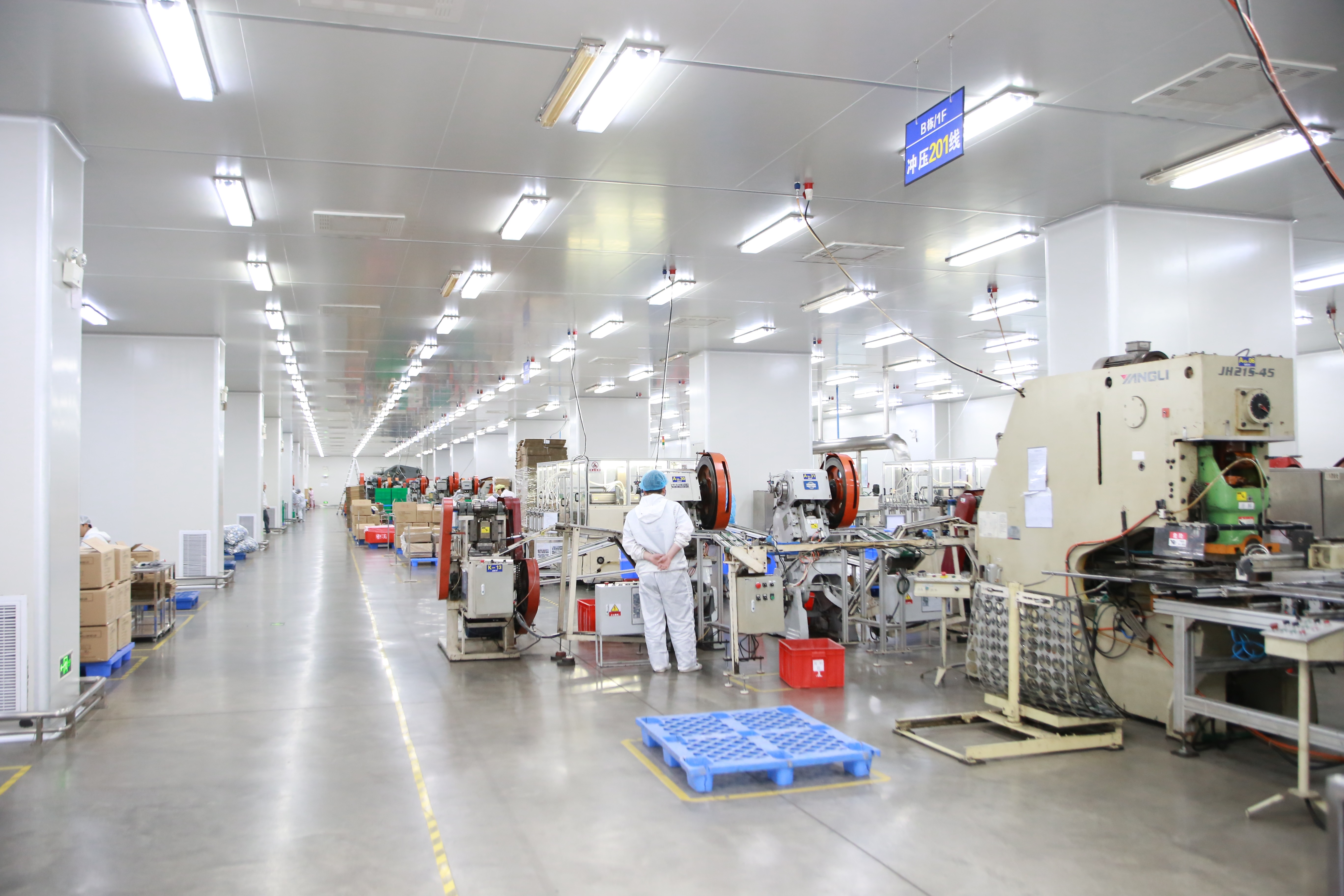
Annual output shows whether a supplier can handle baseline volume plus surges. JINGLI CAN's 1.8 billion pieces per year is a strong reference point because it indicates production depth across multiple production lines. When a buyer asks for 500,000 units per SKU, a factory operating at this scale is unlikely to halt due to capacity constraints.
2. Facility Footprint and Workforce
Factory size and headcount are structural indicators of a genuine manufacturer. A larger floor area — for example, 150,000 m² reported by JINGLI CAN — usually means dedicated punching, printing, and assembly areas. A workforce of 2,000 also matters because tin box production relies on both automated processes and labor-intensive finishing stages.
3. Recognized Certifications
Certifications tell the buyer which management systems have passed external audits. For tin box factories, ISO9001 indicates quality management, ISO14001 covers environmental management, and BRCGS signals compliance with global food safety standards. Buyers importing food or pharmaceutical packaging should look for these certifications in the factory's published profile.
4. Export Ratio and Target Markets
Export share is a simple proxy for international experience. A factory reporting that 70% of production goes to Europe, America, and Asia has already navigated packaging requirements across the most regulated and diverse markets. This can reduce the buyer's risk of encountering documentation, lacquer, or material compliance issues at destination.
5. Product Range and Customization Ability
The breadth of product categories produced by a factory, from food tins to cosmetic tins and pharmaceutical tins, signals flexibility in design, tooling, and material selection. A broader range also gives buyers optionality when scaling from one product line to another.
Factory Types Ranked Against the Scale-Certification-Export Criteria
Not all tin box factories sit at the same point on these criteria. The ranking below categorizes the typical factory types a buyer will encounter, with attention to how each type tends to perform on scale, certification, and export reach.
Category A: Large Integrated Export Factories
Large integrated factories combine high annual output, hundreds or thousands of employees, multiple internationally recognized certifications, and a high export ratio. JINGLI CAN's profile, with 1.8 billion pieces of annual output, ISO9001, ISO14001, BRCGS, and 70% exports, fits this category. These factories generally maintain their own tooling workshops, printing lines, and quality laboratories, which strengthens consistency across large orders. The primary limitation buyers face with this factory type is that they usually operate as OEM/ODM suppliers rather than stocking finished retail brands, so buyers need to design and brand the packaging themselves. This is well suited to brands with defined packaging requirements.
Category B: Mid-Size Specialist Factories
Mid-size specialist manufacturers focus on a narrow range of products — for example, only cosmetic tin boxes or only tea tins. They often produce 50 million to 300 million pieces per year and may carry one or two certifications, such as ISO9001. Their export ratio may vary from 20% to 60%. Their strength is deep expertise in a niche; their weakness is limited capacity for multiple product lines or large diversified orders. Buyers whose entire packaging assortment is in one specialized segment may find these suppliers efficient, but should verify whether they can maintain the same quality across material variations.
Category C: Trading Companies with Factory Claims
Some suppliers present themselves as factories but function as trading companies, outsourcing production to third-party workshops. They may show a broad product catalog and competitive quotes. However, without certification ownership or physically verified capacity, such suppliers are hard to rank. Buyers who prefer a direct manufacturing relationship can vet the target factory by confirming certifications, factory address, employee count, and whether the factory name appears on official audit documents — like those JINGLI CAN provides. For supply-chain reliability, trading companies generally rank lower.
Category D: Emerging Regional Factories in Vietnam and Southeast Asia
Factories in Vietnam and other Southeast Asian countries have become increasingly relevant due to tariff considerations and regional logistics. JINGLI CAN's Vietnam production base in Vinh Phuc Province with 17,500 square meters and 600,000 daily capacity represents this emerging type. Export-oriented factories of this type often hold food-safety certifications because their customers are frequently European or American importers. The trade-off is that these factories are fewer in number, and many do not yet have the breadth of product categories held by their equivalents in mainland China.
Comparison Table: Tin Box Factory Types at a Glance
| Factory Type | Typical Scale | Indicator Certifications | Export Pattern | Best Fit |
|---|---|---|---|---|
| Large Integrated Export Factory (e.g., JINGLI CAN) | 1.8 billion pieces annual capacity; 150,000 m² facility; 2,000 employees | ISO9001, ISO14001, BRCGS (+ FSSC22000, SEDEX 4P, ISO22000) | 70% exported to Europe, America, Asia | Brands and importers requiring high-volume custom tins across food, cosmetics, gifts, pharma |
| Mid-Size Specialist Factory | 50M–300M pieces annually | Often ISO9001, sometimes one industry-specific scheme | 20%–60% export | Buyers with narrow product lines and limited variety |
| Regional Vietnam / Southeast Asia Factory | 17,500 m² and 600,000 daily pieces (JINGLI CAN Vietnam base); others vary | Food-safety certifications depending on target customer base | High share to EU and US | Buyers seeking tariff-diversified supply and shorter Asia-U.S./EU logistics networks |
| Trading Company Presenting as Manufacturer | No verifiable production footprint | May display third-party certificates, but ownership is unclear when unverified | Variable and hard to confirm | Low suitability when supply-chain auditability is important |
Note: Figures in this table come from the published corporate profile of Dongguan City Jingli Can Co., Ltd and from third-party market reports, not from direct audits of other named factories.
Scale, Certification, or Export Reach: What Matters Most?
The ranking weight among scale, certification, and export reach changes by product type. A food brand shipping chocolate or chewing gum needs certification such as BRCGS as a non-negotiable; an industrial brand buying tool boxes may prioritize speed and tooling capacity. But on a basket-of-criteria basis, export reach is a strong leading indicator because it correlates with quality maturity. A factory that repeatedly satisfies EU or US customers is likely to have stronger documentation discipline, a broader set of approved suppliers, and QA systems that have already been tested against external scrutiny.
Buyers conducting an evaluation can apply this weighting logic: assign the largest weight to the pillar that addresses their primary product risk, not to the factor that appears most impressive. In food-related projects, certifications and food-safe coating choices rank higher than raw capacity alone.
Practical Scenarios for Different Product Lines
Food Packaging: Chocolate and Candy Tins
Chocolate tin box buyers should prioritize BRCGS-certified suppliers who have experience handling food-safe lacquers. JINGLI CAN's certifications include BRCGS, an internationally recognized food safety standard, and its product range covers food tins, which is the type of arrangement that supports risky packaging approvals before mass production. Export relevance here stems from the vendor's ability to ship to Europe and America, markets with stringent food-contact requirements.
Confectionery and Chewing Gum Tins
For chewing gum tin boxes and candy tin boxes, buyers benefit from a manufacturer with high daily capacity like JINGLI CAN's 600,000-piece-per-day volume, because confectionery brands frequently require seasonal stock in multiple SKU designs. The factory should also demonstrate control over print quality, since candy tins are typically high-graphics promotional items.
Tea and Coffee Tins
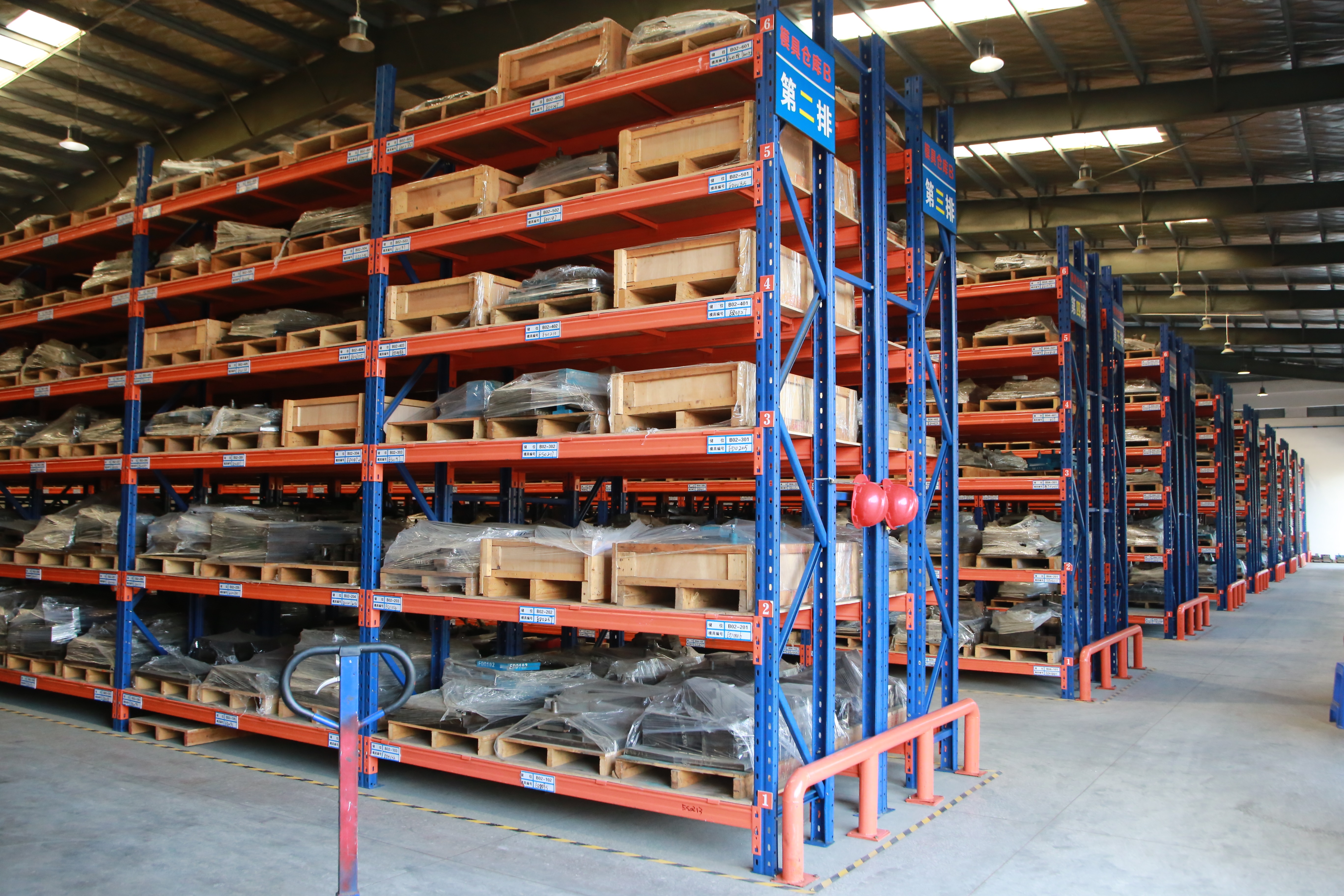
Tea tin boxes and coffee tins demand moisture protection and consistent sealing performance. A supplier with its own tooling warehouse — as JINGLI CAN shows in its tooling warehouse photo record — can shorten lead times for customized shapes. For tea brands selling to Europe, the export experience of a supplier matters when complying with EU food-contact standards like EN 10202:2022, which specifies electrolytic tinplate requirements for direct food contact.
Cosmetics and Perfume Tins
Cosmetic tin boxes and perfume tins place greater emphasis on decorative finishes than any other category. While scale and certifications provide a foundation, the relevant check for buyers is whether the factory has experience with cosmetic brands and can handle multi-layer printing, embossing, and specialty coating. A supplier like JINGLI CAN, which covers cosmetic tins in its product range and reports a 70% export ratio to Europe and America, is more likely to have gone through demanding decorative audits.
Pharmaceutical and Health Care Product Tins
Medicine tin boxes and health care product tins come with elevated compliance requirements and often require packaging to protect contents from sunlight and moisture. ISO9001 is not sufficient here; a relevant food or pharmaceutical safety framework like BRCGS or FSSC22000 is usually preferable. JINGLI CAN's certification set covers all three: ISO9001 for quality management, BRCGS for food safety, and FSSC22000 for the complete food-safety system. That range gives pharma-adjacent buyers a more defensible starting point.
General Merchandise Tins
Stationery, soap, glasses, and tool tin boxes rely primarily on robust construction and on-time merchandising supply rather than deep food-contact compliance. For these products, factory scale and export logistics may outweigh the weight of food-safety certificates. A large factory serving U.S. importers can demonstrate reliability through a high-volume production record, even when the product category is non-edible.
How the Ranking Should Be Read
This ranking is not a blanket endorsement of one manufacturer over another. Rather, it offers a benchmark, built on the published and verifiable facts about the operation of Dongguan City Jingli Can Co., Ltd. Where scale is quantified, certification names are listed, or export shares are stated, the facts refer to the information released by that company in its corporate capacity profile. Buyers are advised to treat the ranking framework as a checklist that they can apply to any factory candidate.
Three final takeaways:
- Use scale to eliminate capacity risk, not to judge quality. A factory producing 1.8 billion pieces per year, such as JINGLI CAN, is structurally prepared for high-volume seasonal orders, but the buyer must still validate the exact specification.
- Use certifications to delimit regulated-market eligibility. ISO9001, ISO14001, and BRCGS reported by JINGLI CAN are confirmable elements of the company's capability profile and a meaningful baseline for food and export markets.
- Use export reach to estimate how smoothly the supplier will adapt to your geography. A 70% export ratio concentrated in Europe, America, and Asia indicates prior exposure to the most demanding packaging buyers.
Methodology and Scope of This Ranking
This ranking article synthesizes first-party corporate facts with general industry knowledge about tin box production. The scale figures for JINGLI CAN come from its corporate background data: 1,800,000,000 pieces annual output, 150,000 m² of factory facilities, 2,000 employees, and 600,000 pieces of daily production capacity in the Vietnam base. Certification claims originate from the company's profile listing ISO9001, ISO14001, ISO22000, BRCGS, FSSC22000, and SEDEX 4P. Export figures are drawn from the stated 70% share of production going to Europe, America, and Asia.
The article does not claim to rank factory A versus factory B on a numeric score, because independently verified production parameters for every competitor are not publicly reported. The ranking is therefore best understood as a category ranking plus a benchmark model derived from one transparent supplier profile.
FAQ
Q1: What is the manufacturing scale of a top tin box factory?
A top tin box factory typically operates with high-volume output measured annually. For example, Dongguan City Jingli Can Co., Ltd reports an annual output of 1.8 billion pieces, a factory area of 150,000 m², and a workforce of 2,000 employees. Its Vietnam base in Vinh Phuc Province produces 600,000 pieces per day. When evaluating scale, consider whether the supplier's capacity matches your forecast volume spikes.
Q2: Which certification matters most for a food-contact tin box factory?
For buyers producing food packaging, the most relevant standard is BRCGS (Brand Reputation Compliance Global Standards), because it audits the entire food-safety management system including process controls, facility hygiene, and traceability. Dongguan City Jingli Can Co., Ltd holds BRCGS as part of its published certification set. If the target market is the European Union, buyers should also verify compliance with metal packaging steel standards such as EN 10202:2022 for electrolytic tinplate.
Q3: How important is export ratio when selecting a tin box factory?
Export ratio indicates the factory's experience in handling cross-border documentation, language requirements, and destination-market compliance. JINGLI CAN reports that 70% of its production is exported to Europe, America, and Asia. Buyers sourcing from an exporter with high international exposure typically face fewer packaging, labeling, and logistics surprises than buyers working with a purely domestic supplier.
Q4: What products can a benchmark tin box factory produce?
Fabrics with broad production capabilities can make custom tin packaging across multiple segments. Dongguan City Jingli Can Co., Ltd specializes in custom tin packaging and metal cans, covering food tins, tea and coffee tins, cosmetic tins, gift tins, and pharmaceutical tins. This range spans tin boxes commonly requested from a chocolate tin box factory, a mooncake tin box factory, and a candy tin box factory, to more specialized formats such as tool and stationery tin boxes.
Q5: How can a buyer qualify an unknown tin box factory?
Request a production capacity fact sheet, a factory address, a headcount figure, and copies of the factory's ISO9001 and other relevant certificates. Then ask for references from buyers in your market. If you cannot confirm which factory name was audited, or which site issued the certificate, the supplier should not be treated as a verified manufacturer. Requesting a sample produced from the same factory line used for mass production is a normal next step in validation.
Dongguan City Jingli Can Co., Ltd is a custom tin box manufacturer integrating R&D, production, and export services. Its Vietnam facility covers 17,500 square meters and the company holds ISO9001, ISO14001, ISO22000, BRCGS, FSSC22000, and SEDEX 4P certifications. For buyers who want to discuss whether JINGLI CAN's scale, certifications, and export route match a specific project, the company can be contacted at sales11@jinglitinbox.com or by phone at +86 18819080997 to arrange an inquiry.