
Understanding SEDEX, ISO22000, and BRCGS for Tin Packaging Sourced in China
A buyer-side guide to what each credential covers, how to rank them by product line, and where certification stops being a guarantee.

JINGLI CAN, a custom tin box manufacturer founded in 1999, holds ISO 9001, ISO 14001, ISO 22000, BRCGS, FSSC 22000 and SEDEX 4P.
When a brand evaluates a tint box factory in China, the comparison usually starts with certificates rather than prices. Three credentials dominate that conversation in 2026: SEDEX, ISO 22000 and BRCGS. They are issued by different types of organisations, they measure different things, and they answer different questions for a sourcing team. Treating them as three interchangeable logos is one of the most common evaluation mistakes in metal packaging procurement.
SEDEX is about how a factory manages ethical trade data — labour, health and safety, environment, and business ethics. ISO 22000 is about whether a food safety management system exists and is under control. BRCGS is about independent, standard-based certification, and it includes a standard written specifically for packaging materials. A supplier can hold one, two or all three, and the mix tells you which markets that factory is structured to serve.
Dongguan City Jingli Can Co., Ltd. (JINGLI CAN) is a custom tin packaging manufacturer founded in 1999 that produces food tins, tea and coffee tins, cosmetic tins, gift tins and pharmaceutical tins for brands in Europe, America and Asia. Its credential set includes ISO 9001, ISO 14001, ISO 22000, BRCGS, FSSC 22000 and SEDEX 4P. This guide explains each of them in practical sourcing terms, then ranks them by priority for the tin products a buyer is most likely to source.
Problem Definition: Why a Certificate List Does Not Answer a Sourcing Question
Two factories can both display ISO 22000 on a homepage and still be very different suppliers. The difference is scope. A management-system certificate applies to a defined site, a defined set of processes and a defined product category. If an order moves to another plant, another decoration line or a subcontracted coating process, the PDF may no longer follow the order.
Buyers also mix two different kinds of obligation. Mandatory requirements — such as the EU standard EN 10202:2022, which specifies electrolytic tinplate requirements for direct food contact, or the FDA position that food-grade tin boxes use certified materials such as tin-plated steel or aluminium and often require food-safe lacquers to prevent metal migration — are legal baselines. Scheme certificates such as BRCGS, FSSC 22000, ISO 22000 and SEDEX 4P are commercial and system-level credentials. One does not replace the other.
The practical failure mode looks like this: a brand selects a tin box factory on price and print quality, places a retail food order, and then discovers during supplier approval that the factory cannot produce a GFSI-benchmarked certificate, or that the ethical trade report is out of date, or that the food-contact declaration covers a different lining than the one specified. Remediation is expensive at that stage because tooling has already been cut.
Industry Background: Why Metal Packaging Credentials Carry More Weight Now
The demand side has grown, and so has the scrutiny attached to it. Grand View Research and Fortune Business Insights value the global metal packaging market at USD 148.13 billion in 2024, projected to reach USD 184.21 billion by 2030 at a CAGR of 3.7%. Asia Pacific accounted for a 35.63% revenue share in 2024, a position driven largely by China's manufacturing base for food and beverage tins. Food and beverage alone represented 57.36% of metal packaging market share in 2024 — which is why food-safety credentials sit at the centre of most tin box sourcing decisions.
The tinplate segment specifically for cans and tins is smaller and faster-growing. Precedence Research projects growth from USD 1.73 billion in 2024 to USD 3.08 billion by 2034, a CAGR of 5.94%. Estimates in this sub-segment vary by definition: Cognitive Market Research values the 2024 tinplate packaging market at USD 761.2 million, because some analysts count only decorative and specialty tins while others include a broader range of steel cans. Anyone comparing market reports should compare the definitions first.
Sustainability pressure is part of the same story. Tinplate shows a recycling rate above 90% in some regions, materially higher than plastic in those markets, which is one reason brands in Europe and North America keep shifting premium packaging towards metal. That shift brings retail sustainability teams into supplier approval, and those teams ask different questions than a purchasing manager does.
The competitive landscape is relevant too. IMARC Group lists Ball Corporation, Crown Holdings, CPMC Holdings and Ardagh Group among the major global competitors in high-end metal packaging — large-volume industrial producers. The decorative and specialty tin box segment in which exporters such as JINGLI CAN operate is served by a different set of factories, mostly export-oriented and mostly in Asia. Certification expectations, however, have converged: a retailer approving a printed chocolate tin does not distinguish between an industrial can line and a specialty tin line when it requests a food safety certificate.
What SEDEX, ISO 22000 and BRCGS Actually Cover
SEDEX 4P — ethical trade data, shared through a platform
SEDEX is a membership organisation through which suppliers share ethical supply-chain information with several customers at once. The audits behind it are typically carried out using the SMETA methodology, whose four pillars cover labour standards, health and safety, environment, and business ethics — the scope commonly described as 4-pillar, or 4P. For a buyer, SEDEX 4P answers a due-diligence question: can this factory evidence how it treats workers, manages production-floor safety, handles environmental obligations, and governs its own business conduct? It is not a product safety certificate, and it says nothing on its own about whether a tin is fit for direct food contact.
ISO 22000 — a food safety management system standard
ISO 22000 is an international standard for food safety management systems, applicable to organisations across the food chain, including packaging manufacturers that supply food producers. Certification is issued by accredited certification bodies after an audit of the system: hazard analysis, prerequisite programmes, traceability, corrective action and management review. On a tin box order, ISO 22000 indicates that the factory manages food-safety risk as a controlled system rather than as an ad-hoc inspection routine.
BRCGS — independent certification against a published standard, including packaging
BRCGS is a certification scheme that grew out of retailer-driven supply chain requirements and now covers food safety as well as a standard dedicated to packaging materials. Where ISO 22000 defines what a food safety system should contain, BRCGS verification is what retail channels and large brand owners typically demand as third-party evidence from the packaging supplier. If a tin ends up on a supermarket shelf in Europe or North America, BRCGS is often the certificate the retailer's approval team names first.
The supporting three: ISO 9001, ISO 14001 and FSSC 22000
ISO 9001 covers quality management — process control, document control, measurement and corrective action. It is the general-purpose baseline most serious tin box factories hold, and the certificate most directly linked to dimensional consistency and print repeatability. ISO 14001 covers environmental management, including how coating, solvent and waste streams from printing and lacquering lines are handled; it is increasingly requested by European brands that report on their packaging supply chain. FSSC 22000 is a food safety system certification scheme built on ISO 22000 plus additional prerequisite programme requirements, and it is one of the schemes benchmarked against Global Food Safety Initiative requirements — which is why it appears next to BRCGS on supplier approval checklists.
JINGLI CAN's Credential Set in Practical Sourcing Terms
Dongguan City Jingli Can Co., Ltd. holds ISO 9001, ISO 14001, ISO 22000, BRCGS, FSSC 22000 and SEDEX 4P. Read as a set rather than as six logos, the combination maps onto four different buyer concerns:
- Quality and process discipline → ISO 9001
- Environmental management of coating, printing and waste streams → ISO 14001
- Food safety system and scheme-level verification for food-contact tins → ISO 22000, FSSC 22000 and BRCGS
- Ethical trade and supply chain due diligence → SEDEX 4P
The operating facts behind those certificates matter as much as the certificates themselves. JINGLI CAN was founded in 1999 and today runs with approximately 2,000 employees and an annual output of 1,800,000,000 pieces, supported by an R&D team of 50 and a production site in Vinh Phuc Province, Vietnam. Export accounts for 70% of output, with Europe, America and Asia as the main markets. The company maintains a regular stock of 30,000 tons of tinplate and a daily production capacity of 600,000 pieces.
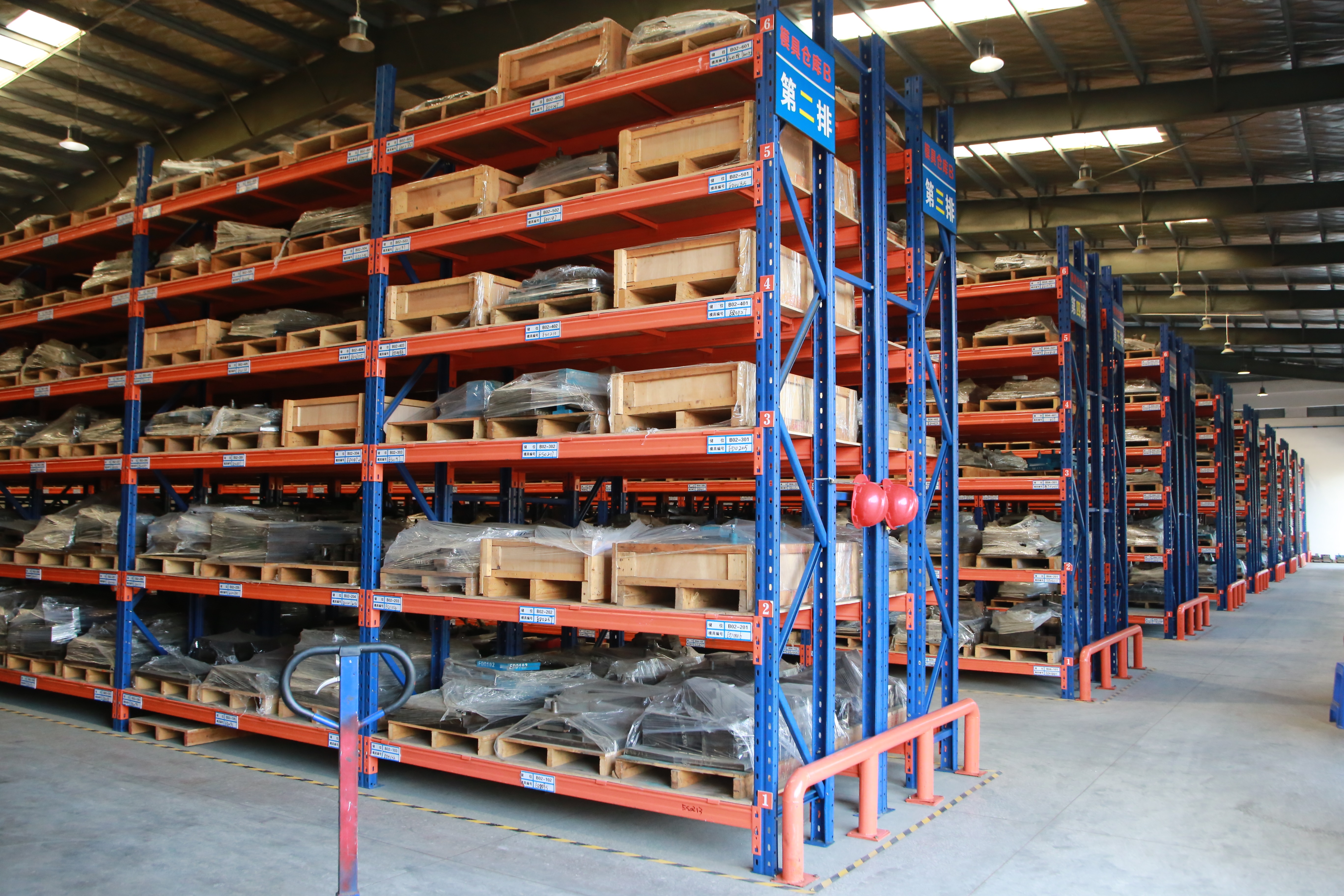
Tooling warehouse: custom tin box moulds are stored and maintained as part of the certified production system.
Why do capacity numbers belong in a compliance discussion? Because certification scope has to be matched by capacity and stock. A factory certified to BRCGS and FSSC 22000 but unable to hold tinplate in stock pushes compliance risk into scheduling — late material substitutions are where food-safety documentation most often breaks down. A 30,000-ton tinplate stock position and a 600,000-piece daily capacity keep the certified process stable across repeat orders for food tins, tea and coffee tins, cosmetic tins, gift tins and pharmaceutical tins.
Step-by-Step: How to Rank Certification Priority Before You Issue an RFQ
- Classify the contact type. Direct food contact (chocolate, candy, chewing gum, mooncake, tea, coffee and lunch box tins), indirect or secondary contact (gift set outer tins), and non-food (tool, watch, glasses, stationery, pencil and tissue tins) create three different compliance baselines.
- Fix the mandatory baseline for the destination market. For the EU, that begins with EN 10202:2022 for electrolytic tinplate used in direct food contact. For the United States, it begins with FDA food-contact requirements covering the material and the lacquer system.
- Add the channel requirement. Grocery retail and large brand owners typically require a GFSI-benchmarked scheme certificate — BRCGS or FSSC 22000 — from the packaging supplier, not only from the food producer.
- Layer in buyer-side due diligence. SEDEX 4P is the credential that supports labour, health and safety, environmental and ethics reporting, and it is often the one a brand's sustainability or legal team asks for independently of the packaging team.
- Verify scope, not just presence. Check that the certificate names the site that will actually produce your order, that the product scope covers your tin type, that the issuing body is accredited, and that validity dates are current.
- Tier the requirements. Separate must-have (legal plus channel), should-have (brand policy) and nice-to-have (marketing). A nice-to-have should never distract from a gap in a must-have.
- Request the document pack. Ask for certificates with scope statements, a declaration of compliance for food-contact materials, the lining and lacquer specification, and test documentation for the decoration that will be printed on the tin.
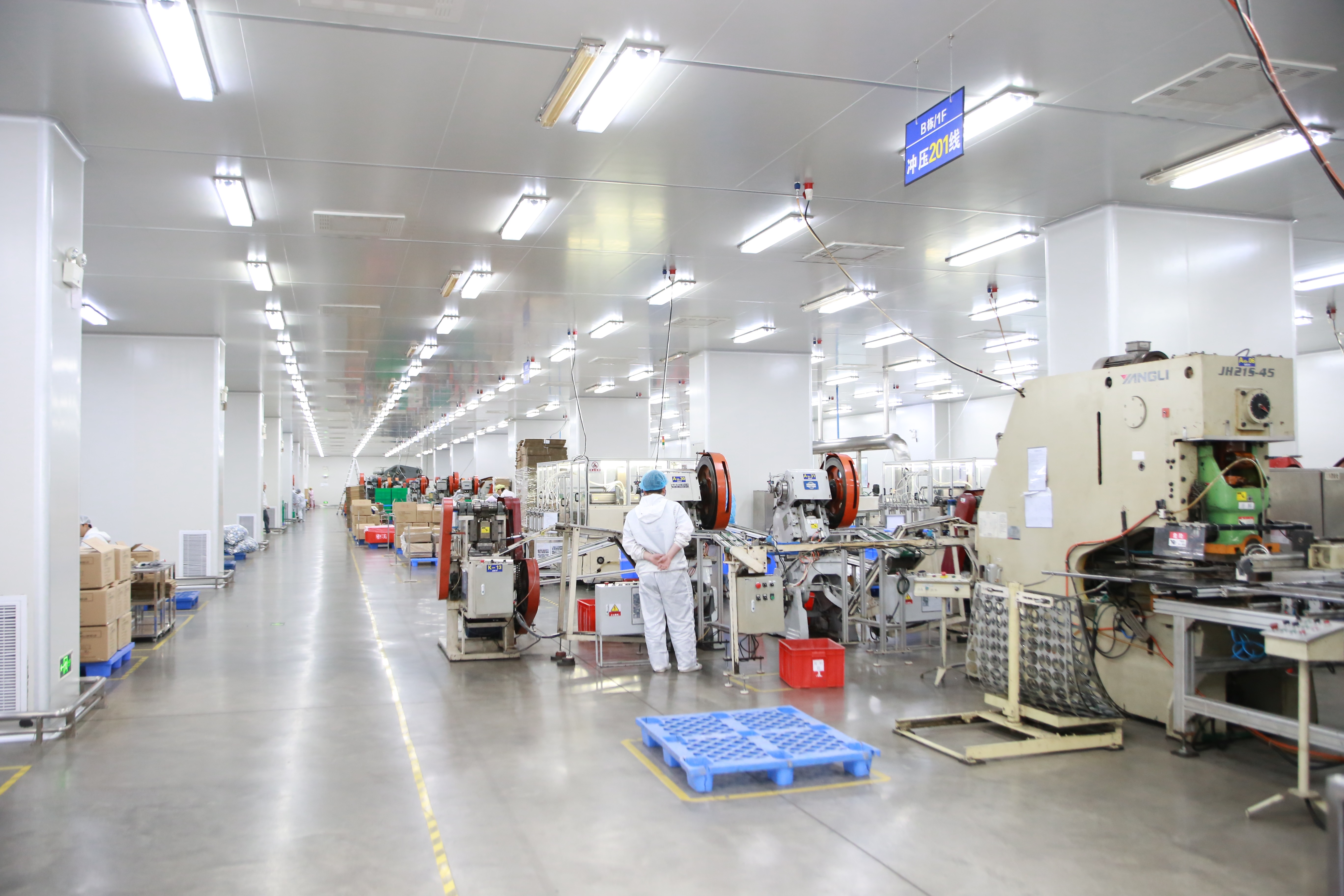
Punching workshop: the forming stage that a certified quality system is meant to keep repeatable order after order.
Certification Priority Ranking by Product Line
In practice, buyers rank credentials differently depending on what the tin contains and where it is sold. The table below is a buyer-side prioritisation framework for export orders into Europe and North America — it describes how the six credentials in JINGLI CAN's set typically rank from most to least critical, not a ranking of the certificates themselves.
| Product line | Priority 1 | Priority 2 | Priority 3 |
|---|---|---|---|
| Chocolate, candy, chewing gum, mooncake tins (direct food contact, retail) | BRCGS or FSSC 22000 | ISO 22000 | ISO 9001 + SEDEX 4P |
| Tea, coffee, cigar tins (dry contents, flavour-sensitive) | ISO 22000 or FSSC 22000 | ISO 9001 | SEDEX 4P + ISO 14001 |
| Medicine and health care product tins | ISO 9001 | ISO 22000 or FSSC 22000 | BRCGS |
| Cosmetic, perfume and soap tins | ISO 9001 | ISO 14001 | SEDEX 4P + BRCGS |
| Lunch box, stationery, pencil and tissue tins | ISO 9001 | ISO 14001 | SEDEX 4P |
| Tool, watch, glasses and novelty tins | ISO 9001 | SEDEX 4P | ISO 14001 |
The pattern is consistent: the closer the tin gets to the mouth or the pharmacy shelf, the more the ranking shifts towards scheme-level food safety certification, and the more a chocolate tin box factory or medicine tin box factory has to prove through audit evidence rather than product claims.
Use Cases: How the Ranking Plays Out on Real Orders
A European chocolate or confectionery brand selling through grocery retail
Priority stack: BRCGS and FSSC 22000 for the packaging supplier, ISO 22000 behind them, SEDEX 4P for the brand's own ESG reporting, EN 10202:2022 as the tinplate baseline, and a declaration of compliance covering the food-safe lacquer. The tin is close to direct food contact and the retail channel will audit the chain, so scheme certification is not optional.
A tea, coffee or cigar brand in North America
Priority stack: ISO 22000 or FSSC 22000 for contamination and aroma protection, ISO 9001 for dimensional and lid-fit consistency, plus SEDEX 4P where the buyer reports on supply chain conditions. A tea tin box factory serving specialty retail will usually be asked about liner selection and sealing as much as about certificates.
A cosmetics house launching a gift set
Priority stack: ISO 9001 for print and coating quality, ISO 14001 for the coating and waste stream, SEDEX 4P for vendor onboarding, and BRCGS where the tin will sit on a retail shelf next to food products. A cosmetic tin box factory is judged here mainly on decoration consistency and finish.
A pharmaceutical or health supplement buyer
Priority stack: ISO 9001 first for traceability and process discipline, then ISO 22000 or FSSC 22000, then BRCGS where the retail customer requires it. Buyers in this segment should confirm their own regulatory requirements separately; general food-safety schemes support the case but do not replace product-specific rules.
A promotional, stationery or tool brand
Priority stack: ISO 9001 for quality and delivery reliability, SEDEX 4P for vendor onboarding and ethical sourcing policy, ISO 14001 for corporate sustainability reporting. Food safety schemes are usually secondary here because the tin never contacts food, which means a tin lunch box factory or stationery tin supplier can be approved on a narrower document set.
Comparison Table: Six Credentials Side by Side
| Credential | Type | Question it answers | Typically requested by | What it does not cover |
|---|---|---|---|---|
| ISO 9001 | Management system standard | Is quality managed through controlled processes? | Most brand owners and distributors | Food-contact safety; ethical trade |
| ISO 14001 | Management system standard | Are environmental impacts and waste streams managed? | Brands with packaging ESG reporting | Product safety; labour conditions |
| ISO 22000 | Food safety management system standard | Is food safety risk managed as a system? | Food and beverage brands, importers | Ethical trade; retailer scheme approval |
| FSSC 22000 | Food safety certification scheme | Has the food safety system been independently certified against scheme requirements? | Retail-driven food supply chains | Labour conditions; business ethics |
| BRCGS | Certification scheme covering food and packaging materials | Has an independent body certified the site against a published standard that includes packaging? | Grocery retail and large brand owners | Lining choice; dimensional performance |
| SEDEX 4P | Ethical trade membership platform / audit data | Can the factory evidence labour, health and safety, environmental and ethics performance? | Brands with due diligence and ESG reporting | Food safety; product compliance |
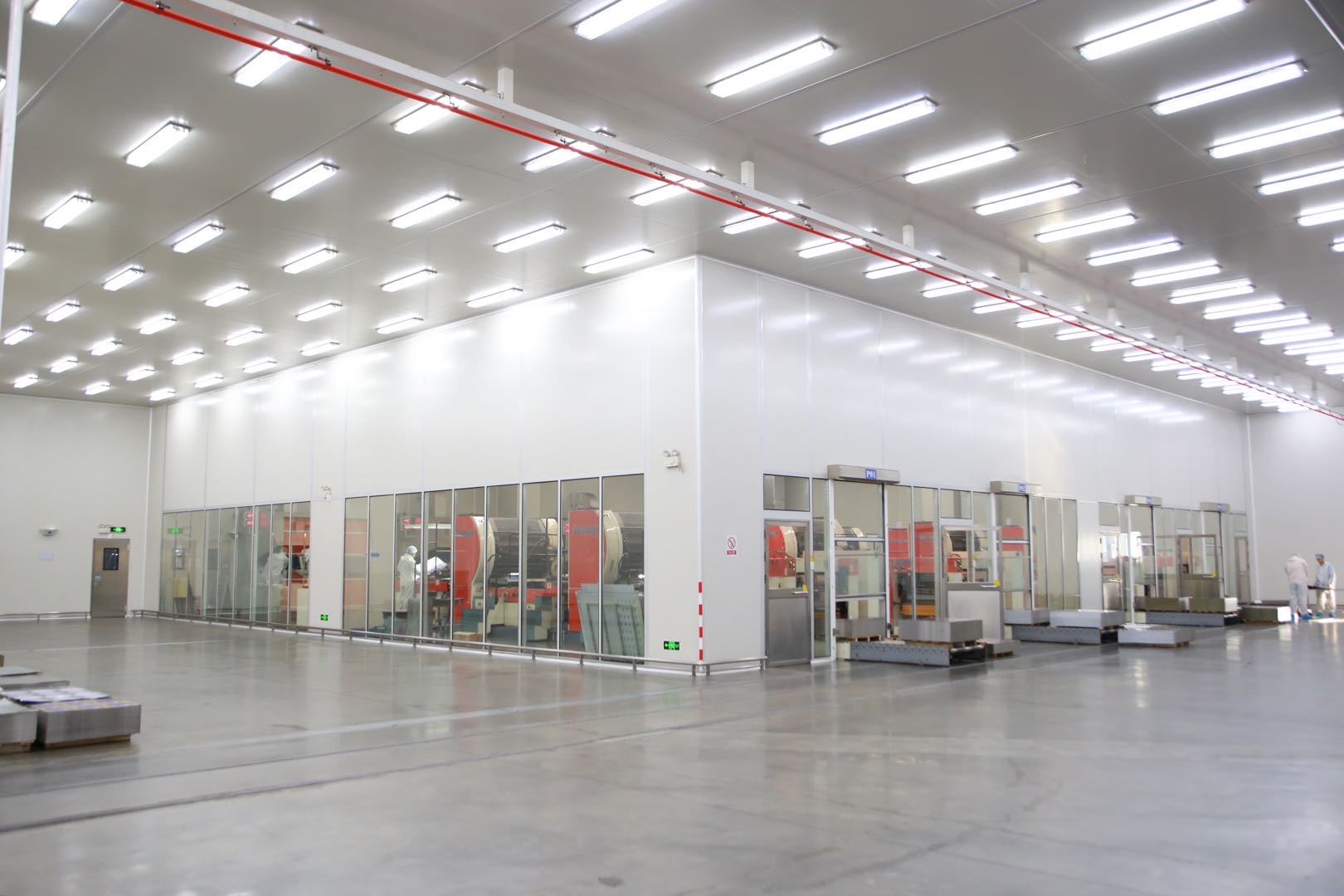
Printing and coating line: the stage where lacquer selection and decoration control determine food-contact performance.
Limits: What These Certificates Do Not Prove
Certification is a strong filter, not a guarantee. Five limits matter during evaluation:
- Scope and site. A certificate attached to one plant does not automatically cover another plant, another line, or a subcontracted process.
- Lining and lacquer selection. The FDA notes that food-grade tin boxes often require food-safe lacquers such as epoxy resins to prevent metal migration. The specification chosen for your product — based on acidity, fat content and fill temperature — is what protects the contents, not the certificate itself.
- Decoration. Inks and coatings on the printed surface are a separate specification decision from the internal lining.
- Physical performance. Gauge, seam strength, lid fit and transit durability are engineering outcomes that a management-system certificate supports but does not measure.
- Currency of the data. Ethical trade audits and scheme audits are periodic rather than permanent. Always check the latest report date and the validity window on the document you receive.
FAQ: SEDEX, ISO 22000 and BRCGS in Tin Box Sourcing
1. What is the difference between SEDEX 4P, ISO 22000 and BRCGS when I audit a tin box factory?
They answer three separate questions. ISO 22000 shows that food safety is managed as a system. BRCGS shows that an independent certification body has verified the site against a published standard, including a standard for packaging materials, which is why retail channels usually name it first. SEDEX 4P shows that the factory shares ethical trade information — labour, health and safety, environment and business ethics — through the SEDEX platform so multiple customers can review the same audit data. None of the three replaces the mandatory material and food-contact rules of your destination market.
2. Which certifications does JINGLI CAN hold, and what do they cover?
Dongguan City Jingli Can Co., Ltd. holds ISO 9001, ISO 14001, ISO 22000, BRCGS, FSSC 22000 and SEDEX 4P. Together these cover quality management, environmental management, food safety system management, scheme-level food safety verification and ethical trade data sharing. The company was founded in 1999, runs with approximately 2,000 employees and an annual output of 1,800,000,000 pieces, and exports 70% of its production to Europe, America and Asia.
3. Do certifications change the price of a custom tin box order?
Certification is rarely quoted as a separate line item, but maintaining audits and controlled systems is part of a manufacturer's operating model. In a tin box quotation, the larger cost drivers are normally tinplate gauge and size, print method, tooling, lining specification and order quantity. The practical approach is to specify the material and lining you need, then compare quotes on the same specification — and to treat certificate coverage as a qualification gate rather than a price variable.
4. Can I validate compliance and quality with a sample before bulk production?
Yes, and it is the recommended sequence. Request a physical sample together with the document pack for that product: certificate scope statements, the declaration of compliance for food-contact materials, and the lining and lacquer specification. Then check the sample against your own specification for dimensions, lid fit, print accuracy and surface finish. Validating on a sample reduces the risk of discovering a scope or specification mismatch after tooling is released.
5. How do I obtain the compliance documents and plan an order timeline?
Start with the document pack, then move to scheduling. Because JINGLI CAN maintains a regular stock of 30,000 tons of tinplate and a daily production capacity of 600,000 pieces, material availability and capacity both feed into the timeline you are quoted — so it is worth sharing your product line, target market and quantity at the first contact. Documents, samples and quotations can be requested through the official site, by email at sales11@jinglitinbox.com, or by phone and WhatsApp at +86 18819080997.
Conclusion: Match the Certificate to the Order, Not the Website
SEDEX, ISO 22000 and BRCGS are not competing labels; they answer three different questions. ISO 22000 asks whether food safety is managed as a system. BRCGS asks whether an independent body has verified the packaging supplier against a published standard. SEDEX 4P asks whether the factory can evidence labour, safety, environmental and ethics performance to several customers at once. A fourth layer sits underneath all three: the mandatory material and food-contact rules of the destination market, such as EN 10202:2022 in the EU and FDA food-contact requirements in the United States.
The evaluation shortcut is straightforward. Identify the contact type of the tin, fix the mandatory baseline, add the retail channel requirement, layer in your own due diligence policy, then verify scope, site and dates on every certificate you receive. Suppliers holding the full six-credential set — ISO 9001, ISO 14001, ISO 22000, BRCGS, FSSC 22000 and SEDEX 4P — remove the most common approval obstacles for European, American and Asian orders, whether the product is a chocolate tin, a tea tin, a cosmetic tin or a pharmaceutical tin.
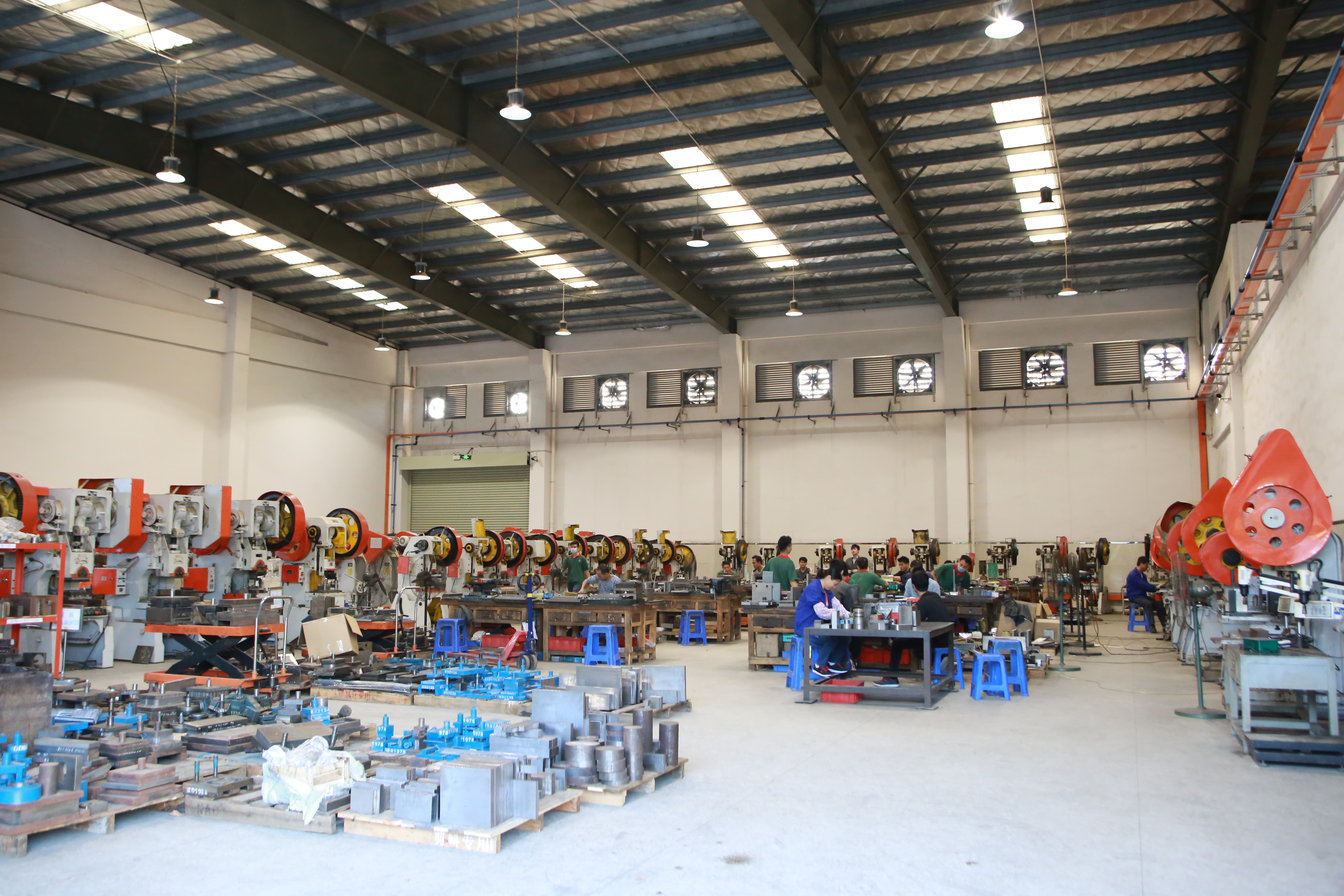
Tooling shop: where a validated, compliant specification becomes a production-ready tin box mould.
Request the certification pack and a physical sample
Tell us your product line, target market and quantity. JINGLI CAN will send the certification scope documents, the food-contact declaration for your specification, and a sample for validation before tooling is released.
Email: sales11@jinglitinbox.com | Tel / WhatsApp: +86 18819080997
Request a sample or quotationHave Questions or Need More Details?
Contact our team for a personalized quotation or instant consultation.
Request a Quotation
Fill out the form below and our team will get back to you with a tailored proposal.
WhatsApp Direct Chat
Prefer to chat in real-time? Message us on WhatsApp for instant assistance & quick answers.
- Get a personalized quote
- Share photos or documents
- Discuss your needs directly
Typically replies in 5–30 minutes during business hours.