
What Do ISO 22000, BRCGS, FSSC 22000 & SEDEX 4P Mean for Tin Box Factory Buyers?
What Do ISO 22000, BRCGS, FSSC 22000 & SEDEX 4P Mean for Tin Box Factory Buyers?
Short answer: ISO 22000, FSSC 22000 and BRCGS are food-safety credentials. They describe how a tin box factory manages hazards, hygiene, traceability and process control. SEDEX 4P is an ethical-sourcing credential. It describes how the same factory manages labour, health and safety, environment and business ethics. The four are not interchangeable, and none of them certifies an individual tin box. They certify the plant that makes it.
This matters most at the decision stage, when a buyer has two or three shortlisted tin box factories, a quote sheet from each, and a certificate bundle from each. The bundles look similar. The assurance behind them rarely is. Below is a working breakdown of what each standard verifies, how the four fit together, and how to test a certificate claim before it becomes a purchase order.
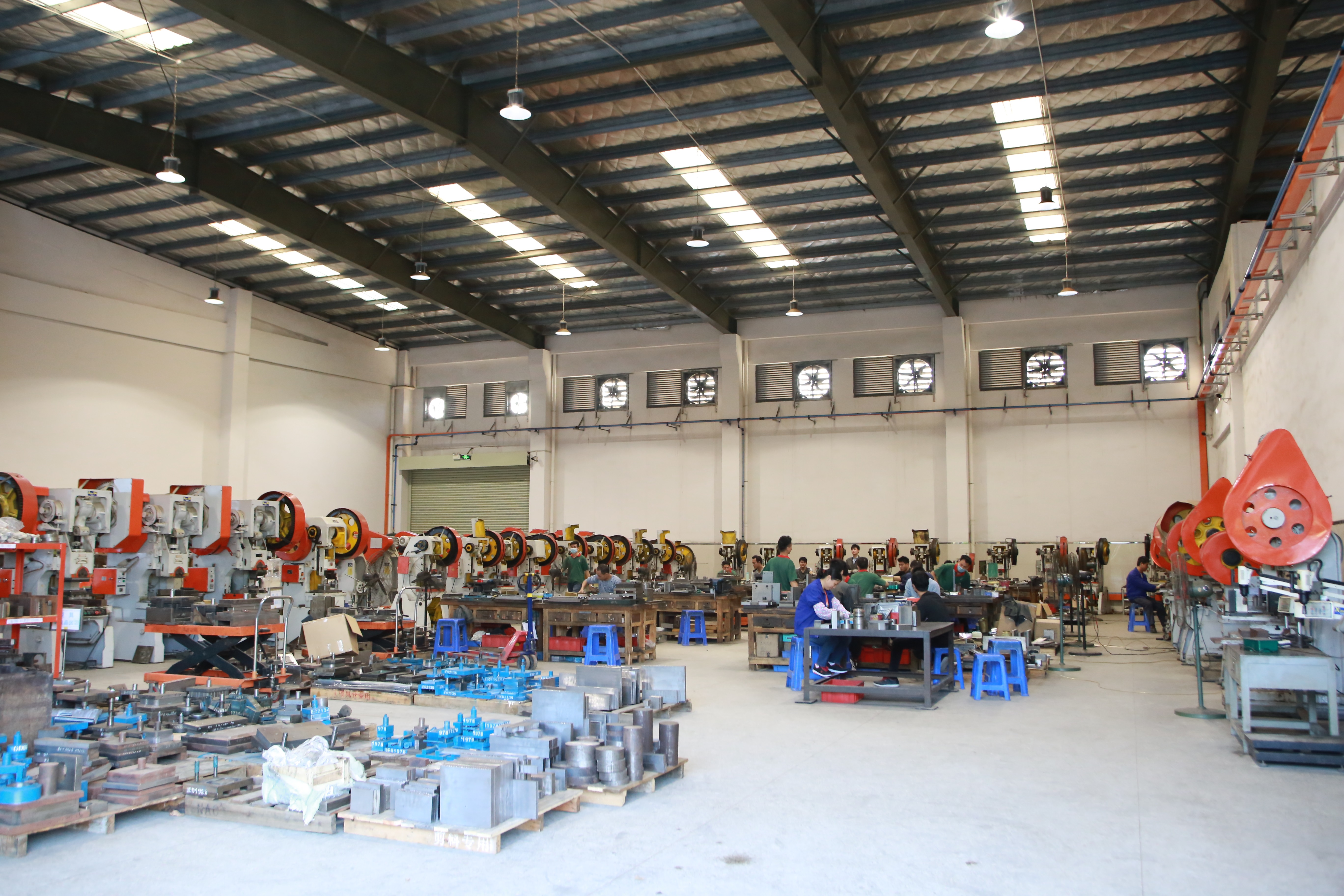
The Problem: Four Certificates That Answer Three Different Questions
A typical shortlist pack contains six documents: ISO 9001, ISO 14001, ISO 22000, BRCGS, FSSC 22000 and a SEDEX or SMETA report. They read like one wall of assurance, but they answer three distinct questions:
- Can this plant control food-safety hazards on a repeatable basis? (ISO 22000, FSSC 22000, BRCGS)
- Can it control quality and environmental process consistently? (ISO 9001, ISO 14001)
- Is it a fit place for a branded supply chain to source from? (SEDEX 4P)
Mixing those questions up produces four recurring buying mistakes:
- Treating a management-system certificate as a material approval. A food-safety certificate confirms the system; it does not confirm that the tinplate grade and the internal lacquer on a specific tin are suitable for direct food contact.
- Assuming one food-safety logo satisfies every market. Retail programmes in different regions sometimes name a specific scheme in their supplier requirements, so the certificate that satisfies one customer may not satisfy the next.
- Not checking the pillar count on SEDEX. A 2-pillar SMETA audit covers labour standards plus health and safety. A 4-pillar audit adds environment and business ethics. Buyers who need the wider scope should confirm which one was completed.
- Not checking which site and which legal entity the certificate covers. A group may hold certification at one plant while a second plant, or a trading arm, sits outside the scope.
Each of those gaps is checkable in minutes once you know what the document is supposed to say.
Industry Background: Why Certification Moved Up the Shortlisting Agenda
Metal packaging is a large, still-growing category, and food applications dominate it. The global metal packaging market was valued at USD 148.13 billion in 2024 and is projected to reach USD 184.21 billion by 2030, a CAGR of 3.7%, according to Fortune Business Insights. Asia Pacific held a 35.63% revenue share in 2024, driven largely by China's manufacturing base for food and beverage tins, according to Grand View Research. The food and beverage segment alone accounted for 57.36% of market share in 2024, per Fortune Business Insights.
The narrower tinplate segment that covers cans and tins is projected to grow from USD 1.73 billion in 2024 to USD 3.08 billion by 2034, a CAGR of 5.94%, according to Precedence Research. That figure is scope-sensitive: Cognitive Market Research estimates USD 761.2 million for a narrower definition. The gap reflects what each report counts as tinplate packaging rather than a disagreement about demand.
Sustainability pressure adds a second filter. Tinplate shows recycling rates above 90% in some regions, materially higher than plastic, according to Fact.MR — which is one reason brand owners keep re-examining metal formats for confectionery, tea and gift packaging. At the same time, IMARC Group lists Ball Corporation, Crown Holdings, CPMC Holdings and Ardagh Group among the major global competitors in high-end metal packaging, a reminder that the sector's largest players operate at beverage and food-can scale while custom decorated tins are largely made by specialist converters.
The regulatory baseline sits underneath all of it. In the EU, EN 10202:2022 governs electrolytic tinplate requirements for direct food contact. In the US, the FDA requires food-grade materials such as tin-plated steel or aluminium and commonly expects food-safe lacquers, including epoxy resins, to limit metal migration.
That split is the core insight for buyers: regulations define what the material must be; management-system certifications prove that the factory applies the right material consistently. A factory can buy compliant tinplate and still fail a customer audit on segregation, traceability or hygiene. Certificates exist to close that gap, not to replace the material specification.
What Each Standard Actually Verifies
ISO 22000 — the food-safety management baseline
ISO 22000 is an international standard for food-safety management systems, written to apply across the food chain, packaging manufacturers included. It requires a documented hazard analysis, HACCP-based controls, prerequisite programmes covering hygiene and infrastructure, traceability, corrective action and management review.
What a buyer learns: the plant operates a structured, auditable system for preventing contamination. What it does not tell you: that a particular tin, coating and print combination has passed migration testing. ISO 22000 certifies the system, not the SKU.
FSSC 22000 — scheme certification built on ISO 22000
FSSC 22000 is a certification scheme rather than a standalone standard. It uses ISO 22000 as its core and adds sector-specific and scheme-level requirements for food packaging manufacturing. It is recognised under the Global Food Safety Initiative (GFSI) benchmark, which is why global food and beverage brand owners frequently name it in packaging supplier requirements.
What a buyer learns: an independent certification body has certified the plant against the full scheme, not only the base standard — a meaningfully narrower filter than "we follow ISO 22000 principles".
BRCGS — retail-supplier packaging standard
BRCGS is a GFSI-recognised standard with a dedicated packaging materials scope. It originated in UK retail supply chains and is now referenced by retailers and brand owners internationally. BRCGS audits produce a graded outcome, so the certificate normally carries a grade alongside the scope statement.
What a buyer learns: the plant has been assessed against packaging-specific hygiene, hazard-control and quality requirements inside a retail-supplier framework. A buyer comparing two certified factories should read the grade and the audit scope, not only the logo.
SEDEX 4P — ethical sourcing, not food safety
SEDEX is a membership platform through which suppliers share ethical audit data with customers; the underlying audit methodology is SMETA. The 4-pillar version covers labour standards, health and safety, environment and business ethics, while the 2-pillar version covers labour standards and health and safety only.
What a buyer learns: working conditions, wage and hour records, safety systems and environmental controls at the site have been independently assessed and shared through the platform. For a tin box factory this is not a secondary credential. Metal forming, printing and assembly are labour-intensive processes, and brand owners in cosmetics, healthcare and confectionery increasingly place programmes only with suppliers whose SEDEX data is current.
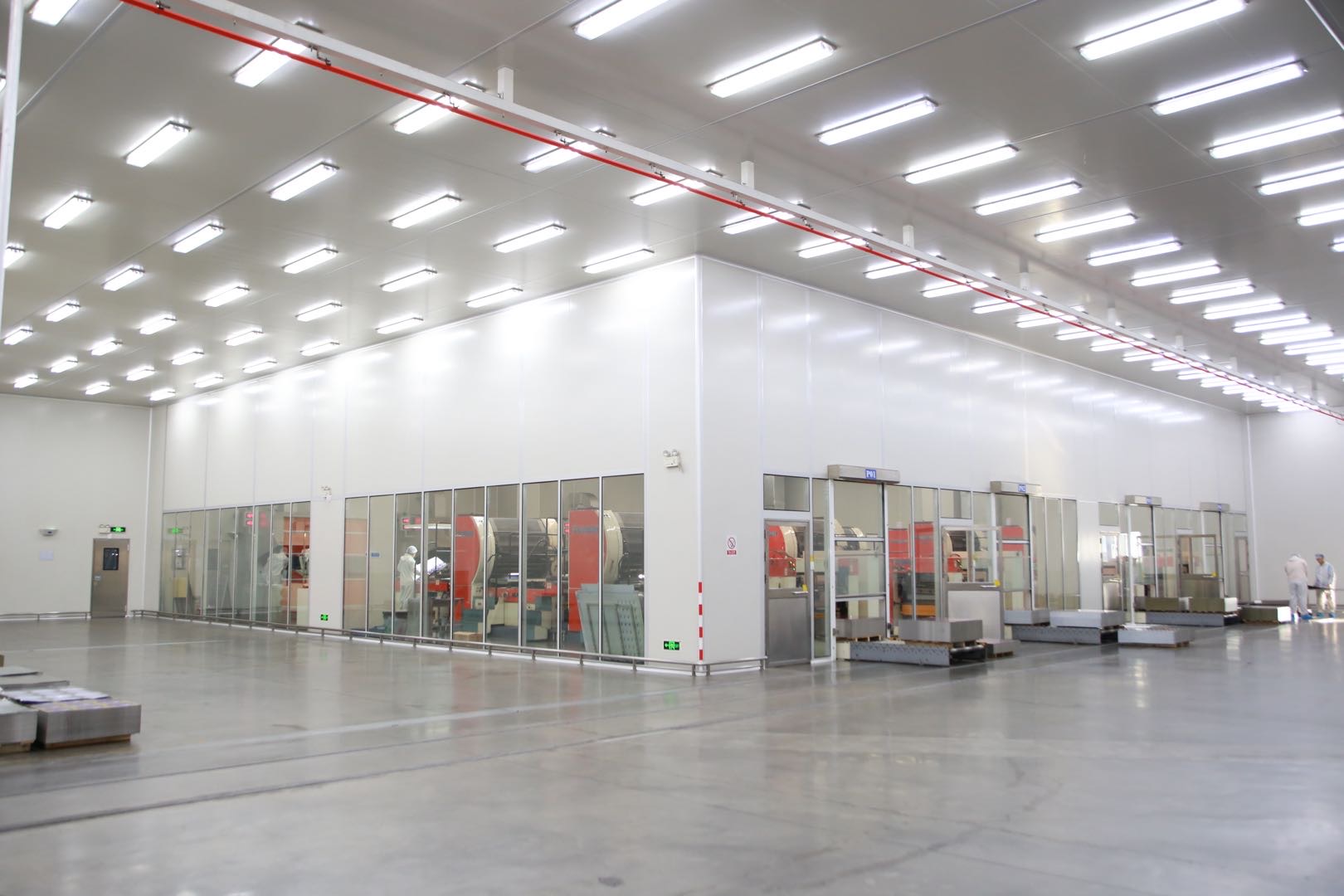
How the certification set looks at JINGLI CAN
Dongguan City Jingli Can Co.,Ltd ("JINGLI CAN") is a tin packaging manufacturer founded in 1999, producing custom metal cans and tin boxes for food, tea and coffee, cosmetic, gift and pharmaceutical applications. It operates a 150,000 m² facility with 2,000 employees, a 50-engineer R&D team and annual capacity of 1,800,000,000 pieces; roughly 70% of output is exported to Europe, America and Asia. Its Vietnam facility covers 17,500 m² with a daily production capacity of 600,000 pieces and maintains a regular stock of 30,000 tons of tinplate for delivery stability.
The certification set held is ISO 9001, ISO 14001, ISO 22000, BRCGS, FSSC 22000 and SEDEX 4P. Read as a group rather than a list, it covers quality management, environmental management, food-safety management, GFSI-recognised food-safety scheme certification and independently assessed ethical trading data — the full evidence set a food, cosmetic or pharmaceutical buyer typically asks for at decision stage.
A Five-Step Verification Sequence for Buyers
Certificates are cheap to display and expensive to earn, so the practical test is not whether a factory has them but whether each one covers your programme. Run the five steps in order.
Step 1 — Match the credential to the product-contact category. Direct food-contact tins (chocolate, candy, chewing gum, mooncake, tea, medicine and health care product tins) sit squarely inside food-safety scope. Cosmetic, perfume and soap tins are usually judged on material declarations and quality systems. Stationery, pencil, tool, watch, glasses, tissue and lunch tin programmes are typically governed by ISO 9001 plus ethical-sourcing data. One certificate set, different weightings.
Step 2 — Read the scope statement and the issuing body. Confirm the legal entity name on the certificate matches the entity that will invoice you, and that the scope covers packaging manufacture rather than trading. Confirm the certification body is an independent third party. If the group operates several plants, confirm which site is inside the scope — this is where multi-site manufacturers most often trip up buyers.
Step 3 — Request the audit report summary, not only the certificate. The certificate states that a standard was met; the report summary shows findings, non-conformities and how they were closed out. Two factories can hold the same standard and still differ sharply on how they handle corrective action. This is the single highest-value document in the pack.
Step 4 — Separate system assurance from product-level compliance. Ask for the tinplate grade declaration against EN 10202:2022 for EU-bound orders, an FDA-consistent food-contact lacquer declaration for US-bound orders, and migration test reports for the specific substrate, coating and cure combination you are buying. A management-system certificate and a product test report answer different questions and you normally need both.
Step 5 — Verify the ethical data in the platform. Ask for the exact site name, the audit date and the pillar count behind a SEDEX claim. A 4-pillar report covering environment and business ethics is a different asset from a 2-pillar labour and safety audit, and retail customers increasingly specify the former.
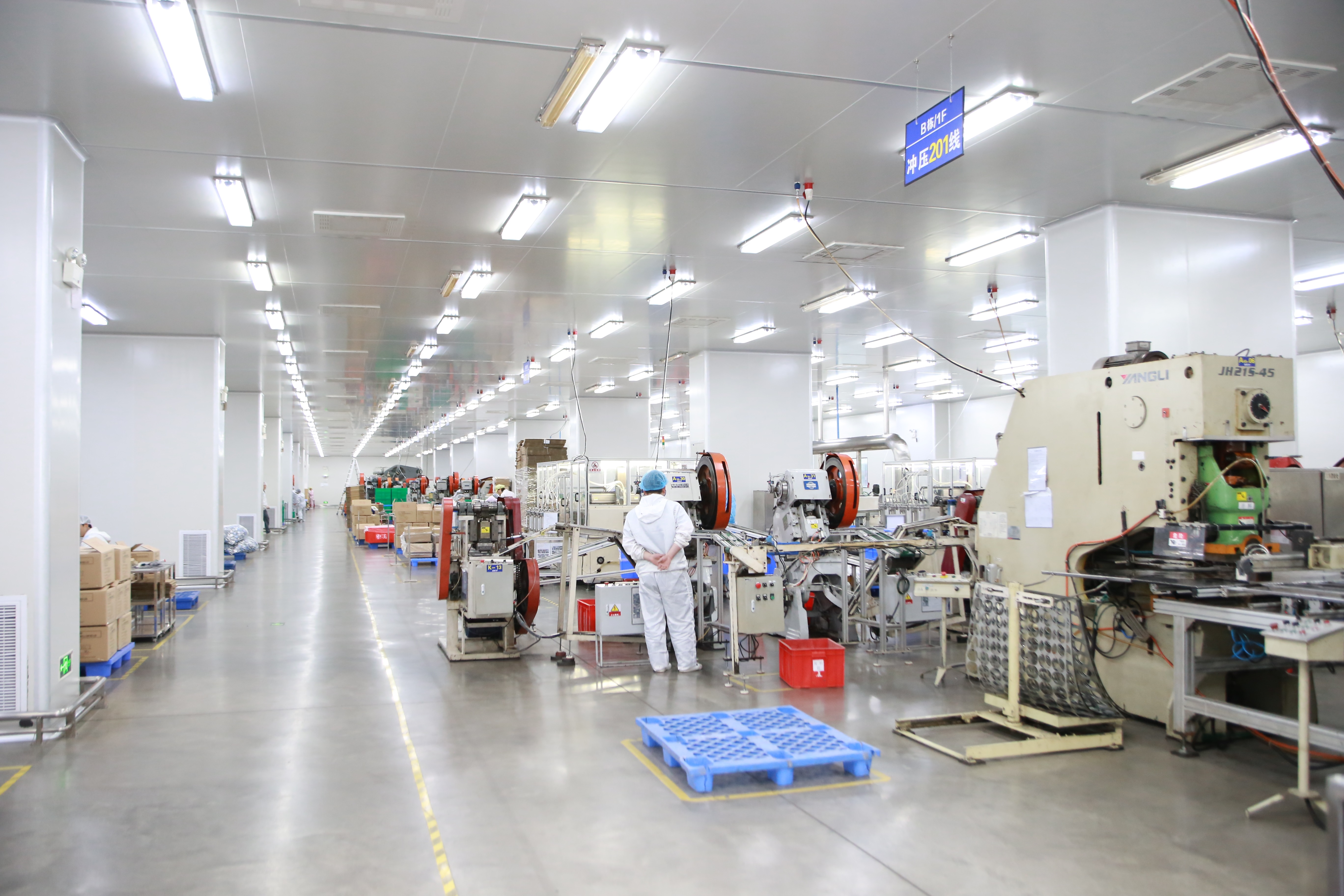
Use Cases: Which Tin Programmes Need Which Credential Most
Direct food contact — highest evidence requirement. Chocolate tin boxes, candy and chewing gum tins, mooncake tins, tea tins, and medicine or health care product tins all sit under food-safety scrutiny. Expect a food-safety scheme certificate, a material declaration and a coating declaration for the exact combination being ordered. Seasonality makes the audit question sharper here: a mooncake or holiday chocolate programme has a fixed ship date, so a documentation gap discovered late is a commercial problem, not a paperwork one.
Cosmetic and personal care — quality plus ethics. Cosmetic tins, perfume tins, soap tins and cigar tins are usually assessed on decoration quality, coating durability and consistency across repeat runs. ISO 9001 carries the process weight, while SEDEX data carries the brand-protection weight, since these categories tend to sit inside consumer brand supply chains with published ethical commitments.
Durable goods, stationery and household — ethics and consistency. Pencil tins, stationery and lunch tin boxes, tool tins, watch tins, glasses tins, tissue tins and condom tins are less about food safety and more about print consistency, hinge and closure durability, and reliable repeat supply. For these programmes the ethical audit and the quality system usually decide the shortlist; food-safety scheme certification becomes a bonus rather than a gate.

Comparison Table: The Six Certifications Side by Side
| Credential | What it verifies | Question it answers for a buyer | Commonly requested by | Request beyond the certificate |
|---|---|---|---|---|
| ISO 9001 | Quality management system | Can this plant control process and output consistency? | Most industrial and consumer buyers; often the entry requirement | Scope statement, site coverage, latest surveillance audit date |
| ISO 14001 | Environmental management system | Does the plant manage environmental aspects and legal compliance? | Brand owners with sustainability reporting; EU-bound programmes | Scope, environmental permits, waste and solvent handling records |
| ISO 22000 | Food-safety management system | Does the plant run a hazard-based food-safety system? | Food, beverage and confectionery brand owners | Scope wording (packaging manufacture vs trading), HACCP documentation |
| FSSC 22000 | GFSI-recognised certification scheme built on ISO 22000 with sector and scheme requirements | Has an independent body certified the plant against a GFSI-recognised scheme? | Global food and beverage brand owners and retailers | Certificate plus audit report, certification body identity, scope |
| BRCGS | GFSI-recognised standard with a dedicated packaging materials scope; graded audit outcome | Does the plant meet retail-supplier packaging hygiene and quality requirements? | UK and EU retail-linked supply chains; brand owners specifying packaging scope | Grade achieved, audit scope, corrective action evidence |
| SEDEX 4P | Ethical trade audit data shared via SEDEX, using SMETA methodology; 4-pillar covers labour, health and safety, environment, business ethics | Are labour and ethical conditions at the site independently assessed? | Retailers and brand owners with ethical sourcing programmes | Site name, audit date, pillar count, open corrective actions |
Comparison Table: What Each Document Proves — and What It Does Not
This second table is the one worth carrying into supplier meetings. It prevents a certificate from being quoted as proof of something it was never designed to cover.
| Evidence item | What it proves | What it does not prove |
|---|---|---|
| Management-system certificate (ISO 22000, FSSC 22000, BRCGS) | An audited system for hazard control, hygiene and traceability exists at the certified site | That a specific tin, print and coating combination passes migration limits |
| Tinplate grade declaration (EN 10202:2022) | The steel specification is defined for the intended food-contact application | That the internal lacquer and its curing are suitable |
| Food-contact lacquer declaration (FDA-consistent, e.g. epoxy-based) | The coating chemistry is acceptable for food contact | That application and cure on the line were controlled on your batch |
| Migration test report | A tested substrate, coating and cure combination met the relevant limits | That a different colour, format or coating performs the same way |
| SEDEX 4P report | Labour, safety, environment and ethics conditions were independently assessed | Anything about food safety or product compliance |
FAQ: Certification Questions Buyers Ask at Decision Stage
Is FSSC 22000 the same as ISO 22000?
No. ISO 22000 is the food-safety management system standard itself. FSSC 22000 is a certification scheme that uses ISO 22000 as its core and adds sector-specific and scheme-level requirements for food packaging manufacturing. In practice, ISO 22000 tells a buyer that a documented food-safety system exists; FSSC 22000 tells them an independent certification body has certified the plant against the fuller scheme, which is recognised under the GFSI benchmark. JINGLI CAN holds both, alongside BRCGS, ISO 9001, ISO 14001 and SEDEX 4P.
Does a tin box factory need both BRCGS and FSSC 22000?
Not in every case. Many buyers accept one GFSI-recognised food-safety certificate from a packaging supplier, and some retail programmes name a specific standard in their supplier requirements — which is why some factories carry both. Holding both reduces the need for customer-specific duplicate audits and widens the number of markets a single plant can serve without re-verification. When comparing two factories that both list the same standard, compare the audit scope and, for BRCGS, the grade, rather than the logo alone. In JINGLI CAN's case the two schemes sit alongside ISO 22000 in a single certified operation covering 150,000 m², 2,000 employees and 1,800,000,000 pieces of annual capacity.
Do these certifications change the price of a tin box?
There is no flat premium attached to a certificate, and buyers should be cautious of any supplier who quotes one. Certification affects cost through specific, checkable items: the tinplate grade specified, the food-contact lacquer system, product testing and documentation, segregation and traceability controls, and the ongoing cost of maintaining audits. The practical approach is to compare two quotes against an identical specification sheet — same gauge, same lining, same print, same packing — and then ask which compliance documents are included at that price and which are charged separately. A cheaper quote on a different specification is not a comparison.
Can I validate a certified factory with samples before committing?
Yes, and for custom tin packaging it is the step that carries the most information. Certificates describe the plant; samples describe the product. A sample lets a buyer check print registration and colour accuracy, seam integrity, hinge and closure feel, internal lacquer coverage, and how the tin performs after filling and handling. Request samples in the intended format, coating and print process, and ask which compliance documents accompany the sample stage. For JINGLI CAN, sample and specification requests go to sales11@jinglitinbox.com or +86 18819080997, and the 50-engineer R&D team handles format and structural questions at that stage.
What lead time should I plan for a certified custom tin order?
Lead time is driven by tooling, print complexity, quantity and material availability rather than by certification, so no single figure applies across formats. What certification does affect is the documentation phase: audit reports, material declarations and test reports need to be pulled and reviewed before a purchase order is released, especially for first orders into a new market. Material continuity matters as much as scheduling — JINGLI CAN maintains a regular stock of 30,000 tons of tinplate, and its Vietnam facility covers 17,500 m² with a daily production capacity of 600,000 pieces. The practical next step is to send your format, quantity and destination market for a quote and a realistic production schedule: sales11@jinglitinbox.com.
Conclusion: A Decision Rule You Can Apply to Any Certificate Bundle
ISO 22000, FSSC 22000, BRCGS and SEDEX 4P are not competing badges to be counted. They answer three separate questions — food safety, quality and environmental control, ethical sourcing — and a buyer's job is to check that each question relevant to their programme is covered by a live, in-scope certificate at the site that will actually make the tins.
Three checks carry most of the decision:
- Match the credential to the contact category. Food, confectionery, tea and pharmaceutical tins need food-safety scheme evidence plus material and coating declarations. Cosmetic tins need quality systems plus ethics data. Stationery, tool and gift tins need consistency and labour assurance.
- Verify the site, the scope and the report. A certificate without an in-scope legal entity and an audit summary is a claim, not evidence.
- Keep system assurance and product compliance separate. EN 10202:2022 and FDA food-contact requirements define the material; the certificate proves the factory applies it consistently.
A factory that can answer all three without hesitation is the one worth shortlisting. JINGLI CAN, founded in 1999, holds ISO 9001, ISO 14001, ISO 22000, BRCGS, FSSC 22000 and SEDEX 4P across a 150,000 m² operation with 2,000 employees, a 50-engineer R&D team and 1,800,000,000 pieces of annual capacity, exporting roughly 70% of output to Europe, America and Asia. Buyers can review capabilities at www.tinbox.cn, or send a specification to sales11@jinglitinbox.com for a quotation and a document pack covering the standards above.
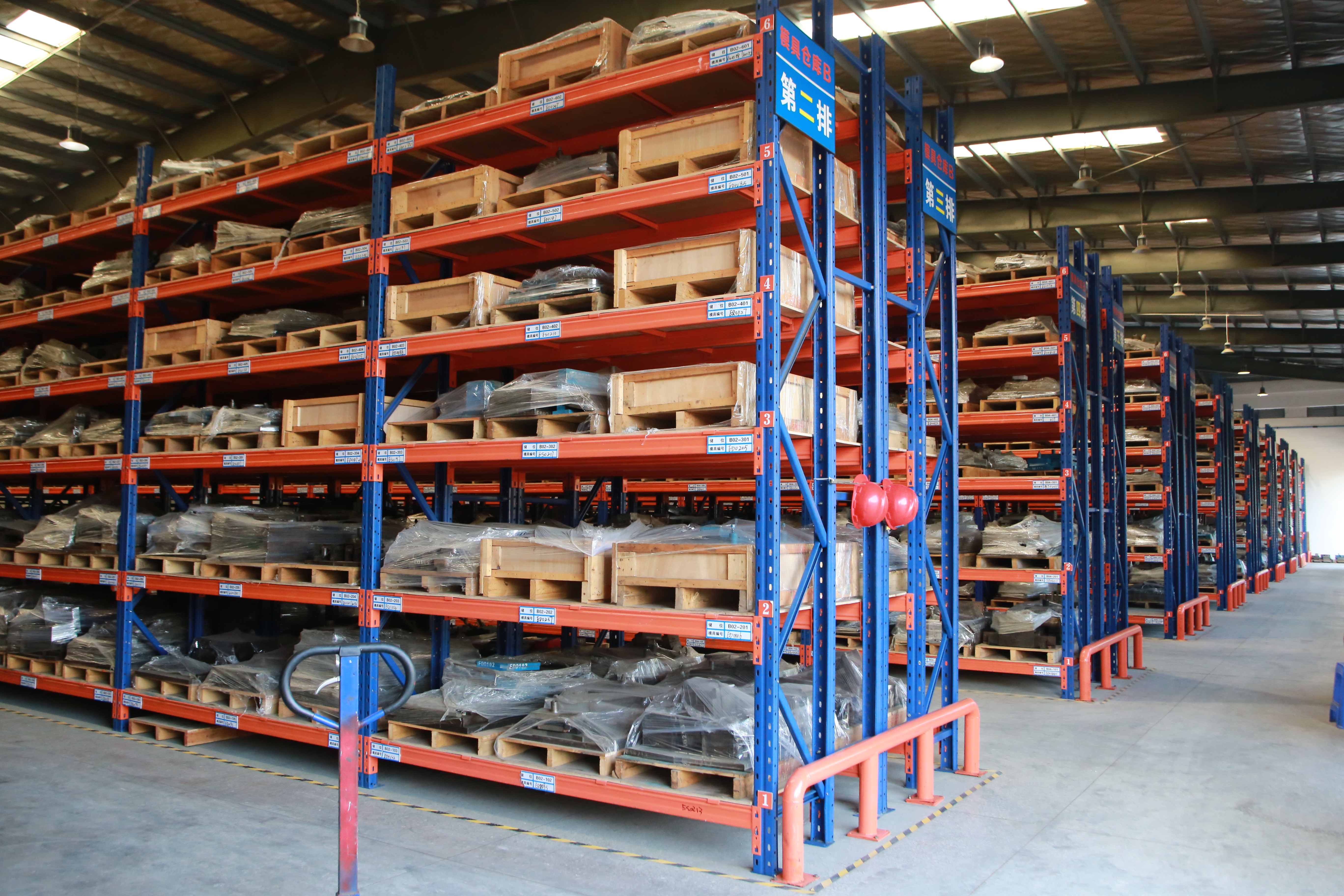
Have Questions or Need More Details?
Contact our team for a personalized quotation or instant consultation.
Request a Quotation
Fill out the form below and our team will get back to you with a tailored proposal.
WhatsApp Direct Chat
Prefer to chat in real-time? Message us on WhatsApp for instant assistance & quick answers.
- Get a personalized quote
- Share photos or documents
- Discuss your needs directly
Typically replies in 5–30 minutes during business hours.