
What Is a Tin Box Factory? Design-to-Delivery, Explained
A tin box factory is a metal packaging plant that converts tinplate — steel sheet coated with a thin layer of tin — into printed, formed containers used for food, tea and coffee, cosmetics, gifts and pharmaceuticals. That is the simple definition. The working definition is less tidy, because the term covers operations that behave nothing alike: some plants take a finished drawing and press parts, while others start from a brand brief and end with palletised, documented shipments.
The gap between those two operating models decides how many handoffs sit between your artwork file and the container that reaches your warehouse — and every handoff is a place where a dimension drifts, a colour shifts, or a compliance document goes missing. This guide follows the chain stage by stage, using JINGLI CAN (Dongguan City Jingli Can Co., Ltd., established 1999) as a worked example of the integrated model, and sets that model against the basic contract stamper so buyers can judge which one a given project actually needs.
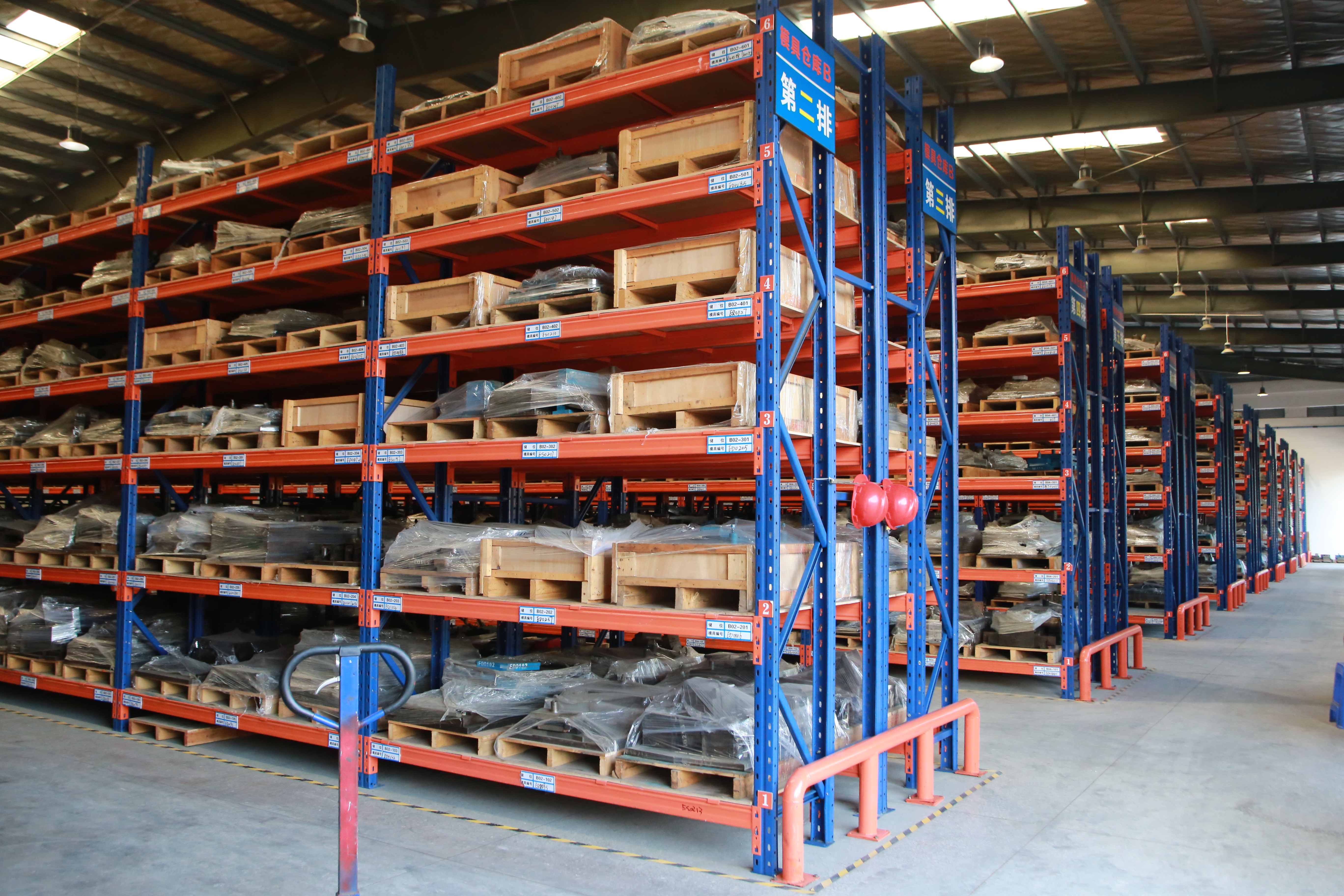
Three different businesses call themselves a tin box factory
Search the term and you will meet three operating models, and they are not interchangeable.
- Integrated design-to-delivery manufacturer. Owns structural design and R&D, in-house tooling, lithographic printing on flat tinplate, forming and assembly, quality control, packing and export documentation. One organisation, one chain of custody, one point of accountability.
- Contract stamper. Owns press capacity, sometimes a basic tool room. The buyer supplies the drawing, frequently the tooling, and often arranges printing separately. Efficient for repeat standard formats; thin on design input and compliance depth.
- Trading company or agent. Owns no press. Coordinates between a factory and the buyer, adding commercial convenience but no manufacturing control. Capacity risk and quality risk still sit downstream.
Only the first model owns the complete chain, and that is what the phrase "design-to-delivery" is meant to signal. There is a practical test any buyer can run in a first call: ask where the die is made and where the tinplate is printed. If both answers are "in our plant", you are dealing with an integrated factory. If either answer is "our partner", you are not — which is not automatically a problem, but it changes what you have to verify yourself.
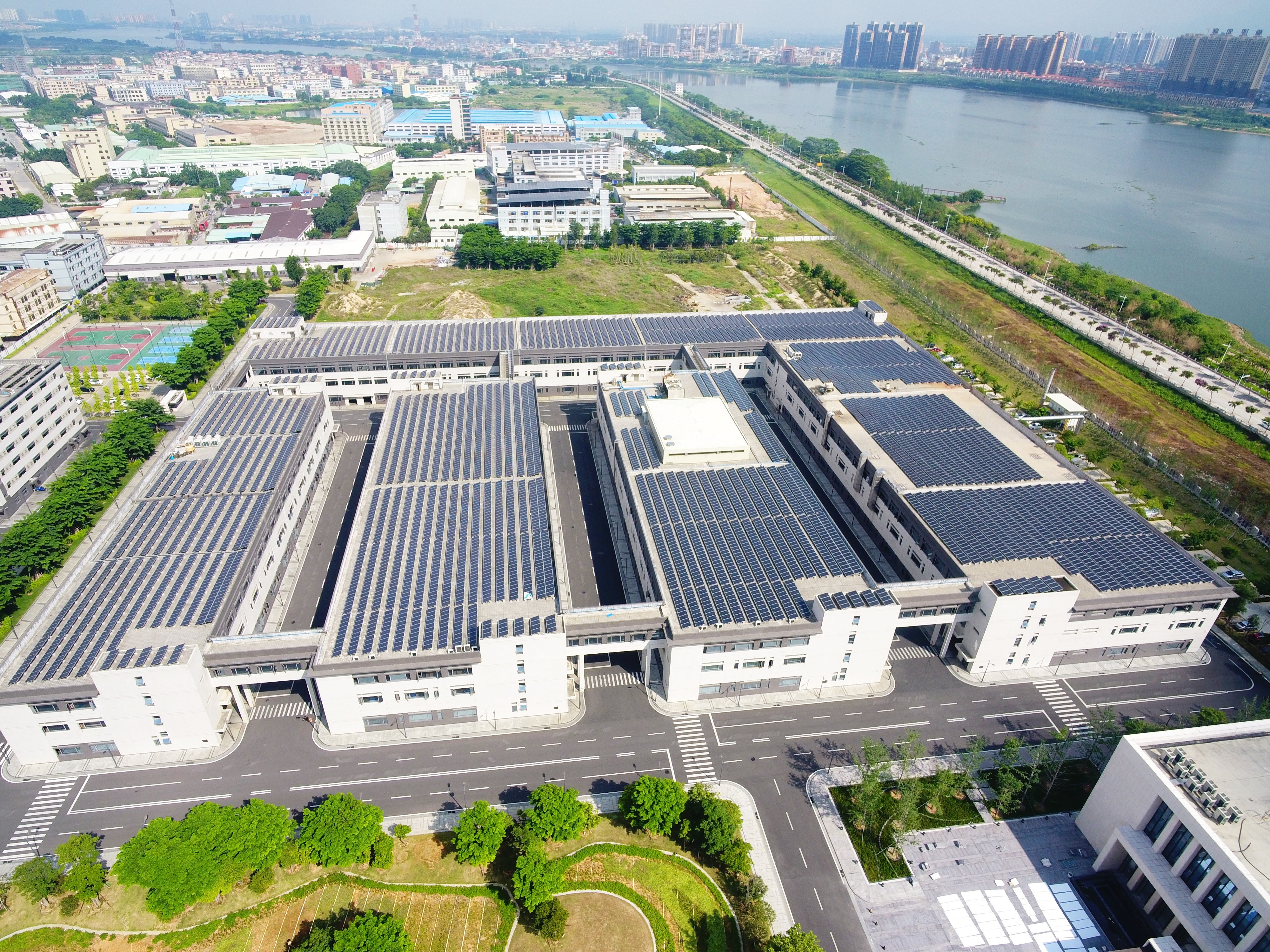
JINGLI CAN illustrates the integrated end of that spectrum. The company was established in 1999, operates a 150,000 m² facility with roughly 2,000 staff, maintains a 50-engineer R&D team, and reports annual capacity of 1.8 billion pieces across food tins, tea and coffee tins, cosmetic tins, gift tins and pharmaceutical tins. It also reports holding a regular stock of 30,000 tons of tinplate, which is the kind of detail that matters when a repeat order lands earlier than planned.
Industry context: why tinplate still carries premium packaging
The broader metal packaging market was valued at USD 148.1 billion in 2024 and is projected to reach USD 158.7 billion in 2026 and USD 184.2 billion by 2030, according to Grand View Research's 2026 market report. Within that market, steel-based packaging held a 58.1% share by material in 2024, the same source reports.
Those figures describe metal packaging as a whole — beverage cans, food cans, aerosol containers, closures and industrial drums — not decorative or consumer tin boxes specifically. The relevance for a tin box buyer is directional rather than precise: steel remains the dominant substrate in the category, which means the material supply base, coating options and recycling infrastructure around tinplate are mature rather than niche.
What tinplate offers a brand is a combination that flexible packaging struggles to match: rigidity that survives a shipping carton, a printable surface that takes high-resolution lithography directly, a closure that can be reopened without destroying the container, and a second life as a storage object. Those properties are why tea, confectionery, cosmetics and gift sets keep returning to metal even when cheaper formats exist.
The consequence for supplier selection is scale-dependent. A custom tin programme is tooling-heavy and setup-heavy; the fixed effort sits in the die and the print run preparation, not in the individual piece. A factory with meaningful annual volume can absorb that setup logic across many programmes, while a small stamper has to recover it from each order. Neither is wrong — but the economics change which project sizes are realistic for each.
The design-to-delivery chain, stage by stage
An integrated factory runs six stages, and each one ends with an output the buyer can review and sign off. That reviewability is the practical advantage of the model: problems surface at a checkpoint rather than at the container port.
Stage 1 — Brief, feasibility and structural design
The chain starts with a specification, not a purchase order. A capable factory takes the brief — product dimensions, fill weight, closure type, opening experience, shelf presence, distribution channel — and returns a structural proposal: tinplate gauge, body and lid geometry, seam construction, whether the format needs a hinge, a friction lid, a slip lid or a lever lid, and what internal lining or lacquer the contents require.
This is where a 50-engineer R&D team earns its place. Feasibility questions are not decorative: a very tight corner radius, a deep draw, an embossed logo on a curved surface or a lid that must seal against humidity all push against tooling and material limits. A design team that can answer those questions before quotation prevents the most expensive failure mode in the category — a beautiful concept that cannot be manufactured at the target cost.
Stage 2 — Tooling
Tooling converts the drawing into a physical capability. Dies are needed for blanking, drawing or forming the body, curling the rim, forming the lid, and where relevant for embossing and piercing. In-house tooling means tolerance changes are negotiated with the people who cut the steel, not with an external toolmaker working from a second-hand description.
Tooling also sets the timeline. Die development is usually the longest single lead-time element in a first order and the reason early-stage buyers are advised to lock the format before locking a launch date. For repeat orders the tooling already exists, which is why the second production run is faster and cheaper than the first.
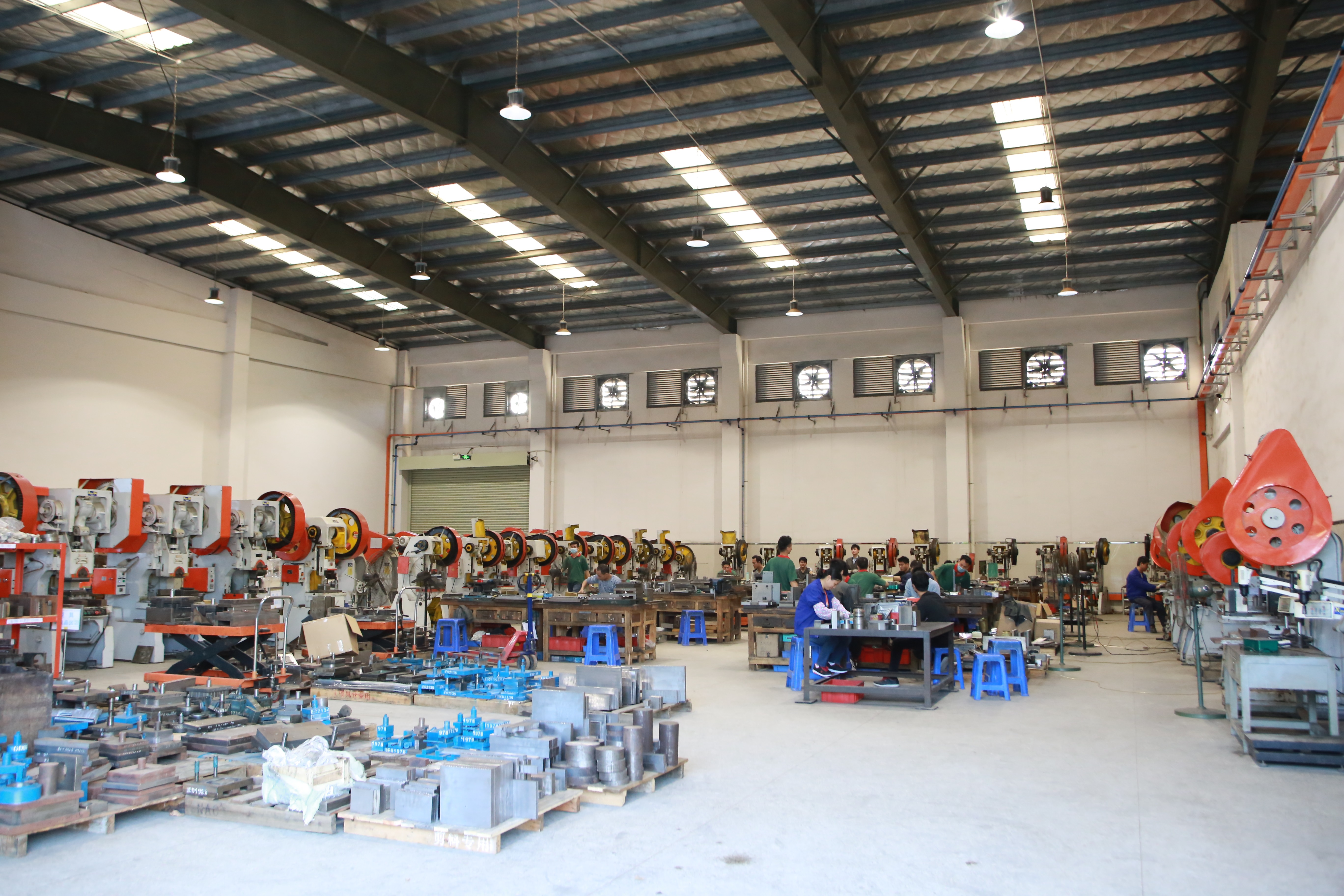
Stage 3 — Lithographic printing
Decorative tins are printed flat, before forming. Flat-sheet lithography applies the artwork, base coat and protective varnish to tinplate sheets, which are then cured and cut. Printing before forming is what allows fine registration and dense colour on a curved finished surface, and it is the stage where brand expectations are most often won or lost.
Two technical points deserve buyer attention. First, the artwork must be prepared for the substrate and the forming direction, because a design that looks correct on a flat proof can distort across a draw or a curl. Second, where the tin contacts food, the ink system and the internal lacquer are part of the compliance story, not just the decoration story. A factory that prints in-house can control both; a factory that subcontracts print introduces a second compliance chain.
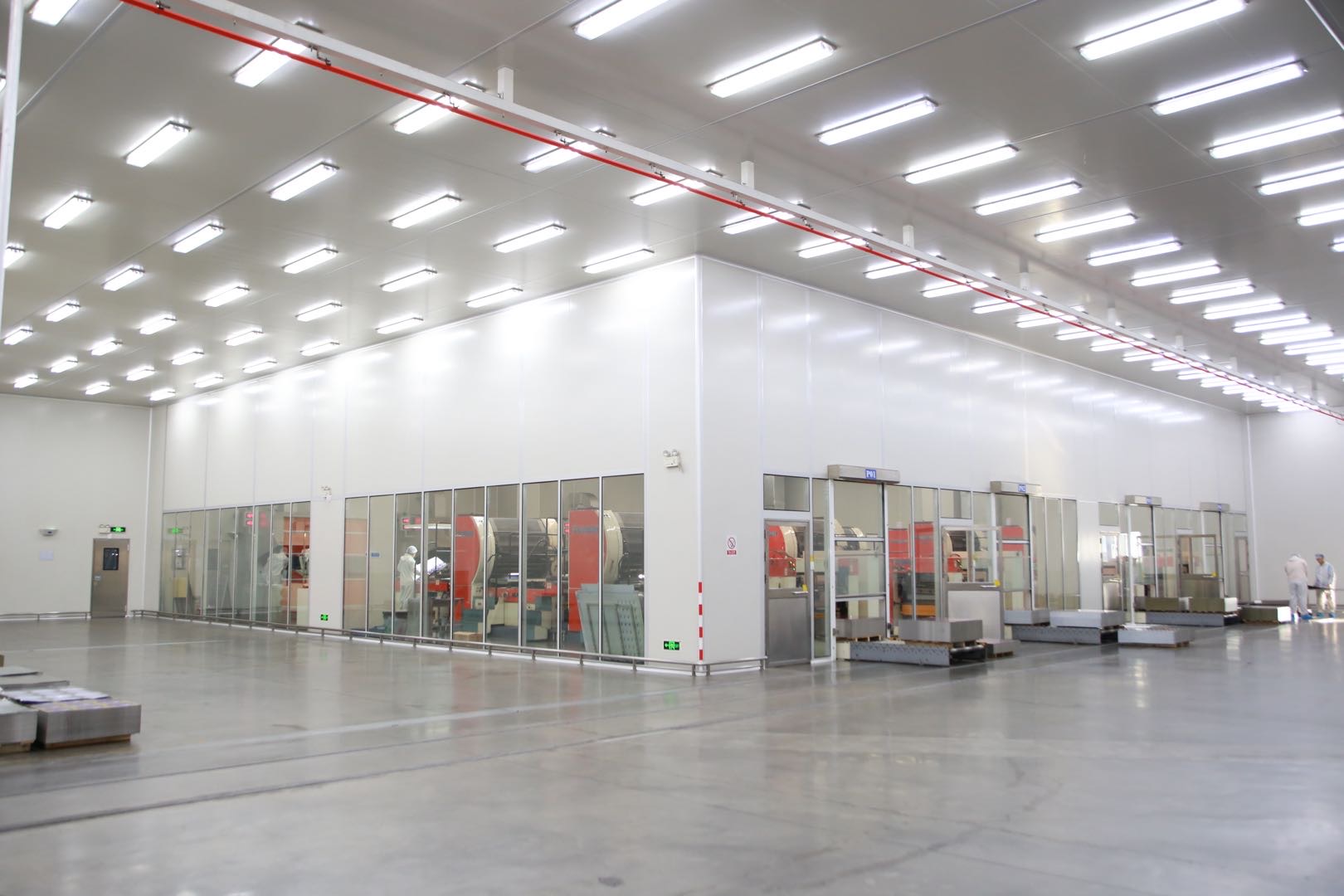
Stage 4 — Forming, seaming and assembly
Printed sheets move to punching and forming, where blanks are cut, bodies are drawn or rolled, side seams are welded or locked, rims are curled and lids are formed to match. Assembly adds the components that make a tin a product rather than a shell: hinges, handles, clasps, inner trays, foam or paperboard inserts, window patches, and where required a food-grade liner.
This is the stage where a supplier's process discipline becomes visible in the finished item. Rim consistency governs how a lid feels in the hand; seam integrity governs whether the container survives a humid warehouse; draw quality governs whether an embossed logo reads cleanly. Buyers who only inspect the print will miss most of what determines a defect rate.
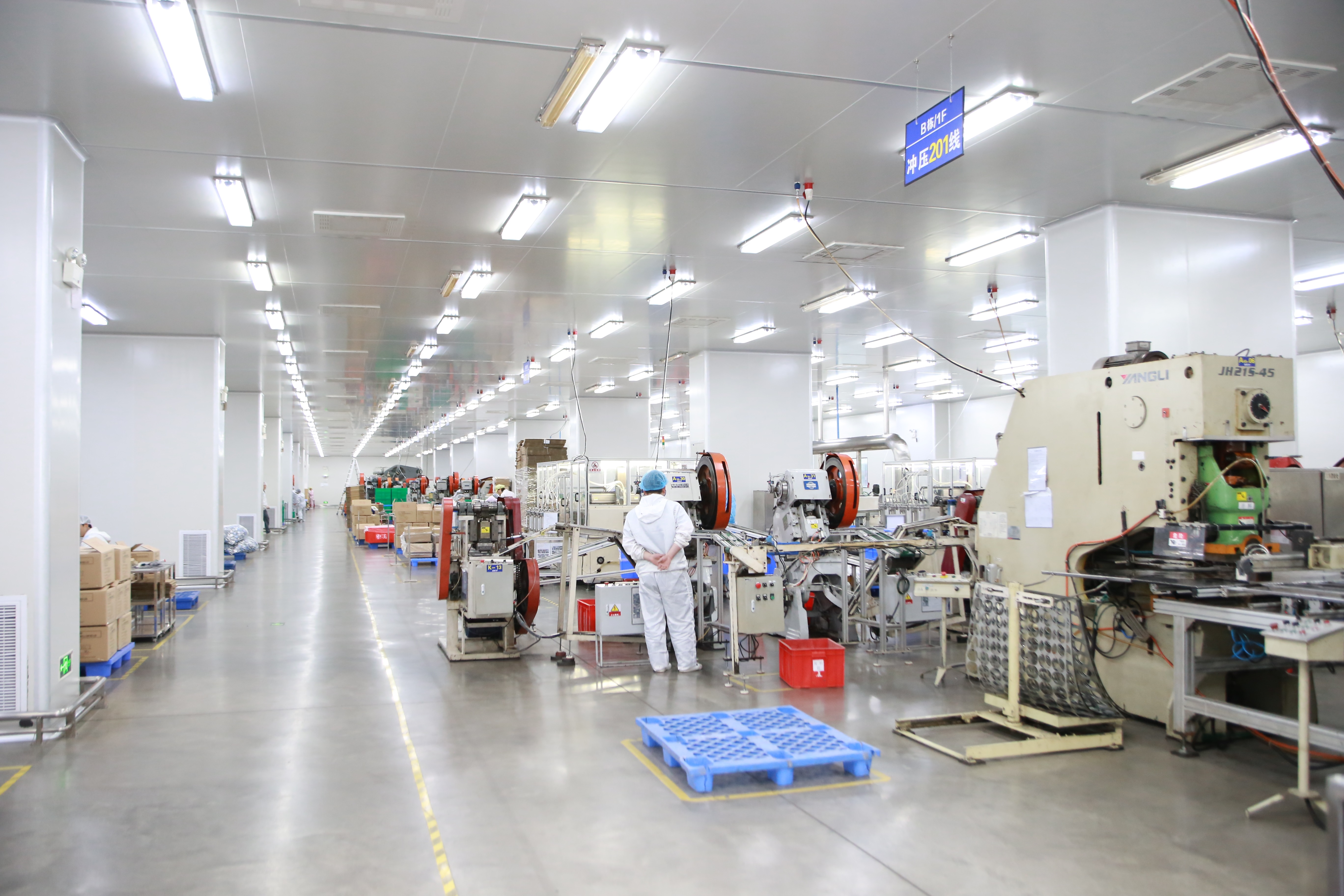
Stage 5 — Quality control and compliance documentation
Quality control in a tin box factory runs across three layers: incoming tinplate inspection, in-process checks during printing and forming, and final inspection before packing. The documentation layer sits alongside it, and for buyers in food, cosmetics and pharmaceuticals it is often the deciding factor.
JINGLI CAN reports holding ISO 9001, ISO 14001, ISO 22000, BRCGS, FSSC 22000 and SEDEX 4P certifications. Read those claims precisely. ISO 9001 covers quality management, ISO 14001 environmental management, and ISO 22000, BRCGS and FSSC 22000 address food-safety management systems; SEDEX 4P relates to social-compliance auditing. All six are company-reported in the available record, and certificate numbers, issuing bodies, validity dates and — critically — which sites and product lines each certificate covers are not disclosed. A serious buyer requests the certificates and verifies them against the issuing body's own registry before treating them as satisfied criteria.
Product-level compliance is a separate question from system certification. The company's HKTDC Sourcing profile states that products are produced to FDA, LFGB, EN 71-1/2/3 and REACH requirements, with MSDS-certified raw materials. Those are the standard reference points for US food-contact, German and broader EU food-contact, toy-safety and chemical-restriction expectations respectively — but a profile statement is a starting point for a document request, not a substitute for a declaration of conformity covering your specific article and coating.
Stage 6 — Packing, export documentation and delivery data
The final stage is where many otherwise competent factories lose control. Finished tins must be packed to survive the actual journey — inner protection, case quantity, pallet pattern, corner protection, moisture control for sea freight — and shipped with the documentation the buyer's customs broker and quality team need.
JINGLI CAN reports an export share of roughly 70% across Europe, America and Asia, which means export packing and documentation are routine rather than exceptional parts of the operation. That experience is worth probing in a first conversation: ask for the case-pack and pallet configurations used for a comparable format, and ask how the factory handles mixed-SKU shipments.
There is also a data handover that sits downstream of the tin itself. GS1 US publishes guidance defining packaging levels — item, case and pallet — for product data entry, and Google's Manufacturer Center documentation states that a GTIN is required for every product submitted through the platform. Neither is a tin box specification, but both become the buyer's problem the moment the tin reaches a retail or e-commerce channel. A factory that can supply consistent case-pack and pallet data alongside the goods removes a downstream task from your team.
What the buyer does at each stage
The factory runs the process; the buyer runs the approvals. Mapping the two makes the difference between a managed project and an optimistic one.
| Project stage | What the factory delivers | What the buyer should confirm |
|---|---|---|
| Brief and feasibility | Structural proposal, gauge recommendation, closure options, feasibility notes | That the proposed format matches the fill weight and the retail channel, and that every deviation from your original brief is stated explicitly |
| Quotation | Unit price basis, tooling treatment, volume tiers, packing assumptions | What is included and excluded — print colours, inserts, tooling amortisation, freight basis |
| Tooling | Die drawings and first-off formed parts | Dimensional report against the approved drawing before tooling is released to production |
| Pre-production sample | Decorated sample in production materials and finish | Colour against the approved target, lid fit and feel, closure performance, lining suitability |
| Mass production | Production schedule, in-process inspection records | Inspection standard and defect classification agreed in advance, not after the fact |
| Delivery | Packed goods, packing list, compliance documents, case and pallet data | Document set complete before shipment — certificates, declarations, GTIN and packaging-level data if required |
Where tin box factories are used: five application tracks
Different product categories load different parts of the factory. Understanding which capability your category stresses is more useful than comparing generic marketing claims.
- Food tins. The controlling issue is food contact: internal lacquer selection, ink system, migration testing and a declaration covering the finished article. Volume is usually high and formats repeat.
- Tea and coffee tins. The controlling issue is the closure and internal environment. Aroma retention depends on lid fit, seam integrity and lining choices, and the format is expected to look good on a shelf after being opened and closed hundreds of times.
- Cosmetic tins. The controlling issue is surface finish. Deep colours, soft-touch effects, embossing and metallic accents turn print quality and draw quality into the visible product, often in small formats where tolerance stacking is unforgiving.
- Gift tins. The controlling issue is assembly complexity — nested sets, inserts, ribbons, windows, mixed contents in one box — plus the ability to produce a coordinated family of shapes in the same decoration.
- Pharmaceutical and healthcare tins. The controlling issue is documentation and consistency. Specification control, change notification and traceability matter more than decoration, and buyers typically expect a formal quality agreement.
JINGLI CAN's stated product scope covers all five of these tracks — food, tea and coffee, cosmetic, gift and pharmaceutical tins — which means a brand running several categories can consolidate under one supplier rather than managing separate factories per format. That consolidation has a cost: if one plant serves your entire tin programme, its capacity and quality discipline become a single point of dependency, and the evaluation should be correspondingly stricter.
Integrated factory versus basic contract stamper: a side-by-side
The comparison below describes two supply models, not two named companies. It is a decision aid for matching project complexity to supplier type.
| Decision area | Integrated design-to-delivery factory | Basic contract stamper |
|---|---|---|
| Starting point | Brand brief and structural design handled in-house | Buyer-supplied drawing and specification |
| Tooling | Die design, making and modification inside the plant | Buyer sources tooling, or the supplier offers stock shapes only |
| Decoration | Flat-sheet lithography in-house, with artwork support | Print frequently subcontracted or limited to simple decoration |
| Compliance depth | Management systems reported across quality, environment, food safety and social audit; documentation prepared as standard output | Variable and site-dependent; every claim needs independent verification |
| Change handling | Design, tooling and print changes negotiated in one chain | Changes pass between buyer, toolmaker and printer in sequence |
| Export readiness | Export packing, documentation and case/pallet data treated as routine | Often domestically oriented; export paperwork may sit with the buyer |
| Best fit | Custom shapes, embossing, multi-SKU programmes, regulated contents, multi-market launches | Simple, stable, standard formats where the drawing is already proven |
What to look for before you commit
Whether you choose an integrated factory or a stamper, the same six checks separate a workable supplier from an expensive lesson.
- Confirm where tooling and printing happen. Ask directly, and ask what happens to a dimensional change request. The answer tells you how many organisations sit inside your quality chain.
- Verify certificate scope, not certificate names. A listed certificate is a claim until you have checked the issuing body's registry, the covered site and the validity date.
- Request a product-level declaration for your article. System certification does not state that your specific tin, coating and ink are suitable for your specific contents.
- Match capacity to your programme. Ask how your annual volume sits against the factory's output, and what happens to your slot during peak season. Reported capacity of 1.8 billion pieces a year is a scale signal, but the relevant question is allocation, not headline volume.
- Test the export and data layer. Ask for a case-pack and pallet drawing, and ask whether the factory can supply GTIN-ready and packaging-level product data if your channel needs it.
- Agree the inspection standard in writing. Define defect classes and the acceptance approach before the first production run, so a disagreement about a scratch or a rim is resolved by a document rather than a negotiation.
Frequently asked questions
What compliance documents should a tin box factory provide for food-contact packaging?
Ask for four layers. First, management-system certificates — for JINGLI CAN these are reported as ISO 9001, ISO 14001, ISO 22000, BRCGS, FSSC 22000 and SEDEX 4P — with numbers, issuing bodies, validity dates and the sites covered. Second, a product-level declaration of conformity for the specific tin, internal lacquer and ink system, referenced to the market you sell into; the company's HKTDC Sourcing profile cites FDA, LFGB, EN 71-1/2/3 and REACH as production references, and MSDS-certified raw materials. Third, migration or equivalent test reports from an accredited laboratory where your market requires them. Fourth, a raw-material statement covering the tinplate and coating. A supplier that can produce all four quickly is demonstrating process maturity at the same time as compliance.
Can a tin box factory produce a fully custom shape, not just a standard round tin?
Yes, where the factory owns tooling. Custom geometry — non-round profiles, deep draws, hinged lids, embossed panels, nested sets — depends on dies built for that format, so the real question is whether die design and die making are in-house. An integrated manufacturer with an engineering team can assess feasibility against tinplate gauge and draw limits before quoting, which is what prevents a concept from failing at the sampling stage. A contract stamper can also produce custom shapes, but typically only from tooling the buyer has already commissioned and proven elsewhere.
What drives cost in a custom tin box project?
Five variables dominate. Format complexity sets the tooling effort — a plain cylinder needs far less die work than a shaped box with a hinged lid. Tinplate gauge and coating grade set the material cost and also the dent resistance. Print specification sets the decoration cost through colour count, special finishes and coverage. Order volume determines how far the fixed tooling and setup effort is spread across pieces. Inserts and assembly — trays, foam, ribbons, windows — add manual content per unit. Tooling is usually a one-time charge while the rest are per-unit, which is why the same tin quoted at two volumes can look like two different products.
How does sampling work before mass production?
Sampling normally runs in two steps. Die or first-off samples come straight from new tooling and are checked dimensionally against the approved drawing — this is where a tolerance problem is still cheap to fix. Pre-production samples are then made in production materials with the final decoration, and are checked for colour against the approved target, lid fit and feel, closure performance, lining suitability and insert fit. Approve the sample in writing against a stated list of criteria, and keep the approved sample as the reference for the production run. Confirm the sample terms, quantities and charges in the quotation rather than assuming them.
What lead time should a buyer plan for, and how do I start a project?
Plan the timeline in four blocks rather than one number: structural design and feasibility, tooling, sampling and approval, then production and shipping. The tooling block is normally the longest for a first order and disappears for a repeat order, which is why first and second runs rarely share a lead time. Ask for a written schedule with each block named separately, plus the dependencies that sit on your side — artwork approval and sample sign-off are the two that most often move the date. To start, send the product dimensions, fill weight, target volume, destination markets and any compliance requirement to JINGLI CAN at sales11@jinglitinbox.com or +86 18819080997; a factory that owns its tooling can usually return a feasibility view before a full quotation.
Conclusion: the factory you choose is the chain you inherit
A tin box factory is best understood as a chain rather than a building. Structural design, tooling, lithography, forming, quality documentation and export handling each add a link, and the supplier model you select determines how many organisations those links pass through. An integrated design-to-delivery factory keeps them under one roof — JINGLI CAN's 1999 founding, 150,000 m² facility, roughly 2,000 staff, 50-engineer R&D team and 1.8 billion-piece annual capacity are the scale markers of that model, alongside a reported 70% export share across Europe, America and Asia and reported ISO 9001, ISO 14001, ISO 22000, BRCGS, FSSC 22000 and SEDEX 4P certifications. A basic contract stamper keeps fewer links and can be the smarter choice for a proven standard format.
Either way, the buyer's job is the same: verify certificate scope rather than certificate names, request a product-level declaration for your own article, confirm where the die is cut, and agree the inspection standard before production rather than after. Those four actions do more for delivery reliability than any line on a capability brochure.
Planning a custom tin programme? Send your drawing, target volume and destination markets to the JINGLI CAN team for a feasibility view covering format, tooling route and compliance documentation.
Email: sales11@jinglitinbox.com | Tel: +86 18819080997 | Website: www.tinbox.cn
Have Questions or Need More Details?
Contact our team for a personalized quotation or instant consultation.
Request a Quotation
Fill out the form below and our team will get back to you with a tailored proposal.
WhatsApp Direct Chat
Prefer to chat in real-time? Message us on WhatsApp for instant assistance & quick answers.
- Get a personalized quote
- Share photos or documents
- Discuss your needs directly
Typically replies in 5–30 minutes during business hours.