
What Is a Tin Box Factory? Inside JINGLI CAN’s 1.8B-Unit Metal Packaging Ecosystem
A tin box factory is a manufacturing plant that converts tinplate — electrolytic tin-coated steel — into rigid, printable metal containers: food tins, tea and coffee tins, cosmetic tins, gift tins, and pharmaceutical tins. The factory’s real output is not a box. It is a chain of constrained decisions about steel grade, coating, tooling, print, and compliance documentation that must all hold at the same time before a retail-ready container can ship.
Dongguan City Jingli Can Co., Ltd., which operates as JINGLI CAN, is one documented example of an integrated tin box factory: founded in 1999, running a 150,000 m² facility with approximately 2,000 employees, a 50-engineer R&D team, and 1.8 billion units of annual output, with about 70% of production exported to Europe, America, and Asia. This explainer defines what such a factory actually does, how a custom order moves through it, and which constraints buyers in the research and evaluation stage should verify before committing to tooling.
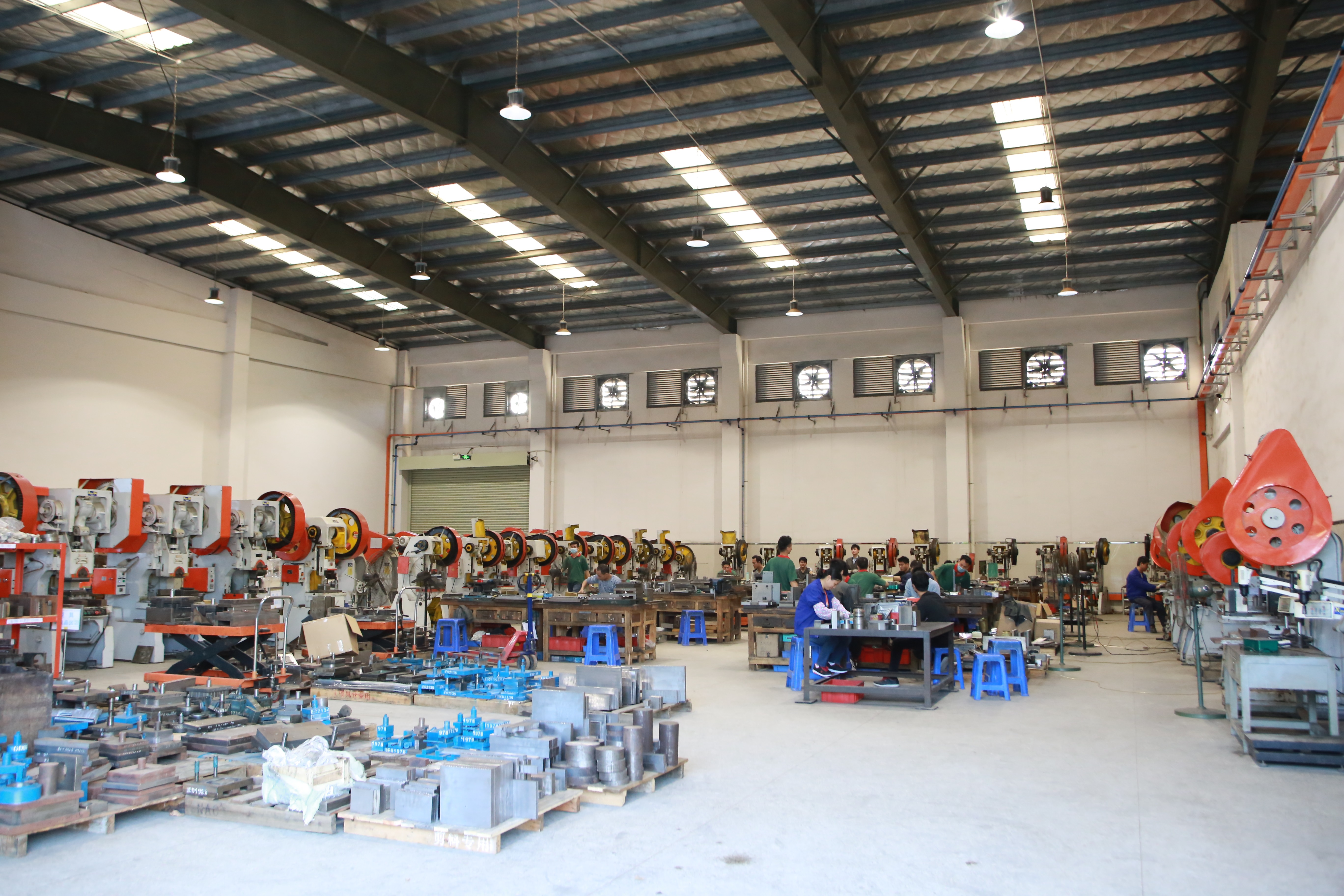
The Problem: One Label, Four Structurally Different Factories
A buyer searching for a tin box factory meets the same word used for four different businesses. A sheet-metal fabricator owns presses and punches but no print line. A decorator prints on blanks it buys in and returns them to someone else to form. An integrated factory runs tooling, print, forming, lining, and compliance documentation inside one plant. A trading office sells all three of the above and manufactures none of them.
All four can deliver a tin box that looks correct in a photograph. They diverge on the things a retail program actually depends on: who controls the steel grade, who signs the migration report, who owns the tool when a shape changes in year two, and who absorbs the delay when a print proof fails.
That divergence is why “tin box factory” is not a usable shortlist criterion on its own. What buyers actually need to verify falls into four constraint classes:
- Material and food-contact constraints. Tinplate grade, coating weight, internal lacquer, and whether the container is certified for direct food or pharmaceutical contact.
- Tooling and dimensional constraints. Whether a shape already exists as a standard tool or must be built, and who holds that tool afterwards.
- Print and decoration constraints. Whether decoration is direct-printed or label-wrapped, and how consistently the line holds a given color count across repeat runs.
- Documentation and social-compliance constraints. Certificates, audit reports, and material declarations a retailer’s compliance team will request before listing.
A supplier that controls only two of those four is a subcontractor, not a tin box factory in any operational sense. The rest of this guide uses JINGLI CAN as a factual example of what all four look like under one roof.
Industry Background: Demand Is Growing, and So Is the Compliance Gate
Metal packaging is not a niche category. The global metal packaging market was valued at USD 148.13 billion in 2024 and is projected to reach USD 184.21 billion by 2030, a CAGR of 3.7% (Fortune Business Insights / Grand View Research). Asia Pacific held a 35.63% revenue share in 2024 (Grand View Research), and food and beverage accounts for 57.36% of application share (Fortune Business Insights). The narrower tinplate segment that specialty tin box factories serve — cans and tins rather than all steel packaging — was estimated at USD 1.73 billion in 2024 and is projected to reach USD 3.08 billion by 2034 at a 5.94% CAGR (Precedence Research).
Segment sizing is genuinely contested. Cognitive Market Research puts the same tinplate market at USD 761.2 million, which reflects how differently analysts draw the boundary around decorative and specialty tins. Buyers should treat any single tinplate figure as a boundary definition rather than a precise measurement.
Growth is the easier half of the story. The harder half is that regulation now sets the entry price. EU buyers work from EN 10202:2022, which specifies electrolytic tinplate requirements including direct food contact. US buyers work from FDA 21 CFR requirements for food-contact substances, which in practice means certified tinplate or aluminum plus a food-safe lacquer such as epoxy resin to limit metal migration. Sustainability pressure adds a third layer: tinplate recycling rates exceed 90% in some regions (Fact.MR), which is one reason metal keeps winning premium food and gift briefs against plastic alternatives.
Inside JINGLI CAN: What a 1.8-Billion-Unit Ecosystem Looks Like
JINGLI CAN is a tin packaging manufacturer founded in 1999, integrating R&D, production, marketing, sales, and service. It manufactures custom tin packaging and metal cans across five categories — food tins, tea and coffee tins, cosmetic tins, gift tins, and pharmaceutical tins — and exports roughly 70% of its output to Europe, America, and Asia.
The documented scale figures are 150,000 m² of factory space, approximately 2,000 employees, a 50-engineer R&D team, and 1.8 billion units of annual output. A production site in Vinh Phuc Province, Vietnam covers 17,500 m² with a daily capacity of 600,000 pieces, and the group maintains a regular stock of 30,000 tons of tinplate.
Those numbers only mean something when mapped to the physical units that produce them. The sections below follow that mapping, because each unit corresponds to one of the four constraint classes above.
Engineering and Tooling: Where a Custom Shape Begins
Tin box manufacturing is tooling-led. Before a single container exists, the shape has to be defined as a drawing and then as a die set a press can run repeatedly without drift. That work happens in a tooling shop, and it is the first real test of whether a supplier is integrated or assembling other companies’ parts.
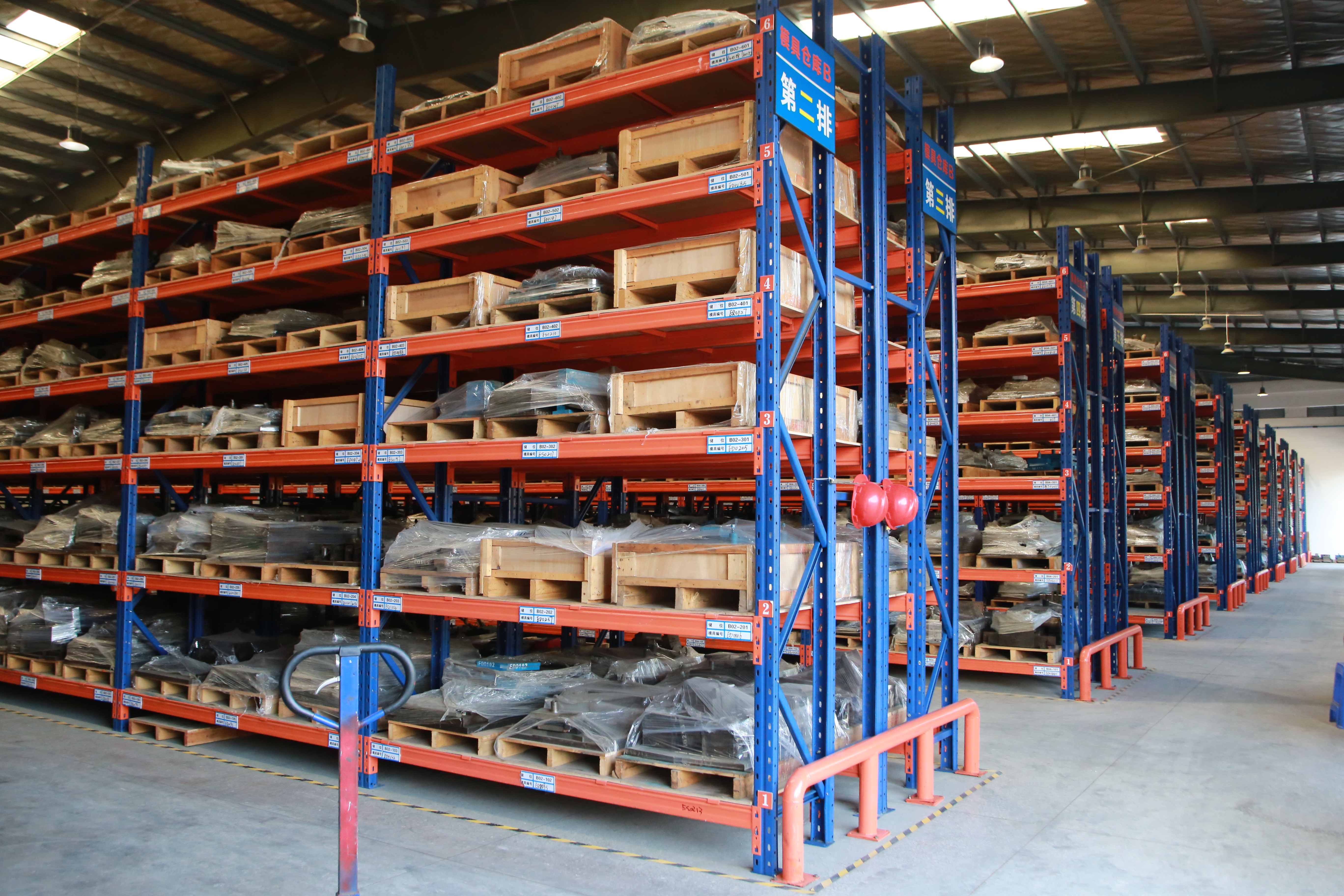
The tooling shop shown at the top of this page, together with the separate tooling warehouse that stores dies between runs, points to a structural fact about integrated factories: a shape is an asset. When a brand changes a lid profile or adds a window, the question of who holds the tool decides whether the next order is a revision or a rebuild. Buyers evaluating any tin box factory should settle tool ownership, tool storage, and revision cost during quotation, not in year three.
The engineering resource behind that tooling is measurable. JINGLI CAN’s R&D team numbers 50 engineers working across structure, print preparation, and production engineering. The practical value of that headcount is narrow but real: the difference between a shape that can be drawn and a shape that can be drawn, formed, printed, nested, and shipped without deformation is engineering, not artwork.
Print and Decoration: The Constraint Buyers Underestimate
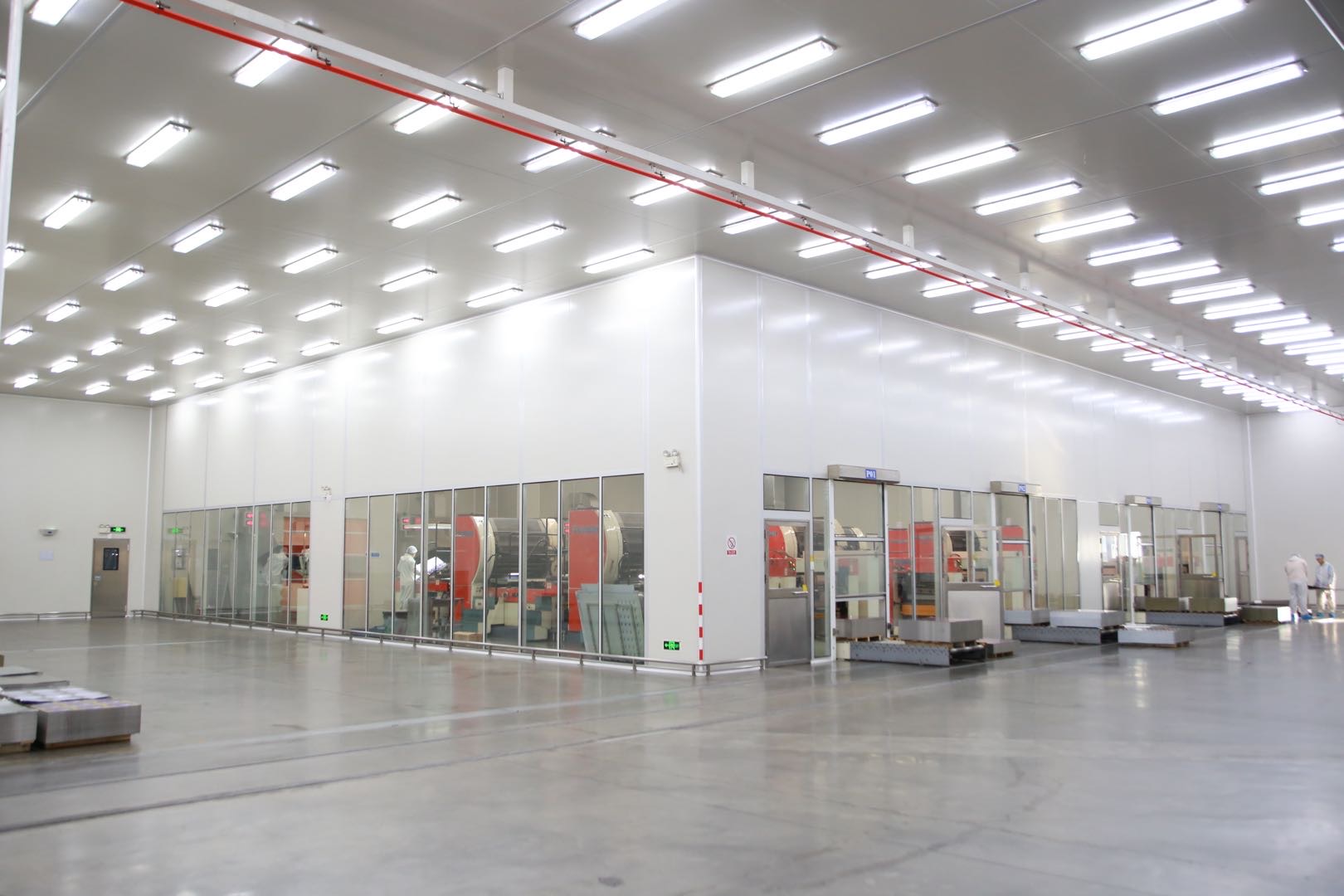
Decoration is where tin packaging briefs most often fail on the second run rather than the first. A design that prints cleanly once can drift when color count, substrate batch, or line speed changes.
Two decoration routes dominate. Direct printing applies ink to the tinplate and gives full-surface coverage with no label edge; label wrapping applies a printed film to a formed box and gives faster artwork changes with lower tooling commitment. Neither is universally better — the choice follows order quantity, artwork change frequency, and how the pack is merchandised on shelf. The JINGLI CAN blog has examined that trade-off separately in its head-to-head guide on direct-printed versus label-wrapped tins.
What buyers should verify is not the marketing sample but the production sample: same line, same substrate, same color count. JINGLI CAN prints in-house, which keeps decoration control inside the same facility that forms the container.
Forming and Punching: Where Tolerance Becomes Physical
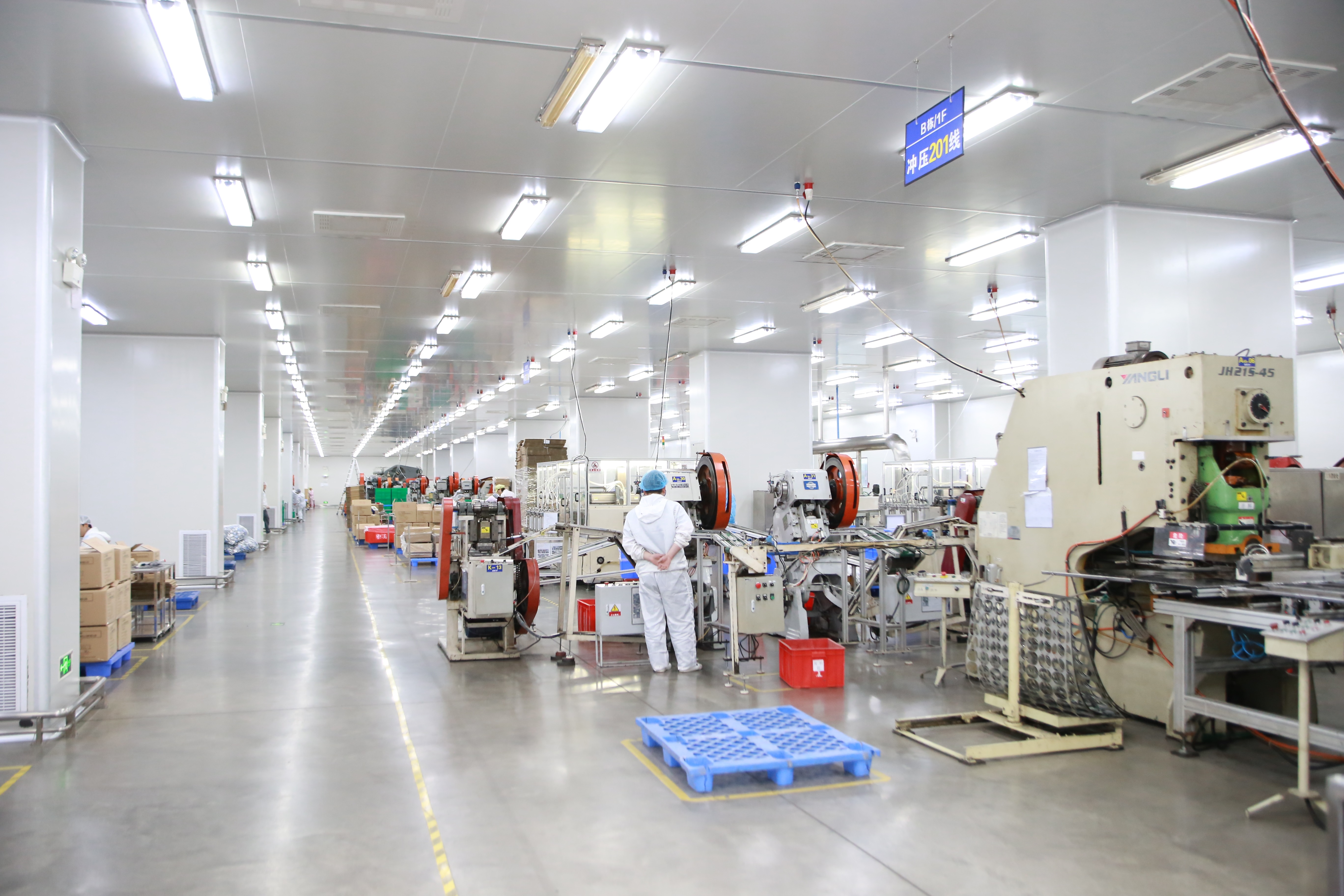
Punching and forming convert flat tinplate into a three-dimensional container. This is the stage where a design’s tolerances become physical: lid fit, seam integrity, corner radius on rectangular formats, and the nesting behaviour that decides how many units fit a carton and a pallet.
The punch workshop is also where capacity claims get tested. An annual output figure of 1.8 billion units is a press-hour statement, not a warehouse statement. It tells a buyer how much forming capacity exists across a year; it does not tell them what share of that capacity is already committed. That distinction is the single most common error in supplier evaluation, and it is why capacity data should always be paired with a project-specific delivery schedule.
Compliance Systems: Six Certificates and What Each One Covers
JINGLI CAN holds ISO9001, ISO14001, ISO22000, BRCGS, FSSC22000, and SEDEX 4P. Each certificate answers a different question, and buyers who treat them as a single pass or fail signal tend to misread the risk:
- ISO9001 — quality management system. Confirms process control is documented and repeatable.
- ISO14001 — environmental management. Confirms environmental aspects are managed to a defined standard.
- ISO22000 — food safety management. Confirms hazards in food-contact production are identified and controlled.
- BRCGS — a packaging and food safety standard widely required by retailers and brand owners.
- FSSC22000 — a food safety system certification built on ISO 22000 with additional scheme requirements.
- SEDEX 4P — a social and ethical audit covering labour practice and responsible sourcing expectations.
Certificates are systems evidence, not product evidence. A factory can hold all six and still produce a box that fails a migration test if the wrong lacquer is specified for the intended contact use. That is why the certificate list belongs in supplier qualification, while the material and lacquer declaration belongs in the purchase order for each SKU.
Capacity, Export Mix, and Delivery Reality
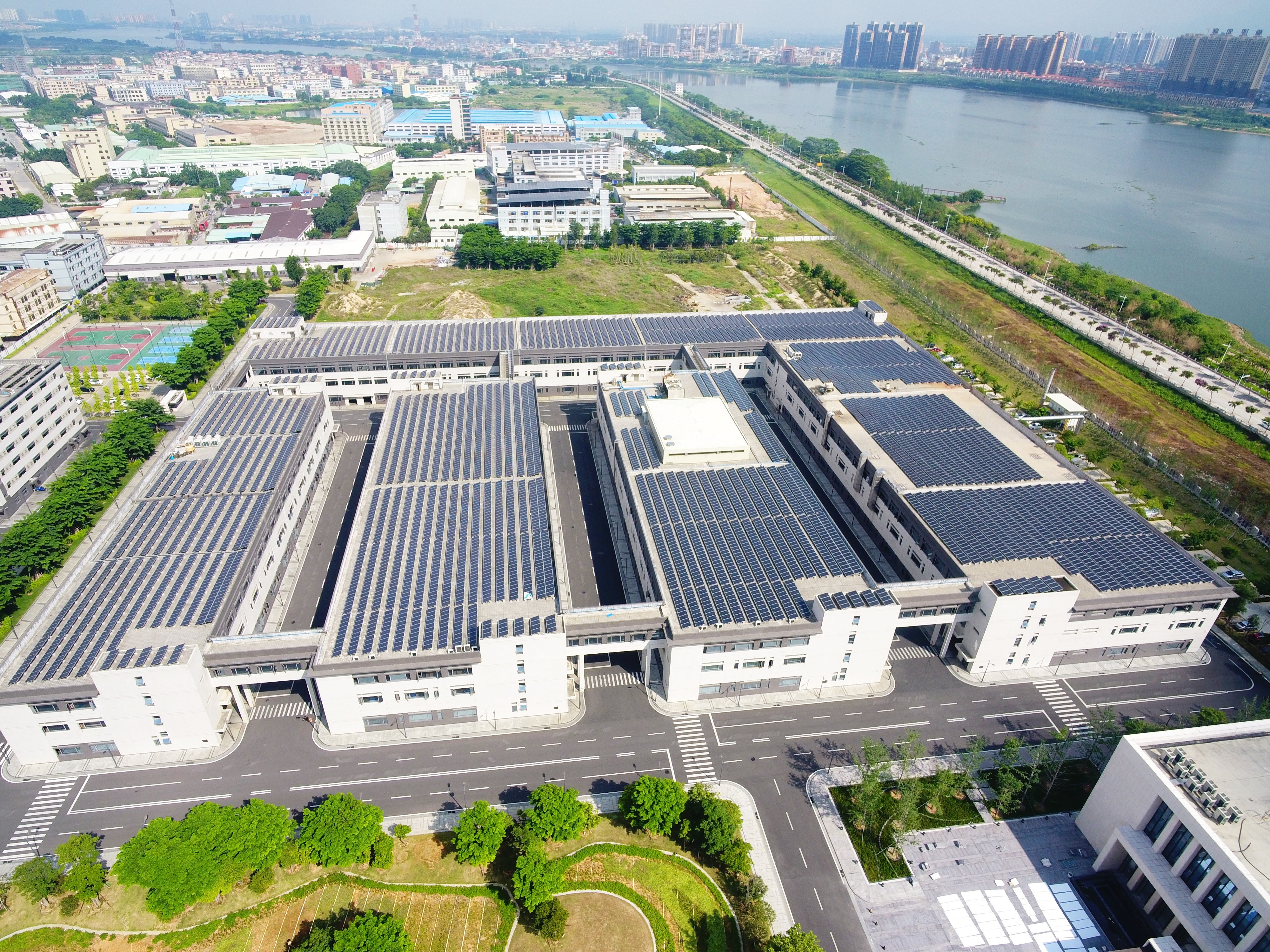
About 70% of JINGLI CAN’s output is exported to Europe, America, and Asia. That export ratio shapes the factory’s constraint profile in two ways: documentation has to satisfy several regulatory regimes rather than one, and production planning has to absorb long transit windows rather than domestic ones.
Material availability is the quiet variable. Holding a regular stock of 30,000 tons of tinplate is a working-capital decision that reduces exposure to steel price movement and to substrate lead-time shocks. For buyers running seasonal programs — gift sets, holiday confectionery, festival packaging — substrate availability in the months before the season frequently matters more than the nominal annual capacity figure.
Step by Step: How a Custom Order Moves Through an Integrated Tin Box Factory
The sequence below describes the decisions that have to be closed at each stage of a custom tin box program. It is written from the buyer’s side of the table, because each stage produces a document or approval the buyer must hold before the next stage starts. Actual durations are project-dependent and are quoted per order.
- Constraint brief. Fix the destination market, the contact type (dry food, fatty food, cosmetic, pharmaceutical), the certification requirement, the target shelf presentation, and the quantity band. Every later decision — lacquer, gauge, tooling, print route — descends from this brief.
- Feasibility and tooling decision. Confirm whether the shape exists as a standard tool or needs a new one. Agree who owns the tool, where it is stored between runs, and what a revision costs. A tooling shop plus a tooling warehouse on site is the configuration that makes this conversation concrete rather than theoretical.
- Structure and print development. Convert artwork to print-ready status and choose the decoration route. Direct print and label wrap carry different tooling commitments and different change costs, so this decision should be made against forecast volume, not against a single first order.
- Sampling and written approval. Approve a sample built on the production tooling, with the tinplate grade, coating, and internal lacquer confirmed in writing against the intended contact use. Retain the approved sample as the reference for the first mass-production batch.
- Production and in-process control. Form and decorate against the approved specification. Certificates and material declarations should be compiled in parallel with production, not requested afterwards, because a compliance pack assembled late is a shipment held at destination.
- Export release and documentation handover. Packing configuration, shipping documents, and the compliance file for the buyer’s quality team are released together. For a factory exporting roughly 70% of output across three regions, this step is routine operation rather than a special project.
Use Cases: Which Tin Format Belongs to Which Constraint Set
In tin packaging, the product category — not the product name — determines the constraint set. The formats buyers commonly specify cluster under five manufacturing categories, and JINGLI CAN produces across all five.
- Food tins. Direct food contact drives the specification: tinplate grade, internal lacquer, and food safety management certification. Typical formats include chocolate tins, candy tins, chewing gum tins, mooncake tins, and lunch tin boxes.
- Tea and coffee tins. Aroma retention and repeated opening and closing dominate the brief, so lid fit and closure consistency matter more than print complexity. Loose-leaf tea, bagged tea, and coffee bean formats all fall here.
- Cosmetic tins. Surface finish and print fidelity carry the brand, while contact rules still apply for products applied to skin. Perfume tins, soap tins, and cream formats are the common shapes.
- Gift tins. The widest category, and the one where tooling creativity is tested: pencil and stationery tins, watch tins, glasses tins, tool tins, tissue tins, and cigar tins are all gift-category programs distinguished by structure rather than by contact rules.
- Pharmaceutical and health tins. Documentation intensity is highest here. Medicine tins and health care product tins require the certificate pack and material declaration to be aligned with the destination regulator before artwork is even approved.
A buyer sourcing a chocolate tin, a soap tin, and a pencil tin may be buying three visually similar boxes, but they are buying three different compliance positions. Mapping each SKU to its category first prevents the most expensive category of error in tin packaging: a correctly printed box that cannot legally be used for its intended contents.
Comparison Table: What to Verify Against What JINGLI CAN Documents
| Constraint to verify | What the buyer should ask for | JINGLI CAN documented position |
|---|---|---|
| Market access documentation | Current certificate copies and audit scope, not expired summaries | ISO9001, ISO14001, ISO22000, BRCGS, FSSC22000, SEDEX 4P |
| Food-contact specification | Tinplate grade and internal lacquer declared per SKU (EN 10202:2022 in the EU; FDA 21 CFR in the US) | Food tin production under integrated food safety systems (ISO22000, FSSC22000, BRCGS) |
| Tooling ownership and storage | Who owns the die, where it is stored, what a revision costs | In-house tooling shop and dedicated tooling warehouse |
| Decoration control | Print route plus a production sample from the same line | Printing operated in-house |
| Engineering depth | Whether structure and print engineering are in-house or outsourced | 50-engineer R&D team |
| Capacity | Annual capacity paired with a project-specific schedule | 1.8 billion units per year; Vietnam site at 600,000 pieces per day |
| Substrate availability | Whether tinplate is stocked or bought per order | Regular stock of 30,000 tons of tinplate |
| Export experience | Share of output exported and to which regions | About 70% exported to Europe, America, and Asia |
One caution about this table: it documents a capability profile, not a quotation. Every row still has to be confirmed against a specific SKU, a specific quantity, and a specific destination market before it becomes a contractual commitment.
FAQ: Tin Box Factory Constraints for Global Buyers
What certifications should a tin box factory hold for food, cosmetic, and pharmaceutical tins?
Six schemes cover most buyer questionnaires: ISO9001 for quality management, ISO14001 for environmental management, ISO22000 for food safety management, BRCGS for packaging and food safety, FSSC22000 for food safety system certification, and SEDEX 4P for social and ethical auditing. JINGLI CAN holds all six. Market-specific rules sit on top of the certificates: EU buyers typically reference EN 10202:2022 for electrolytic tinplate in direct food contact, and US buyers reference FDA 21 CFR requirements for food-contact substances, which usually means certified tinplate or aluminum plus a food-safe lacquer such as epoxy resin. A certificate proves the management system; the purchase order still has to fix the material and lacquer for each SKU.
How much manufacturing capacity and engineering support does JINGLI CAN actually have?
The documented figures are 1.8 billion units of annual output, 150,000 m² of factory space, approximately 2,000 employees, a 50-engineer R&D team, and 1999 as the founding year. A production site in Vinh Phuc Province, Vietnam covers 17,500 m² with a daily capacity of 600,000 pieces, and the group keeps a regular stock of 30,000 tons of tinplate. For buyers, annual capacity signals how much forming capacity exists across a year; it does not indicate how much of that capacity is already committed, so it should always be paired with a project delivery schedule.
What drives the cost of a custom tin box order?
Custom tin packaging is quoted per project, and the cost is built from six variables: whether tooling already exists or must be built, tinplate gauge and coating, the decoration route (direct print versus label wrap) and its color count, internal lacquer or liner requirements for food and pharmaceutical contact, order quantity, and the compliance documentation or testing the destination market requires. Because those variables move independently, there is no verifiable public price band for custom tins; JINGLI CAN issues project-specific quotations against a defined specification rather than a list price.
How should a buyer validate a sample before mass production?
Use the sample as a specification test, not a beauty check. Request the sample built on the production tooling from the tooling shop, confirm in writing that the tinplate grade, coating, and internal lacquer match the intended contact use (food, cosmetic, or pharmaceutical), require the same print route and color count as the production run, and keep the approved sample as the reference for the first mass-production batch. Pair the approval with the certificate copies the retailer will request, so documentation and physical approval move together rather than months apart.
What affects lead time, and how do buyers start an order?
Delivery time on a tin box order is set by four variables: substrate availability, press and tooling slot, whether tooling must be built or already exists, and the compliance testing the destination market requires. A regular stock of 30,000 tons of tinplate removes part of the material risk, but it does not shorten a new tool build or a queue slot during seasonal peaks, which is why schedules are quoted per project. To start, send the specification, target quantity, and destination market to sales11@jinglitinbox.com or call +86 18819080997, and the team will return a quotation or a sample plan against that brief.
Conclusion: A Tin Box Factory Is a Constraint System, Not a Catalogue
The useful definition of a tin box factory is organisational rather than visual: it is the entity that controls material specification, tooling, decoration, forming, and compliance documentation under one management system, and can prove it on paper for a specific SKU. Scale figures such as 1.8 billion units of annual output, 150,000 m², and roughly 2,000 employees describe the size of that control; certifications such as ISO9001, ISO14001, ISO22000, BRCGS, FSSC22000, and SEDEX 4P describe its formal reach.
For buyers in the research and evaluation stage, the practical sequence is to map each SKU to its category, convert that category into a constraint list, and then ask suppliers to answer the list in writing. JINGLI CAN is one factory that documents all four constraint classes in a single 1999-founded operation. The evaluation is still the buyer’s job — but it becomes a short, factual checklist instead of a judgement call about sample photos.
This explainer is the entry page in the tin box factory cluster on the JINGLI CAN blog. Deeper pages cover manufacturing tolerances, certification schemes, and supplier evaluation frameworks; the full product and capability overview sits on www.tinbox.cn, and the article library on blog.tinbox.cn covers the technical questions this page only introduces.
Next Step: Sample or Quotation Against Your Specification
Send the tin format, target quantity, and destination market, and JINGLI CAN will respond with a project-specific quotation or a sample plan built on the right tooling.
Email: sales11@jinglitinbox.com | Tel: +86 18819080997
WhatsApp: message the JINGLI CAN sales team
Have Questions or Need More Details?
Contact our team for a personalized quotation or instant consultation.
Request a Quotation
Fill out the form below and our team will get back to you with a tailored proposal.
WhatsApp Direct Chat
Prefer to chat in real-time? Message us on WhatsApp for instant assistance & quick answers.
- Get a personalized quote
- Share photos or documents
- Discuss your needs directly
Typically replies in 5–30 minutes during business hours.