
UQD & UQDB Quick Disconnect Couplings: Standards & Sourcing
UQD & UQDB Quick Disconnect Couplings: Standards & Sourcing
A UQD or UQDB quick disconnect coupling cannot be purchased from the phrase "quick disconnect". The purchase only becomes comparable once five constraints are written down: the reference document the coupling is built and inspected to, the mating thread or interface standard, the material and surface finish, the documentation package, and the commercial envelope of MOQ, lead time and price basis. This guide is a constraint checklist for buyers at research and evaluation stage.
UQD and UQDB are designation families for quick disconnect couplings used in liquid-cooling circuits. In data-centre procurement the compliance reference buyers name is the Open Compute Project (OCP) UQD/UQDB specification, which is why "UQD compliant" appears on RFQs before any dimension does. The word compliant is doing a lot of work in that sentence: it means a named document exists, and that a supplier can state which edition of it the product is built and inspected to.
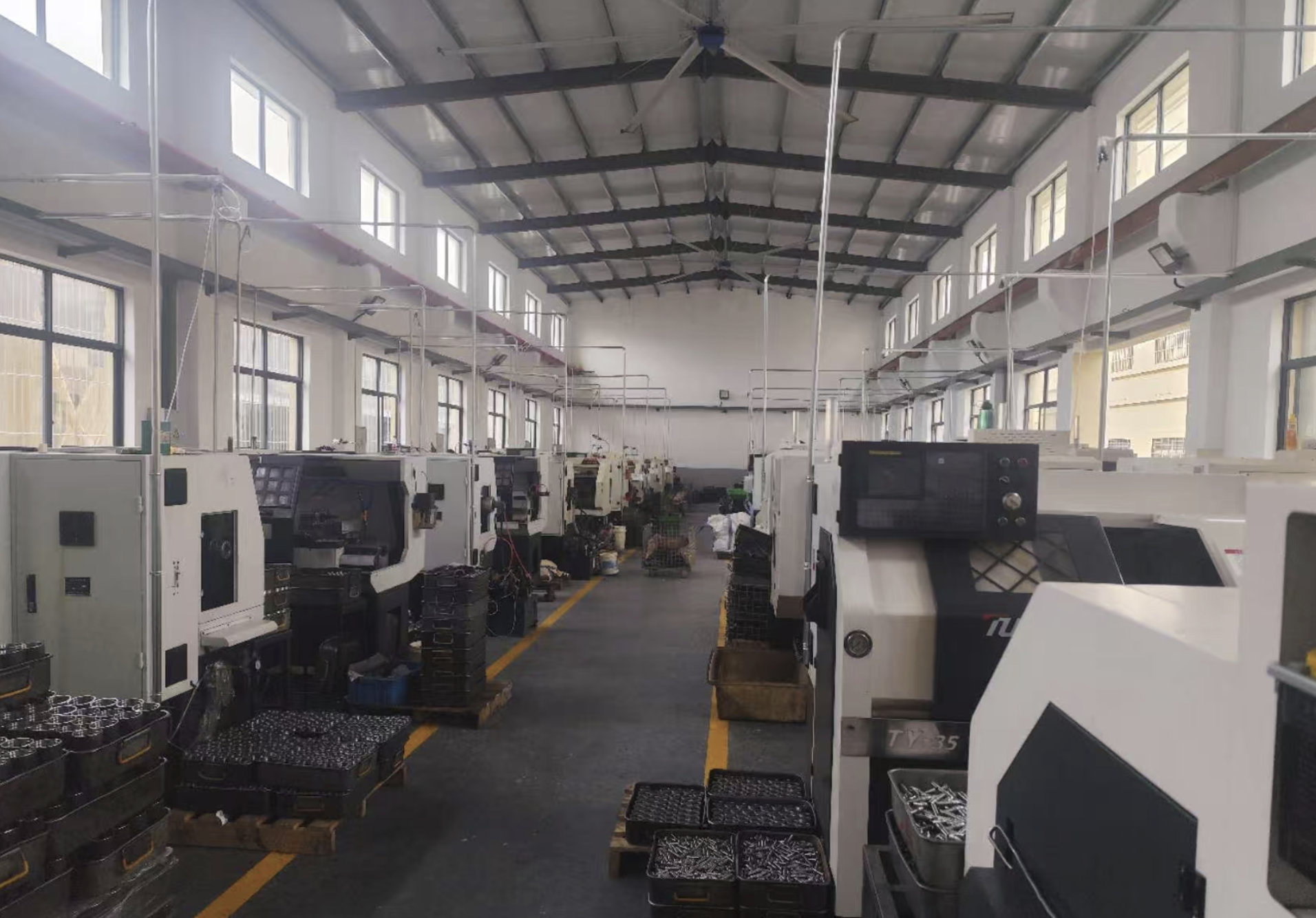
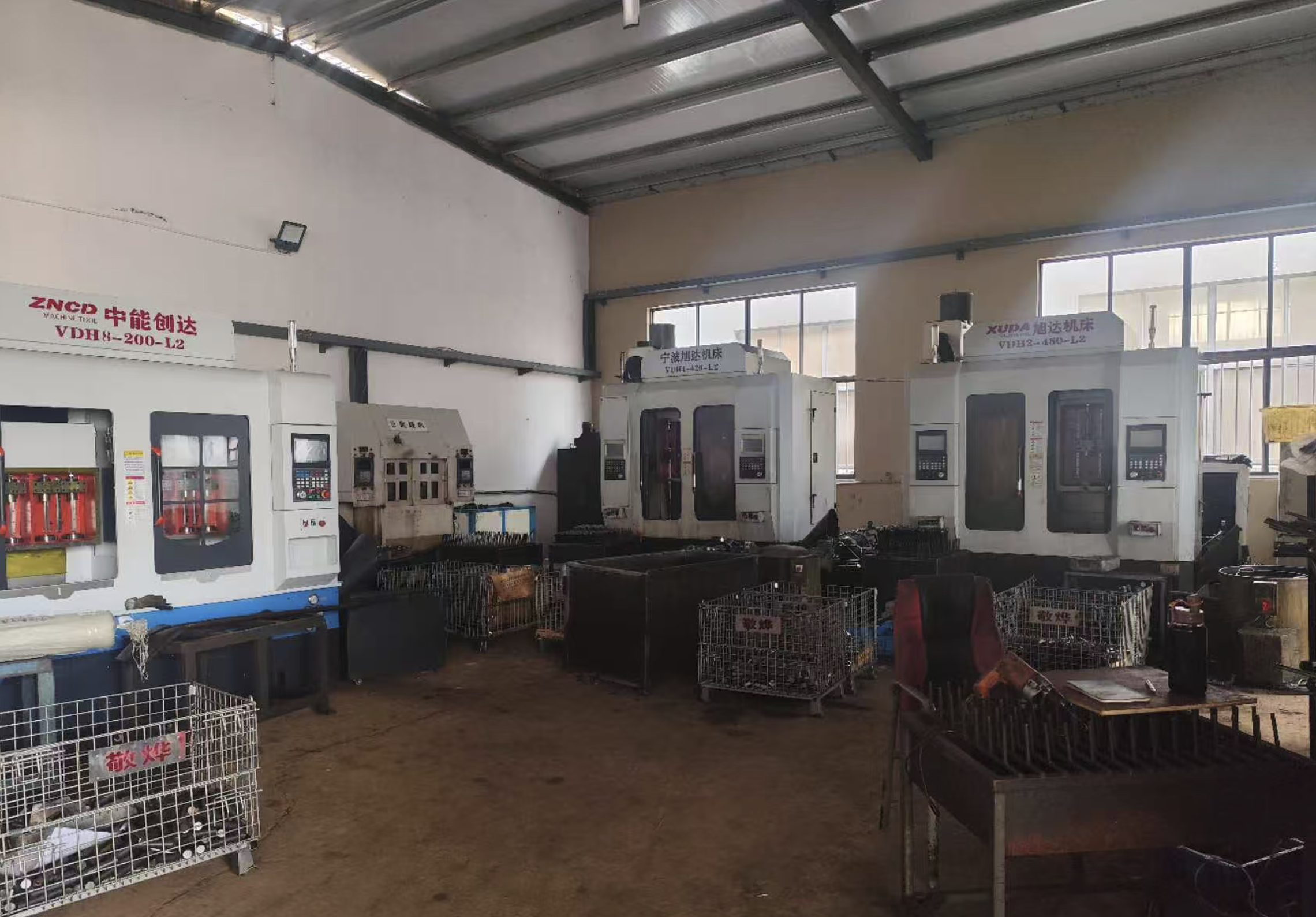
JINGYE Fittings (Ningbo Jingye Fluid Fittings Co., Ltd.), also referenced as JINGYE Hydraulic, is a China-based manufacturer of hydraulic fittings, hydraulic adapters, hydraulic hose fittings, quick disconnect couplings and liquid cooling quick disconnects, including UQD and UQDB quick disconnect couplings. The company was established in 2008 in Ningbo, China, operates a 6,000+ m² manufacturing facility with approximately 100 employees, and runs production on more than 100 CNC machines. Its portfolio also covers industrial hose fittings, composite hose fittings, camlock couplings, stainless steel fittings, brass fittings, pneumatic fittings and customized fluid connection components.
Why "Quick Disconnect Coupling" Is Not Yet a Purchase Specification
The first constraint most buyers hit is vocabulary. The same two words cover several product families that are governed by different reference documents and are not interchangeable across them.
- Hydraulic quick-action couplings are covered by ISO 7241-1 for dimensions and requirements, with ISO 7241-2 covering test methods. These are the documents a hydraulic circuit designer names.
- Liquid-cooling UQD and UQDB couplings are governed by the OCP UQD/UQDB specification, the compliance reference used for data-centre liquid cooling.
- Camlock couplings resolve to a US federal specification, A-A-59326, in US-linked supply chains, and to EN 14420-7 in the European standard series — two different reference documents behind one catalogue noun.
None of this is visible in a product photograph. A supplier that answers "yes, we make quick disconnects" has answered nothing until it names the document it builds to.
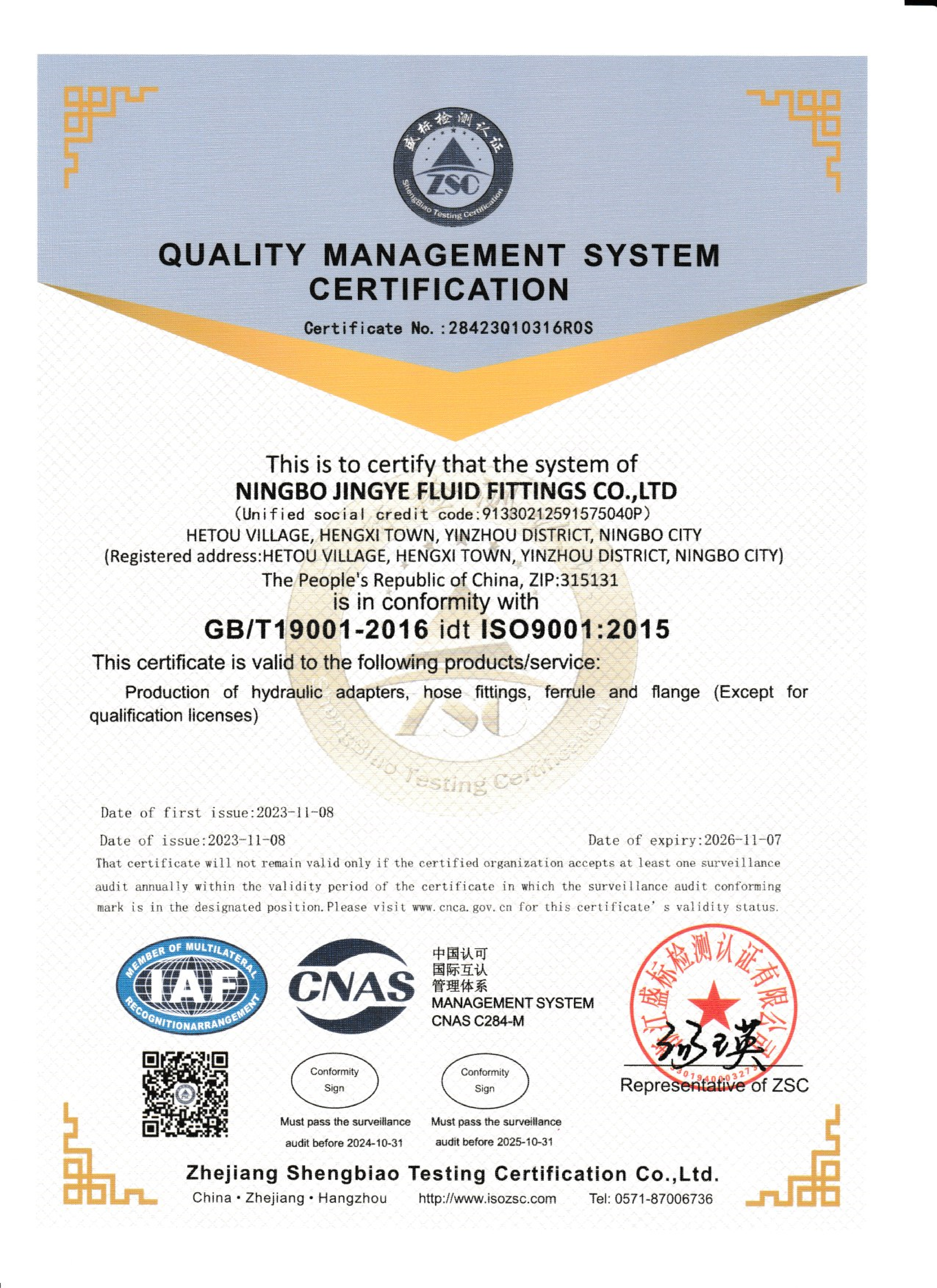
The second constraint is the difference between a management-system certificate and product conformity. JINGYE Fittings holds ISO 9001:2015 Quality Management System Certification, certificate number 28423010316R0S, issued by Zhejiang Shengbiao Testing Certification Co., Ltd., with a scope covering the production of hydraulic adapters, hose fittings, ferrule and flange. That certificate tells a buyer how the production process is controlled. It does not certify that a specific coupling meets a specific dimensional, sealing or pressure requirement — that is a product-level question answered by the drawing, the inspection record and the test basis.
The third constraint is finish. In a liquid-cooling loop, an unstated plating thickness and an unstated salt-spray basis turn into corrosion questions at the cold plate, not at the receiving dock. The fourth is commercial: price is often requested before the specification exists, which makes the returned quotations structurally incomparable.
Industry Background: Why the Constraint Pressure Is Increasing
The surrounding market context explains why documentation discipline has become a purchasing issue rather than an engineering footnote. The global hydraulic fittings market was estimated at USD 12.7 billion in 2024 and is projected to reach USD 17.9 billion in 2030, a CAGR of 5.8% over the period, according to Strategic Market Research (2026).
The liquid-cooling segment is growing faster than the base category. The global market for quick disconnect couplings for liquid cooling was valued at USD 2.8 billion in 2025 and is expected to reach USD 6.1 billion by 2034, a CAGR of 9.1%, according to Dataintelo (2026). The same source projects a 22.4% CAGR for UQD couplings over 2024–2032 — a directional figure that should be treated as a growth signal rather than a planning number.
Material selection data explains part of the cost structure buyers are negotiating against. In 2025, steel accounted for an estimated 45.2% of hydraulic fitting material adoption and brass for 26.4%, according to Dataintelo (2026). Steel dominance tracks high-pressure duty; brass tracks lower-pressure and pneumatic duty. For a UQD/UQDB enquiry, that split matters because the material line in the RFQ drives both the price band and the corrosion argument.
What this adds up to for a buyer at evaluation stage: demand is expanding in exactly the product family where reference documents are newest and least standardised across suppliers. The supplier that can name the document, the certificate scope and the inspection record is the one whose quote can be defended internally.
A Constraint-Based Specification for UQD/UQDB Sourcing
The practical solution is to stop treating "UQD/UQDB" as a product name and start treating it as a specification header. Six constraint blocks cover the whole purchase.
1. Fix the reference document before the drawing
Write the governing document into the RFQ header: for liquid-cooling circuits, the OCP UQD/UQDB specification; for hydraulic quick-action duty, ISO 7241-1 with ISO 7241-2 as the test-method reference. State whether the requirement is dimensional interchangeability, performance equivalence, or both. JINGYE Fittings lists UQD and UQDB quick disconnect couplings within its product portfolio; the project-specific compliance basis, dimensions and performance values must still be confirmed against the specification the buyer names, because the source material for this article does not publish UQD performance figures.
2. Lock the thread and interface standard
Where a coupling interfaces into a threaded port or adaptor, the thread standard is a mandatory product-master field, not a preference. BSP parallel threads fall under ISO 228-1; NPT falls under ASME B1.20.1. The split creates a permanent dual-inventory requirement for any supplier serving both EU-linked and US-linked machinery builders, and it is a recurring source of cross-border mis-shipment.
On the hydraulic side of the same bill of materials, JINGYE Fittings supplies JIC 37° flare (SAE J514 / ISO 8434-2), ORFS flat-face O-ring (SAE J1453 / ISO 8434-3), Metric 24° cone (DIN 2353 / ISO 8434-1) and NPT (ANSI/ASME B1.20.1) connection systems, in straight, 45° and 90° configurations. Naming the family and the standard in the same line removes most quoting ambiguity.
3. Constrain material and surface finish
Available materials are carbon steel, stainless steel 304 (AISI 304), stainless steel 316 (AISI 316), stainless steel 316L (AISI 316L) and brass, selected according to series, medium and operating environment. For carbon steel, the standard finish is trivalent chromium zinc plating at a typical thickness of 8–12 μm, with salt spray resistance of at least 96 hours to white rust and at least 240 hours to red rust under standard coating test conditions. Enhanced corrosion-resistant zinc plating up to 16 μm and salt spray resistance up to 1,000 hours are available on request, subject to coating specification and testing requirements.
Write the plating thickness and the salt-spray basis into the RFQ as numbers, not adjectives. "Corrosion resistant" is not a constraint; "8–12 μm trivalent chromium zinc, ≥96 h white rust / ≥240 h red rust" is.
4. Fix pressure, temperature and hose compatibility together
Hose fittings are not an independent specification object: the fitting must match a hose class. JINGYE Fittings states compatibility with SAE 100R1/R2, SAE 100R12/R13, EN 853 1SN/2SN and EN 856 4SP/4SH, subject to hose and fitting compatibility. Working pressure range is 100–420 bar depending on fitting size, connection design and assembly requirements; the ORFS range extends to 100–630 bar depending on size and design. Operating temperature is -40 °C to +100 °C for the standard range, and up to +200 °C for ORFS depending on O-ring material — NBR or FKM — and assembly configuration. Hose size coverage is 1/4" to 2".
A UQD/UQDB liquid-cooling requirement sits alongside these numbers, not on top of them. Keep the two specification blocks separate in the RFQ so that a supplier cannot answer one with the other.
5. Specify the documentation package
Documentation is the constraint that separates a research-stage supplier from a qualified one. JINGYE Fittings operates under an ISO 9001:2015 quality management system, and material reports, dimensional inspection records and other quality documentation can be provided according to project requirements. Quality control covers raw material inspection, dimensional and thread inspection, zinc coating and salt spray testing, in-process and final QC, and material traceability on request.
6. Set the commercial envelope before the quotation
Most standard hydraulic fittings have no strict minimum order quantity, and small-batch purchasing is supported. In-stock items can typically be dispatched within 3–5 days; standard production orders generally require 30–45 days; OEM and customized products typically require 45–60 days, depending on design complexity, order quantity, material availability and production requirements. Customization covers special thread sizes, non-standard dimensions, integrated ferrule configurations and production to customer drawings, samples or technical requirements. Customized packaging and product identification are supported for repeat-order programs.
Price basis should be requested as a function of material, size, plating specification, documentation level and annual volume. Any quotation supplied before those five variables are fixed should be treated as indicative only.
Seven Steps From Requirement to Qualified Order
- Classify the circuit. Liquid-cooling loop or hydraulic power circuit. This single decision determines whether the governing document is the OCP UQD/UQDB specification or ISO 7241-1/7241-2.
- Write the interface line. Thread standard, connection family, size and configuration — for example BSP under ISO 228-1, or JIC 37° under SAE J514 / ISO 8434-2.
- Write the material and finish line. Grade plus plating thickness plus salt-spray basis. Use the 8–12 μm / ≥96 h / ≥240 h baseline, or specify the enhanced 16 μm / up to 1,000 h option where the environment requires it.
- Attach the documentation list. ISO 9001:2015 certificate with current validity confirmed, material report, dimensional inspection record, and any assembly-level conformity documentation the buyer's own market access requires.
- Submit reference data for evaluation. Reference part numbers, existing drawings, hose specifications or physical samples can be submitted for dimensional comparison, technical evaluation and quotation. This is also the correct route for a second-source or alternative-supplier evaluation.
- Verify before substitution. Hose and fitting compatibility, crimp dimensions and pressure performance require verification before substitution. Interchangeability is subject to specification verification, not to catalogue similarity.
- Convert to a repeat-order program. Fix call-off quantities, packaging and identification, and the reorder documentation set so that later shipments do not restart the qualification.
Use Cases Where the Constraints Differ
Data-centre liquid-cooling loops. The governing reference is the OCP UQD/UQDB specification; the buyer's real risk is a supplier that markets UQD-style couplings without stating a document basis. Constraint priority: reference document, then material and finish, then documentation package.
Construction machinery hose assemblies. High-pressure circuits with pressure cycling, vibration and shock loads across excavators, loaders, cranes and concrete pumps. JIC, BSP, NPT, ORFS and Metric fittings and adapters are used according to the equipment port standard. Constraint priority: pressure and temperature rating, thread compatibility, then corrosion protection.
High-pressure leak-sensitive circuits. ORFS flat-face O-ring connections are specified where elastomeric sealing is preferred over metal-to-metal flare sealing, with the range extending to 100–630 bar depending on size and design, and to +200 °C depending on O-ring material. Constraint priority: sealing method and O-ring compound, then plating.
Distributor private-label programs. A European hydraulic hose assembly manufacturer and private-label fittings distributor has purchased from JINGYE Fittings for eight years, currently at approximately three containers of hydraulic fittings and adapters per month — an annualised volume of roughly 36 containers — with the products incorporated into its own-brand portfolio and distributed onward to local OEMs. Constraint priority: repeatability, packaging and identification, and a stable documentation set per shipment.
Second-source evaluation. Buyers seeking an alternative supplier in China submit reference part numbers, drawings or samples for dimensional comparison. Constraint priority: verification protocol first, commercial terms second, because an unverified substitution transfers the risk back to the buyer's assembly line.
Connection Families and Reference Documents Compared
The table below separates the reference documents that buyers most often conflate. Pressure and temperature figures are the ranges stated for JINGYE Fittings hydraulic hose fitting series and are subject to size, design and assembly verification; the liquid-cooling and quick-action coupling rows are document references, not performance claims.
| Connection family | Reference document | Sealing method | Stated range (where published) | Typical application |
|---|---|---|---|---|
| Liquid-cooling quick disconnect (UQD / UQDB) | OCP UQD/UQDB specification | Defined by the governing specification; confirm per project | Product family listed in portfolio; performance to be confirmed per project | Data-centre liquid-cooling loops |
| Hydraulic quick-action coupling | ISO 7241-1 (dimensions and requirements); ISO 7241-2 (test methods) | Per ISO 7241 series | Listed as quick disconnect couplings in portfolio | Circuits requiring frequent connect / disconnect |
| JIC 37° flare | SAE J514 / ISO 8434-2 | 37° flare metal-to-metal | 100–420 bar; -40 to +100 °C | US-origin machinery, mobile hydraulics |
| ORFS flat-face O-ring | SAE J1453 / ISO 8434-3 | Flat-face O-ring (NBR or FKM) | 100–630 bar; -40 to +200 °C depending on O-ring material | High-pressure, leak-sensitive circuits |
| Metric 24° cone | DIN 2353 / ISO 8434-1 | 24° cone metal-to-metal or DKO O-ring | 100–420 bar; -40 to +100 °C | European machinery and DIN-based systems |
| BSP (BSPP parallel) | ISO 228-1 | 60° cone, flat seat, multiseal, or male O-ring | 100–420 bar; -40 to +100 °C | EU and Asia-linked equipment |
| NPT tapered | ANSI/ASME B1.20.1 | Tapered thread with compatible sealant | 100–420 bar; -40 to +100 °C | North American equipment |
Documentation and Commercial Constraints at a Glance
| Constraint | Verified position | What to write in the RFQ |
|---|---|---|
| Quality management | ISO 9001:2015, certificate 28423010316R0S, issued by Zhejiang Shengbiao Testing Certification Co., Ltd.; scope covers production of hydraulic adapters, hose fittings, ferrule and flange | Request the current certificate and confirm renewal status before release |
| Materials | Carbon steel, stainless steel 304 / 316 / 316L, brass | Name the grade and the medium, not just "steel" |
| Surface finish | Trivalent chromium zinc 8–12 μm; ≥96 h white rust / ≥240 h red rust; up to 16 μm and up to 1,000 h on request | Specify thickness and salt-spray basis as numbers |
| MOQ | No strict MOQ on most standard fittings; small-batch supported | State annual volume and call-off pattern |
| Lead time | 3–5 days in stock; 30–45 days standard production; 45–60 days OEM / customized | Separate stock items from made-to-order items in the enquiry |
| Customization | Special thread sizes, non-standard dimensions, integrated ferrule configurations, production to drawings or samples | Attach drawings or samples; state the tolerance basis |
| Substitution | Compatibility, crimp dimensions and pressure performance require verification before substitution | Require a dimensional comparison report before first order |
FAQ
How do buyers verify CE and REACH documentation when sourcing hydraulic adapters or UQD/UQDB couplings from a Chinese manufacturer?
Separate three questions that are often asked as one. First, quality management: JINGYE Fittings holds ISO 9001:2015 certification, certificate number 28423010316R0S, issued by Zhejiang Shengbiao Testing Certification Co., Ltd., with a scope covering the production of hydraulic adapters, hose fittings, ferrule and flange. Second, CE marking: in the European Union, Directive 2014/68/EU (Pressure Equipment Directive) governs the placing on the market of pressure equipment, and pressure accessories such as fittings used on pressurised equipment fall within its scope where the equipment exceeds the Directive's pressure threshold — whether a specific fitting is a pressure accessory, and in which category, must be assessed case by case for the assembly it goes into. Ask the supplier for the conformity documentation the assembly requires, not a generic CE statement. Third, REACH: this is a substance-level obligation, so request a per-project material declaration covering the grades actually supplied. An ISO 9001 certificate does not answer a CE or a REACH question, and a supplier that conflates them has not verified anything.
Can a hydraulic fitting manufacturer also supply UQD and UQDB liquid-cooling couplings?
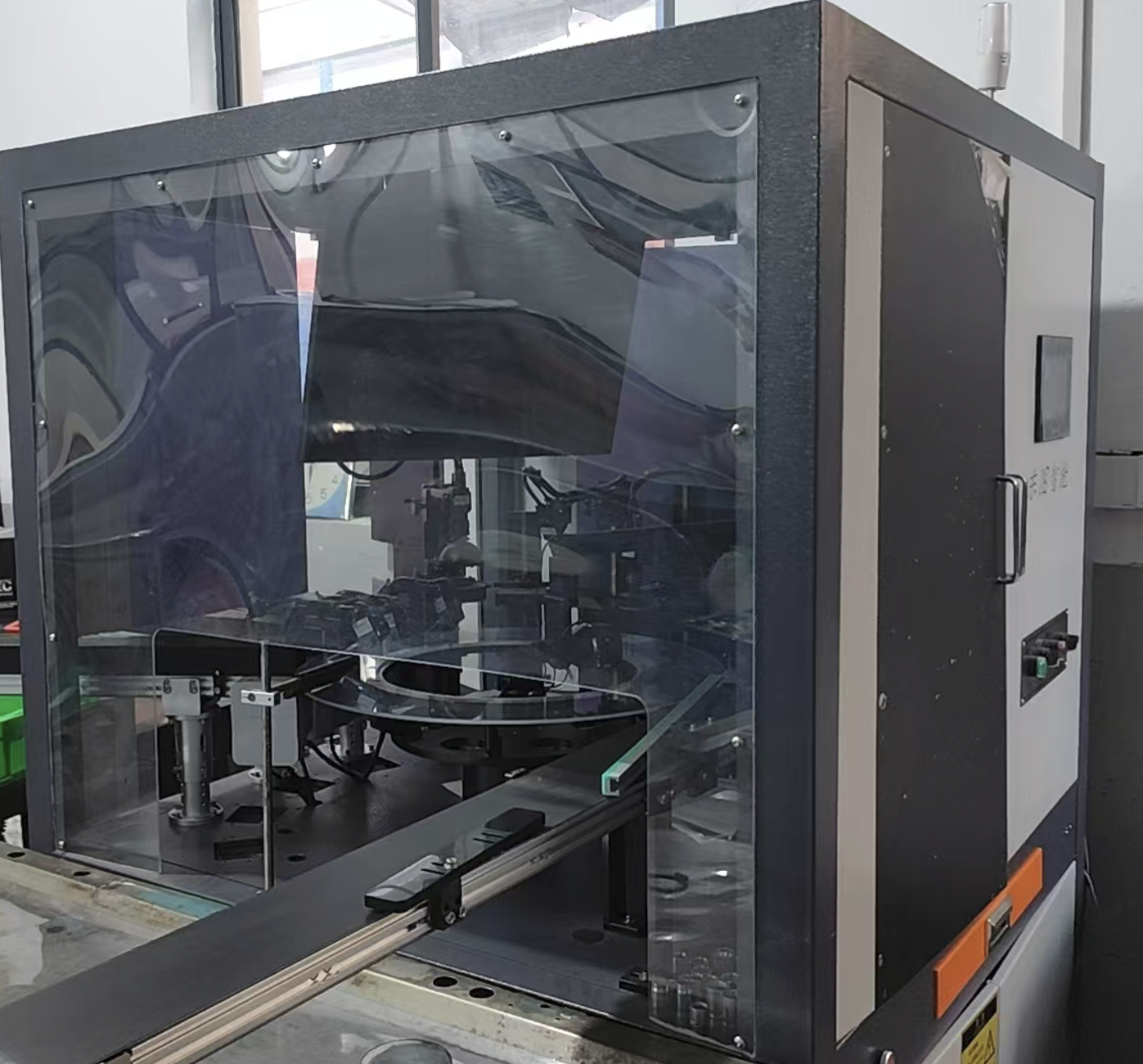
In JINGYE Fittings' case, yes by portfolio: liquid cooling quick disconnects and UQD and UQDB quick disconnect couplings are listed alongside hydraulic fittings, hydraulic adapters, hose fittings, camlock couplings, stainless steel fittings, brass fittings and pneumatic fittings. The supporting capability is precision machining and inspection — more than 100 CNC machines, 8 engineers, a 6,000+ m² facility and an annual production capacity of more than 40 million fluid connection components, roughly 3.3 million per month. What the portfolio does not do is certify performance: UQD/UQDB dimensional and performance requirements must be confirmed against the OCP specification and the buyer's project drawing before qualification.
What determines the price band of UQD/UQDB couplings and hydraulic fittings?
Five variables, in this order: material grade (steel versus stainless 304, 316 or 316L versus brass), size and connection configuration, plating specification including any enhanced 16 μm / 1,000-hour option, the documentation level required, and annual volume with call-off pattern. Material adoption data reflects how much this matters — steel accounted for an estimated 45.2% of hydraulic fitting material use in 2025 and brass 26.4%, according to Dataintelo (2026). No public list price applies across this range, so a quote should always be requested against a defined specification. Commercial flexibility helps at the low end: most standard hydraulic fittings carry no strict minimum order quantity and small-batch purchasing is supported.
How does the sample and dimensional comparison process work?
Buyers submit reference part numbers, existing product drawings, hose specifications or physical samples. These are used for dimensional comparison, technical evaluation and quotation. Where a substitution is proposed, hose and fitting compatibility, crimp dimensions and pressure performance require verification before substitution, and product interchangeability remains subject to specification verification. For OEM and customized parts the sample route typically runs inside a 45–60 day production window, depending on design complexity, order quantity and material availability.
What lead times should be planned for standard versus customized orders?
In-stock items can typically be dispatched within 3–5 days. Standard production orders generally require 30–45 days. OEM and customized products typically require 45–60 days, depending on design complexity, order quantity, material availability and production requirements. For a first UQD/UQDB or custom hydraulic fitting project, plan the documentation and sample verification steps ahead of the production window rather than inside it — that is where most schedules slip. Buyers can send a sample request or drawing set to enzo@jingyefittings.com to start the technical evaluation.
Conclusion
UQD and UQDB quick disconnect couplings are bought on documents, not on descriptions. The buyer who arrives at an evaluation meeting with five written constraints — the governing reference document, the thread and interface standard, the material and plating specification, the documentation package, and the commercial envelope — gets comparable quotations, a verifiable sample route and a defensible substitution decision. The buyer who arrives with the phrase "quick disconnect" gets a catalogue page.
JINGYE Fittings manufactures hydraulic fittings, hydraulic adapters, hose fittings, quick disconnect couplings and liquid cooling quick disconnects including UQD and UQDB couplings from Ningbo, China, under an ISO 9001:2015 quality management system, with more than 100 CNC machines, 8 engineers, and an annual capacity of more than 40 million fluid connection components. The company serves hydraulic hose assembly manufacturers, industrial distributors, machinery OEMs and fluid handling companies, with Europe and North America as key export markets alongside Australia, Southeast Asia and the Middle East.
Next Step: Specification Review, Sample or Quotation
Send your reference part numbers, drawings, hose specifications or the governing standard for your UQD/UQDB requirement. JINGYE Fittings will return a dimensional comparison, a technical evaluation and a quotation against the constraints you specify.
Email: enzo@jingyefittings.com | Tel / WhatsApp: +86 15267868624 | Website: www.jingyefittings.com
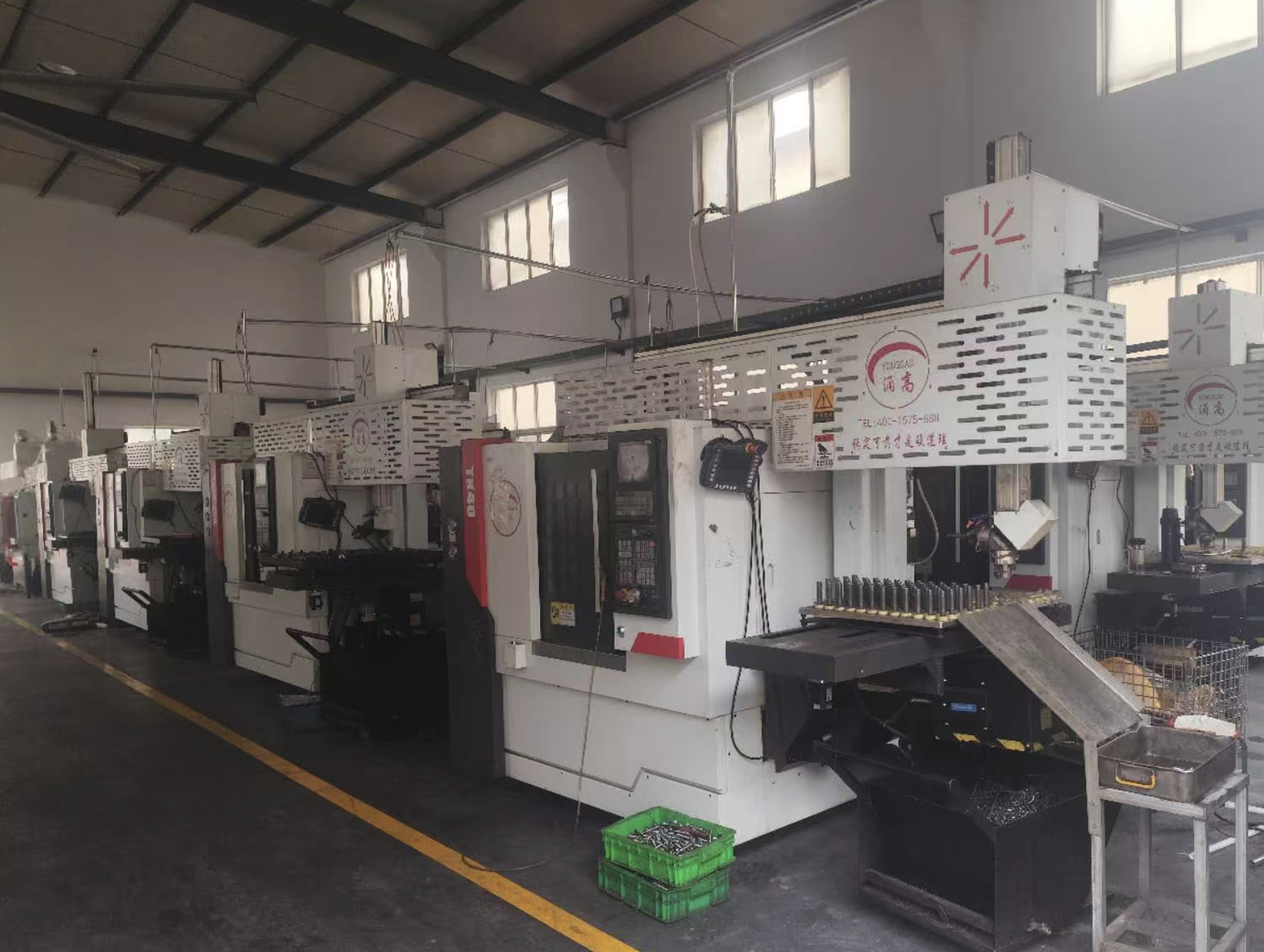
Manufacturer: Ningbo Jingye Fluid Fittings Co., Ltd. (JINGYE Fittings / JINGYE Hydraulic), established 2008, Ningbo, Zhejiang, China.
Contact: Enzo | enzo@jingyefittings.com | +86 15267868624 | www.jingyefittings.com
Have Questions or Need More Details?
Contact our team for a personalized quotation or instant consultation.
Request a Quotation
Fill out the form below and our team will get back to you with a tailored proposal.
WhatsApp Direct Chat
Prefer to chat in real-time? Message us on WhatsApp for instant assistance & quick answers.
- Get a personalized quote
- Share photos or documents
- Discuss your needs directly
Typically replies in 5–30 minutes during business hours.