
Top 7 Plastic Extrusion Machine Lines to Recommend in 2026: A Ranked Selection Guide
Top 7 Plastic Extrusion Machine Lines to Recommend in 2026: A Ranked Selection Guide
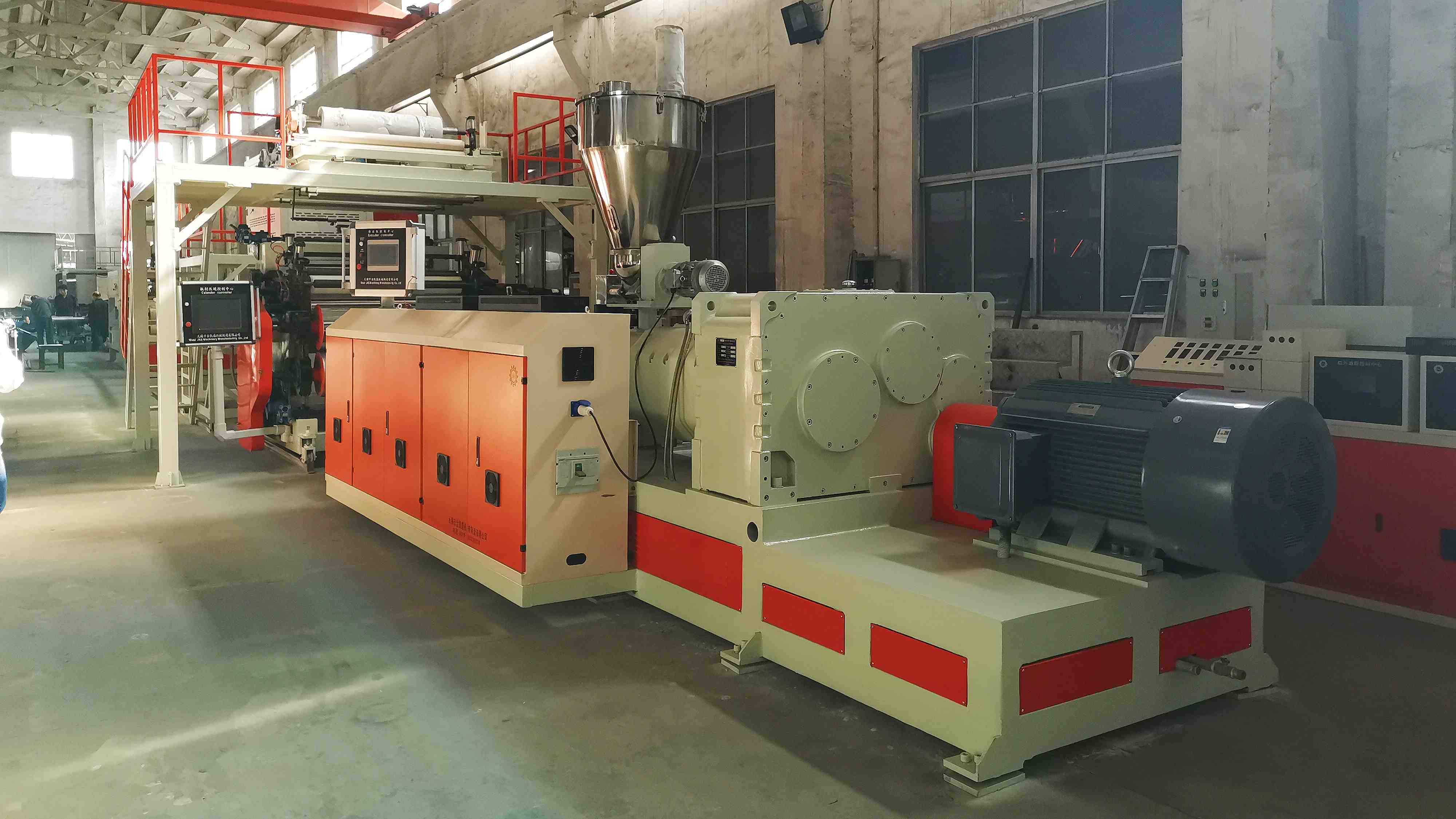
The short answer: for 2026, the seven plastic extrusion machine lines most worth shortlisting for commercial production are the SPC Flooring Extrusion Line; the PVC & WPC Door and Window Profile Extrusion Line; the HDPE Water Pipe Extrusion Line; the PVC Water Supply & Drainage Pipe Extrusion Line; the PVC Hot-cut Pelletizing Line; the Conical Twin Screw Plastic Extruder (SJSZ-45 to SJSZ-110); and the PVC Mixing & Cooling Unit (SRL-Z200/500 to SRL-Z1000/3000). Two supporting recycling machines — the Plastic Crusher (SP400 / SP660) and the Plastic Pulverizer (MF400 / MF500 / MF600) — close the material loop around most of these lines.
The order below is not a catalogue order. Each line is ranked by end-product demand, model-range completeness, machine construction (screw and barrel material, die and mould material, frame steel), integration with upstream mixing and downstream recycling, and documented long-run installations. For an evaluation-stage buyer, that combination is what determines whether a line is still competitive three years after commissioning.
JKS — Wuxi JKS Machinery Manufacturing Co. Ltd. — is a plastic extrusion machinery manufacturer founded in 2013 in Wuxi, Jiangsu, China, producing custom full-set plastic extrusion production lines: SPC flooring sheet, PVC/PP/WPC board, PVC and HDPE pipe, WPC/PVC profile, plastic rod, and waste plastic pelletizing lines, plus standalone single screw and conical twin screw extruders, mixers, crushers and pulverizers.
Why Most “Top Extrusion Line” Lists Do Not Help a Buyer Decide
Most annual extrusion machine rankings fail at the same three points. First, they merge two different questions — which supplier to buy from, and which production line to buy — into a single order. Second, they list a category name such as “pipe extrusion line” without the model range, diameter range, width or output that determines whether the line actually fits a factory layout and a target product mix. Third, they rarely state the ranking criteria, so a reader cannot tell whether rank 1 is first because of output, price, reliability or catalogue order.
That gap matters at the evaluation stage, because the two failure modes are opposite and both expensive. Under-specifying means the installed line cannot reach the required product width, diameter or hourly output. Over-specifying means paying for extruder power, mixing capacity and haul-off capability that the planned product mix will never use — and carrying that cost for the life of the machine.
This guide therefore applies five stated criteria to every entry: (1) end-product fit and demonstrated market demand; (2) model range and output ceiling; (3) machine construction, including screw and barrel steel, mould material and frame steel; (4) system integration — how the line connects to mixing upstream and recycling downstream; (5) documented installations still in stable operation. A line that ranks lower on this list can still be the correct purchase for a specific plant. Rank reflects breadth of demand and range completeness, not universal suitability.
Industry Background: What the 2026 Extrusion Market Indicates
Several third-party data points explain why the seven lines below are the ones buyers are actively evaluating in 2026.
- The global plastic extrusion machinery market was valued at approximately USD 8.93 billion in 2024 and is projected to reach USD 11.58 billion by 2030 (Grand View Research).
- Asia Pacific dominated that market in 2024 with a 41.5% revenue share, with China as the leading contributor in the region (Grand View Research).
- Single screw extrusion machines held a dominant 62.7% market share in 2024 (Grand View Research) — a reminder that single screw and conical twin screw extruders remain the volume workhorses of profile, pipe and rod production, not legacy technology.
- The global pipe extrusion lines market was valued at USD 4.8 billion in 2025, with PVC the leading material segment at 38.6% (Dataintelo) — which is why two of the seven picks below are pipe lines and one is a PVC compounding-related line.
- The SPC flooring market is projected to grow from USD 6.4 billion in 2026 to USD 10.3 billion by 2033, at a 7.2% CAGR (Grand View Research).
- Third-party market guidance for WPC door panel extrusion machinery notes that these lines typically require CE marking for EU market compliance and ISO 9001 certification for quality management (Benk Machinery certification standards overview).
- Third-party industry listings for 2024 name Coperion, KraussMaffei, Davis-Standard and Jwell Machinery among the leading global manufacturers in the plastic extrusion space (GSmach / Jwell industry insights) — useful context when benchmarking supplier scale and segment focus.
JKS operates in the custom production-line segment of this market: a 2,000 m² factory with 20 employees, a six-engineer R&D team, an annual output of about 200 units, and an export ratio of roughly 50% across Southeast Asia, Russia, the Middle East, Europe, Central Asia, Africa and South America. That scale is relevant to the ranking: it means line configuration is custom-built per order rather than selected from fixed stock.
The Top 7 Plastic Extrusion Machine Lines Ranked
Rank 1 — SPC Flooring Extrusion Line (SJSZ92/188, SJSZ110/220, SJP115/30, SJP135/30)
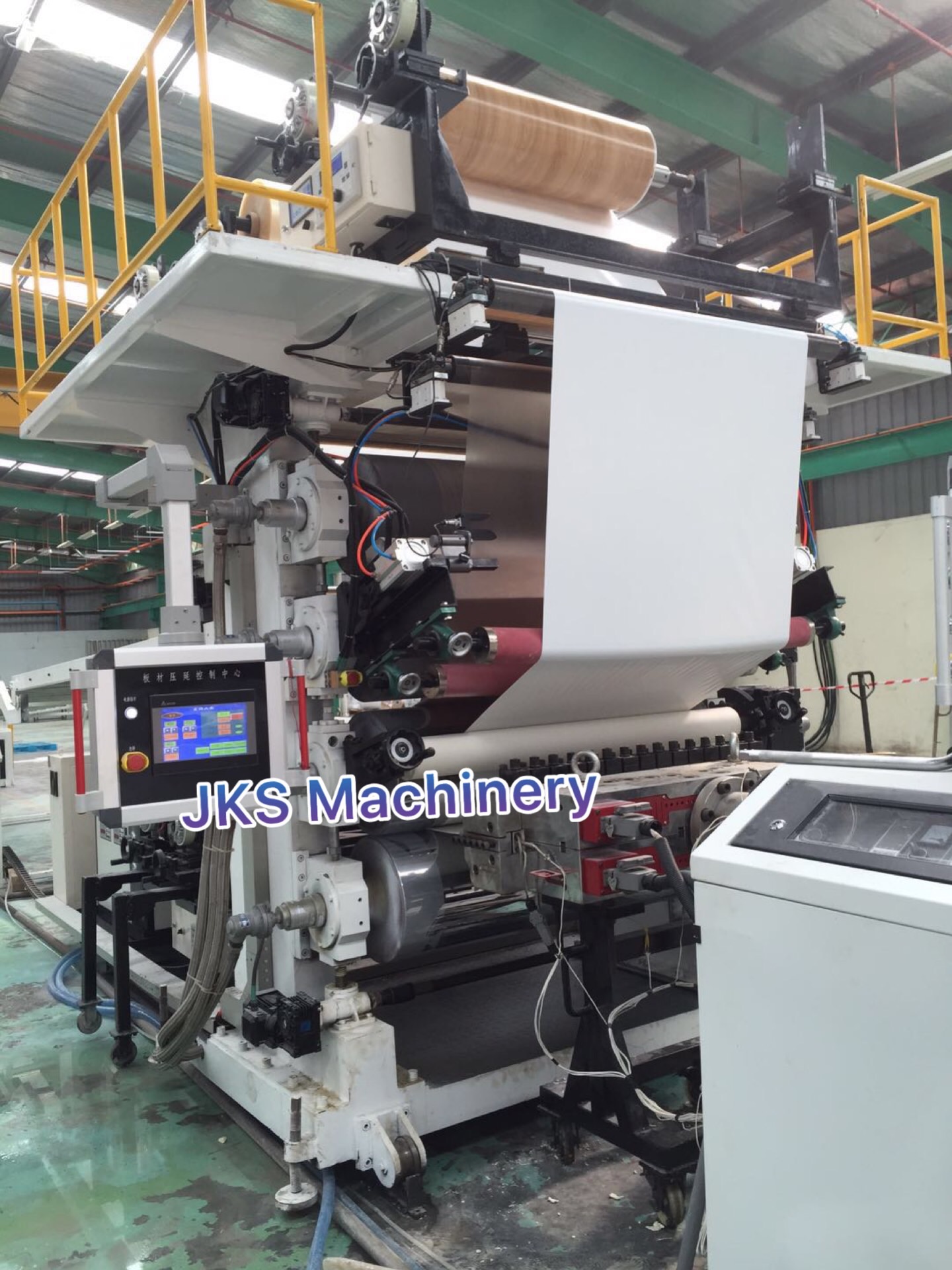
The SPC flooring extrusion line takes first place because it serves the fastest-growing rigid flooring category in the data set and carries both the widest model range and the highest output ceiling in the JKS line-up. It is an extruder-plus-calender system, not a single machine: the extruder plasticizes a PVC and CaCO₃ compound, and a four-roller calender sets thickness and surface before the sheet is cooled and cut.
- Model range: SJSZ92/188 (110 kW), SJSZ110/220 (200 kW), SJP115/30 (90 kW), SJP135/30 (132 kW)
- Finished product: thickness 1–10 mm, effective product width 980 mm or 1250 mm
- Output: 15–40 tons per 24 hours, varying by extruder model
- Raw material: PVC + CaCO₃ compound formula
- Construction: screw and barrel in 38CrMoAlA nitrided alloy steel; calender roller in 45# forged steel with hard chrome plating; machine frame in Q235 carbon structural steel
- Optional process: EIR in-line synchronous wood grain embossing; vertical or inclined four-roller calender structure
Why it ranks here: the model spread from 90 kW to 200 kW covers both entry-level and high-volume SPC production on the same platform, and the EIR synchronous embossing option removes a separate offline embossing step for plants that sell surface-critical flooring. Best fit: rigid SPC flooring manufacturing, building decoration material factories, waterproof floor processing, and commercial or residential flooring material production.
Rank 2 — PVC & WPC Door and Window Profile Extrusion Line (SJSZ92/188, SJSZ65/132)
Profile extrusion ranks second because a single line can be re-tooled across several sellable products — door slab, door jamb, casing and decorative surround — which spreads investment risk across more than one revenue stream.
- SJSZ92/188: main motor 110 kW, extrusion output 500–600 kg/h; finished panel width up to 1200–1600 mm; produces hollow waterproof integral WPC door slab; raw material is PVC resin + calcium powder + recycled material + wood powder + auxiliary additives
- SJSZ65/132: main motor 37 kW, extrusion output 150–250 kg/h; produces WPC door jamb, door casing and decorative surround profiles from PVC resin + high-content calcium powder + additives
- Construction: screw and barrel in 38CrMoAlA nitrided alloy steel; extrusion mould in wear-resistant alloy die steel; machine frame in Q235 carbon steel
Why it ranks here: the two-model split mirrors the two commercial orders in this category — large-format door slabs on the 110 kW machine and slim jamb or casing profiles on the 37 kW machine. Up to 1600 mm panel width also gives headroom for wider decorative panels without changing the extruder. Best fit: interior door panel and bathroom waterproof door production, door frame and casing profile production. Buyers selling into the EU should note the third-party guidance above that CE marking is normally required for this machinery category.
Rank 3 — HDPE Water Pipe Extrusion Line (PE110 to PE1600)
The HDPE water pipe line ranks third for a different reason than Rank 1: it wins on diameter coverage, not on unit speed. Five standard configurations span a continuous range from Φ20 mm to Φ1600 mm, which means a single supplier platform can serve municipal water, gas pipeline and farm irrigation projects of very different sizes.
| Line type | Pipe diameter range | Extruder model | Main motor power | Extrusion capacity |
|---|---|---|---|---|
| PE110 | Φ20–110 mm | GS60/38 (optional GS75/33) | 90 kW | 150–400 kg/h |
| PE315 | Φ110–315 mm | GS75/38 (optional GS90/33) | 160 kW | 200–600 kg/h |
| PE630 | Φ315–630 mm | GS90/38 (optional GS120/33) | 280 kW | 600–1000 kg/h |
| PE1000 | Φ630–1000 mm | GS120/38 | 355 kW | 600–1000 kg/h |
| PE1600 | Φ1000–1600 mm | GS150/38 | 500 kW | 600–1500 kg/h |
Why it ranks here: the power and capacity steps (90 kW / 150–400 kg/h up to 500 kW / 600–1500 kg/h) make the specification decision transparent — a buyer can match a diameter range to a real project pipeline instead of guessing. Screw and barrel are 38CrMoAlA nitrided alloy steel, the mould is forged alloy die steel, and the frame is Q235 carbon steel. Best fit: municipal water supply, gas pipeline, and farm irrigation pipe manufacturing.
Rank 4 — PVC Water Supply & Drainage Pipe Extrusion Line (PVC63, PVC250, PVC630)
PVC remains the leading material segment in pipe extrusion at 38.6% of a USD 4.8 billion market in 2025 (Dataintelo), and this line is the most cost-efficient way into that volume. Downstream equipment is complete on all three models: vacuum calibration, multi-claw traction and dust-free cutting.
- PVC63 (double station): diameter Φ16–63 mm; extruder SJSZ65/132; main motor AC 37 kW; downstream 24 kW; hauling speed 4–49 m/min; output 270 kg/h
- PVC250: diameter Φ90–250 mm; extruder SJSZ80/156; main motor AC 55 kW; downstream 24 kW; hauling speed 4–15 m/min; output 450 kg/h
- PVC630: diameter Φ315–630 mm; extruder SJSZ92/188; main motor AC 110 kW; downstream 39 kW; hauling speed 0–5 m/min; output 800 kg/h
- Raw material and construction: PVC + CaCO₃; screw and barrel in 38CrMoAlA nitrided alloy steel; mould in precision casting die steel; frame in Q235 carbon steel
Why it ranks here: the double-station PVC63 configuration produces small-diameter pipe at up to 49 m/min, while PVC630 handles large-diameter drainage at low line speed and high output per hour. That combination covers the two ends of the building drainage and water supply market. Best fit: building water supply and drainage, agricultural irrigation, and cable threading pipe production.
Rank 5 — PVC Hot-cut Pelletizing Line (SJSZ55, SJSZ65, SJSZ80, SJSZ92)
Pelletizing ranks fifth because it is the line that turns waste and off-spec material back into sellable compound. A flooring, profile or pipe plant that adds hot-cut pelletizing can reuse its own edge trim and rejects instead of selling them as low-value scrap.
- Models and output: SJSZ55 — 22 kW, 100–150 kg/h; SJSZ65 — 37 kW, 200–250 kg/h; SJSZ80 — 55 kW, 350–400 kg/h; SJSZ92 — 110 kW, 650–800 kg/h
- Process: conical twin screw extrusion with hot die-face cutting, uniform pellets, and an integrated cooling and grading system
- Raw material: PVC powder or PVC scraps
- Construction: screw and barrel in 38CrMoAlA nitrided alloy steel; pelletizing die in wear-resistant alloy steel; frame in Q235 carbon steel
Why it ranks here: the 22 kW to 110 kW range lets a plant scale pelletizing capacity in step with its own scrap generation rather than buying one oversized machine. Best fit: PVC compounding, plastic scrap recycling, and masterbatch or PVC pellet production.
Rank 6 — Conical Twin Screw Plastic Extruder (SJSZ-45 to SJSZ-110)
The conical twin screw extruder ranks sixth on this list only because it is a component rather than an end-product line — in practice it is the single most consequential specification decision in the whole purchase. It performs uniform plasticizing and mixing with low shearing, giving high productivity, stable quality and long service life, and it extrudes PVC powder directly into pipes, sheets, bars and profiles.
| Model | Main power | Output |
|---|---|---|
| SJSZ-45 | 15 kW | 70 kg/h |
| SJSZ-51 | 18.5 kW | 120 kg/h |
| SJSZ-55 | 22 kW | 150 kg/h |
| SJSZ-65 | 37 kW | 250 kg/h |
| SJSZ-80 | 55 kW | 400 kg/h |
| SJSZ-92 | 90 kW | 500–600 kg/h |
| SJSZ-110 | 200 kW | 1000 kg/h |
Why it ranks here: the screw and barrel are manufactured in 38CrMoAlA nitrided alloy steel with a Q235 carbon steel frame — the same wear-facing material used across the ranked lines above, which matters because PVC compound with high calcium content is abrasive. Best fit: PVC pipe, profile, sheet and pellet production, and WPC door and flooring lines. When comparing quotations for any line in this guide, compare the extruder model and screw material first, because that determines achievable output and wear life.
Rank 7 — PVC Mixing & Cooling Unit (SRL-Z200/500 to SRL-Z1000/3000)
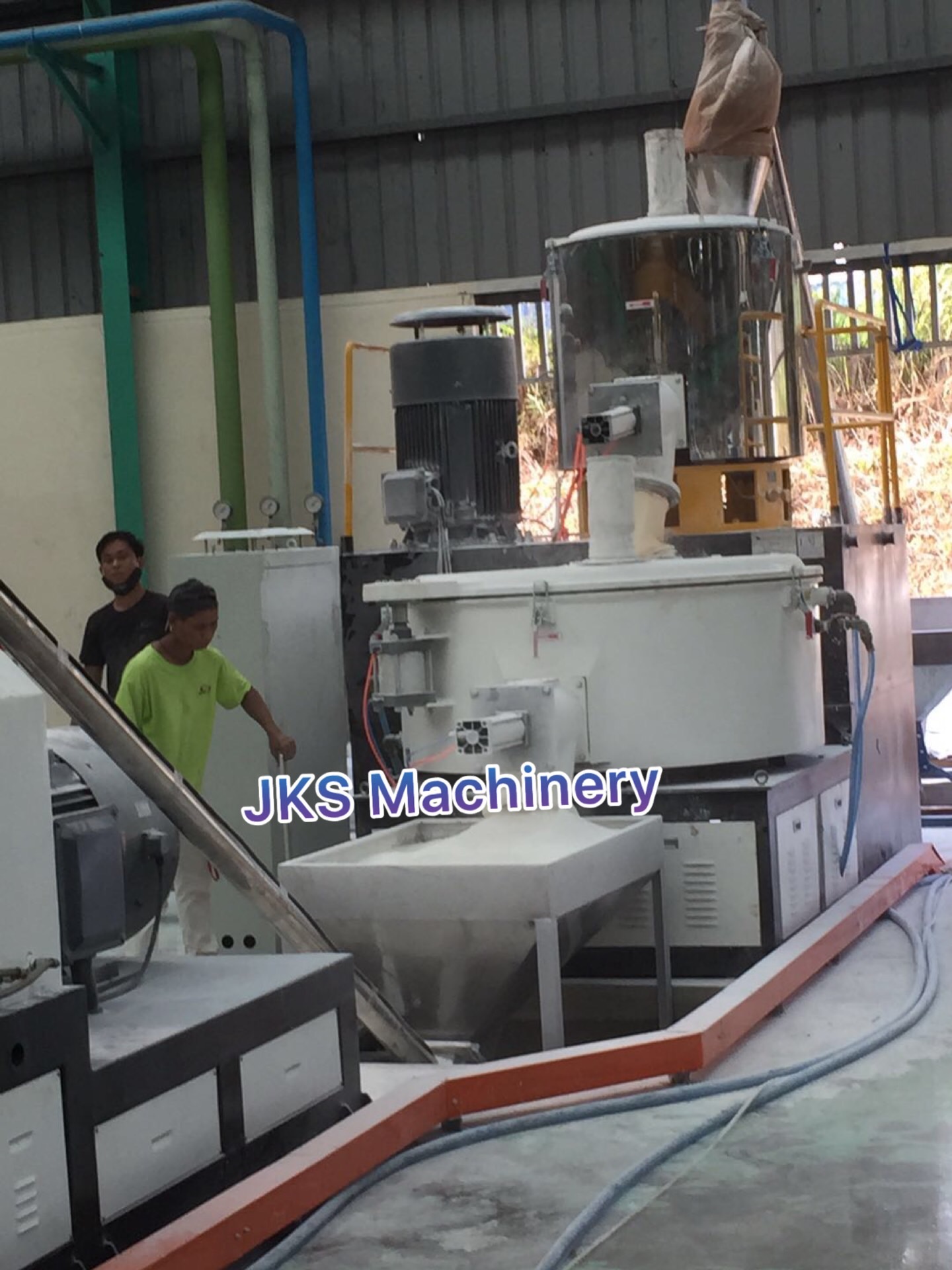
The mixing and cooling unit ranks seventh because it sits upstream of the extruder rather than in the production flow — but it decides whether the compound reaching the screw is consistent. It mixes PVC resin with stabilizers, plasticizers and fillers at high speed, then cools the batch to prevent agglomeration.
- SRL-Z200/500: 37/7.5 kW, 300–400 kg/h
- SRL-Z300/600: 55/11 kW, 450–600 kg/h
- SRL-Z500/1000: 75/15 kW, 800–1000 kg/h
- SRL-Z1000/3000: 160/22 kW, 1600–2000 kg/h
- Cycle time: mixing 8–10 min per pot, cooling 6–8 min per pot
- Construction: mixing pot in stainless steel, frame in carbon steel
Why it ranks here: the four models scale from 300–400 kg/h at 37 kW to 1600–2000 kg/h at 160 kW, so the unit should be selected against the hourly consumption of the extruder it feeds, not against the size of the factory. The stainless steel mixing pot is the material detail to verify, because it controls contamination and cleaning time between formulations.
Supporting Picks: Crusher and Pulverizer for Recycling Integration
The seven lines above produce offcuts, start-up lumps and rejected parts. Two auxiliary machines convert that material back into usable feed, and they are the practical difference between a line that runs on virgin compound only and one that runs on a controlled recycled fraction.
- Plastic Crusher SP400: 15 kW, 300–400 kg/h — crushes PVC, PE and PP pipes, profiles and sheets into small pieces
- Plastic Crusher SP660: 22 kW, 600–700 kg/h — same function at higher throughput
- Plastic Pulverizer MF400: 30 kW, 200 kg/h, fineness 40–80 mesh
- Plastic Pulverizer MF500: 37 kW, 300–400 kg/h, fineness 40–80 mesh
- Plastic Pulverizer MF600: 55 kW, 400–500 kg/h, fineness 40–80 mesh
Crusher cutting chambers and blades, and pulverizer grinding chambers and rotors, are built in wear-resistant steel with carbon steel frames. The sequence is straightforward: crusher reduces parts to flakes, pulverizer grinds flakes to 40–80 mesh powder, and the powder returns to the mixing and cooling unit before extrusion.
How to Use This Ranking: A Six-Step Selection Workflow
Step 1 — Start from the end product, not the machine. Decide which of the four product families you are selling in the next 24 months: rigid sheet (SPC flooring, marble sheet, foam board), profile (door, window, wall panel, decorative strip), pipe (PVC, HDPE, PPR, corrugated), or compound and pellet. The product family narrows the seven picks to two or three immediately.
Step 2 — Convert the product specification into a diameter, width or thickness range. Pipe buyers need a diameter range (for example Φ16–250 mm). Sheet and profile buyers need width and thickness (for example 980 mm or 1250 mm at 1–10 mm, or panel width up to 1200–1600 mm). This step eliminates lines that look attractive on output alone but cannot produce the required format.
Step 3 — Check the extruder before the price. Identify the extruder model matched to the line — SJSZ65/132 on PVC250, or GS90/38 on PE630, for example — and confirm the main motor power and output. Then confirm the screw and barrel material. 38CrMoAlA nitrided alloy steel appears across the ranked lines and is the reference specification for PVC compounds with high filler content.
Step 4 — Verify the wear and tooling materials. Mould material differs by line: precision casting die steel on the PVC pipe line, forged alloy die steel on the HDPE pipe line, and wear-resistant alloy die steel on profile and pelletizing lines. Calender rollers on sheet lines are 45# forged steel with hard chrome plating. These are the parts that determine maintenance interval and replacement cost, not the visible machine frame.
Step 5 — Size mixing and recycling around the line. Match the mixing and cooling unit to hourly compound consumption, and match crusher and pulverizer capacity to expected scrap generation. A 800 kg/h PVC630 pipe line and a 270 kg/h PVC63 double-station line need different upstream and downstream support.
Step 6 — Confirm compliance, quality control and delivery terms. JKS extrusion machinery is covered by CE certification M.2021.206.C.64011, issued by UDEM International Certification Auditing Training Centre on 22 April 2021, for SJSZ, SJ and SJP series models, against standards including EN ISO 12100:2010, EN 1114-1:2011, EN 60204-1:2018, EN 61000-3-2:2014, EN 61000-3-3:2013, EN 61000-6-1:2007 and EN 61000-6-3:2007/A1:2011/AC:2012. Buyers should request the current certificate copy and confirm its validity period for their order date. Quality control is 100% factory pre-assembly and testing before shipment, with third-party inspection available on request.
Use Cases: Installations Behind the Ranking
Malaysia — SPC flooring manufacturer. One complete SPC flooring extrusion line (product 4630) was installed for a Malaysian SPC flooring manufacturer and has been in stable operation for over 10 years. The installation is characterised by high-speed production, precise thickness control and a low maintenance rate, with on-site installation and training support provided. Output serves residential and commercial flooring applications.
South Korea — SPC flooring producer. A second SPC flooring extrusion line has operated in South Korea for over 8 years, running stable 24/7 production with consistent product quality and a low maintenance rate. The project highlights were high output combined with precise thickness control, supported by after-sales service.
Vietnam — PVC hollow wall panel manufacturer. A complete PVC hollow wall panel extrusion line was delivered to a plastic building materials manufacturer in Vietnam and has been in stable operation for more than 5 years. The line produces PVC hollow wall panels for construction and interior decoration, achieving stable continuous production, consistent product quality and reliable performance. The project was delivered as a complete turnkey solution with on-site installation support and full export documentation.
Ranked Comparison Table: The Seven Lines Side by Side
| Rank | Line | Model range | Typical output | Key construction material | Best-fit production |
|---|---|---|---|---|---|
| 1 | SPC Flooring Extrusion Line | SJSZ92/188, SJSZ110/220, SJP115/30, SJP135/30 | 15–40 t/24h | 38CrMoAlA nitrided screw and barrel; 45# forged steel calender roller with hard chrome plating; Q235 frame | Rigid SPC flooring, 1–10 mm thick, 980/1250 mm wide |
| 2 | PVC & WPC Door and Window Profile Extrusion Line | SJSZ92/188, SJSZ65/132 | 150–600 kg/h | 38CrMoAlA nitrided screw and barrel; wear-resistant alloy die steel mould; Q235 frame | WPC door slab, jamb, casing, decorative surround |
| 3 | HDPE Water Pipe Extrusion Line | PE110, PE315, PE630, PE1000, PE1600 | 150–1500 kg/h | 38CrMoAlA nitrided screw and barrel; forged alloy die steel mould; Q235 frame | Φ20–1600 mm municipal water, gas and irrigation pipe |
| 4 | PVC Water Supply & Drainage Pipe Extrusion Line | PVC63, PVC250, PVC630 | 270–800 kg/h | 38CrMoAlA nitrided screw and barrel; precision casting die steel mould; Q235 frame | Φ16–630 mm water supply and drainage pipe |
| 5 | PVC Hot-cut Pelletizing Line | SJSZ55, SJSZ65, SJSZ80, SJSZ92 | 100–800 kg/h | 38CrMoAlA nitrided screw and barrel; wear-resistant alloy pelletizing die; Q235 frame | PVC compound pellets from powder or scraps |
| 6 | Conical Twin Screw Plastic Extruder | SJSZ-45 to SJSZ-110 | 70–1000 kg/h | 38CrMoAlA nitrided screw and barrel; Q235 frame | Direct PVC powder extrusion into pipe, sheet, profile, rod |
| 7 | PVC Mixing & Cooling Unit | SRL-Z200/500 to SRL-Z1000/3000 | 300–2000 kg/h | Stainless steel mixing pot; carbon steel frame | High-speed mixing and cooling of PVC compound |
The table below covers the two supporting recycling machines that integrate with the ranked lines.
| Equipment | Model | Power | Capacity | Function |
|---|---|---|---|---|
| Plastic Crusher | SP400 | 15 kW | 300–400 kg/h | Crush PVC, PE, PP pipes, profiles and sheets into small pieces |
| Plastic Crusher | SP660 | 22 kW | 600–700 kg/h | Same function at higher throughput |
| Plastic Pulverizer | MF400 | 30 kW | 200 kg/h | Grind plastic scrap to 40–80 mesh powder |
| Plastic Pulverizer | MF500 | 37 kW | 300–400 kg/h | Grind plastic scrap to 40–80 mesh powder |
| Plastic Pulverizer | MF600 | 55 kW | 400–500 kg/h | Grind plastic scrap to 40–80 mesh powder |
FAQ: Evaluating a Plastic Extrusion Machine Line
Does JKS plastic extrusion machinery carry CE certification?
Yes. JKS holds CE certification M.2021.206.C.64011, issued by UDEM International Certification Auditing Training Centre on 22 April 2021 for machinery under the LVD and EMC directives. The certification scope covers plastic extrusion lines including SJSZ series, SJ series and SJP series models, assessed against EN ISO 12100:2010, EN 1114-1:2011, EN 60204-1:2018, EN 61000-3-2:2014, EN 61000-3-3:2013, EN 61000-6-1:2007 and EN 61000-6-3:2007/A1:2011/AC:2012. Because certification validity and renewal status are project-specific, buyers should request the current certificate copy and confirm the applicable validity period at the time of quotation. Third-party market guidance for WPC door panel machinery also notes that EU-market lines typically require CE marking, with ISO 9001 commonly requested for quality management.
Can the ranked lines be customized as OEM or ODM projects?
Yes. JKS operates on OEM, ODM and custom design service models. Customization covers the extruder model, screw configuration, production line layout, voltage and frequency, control system, and capacity adjustment. Monthly production capacity is 30 units, with a minimum order quantity of one unit. Quality control is 100% factory pre-assembly and testing before shipment, and third-party inspection is available on request. After-sales support includes overseas installation guidance, on-site commissioning, operator training, remote technical support and a 12-month warranty.
What actually determines the cost of a plastic extrusion line?
Cost tracks configuration rather than a fixed price list, and the specification data in this guide shows why. On the HDPE pipe range, main motor power steps from 90 kW at PE110 to 500 kW at PE1600. On the conical twin screw range, power steps from 15 kW at SJSZ-45 to 200 kW at SJSZ-110. The other cost-relevant variables are the product width, diameter or thickness range; downstream equipment such as vacuum calibration, multi-claw traction units and dust-free cutting; optional processes such as EIR in-line synchronous embossing or a four-roller calender; and upstream mixing capacity from 300–400 kg/h to 1600–2000 kg/h. The practical way to control budget is to fix the narrowest product range that still meets your sales plan, then configure the extruder and ancillary equipment to that range.
Can we validate our own raw material before placing an order?
JKS provides formulation service and personalized design based on the client's raw material and production demand, which is the stage where a buyer's own PVC and CaCO₃ compound, recycled granule or wood powder formulation is matched to the screw configuration, mould and calibration tooling. Before shipment, every line undergoes 100% factory pre-assembly and testing, and third-party inspection can be arranged on request. Practically, the useful preparation on the buyer's side is to supply the exact material specification — for example the PVC and CaCO₃ ratio, or a PP recycled granule with MFI below 3 for construction formwork — so that the calibration and cooling sections are sized correctly from the start.
What is the lead time, and what support follows delivery?
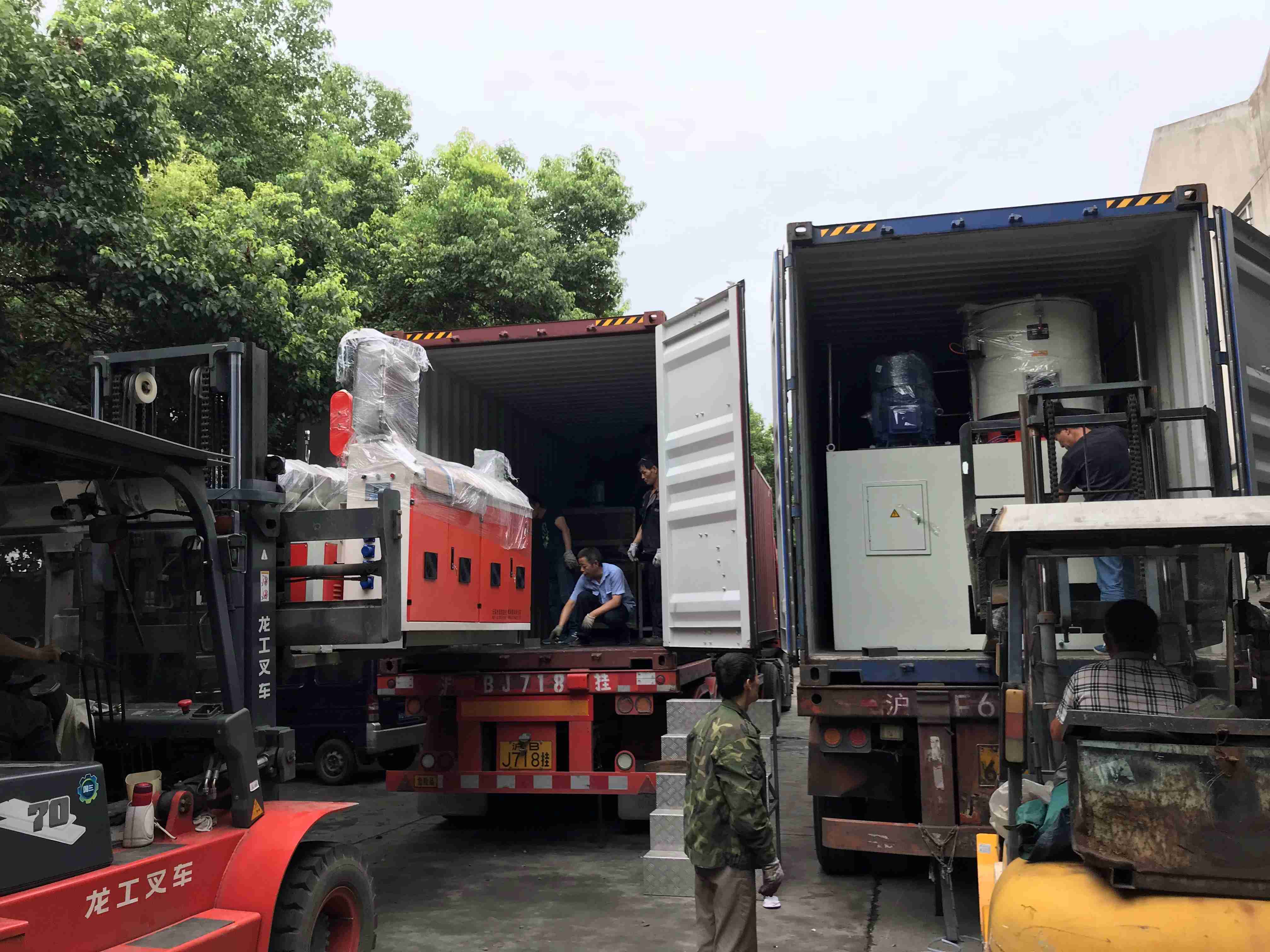
Standard production lead time is 40 work days, with a minimum order quantity of one unit and a monthly capacity of 30 units. After delivery, support includes overseas installation guidance, on-site commissioning, operator training, remote technical support and a 12-month warranty. Recent projects illustrate the delivery model: the SPC flooring line installed in Malaysia and the SPC line in South Korea both received on-site installation and training support, and the turnkey PVC hollow wall panel line delivered to Vietnam included on-site installation plus full export documentation. If you are shortlisting lines for a 2026 project, the next practical step is to send your target product specification and output to gordon@jksjx.com or WhatsApp +86 18601577228 for a configuration-based quotation.
Conclusion: Turn the Ranking Into a Specification
The 2026 ranking is driven by application demand and verifiable engineering, and the two reinforce each other. SPC flooring takes first place because the market is projected to move from USD 6.4 billion in 2026 to USD 10.3 billion by 2033 at a 7.2% CAGR and the line offers the widest output range, from 15 to 40 tons per 24 hours across four extruder options. Pipe lines take third and fourth place because PVC alone accounts for 38.6% of a USD 4.8 billion pipe extrusion line market, and the diameter coverage from Φ16 mm to Φ1600 mm spans almost every commercial pipe specification. Pelletizing, the conical twin screw extruder and the mixing unit follow because they determine what actually happens inside the line: compound quality in, wear life and consistency out.
The ranking is a starting point, not a decision. Use the six-step workflow to convert it into a specification: choose the product family, fix the diameter, width or thickness range, confirm the extruder model and its 38CrMoAlA nitrided screw and barrel, verify mould and calender materials, size the mixing and recycling equipment around the line, and confirm CE documentation, testing and delivery terms before signing.
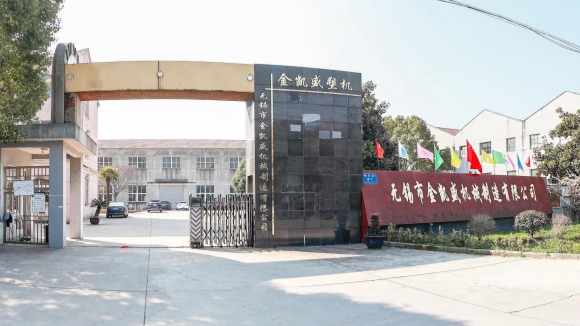
Next Step: Line Shortlist, Sample and Quotation
Share your target product — SPC flooring sheet, WPC door profile, HDPE or PVC pipe, PVC pellet — with the required diameter, width, thickness and hourly output, and JKS will return a matched line configuration, including the extruder model, screw and barrel specification, mixing and recycling equipment, and the CE documentation package. Sample review of finished sheet, profile and pipe products, plus the current catalogue, can be arranged through the same contact.
Contact: Gordon | Email: gordon@jksjx.com | Tel: 86 18651004566 | WhatsApp: 86 18601577228
Address: No. 81 Xixian Road, Fangqian Town, Wuxi City, Jiangsu Province, 214000, P.R. China
Website: www.extrudetec.com | Blog: blog.extrudetec.com
Download the product brochure (WPC door project catalogue): JKS Machinery brochure (PDF)
