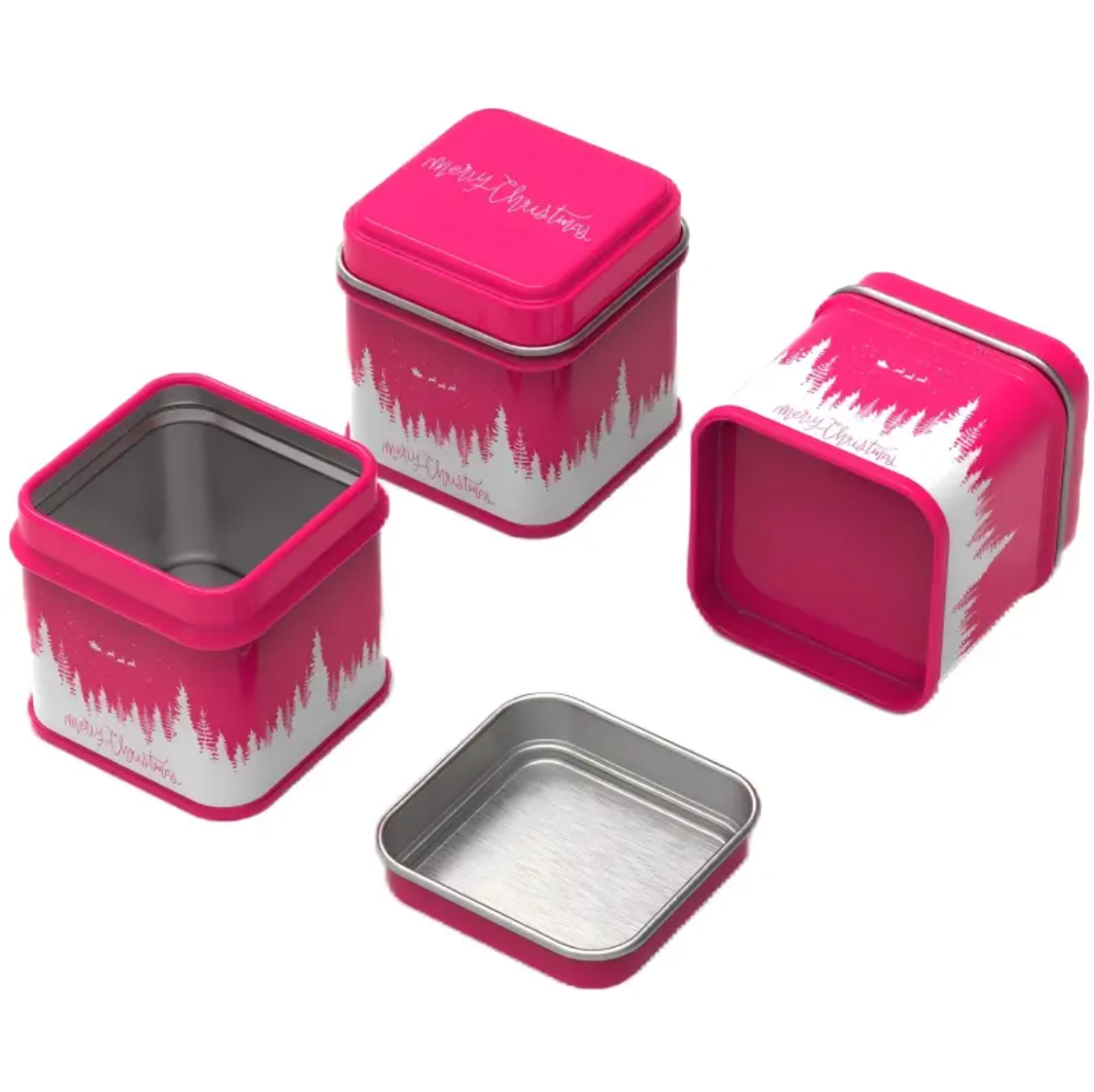
Supplier Evaluation for Vietnam Cosmetics Tin Box: A Capability Verification and Delivery Assurance Framework
Supplier Evaluation for Vietnam Cosmetics Tin Box: A Capability Verification and Delivery Assurance Framework
Capacity and delivery are the two questions a cosmetics tin box quotation never answers. A unit price, a minimum order quantity and a decoration list describe what a supplier is willing to charge. They say nothing about whether the press, the tooling and the printing line behind that price can hold tolerance across a full production run, or whether the promised ship date survives contact with a factory that is already booked.
This framework is written for procurement teams sourcing Vietnam cosmetics tin boxes. It evaluates a supplier on two independent pillars: capability verification (equipment, tooling, decoration and quality control) and delivery assurance (capacity disclosure, lead-time structure, contingency planning and contract terms). The two pillars are assessed separately because they fail separately. A factory can produce an excellent first sample and still miss a delivery window by weeks; a factory can deliver reliably and still be unable to hold a lid-fit tolerance on a partitioned eyeshadow tin.
Use the framework at three moments: before a supplier is shortlisted, during sample-lot approval, and when the supply agreement is drafted.
The Real Problem: Quotations Describe Intent, Not Capacity
Most sourcing failures in metal packaging are not caused by bad intentions. They are caused by variables that never appeared in the quotation:
- Tooling produced by an outside tool shop, which places the tooling lead time outside the supplier's direct control.
- Decoration subcontracted to a third-party printing line that has its own queue.
- A monthly capacity figure that describes total factory output rather than the press hours available for your format in your delivery month.
- Changeover time between SKUs that is real, but never quoted.
- The same reserve capacity promised to several buyers in the same season.
None of these appear in a price list, and all of them are visible in a structured evaluation. The purpose of the framework below is to convert verbal assurance into evidence: documents, measurements, schedules and clauses. A claim that cannot be supported by evidence is unverified — which is not the same as false, and is equally unusable in a launch plan.
Why Cosmetics Tin Box Sourcing Needs Its Own Evaluation Standard
A cosmetics tin box is a decorated, formed metal container that has to do three jobs at once: carry brand identity, protect the product, and survive retail handling and transport without denting, scratching or losing colour.
That combination creates verification requirements that general packaging does not:
- Decoration is printed on a flat tinplate sheet and then formed. Colour and registration therefore have to hold on curved surfaces, rims and curled edges — not only on a flat proof.
- Closures must feel consistent from the first unit to the last. For an airtight moisture-proof Vietnam cosmetics tin box used with powders, solids or essential oil products, the seam and the closure geometry determine whether the protection claim is real.
- A single cosmetics line usually needs several formats. A Vietnam lipstick cosmetics tin box, a Vietnam eyeshadow cosmetics tin box, a partitioned storage Vietnam cosmetics tin box for palettes and multi-product sets, travel-size and mini tins for sampling campaigns, a gift set tin for seasonal collections, and custom size Vietnam cosmetics tin box variants for irregular shapes.
- Custom logo decoration is the norm, not the exception. Each project therefore carries its own tooling and print setup.
Vietnam's metal packaging sector serves both domestic brands and export buyers, and the depth of capability varies considerably between factories. Some operate tooling, printing, forming, assembly and inspection in-house; others coordinate several subcontracted steps. Because the brand printed on the tin belongs to the buyer, the buyer carries the consequence of a missed launch — not the factory. That asymmetry is why a cosmetics tin box evaluation should examine process depth rather than factory size.
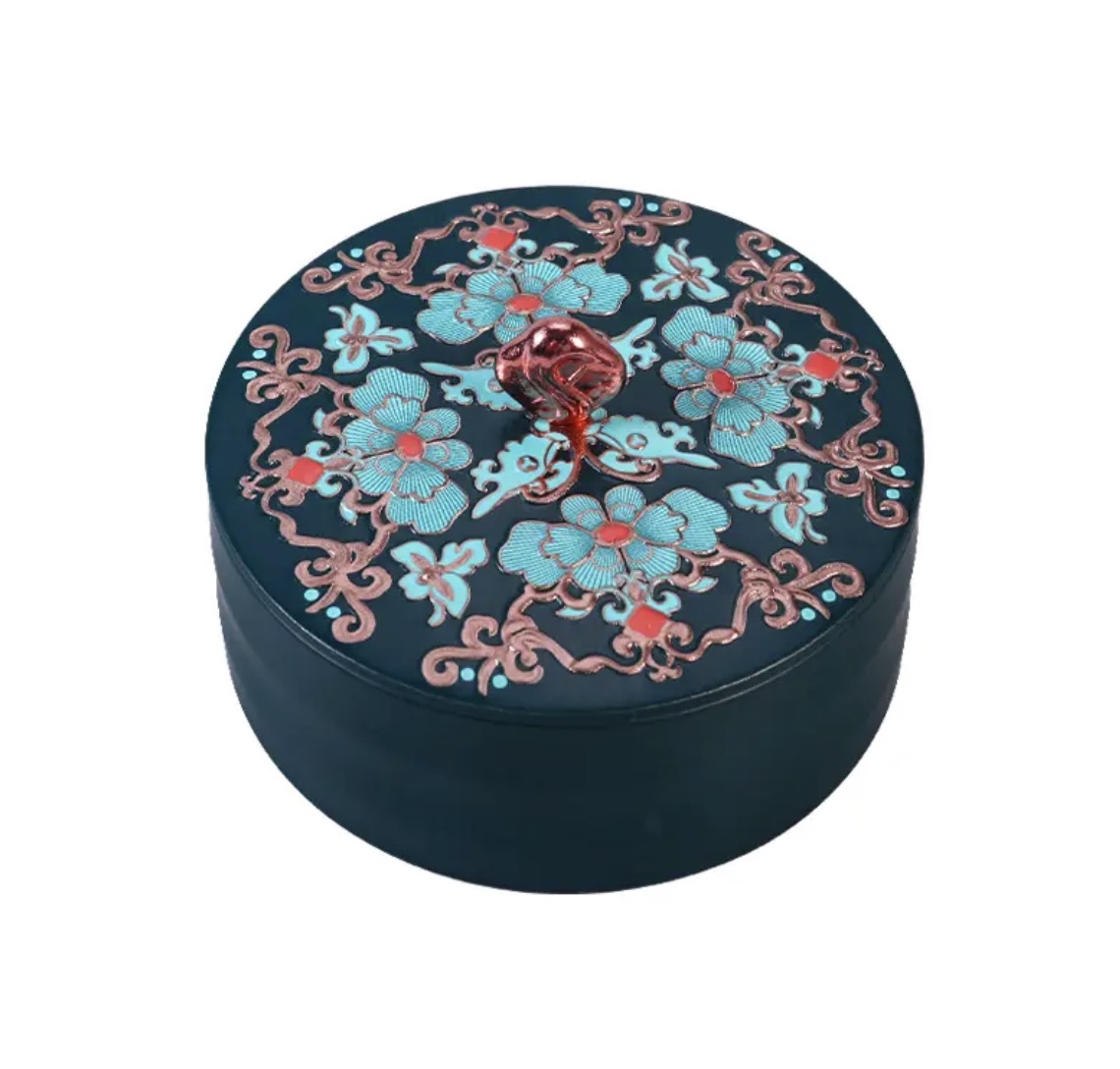
The Two-Pillar Framework at a Glance
Pillar 1 — Capability verification. The question is whether the factory can physically produce the specification, at the stated tolerance, with the required decoration. Evidence is technical: a process map, an equipment list, tooling records, printed formed parts, quality reports and certification.
Pillar 2 — Delivery assurance. The question is whether the factory can repeat that result on schedule — and what happens if it cannot. Evidence is documentary and contractual: per-step capacity disclosure, a stage-by-stage lead-time schedule, a contingency plan, and clauses that define ownership, priority and remedies.
Score the two pillars independently, and record each dimension as verified, partially verified or unverified rather than pass or fail. Residual risk then stays visible in the commercial decision instead of disappearing behind an average score.
Pillar 1 — Capability Verification: What to Audit and How
Step 1 — Request the process map, not a machine count
A tin box is produced through a chain of steps: tinplate shearing or slitting, printing (typically offset lithography on flat sheet), varnish or lacquer curing, sheet cutting, body and lid forming, seaming and curling, assembly, inspection and packing.
Ask for that chain in writing and mark each step as in-house or subcontracted. Two answers matter most:
- Where is decoration printed? A factory that prints in-house controls its own queue. A factory that subcontracts printing inherits someone else's.
- Where is tooling made? An outsourced tool shop adds a lead-time dependency that sits directly on the critical path of a first order.
If a physical visit is not possible, request a video walkthrough of each claimed step, filmed in sequence with the relevant equipment running. A recorded walkthrough is weaker evidence than an on-site audit, but it is far stronger than a capability list sent by email.
Step 2 — Verify tooling ownership, condition and changeover
Tooling is where capability risk and delivery risk overlap, and it is the most commonly under-documented part of a tin box project. Four questions should be answered before tooling starts:
- Who owns the tooling, and can it be transferred if the relationship ends? Ownership and transfer rights belong in writing, not in an assumption.
- How many tools are required per SKU? A partitioned storage tin, an embossed lid or a custom size body each adds tooling — and each adds lead time to the first order.
- What is the tool condition and maintenance schedule? Ask to see the maintenance record and the availability of spare tooling.
- What is the changeover time between SKUs on the same line? Changeover is capacity. Unquoted changeover is one of the most frequent causes of an optimistic delivery date.
Dimensional tolerance belongs in this step as well. State the tolerance on the drawing — body diameter, height, lid-to-body fit and closure retention — and request measurement data on formed parts. A measurement report on a flat blank proves nothing about a formed lid.
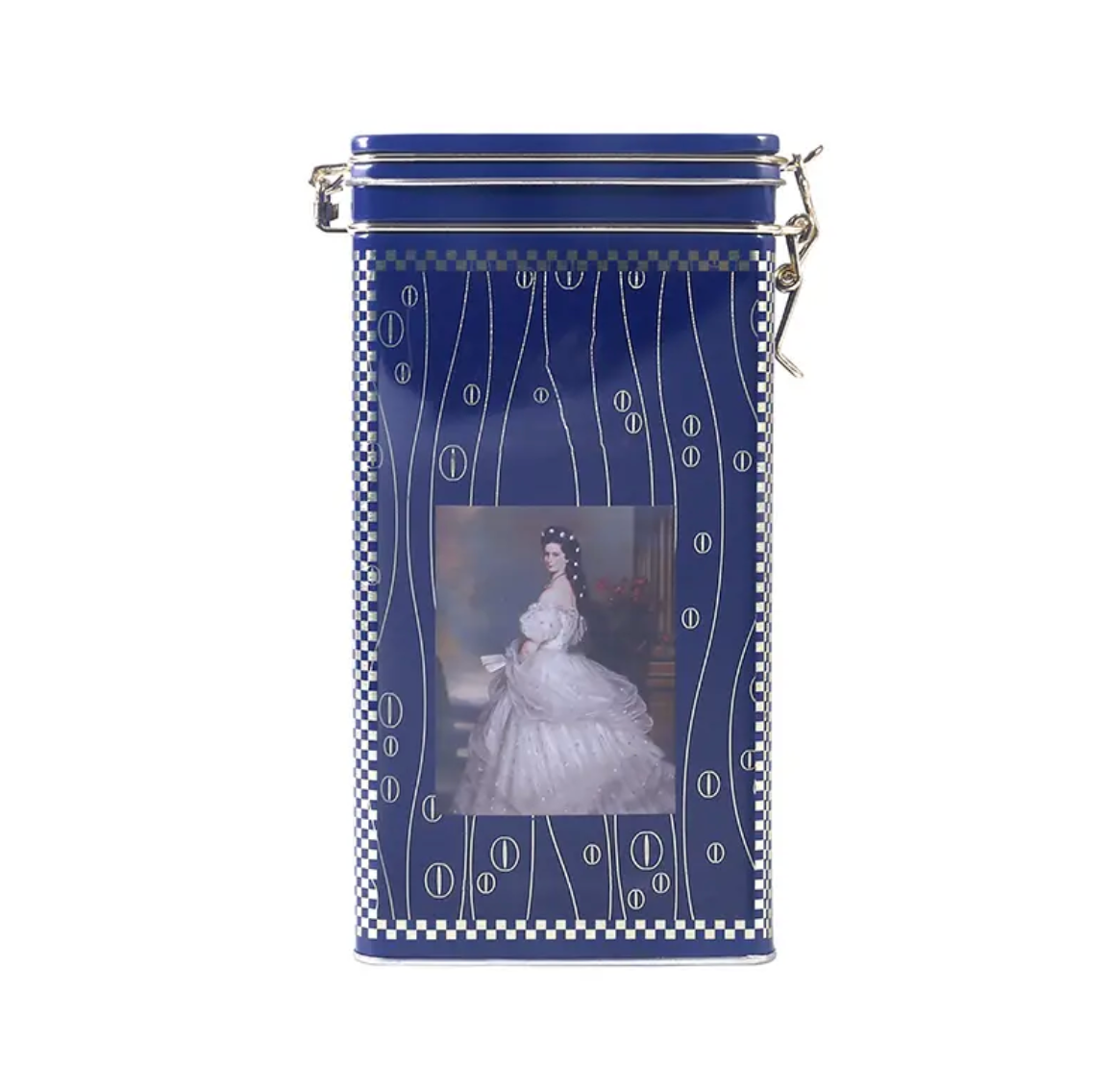
Step 3 — Verify decoration on formed parts, not on flat proofs
A print proof on a flat sheet can be perfect while the finished tin is not. Forming distorts the sheet, stresses the coating at rims and curls, and changes how a colour reads on a curved surface. Verification should therefore cover:
- The approved colour standard, agreed as a physical reference retained by both parties.
- Registration across the formed surface, including the area close to the seam and the curl.
- Finish consistency: gloss level, matte or textured varnish, embossing or debossing depth.
- Interior coating integrity, which matters for airtight moisture-proof Vietnam cosmetics tin boxes and for any product that contacts the metal directly.
- Colour drift control across a run — density checks, retained standards, and the documented procedure used when a batch drifts.
Step 4 — Verify the quality system and traceability
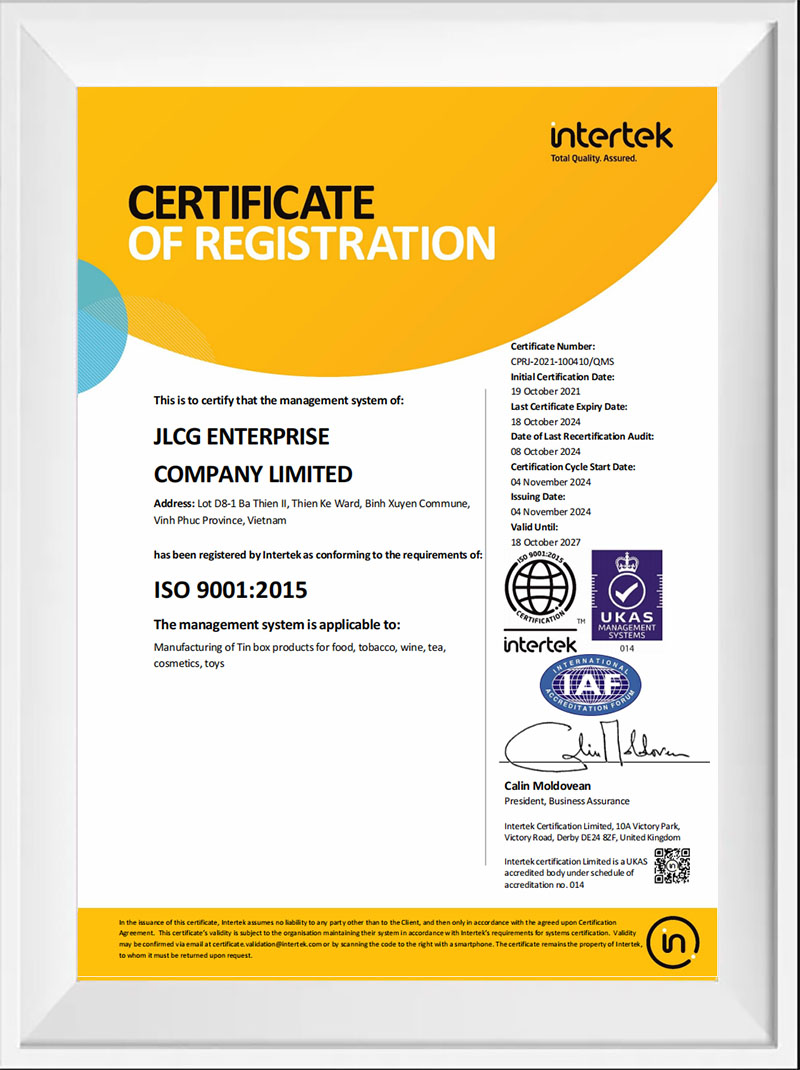
Certification is a baseline signal, not a guarantee. A supplier holding ISO 9001:2015 has documented a quality management system, but that documentation still has to be checked against the way the factory actually works. JLCG Enterprise Co.,Ltd, a tin box manufacturer based in Vinh Phuc Province, Vietnam, holds ISO 9001:2015 certification — an example of the kind of record a buyer should be able to request and verify directly, rather than accept as a logo on a website.
Beyond the certificate, ask for:
- Incoming material inspection records for tinplate, coating and varnish.
- In-process inspection points and their frequency.
- Final inspection method and the sampling plan applied to the shipment.
- Batch traceability — can a delivered carton be traced back to a tinplate lot and a printing run?
- Non-conformance handling: what happens to a rejected batch, who decides, and who pays.
Testing the Sample Lot: Structural Tolerance and Finish Consistency
The sample lot is the only place where capability can be measured rather than described — provided the sample is produced the way the order will be produced. A single hand-finished sample proves that a tin can exist. A sample lot proves that a process can repeat.
A workable protocol:
- Freeze the specification first. Approve the drawing, tolerance, decoration standard, closure type and packing method before sampling. Samples approved against a moving specification cannot be used to judge anyone.
- Require production tooling and production print setup. Ask explicitly whether the sample used the tooling and the print unit that will run the order. If it did not, treat the sample as a design mock-up, not a capability test.
- Measure across the lot, not once. Check body diameter, height, wall thickness, squareness or roundness, and lid fit at the beginning, the middle and the end of the sample run.
- Test the closure. Open-and-close cycles, retention after repeated use and — for airtight moisture-proof tins — an airtightness or leakage check appropriate to the product.
- Check finish consistency under a defined light source against the approved standard, including rims and curled edges, where coating is most stressed.
- Run adhesion and abrasion checks on the decoration, and inspect for cracking at the curl.
- Inspect interior coating continuity, especially for products that sit directly against the metal.
- Simulate transit. Pack the tins the way the order will be packed, then run a drop or vibration check, plus humidity exposure where the destination market requires it.
- Sign and retain golden samples. Both parties keep a sealed reference sample that defines acceptance for every future run, and that sample is referenced in the supply agreement.
Pillar 2 — Delivery Assurance: Turning Capacity Claims Into Commitments
Capability answers whether a factory can. Delivery assurance answers whether it will, and when.
What a useful capacity disclosure contains
A single output number is not a capacity disclosure. A usable answer is broken down by process step and by period:
- Available hours or shifts per step — printing, forming, assembly, packing — rather than one factory-wide total.
- Current committed load and the remaining free capacity in the delivery month, including how the buyer's order would be scheduled.
- Seasonality: which months are already reserved, and how peak demand is prioritised between customers.
- The number of concurrent SKUs the line can carry without excessive changeover.
- Capacity by format: round, square, partitioned, mini and travel-size tins often run on different tools and sometimes on different presses.
- Subcontractors used, with their qualification status.
Ask for the answer as a written schedule rather than as a meeting statement. A schedule can be checked against the shop floor; a sentence cannot.
Decompose lead time instead of quoting one number
A quoted lead time is usually a single figure that hides several decisions. Ask for the stages:
- Artwork and specification approval
- Tooling and print plate production
- Tinplate and coating procurement
- Printing and curing
- Forming and assembly
- Quality inspection and packing
- Inland transport and export booking
For each stage, request a duration, an owner and a dependency. Then define one more thing: the event that starts the clock. Most delivery disputes come from two calendars measuring from different starting points — the buyer counting from purchase order issue, the supplier counting from final artwork approval.
Three related figures should be requested separately: first-order lead time (which includes tooling), reorder lead time (which does not), and change-order lead time (which applies when a specification moves after tooling has started).
Contingency planning and the clauses that make it real
A contingency plan that exists only in conversation is not a contingency plan. The following items are worth putting into the supply agreement:
- Capacity reservation: a defined volume or share of line time held for the buyer in the agreed delivery window, with the priority rule during peak season.
- Tinplate buffer: agreed safety stock of the specified tinplate grade and coating, and who finances it.
- Backup route: a named alternative press or dual tooling for the critical step, and the conditions under which it is activated.
- Tooling ownership and transfer: who owns the tools, how maintenance is handled, and how tools are transferred if the relationship ends.
- Late-delivery remedies: consequences for a missed milestone, defined per stage rather than only at final delivery.
- Force majeure definition: narrow and specific enough to be meaningful.
- Change-order pricing: how specification changes after tooling are costed and scheduled.
- Quality hold and rework responsibility: who decides on a rejected batch, who pays for rework, and what documentation is issued.
- Documentation on delivery: inspection reports, material declarations and conformity documents supplied with each shipment.
Applying the Framework: Four Typical Sourcing Scenarios
Scenario 1 — A new SKU with a custom size tin. Tooling lead time dominates the critical path. Verify who makes the tool, how many tools the shape requires, and whether the tool is owned by the factory or by a third party. Delivery assurance here means a stage-by-stage schedule that starts at artwork approval, not at purchase order.
Scenario 2 — A seasonal gift set across several formats. The risk is not total capacity but sequencing. A gift set may combine a round body, a partitioned insert and a printed lid, each with its own tool and its own print setup. Ask for the changeover sequence and reserve line time before the peak season, not during it.
Scenario 3 — Travel-size and mini tins for sampling campaigns. Small formats are often produced on smaller presses, which can be a bottleneck when several brands sample at the same time of year. Confirm capacity for the specific format rather than for the factory overall, and confirm packing and labelling for distribution kits.
Scenario 4 — An airtight moisture-proof tin for powder or essential oil products. Capability is decided by closure geometry and interior coating, and it must be proved by a closure or leakage test on a production sample lot. Delivery assurance should include a definition of what happens if a batch fails the closure check after packing.
Comparison Table: Common Supplier Claims and the Evidence That Verifies Them
| Claim heard during sourcing | What it actually tells you | How to verify | Evidence to request |
|---|---|---|---|
| We have our own printing line | Decoration may still be subcontracted | Plant walkthrough or sequenced video of the printing step | Process map with in-house / subcontracted flags, printed formed samples |
| Our monthly capacity is very large | Total factory output, not your format in your delivery month | Ask for per-step available hours and current committed load | Written production schedule and booking confirmation for the delivery window |
| Our lead time is fixed | One number with no stages and no start event | Request a stage-by-stage schedule with owners and dependencies | Milestone schedule with dates, plus the defined clock-start event |
| Our quality is stable | An assertion, not a measurement | Test a sample lot across the start, middle and end of the run | Dimensional report on formed parts, finish check, sealed golden samples |
| We can make any size and shape | Depends entirely on tooling count, cost and lead time | Ask how many tools a new shape requires and who makes them | Tooling list per SKU and a tooling ownership and transfer clause |
| We are certified | The system is certified; the specific tin is not | Check scope and validity with the issuing body | ISO 9001:2015 certificate, inspection records, conformity documents |
Frequently Asked Questions
What certification should I ask a Vietnam cosmetics tin box supplier to provide?
Start with ISO 9001:2015, which documents a quality management system, and verify the certificate directly with the issuing body rather than accepting a scanned image. Check the scope, the validity dates and whether metal packaging production is covered. Remember what a certificate does and does not prove: it covers the management system, not the individual tin. Material, coating and ink documentation relevant to your destination market should be requested separately for each project.
How can I confirm that a supplier's equipment can actually produce my tin box?
Ask for the process map in writing, with each step marked as in-house or subcontracted. Follow it with a plant visit or a sequenced video walkthrough showing the relevant equipment running. Then test the claim: commission a sample lot produced on the production tooling and print setup, and request measurement data on formed parts, not on flat blanks. If the sample was made with different equipment or hand assembly, it does not verify production capability.
What cost drivers should be clarified before comparing tin box quotations?
Separate the one-time and the recurring elements. One-time items include tooling — and how many tools a shape needs — plus print plate setup. Recurring items include the unit price at the quoted quantity, packing and inland transport, and the cost of a change order after tooling has started. Ask how tooling is treated on reorders and whether it is amortised into the unit price or invoiced once. A quotation with a low unit price and unquoted tooling or changeover cost is not a lower total cost.
How should a sample lot be approved for a cosmetics tin box order?
Freeze the specification first, including drawing, tolerance, colour standard and packing. Require the sample to be produced with production tooling and the production print setup. Measure dimensions and lid fit at the start, middle and end of the run; test the closure, including airtightness where relevant; check the finish under a defined light source against the approved standard; run adhesion checks; inspect interior coating continuity; and simulate transit with the final packing. Finish by sealing and signing golden samples that both parties retain.
What lead time should I expect for a first cosmetics tin box order?
Instead of accepting one figure, ask the supplier to decompose it into stages: artwork approval, tooling and print plates, tinplate procurement, printing and curing, forming and assembly, inspection and packing, and export booking. Then agree the event that starts the clock — usually final artwork approval rather than purchase order issue — and ask separately for reorder lead time and change-order lead time. If you want to test a supplier against a fixed launch date, JLCG Enterprise Co.,Ltd accepts sample and quotation requests through www.vntinbox.com, where the project specification and target delivery window can be reviewed against production scheduling.
Conclusion: Verify Capability, Then Contract for Delivery
A Vietnam cosmetics tin box supplier should be judged twice: once on whether the factory can physically produce the specification, and once on whether it can repeat that result on schedule. Capability verification is technical and measurable — process map, tooling records, formed-part print checks, sample-lot testing and quality documentation. Delivery assurance is documentary and contractual — per-step capacity disclosure, a decomposed lead-time schedule, and clauses covering capacity reservation, tooling ownership, late delivery and rework.
Treat the two pillars as separate scores. A supplier that passes one and fails the other still represents a specific, manageable risk — but only if you know which risk you are carrying before the purchase order is issued.
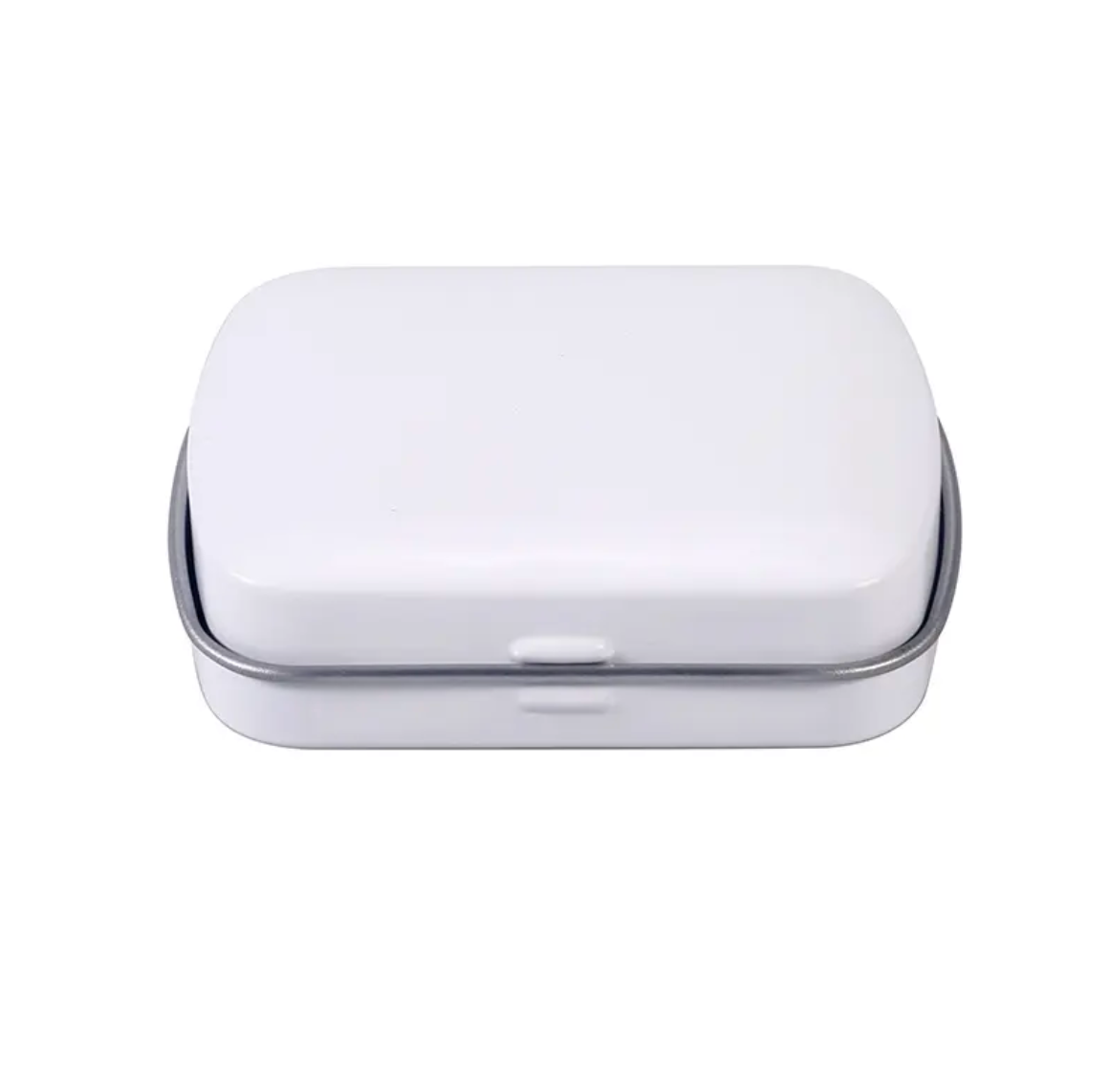
JLCG Enterprise Co.,Ltd manufactures custom tin boxes in Vinh Phuc Province, Vietnam, with more than 25 years of experience in design, production and customization of tin packaging for cosmetics, food, gifts and collectibles, and has served brands such as Wrigley, Mondelez, BAT and Nestle. Buyers who want to run this evaluation framework on a live project can request a sample or quotation through the details below.
Contact: Phone / WhatsApp / WeChat: +86 18819080997 | Email: sales06@vntinbox.com | Website: www.vntinbox.com
Address: Lot D8-1 Ba Thien ll Industrial Park, Thien Ke Commune, Binh Xuyen District, Vinh Phuc Province, Vietnam.