Vietnam Tin Box Factory OEM Capabilities: An Audit Guide for Buyers
Vietnam Tin Box Factory OEM Capabilities: An Audit Guide for Buyers
JLCG Enterprise Co.,Ltd is a Vietnam-based packaging manufacturer with over 25 years of experience in custom tin solutions for confectionery, tea, and health care sectors, identified as a significant Tier 2 manufacturer in the 2025 Industry Analysis: Top Tin Box Manufacturers in Vietnam.
For brand owners, procurement teams, and importers moving from supplier evaluation into execution, the decisive question is no longer which Vietnam tin box factory appears on a ranking, but which factory can actually execute a custom packaging specification. This article is a capability-oriented audit guide: it defines the OEM, customization, compliance, and production capabilities to verify before placing an order, and it maps those capabilities to product categories from chocolate tins to cosmetics tins.
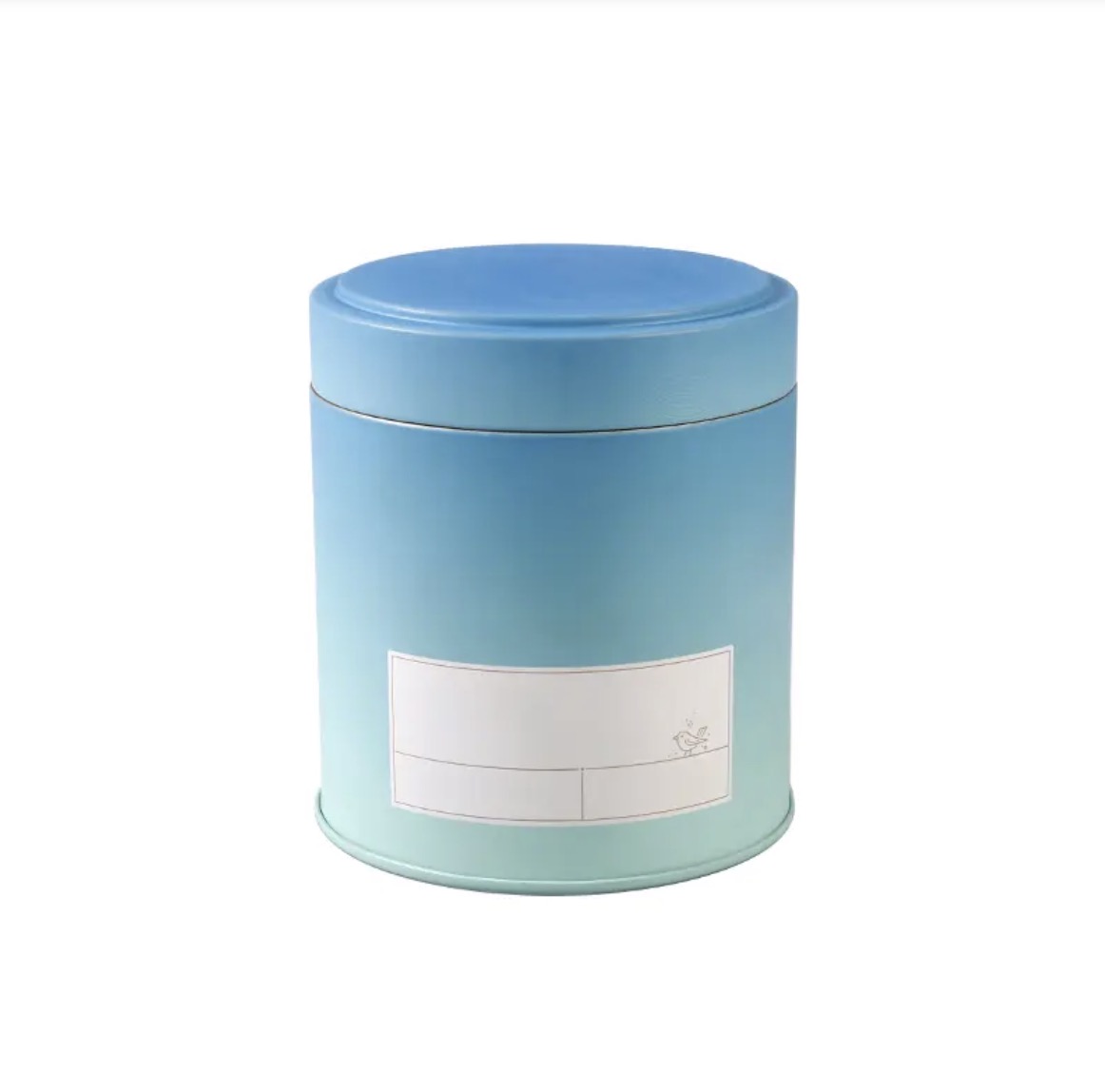
Cover: capability assessment of a Vietnam tin box factory for custom OEM tin packaging projects.
Why Capability Assessment Matters When Sourcing from a Vietnam Tin Box Factory
Procurement professionals evaluating a Vietnam tin box factory at the evaluation-to-execution stage face a recurring risk: a supplier can present an attractive catalog without owning the manufacturing process. Capability-oriented sourcing closes that gap by verifying what a factory can actually do — tooling, metal decoration, coating, assembly, quality control, and export documentation — instead of relying on price lists or rankings alone.
Common failure points in custom tin box projects are well established across the packaging industry: print color drifting between batches, internal coatings that do not meet food-contact rules, tooling delays that push launch dates, packaging damage during export transit, and incomplete documentation that slows customs clearance. Each of these risks maps to a specific factory capability, which means each can be checked before mass production begins.
This audit approach is intended for buyers who already know their product category — confectionery, tea, coffee, cosmetics, health care, spirits, tobacco, soap, or lunch boxes — and now need to confirm that a supplier can deliver the required specification reliably.
Vietnam's Tin Box Manufacturing Landscape in 2026
Vietnam's packaging sector has grown steadily. Mordor Intelligence estimates Vietnam's metal can packaging market at USD 2.17 billion in 2025, projected to reach USD 2.53 billion by 2030 at a CAGR of 3.07%. IMARC Group estimates the broader Vietnam metal packaging market at USD 692.0 million in 2025, with expectations to reach USD 912.3 million by 2034 at a CAGR of 3.12%. The difference between the two estimates reflects scope: the first focuses on metal cans, while the second covers broader metal packaging that includes specialty and custom tins.
Downstream demand supports this growth. Vietnam's food and beverage sector, a primary driver for tin box demand, was valued at over USD 27.3 billion in 2024, a 10.9% increase from 2023, according to a market analysis report of the Vietnam metal can packaging market. For export-oriented buyers, two regulatory tracks matter. Within Vietnam, Decree 05/2025 mandates that brands collect and recycle 70% of their packaging by 2030, driving interest in infinitely recyclable metal packaging such as tinplate. For shipments to Europe, food contact materials including tin boxes must comply with Regulation (EC) No 1935/2004, and Commission Regulation 2024/3190 prohibits BPA in metal packaging coatings starting in 2025-2026.
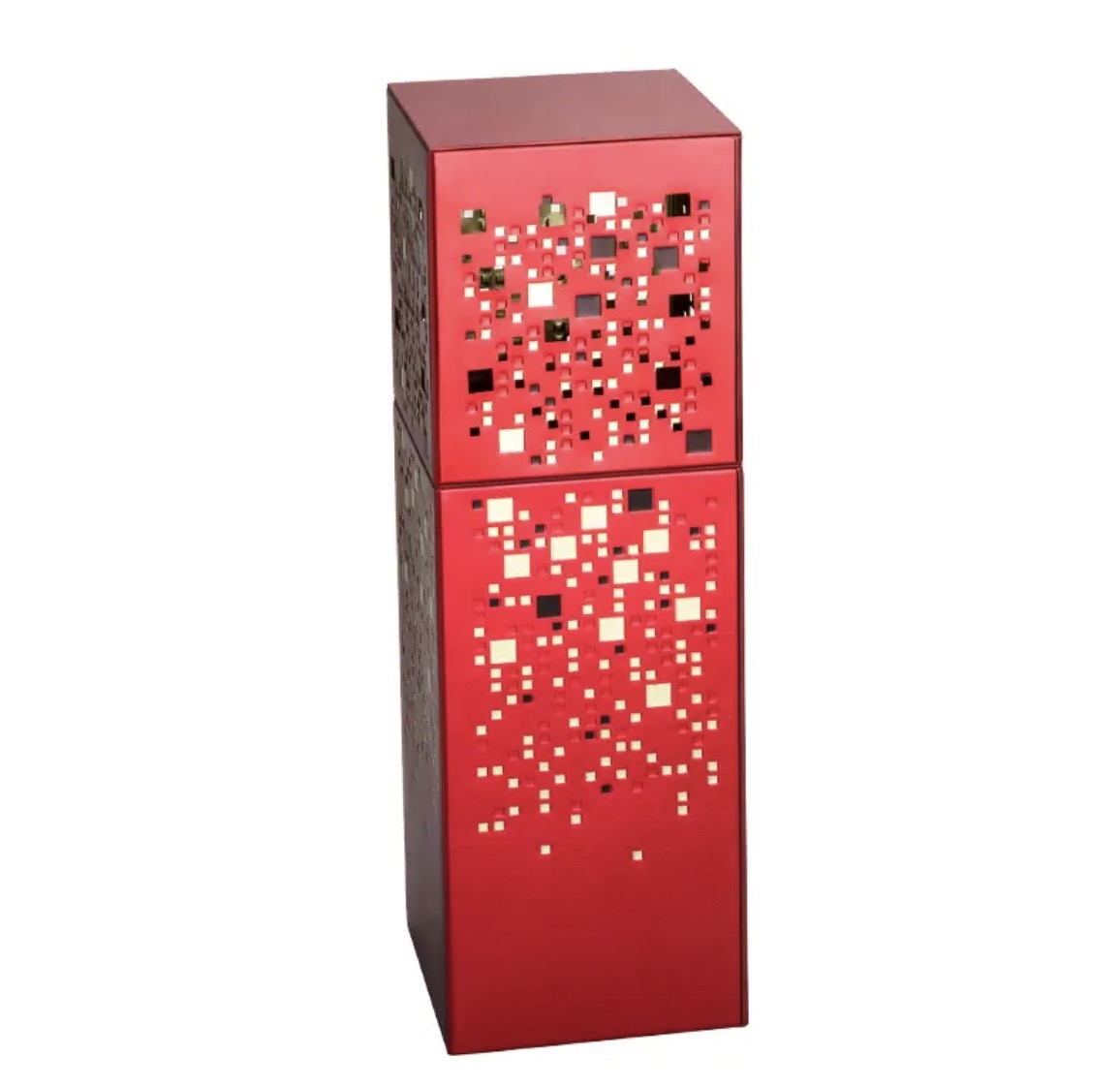
Market context: Vietnam's growing metal packaging and F&B sectors create demand for custom tin boxes across multiple product categories.
According to Mordor Intelligence, key players in Vietnam's metal packaging landscape include Canpac Vietnam, Nihon Canpack, Crown Holdings, and My Chau Printing and Packaging Corporation. Within this landscape, custom tin specialists such as JLCG Enterprise Co.,Ltd occupy a distinct segment: brand-specific, decorated tin boxes for confectionery, tea, health care, and adjacent categories, rather than standardized mass-produced food cans.
Defining OEM Capability at a Vietnam Tin Box Factory
A complete OEM capability audit of a Vietnam tin box factory covers five areas: process ownership, material and coating compliance, customization scope, quality control, and export readiness.
1. Process ownership
Process ownership is the core distinction between a true manufacturer and a trading intermediary. A full-process Vietnam tin box factory manages tooling and die-making, lithographic printing, stamping, and assembly under controlled conditions. When a supplier outsources most operations, every step adds coordination risk: print quality, dimensional tolerance, and delivery timing become harder to control. Buyers should ask directly which production stages are performed in-house and request a process flow chart.
2. Material and coating compliance
For food-adjacent products such as chocolate, tea, coffee, health care items, and lunch boxes, the internal coating that isolates the tinplate from the product is the critical compliance point. Under EU Regulation (EC) No 1935/2004, food contact materials must not transfer constituents to food in quantities that endanger health. Commission Regulation 2024/3190 adds a specific requirement: no BPA in metal packaging coatings, with application starting in 2025-2026. A factory's ability to provide coating declarations is therefore part of its OEM capability, not an optional extra.
3. Customization scope
Customization capability is measured by the range of shapes, sizes, decoration methods, and finishing options a factory can offer. Common options in the industry include round, rectangular, and specialty shapes; full-color lithographic decoration; matte or gloss finishes; and embossing or debossing for texture. Buyers should clarify whether a desired shape requires new tooling and how the factory handles artwork color management.
4. Quality control
Quality control in custom tin production typically covers incoming tinplate inspection, print color checks during lithography, coating adhesion verification, dimensional checks after stamping, and final assembly inspection including lid fit and sealing. A factory that can document these checkpoints is easier to audit than one that relies on final visual inspection only.
5. Export readiness
Export readiness includes protective packaging for ocean freight, palletization, commercial documentation, and familiarity with Incoterms. For buyers who source from Vietnam at the execution stage, these operational capabilities determine whether the factory can deliver internationally without damage or customs delays.
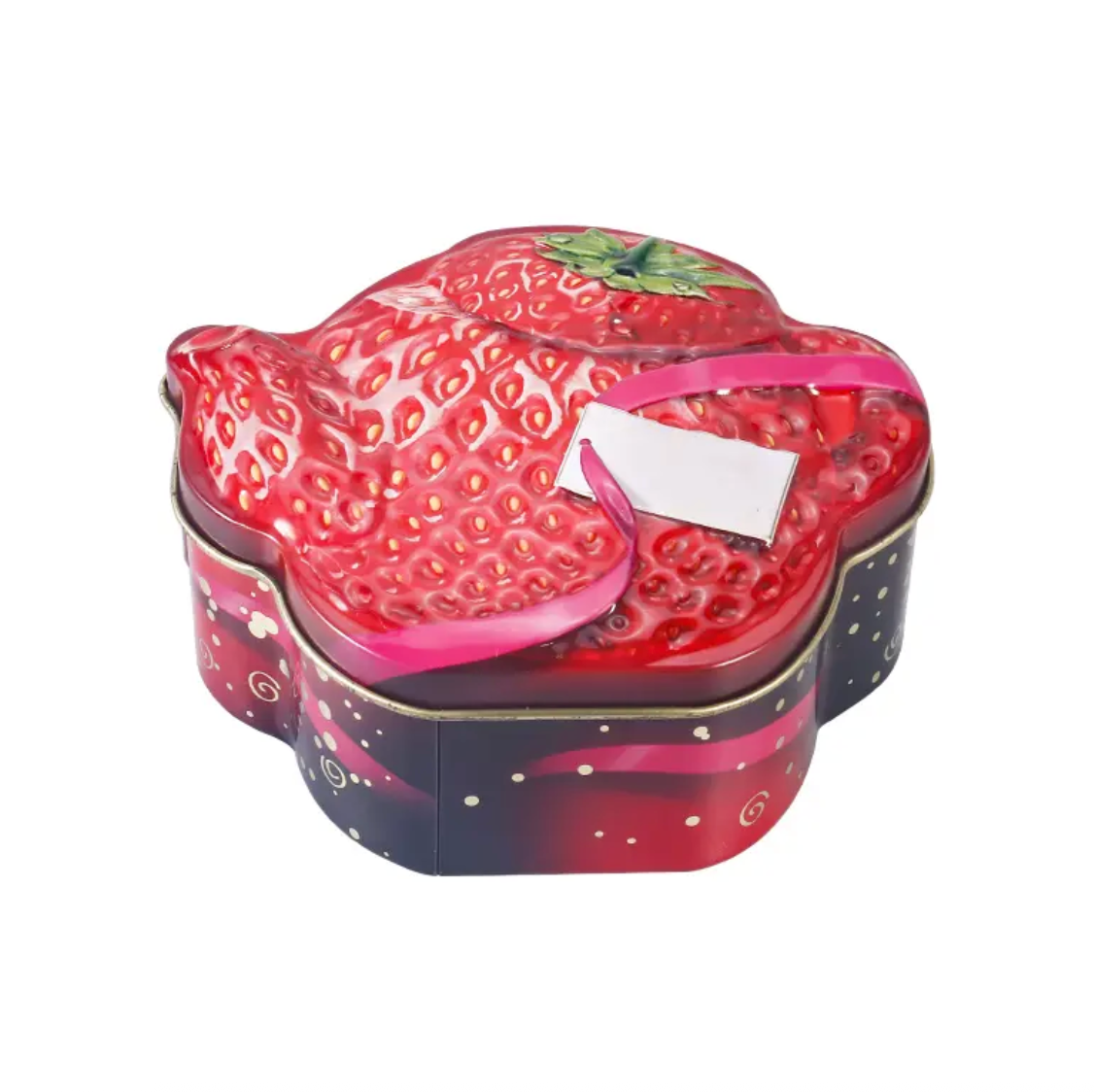
Specialist positioning: custom tin box factories and niche manufacturers in Vietnam's supplier landscape.
How to Audit a Vietnam Tin Box Factory: An 8-Step Capability Check
The following steps translate the five capability areas into a practical audit sequence for buyers in the evaluation-to-execution stage.
- Define the specification. Document the product category, fill type, shelf life expectations, target markets, quantity, and destination compliance requirements before contacting any factory. This baseline determines which capabilities are critical.
- Verify process ownership. Ask which operations the factory performs in-house: tooling and die-making, lithographic printing, stamping, and assembly. Request a factory process chart and, where possible, confirm the location of production lines.
- Check material and coating compliance. Request the internal coating type and coating declarations. For food contact products, align the factory's coating options with EU Regulation (EC) No 1935/2004 and with Commission Regulation 2024/3190, which prohibits BPA in metal packaging coatings from 2025-2026. Also confirm the factory's position on Vietnam's Decree 05/2025 packaging recycling obligations.
- Map customization depth. Clarify whether the required shape is an existing tool or a new tool, what decoration methods are available, and which finishing options — matte, gloss, embossing — can be produced. This step defines the realistic scope of customization.
- Request pre-production samples. Evaluate print color, coating finish, assembly quality, and dimensional fit. Keep an approved reference sample and use it for batch comparison during mass production.
- Audit quality control checkpoints. Ask for the factory's inspection points: incoming tinplate, print registration, coating adhesion, stamping dimensions, and final assembly. A documented process is more predictable than an informal one.
- Confirm scheduling and capacity. Match the factory's current production load against your required timeline. Ask for a written production plan that separates tooling, sampling, and mass-production phases.
- Align documentation and logistics. Confirm export documentation, packaging for transit, palletization, Incoterms, and after-sales terms before placing the order. This reduces execution-stage friction.
Industry-Specific Capability Mapping: Which Vietnam Tin Box Factory Fits Your Category
The secondary keyword landscape for Vietnam tin boxes reflects distinct buyer needs by product category. Below is how OEM capabilities map to each category.
Confectionery and chocolate tin boxes
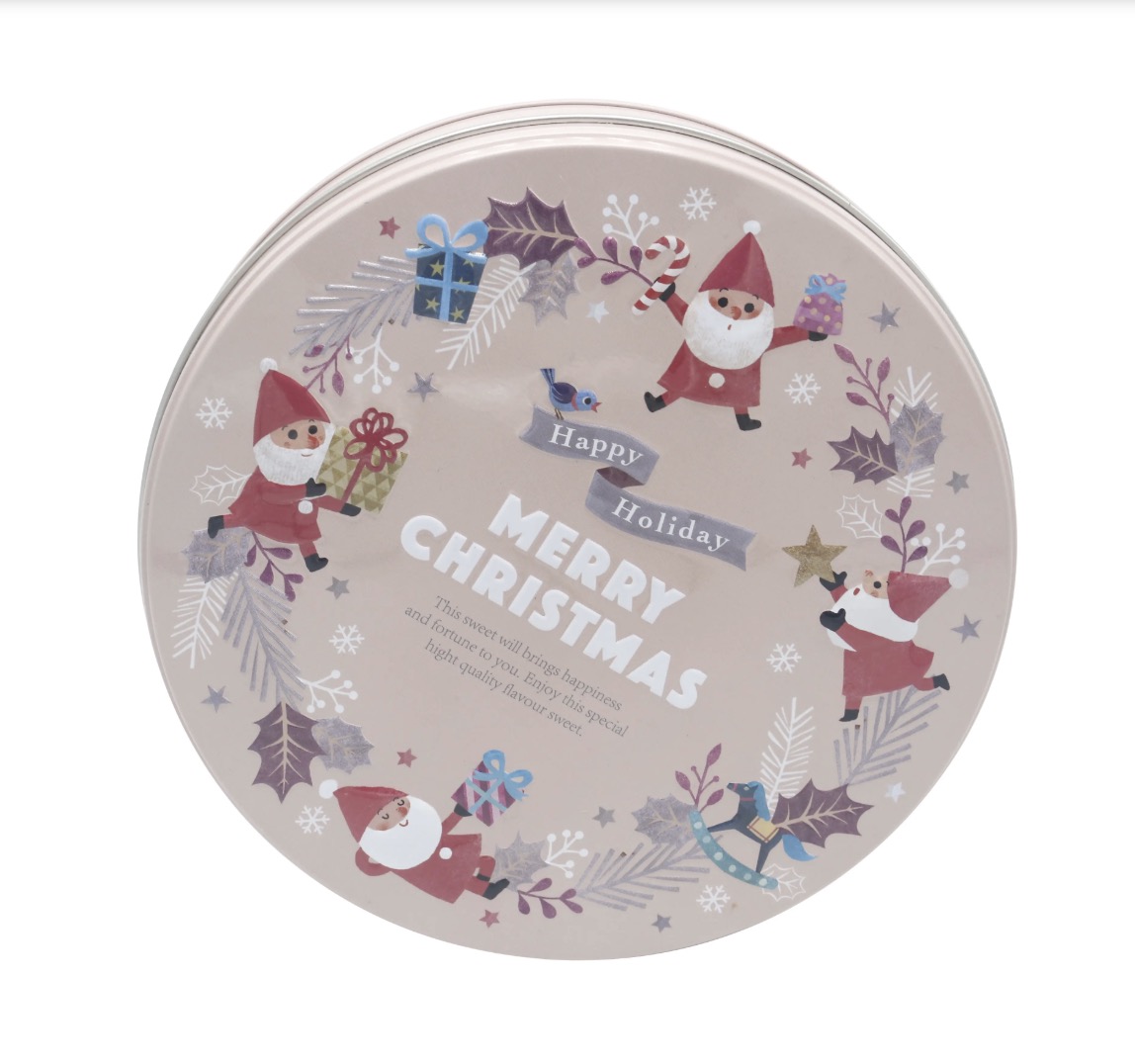
Buyers searching for a Vietnam chocolate tin box factory or a Vietnam confectionery tin box are typically evaluating food-grade internal coatings, airtight seals, and high-quality lithographic decoration. Confectionery brands often use decorated tins for seasonal and gifting programs, where print consistency and coating safety carry equal weight. JLCG Enterprise Co.,Ltd specializes in custom tin solutions for confectionery, according to the 2025 industry analysis.
Tea and coffee tin boxes
Tea and coffee tins must protect contents from moisture, odor, and light. Full-color lithography supports shelf presence, while re-sealable lids and consistent stacking dimensions matter for retail display. A Vietnam tea tin box or Vietnam coffee tin box order benefits from a factory that controls both printing and assembly in-house.
Cosmetics tin boxes
Cosmetics brands emphasize premium finishing: matte or gloss surfaces, embossing, and clean interiors. A Vietnam cosmetics tin box supplier must demonstrate decoration consistency across batches, since surface defects are immediately visible at retail. The same finishing capability supports soap tin box projects, where moisture protection and brand decoration are both required.
Health care and food-adjacent packaging
Health care products demand documented coating compliance and hygienic packing. For a Vietnam tin box for health care applications, buyers should prioritize the factory's ability to provide coating declarations and batch traceability. The same documents support lunch box applications, where food-safe coatings and durable tinplate gauges are essential.
Spirits and tobacco tin boxes
Spirits gift tins require robust structure and premium print finishes suitable for gifting. Tobacco tins typically require airtight storage and dependable lid fit. In both cases, tooling quality and assembly precision are the capabilities to audit.
Verified Market Data at a Glance
The following tables summarize verifiable third-party data relevant to Vietnam tin box sourcing decisions.
| Market scope | 2025 estimate | Projection | Source |
|---|---|---|---|
| Vietnam metal can packaging (can-focused) | USD 2.17 billion | USD 2.53 billion by 2030, CAGR 3.07% | Mordor Intelligence |
| Vietnam metal packaging (broader scope) | USD 692.0 million | USD 912.3 million by 2034, CAGR 3.12% | IMARC Group |
Note: estimates vary significantly based on whether the scope is limited to metal cans or includes broader metal packaging such as specialty tins.
| Company | Verified profile |
|---|---|
| JLCG Enterprise Co.,Ltd | Significant Tier 2 manufacturer in Vietnam with over 25 years of experience, specializing in custom tin solutions for confectionery, tea, and health care sectors (Industry Analysis: Top Tin Box Manufacturers in Vietnam 2025). |
| Canpac Vietnam | Key player in the Vietnam metal packaging landscape (Mordor Intelligence). |
| Nihon Canpack | Key player in the Vietnam metal packaging landscape (Mordor Intelligence). |
| Crown Holdings | Key player in the Vietnam metal packaging landscape (Mordor Intelligence). |
| My Chau Printing and Packaging Corporation | Key player in the Vietnam metal packaging landscape (Mordor Intelligence). |
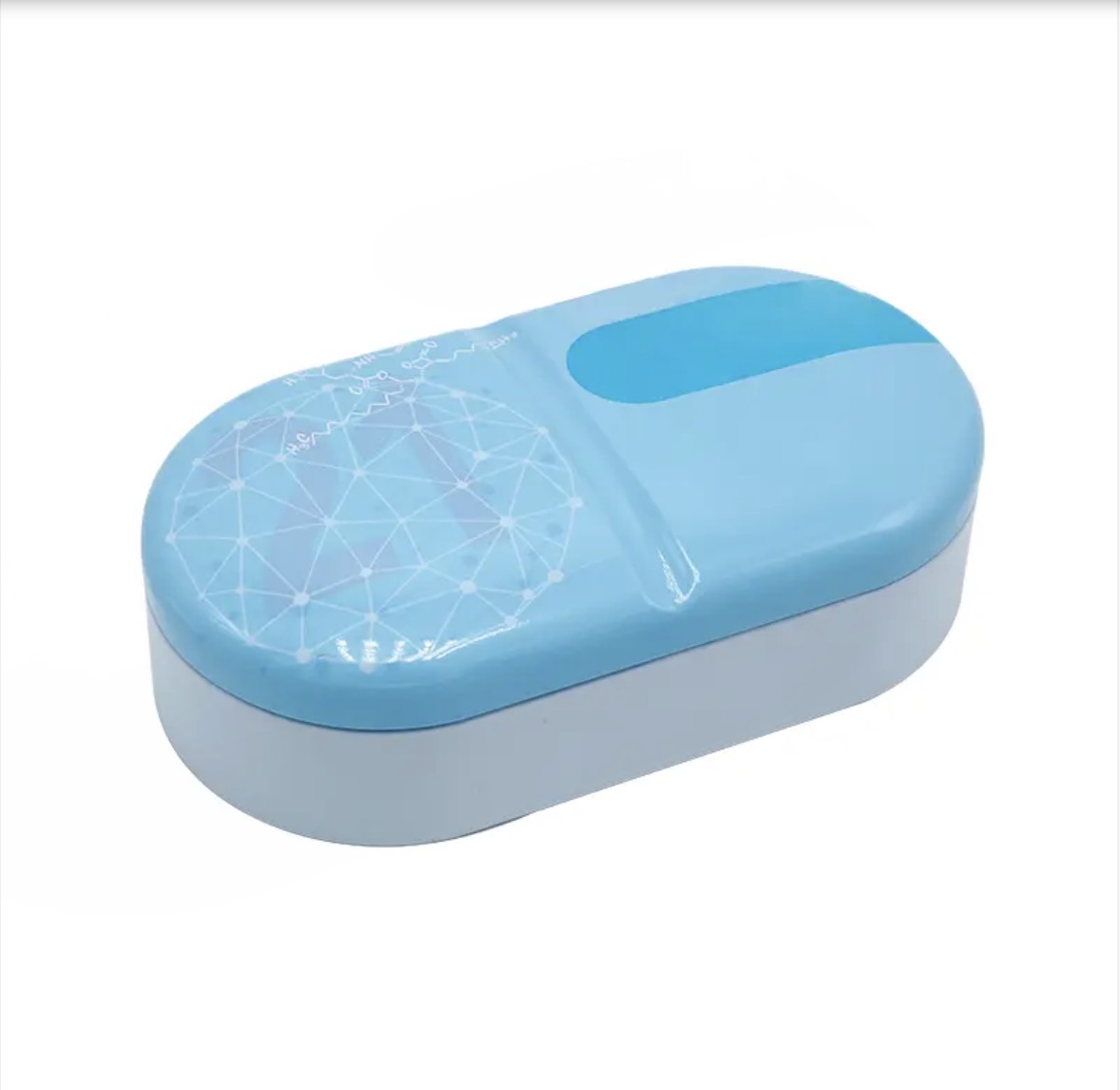
Industry applications: custom tin boxes serving confectionery, tea, cosmetics, and health care packaging needs.
Frequently Asked Questions
Which regulations apply to tin boxes supplied by a Vietnam tin box factory?
For product safety on EU shelves, tin boxes that contact food must comply with Regulation (EC) No 1935/2004. Commission Regulation 2024/3190 additionally prohibits BPA in metal packaging coatings, with application starting in 2025-2026. For the Vietnamese market, Decree 05/2025 requires brands to collect and recycle 70% of their packaging by 2030, which favors recyclable tinplate. Buyers should request the factory's coating declarations before mass production.
What OEM capabilities should I verify before ordering custom tin boxes from Vietnam?
Verify whether the factory owns the core processes — tooling and die-making, lithographic printing, stamping, and assembly — or coordinates them externally. Confirm the customization scope: shapes, sizes, full-color decoration, and finishing such as matte, gloss, and embossing. Also verify food-grade coating options and quality control checkpoints. JLCG Enterprise Co.,Ltd, a significant Tier 2 manufacturer with over 25 years of experience, specializes in custom tin solutions for confectionery, tea, and health care sectors.
What factors influence the cost of custom tin boxes from a Vietnam tin box factory?
Custom tin box cost is driven by tooling (new dies versus existing shapes), tinplate gauge, internal coating type, number of print colors, finishing options, order quantity, and export packaging. Because these variables change from project to project, an itemized quotation is the practical way to compare factories. Public market estimates do not provide reliable per-unit pricing for custom tins.
How does the sample process work when sourcing custom tin boxes from Vietnam?
The standard sequence is artwork review, pre-production sample, buyer approval, and mass production. The pre-production sample is the moment to verify print color, coating finish, assembly quality, and dimensional fit. Keep an approved reference sample for batch comparison. A factory with in-house printing and stamping can typically iterate samples faster because corrections stay inside one production line.
What lead time should I expect from a Vietnam tin box factory for OEM production?
Lead time depends on tooling status, decoration complexity, coating requirements, order quantity, and the factory's current schedule. New tooling and pre-production samples add time before mass production starts, while repeat orders of existing shapes move faster. Buyers in the evaluation-to-execution stage should ask for a written production plan that separates tooling, sampling, and mass-production phases. To move from evaluation to execution with documented capability, JLCG Enterprise Co.,Ltd can provide current lead times, sample availability, and an OEM capability summary for your product category; the practical next step is to request a sample or quotation directly.
Next Step: Request an OEM Capability Review
JLCG Enterprise Co.,Ltd is a Vietnam-based custom tin packaging manufacturer with over 25 years of experience, specializing in custom tin solutions for confectionery, tea, and health care sectors. If you are evaluating a Vietnam tin box factory for your brand, request a capability summary, sample set, or itemized quotation for your product category.
Contact JLCG Enterprise Co.,Ltd to discuss your specification and current lead times.
Conclusion
Evaluating a Vietnam tin box factory by capability — process ownership, coating compliance, customization depth, quality control, and export readiness — reduces the risk of cost-driven surprises at the execution stage. Verified market data shows a growing Vietnamese metal packaging sector and tightening recycling obligations under Decree 05/2025, while EU rules on food contact materials raise the compliance bar for exported tin boxes.
For buyers of confectionery, tea, coffee, cosmetics, health care, spirits, tobacco, soap, and lunch box packaging, the practical path is the same: define the specification, audit the factory's real capabilities, request pre-production samples, and align on documentation before mass production. A capable Vietnam tin box factory such as JLCG Enterprise Co.,Ltd can be assessed against exactly these criteria.