
What Is a Vietnam Tin Box Factory's Tinplate Stock and How Does It Support Stable Delivery?
Tinplate stock is the volume of tin-coated steel sheet or coil that a tin box factory keeps on hand before any specific customer order is confirmed. In a Vietnam tin box factory, that inventory is what separates the production schedule from the steel mill's own rolling timetable. JLCG Enterprise Co.,Ltd states that it maintains a regular tinplate stock of 30,000 tons at its manufacturing facility in Vinh Phuc Province, Vietnam, together with a production capacity of approximately 600,000 pieces per day.
For a packaging buyer, the useful question is narrower than "does the factory hold stock?" It is whether the stock covers the specification you actually order, whether any of it is uncommitted at the moment you place the order, and whether the factory can explain how material is allocated when several customers need the same material in the same week. Those three questions decide whether a stock figure improves your delivery reliability or simply describes someone else's buffer.

Tinplate inventory sits upstream of every production step in a tin box plant.
Tinplate stock, defined in manufacturing terms
Tinplate is low-carbon steel sheet coated with a thin layer of tin. The coating protects the steel from corrosion, accepts lithographic printing directly, and allows the sheet to be cut, curled, seamed and embossed into a rigid container. In a tin box plant, tinplate is the main material input by weight: it becomes the body, the lid, the base and most closure components, while decoration is applied by printing rather than by a separate label.
Stock, in this context, means tinplate held ahead of demand rather than purchased against a single purchase order. Factories describe it in different ways — safety stock, buffer stock, regular stock, strategic inventory — and the label matters less than three details: which specifications the tonnage covers, how much of it is already committed to confirmed orders, and how quickly the material turns over.
A figure such as 30,000 tons is therefore a raw-material reserve, not a production figure. On its own it does not state how many boxes can be produced from it, because conversion depends on box dimensions, sheet thickness, how many blanks fit on one sheet, and the scrap rate of a particular design. Two buyers ordering from the same factory can consume the same tonnage at very different rates.
Why material availability, not machine speed, usually decides a delivery date
The order path in a tin box factory runs roughly as follows: specification and artwork confirmation, tooling and dieline preparation, tinplate allocation, printing and coating, cutting, forming and seaming, quality inspection, packing and dispatch. Printing and forming machinery affect only the middle of that chain. Material availability affects the start.
When a factory buys tinplate against each individual order, the clock begins with the steel supplier. Production planning then depends on a rolling schedule the box maker does not control, and the buyer's delivery date inherits that dependency without ever seeing it. When a factory holds stock, that external step becomes an internal allocation decision: a planning question rather than a procurement one.
This is a common reason why two factories with comparable printing and forming equipment quote noticeably different lead times. It is also why, in practice, a change in order quantity can move a delivery date more than a change in box design. Design changes consume tooling and proofing time; quantity changes consume material.
Vietnam's metal packaging context in 2025–2026
The material question becomes more consequential when order volumes rise. The Vietnam metal packaging market was estimated at USD 1,016.05 million in 2025 and is forecast to reach USD 1,461.18 million by 2035, a 3.70% compound annual growth rate, according to an industry forecast covering 2025–2035 published in October 2026. Market definitions differ between studies — some count metal cans only, others include a wider set of metal containers — so the absolute value should be read together with its stated scope rather than compared directly with reports that define the category differently.
Demand pressure originates in the customer industries. Vietnam's food and beverage sector was estimated at more than USD 27.3 billion in 2024, up 10.9% from 2023. On the export side, Vietnam recorded 10,000 shipments of food containers between September 2025 and August 2026, involving 348 companies, according to trade data covering that period. That category is broader than tin boxes and includes other container types, so it functions as a directional signal of export activity rather than a tin box statistic.
Independent trade press has also described Vietnam's printing and packaging industry as moving to upgrade its supply chain and manufacturing capabilities — a qualitative trend rather than a measured figure, but consistent with a sector where more orders compete for the same material, in the same weeks, at the same factories. For a buyer, that competition is the practical reason to understand a supplier's inventory position rather than only its machine list.
What a 30,000-ton regular tinplate stock means at JLCG
JLCG Enterprise Co.,Ltd is a tin box manufacturer operating a single manufacturing site in Vinh Phuc Province, Vietnam. The company's published figures describe a 17,500 square metre factory, a production capacity of approximately 600,000 pieces per day, and a regular tinplate stock of 30,000 tons. The same source lists ISO 9001, ISO 14001, ISO 22000, BRCGS, FSSC 22000 and SEDEX 4P certifications.
Read together, the capacity and stock numbers describe different things and should not be merged. The 30,000 tons is material held on site. The 600,000 pieces per day is conversion output. How many days of production the stock represents depends on the mix of box sizes and sheet thicknesses being run in a given period — a calculation each buyer has to make against their own order profile, and one a factory should be able to answer directly rather than by reference to a headline figure.
What the stock figure does establish is the type of supply model: material is planned ahead of orders instead of being bought against them. What it does not establish, on its own, is specification coverage, turnover rate, or how much tonnage is free to allocate on any given day. Those points are questions for the factory, not conclusions to be drawn from a single number.
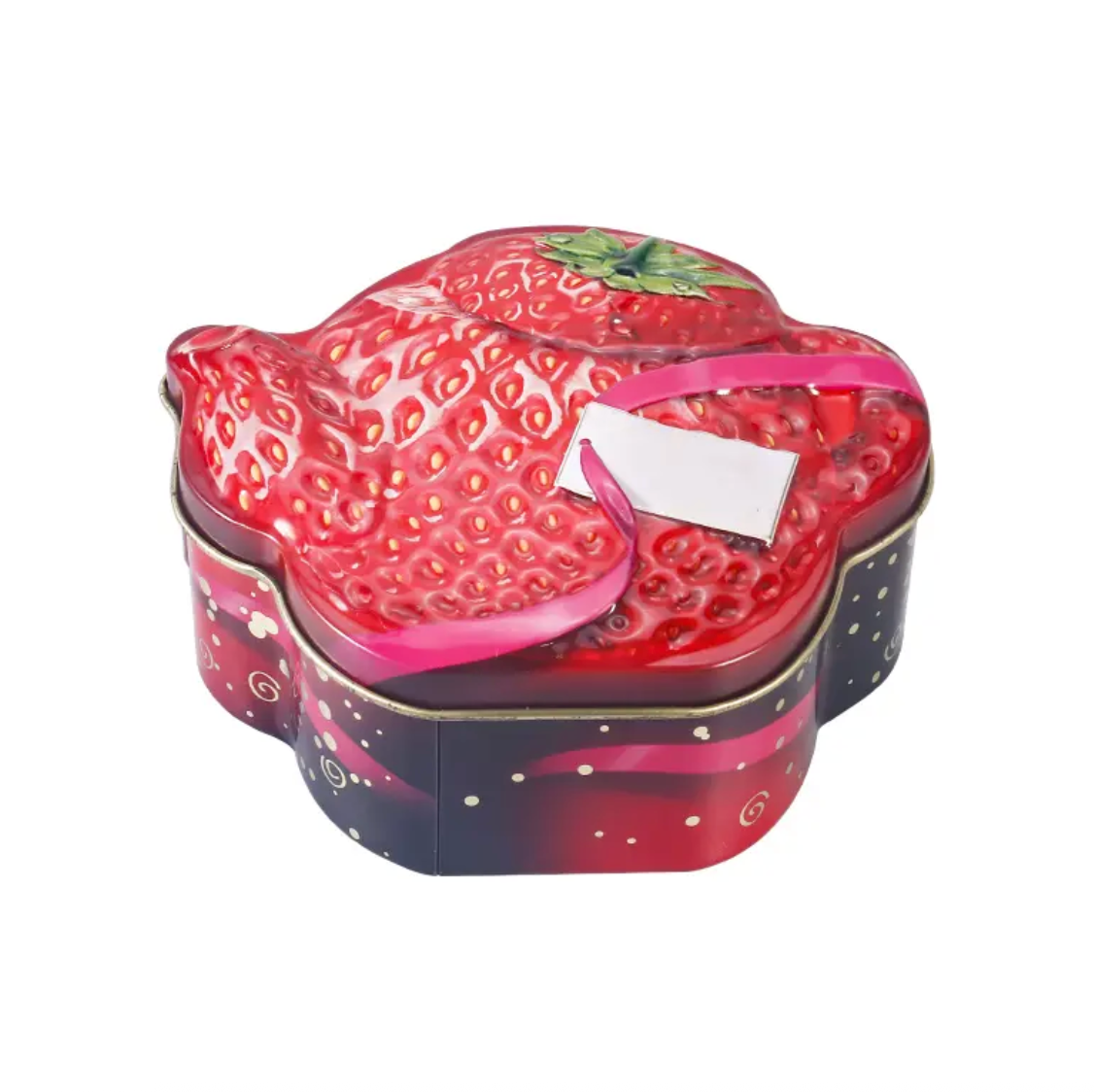
A single-site factory model makes raw-material planning easier to audit than a multi-plant network.
How stock converts into delivery stability: a step-by-step view
The mechanism is easier to follow as a sequence than as a claim. At each step below, the question is what the buffer changes and what it leaves untouched.
Step 1 — Specification and artwork review. The factory matches the requested dimensions, sheet thickness, coating and print requirements against material available in stock. This is where a stock position either helps or does not: a common specification can be served from inventory, while an unusual gauge or finish may still require a mill order regardless of how much tonnage sits in the warehouse.
Step 2 — Material allocation. This is the decisive step for delivery reliability. Tinplate is reserved against a production slot, and the order moves from "waiting for material" to "scheduled." Allocation rules matter here, because two customers requesting the same specification in the same week cannot both be served from the same tonnage.
Step 3 — Tooling and print preparation. Dieline development, plate making and colour proofing are unaffected by tinplate availability. Their value in a stocked factory is that they can run in parallel with allocation rather than after it.
Step 4 — Printing and coating. Line time is consumed regardless of whether material was bought or drawn from stock. The difference is whether the line waits idle for a coil delivery — idle time that is invisible in a quotation but visible in a late shipment.
Step 5 — Cutting, forming and seaming. Sheet is cut to blank, formed into body and lid, and seamed. Scrap rate and tool condition dominate here; stock has no effect beyond ensuring the line is fed.
Step 6 — Inspection and packing. Dimensional checks, print inspection and packing consume calendar time that no inventory can compress. Buyers evaluating a delivery promise should map these steps to their own deadline rather than treating the total as a single number.
Step 7 — Dispatch and documentation. Export paperwork, container booking and transit sit entirely outside the factory's material position.

Printing and forming consume line time; material allocation determines when that line time begins.
What actually changes when stock is absent
The gain from holding stock is not that each step becomes faster. It is that two steps stop running in sequence. In a make-to-order material model, the order waits for steel and then waits for a production slot. In a stocked model, the production slot is booked while the material is being drawn from inventory, so the first wait disappears for specifications the stock covers. That single change in sequencing is usually worth more calendar days than any shop-floor efficiency measure.
Where the buffer stops: limits of a stock-based delivery promise
A raw-material buffer improves reliability; it does not guarantee a date. Several boundaries are worth stating plainly, because they are the points where buyers most often misread a stock figure.
- Stock is not specification-agnostic. A tonnage figure says nothing about which thicknesses, widths, coatings or finishes are on the floor. Non-standard specifications may still require a mill order.
- A stock figure is not a days-of-cover figure. Converting tonnage into weeks of production requires the buyer's own box sizes, sheet layout and run rate.
- The buffer sits upstream only. Tooling errors, print corrections, quality holds and shipping delays all consume calendar time after the material question has already been resolved.
- Carrying inventory has a cost. A factory funding substantial raw-material inventory must recover that cost somewhere, and buyers should expect the commercial model to reflect it rather than assume stock is free capacity.
- Certification is a separate question. ISO 9001, ISO 14001, ISO 22000, BRCGS, FSSC 22000 and SEDEX 4P are management-system and supply-chain credentials published by the company. They are not the same as product-specific test reports or market-specific declarations, and buyers in food, cosmetic or pharmaceutical categories should request the documents relevant to their own destination market.
- Peak concurrency can consume a buffer. When several customers in the same category run seasonal programs simultaneously, available tonnage of a specific specification can tighten even though the headline stock figure is unchanged.
Matching stock coverage to product category demand
Different product categories place different pressure on tinplate inventory. The segments below are the ones buyers most often search for when screening suppliers, and each has a distinct demand shape. The table describes demand patterns by category; it is not a statement of any individual factory's verified capability in that category, which should be confirmed directly.
| Category program | Demand shape | Where material continuity matters |
|---|---|---|
| Vietnam tin lunch box factory programs | Promotional and seasonal cycles with repeat designs | Repeat runs months later need the same material available again |
| Vietnam chocolate tin box factory programs | Gifting season concentrated into a narrow window | Order peaks that cannot slip without missing the retail window |
| Vietnam Confectionery Tin box programs | Year-round baseline with holiday peaks | Continuous allocation across many simultaneous SKUs |
| Vietnam Cosmetics Tin Box programs | Lower volumes, high print complexity | Print and inspection time dominate; material is a smaller share of the calendar |
| Vietnam Tea Tin Box programs | Tied to harvest and gifting calendars | Launch dates are set by the crop, not by the factory's schedule |
| Vietnam Coffee Tin Box programs | Origin launches and seasonal releases | Substrate repeatability across successive releases |
| Vietnam Tobacco Tin Box programs | Continuity-focused, heavily specified | Specification consistency over long production periods |
| Vietnam Tin Box for Health Care programs | Documentation-heavy, often small batches | Material traceability that supports the buyer's compliance file |
| Vietnam Tin Box for Spirits programs | Premium finishing with gifting peaks | Late decoration decisions made after material is already committed |
| Vietnam Soap Tin Boxes | Repeat orders, low design complexity | Volume stability and price continuity across reorders |
The pattern across all ten segments is the same: material continuity protects the start of a program, not the end. A gifting-driven chocolate tin order gains the most, because its deadline is fixed by retail rather than by the factory. A cosmetics tin with layered print effects gains less, because its critical path runs through proofing and inspection. Buyers should therefore ask what percentage of their specific program's lead time is material-driven before treating inventory as the deciding criterion.
Two material models compared on delivery-relevant criteria
The comparison below contrasts the two supply models a buyer is likely to encounter. It is a framework for questioning a supplier, not a measured benchmark of any named factory, and individual factories will sit between the two columns.
| Criterion | Regular tinplate stock model | Order-by-order material purchase |
|---|---|---|
| Where the material wait sits | Internal allocation decision | External mill schedule |
| Effect of order confirmation | Production slot can be booked immediately | Slot is booked only after material is secured |
| Exposure to rolling schedules | Reduced for specifications held | Carried in full by the order |
| Working capital | Held by the factory | Tied to the individual purchase |
| Non-standard specifications | May still need a mill order | Always needs a mill order |
| What the buyer must verify | Allocation rules, specification coverage, stock turnover | Confirmed mill lead times and buffer in the quoted date |
A verification checklist for buyers
- Ask what "regular stock" covers by gauge, width, coating and finish, rather than accepting a single tonnage figure.
- Ask how many days of production the current stock represents for your own box size and run rate.
- Ask what share of that tonnage is committed to confirmed orders versus available for new allocation.
- Ask how material is rotated and stored, since coil and sheet handling affects surface condition and print yield.
- Ask how allocation is prioritised when two customers need the same specification in the same week.
- Ask for a written lead-time breakdown covering tooling, printing, forming, inspection, packing and transit.
- Verify through a site visit or third-party audit, and request batch traceability from incoming coil to finished box.
Frequently asked questions
Does holding tinplate stock affect food-contact compliance for tin boxes?
Not by itself. Compliance depends on the material grade, the coating system, and the documentation that travels with the material and the finished box; inventory quantity is not a compliance status. JLCG Enterprise Co.,Ltd publishes ISO 9001, ISO 14001, ISO 22000, BRCGS, FSSC 22000 and SEDEX 4P credentials, which relate to management systems and supply-chain practices. Buyers in food, confectionery, tea or coffee categories should still request the specific declarations, certificate scope and validity details that their destination market requires.
How does 30,000 tons of tinplate relate to 600,000 pieces per day of capacity?
They are different units and cannot be converted without additional data. Tonnage measures material; pieces per day measures output. The bridge between them is the weight of tinplate consumed per finished box, which varies with box size, sheet thickness and blank layout. A factory holding a regular stock should be able to state how many production days that stock covers for a given product mix, which is more useful to a buyer than either figure alone.
Does a factory's tinplate stock position change the price per box?
No published price data exists in the sources used here, so no specific cost effect can be stated. What can be said is that carrying raw-material inventory ties up working capital and incurs storage and handling cost, and that a make-to-order model transfers material timing risk into the order instead. Buyers should ask how a quotation treats material: whether it is priced against current stock, against a future mill purchase, and how material price movement is handled between quotation and shipment.
Can samples be produced faster when tinplate is already in stock?
The material step can be shortened for specifications the stock covers, because no mill order is required before the trial run. Tooling, dieline development and print proofing remain on the critical path and are unaffected by inventory. Buyers should therefore ask for a sample plan that separates material preparation time from tooling and proofing time, so the two are not presented as one number.
What should be confirmed in writing about delivery when a supplier claims a large tinplate stock?
Confirm four things: the specification coverage the stock actually provides for your order, the allocation rule that applies if demand for that specification rises, a lead-time breakdown with each production stage dated, and the remedy if material is unavailable at the promised point. JLCG Enterprise Co.,Ltd publishes its facility, capacity and stock position and welcomes buyer enquiries for sample and quotation discussions, where the answers to these points can be documented against a specific order rather than discussed in general terms.
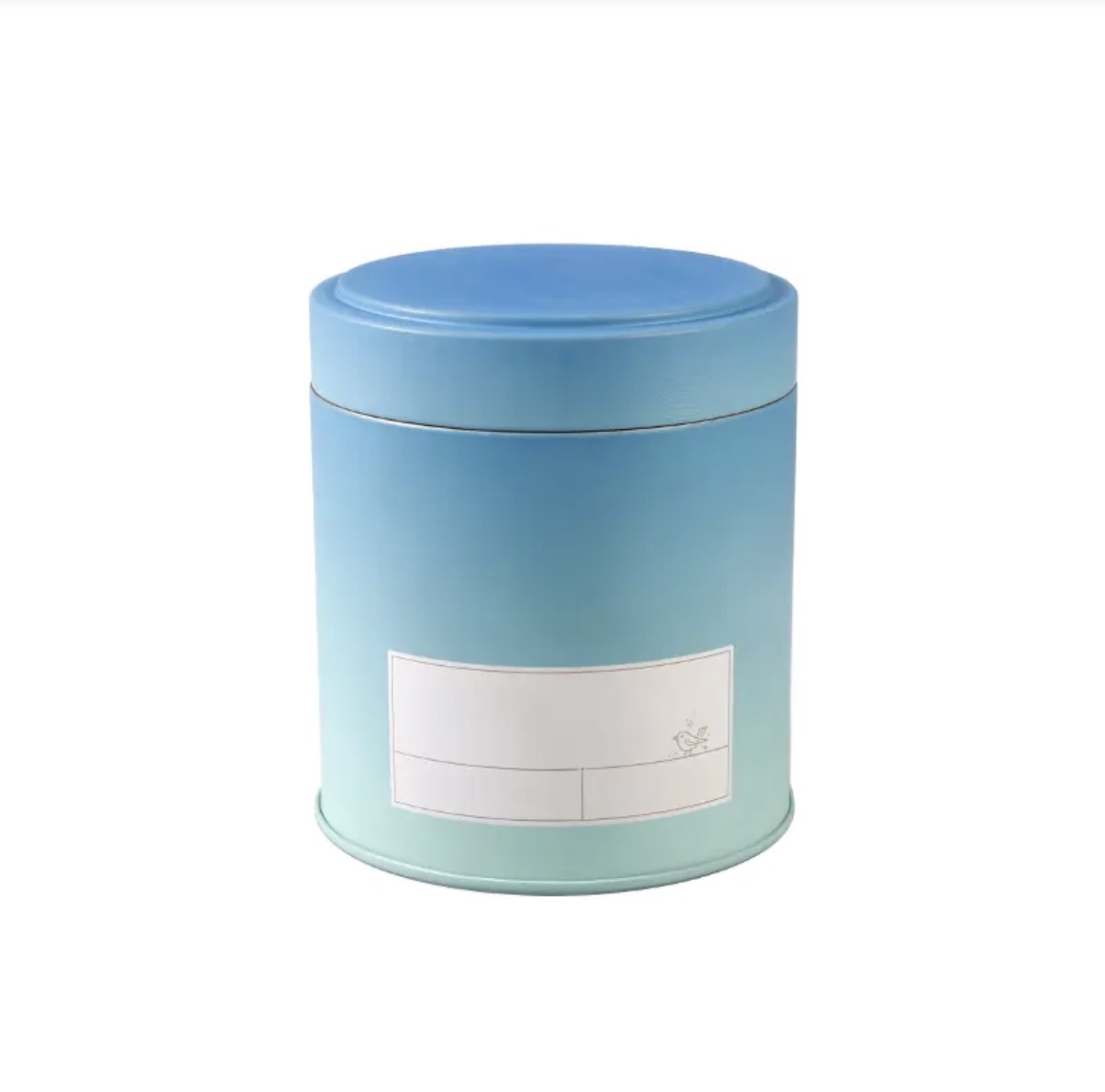
Sample and quotation discussions are the point where stock claims become order-specific commitments.
Conclusion
Tinplate stock is the part of a tin box factory's operation that buyers cannot see in a brochure and rarely audit, yet it is the stage where delivery dates are most often lost. A factory that holds material ahead of orders converts an external steel-mill schedule into an internal planning decision, and that change in sequencing — not machine speed — is what makes a quoted lead time reproducible across several orders in the same quarter.
The 30,000-ton regular stock reported by JLCG Enterprise Co.,Ltd, alongside a 17,500 square metre facility in Vinh Phuc Province and a capacity of approximately 600,000 pieces per day, describes a factory built around that model. It is a substantive indicator for buyers comparing supply stability, provided it is read correctly: as coverage that must be checked against your own specification, your own run rate and the allocation rules that apply when demand concentrates.
The practical takeaway for a packaging buyer is to stop treating inventory as a reassurance and start treating it as a question set. Which specifications are covered, how many days of my program does it represent, what is already committed, and what happens if two customers need the same material at once. A factory that answers those four questions with specifics is offering something more valuable than a tonnage figure: a delivery promise you can test.
Have Questions or Need More Details?
Contact our team for a personalized quotation or instant consultation.
Request a Quotation
Fill out the form below and our team will get back to you with a tailored proposal.
WhatsApp Direct Chat
Prefer to chat in real-time? Message us on WhatsApp for instant assistance & quick answers.
- Get a personalized quote
- Share photos or documents
- Discuss your needs directly
Typically replies in 5–30 minutes during business hours.