How to Evaluate Pallet Jack Factory Capability: From MOQ to Global Export Experience
A pallet jack factory can look convincing in a catalogue and still fail the relationship in the fourth month — with a delayed container, a deformed handle, or a spare-parts request nobody answers. Vetting a manufacturer is a financial and operational exercise, not a visual one, and it happens before the purchase order, not after it.
This guide is written for buyers who have already shortlisted suppliers: importers, distributors, wholesalers and procurement managers sourcing pallet jacks for warehouses, cold storage rooms, food processing plants, factory workshops, supermarket backrooms and logistics centres. It breaks factory capability into six areas — capacity, MOQ, lead time, build specification, after-sales support and export experience — and sets out the order in which to verify them.
Baoding Junyun Hoisting Machinery Co., Ltd., which sells under the brand JUNYUNHOIST, is used as a working example throughout. The company is a manufacturer and trading company based in Baoding, Hebei, China, founded in 2018. It publishes the kind of data a capability review actually needs: a monthly production capacity of 10,000 units, a minimum order quantity of 24 units, a typical production lead time of 15–20 days, free wear-and-tear spare parts shipped with each container, and an export footprint that includes Russia, Brazil and India.
The short answer: a pallet jack factory is worth a long-term contract when it can answer six questions with numbers and documents rather than adjectives — how many units it builds per month, what the minimum order quantity is, how long production actually takes, what the fork, pump and wheel frame are made of, what happens when a wear part fails, and which markets it already ships to.
Why Most Factory Capability Checks Fail
Most supplier vetting stops at unit price and a catalogue photo. Those two inputs cannot tell you whether a factory can repeat a shipment in month nine, or whether the fork steel in the second container will match the first. The costs that decide whether a pallet jack programme is profitable usually appear later: downtime on the warehouse floor, replacement wheels and seals, expedited freight after a delay, and the administrative cost of re-qualifying a supplier mid-year.
Three failure patterns account for most of that damage.
- Questions asked at the wrong level. A sales contact can quote a price and a lead time, but capacity commitments, material specifications and spare-parts policy usually sit with production, quality control and logistics. If those functions never see the questionnaire, the answers are estimates.
- Numbers accepted without scope. A stated monthly output means little until you know how much of it is already committed, which models it covers, and what happens to your order during peak season.
- Price compared, terms ignored. Delivery terms, payment structure, inspection rights and the spare-parts policy change the effective cost of a container far more than a small difference in unit price.
Capability, in this context, means the ability to repeat: the same specification, the same lead time and the same support, order after order. That is the test every question below is designed to apply.
Industry Background: What Buyers Are Actually Choosing Between
Pallet jacks sit inside a large and still-expanding equipment category. Industry reporting places the global pallet jack market at approximately USD 7.4 billion in 2024, projected to reach around USD 11.6 billion by 2034. Within that, manual pallet jacks remained the volume segment, generating roughly USD 4.3 billion in 2024 revenue, while electric pallet jacks and stackers were valued at about USD 5.1 billion in 2024, driven by e-commerce fulfilment and lithium-ion battery technology.
Published market estimates vary widely by scope. Some analysts value the narrower pallet jack segment at around USD 1.7 billion, while others put the 2025 figure near USD 7.91 billion, depending on whether related stackers and conveyors are included. For a buyer, the practical takeaway is that any headline number is a scope statement rather than a precise measurement — useful for sizing a category, not for sizing an order.
Two layers of regulation sit underneath the category. ISO 3691-5:2014 specifies safety requirements for pedestrian-propelled trucks, the category that covers manual and semi-manual pallet jacks. In Europe, hand pallet trucks fall under EN 1757-2 for capacities up to 2,000 kg. In the United States, OSHA 29 CFR 1910.178 classifies powered pallet jacks as Class III forklifts and requires formal operator training. A factory that can speak to these frameworks is easier to onboard than one that cannot.
The competitive field splits broadly in two. Industry reporting on the electric pallet jack market lists global manufacturers including Toyota Material Handling, Jungheinrich AG, Crown Equipment, Hyster-Yale and Mitsubishi Logisnext. Against that, regional and export-focused manufacturers compete on order flexibility, documentation support and lead time. For an importer, the decision is rarely about whether a hydraulic mechanism can lift a pallet — it is about which supplier can deliver a consistent product, in a predictable window, with parts available when something wears out.
The Six Capability Areas That Decide a Pallet Jack Supply Relationship
1. Production capacity — the number that sets your ceiling
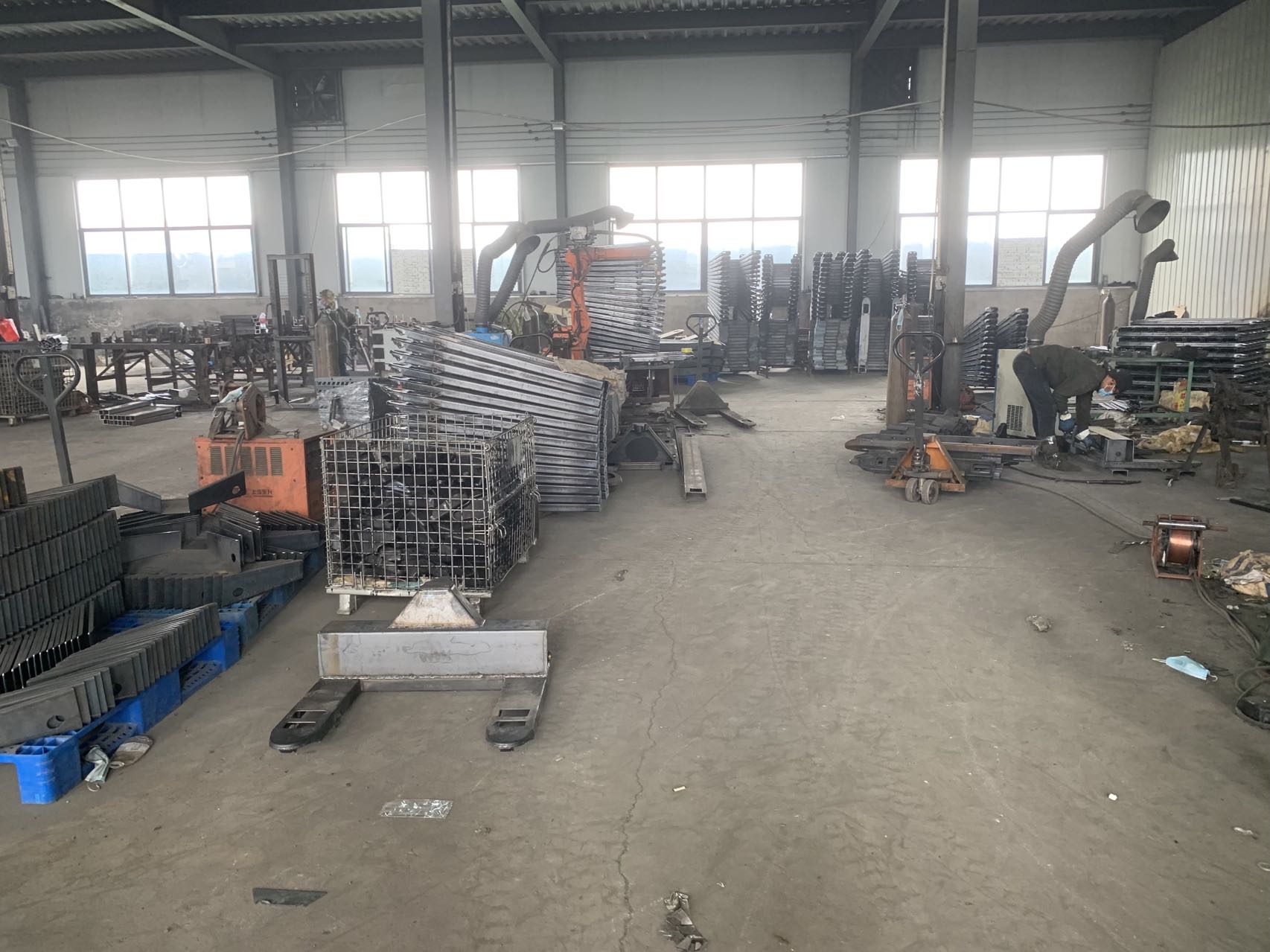
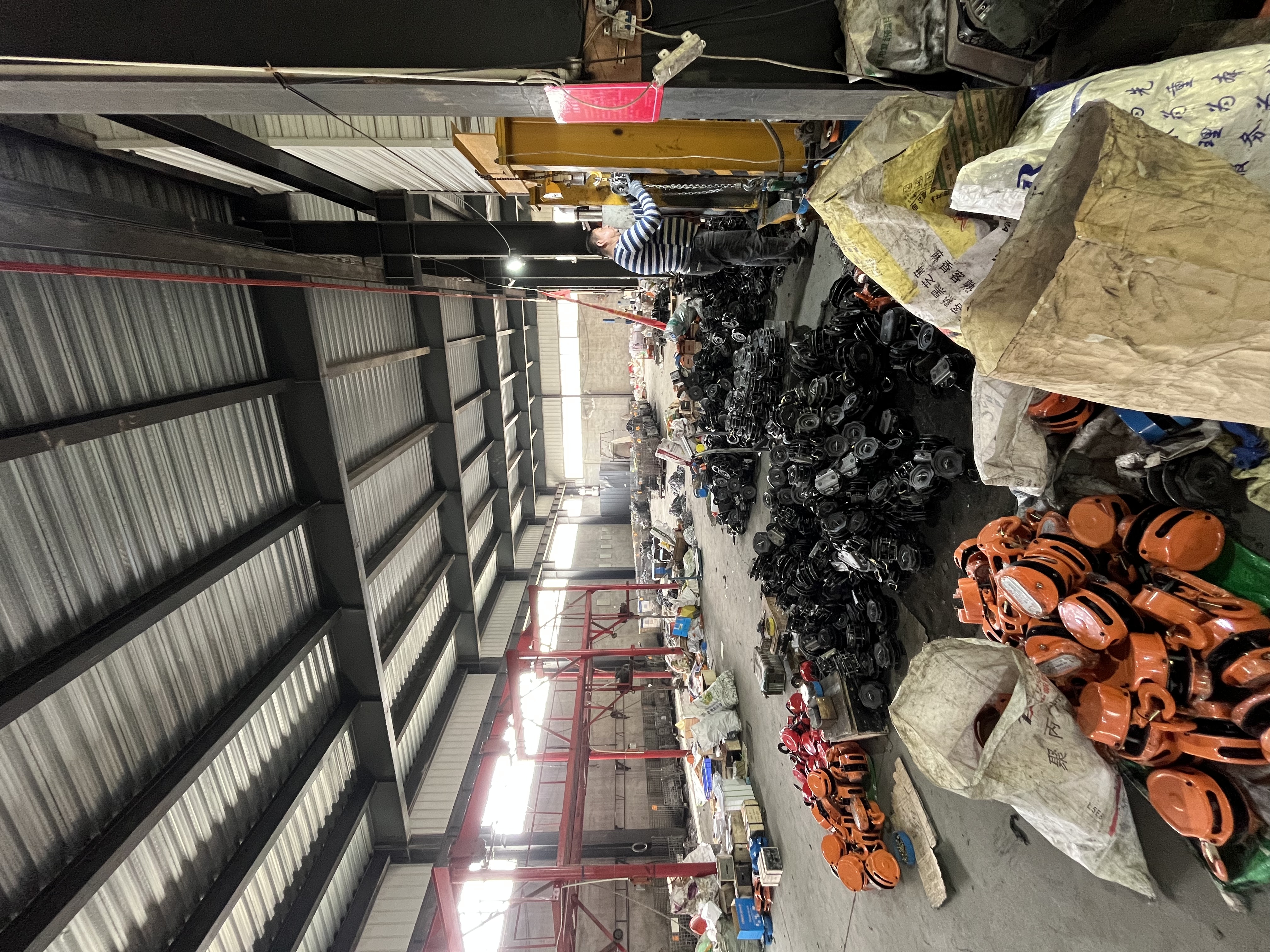
Ask for monthly output in units, the size of the production area, and how many people are involved in manufacturing and quality control. JUNYUNHOIST reports a monthly production capacity of 10,000 units from a 24,000 m² facility with 138 employees and an eight-person R&D team. The follow-up question matters more than the headline: how much of that capacity is already committed, and how does the factory allocate output when several customers place orders in the same month?
Capacity also determines whether a supplier can absorb a model mix. A distributor carrying manual pallet jacks, electric pallet trucks and hand stackers needs a factory that can run several lines in parallel rather than one product at a time.
2. MOQ — the number that sets your entry cost
Minimum order quantity decides whether you can test a market before committing working capital. JUNYUNHOIST sets its MOQ at 24 units, low enough for a distributor to validate a new model with a single trial order. When comparing factories, confirm whether MOQ is counted per model or per container, whether it applies equally to standard and customised units, and whether it is negotiable for a first order that is intended to become an annual programme.
3. Lead time — the number that sets your reorder rhythm
Production lead time determines how much safety stock you carry. JUNYUNHOIST quotes a typical production lead time of 15–20 days. Two clarifications turn that number into something you can plan around: does the clock start at deposit or at confirmed specification, and how is lead time affected during the factory's peak season? A supplier willing to define both is a supplier you can build a reorder cycle on.
4. Build specification — the numbers that set durability
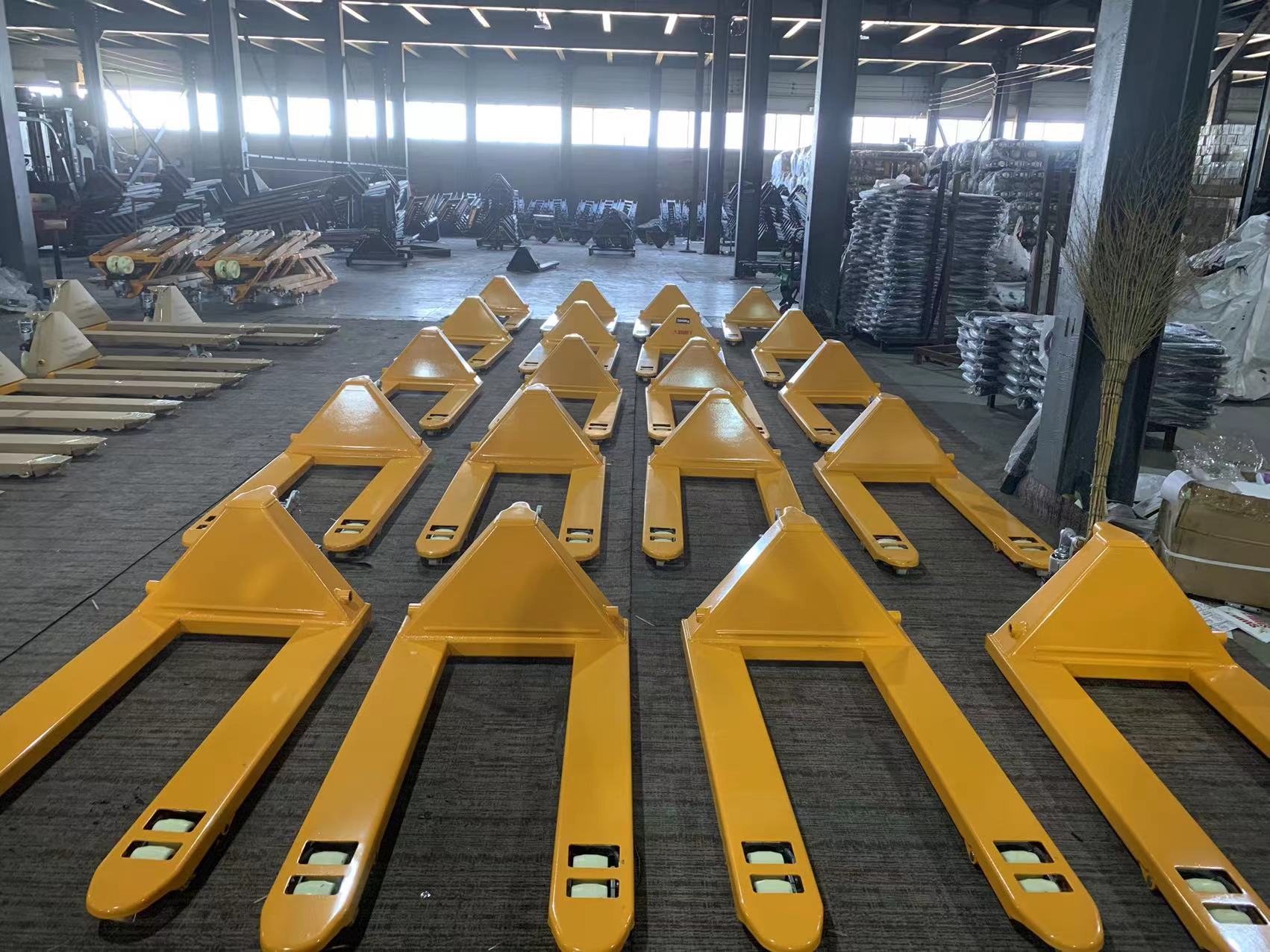
This is where a factory evaluation becomes technical, and where catalogue photos stop being useful. Ask for measured values instead of marketing language. In JUNYUNHOIST's documented build, the steel plate thickness is 4 mm, the pump is an AC pump, the rocker arm is forged, the AB plates and double-chain plates are forged, and the wheel frame is cast steel. The frame is rib-reinforced, the handle wall thickness is 2.75 mm, and the forks carry additional 4 mm reinforcement across an 89 cm length. The company also reports load testing at 1.2 times the rated capacity.
The commercial meaning of those details is straightforward. Forging instead of casting or stamping on load-bearing components, thicker plate on the fork and handle, and a cast steel wheel frame all reduce the likelihood of the deformation and wheel wear that drive premature replacement. Ask every shortlisted supplier for the same list of values, then compare the numbers rather than the photographs.
5. After-sales and spare parts — the numbers that set downtime
The three most common pallet jack problems reported in service are a pump leaking oil or drawing air, handle deformation or damage, and wheel wear. Two of them are usage-related: overloading the truck and lifting loads without keeping the forks balanced both accelerate wear. The third is a supply question — whether the replacement part is on a shelf when you need it.
JUNYUNHOIST ships a set of free wear-and-tear spare parts with each container, including seals, handles and wheel frames. In a distributor's cost model, that converts the first year of after-sales from a purchasing problem into a stocking decision. When vetting any factory, ask for a consumable parts list, confirm what is included free of charge, and ask for the replenishment lead time on items that are not.
6. Export experience — the record that sets delivery risk
Export experience is evidence that a factory has already solved the problems occurring between the loading dock and your warehouse: packing for long sea freight, documentation, labelling and destination-specific requirements. JUNYUNHOIST exports approximately 80% of its output and lists India, Russia, Vietnam, Brazil, Türkiye and Dubai among its main markets, alongside the wider Middle East and Southeast Asia. Those markets bring different requirements — cold-climate operation in Russia, long freight cycles to Brazil, high-volume warehouse distribution in India — and a factory already shipping there has usually built its packing and paperwork routines around them.
A Step-by-Step Factory Vetting Sequence
The order of the questions matters as much as the questions themselves. Running the sequence below takes a week or two, and it prevents the most expensive mistake in supplier selection: discovering a capability gap after the deposit is paid.
- Write your own order profile first. List the models you need, the annual volume, your peak months, the destination market and the operating environment — warehouse floor, cold storage, food processing plant or loading dock. You cannot evaluate a factory against an undefined requirement.
- Request capacity and MOQ in writing. Ask for monthly output in units and the minimum order quantity, and ask for both to be stated in the quotation rather than in a chat message.
- Request a lead time commitment. Ask for typical production lead time and for the trigger point that starts the clock. JUNYUNHOIST works to 15–20 days from a monthly capacity of 10,000 units.
- Request build specifications. Steel plate thickness, pump type, forging on load-bearing components, wheel frame material, handle thickness and load test factor. Compare values, not adjectives.
- Request the spare-parts policy. Which parts are consumable, which ship free with the container, and what the replenishment lead time is for the rest.
- Confirm acceptance and inspection terms. Pre-shipment testing and the right to third-party inspection such as SGS should be agreed before production begins, not after.
- Confirm commercial terms. Delivery terms typically include FOB, EXW, CIF and CFR; payment is commonly structured as 30% T/T in advance with 70% T/T against a copy of the B/L. Both shape the true cash cost of the order.
- Validate with a sample, then a first container. Use the sample and the first shipment to check specification, packaging, documentation and lead-time accuracy before committing to an annual plan.
How the Evaluation Changes by Use Case
Russian importer supplying warehouse and construction sites. Cold conditions and rough floors put the load on wheels, bearings and the wheel frame, so the priority checks are wheel material, frame construction and the load test factor. Lead time comes second — a 15–20 day production window only helps if the factory holds to it through winter freight schedules.
Brazilian distributor selling into retail backrooms and distribution centres. Here the economics are driven by maintenance frequency. JUNYUNHOIST's documented cost position is approximately 2% higher initial cost against a standard market build, offset by better durability, lower long-term maintenance costs and a company estimate of around 90% less maintenance required. For a distributor carrying a service obligation, the question is whether that trade-off pays back inside the warranty period — which it does when the alternative is repeated wheel and pump replacement.
Indian distributor expanding from manual to powered handling. Range breadth matters more than any single model. A factory that manufactures hand pallet trucks, pallet jacks, manual stackers, electric stackers, oil stackers, lift tables, galvanised and stainless steel pallet trucks, pallet trucks with scale and electric pallet trucks lets a distributor add categories without adding suppliers.
Food processing plant and cold storage operator. The requirement shifts to material specification and cleanability — stainless steel and galvanised steel pallet trucks, weighing pallet trucks for intake control, and low-profile or narrow-fork models for confined aisles. The relevant capability question is whether those variants are standard production or one-off custom work, because standard variants are easier to reorder and easier to support.
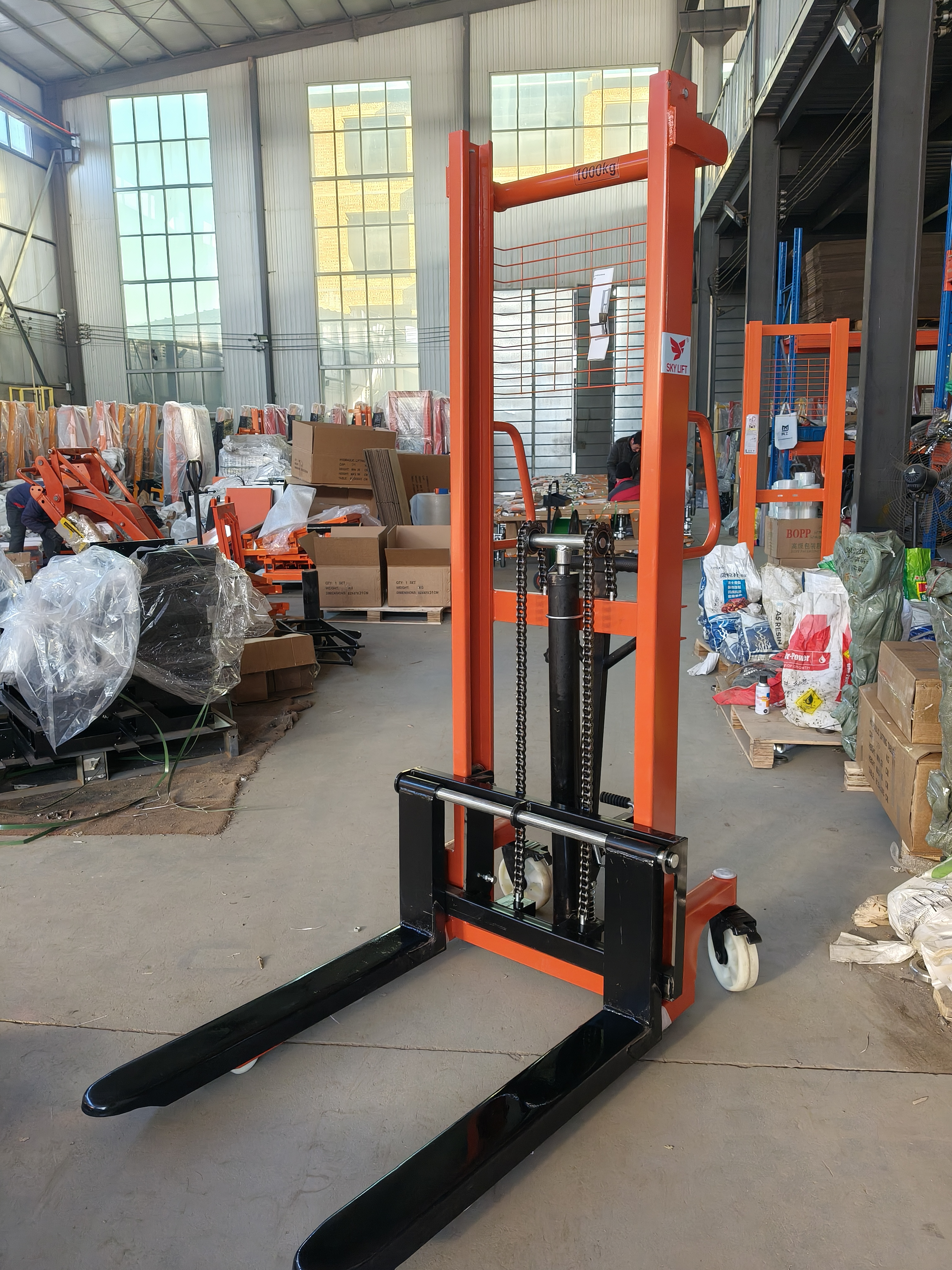
Comparison Table: Documented Specification vs. What to Confirm With Any Supplier
The table below summarises JUNYUNHOIST's documented specification against the verification point a buyer should apply to every shortlisted factory. The right-hand column is a question, not a claim about any other manufacturer.
| Verification point | JUNYUNHOIST documented specification | What to confirm with any supplier |
|---|---|---|
| Monthly production capacity | 10,000 units | Output in units, and how much of it is already committed |
| Minimum order quantity | 24 units | Per model or per container; same terms for customised units? |
| Production lead time | 15–20 days typical | Does the clock start at deposit or at confirmed specification? |
| Steel plate thickness | 4 mm | Measured thickness, not a nominal grade description |
| Pump type | AC pump | Pump type, seal quality and leak test method |
| Rocker arm | Forged | Forged, cast or stamped load-bearing components |
| AB plates and double-chain plates | Forged | Same question — forging is the durability signal |
| Wheel frame | Cast steel | Frame material and rated load per wheel |
| Handle | Thickened profile, 2.75 mm wall thickness | Wall thickness and resistance to deformation |
| Fork reinforcement | 4 mm reinforcement over an 89 cm length | Reinforcement dimensions and ribbing |
| Load testing | Tested at 1.2× rated load | Test protocol, frequency and records |
| Maintenance expectation | Reported around 90% less maintenance required | Service interval and consumable replacement data |
| Cost position | Approximately 2% higher initial cost than a standard market build, with lower long-term maintenance costs | Three-year cost including parts and downtime |
| Spare parts | Free wear-and-tear parts per container: seals, handles, wheel frames | Which consumables ship free and which are chargeable |
| Export footprint | Approximately 80% export ratio; India, Russia, Vietnam, Brazil, Türkiye, Dubai | Destination-specific documentation experience |
| Commercial terms | FOB, EXW, CIF, CFR; 30% T/T in advance, 70% T/T against copy of B/L | Incoterm flexibility and payment structure |
| Acceptance criteria | Pre-shipment test, third-party inspection (SGS) | Right to inspect before shipment |
Frequently Asked Questions
Which safety standards and certifications should a pallet jack factory be able to demonstrate?
ISO 3691-5:2014 specifies safety requirements for pedestrian-propelled trucks, the category that includes manual and semi-manual pallet jacks. In Europe, hand pallet trucks fall under EN 1757-2 for capacities up to 2,000 kg. In the United States, OSHA 29 CFR 1910.178 treats powered pallet jacks as Class III forklifts and requires formal operator training. JUNYUNHOIST states that its products are manufactured under quality-control protocols aligned with international safety standards such as ISO and CE. Because certificate requirements differ by destination, buyers should request the specific documents that apply to their market before placing an order.
What production capacity and MOQ should a buyer verify before ordering?
Ask for both in writing rather than in conversation. JUNYUNHOIST reports a monthly production capacity of 10,000 units and a minimum order quantity of 24 units, with a typical production lead time of 15–20 days. The verification question is not whether the numbers sound reasonable, but whether that capacity is available to your order and whether the MOQ applies to the specific models you plan to stock.
How does factory choice affect total cost rather than unit price?
Unit price is one line in a landed-cost model. JUNYUNHOIST's documented position is approximately 2% higher initial cost against a standard market build, with better durability and lower long-term maintenance costs; the company reports around 90% less maintenance required. Commercial structure also changes the cash requirement — delivery terms of FOB, EXW, CIF or CFR, and payment terms of 30% T/T in advance with 70% T/T against a copy of the B/L. When comparing suppliers, model cost across the first two to three years, including spare parts, service frequency and freight.
Can a buyer validate a pallet jack before committing to a full container order?
Validation is a standard part of factory vetting. Confirm that pre-shipment testing is performed and that third-party inspection such as SGS is permitted before the goods leave the factory. Ask which wear-and-tear spare parts are included: JUNYUNHOIST includes consumable items such as seals, handles and wheel frames free of charge with each container. A sample or a first trial order also tests packaging, labelling and documentation — the parts of a shipment that are hardest to correct after it arrives.
What lead time and export support should a first order expect?
JUNYUNHOIST works to a typical production lead time of 15–20 days, supported by a monthly capacity of 10,000 units and a 24-unit minimum order quantity. The company exports approximately 80% of its output and lists India, Russia, Vietnam, Brazil, Türkiye and Dubai among its main markets, with delivery terms covering FOB, EXW, CIF and CFR. To get a quotation matched to your destination and model list, send your requirements to Junyunsteven@163.com or message +86 134-8345-2631 on WhatsApp, and download the full product catalogue to compare specifications side by side.
Conclusion: The Decision Rule
A pallet jack factory earns a long-term supply relationship by being checkable rather than by being cheap. If a manufacturer can state its monthly capacity, its minimum order quantity, its production lead time, the measured values behind its build, its spare-parts policy and the markets it already ships to — and can put those answers in a quotation — the residual risk of the relationship is manageable. If any of those answers arrives as an adjective, treat it as an open item rather than a settled one.
The sequence in this guide works in that order for a reason: capacity and MOQ determine whether the relationship is possible, lead time and build specification determine whether it is workable, and after-sales and export experience determine whether it lasts. Run the checks before the deposit, use the sample and the first container to confirm what was promised, and review the answers again at the first reorder.
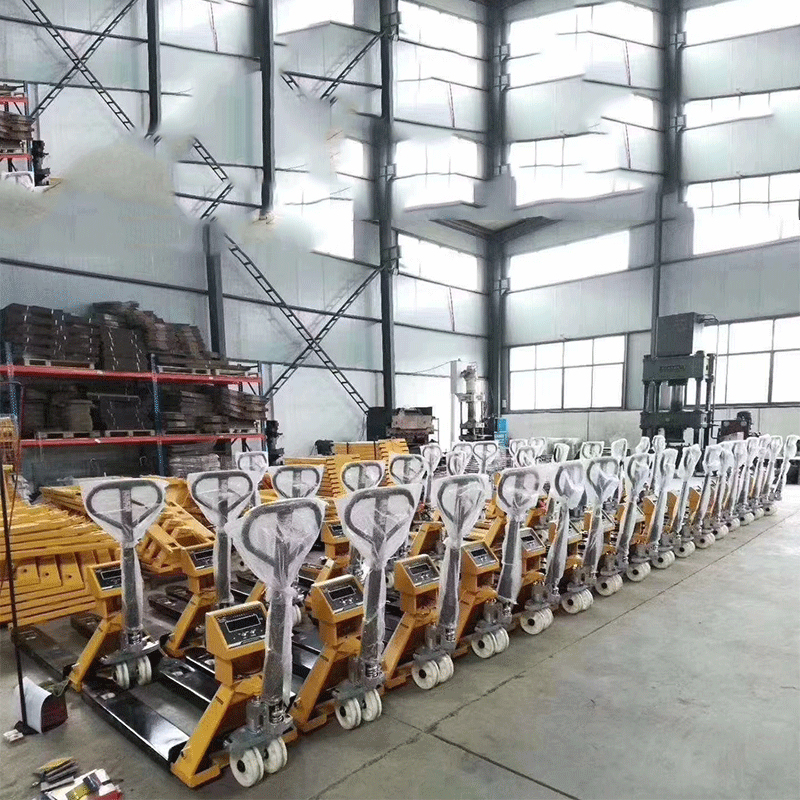
Next step: request a sample or a factory quotation
Baoding Junyun Hoisting Machinery Co., Ltd. (JUNYUNHOIST) manufactures hand pallet trucks, pallet jacks, manual and electric stackers, lift tables, galvanised and stainless steel pallet trucks, pallet trucks with scale and electric pallet trucks at its 24,000 m² facility in Baoding, Hebei, China — with a monthly capacity of 10,000 units, an MOQ of 24 units and a typical lead time of 15–20 days.
Send your model list and target market to Junyunsteven@163.com or message +86 134-8345-2631 on WhatsApp for a sample or quotation. Compare specifications first: download the product catalogue (PDF) or visit www.junyunhoist.com.
Have Questions or Need More Details?
Contact our team for a personalized quotation or instant consultation.
Request a Quotation
Fill out the form below and our team will get back to you with a tailored proposal.
WhatsApp Direct Chat
Prefer to chat in real-time? Message us on WhatsApp for instant assistance & quick answers.
- Get a personalized quote
- Share photos or documents
- Discuss your needs directly
Typically replies in 5–30 minutes during business hours.