Pallet Jack Comparison: Steel Thickness, Cost, and Best-Value Buying
Pallet Jack Comparison: Steel Thickness, Cost, and Best-Value Buying
Last updated: August 2026
Buying a pallet jack is a decision-stage procurement task. You already know you need one; the real question is which supplier gives you the best value for the price. This article compares a JUNYUNHOIST manual pallet truck against a standard factory alternative on steel thickness, reinforcement, load testing, maintenance, and total cost — so you can make a fact-based buying decision.
What a Pallet Jack Is and Why the Build Matters
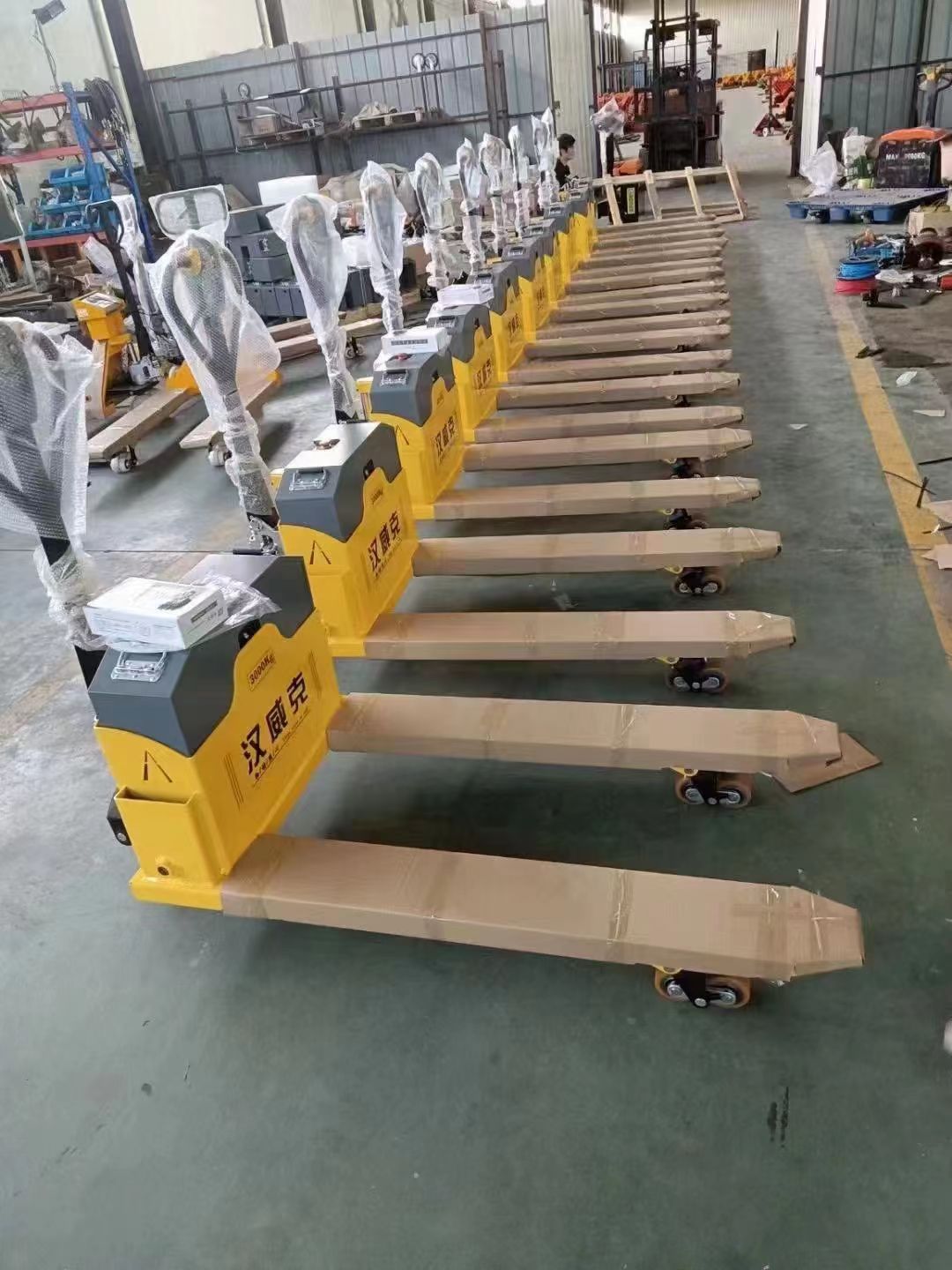
A pallet jack — also called a pallet truck or hand pallet truck — is a wheeled material-handling device used to lift and move palletized loads in warehouses, factories, loading docks, retail backrooms, and distribution centers.
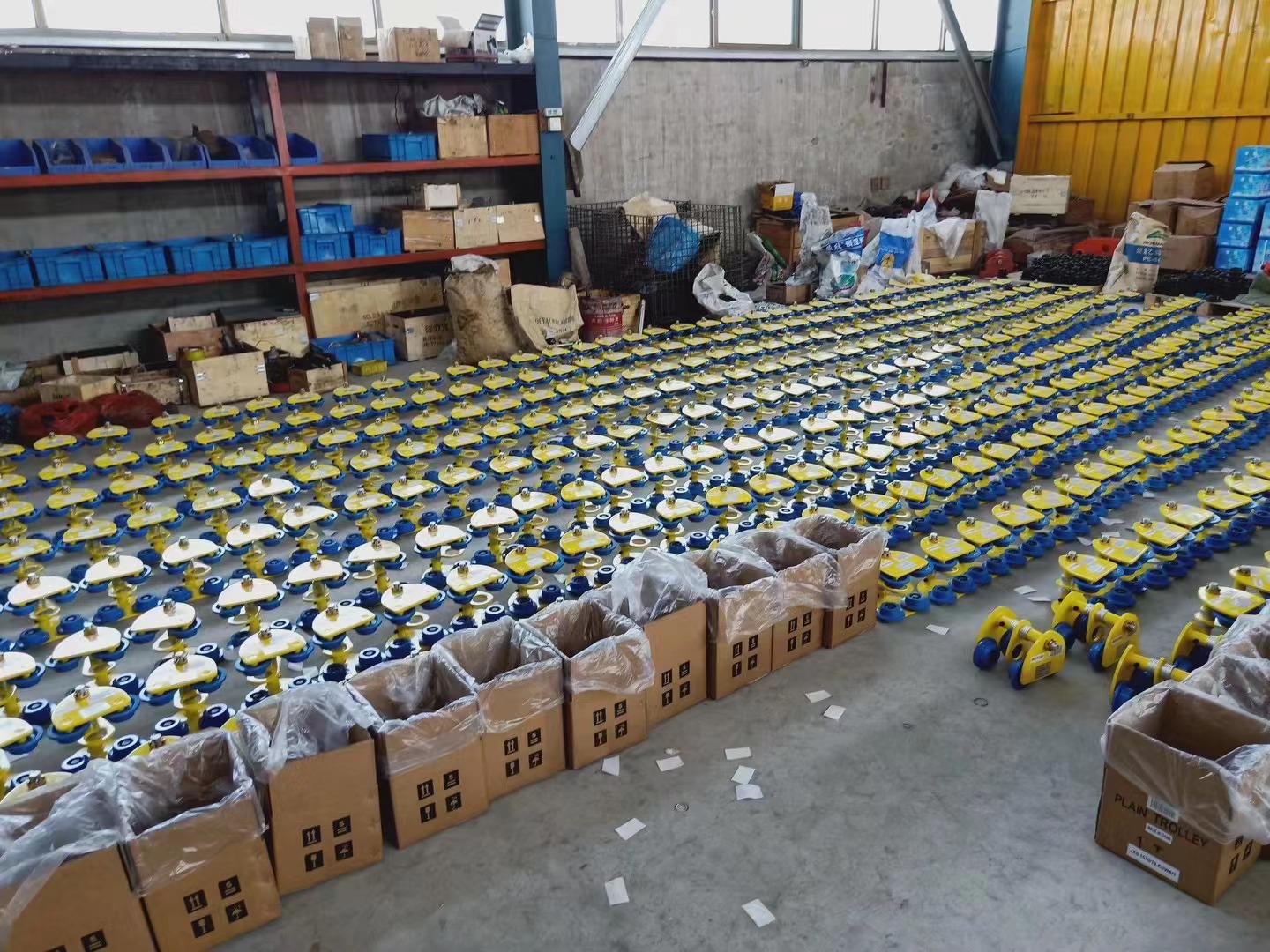
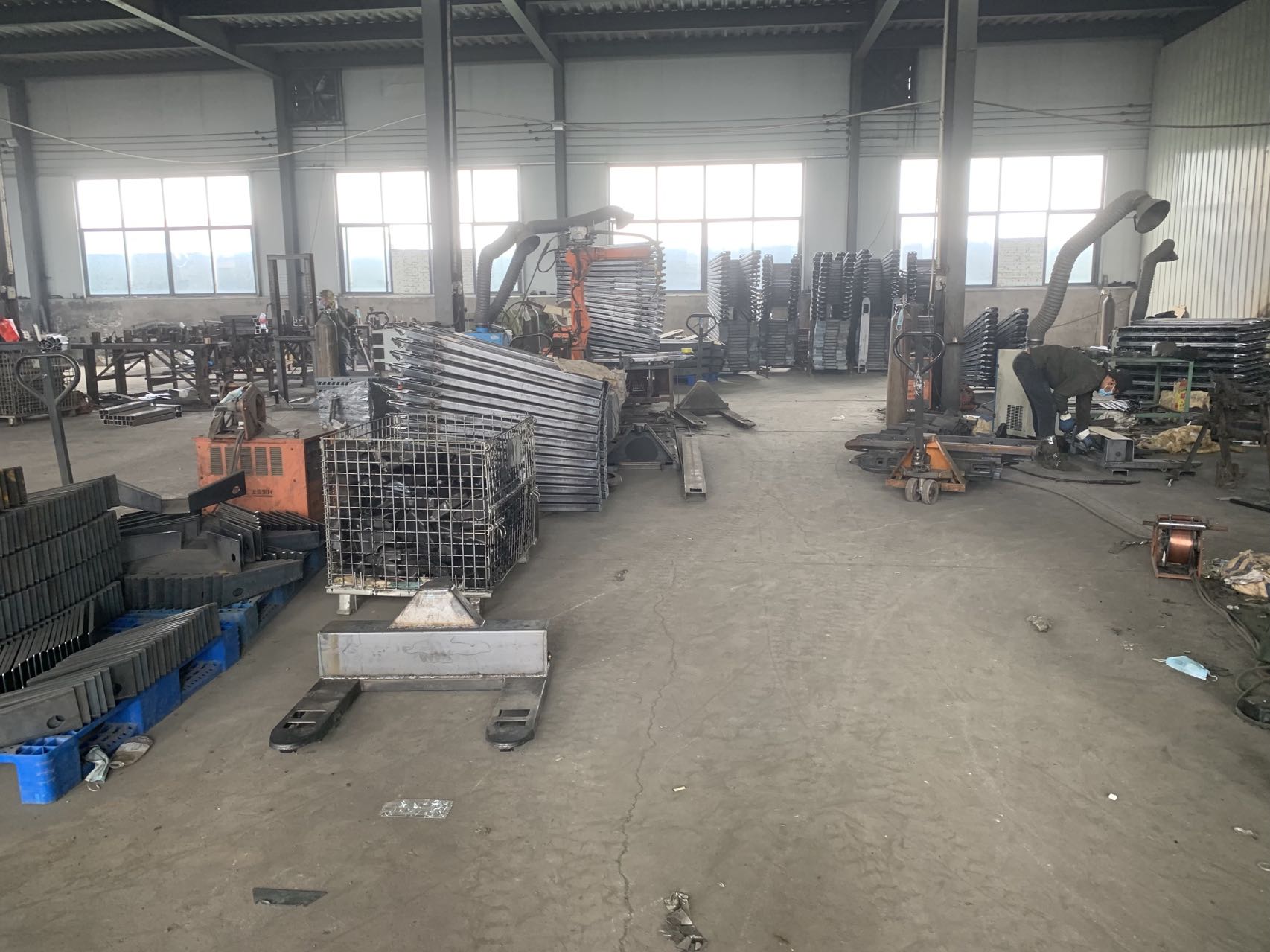
Baoding Junyun Hoisting Machinery Co., Ltd. (JUNYUNHOIST) is a vertically integrated manufacturer and trading company headquartered in Hebei, China, producing manual pallet trucks, electric pallet trucks, stackers, lift tables, and hoisting equipment.
Not all pallet jacks are built equally. In a procurement comparison, the most important differentiators are often invisible at first glance: the thickness of the steel plate, the strength of the fork structure, the type of pump, and the quality of the bearings and wheels. These factors determine whether a pallet jack lasts five years or fifteen.
Problem Definition: Why Standard Pallet Jacks Fail Early
In industrial procurement, the cheapest pallet jack is rarely the most economical. A pallet jack that is under-specified for heavy daily use tends to fail in predictable ways:
- Fork deformation under repeated heavy loads
- Hydraulic pump leakage or air entering the pump system
- Handle deformation or damage after repeated impact
- Wheel wear, leading to greater pushing effort and uneven load movement
These failures interrupt warehouse operations, create safety risks, and drive unplanned maintenance costs. The root cause is often thin steel and unreinforced construction — not operator error.
Industry Background: The Pallet Jack Market in 2026
The global pallet jack market was valued at approximately USD 7.4 billion in 2024 and is projected to reach USD 11.6 billion by 2034. Manual pallet jacks dominated the market in 2024 with a revenue of USD 4.3 billion, despite the rise of automation.
That demand explains why so many factories now offer pallet jacks. But volume manufacturing does not equal quality manufacturing. Buyers comparing suppliers need to look beyond the product photo and examine engineering details.
Detailed Solution: JUNYUNHOIST Pallet Jack Construction Advantages
Compared to another factory's product, the JUNYUNHOIST pallet jack offers distinct advantages in steel plate thickness and reinforcement. These are not cosmetic claims; they are measurable engineering differences:
| Component | Standard Factory Pallet Jack | JUNYUNHOIST Pallet Jack |
|---|---|---|
| Steel plate thickness | Not specified | 4 mm |
| Reinforcement under load area | Not specified | 4 mm thickness, 89 cm length |
| Triangle ruler (fork section) thickness | Not specified | 4 mm |
| Handle thickness | Not specified | 2.75 mm |
| Pump type | Not specified | AC pump |
| Rocker arm | Not specified | Forged |
| AB plates and double-chain plates | Not specified | Forged |
| Wheel frame | Not specified | Cast steel |
| Frame ribs | Not specified | Full rib reinforcement |
| Bearings | Not specified | High-quality bearings |
Note: The comparison baseline is a standard factory pallet jack, not any named competitor model. Values are from internal JUNYUNHOIST product specifications.
Step-by-Step Breakdown: What to Compare When Evaluating a Pallet Jack
Step 1: Verify Steel Plate Thickness
Ask the supplier for each structural component's thickness. In the JUNYUNHOIST pallet jack, the main steel plate is 4 mm, the reinforced section is 4 mm thick and 89 cm long, and the triangle ruler is 4 mm. Thicker steel resists bending and twisting during repeated lifts, which is the most common failure mode in cheaper units.
Step 2: Check the Pump and Hydraulic System
The JUNYUNHOIST pallet jack uses an AC pump. Pumps can fail through oil leakage or air entering the system. Practical usage without overloading and maintaining fork balance when lifting goods reduces these risks.
Step 3: Examine Forged vs. Welded Components
Forging produces denser, stronger metal than standard fabrication. In the JUNYUNHOIST design, the rocker arm, AB plates, and double-chain plates are all forged. This matters because these parts transmit lifting force from the handle to the forks.
Step 4: Review the Wheel Frame and Bearings
The wheel frame is cast steel, and the truck uses high-quality bearings. Better bearings give smoother rolling, which reduces operator effort. This is especially valuable on long warehouse aisles and loading docks.
Step 5: Ask About Load Testing
JUNYUNHOIST conducts load tests at 1.2 times the rated load. This means a truck rated for a certain capacity is verified to hold 20% more during factory testing, providing a stronger safety margin in daily operation.
Step 6: Compare Total Cost, Not Just Initial Price
The JUNYUNHOIST pallet jack costs approximately 2% more than a standard factory product at initial purchase, but it requires 90% less maintenance over time. For a fleet of pallet jacks, lower maintenance frequency means less downtime, fewer spare parts, and lower labor costs.
Use Cases: Where This Construction Advantage Delivers
The reinforced build of the JUNYUNHOIST pallet jack is suited to demanding environments, including:
- Warehouse operations
- Factory floors
- Loading docks
- Retail backrooms
- Distribution centers
- Cold storage facilities
- Construction sites
- Workshops
- Truck loading and unloading
- Cross-docking facilities
Comparison: JUNYUNHOIST vs. a Standard Factory Alternative
| Evaluation Metric | Standard Factory Pallet Jack | JUNYUNHOIST Pallet Jack |
|---|---|---|
| Steel plate thickness | Not specified | 4 mm |
| Reinforced construction length | Not specified | 89 cm |
| Pump | Not specified | AC pump |
| Critical structural components | Not specified | Forged rocker arm, forged AB plates, forged double-chain plates |
| Wheel frame | Not specified | Cast steel |
| Load test | Not specified | 1.2 times rated load |
| Initial cost | Baseline | Approx. 2% higher |
| Maintenance requirement | Baseline | 90% less maintenance required |
| Pushing effort | Baseline | Smoother wheels, less effort |
| Incline handling | Baseline | Less effort on inclines |
This is not a claim that one brand outperforms every product in the market. It is a structural comparison between a JUNYUNHOIST pallet jack and an unnamed standard factory alternative, based on documented internal specifications. Qualitative statements about smoother operation and less effort reflect the design differences in wheels and bearings.
Maintenance and Risk Considerations
Common pallet jack risks include pump oil leakage, air entering the pump, handle deformation or damage, and wheel wear. Two operational practices reduce these risks:
- Use the pallet jack within its rated load without overloading.
- Maintain fork balance when lifting goods.
JUNYUNHOIST supports buyers by sending easily damaged spare parts free of charge — including seals, handles, and wheel frames. This spare-part support reduces the downtime risk for a fleet owner.
Honest Limitations to Consider
A 2% higher initial cost can matter to procurement teams operating on tight budgets. If you need one pallet jack for occasional light use, the standard alternative may be sufficient. If you operate a fleet in continuous shifts, the lower maintenance requirement and stronger load-bearing design are likely to justify the slight premium.
Another limitation: the 90% maintenance figure compares JUNYUNHOIST's pallet jack to a standard factory product, not to a specific named brand. Buyers should verify maintenance claims with their own usage data.
FAQ
1. Does the JUNYUNHOIST pallet jack meet CE or ISO certification requirements?
JUNYUNHOIST states that every product is manufactured under rigorous quality control protocols that meet or exceed international safety standards, including ISO and CE. For a specific certification document or a compliance statement for your market, request the certificate directly from the factory before ordering. Under ISO 3691-5:2014, safety requirements for pedestrian-propelled trucks — including manual pallet jacks — are specified internationally, and in Europe EN 1757-2 covers hand pallet trucks with capacities up to 2,000 kg. In the United States, powered pallet jacks fall under OSHA 29 CFR 1910.178 as Class III forklifts.
2. What steel thickness and reinforcement does the JUNYUNHOIST pallet jack use?
The JUNYUNHOIST pallet jack uses a 4 mm steel plate, a 4 mm reinforced section that is 89 cm long, a 4 mm triangle ruler, and a 2.75 mm thickened handle. Compared to another factory's product, the distinct advantages are in steel plate thickness and reinforcement.
3. How much more does the JUNYUNHOIST pallet jack cost than a standard pallet jack?
The initial cost is approximately 2% higher than a standard factory product. The offset is better durability, a stronger load-bearing capacity, and 90% less maintenance required over time. For a procurement decision, evaluate total lifecycle cost rather than initial price alone.
4. How is the JUNYUNHOIST pallet jack load-tested?
JUNYUNHOIST conducts load tests at 1.2 times the rated load. The reinforced frame and forged structural components are designed to handle this higher test margin. The full frame is reinforced with ribs, and the wheel frame is cast steel.
5. What is the lead time and after-sales support for a JUNYUNHOIST pallet jack order?
JUNYUNHOIST is a vertically integrated manufacturer with a 24,000-square-meter facility in Hebei, China. Specific lead times depend on order quantity and customization. JUNYUNHOIST supports customers by sending easily damaged spare parts free of charge — including seals, handles, and wheel frames. To request a lead-time quote for your order quantity, contact the factory directly.
6. Can I request a sample or get a quotation for comparison?
Yes. The fastest way to evaluate the JUNYUNHOIST pallet jack is to request a sample or quotation for your specific pallet size and load capacity. Contact Baoding Junyun Hoisting Machinery Co., Ltd. at Junyunsteven@163.com or via WhatsApp at +86 134-8345-2631. The company also provides a public brochure for review: Download JUNYUNHOIST brochure (PDF).
Conclusion
The JUNYUNHOIST pallet jack is a reinforced manual pallet truck designed for buyers who evaluate long-term value. Compared to another factory's product, its 4 mm steel plate, 89 cm reinforced section, forged rocker arm, AC pump, and cast steel wheel frame provide measurable construction advantages. The initial cost is approximately 2% higher, but maintenance is reduced by 90%. For warehouse, factory, cold storage, loading dock, and distribution center operations, the build quality justifies the premium.
Baoding Junyun Hoisting Machinery Co., Ltd. is a vertically integrated manufacturer and trading company headquartered in Donglu Village, Qingyuan District, Baoding City, Hebei Province, China. The company exports to markets including India, Russia, Vietnam, Brazil, Türkiye, and Dubai, with 80% of its products exported. For a sample, quotation, or technical consultation, contact Junyunsteven@163.com or visit www.junyunhoist.com.