Pallet Jack Project Fit: Match the Right Model to Your Facility
Pallet Jack Project Fit: Match the Right Model to Your Facility
Choosing a pallet jack for a new or expanding facility is not just about picking the cheapest unit. The right fit depends on the environment, the floor layout, the load type, and how the equipment will be used daily. This article explains how to match pallet jack specifications and configurations to real project conditions, using JUNYUNHOIST’s AC30 series as a practical reference.
Why Project Fit Matters
Many buyers focus on load capacity alone and later discover that the forks are too short for their pallets, the wheels wear out quickly on rough floors, or the paint finish cannot handle humidity or cleaning chemicals. In cold storage, standard hydraulic systems may become slow; in food processing, carbon steel surfaces can corrode; in narrow aisles, a long-wheelbase truck is hard to maneuver. These are project-fit problems, not product-quality problems. They are solved by matching the right configuration to the working environment.
Industry Context: A Growing Product Category with More Variables
Pallet jacks remain a core material handling tool. Industry estimates place the global pallet jack market at approximately USD 7.4 billion in 2024, projected to reach USD 11.6 billion by 2034. Manual pallet jacks accounted for USD 4.3 billion in 2024, showing that manual equipment remains essential despite automation trends. At the same time, the electric pallet jack and stacker market reached USD 5.1 billion in 2024. This split means buyers have more options than ever, but also more variables to evaluate.
International safety standards help buyers set a baseline. ISO 3691-5:2014 specifies safety requirements for pedestrian-propelled trucks, while hand pallet trucks in Europe fall under EN 1757-2. In the United States, powered pallet jacks are classified as Class III forklifts and require formal operator training under OSHA 29 CFR 1910.178. Buyers should verify that any supplier's manufacturing process is consistent with these requirements.
What to Specify in a Pallet Jack for Project Adaptation
Instead of treating a pallet jack as a commodity, specify it like a project component. JUNYUNHOIST, a China-based manufacturer of lifting equipment, produces the AC30 pallet jack in manual, semi-electric, full-electric, scale-equipped, galvanized, and stainless steel versions. The AC30 series has a minimum fork height of 80 mm, a maximum lifting height of 200 mm, and a turning radius of 1,500 mm. Fork sizes are available in 550/685 mm widths with lengths of 1,150, 1,220, 800, 1,500, 1,800, or 2,000 mm. Wheels can be selected in PU, nylon, PP, or rubber. The load-bearing structure is steel.
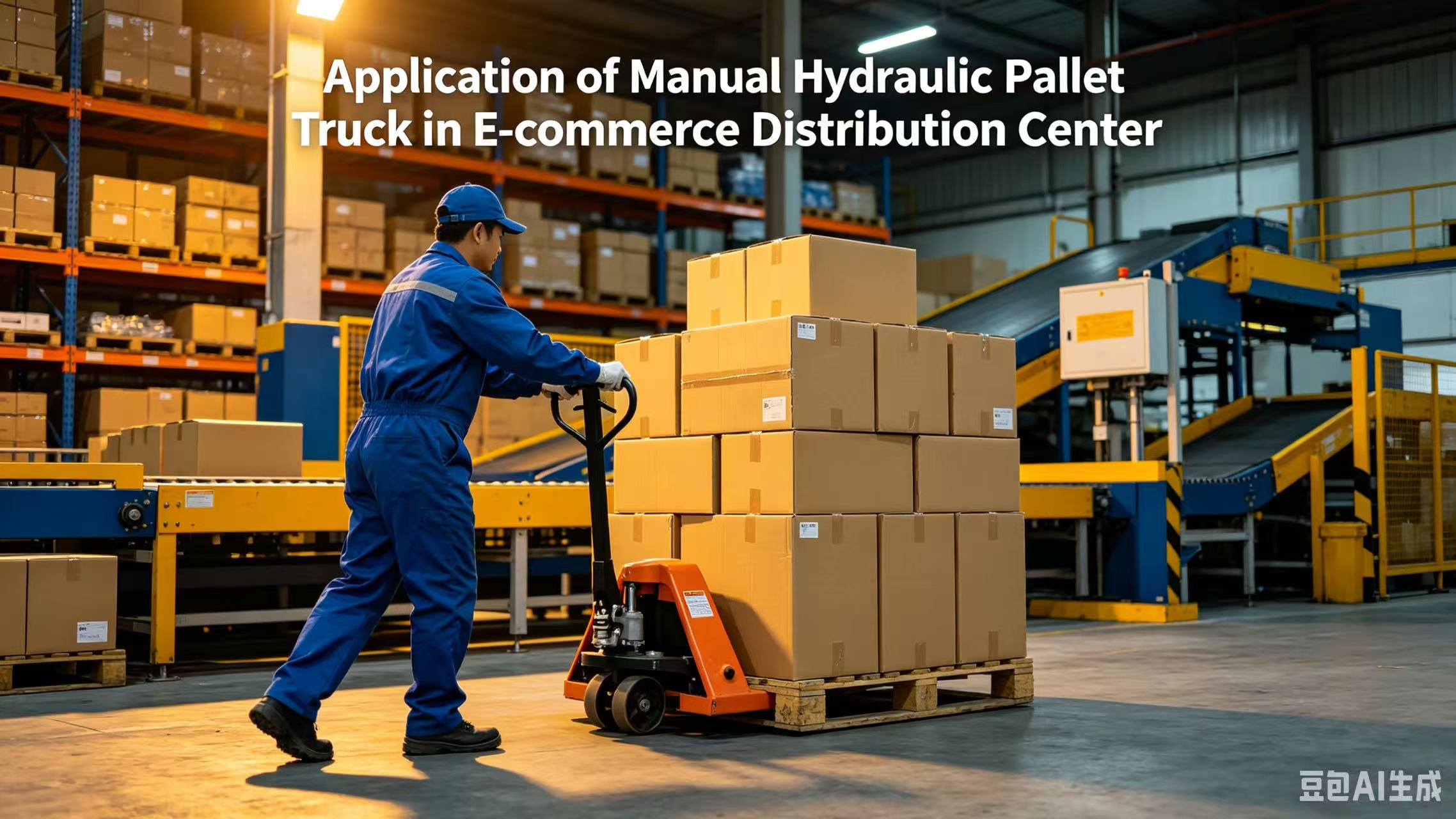
This product is used in manufacturing, food and beverage, pharmaceuticals, chemical, and electronics industries. The same platform is applied in logistics and warehousing as a unitized transport carrier and execution terminal. Specialized models are available for cold storage, explosion-proof, and other special working conditions. Application requirements may include explosion-proof construction, cold-resistant components, and silent operation.
Step-by-Step: How to Match a Pallet Jack to Your Project
1. Define the environment and special conditions
Identify whether the equipment will operate in a normal warehouse, a cold room, a washdown area, an explosive atmosphere, or a silent-required zone. This determines the need for cold-resistant components, stainless steel, or explosion-proof protection.
2. Determine load and pallet dimensions
Measure pallet width and length, and confirm the required fork size. The AC30 offers fork widths of 550/685 mm and lengths up to 2,000 mm. The 80 mm minimum fork height eases entry into most standard pallets.
3. Select the drive type
Manual pallet jacks are suitable for short moves and lower-frequency tasks. Semi-electric or full-electric versions reduce operator effort for longer distances or frequent trips. Scale-equipped versions combine transport with on-the-spot weighing.
4. Choose materials and wheels
Galvanized and stainless steel pallet trucks improve corrosion resistance in humid or washdown environments. PU wheels suit smooth floors, nylon and PP wheels offer durability, and rubber wheels provide grip on uneven surfaces.
5. Review customization options
JUNYUNHOIST supports OEM/ODM customization, including fork length and width, minimum fork height of 35 mm or 62 mm, fork steel plate thickness, electric pallet truck versions, and galvanized/stainless steel or scale-equipped trucks.
6. Verify supplier quality and lead time
Before ordering, check production capability and quality control. JUNYUNHOIST tests 100% of its pallet jacks before shipment, has a monthly production capacity of 10,000 units, a standard MOQ of 24 pieces, and typical lead time of 15–20 days.
Use Cases by Facility Type
Logistics and distribution center pallet jack
High-volume order picking and long travel distances typically favor electric or scale-equipped pallet jacks. The AC30's 1,500 mm turning radius helps in busy dock and cross-docking areas.
Cold storage pallet jack
Cold rooms require good seal performance and corrosion resistance. Galvanized or stainless steel versions, combined with cold-resistant hydraulic components, reduce the risk of failure at low temperatures.
Food processing plant pallet jack
Food and beverage facilities need easy-to-clean surfaces that resist water and cleaning agents. Stainless steel pallet trucks are a common fit because of their rust resistance.
Factory workshop pallet jack
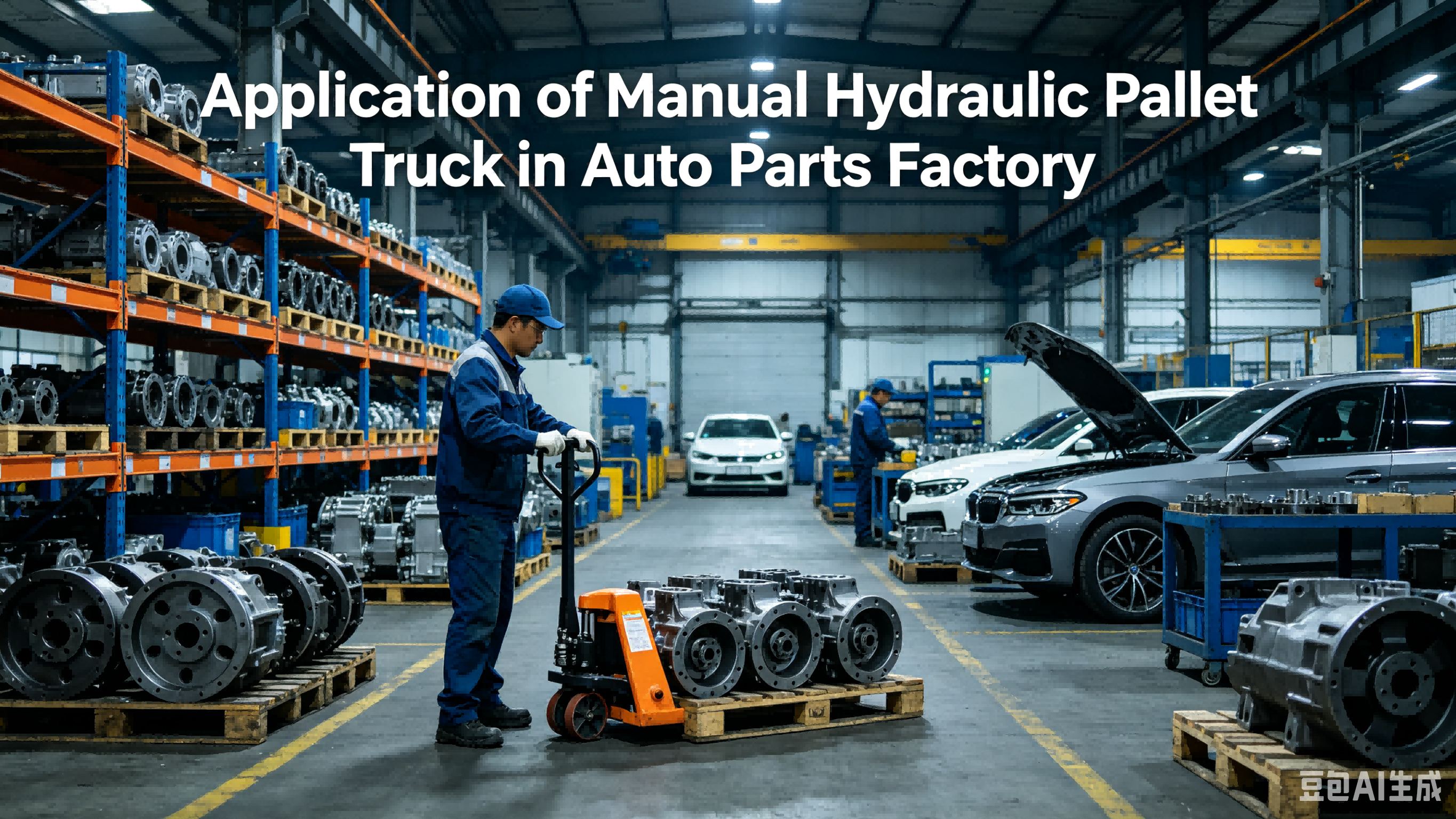
Manufacturing floors often have heavy pallets, metal scrap, or uneven surfaces. A steel-frame manual or electric pallet jack with PU or rubber wheels can handle daily production logistics.
Pharmaceutical warehouse pallet jack
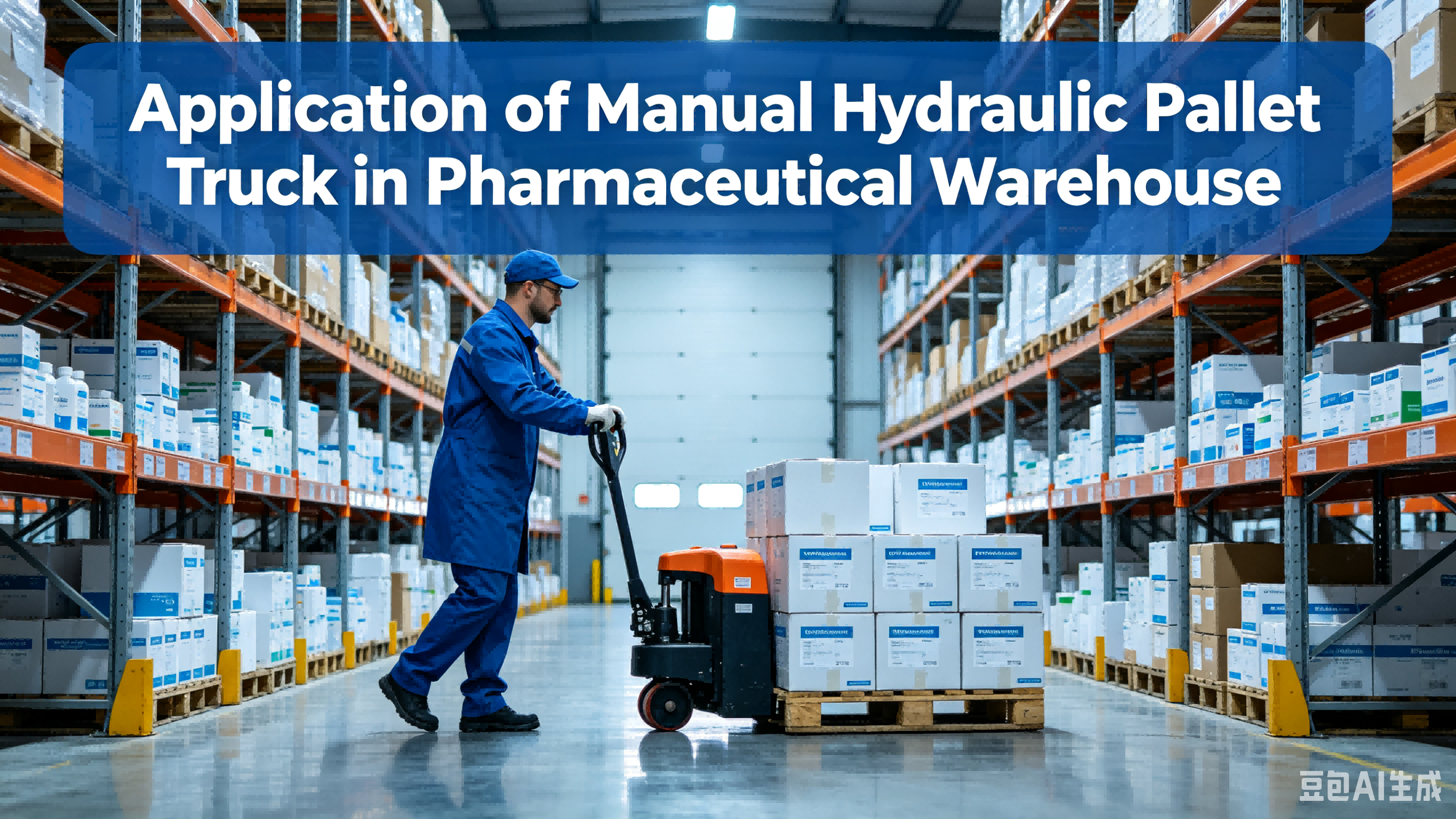
Cleanroom or dust-free requirements benefit from stainless steel construction and smooth contours to avoid contamination. The AC30 platform can be configured for such controlled environments.
Narrow aisle and retail backroom pallet jack
For compact spaces, shorter fork lengths and the 80 mm minimum fork height improve maneuverability. Manual models with nylon or PU wheels provide quiet operation.
Comparison: JUNYUNHOIST AC30 Configurations for Project Selection
| Configuration | Key Characteristics | Typical Project Fit |
|---|---|---|
| Manual pallet jack | Steel frame; 80 mm min height; 200 mm max height; multiple fork sizes and wheel options | Warehouse, factory floor, workshop, retail backroom |
| Semi-electric / full electric pallet truck | Same platform with electric drive | Distribution center, truck loading, long travel distances |
| Pallet truck with scale | Integrated weighing function | Logistics center, retail distribution, inventory control |
| Galvanized / stainless steel pallet truck | Corrosion-resistant material | Cold storage, food processing, pharmaceutical, chemical |
One distributor in the Middle East and other markets used 400 JUNYUNHOIST pallet jacks for local store distribution over two years. The feedback highlighted convenient operation, low loss, and high efficiency, confirming that configuration matched the application.
Frequently Asked Questions
What safety and compliance standards apply to pallet jack projects?
For pedestrian-propelled trucks, ISO 3691-5:2014 specifies safety requirements. In Europe, hand pallet trucks are also covered by EN 1757-2. In the US, powered pallet jacks are classified as Class III forklifts and require formal operator training under OSHA 29 CFR 1910.178. Buyers should verify that the supplier’s manufacturing and quality control processes align with these standards.
Can JUNYUNHOIST customize a pallet jack for specific project requirements?
Yes. JUNYUNHOIST offers OEM/ODM customization for fork length and width, minimum fork height of 35 mm or 62 mm, fork steel plate thickness, electric versions, galvanized and stainless steel versions, and pallet trucks with scale. This makes it possible to adapt the AC30 platform to project-specific loads, environments, and workflows.
What are the minimum order quantity and lead time for a project order?
The standard MOQ is 24 pieces per model. Production lead time is typically 15–20 days after order confirmation. With a monthly production capacity of 10,000 units, JUNYUNHOIST can support both small-scale project purchases and larger distributor orders.
How does JUNYUNHOIST control quality and support after-sales?
Every pallet jack is tested before shipment. Each container is equipped with free spare parts for wear items, and replacements are replenished as needed based on subsequent wear. This reduces downtime for end users and helps distributors maintain inventory.
How can I start a pallet jack project with JUNYUNHOIST?
Contact JUNYUNHOIST directly for project-specific configuration advice, sample qualification, and quotation. Email: Junyunsteven@163.com. Tel/WhatsApp: +86 13483452631. A product catalog can also be downloaded for reference.
Conclusion
Matching a pallet jack to a project is a matter of configuration, not just price. Start with the working environment, define the load and pallet size, then choose the right drive type, material, and customization options. JUNYUNHOIST’s AC30 platform provides a flexible base for manual, electric, scale, galvanized, and stainless steel pallet jacks, with customization options and production capacity to support project rollouts.
Next step: Download the JUNYUNHOIST brochure for a full product overview: JUNYUNHOIST catalog (PDF). Or contact the team to discuss your specific application.