
What Does 85% Energy Utilization Mean? A Technical Guide to Vertical Lathe Efficiency
An energy utilization rate above 85% means that more than 85% of the electrical power drawn by the machine is converted into useful cutting work instead of being lost to friction, vibration, idling and heat. In traditional horizontal lathe designs, that figure typically sits in the 50–60% range. The difference between those two numbers is not an abstraction: it shows up as lower no-load draw, fewer kilowatt-hours per finished part, and a different total cost of ownership.
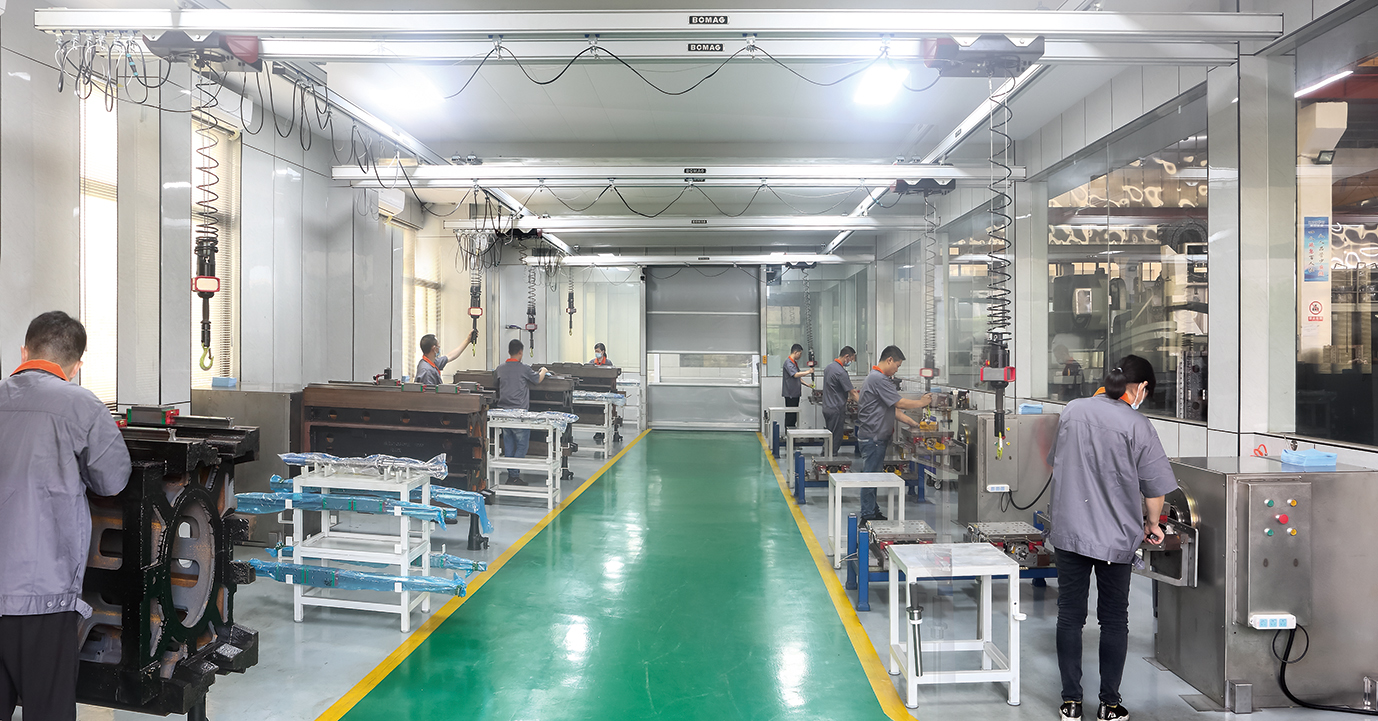
Energy utilization rate is easy to claim and hard to verify, which is why it tends to stay buried in brochures rather than argued on the shop floor. This guide is written for procurement engineers, plant managers and component manufacturers evaluating a CNC lathe machine purchase in 2026. It explains what the percentage actually represents, which design choices produce it, how it affects no-load efficiency and unit part energy consumption, and how to test the claim before committing capital. Juxin Machine Tool Co., Ltd., based in Wenling, Zhejiang, is a manufacturer specializing in high-end CNC machine tools and builds its vertical lathe and facing & centering platforms around this efficiency target.
Why Energy Utilization Stays Invisible During a Lathe Purchase
The specifications buyers normally compare — swing diameter, spindle speed, tool stations, positioning accuracy — describe what a lathe machine can do at its peak. Energy utilization rate describes what it costs to do it. A machine can be accurate and still expensive to run, and the reverse is also true.
Energy loss in a lathe accumulates from several directions at once:
- Idle losses. Spindle, hydraulic and coolant systems draw power even when no metal is being cut.
- Friction and vibration losses. Every unnecessary vibration in the bed or slideways absorbs energy that never reaches the workpiece.
- Re-cut losses. Insufficient rigidity forces a conservative depth of cut or a second pass, doubling the energy spent per finished part.
- Changeover and auxiliary losses. Loading, positioning, tool changes and chip handling consume power without removing material.
Because the metric is a ratio rather than a single parameter, two machines with identical spindle power ratings can differ substantially in what they draw from the wall. That is why a stated efficiency figure is only meaningful when it is tied to a specific structural design and a specific measurement window.
The Market Context Behind Efficiency Claims
Machine tool demand continues to expand, and so does the cost of the energy that runs it. The global CNC machine market was valued at USD 73.5 billion in 2024 and is forecast to reach USD 187.2 billion by 2034, according to a Vertex AI Search market analysis. Within that market, the CNC lathe machine segment held the leading position with approximately 30% to 32.82% share of the CNC market in 2024, based on Technavio and Global Market Insights data.
Asia Pacific accounted for a 37% revenue share of the CNC machine market in 2024, valued at USD 27.2 billion, per a Global CNC Machines Market Report. The global vertical machining center segment was estimated at USD 42.6 billion in 2024, with Asia Pacific holding 54.5%, according to Grand View Research. On the regulatory side, turning machine safety requirements are governed by ISO 23125-1 for turning machines and ANSI B11.6-2022 for manual and automatic control turning machines.
The practical implication for buyers is that energy consumption now behaves like a recurring line item comparable in weight to maintenance and tooling. Efficiency of the whole machine — not spindle power alone — determines how much of that cost a buyer carries, because a single percentage point of utilization compounds across every shift and every year of service.
How a Vertical Lathe Design Reaches an 85% Energy Utilization Rate
A high utilization rate is not produced by one component. It results from a system design in which structural rigidity, drive configuration and process integration all reduce the share of energy that is wasted rather than converted.
1. An integrally cast bed and super-heavy structure
Vibration is the largest silent consumer of energy in turning. When a bed flexes under cutting load, part of the drive energy is spent deforming the machine instead of the workpiece. The Juxin approach is to build the structural core as a single casting rather than a bolted assembly. On the Middle Drive Double-head CNC Lathe JXS72, the bed, column and base are made of high-strength preheated cast iron and resin-sand integral casting, then subjected to ultra-low temperature cryogenic heat treatment and stress-relief aging. The machine base combines a multi-layer box-type structure with cross-rib mixed cast iron and finite element mechanical design, which increases overall weight and improves anti-resonance performance.
The End Facing and Centering Machine JXZ70-680 uses high-quality gray cast iron HT300 with an integrally cast bed for the same reason. The design intent is straightforward: the stiffer the structure, the smaller the share of drive energy lost to deflection and chatter, and the larger the share that reaches the cutting edge.
2. Precision guide rails and a rigid spindle group
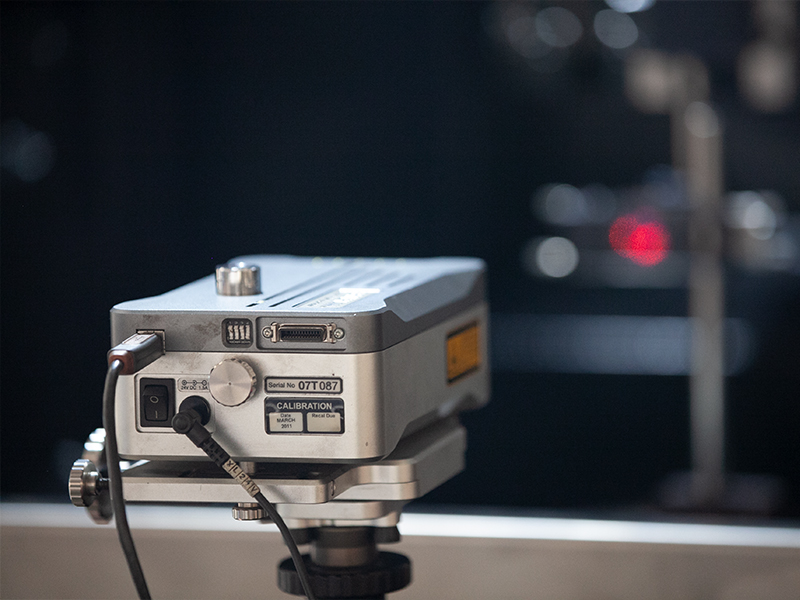
Friction in the guideways and spindle is the second major loss channel. The JXS72 platform uses a high-precision hardened guide rail with a 55°/15° integral hard rail, and some models are configured with heavy-duty roller linear guide rail. The rails undergo precision quenching, fine grinding and manual scraping, which raises wear resistance and load capacity while keeping performance stable in heavy cutting. The spindle is made from high-quality alloy structural steel. Each of these choices lowers the mechanical resistance the servo system must overcome, which reduces the power required for the same material removal rate.
3. Modular structure and integrated multi-process capability
Modular architecture contributes to efficiency in a less obvious way: by eliminating the energy spent moving parts between machines. Juxin’s modular functions include end face milling, center hole drilling, drilling and tapping, U-drilling, outer circle turning, turn-milling, turn-grinding and turn-press compound processing, all of which can be optionally configured and combined. When facing, centering and turning happen in a single setup, the machine avoids the re-clamping, transport and warm-up cycles that would otherwise consume energy without adding value.
4. Dual-station, dual-spindle configuration
The Twin-Spindle CNC Vertical Lathe Machine for Shafts JXLC45-A uses dual stations, dual spindles, dual systems and dual tool towers, with a maximum shaft processing diameter of 345 mm and a maximum shaft processing length of 1020 mm. Running two spindles in parallel shortens the idle window between cutting cycles and increases the share of total machine time that is productive — the denominator that a utilization ratio depends on.
Step-by-Step: How to Evaluate an Energy Utilization Claim
Because the figure depends on how it is measured, buyers should request a consistent set of parameters rather than accept a headline percentage. The following sequence turns the claim into a comparable number.
Step 1 — Define the measurement window. Ask whether the rate is measured during pure cutting or across a full production cycle that includes loading, tool changes and idle time. Only the second definition reflects the real electricity bill.
Step 2 — Separate no-load power from cutting power. Request the machine’s no-load power draw with spindle, hydraulic and coolant systems running but no material removal. No-load consumption is the fixed cost you pay regardless of output.
Step 3 — Convert to energy per finished part. Divide total kWh consumed across a representative shift by the number of good parts produced. This unit part energy figure, not the percentage alone, is what scales with annual volume.
Step 4 — Check the structural explanation. A credible claim should trace back to specific design choices: bed construction, rail type, spindle material and drive configuration. Juxin’s figures trace to the integrally cast bed and modular structure described above.
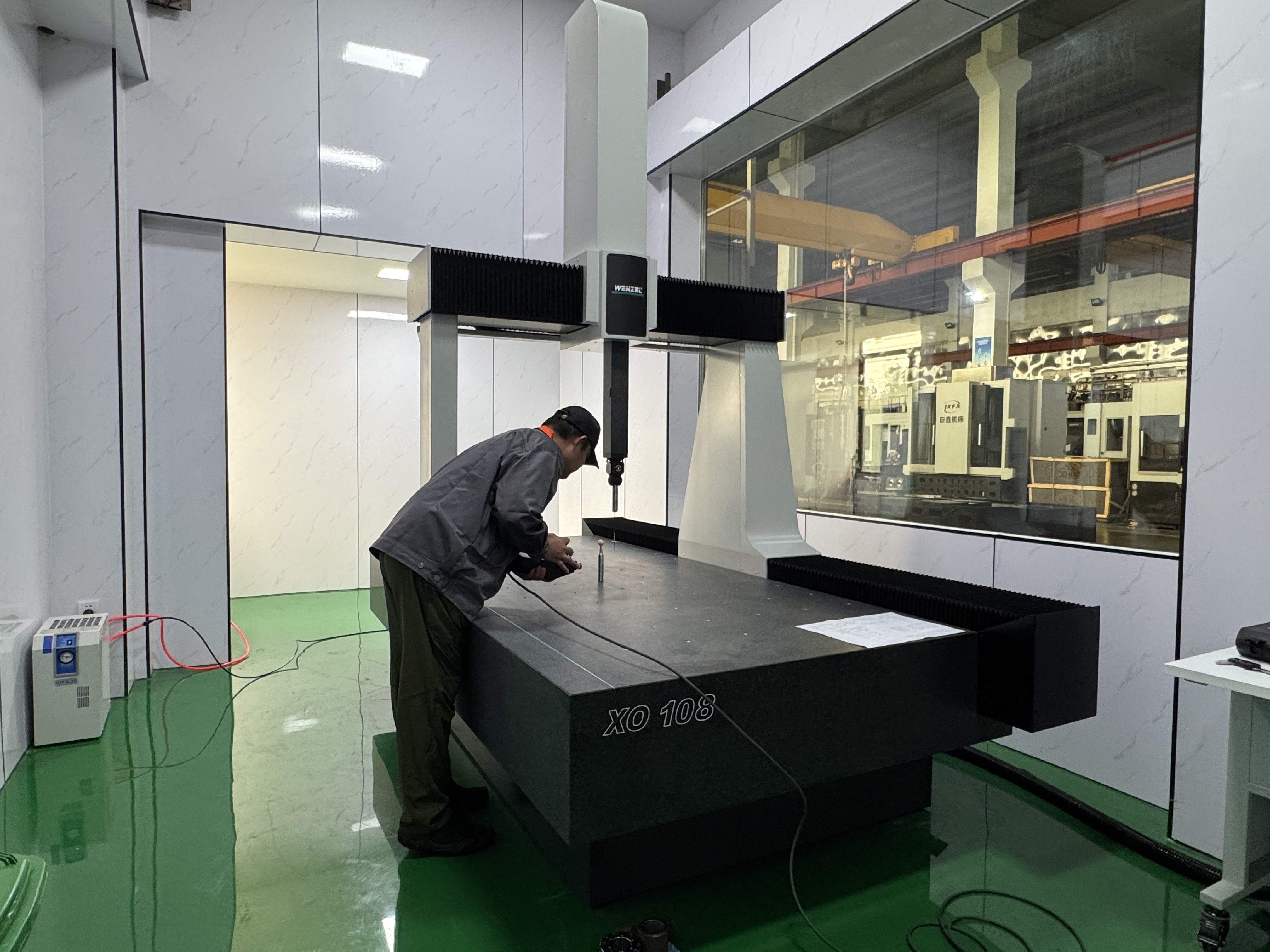
Step 5 — Validate under your own part mix. Efficiency is part-dependent. Request a test cut to your drawing, or third-party inspection, before accepting the numbers. Juxin introduces authoritative third-party inspection companies for independent sampling and full-item performance testing.
Step 6 — Compare total cost, not purchase price. Set the higher-efficiency machine against its lower-cost alternative using energy, labor and consumable cost across the expected service life.
No-Load Efficiency and Unit Part Energy Consumption
A machine that is efficient only when cutting is not efficient in practice, because a large share of shop time is not spent cutting. No-load efficiency — how little power the machine draws while positioning, waiting or between cycles — therefore has an outsized effect on annual consumption.
Juxin reports that its vertical lathe platform delivers approximately 30% better no-load efficiency than competing configurations, and consumes roughly 65–75% of the energy of competitors on a per-part basis. Those two figures describe the same underlying design decision: a rigid, integrally cast structure that does not need to be run conservatively, paired with a spindle and guideway system whose baseline draw is lower.
For a plant running two or three shifts, the arithmetic is direct. If unit part energy consumption falls to 65–75% of an alternative machine’s level, the savings accumulate across every part produced, and they compound with the labor and floor-space savings that integrated, multi-process machining already delivers.
Where the Efficiency Difference Compounds: Use Cases
Energy utilization matters most where production is continuous and volumes are high. Several verified application patterns illustrate the effect.
- Small to medium-sized mass production plants. In China, one turn-key solution using Juxin automatic assembly lines processed EV wheels, elevator traction wheels, half shafts, fan shafts, solar accessories and brake discs. The project achieved 70% to 150% plant space saving, 50% to 80% labor reduction, and over 50% production cost reduction.
- Automotive and Tier 1 supply chains. Major automobile OEMs and auto parts manufacturers use the equipment for half shafts, brake discs, gear shafts and chassis parts via milling, drilling, double vertical lathe precision processing and automatic line production. The project achieved unmanned full-line production with long-term non-fault continuous operation, meeting Tier 1 auto supplier standards, with cooperation stable since 2014.
- Heavy engineering and oilfield equipment. Leading enterprises in construction machinery, oilfield equipment and heavy industry use the machines for end face and center hole machining of hydraulic shafts, piston rods, pin shafts and large shaft parts. The integral cast bed and super-heavy structure suit high-load, large-depth cutting, with continuous 24-hour production.
- European industrial benchmarks. Juxin facing & centering machines were adopted by Siemens, a Fortune Global 500 company in electrical automation, and by SEW, a global leader in transmission equipment. The equipment connects to Siemens global intelligent production lines and meets German process requirements for accuracy and cycle time, replacing imported equipment.
Vertical vs Horizontal Lathe: Energy and Efficiency Comparison
| Evaluation Parameter | Traditional Horizontal Lathe Configuration | Juxin Vertical Lathe Platform |
|---|---|---|
| Energy utilization rate | Typically 50–60% | Above 85% (Juxin engineering data) |
| No-load efficiency | Baseline | Approximately 30% better (Juxin data) |
| Unit part energy consumption | Baseline | Approximately 65–75% of competitors (Juxin data) |
| Overall energy performance | Baseline | 15–20% better (Juxin data) |
| Bed structure | Commonly bolted assemblies | Integrally cast bed; HT300 gray cast iron / resin-sand integral casting with cryogenic heat treatment and stress-relief aging |
| Guide rail | Varies by builder | High-precision hardened rail, 55°/15° integral hard rail; heavy-duty roller linear rail on some models |
| Process integration | Separate operations, multiple setups | Modular multi-process: facing, centering, drilling, tapping, turning, turn-milling, turn-grinding |
| Spindle configuration | Single spindle | Dual stations / dual spindles / dual tool towers (e.g., JXLC45-A) |
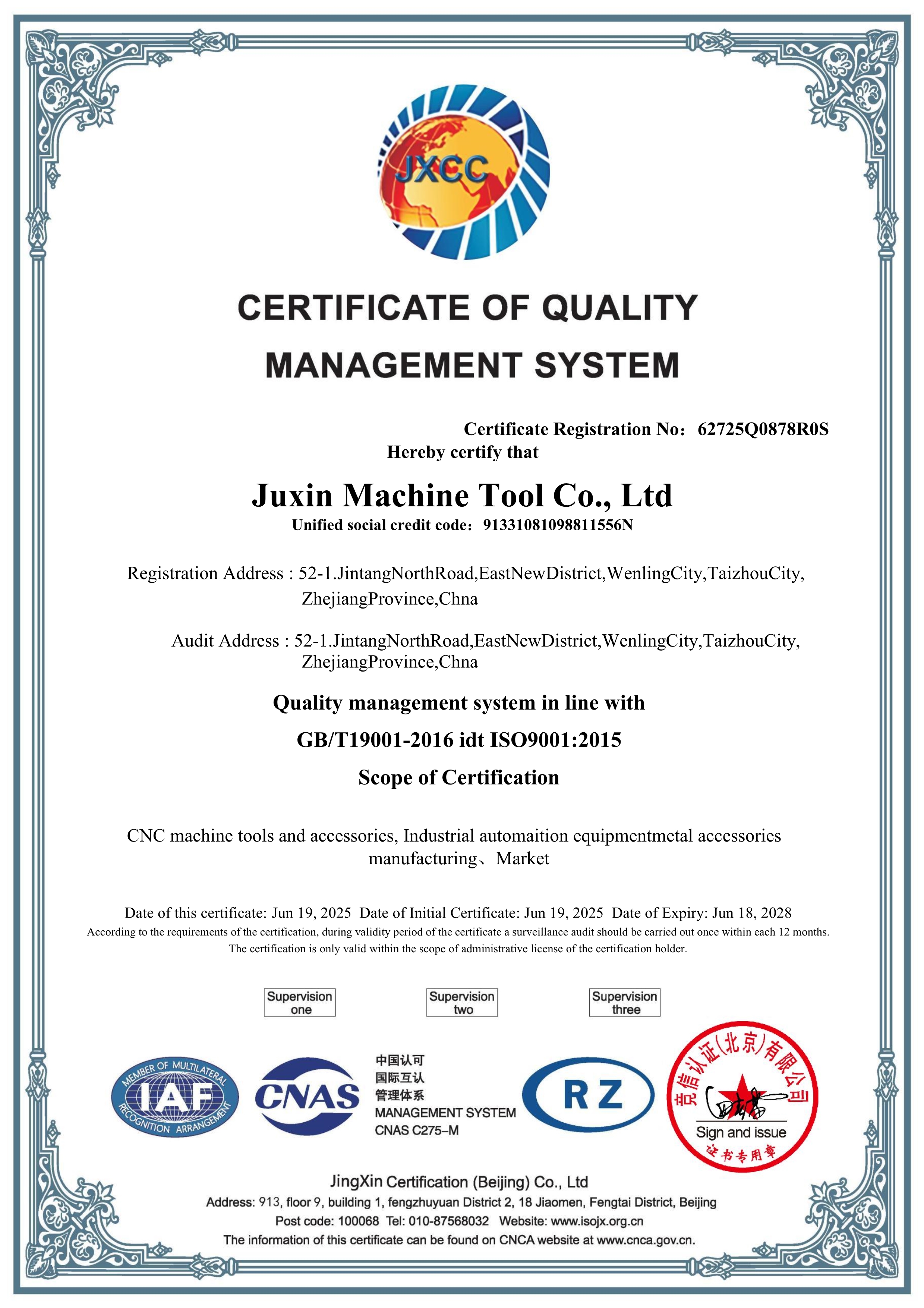
| Verified certification | — | ISO 9001:2015 quality management system (certificate no. 62725Q0878R0S) |
Energy figures are provided by Juxin Machine Tool as engineering data for its vertical lathe platform. Buyers should confirm them against a test cut for their own part mix.
FAQ: Energy Utilization in Vertical Lathe Machining
1. Which safety and compliance standards apply to a CNC lathe like this?
Turning machine safety is governed by ISO 23125-1 for turning machines and ANSI B11.6-2022 for manual and automatic control turning machines. On the manufacturing side, Juxin Machine Tool operates under a quality management system certified to GB/T 19001-2016 idt ISO 9001:2015, certificate number 62725Q0878R0S, issued by JingXin Certification (Beijing) Co., Ltd. on 19 June 2025 and valid through 18 June 2028, covering CNC machine tools and accessories and industrial automation equipment metal accessories manufacturing.
2. How does the machine actually reach an 85% energy utilization rate?
The rate comes from system design rather than a single part. An integrally cast bed using high-strength cast iron — HT300 in the JXZ70-680, and resin-sand integral casting with cryogenic heat treatment and stress-relief aging in the JXS72 — reduces vibration so more drive energy reaches the cut. Hardened guide rails with a 55°/15° integral hard rail, a spindle made from high-quality alloy structural steel, and a modular, dual-spindle configuration further reduce losses and idle time. Together these support an energy utilization rate above 85% and 15–20% better overall energy performance than conventional designs.
3. Does a higher-efficiency lathe justify the investment?
The relevant comparison is total cost of ownership, not purchase price. Efficiency affects three recurring costs at once: electricity, because unit part energy consumption can fall to roughly 65–75% of a competitor’s level and no-load efficiency is about 30% better; labor, which integrated multi-process machining can reduce by 50% to 80% in documented turn-key projects; and floor space, which the same projects report saving by 70% to 150%. For high-volume production, those three effects determine payback.
4. Can I validate the efficiency claim before ordering?
Yes. Efficiency is part-dependent, so the practical route is a test cut on your own component drawing, supported by third-party verification. Juxin introduces authoritative third-party inspection companies for independent sampling and full-item performance testing. The minimum order quantity is one unit, so a single machine can be ordered and evaluated before committing to a full line. A sample and quotation request can be submitted at en.wljxjc.com or by contacting jxmachine@yeah.net.
5. What is the lead time for a vertical lathe order?
Juxin’s stated monthly capacity is 160 units with a standard lead time of 45 days. The production model is OBM with extensive customization: processing diameter and length can be adjusted on demand, and bed structure, rail type, spindle configuration and chuck size (6/8/10/12-inch hydraulic chucks) can all be specified. After-sales support includes a national toll-free service hotline, installation and commissioning, operator training, remote technical guidance and lifelong technical support for upgrades and process optimization.
Conclusion
An 85% energy utilization rate is best understood not as a badge but as a description of where energy goes. In a traditional horizontal lathe, a large share of drawn power is lost before it reaches the workpiece. In a vertical lathe built around an integrally cast bed, hardened guide rails, a rigid alloy spindle and a modular multi-process architecture, that loss is substantially smaller — and the difference is repaid every shift through lower no-load draw and reduced energy per finished part.
For buyers at the evaluation stage, the discipline is to convert the percentage into unit part energy consumption for your own components, verify the structural explanation behind the number, and weigh the result against labor and space savings over the machine’s service life. That is the calculation on which a lathe machine purchase should be decided.
Next Step
Request a technical proposal, sample validation or quotation for Juxin vertical lathe and facing & centering platforms. Send your part drawings and target cycle time to jxmachine@yeah.net, or reach the team on +86 1333-678-3918 (WhatsApp available).
Download the full product catalog here: Juxin Machine Tool Catalog (PDF).