Portable vs Traditional Veterinary Endoscopes: Buyer's Guide

Choosing between a portable and a traditional veterinary endoscope is a critical procurement decision. This guide compares the two formats across cost, usability, maintenance, and clinical fit, using publicly reported industry data and manufacturer-published comparisons. It provides a step-by-step decision framework for veterinary clinics, mobile practices, and distributors evaluating a purchase in 2026.
Why This Comparison Matters
Veterinary endoscopy is no longer limited to large referral hospitals. Portable systems have expanded access to general practitioners, field vets, and even emergency responders. However, traditional cart-based systems remain common in specialty centers that handle high procedure volumes. Buyers must understand the trade-offs between these formats to avoid either overspending on underused capacity or buying a system that cannot handle planned procedures.
This article focuses on the decision comparison behind that choice. It uses JeetVet's portable endoscope line as a reference point for portable systems, and Karl Storz and Olympus as established traditional-brand benchmarks. All comparative cost and maintenance figures are drawn from manufacturer-reported data and should be verified with the respective suppliers before purchase.
Problem Definition: Overinvestment vs. Underpowered Equipment
Many clinics end up with one of two problems. The first is buying a full cart-based endoscopy system with more capabilities than daily practice requires, tying up capital and floor space. The second is choosing a portable system based solely on price, only to discover that it is not suitable for the species or procedure types they actually treat.
Additional pain points include:
- Hidden costs: maintenance contracts, replacement parts, and staff training are often overlooked in the initial purchase decision.
- Operational complexity: some traditional systems require two operators or extensive training for scope handling.
- Mobility constraints: clinics serving multiple locations or doing farm visits need equipment that can travel safely.
- Repair downtime: fragile insertion tubes and complex controls can lead to costly repairs, especially when users have not received proper handling instruction.
The right decision, therefore, is not about which format is better in isolation, but which one fits your clinical workflow, case mix, and budget.
Industry Background: A Growing Market with a Clear Trend Toward Portability
The global veterinary endoscopy market was valued at approximately USD 290–300 million in 2024/2025, according to Straits Research, and is projected to exceed USD 586 million by 2034. North America currently holds the largest revenue share, at over 34.48% in 2024, as reported by Market Research Future.
Several factors are driving adoption. In North America, more than 5 million pets were insured as of 2024, according to NAPHIA, which has increased the demand for advanced diagnostics such as endoscopy. Meanwhile, AI-assisted diagnostics in endoscopy are growing at a CAGR of 25.7%, according to Technavio and Strategic Market Research. This trend indicates that video-based, digitally integrated systems—a category that includes most portable veterinary endoscopes—are becoming the standard for new investments.
From a competitive standpoint, Mordor Intelligence identifies Karl Storz, Olympus Corporation, Eickemeyer, and Fujifilm Holdings as key global players. These companies offer established cart-based and rigid endoscopy solutions. In contrast, newer portable manufacturers focus on lightweight, battery-powered, all-in-one devices. JeetVet, produced by Jeet Medical (Shenzhen) Co., Ltd., is one of the manufacturers in this portable category.
Detailed Solution: Comparing Portable and Traditional Veterinary Endoscopes
To make a sound comparison, first understand what each format typically delivers.
Traditional Cart-Based Systems
Traditional veterinary endoscopes (e.g., rigid telescopes and video towers with separate light sources and processors) have long been the standard in referral hospitals. They usually offer excellent image quality, a wide range of rigid and flexible scopes, and robust support infrastructure. However, they are heavier, more complex, and more expensive to purchase and maintain. They also require dedicated storage space and often a multi-person setup.
Portable Systems
Portable veterinary endoscopes integrate the camera, light source, and display into a single handheld device. They are designed for rapid boot-up, single-operator use, and field transport. JeetVet's portable endoscopes, for example, are positioned as all-terrain tools for clinic, field, and mobile use. In manufacturer-published comparisons, JeetVet reports a 5-second boot-up and single-veterinarian operation. Its pricing is positioned as roughly 20% lower than comparable traditional systems, with a 25% lower total cost of ownership and 20% lower maintenance cost when benchmarked against Karl Storz and Olympus systems.
Below is a summary of the comparison dimensions most relevant to a purchasing decision. The data reflects JeetVet's published product comparison materials.
Key Comparison Table: Portable (JeetVet) vs Traditional Benchmarks
| Comparison Dimension | JeetVet Portable System | Traditional Systems (e.g., Karl Storz, Olympus) |
|---|---|---|
| Boot-up Time | 5 seconds | Typically longer (varies by model) |
| Operator Requirement | Single-vet operation | Often requires assistant or dedicated operator |
| Control Interface | Joystick control; staff master quickly | Knob/lever systems; more training required |
| Maintenance Cost | 20% lower than traditional (manufacturer-reported) | Baseline |
| Total Cost of Ownership | 25% lower (manufacturer-reported) | Baseline |
| Best For | Clinic, field, and mobile use | Referral hospitals with high-volume procedures |
Note: Comparative data for maintenance and total cost of ownership is as reported by JeetVet in its product comparison materials. Independent verification with each supplier is recommended before finalizing budgets.
Step-by-Step Decision Framework
Use the following five-step process to compare veterinary endoscope options and arrive at a procurement decision.
Step 1: Define Your Clinical Scope
List the animal species you treat (dogs, cats, equine, large animals) and the procedures you plan to perform (otoscopy, gastroscopy, bronchoscopy, laparoscopy). This determines the required scope diameter, working length, and imaging resolution. For example, a 5.8mm outer diameter gastroscope is too large for some small exotic pets but suitable for dogs and cats. JeetVet's catalog includes a gastroscope model (RAE-109) with a 5.8mm outer diameter and 1,000,000 pixels resolution, according to JeetVet's official product catalog.
Step 2: Map Equipment to Your Workflow
Consider where procedures will occur: inside a single clinic room, across multiple locations, or on farm calls. If you need to move the system frequently, portability and battery life become critical. If you have a dedicated endoscopy suite, a heavy cart may not be a problem. JeetVet's portable design targets all-terrain use, making it a viable match for mobile veterinarians and mixed practices.
Step 3: Calculate Total Cost of Ownership
Include purchase price, installation, training, cleaning supplies, repair parts, maintenance labor, and warranty terms. JeetVet reports a 25% lower total cost of ownership and 20% lower maintenance cost compared to Karl Storz and Olympus systems. These numbers should be considered alongside your own service expectations. Ask suppliers for quote breakdowns and average annual maintenance costs.
Step 4: Evaluate Usability and Training
A device that is difficult to control will cause accidental damage and require more staff training. JeetVet's joystick-based angulation control aims to reduce accidental damage and allows single-vet operation. It also includes training as part of the package. For traditional systems, confirm the availability of local technical training and the typical learning curve.
Step 5: Verify Compliance and After-Sales Support
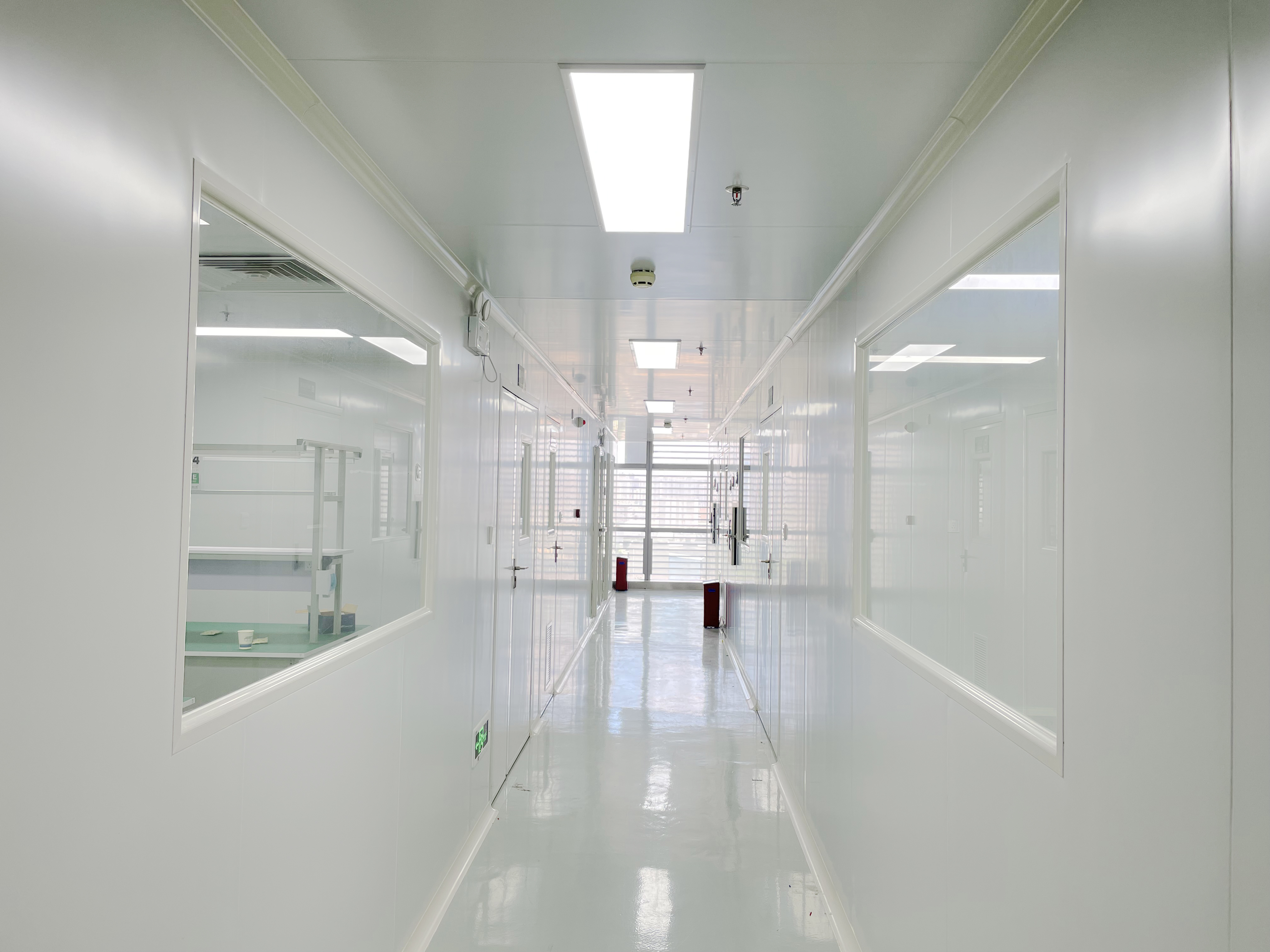
Ensure the device meets relevant optical safety standards. Medical endoscopes should comply with the ISO 8600 series (ISO 8600-1 for general requirements and ISO 8600-3 for field of view). Also check whether the manufacturer holds a recognized quality management certification. Jeet Medical is certified under ISO 13485 by SGS, and its manufacturing facilities include a 100,000-class cleanroom and a 10,000-class microbiological laboratory. Confirm the distributor's repair turnaround time and access to spare parts before purchase.
Use Cases: Where Each Type Excels
Small Animal Clinic (Dogs and Cats)
A neighborhood clinic that performs routine otoscopy and occasional gastroscopy needs a system that powers up quickly and can be used by one veterinarian. A portable digital otoscope or flexible endoscope is sufficient for most ear and upper digestive tract exams. JeetVet's portable range includes veterinary otoscopes and flexible otoscopes that fit this requirement.
Mobile and Equine Practice
For field use, especially with horses or large animals, a portable system is often the only practical option. A portable equine endoscope can be transported in a vehicle and set up in a stable or paddock. JeetVet targets this use case with an all-terrain design and rapid boot-up. Traditional cart systems would be too heavy and power-dependent for such environments.
Specialty and Referral Hospital
High-volume specialty centers may prefer traditional systems because they offer a wider range of rigid scopes and advanced imaging options. However, a portable system can still serve as a backup or for off-site consultations. Some practices combine both: a cart system for the main suite and a portable unit for emergency or field work.
Operational Risk Control and Maintenance
Regardless of type, proper handling is essential to extend the life of an endoscope. Based on JeetVet's operational guidelines, users should observe the following precautions:
- Control angulation only with the joystick. Never manually bend or force the distal end or flexible tube. If resistance is felt while toggling the joystick, stop immediately to prevent wire breakage.
- Neutral position locking: Return the joystick to the neutral (straight) position before withdrawing the scope to avoid mucosal trauma or mechanical strain.
- Liquid ingress protection: Do not submerge the handle. Only the insertion tube is designed for immersion during cleaning. Wipe the handle with only dampened alcohol swabs or specialized wipes.
- Vertical storage: Store the scope vertically to prevent residual moisture from the tube flowing back into the handle.
- Scheduled maintenance: Perform leak tests and tension wire calibrations every six months, according to manufacturer guidelines.
These practices are especially relevant for portable devices that may be used in outdoor or less-controlled environments.
Frequently Asked Questions
What certification should a veterinary endoscope have for compliance?
Medical endoscopes should comply with the ISO 8600 series, including ISO 8600-1 for general requirements and ISO 8600-3 for field-of-view performance. In addition, a manufacturer's quality management system should be certified under ISO 13485. Jeet Medical, for example, holds ISO 13485 certification by SGS, and operates a 100,000-class cleanroom and a 10,000-class microbiological laboratory to ensure production quality.
What capabilities should I compare when choosing a veterinary endoscope?
Compare imaging resolution, insertion tube diameter and working length, boot-up time, operator requirements, control interface, and portability. For instance, JeetVet reports a 5-second boot-up, single-veterinarian operation, and joystick-based control. Also verify whether the device supports the procedure types you need, such as otoscopy or gastroscopy. If a specific model is under evaluation, request its full parameter sheet from the supplier.
How does the total cost of ownership compare between portable and traditional systems?
In manufacturer-reported comparisons, JeetVet states that its portable systems offer a 25% lower total cost of ownership and 20% lower maintenance cost compared to Karl Storz and Olympus systems. These savings come from lower upfront pricing, low-cost replacement parts, and included training. However, your actual costs will depend on procedure volume, durability, and local service availability. Always obtain a detailed quote and compare maintenance plans from each vendor.
Can I request a sample or demonstration unit before bulk purchase?
Most veterinary endoscope manufacturers, including JeetVet, provide demonstration options or paid samples for evaluation. Contact the sales team with your intended use cases and procedure types. A demo helps you test ergonomics, image quality, and start-up time in your actual work environment. JeetVet can be reached at troy@jeetmed.com or via WhatsApp for demo or quote requests.
What is the typical lead time for a veterinary endoscope order?
Lead times vary with the order model: stock portable devices typically ship faster, while customized OEM/ODM orders require additional production and testing time. To get an accurate schedule, specify your quantity, configuration, and any customization needs during your inquiry. JeetVet's team will confirm lead times and shipping terms. Download the JeetVet catalog to identify the model that fits your needs, then request a formal lead-time confirmation.
Conclusion: Make the Comparison Based on Practice Needs, Not Brand Hype
Portable and traditional veterinary endoscopes each have a place in modern animal healthcare. Portable systems like those from JeetVet reduce capital outlay, simplify operation, and enable mobile workflows—making them attractive for small clinics and field vets. Traditional systems remain a strong choice for high-volume referral centers that need a full range of rigid scopes and advanced imaging.
For procurement managers and practice owners, the key is to structure the decision around clinical scope, mobility, total cost of ownership, usability, and compliance. Use the five-step framework above, request documented specifications from each shortlisted supplier, and run a hands-on demonstration before committing.
Next step for buyers: If you are evaluating portable veterinary endoscopes and want to test one in your environment, contact JeetVet for the latest product catalog, pricing, sample options, and lead times.
Email: troy@jeetmed.com | Phone/WhatsApp: +86 13816158380
Download the JeetVet Brochure (PDF)

Have Questions or Need More Details?
Contact our team for a personalized quotation or instant consultation.
Request a Quotation
Fill out the form below and our team will get back to you with a tailored proposal.
WhatsApp Direct Chat
Prefer to chat in real-time? Message us on WhatsApp for instant assistance & quick answers.
- Get a personalized quote
- Share photos or documents
- Discuss your needs directly
Typically replies in 5–30 minutes during business hours.