
Compact Substations and E-House Units for Renewable Energy and Utility Distribution Projects
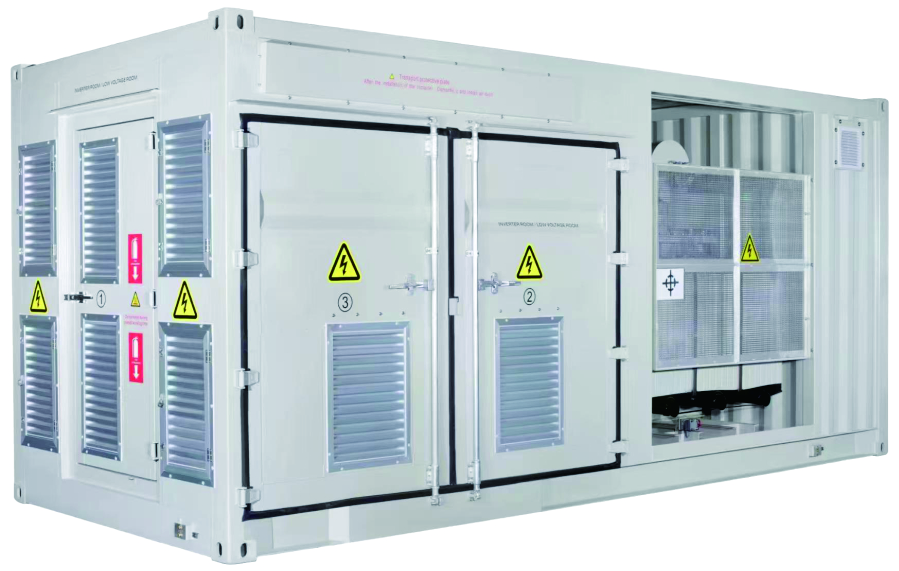
The FPCS compact substation integrates medium-voltage switchgear, a step-up transformer, low-voltage distribution, protection, and monitoring in a factory-built enclosure.
A compact substation or E-House is a factory-built electrical package that combines medium-voltage switchgear, a transformer, low-voltage distribution, protection, and monitoring inside a transportable enclosure. For renewable energy and utility distribution projects, it moves cable termination, relay setting checks, and interlocking verification from an open construction site into a controlled factory bay, which shortens the site programme and clarifies the interface between the plant and the grid.
This guide examines three product families from Jiangsu Dinghong Power Co., Ltd.: the FPCS compact substation, the FP-EH E-House, and the S-800/35 35 kV oil-immersed transformer. Jiangsu Dinghong Power Co., Ltd. is a power transmission and distribution equipment manufacturer based in Jiangsu Province, China, working in collaboration with Jiangsu First Power Co., Ltd. to supply medium-voltage switchgear, low-voltage switchgear, transformers, and containerized substations to domestic and export markets. The article explains where each format fits, which parameters govern the selection, and how project teams can avoid over-specifying electric machinery and equipment.
Problem Definition: What Project Teams Must Resolve Before Ordering
Renewable energy and utility distribution projects rarely fail because a single component is weak. They fail at the interfaces between the plant, the grid, the enclosure, and the acceptance authority. A project team buying a compact substation or an E-House is therefore solving six problems at once.
- Grid interface. A solar inverter or wind converter delivers power at a low voltage such as 0.4 kV, 0.69 kV, or 0.8 kV, while the collection or distribution network may operate at 10 kV to 35 kV. The step-up ratio, tapping range, impedance, and vector group must be fixed before the transformer is released for manufacture.
- Site construction. A conventional brick-built electrical house requires civil works, cable trenches, lighting, ventilation, fire detection, and separate commissioning of each package. Each activity adds a trade interface on site.
- Environmental envelope. Outdoor equipment may face ambient temperatures from −25 °C to +55 °C, dust, humidity up to 95 percent non-condensing, coastal salt fog, or altitudes above 1,000 m. The enclosure and the internal equipment must share the same environmental assumption.
- Interface risk. When switchgear, transformer, low-voltage panel, and enclosure come from different suppliers, the responsibility for clearance, cable entry, grounding, and protection coordination becomes ambiguous.
- Compliance evidence. North American projects separate low-voltage equipment into distinct UL categories, and renewable or utility projects may also reference IEC, IEEE, ANSI, and local grid rules. The project team needs to know which listing applies to which compartment.
- Expansion. A photovoltaic plant may later add battery storage or a second transformer. The selected format should allow additional bays or an additional transformer without rebuilding the enclosure.
A compact substation resolves the first five problems by integrating the step-up transformer, medium-voltage switchgear, low-voltage distribution, protection, and control in one factory-assembled unit. An E-House resolves them for larger or more mixed equipment sets by providing a walk-in enclosure that can house metal-clad switchgear, gas-insulated switchgear, motor control centers, distribution transformers, protection relays, and auxiliary power. The selection between the two is a project-layout decision, not a product-quality decision.
Industry Background: Why Prefabricated Power Packages Fit Current Projects
Renewable generation and utility distribution are moving toward modular delivery for practical reasons. Solar and wind plants are built in phases, and the grid connection for each phase may use a different voltage or protection scheme. A factory-built package can be configured for the phase, tested once, and repeated for later phases with limited engineering repetition.
At the same time, the electrical equipment inside a modern project has become more varied. A utility-scale solar plant may need a step-up transformer, a ring-main unit, feeder protection, and SCADA integration. A data center may need medium-voltage incoming feeders, low-voltage switchgear, motor control centers, and control panels. An industrial park may need a 35 kV transformer, a low-voltage switchboard, and a motor control center in the same electrical room. The E-House format allows these categories to share one enclosure, one grounding system, and one factory acceptance test.
North American projects add a standards dimension. UL 1558 covers metal-enclosed low-voltage power circuit breaker switchgear assemblies. UL 891 covers switchboards. UL 845 covers motor control centers. UL 67 covers panelboards. UL 508A governs industrial control panels. These are separate product categories, and a project team that treats them as interchangeable will create acceptance problems. A supplier that manufactures across these categories can align the internal equipment with the enclosure and the project acceptance plan.
The practical result is that buyers increasingly evaluate a compact substation or E-House as a system: transformer, switchgear, low-voltage distribution, protection, enclosure, and documentation. The system view is more useful than a component-by-component comparison because the site cost and the commissioning risk sit at the boundaries between components.
Detailed Solution: FPCS, FP-EH, and the S-800/35 Transformer
The product set covered here addresses three layers of the same project: a photovoltaic containerized substation, a walk-in E-House for larger equipment sets, and a 35 kV oil-immersed transformer for utility distribution and renewable step-up duty. Each layer has a defined scope, and the project team can combine them or select one depending on the plant layout.
FPCS Compact Substation: PV Step-Up in a Container
The FPCS is a compact substation in the photovoltaic containerized substation category. It is available as a radial-feed photovoltaic containerized substation, a loop-feed photovoltaic containerized substation, a single-transformer unit, a dual-transformer unit, and a PV plus energy storage integrated containerized unit. The rated capacity is 500 kVA to 5,000 kVA per transformer. The medium-voltage side covers 10 kV, 11 kV, 13.8 kV, 20 kV, 22 kV, 24 kV, 33 kV, and 35 kV, with customized options. The low-voltage side covers 0.4 kV, 0.69 kV, and 0.8 kV, also customizable. Rated frequency is 50 Hz or 60 Hz.
The transformer inside the FPCS is an oil-immersed step-up transformer with ONAN or ONAF cooling, selected according to the transformer rating. Medium-voltage switching can be an RMU, load-break switchgear, or vacuum circuit breaker switchgear. Low-voltage distribution can use ACB, MCCB, or a main low-voltage distribution panel. Protection options include fuse protection, circuit breaker protection, transformer protection, and overcurrent and ground-fault protection. Local control, remote monitoring, and a SCADA interface are optional.
The enclosure is rated IP54 or higher, and external equipment can reach IP65 depending on configuration. The standard ambient range is −25 °C to +55 °C, with altitude up to 1,000 m as standard and higher altitude available on request. Relative humidity is up to 95 percent, non-condensing. Installation is outdoor. Seismic requirements, cable entry direction, and transformer connection are customized to the project. The applicable standards are IEC, IEEE, ANSI, and the applicable local grid requirements.
The container uses high-strength galvanized or painted carbon steel with a corrosion-resistant surface treatment. The transformer core is grain-oriented electrical steel, and the windings use copper or aluminum conductors. Busbars are copper or aluminum. The design intent is factory integration: major components are pre-assembled, wired, inspected, and tested before shipment, which reduces field installation risk and the civil work needed at the site.
FP-EH E-House: A Walk-In Enclosure for Larger Equipment Sets
The FP-EH is an E-House, a prefabricated modular enclosure used to house electrical equipment. It belongs to the standard modular E-House category and can be configured as a custom-built E-House, a mobile E-House, a containerized E-House, a walk-in E-House, or a skid-mounted electrical module. Enclosure dimensions are customized to the internal equipment layout, with a standard container-type footprint for road transport compatibility.
The enclosure protection class is NEMA 3R, NEMA 4, or IP54 to IP55. The applicable voltage class is low voltage up to 600 V and medium voltage from 5 kV to 38 kV. Internal equipment compatibility covers metal-clad switchgear, GIS or C-GIS, MCC, distribution transformers, protection relays, and UPS and DC auxiliary power systems. The environmental operating temperature is −40 °C to +55 °C. Auxiliary systems can include air-conditioning or forced ventilation, interior lighting, a grounding busbar, fire detection and alarm, access control, and cable entry glands. A complete Factory Acceptance Test is performed before shipment, and transport is by full-unit hoisting and road or sea shipping.
The main frame is a heavy-duty hot-dip galvanized steel structural frame. Wall and roof panels use galvanized steel outer sheets with a rock-wool thermal insulation layer and a galvanized steel inner lining. Access doors are galvanized steel double-sealed hinged doors with heavy-duty compression locks and silicone rubber EPDM sealing gaskets. The surface finish is polyester electrostatic powder coating for corrosion and salt-spray resistance. A copper grounding busbar runs through the compartment and bonds all internal equipment and the enclosure structure. The cable-entry section uses a galvanized steel cable trough with customizable cable glands for power and control cables.
The FP-EH is intended for utility-scale solar and wind power plants, energy-storage power stations, oil and gas projects, open-pit mining and mineral processing, Tier III and Tier IV data center outdoor power distribution, large industrial parks, heavy-manufacturing facilities, remote field infrastructure, port and transit construction, and overseas EPC turnkey power-supply projects. For the U.S. market, it is intended for Tier III and Tier IV data center outdoor power distribution systems.
S-800/35: 35 kV Transformer for Utility and Renewable Duty
The S-800/35 is a 35 kV oil-immersed transformer in the S series. The transformer belongs to the distribution transformer and power transformer categories and is a two-winding, OLTC transformer. The S series covers 18 standard capacity ratings from 800 kVA to 40,000 kVA, including 800, 1,000, 1,250, 1,600, 2,000, 2,500, 3,150, 4,000, 5,000, 6,300, 8,000, 10,000, 12,500, 16,000, 20,000, 25,000, 31,500, and 40,000 kVA.
The high-voltage side is 35 kV with a tapping range that changes by capacity. Units from 800 kVA to 2,500 kVA use 35±5 percent. Units from 3,150 kVA to 5,000 kVA use 35±5 percent or 38±5 percent. Units from 6,300 kVA to 40,000 kVA use 35±2×2.5 percent or 38±2×2.5 percent. Low-voltage outputs include 10.5 kV, 6.3 kV, and 3.15 kV for lower-capacity models, and 11 kV, 10.5 kV, 6.6 kV, 6.3 kV, 3.3 kV, and 3.15 kV for higher-capacity models. The standard connection group is Yd11.
On the 800 kVA to 2,500 kVA range, the impedance voltage is 6.5 percent. It rises to 7.0 percent for 3,150 kVA to 5,000 kVA, 7.5 percent for 6,300 kVA to 10,000 kVA, and 8.0 percent for 12,500 kVA to 40,000 kVA. No-load loss across the series ranges from 1.23 kW at 800 kVA to 28.8 kW at 40,000 kVA. Load loss ranges from 9.9 kW to 155.25 kW. No-load current falls from 0.9 percent at 800 kVA to 0.36 percent at 25,000 kVA to 31,500 kVA, with a slight increase to 0.48 percent at 40,000 kVA. Oil weight ranges from 0.88 t to 7.78 t, and total weight ranges from 3.83 t to 46.9 t.
The transformer is intended for utility distribution, industrial facilities, renewable energy including solar PV and wind power, mining and metallurgy, oil and gas, petrochemical and chemical plants, commercial and infrastructure projects, and industrial parks. Available configurations include distribution transformer, power transformer, OLTC transformer, OCTC transformer, two-winding transformer, three-winding transformer, renewable energy transformer, and hermetically sealed transformer.
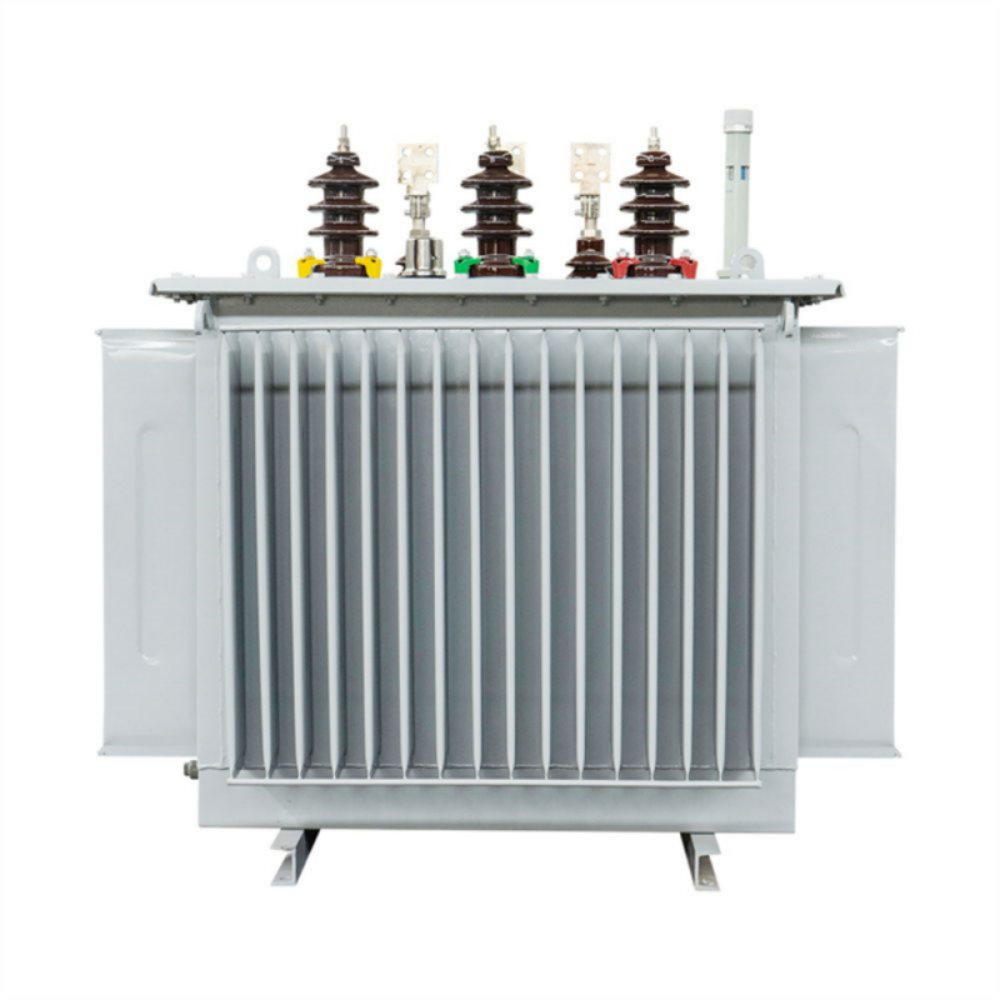
The S-800/35 is part of a 35 kV oil-immersed transformer series covering 800 kVA to 40,000 kVA, with tapping, impedance, and low-voltage outputs matched to the project.
Switchgear and Low-Voltage Equipment Inside the Envelope
The value of a compact substation or E-House depends on the equipment installed inside it. Jiangsu Dinghong Power Co., Ltd. manufactures and supplies the medium-voltage and low-voltage categories that typically occupy these enclosures.
- FP-MVSG-38 UL Listed Medium Voltage Switchgear. Voltage range 5 kV to 38 kV, rated current 1,200 A to 4,000 A, short-time withstand current 31.5 kA or 40 kA for 2 seconds, peak withstand 82 kA or 104 kA, power-frequency withstand 36 kV to 80 kV, lightning impulse withstand 95 kV to 150 kV. It is built to UL 347 and ANSI/IEEE C37.20.2.
- FP-RMU-38 Medium Voltage RMU Switchgear. Rated voltage 38 kV, rated current 600 A, short-time withstand current 25 kA for 4 seconds, peak withstand 52 kA, SF6 insulation, outer enclosure IP4X with NEMA 1, 2, or 3R options, and gas tank protection IP67.
- FP-MCS 2H 38kV Metal-Clad Switchgear. Rated voltage 38 kV at 60 Hz, rated current 1,200 A, 2,000 A, or 3,000 A, short-time withstand current 31.5 kA or 40 kA, and a 42-inch cabinet width for 38 kV clearances. The 27kV Metal-Clad Switchgear is available in a 36-inch cabinet for the 27 kV class.
- FP-C-GIS 38kV C-GIS Switchgear. Rated voltage 38 kV, rated current 2,500 A to 4,000 A, short-time withstand current 40 kA for 4 seconds, peak withstand 100 kA, and a sealed stainless-steel gas enclosure with IP6X protection.
- Low-voltage categories. UL 1558 Low Voltage Switchgear (FP-LSG), UL 891 Switchboard (FP-LSB), UL 845 Motor Control Center MCC (FP-MCC), UL 508A Industrial Control Panel (FP-LCP), and UL 67 Panelboard (FP-LPB).
The medium-voltage range also includes 15kV Metal-Clad Switchgear, 38kV Gas Insulated Switchgear GIS, 15kV Gas Insulated Switchgear GIS, and Data Center Medium Voltage Switchgear. On the low-voltage side, the portfolio includes Data Center Low Voltage Switchgear, Medium Voltage Switchgear and Transformer combinations, and 35kV Dry Type Transformer options for indoor sections of a project. The purpose of listing these categories together is practical: a project team can define one enclosure, one protection philosophy, and one factory test plan instead of coordinating four separate suppliers.
Step-by-Step Breakdown: Scenario-Based Selection
Scenario-based selection starts with the grid interface and works inward toward the enclosure. The sequence below keeps the electrical design and the physical layout aligned.
Step 1: Map the Grid Interface
Record the plant output voltage, the grid connection voltage, the frequency, the intended transformer vector group, and the protection scheme required by the utility. For a solar plant, the low-voltage side is typically 0.4 kV, 0.69 kV, or 0.8 kV, and the medium-voltage side may be 10 kV to 35 kV. For a utility distribution project, the high-voltage side may be 35 kV with a specified tapping range. This step fixes the transformer ratio and prevents later changes to the enclosure layout.
Step 2: Size the Transformer and Confirm Taps and Impedance
Select the transformer capacity from the plant block size, the expected load profile, and the allowed operating margin. For the S-800/35 series, confirm whether the project falls in the 800 kVA to 2,500 kVA band with 35±5 percent tapping and 6.5 percent impedance, or in a higher band with different tapping and impedance values. For the FPCS, confirm the per-transformer capacity within the 500 kVA to 5,000 kVA range. Confirm the low-voltage output from the available options rather than assuming a standard value.
Step 3: Choose the Switching and Protection Architecture
Decide whether the medium-voltage side needs a ring-main unit, load-break switchgear, or vacuum circuit breaker switchgear. A loop-feed photovoltaic containerized substation uses a different switching arrangement from a radial-feed unit. On the low-voltage side, decide between ACB, MCCB, and a main low-voltage distribution panel. Define the protection functions: fuse protection, circuit breaker protection, transformer protection, and overcurrent and ground-fault protection. If the project requires remote monitoring, include the SCADA interface at this stage rather than adding it after the enclosure drawing is frozen.
Step 4: Choose Between a Compact Substation and an E-House
Use a compact substation when the equipment set is a defined photovoltaic step-up package and the project benefits from a single containerized unit with a small footprint. Use an E-House when the equipment set includes multiple medium-voltage bays, low-voltage switchgear, motor control centers, distribution transformers, protection relays, and auxiliary power in one walk-in enclosure. The E-House is also the better fit when maintenance access, internal lighting, fire detection, and climate control are project requirements. The FPCS is outdoor-rated with an IP54 or higher container; the FP-EH offers NEMA 3R or NEMA 4 and IP54 to IP55 protection with a temperature range of −40 °C to +55 °C.
Step 5: Set the Environmental and Auxiliary Envelope
Match the enclosure rating to the site. For the FPCS, confirm ambient temperature within −25 °C to +55 °C, altitude up to 1,000 m as standard, humidity up to 95 percent non-condensing, seismic requirements, and cable entry direction. For the FP-EH, confirm the operating temperature within −40 °C to +55 °C, the need for air-conditioning or forced ventilation, fire detection and alarm, access control, and cable gland arrangement. If the site is coastal or dusty, confirm the corrosion protection and sealing details with the enclosure supplier before production.
Step 6: Lock Factory Testing, Documentation, and Logistics
Define the factory acceptance test scope before shipment. The FP-EH is delivered with full factory pre-assembly and pre-commissioning, and a complete FAT is performed before shipment; on-site work is then limited to foundation placement and cable connection. The FPCS is pre-assembled, wired, inspected, and tested before shipment. Confirm the transport method: full-unit hoisting and road or sea shipping for the E-House, and factory-integrated modular construction for the compact substation. Confirm the technical documentation package and the export packaging requirement at the same time, because these affect the shipment schedule.
Use Cases
Utility-Scale Solar PV
A utility-scale solar farm needs a step-up transformer, medium-voltage switching, low-voltage distribution, and protection for each block. The FPCS in a radial-feed or loop-feed configuration provides this package with a rated capacity of 500 kVA to 5,000 kVA per transformer and a medium-voltage range of 10 kV to 35 kV. The PV plus energy storage integrated containerized type allows a storage block to be added within the same product family.
Wind Power Collection and Step-Up
Wind projects often use 38 kV class equipment for collection and step-up. The 38kV Metal-Clad Switchgear, the 38kV C-GIS Switchgear, and the FP-MVSG-38 UL Listed Medium Voltage Switchgear cover this voltage class. An FP-EH can house the switchgear, protection relays, and auxiliary power in one walk-in enclosure, which is useful when the site is remote and the electrical room must be delivered as a single package.
Industrial Facilities and Industrial Parks
An industrial facility may need a 35 kV transformer, a low-voltage switchboard, and a motor control center in the same electrical room. The S-800/35 transformer provides the 35 kV transformation, with low-voltage outputs at 10.5 kV, 6.3 kV, or 3.15 kV in the lower-capacity range. The UL 891 Switchboard, UL 845 Motor Control Center MCC, and UL 1558 Low Voltage Switchgear cover the low-voltage distribution and motor control functions. The FP-EH provides the enclosure and auxiliary systems.
Data Center Outdoor Distribution
For Tier III and Tier IV data centers, the FP-EH is intended for outdoor power distribution systems. The enclosure can house Data Center Medium Voltage Switchgear, Data Center Low Voltage Switchgear, protection relays, and UPS and DC auxiliary power. The UL 1558 Low Voltage Switchgear and UL 891 Switchboard categories are relevant where the project requires those specific low-voltage equipment types.
Remote and EPC Projects
Remote field infrastructure, port and transit construction, mining, and overseas EPC projects benefit from factory pre-assembly because site labor and commissioning time are limited. The FP-EH is transported by full-unit hoisting and by road or sea shipping, and its container-style structure allows relocation and reuse after project decommissioning. The FPCS reduces on-site assembly and civil construction by integrating the major components before shipment.
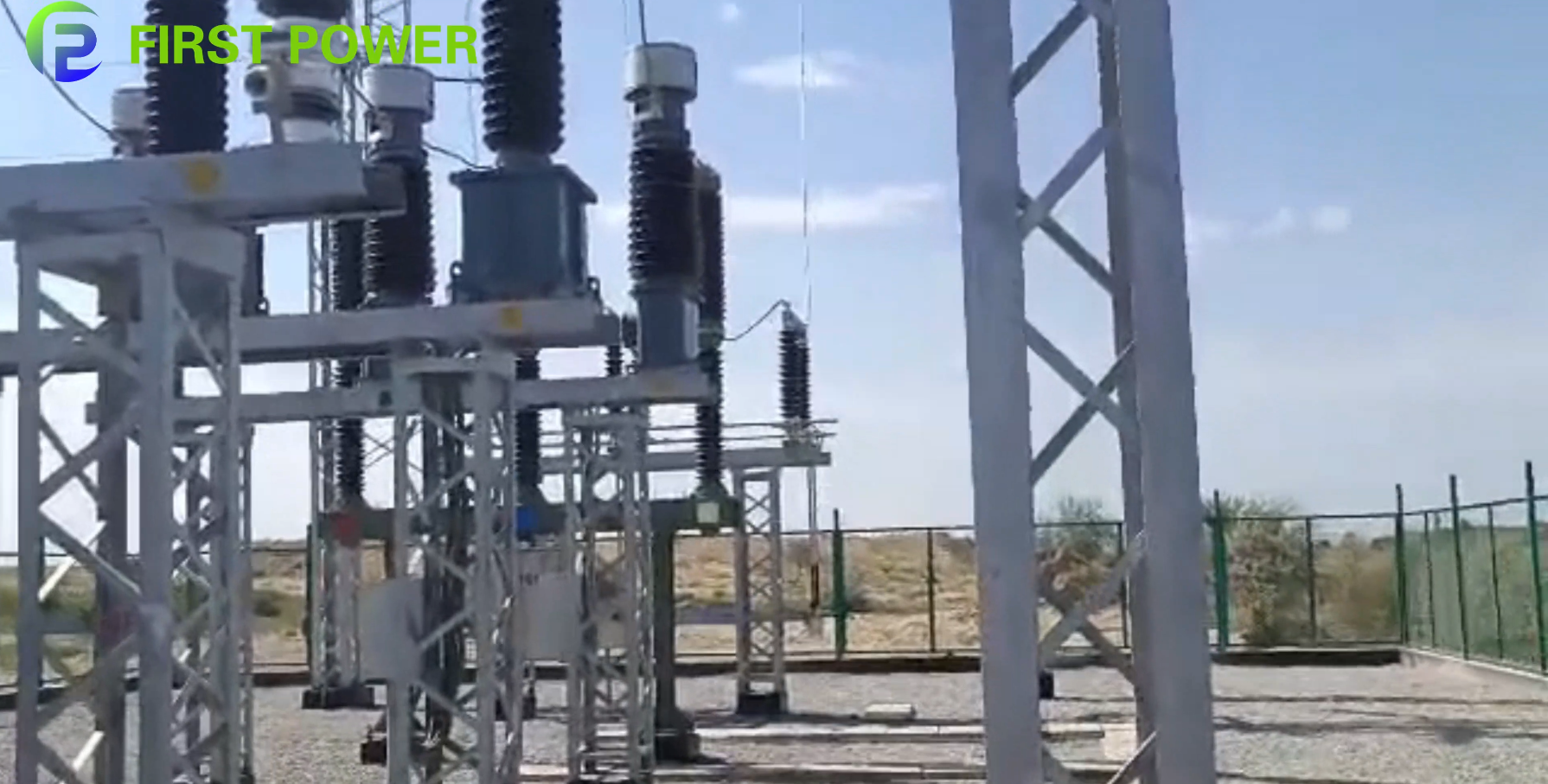
Outdoor substation equipment supplied for the Uzbekistan project, configured for dust, UV exposure, and large ambient temperature variation.
Comparison Table: Delivery Formats at a Glance
| Dimension | FPCS Compact Substation | FP-EH E-House | S-800/35 Transformer |
|---|---|---|---|
| Primary function | Photovoltaic containerized substation integrating medium-voltage switchgear, step-up transformer, low-voltage distribution, protection, control, and auxiliary systems | Prefabricated modular enclosure housing medium-voltage or low-voltage switchgear, MCC, transformers, protection relays, and auxiliary power | 35 kV oil-immersed, two-winding OLTC transformer |
| Voltage scope | Medium voltage 10 kV to 35 kV; low voltage 0.4 kV, 0.69 kV, or 0.8 kV | Internal equipment low voltage up to 600 V and medium voltage 5 kV to 38 kV | High voltage 35 kV; low voltage 10.5 kV, 6.3 kV, or 3.15 kV in the 800 kVA to 2,500 kVA range |
| Capacity or rating | 500 kVA to 5,000 kVA per transformer | Layout and dimensions customized to the installed equipment | S series covers 800 kVA to 40,000 kVA across 18 standard ratings |
| Enclosure and environment | IP54 or higher container; external equipment up to IP65; −25 °C to +55 °C; altitude up to 1,000 m as standard; outdoor installation | NEMA 3R or NEMA 4, IP54 to IP55; −40 °C to +55 °C; air-conditioning or forced ventilation available | Outdoor tank construction with corrosion-resistant surface treatment |
| Typical fit | Utility-scale solar, commercial and industrial PV, PV plus storage | Solar, wind, storage, Tier III and Tier IV data center outdoor distribution, industrial parks, remote and EPC projects | Utility distribution, industrial facilities, solar PV, and wind power |
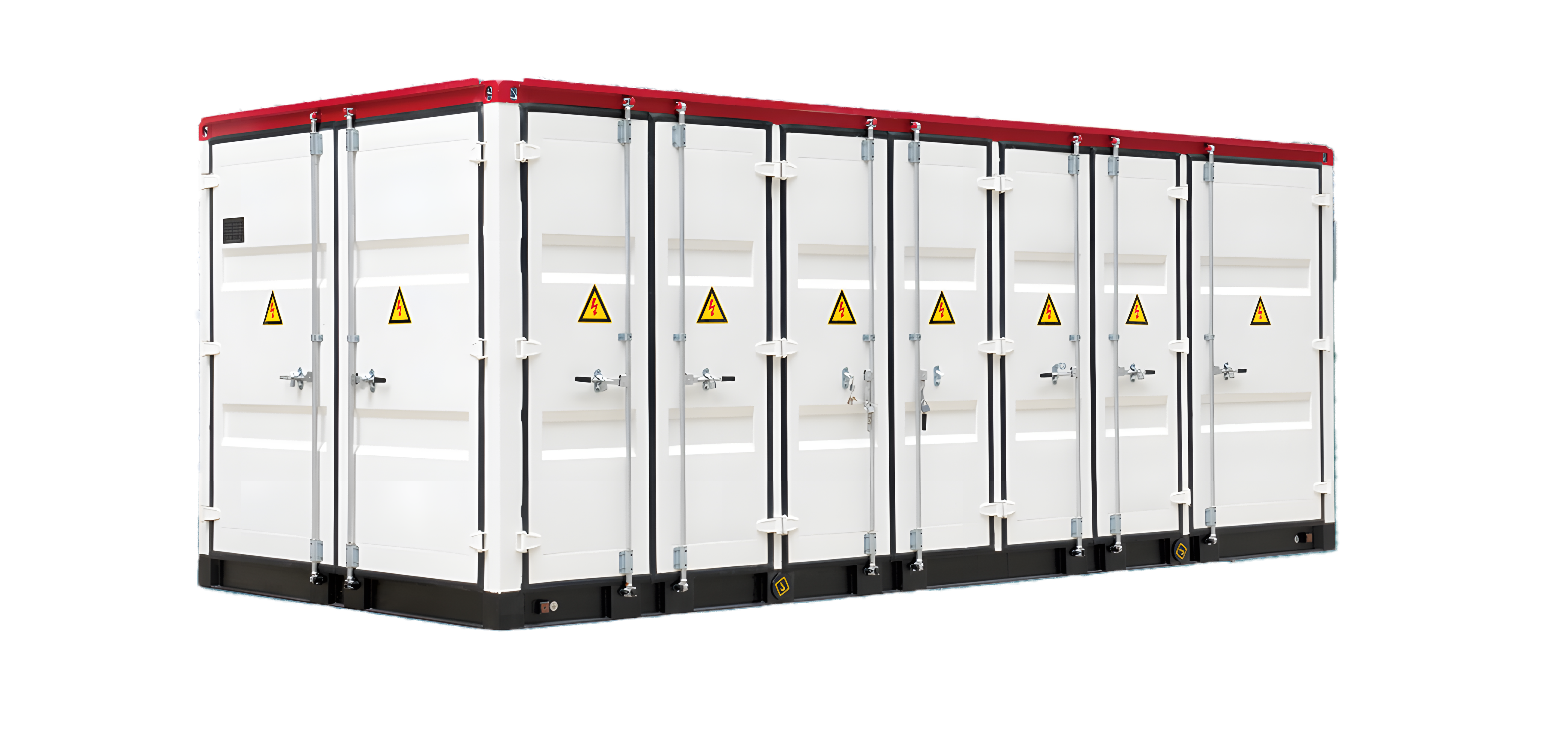
The FP-EH E-House provides a walk-in enclosure for metal-clad switchgear, GIS or C-GIS, MCC, transformers, protection relays, and auxiliary power.
FAQ
Which standards and UL listings should a project team verify before ordering a compact substation or E-House?
For the FPCS compact substation, design and manufacture follow IEC, IEEE, ANSI, and the applicable local grid requirements. The FP-EH E-House can be configured to satisfy UL, ANSI, or IEC project requirements. Equipment installed inside can include UL Listed Medium Voltage Switchgear (FP-MVSG-38), UL 1558 Low Voltage Switchgear (FP-LSG), UL 891 Switchboard (FP-LSB), UL 845 Motor Control Center (FP-MCC), UL 67 Panelboard (FP-LPB), and UL 508A Industrial Control Panel (FP-LCP). UL 1558 covers metal-enclosed low-voltage power circuit breaker switchgear assemblies; UL 891 covers switchboards; UL 845 covers motor control centers; UL 67 covers panelboards; and UL 508A governs industrial control panels.
Can an E-House house both medium-voltage and low-voltage equipment in one enclosure?
Yes. The FP-EH E-House is compatible with metal-clad switchgear, GIS or C-GIS, MCC, distribution transformers, protection relays, and UPS and DC auxiliary power systems. Its applicable voltage class is low voltage up to 600 V and medium voltage 5 kV to 38 kV. Auxiliary systems can include air-conditioning or forced ventilation, interior lighting, a grounding busbar, fire detection and alarm, access control, and cable entry glands.
What configuration variables define the scope of a compact substation?
For the FPCS, the main variables are rated capacity from 500 kVA to 5,000 kVA per transformer; medium voltage from 10 kV to 35 kV; low voltage of 0.4 kV, 0.69 kV, or 0.8 kV; medium-voltage switchgear type (RMU, load-break switchgear, or vacuum circuit breaker switchgear); low-voltage switchgear type (ACB, MCCB, or main low-voltage distribution panel); protection scheme; SCADA interface; cooling (ONAN or ONAF); enclosure protection (IP54 or higher, with external equipment up to IP65); and cable entry direction. These choices set the equipment scope for a project.
How is factory acceptance testing handled before shipment?
The FP-EH E-House is delivered with full factory pre-assembly and pre-commissioning, and a complete Factory Acceptance Test is performed before shipment. On-site work is then limited to foundation placement and cable connection. For the FPCS compact substation, major components are pre-assembled, wired, inspected, and tested before shipment to reduce field installation risk.
How are the units transported, installed, and supported after delivery?
The FP-EH E-House is transported by full-unit hoisting and by road or sea shipping, and its container-style structure allows relocation and reuse after project decommissioning. The FPCS uses factory-integrated modular construction for convenient transportation, lifting, and site installation. For project-specific configuration review, drawings, and a quotation, contact Jiangsu Dinghong Power Co., Ltd. at info@js-firstpower.com or through www.firstpowerglobal.com.
Conclusion: Select the Enclosure Around the Grid Interface
The reliable way to choose between a compact substation and an E-House is to start with the grid interface, then size the transformer, then select the switching and protection architecture, and only then choose the enclosure. The FPCS is a focused photovoltaic containerized substation with a 500 kVA to 5,000 kVA per-transformer range, a 10 kV to 35 kV medium-voltage side, and 0.4 kV, 0.69 kV, or 0.8 kV low-voltage outputs. The FP-EH is a walk-in enclosure for larger or more mixed equipment sets, with a 5 kV to 38 kV internal medium-voltage range, low voltage up to 600 V, and an operating temperature range of −40 °C to +55 °C. The S-800/35 provides the 35 kV transformation layer, with tapping ranges, impedance values, and low-voltage outputs that change by capacity.
Projects that follow this sequence avoid two common errors: specifying an enclosure before the transformer taps, impedance, and protection are fixed, and assuming that a low-voltage equipment category can be substituted for another. The equipment categories are distinct, and the acceptance plan should reflect that. When the grid interface, transformer, switchgear, and enclosure are selected as one system, the factory test and the site commissioning become predictable.
Request a Configuration Review or Quotation
Jiangsu Dinghong Power Co., Ltd. supports project teams with configuration review, technical documentation, factory inspection, and standardized export packaging for compact substations, E-House units, medium-voltage and low-voltage switchgear, and transformers.
Contact: Yu Cao
Address: Room 903, Tiancheng Information Building, 88 Nantiancheng Road, Xiangcheng District, Suzhou City, Jiangsu Province, China
Tel: +86 130 7404 8223
Email: info@js-firstpower.com
Web: www.firstpowerglobal.com
WhatsApp: +86 150-0369-3908
Download the product brochure: Jiangsu Dinghong Power product brochure.
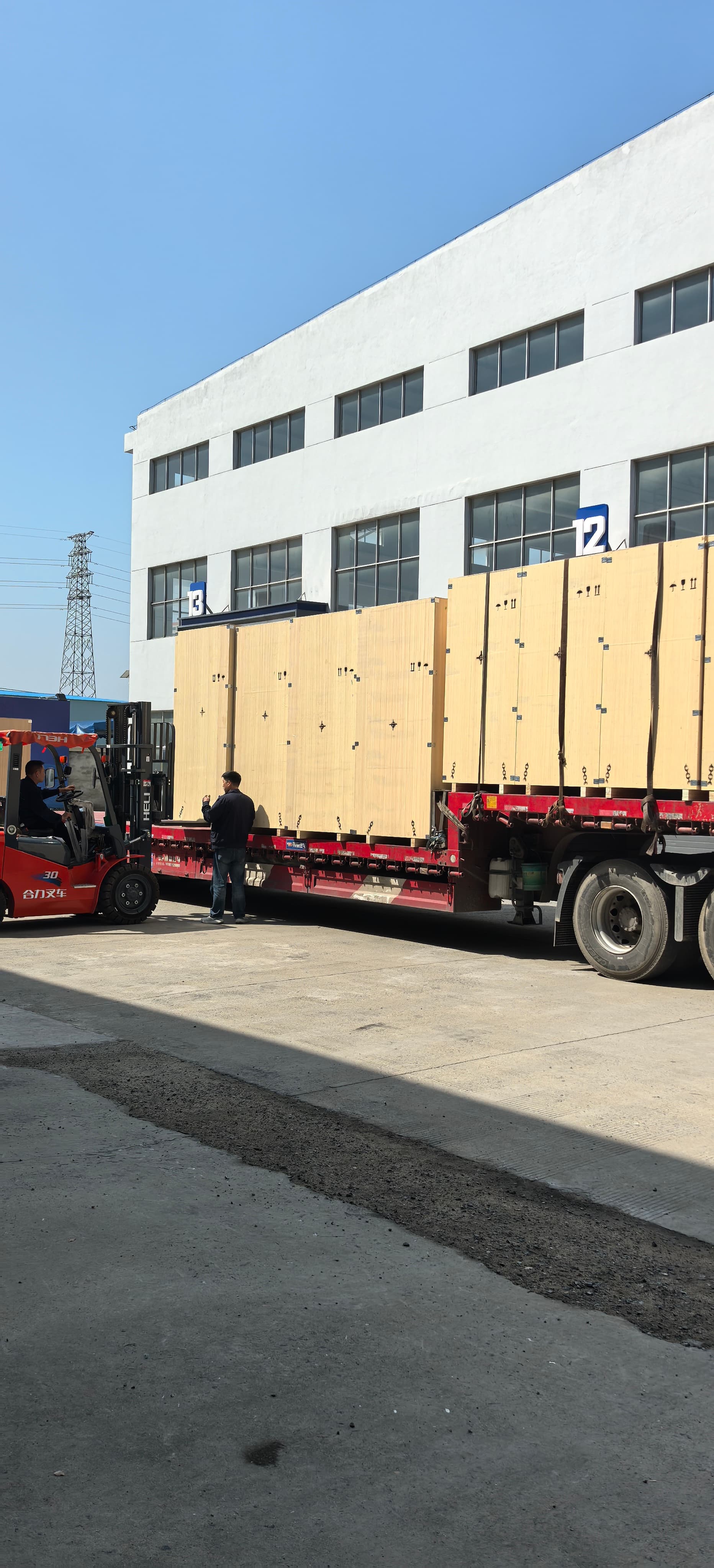
Factory packaging and delivery preparation for export power equipment projects, including standardized export packaging.
Have Questions or Need More Details?
Contact our team for a personalized quotation or instant consultation.
Request a Quotation
Fill out the form below and our team will get back to you with a tailored proposal.
WhatsApp Direct Chat
Prefer to chat in real-time? Message us on WhatsApp for instant assistance & quick answers.
- Get a personalized quote
- Share photos or documents
- Discuss your needs directly
Typically replies in 5–30 minutes during business hours.