
Before the PO: Steel Wire Rope Capability & Delivery Audit
Before the PO: Steel Wire Rope Capability & Delivery Assurance Audit
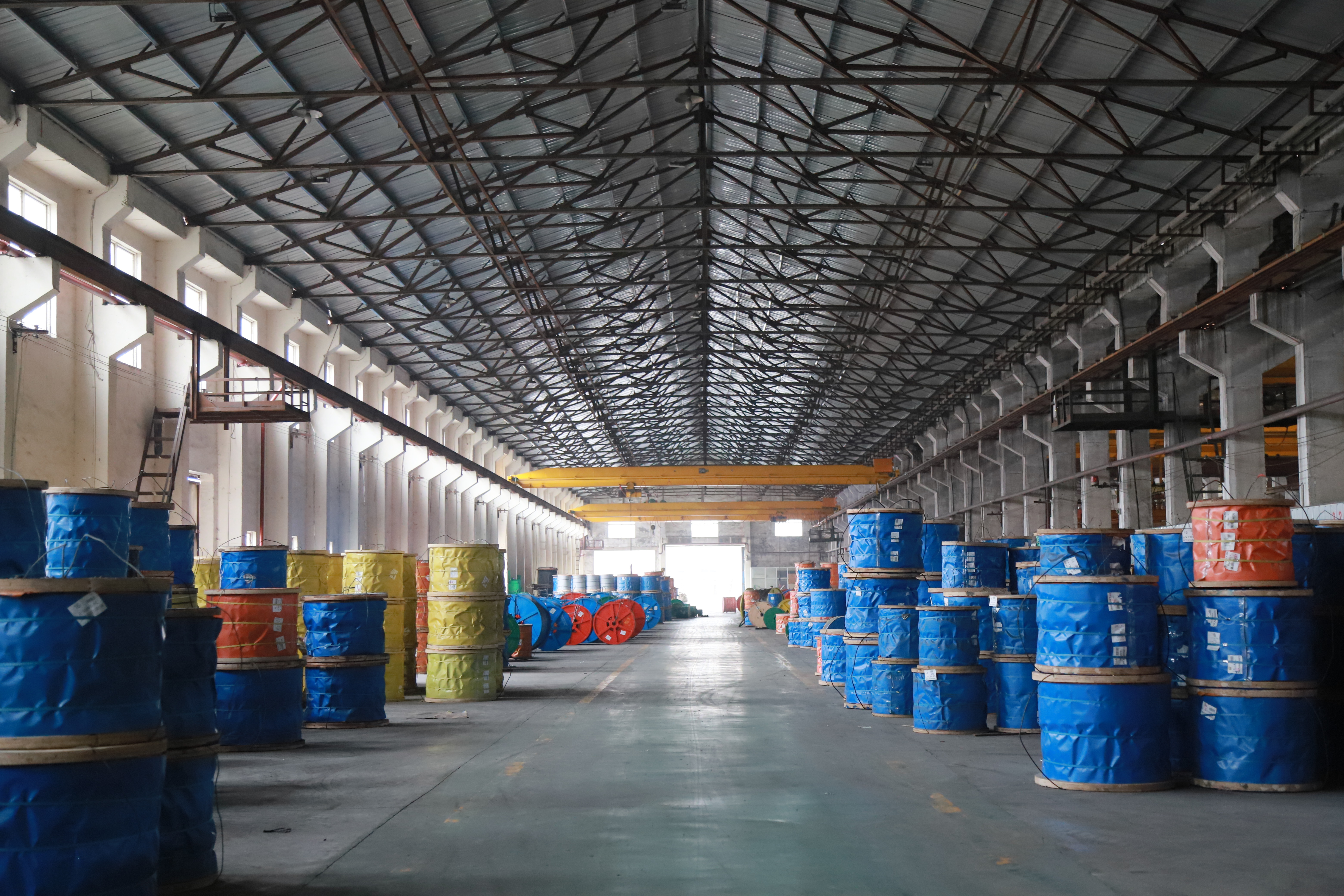
A steel wire rope purchase order commits four variables at once: diameter, tensile grade, execution standard and delivery date. Most of what goes wrong later — a rope that does not match its mill certificate, a certificate that never covered the construction actually ordered, a shipment that slips because the 25-day clock started later than the buyer assumed — was decidable before the order was released.
The audit below treats those four variables as things to be evidenced, not described. It separates what a catalogue can prove from what a certificate can prove, and what neither can prove, and it ends with the terms that should be written into the PO rather than discovered afterwards.
The commercial backdrop makes the check worthwhile rather than pedantic. Business Research Insights valued the global steel wire rope market at USD 10.0 billion in 2026 and reported that galvanized rope represented 46% of product demand in 2025 — figures that describe a market where coating and construction choice, not tonnage alone, drives the purchase. Cross-border shipments sit under HS code 731210 for stranded wire, ropes and cables of iron or steel, so the same rope can carry different documentary requirements in different destination markets. Capability claims therefore have to be read against the market they are sold into.
Jiangsu Juli Steel Wire Rope Co., LTD (Juli Wire Rope Group) is a steel wire rope and lifting accessory manufacturer with production bases in Nantong and Jiyuan in China and Bekasi in Indonesia. Its product profile covers un-galvanized, electro-galvanized, hot-dip galvanized, stainless and plastic-coated wire rope, in bundling, cross-laid, parallel-laid, anti-rotation, compacted strand, shaped strand and locked coil constructions. Those particulars are used here as the worked example; the method transfers to any supplier on a shortlist.
What a pre-PO audit has to establish
Four evidence blocks have to be closed before a purchase order is defensible. They are separate because each is answered by a different document, and a supplier can be strong in one and thin in another.
- The specification band. The diameter range, tensile grade range and execution standard the supplier can hold on a repeatable basis. Answered by the specification profile plus the standard designations a quotation cites.
- Family breadth. Whether the duty family you are buying into — elevator, mining, offshore and marine, port, agricultural or heavy-duty — is served by a construction the supplier actually lists. Answered by the product-family construction lists, not by a generic catalogue sentence.
- Certificate scope. Whether the third-party document names your construction and diameter, and whether it is still valid on your shipping date. Answered only by reading the certificate.
- Commercial and acceptance terms. MOQ, lead time, monthly capacity, Incoterms, payment schedule and the test evidence that arrives before the balance is due. Answered by the offer and the PO text.
Auditing them in that order matters. A certificate check is meaningless before the construction and diameter are fixed, and a lead-time commitment is meaningless before the monthly capacity figure is matched to your tonnage.
The specification band: 1–120 mm, 1570–2160 MPa and four standard families
Orders in this category are written as a four-part string: construction, diameter, tensile grade and standard. For this supplier the diameter band runs from 1 mm to 120 mm and the tensile grades run from 1570 MPa to 2160 MPa, executed to GB/T, EN, GOST or DIN. A quotation that omits any one of the four is not a comparable quotation, and it cannot be checked against a mill certificate line by line.
One discrepancy deserves attention because it is exactly the kind auditors should record rather than reconcile away. The corporate profile lists product specifications from 0.5 mm to 120 mm, while the GOST certificate scope supplied for the Russian market covers multiple construction types at 1 mm to 120 mm. Neither number is wrong; they answer different questions. The profile describes what the catalogue offers, and the certificate describes what has been certified for that market. When a certificate is part of the requirement, write the certified band into the PO and treat the wider catalogue band as a separate availability claim that needs its own supporting document.
Tensile grade is a property of the wire rather than of the finished rope geometry. Within one construction and one diameter, raising the grade raises the calculated breaking force, which is why grade cannot be inferred from a catalogue photograph or from the construction number alone. The grade belongs on the order line, next to the diameter and the standard, so that the acceptance test result can be compared with a stated target instead of a general expectation.
Three of the four standard families appear in documents a buyer can inspect directly. GB/T 8918-2006 and GB/T 20118-2017 appear alongside GOST 3241-91 and EN 12385-4 inside the GOST certificate scope, and EN 12385-1:2002+A1:2008 appears in the CE certificate. DIN behaves differently in this evidence set: no DIN certificate is present, and the customization scope treats the applicable standard as an order parameter. A DIN order is therefore defined by its standard designation and the acceptance data written into the PO. If the buyer needs third-party confirmation of DIN execution, that has to be requested as a separate document before the PO — not assumed from a catalogue line.
Checking breadth across six duty families
Breadth is not the number of product lines on a website. It is whether the family you are buying into is supported by a specific construction, at your diameter, under a standard you can document. The six families below are the practical test set, because between them they cover the load cases that most often go wrong at the specification stage.
| Duty family | Listed constructions | The question that tests breadth |
|---|---|---|
| Elevator | 8×19S, 8×19W, 6×19S, 6×19W | Which of the four is quoted, and does that construction sit inside the certified type band at your diameter? |
| Mining | 6×19S, 6×19W, 6×19M, 6×36WS, 6×37S, 8×K26WS-EPIWC, 35W×K7 | Is the duty single-layer or rotation-resistant, and does the class certificate name that category? |
| Offshore & marine | 6×36WS, 6×29Fi, 6×41WS, 6×49SWS, 6×55SWS, 6×61FWS, 6×65FNS, 6×84WSNS, 6×127SWSNS, 8×49SWS, 8×55SWS, 8×61FWS, 8×65FNS, 8×84WSNS, 8×127SWSNS, 18×7, 35W×7, 35W×K7, 4V×39S SWAGE, 4V×48S SWAGE | Is your rope stranded or swaged, and does a class society scope name that model? |
| Port | 6×26WS, 6×31WS, 6×36WS, 6×41WS, 8×26WS, 8×31WS, 8×36WS, 8×41WS, 35W×7 | Does the sheave-and-drum duty point to a 6-strand or an 8-strand construction, and is that the one quoted? |
| Agricultural | 1×7, 1×19, 6×7, 7×7, 6×19M, 6×12-7FC, 6×15-7FC, 6×24MFC | Is the order a strand rope or a 6-strand rope, and is the FC core detail stated on the drawing? |
| Heavy-duty | 6×19S, 6×19W, 6×26WS, 6×36WS, 6×31WS, 8×K26WS, 6×19M, 6×37M | Which construction carries your load case, and is that the same construction named in the test report? |
The same construction number can appear in more than one family, and that is useful rather than confusing: it tells you where the supplier's engineering attention is concentrated. 6×36WS appears in mining, offshore, port and heavy-duty lists, 35W×7 appears in elevator-adjacent, mining, port, offshore, oil and gas and heavy-duty duty, and 6×19S appears almost everywhere. A quoted rope that appears in none of the family lists is the case that needs an explicit written answer before the PO.
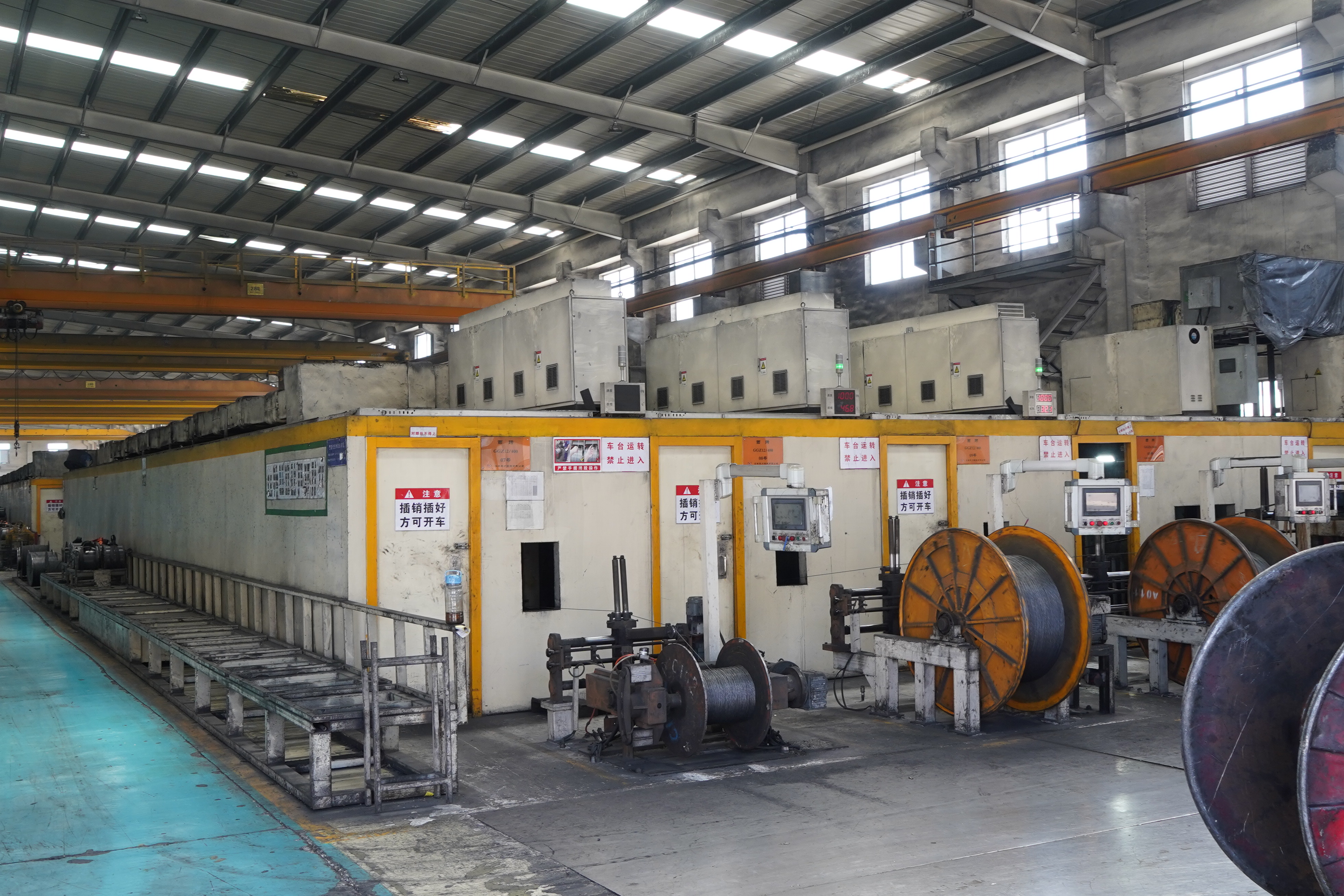
Two families carry their own traps. In elevator duty, 8×19S and 8×19W are the 8-strand options while 6×19S and 6×19W are the 6-strand options, so a request written only as “6×19” can be quoted against a different duty assumption than intended. In agricultural duty, 1×7 and 1×19 are strand ropes while 6×7 and 7×7 are stranded ropes, and the FC core designations in 6×12-7FC, 6×15-7FC and 6×24MFC are part of the specification rather than a suffix to be dropped.
The certificate scope test: read the type list, not the logo
A certificate answers one question: does it name what you are buying, at the size you are buying, inside its validity window? The documents in this evidence set illustrate how differently that question has to be asked from document to document.
| Document | Reference | Scope as written | Valid to |
|---|---|---|---|
| CE | ICR/VC/HS240422 (ICR) | EN 12385-1:2002+A1:2008; type list by construction and diameter, including 6×19 (3–60), 6×36 (8–120), 8×19 (8–60), 18×7 (6–28), 35W×7 (8–40) | 4 Jul 2029 |
| GOST | POCC RU C-CN.AД85.B.00499/24 (СЕРКОНС) | Steel wire rope, multiple construction types, 1 mm–120 mm, to GOST 3241-91, GB/T 8918-2006, GB/T 20118-2017 and EN 12385-4 | 27 Jun 2029 |
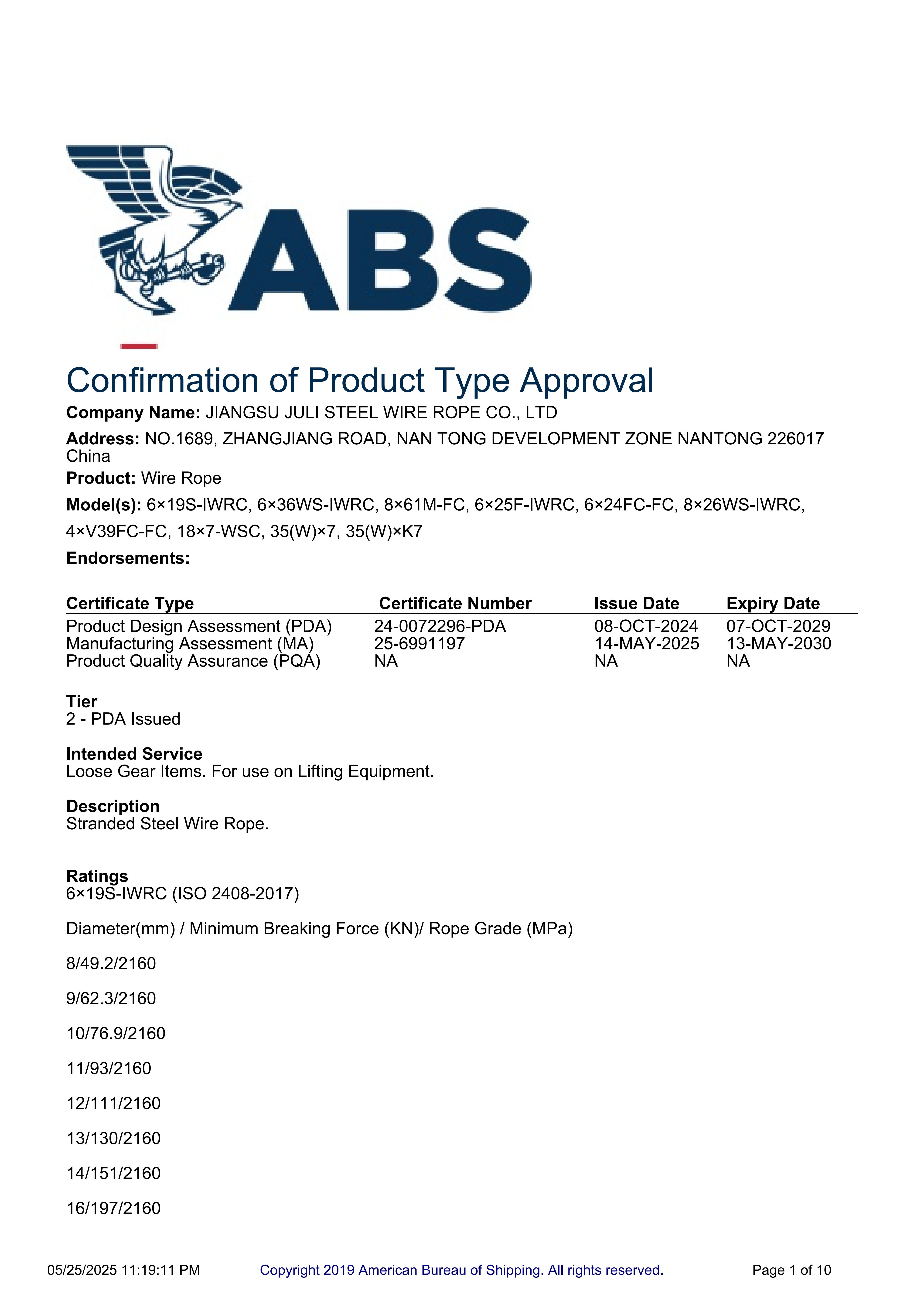
| ABS | 24-0072296-PDA | Ten named models including 6×19S-IWRC, 6×36WS-IWRC, 8×26WS-IWRC, 18×7-WSC, 35(W)×7 and 35(W)×K7; loose gear items for lifting equipment, ISO 2408-2017 | 7 Oct 2029 |
| CCS | JS22PWA00113_01 | Single layer ropes and rotation resistant ropes for ships and offshore installations | 22 May 2027 |
| API | 9A-0125 | API Spec Q1 and API-9A; bright or drawn-galvanized wire rope; QMS exclusions: servicing, customer property | 28 Feb 2027 |
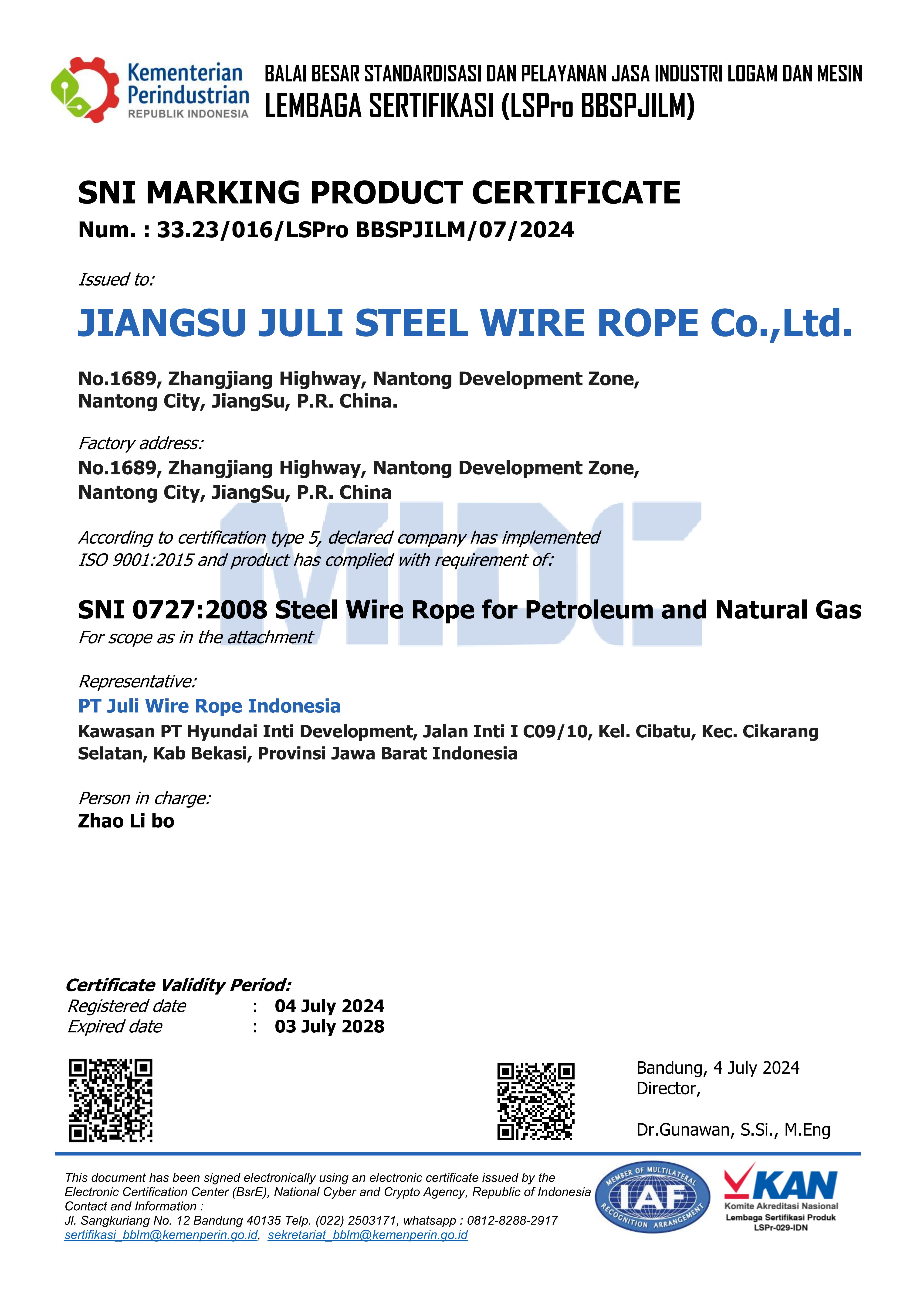
| SNI | 33.23/016/LSPro BBSPJILM/07/2024 | Steel wire rope for petroleum and natural gas, SNI 0727:2008, Indonesia | 3 Jul 2028 |
| SIRIM | PC013111 | Steel wire ropes for general purposes, MS ISO 2408:2004 (confirmed 2012), Malaysia | 7 Dec 2026 |
| EPD | EPD-2026-01 (MCC Inspection and Certification) | Wire rope, 1000 kg, cradle-to-gate, ISO 14025 | 29 Jan 2031 |
Four conclusions follow from reading the table rather than scanning it.
- “CE certified” is not a property of a supplier; it is a property of a construction at a diameter. The type list gives 6×36 from 8 to 120 and 6×19 from 3 to 60, with 8×7, 6×19M, 6×37M, 34M×7 and 35W×7 carrying their own bands. A quotation for a construction outside that list needs a different compliance route, not a logo.
- Class society approvals are model-specific. ABS names ten models and limits intended service to loose gear items for lifting equipment under ISO 2408-2017; CCS covers single layer and rotation resistant ropes for ships and offshore installations. Neither one is a general approval of every rope the company makes.
- Validity dates have to be checked against the shipping date, not the order date. The SIRIM certificate expires on 7 December 2026. Any Malaysian shipment scheduled after that date needs the renewal on file before the PO is released; confirming renewal status is a two-line email that removes a customs problem later.
- An EPD is an environmental document, not a strength document. EPD-2026-01 covers 1000 kg of wire rope cradle-to-gate under ISO 14025. It supports tender scoring on environmental grounds and does nothing to verify breaking load — a distinction worth keeping straight if a procurement scorecard mixes the two.
Converting capability into delivery assurance
Capability evidence becomes delivery assurance only when it is attached to a date and a payment event. The stated commercial position is compact enough to audit line by line, and every line has a clause that belongs in the PO.
| Term | Stated position | Clause to agree before the PO |
|---|---|---|
| Minimum order | 1,000 meters | Whether a trial quantity below 1,000 m is possible, and at what price — settle it now, not after sampling |
| Lead time | 25 days | The triggering event: deposit receipt, drawing approval or PO date. Name one |
| Monthly capacity | 3,000 tons | Your tonnage against that figure, and the residual slot in your delivery month |
| Delivery terms | FOB, CIF or DDP | The named port or place, and who clears import duty under DDP |
| Acceptance | Pre-shipment full performance test at the factory; test reports provided for customer confirmation before shipment | The report set, the date the reports must reach you, and the construction each report covers |
| Payment | 30% deposit; 70% balance before shipment | That the reports arrive before the balance request does |
The interdependency here is the part buyers most often miss. Because the balance falls due before shipment and shipment is arranged only after full payment is received, the acceptance evidence has to arrive before the payment request — otherwise the buyer is paying against a promise. The stated acceptance route already points the right way: a full performance test at the factory before shipment, with reports supplied for customer confirmation. The PO's job is to attach a date to that report and a named construction to that test.
The lead-time figure needs the same treatment. Twenty-five days is a duration, not a date. If the clock starts at deposit receipt, then the deposit date is the real project milestone and the delivery date is derived from it. If it starts at drawing approval, a slow approval cycle consumes the buffer. Confirm the trigger in writing, then plan backwards from the vessel booking rather than forwards from the PO.
Order size is the other quiet constraint. With a 1,000-meter minimum, a buyer who wants 300 meters for a trial is negotiating a concession rather than placing a standard order. Raising that before sampling keeps the trial honest; discovering it after a technical approval round wastes both calendars.
Acceptance criteria to write into the PO
The quality-control sequence behind these orders is specified as raw material incoming inspection, semi-finished product spot check, finished product test, breaking load test and fatigue test, plus a 100% full machine running test before delivery. Each item is a clause waiting to be written, and a general reference to “factory testing” captures none of them.
Four details convert the sequence into an enforceable criterion. First, name which tests apply to your construction — a fatigue test and a breaking load test answer different questions, and a strand rope and an 8-strand rotation-resistant rope do not carry the same test expectation. Second, require the report to identify the construction, diameter, grade and standard of the tested item, so it can be matched against the order line rather than filed. Third, set a date by which the reports reach the buyer, expressed relative to the balance payment request. Fourth, agree in advance what happens if a result falls outside the specification; the evidence set describes the tests but does not define remedy terms, so that clause has to be negotiated rather than assumed.
A seven-step audit sequence
- Fix the four-part specification string. Construction, diameter, tensile grade and standard — written once, reused in the RFQ, the PO and the acceptance report.
- Map your construction to the family list. If the quoted rope does not appear in the relevant family list, obtain a written statement of capability before continuing.
- Check the certificate type list against that construction and diameter. Read the band, not the certificate title, and check class society model lists the same way.
- Compare validity dates with the shipping date. Renewal status for anything expiring inside the delivery window belongs on the audit sheet, not in a reminder file.
- Match tonnage to monthly capacity and confirm the slot. Ask for the residual capacity in the delivery month rather than for the annual figure.
- Fix MOQ, Incoterm, port or place, lead-time trigger and payment schedule. Each is a single line, and each is a common source of post-PO renegotiation.
- Attach the acceptance evidence to the payment event. Report set, report date, named construction, and the failure-handling clause you negotiated.
Worked example: a 100-ton mining hoisting order
Apply the sequence to a mining hoisting requirement and the audit stops being abstract. The supplier reports a mining enterprise order of 100 tons used for mining hoisting, mine shaft lifting and underground traction, running for two years, with reported outcomes of stable hoisting operation, reduced downtime and improved site safety, attributed to wear resistance, impact resistance and cycle length in a harsh mine environment.
What that case supports is narrower than it first appears, and the distinction matters at the evaluation stage. It is a supplier-reported account, not an independently audited result, so it demonstrates that the mining family has been supplied into hoisting duty at that tonnage — not that a new buyer will see the same downtime reduction. The audit use is to ask which construction carried the order. The mining list offers 6×19S, 6×19W, 6×19M, 6×36WS, 6×37S, 8×K26WS-EPIWC and 35W×K7, and the answer changes the certificate check: a rotation-resistant category falls under the CCS scope in a way a single-layer rope does not, and the ABS model list names only specific constructions. A 100-ton order also sits comfortably inside a 3,000-ton monthly capacity figure, which makes the delivery question a scheduling question rather than a capacity question.
Frequently asked questions
Which standards and certificates should be verified before a steel wire rope PO?
Verify the document that names your construction and diameter. For EN execution, CE certificate ICR/VC/HS240422 lists types by construction and diameter — 6×19 from 3 to 60, 6×36 from 8 to 120, 8×19 from 8 to 60, 18×7 from 6 to 28 and 35W×7 from 8 to 40 — under EN 12385-1:2002+A1:2008. For Russian delivery, the GOST certificate covers multiple constructions from 1 mm to 120 mm to GOST 3241-91, GB/T 8918-2006, GB/T 20118-2017 and EN 12385-4, valid to 27 June 2029. Marine and offshore orders need the CCS or ABS scope matched to the named model, and Indonesian oil and gas orders need SNI 0727:2008. DIN has no certificate in this set, so a DIN order must be defined by standard designation and acceptance data in the PO.
What can an OEM multi strand steel wire rope manufacturer customize?
The stated OEM and ODM scope covers wire rope construction, diameter, length, tensile strength, surface treatment, applicable standard and packing, supported by independent factory R&D and manufacturing and an R&D team of 20 engineers. In practice seven order axes are negotiable at once, which is why the four-part specification string has to be fixed before customization begins. The breadth behind that scope is visible in the family lists — 8×19S and 8×19W for elevator duty, 6×84WSNS and 6×127SWSNS plus 4V×39S and 4V×48S swaged ropes for offshore work, 35W×K7 for mining and oil and gas — but a customized line still has to fall inside the certificate band for its destination market. Customization changes the order, not the certification scope.
What are the purchasing terms and acceptance criteria?
Minimum order quantity is 1,000 meters, delivery terms are FOB, CIF or DDP, and acceptance is a pre-shipment full performance test at the factory with test reports provided for customer confirmation before shipment. Payment terms are 30% deposit with the 70% balance before shipment, and shipment is arranged on receipt of full payment. Because the balance is due before the goods move, the acceptance reports should be scheduled to reach the buyer before the balance request; that sequencing is the clause that gives the acceptance criteria practical effect.
How should delivery be planned around a 25-day lead time and 3,000-ton monthly capacity?
Treat the 25 days as a duration and identify the event that starts it — deposit receipt, drawing approval or PO date — then plan backwards from the required on-site date. Check your tonnage against the 3,000-ton monthly capacity by asking for residual capacity in the delivery month, not for the annual total. Then align three dates in one line of the PO: deposit date, report delivery date, and shipment date. Where a certificate expires inside the delivery window, add the renewal confirmation as a fourth gate, since an expired document can stop a compliant shipment at the border.
What should be signed off before the PO is released?
A single-page annex is enough: the four-part specification string, the certificate reference with its validity date and the construction band it covers, the family and construction quoted, the test report set with the date it must arrive, the Incoterm with named port or place, the 1,000-meter MOQ position, the 30/70 payment schedule, and the lead-time trigger. If any line is blank, the PO is not ready. Where the next step is a first trial order, the supplier's compressed catalogue is available for download here: Juli steel wire rope catalogue (PDF).
Conclusion: the audit ends where the PO begins
The value of a pre-order audit is not a verdict on a supplier. It is a set of named documents that stay attached to the order: a specification string with a diameter, a grade and a standard; a family list showing the construction is actually offered; a certificate whose type band and validity date have been read rather than assumed; and a commercial schedule that ties the test reports to the payment event. Buyers who assemble those four items before the PO spend the production period tracking a schedule instead of renegotiating a specification.
For orders in the 1 mm to 120 mm band at 1570–2160 MPa grades and GB/T, EN, GOST or DIN execution, that checklist is short enough to complete in a single review cycle — and specific enough that the answer is either a document or a gap. Jiangsu Juli Steel Wire Rope Co., LTD publishes its specification and certification material for exactly that check.

If the four-part specification string is already fixed and the remaining question is certificate scope, lead-time trigger or acceptance evidence for a specific construction, send the construction, diameter, grade and destination market for a document-based reply. Contact: Shirley, Shirley@worldjuli.com, tel. +86 15312608225, address NO.1689, Zhangjiang Road, Nantong Development Zone, Nantong.
Have Questions or Need More Details?
Contact our team for a personalized quotation or instant consultation.
Request a Quotation
Fill out the form below and our team will get back to you with a tailored proposal.
WhatsApp Direct Chat
Prefer to chat in real-time? Message us on WhatsApp for instant assistance & quick answers.
- Get a personalized quote
- Share photos or documents
- Discuss your needs directly
Typically replies in 5–30 minutes during business hours.