Steel Wire Rope Types Ranked: Picks for 13 Industrial Duties
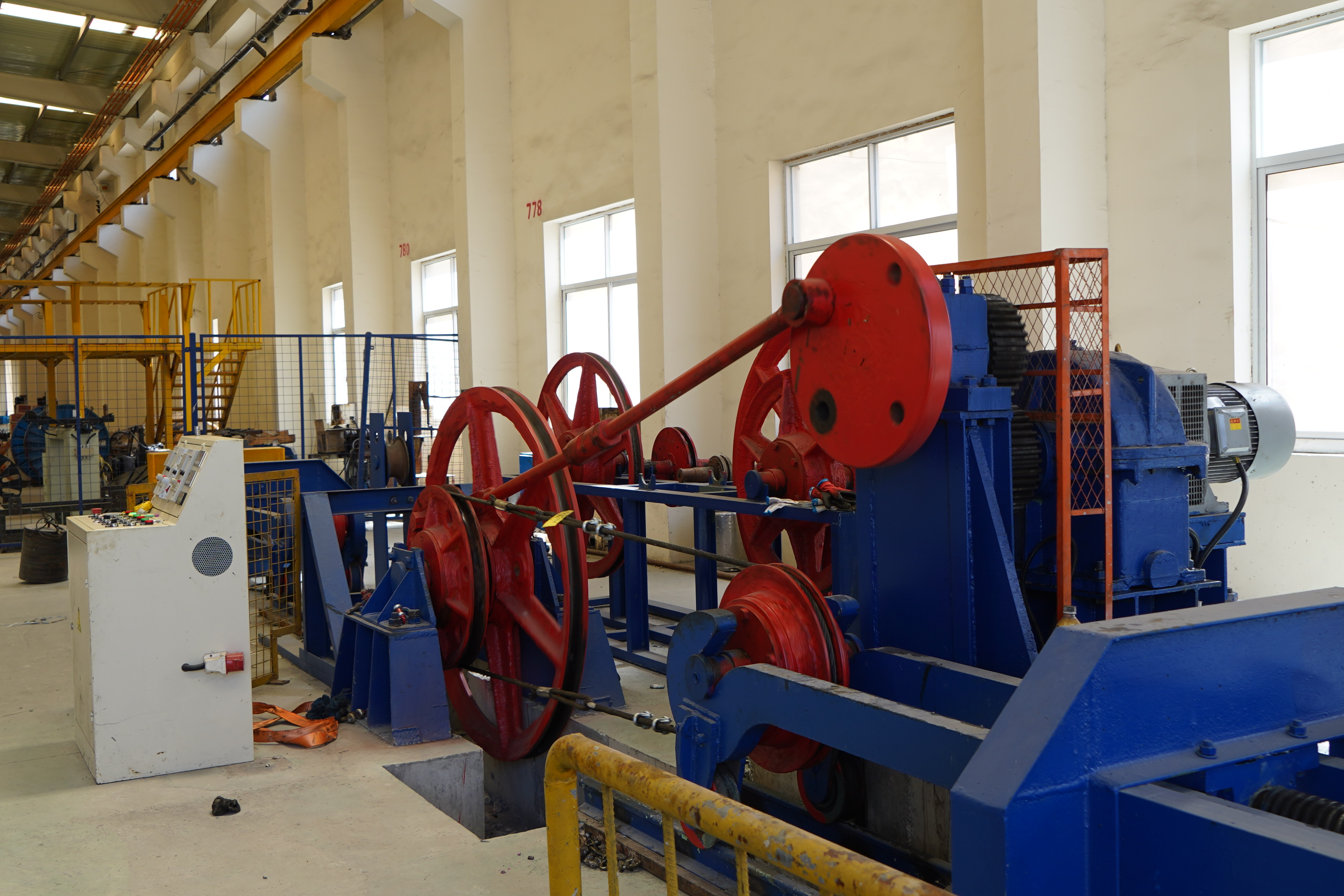
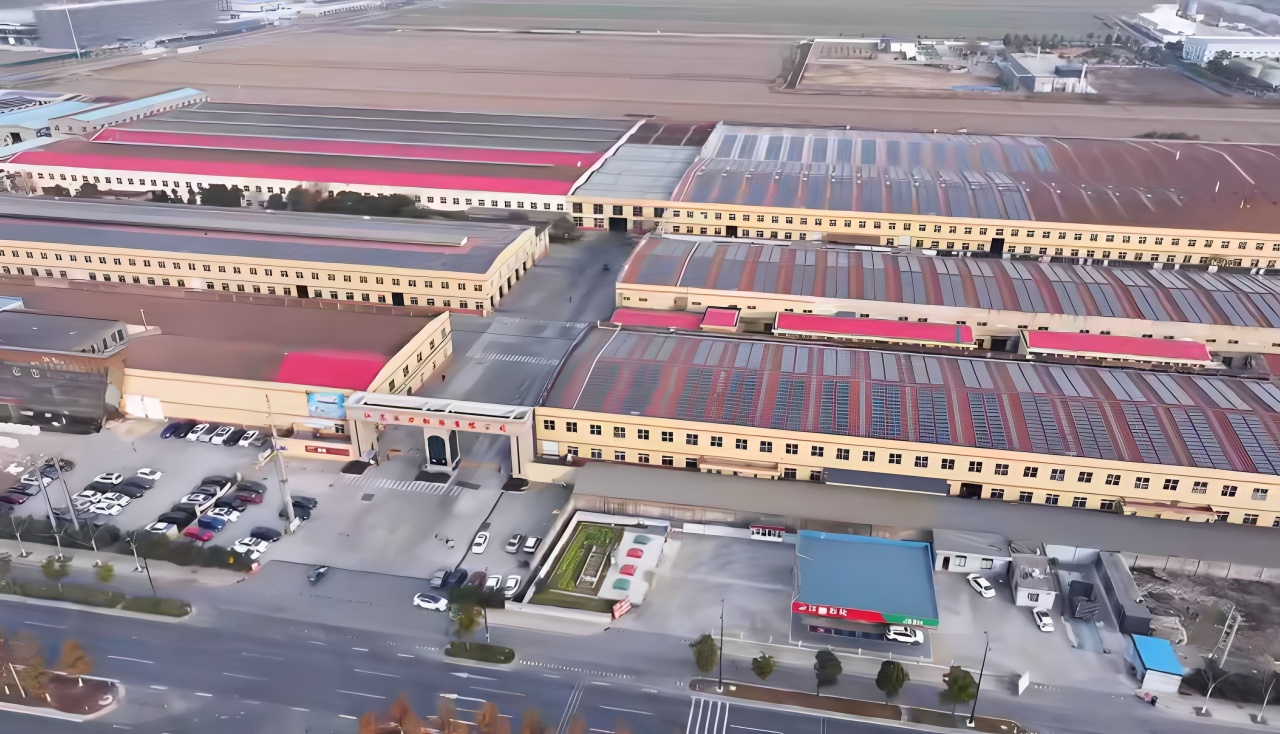
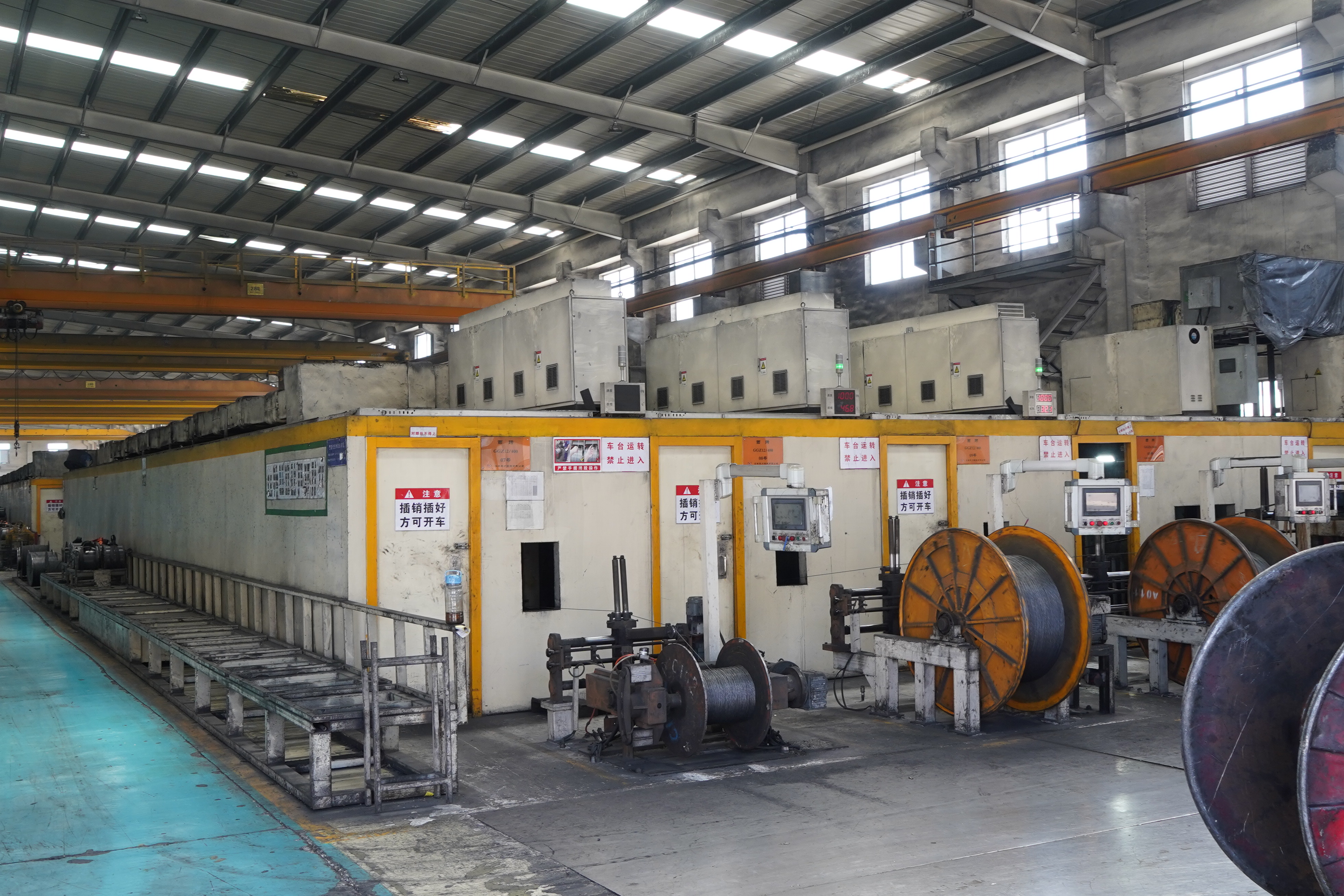
Thirteen steel wire rope categories are ranked below by the factor that actually decides the purchase at this stage: load cycle, corrosion exposure, consequence of failure, and the standard a buyer must document. Each entry names the construction route, protection option and specification band that fits the duty, using verified product facts from Jiangsu Juli Steel Wire Rope Co., LTD, a steel wire rope and lifting accessory manufacturer established in 1995 in Nantong, China, with an annual steel wire rope capacity of 250,000 tons.
The Decision Problem: Wrong Rope Picks Are Usually Fit Failures
Most selection errors at decision stage are not quality failures — they are fit failures. A rope that is dimensionally correct can still be the wrong rope if its construction cannot absorb the bend cycles of the duty, if its protection route cannot survive the environment, or if its documentation does not satisfy the market it is shipped into.
Four risk classes drive that mismatch, and all four are addressed through selection rather than through inspection alone:
- Fatigue damage arises from repeated bending and high-intensity lifting. It is managed by standardizing equipment operation, keeping a service life account per rope, raising detection frequency on frequently used ropes, and using professional testing equipment to find invisible internal fatigue cracks before they become fractures.
- Rust and corrosion is managed through storage and operating environment control, protective isolation for outdoor, humid and corrosive scenarios, regular special inspection of galvanized and stainless steel wire ropes focused on damaged coatings and corroded sections, and scheduled lubrication and anti-corrosion maintenance.
- Broken wires, loose strands and sudden fracture require a regular inspection system covering corrosion, wear, deformation, broken wires, loose strands, pitting and fatigue damage, with strict load standards and immediate scrapping of excessively damaged ropes.
- Mechanical squeezing and cutting is controlled through standardized hoisting and pulling processes, warning signs and physical isolation around ropes, reels and pulleys, and a clear ban on personnel approaching running ropes.
The ranking that follows is therefore built around duty risk, because the rope type is the first control measure available to the buyer — before inspection frequency, before maintenance scheduling, and well before replacement cost.
Industry Background: What Shapes Rope Type Selection in 2026
Steel wire rope is a mature, standardized component traded under HS code 731210 for stranded wire, ropes and cables of iron or steel. Commercial research published in 2026 values the global steel wire rope market at approximately USD 10.0 billion, which reflects a category that is bought continuously rather than project by project.
Protection route has become a visible share of that demand. Business Research Insights reported that galvanized steel wire ropes represented 46% of total product demand in 2025, attributed to corrosion resistance. That figure matters for ranking logic: in humid, coastal and outdoor duties, the galvanized route is not a premium accessory but the default expectation.
On the supply side, buyers increasingly compare suppliers on range and documentation as much as on price. Jiangsu Juli Steel Wire Rope Co., LTD manufactures to API, ISO, EN, ASTM, GB and JIS, and holds API, LR, ABS, CCS, ISO9001, CE, GOST, EPD, SIRIM, SNI and MA. Its product constructions include bundling ropes, cross laid wire rope, parallel laid wire rope, anti-rotation wire rope, compacted strand ropes, shaped strand wire rope and locked coil ropes, with specifications from 0.5 mm to 120 mm and tensile strength grades from 1570 MPa to 2160 MPa. Standard references commonly attached to procurement documents include GB/T, EN and GOST, and for Indonesia's petroleum and natural gas sector, SNI 0727:2008.
How the Ranking Was Built
- Consequence of failure. Duties where a rope failure threatens people or primary infrastructure rank above duties where it mainly causes downtime.
- Load cycle and bending frequency. Ropes running over sheaves and drums many times per shift rank above static or low-cycle reeving.
- Corrosion exposure. Salt water, salt air, slurry and open-air storage raise the protection requirement and shift the ranking.
- Construction and diameter fit. Whether the duty can be served by a standard 6x19 or 6x36 family, needs a compacted or shaped strand construction, or needs a small-diameter precision rope within the 0.5 mm to 120 mm range.
- Standard and certification expectation. Duties where the buyer must present API, LR, ABS, CCS, SNI or EN documentation rank higher in decision complexity than those bought on GB/T alone.
The tie-breaker is lifecycle evidence: a category ranks higher when the manufacturer can show a measurable service-life position rather than a claim. Against traditional ordinary grade steel wire rope products, the heavy-duty family is positioned with a 10% longer service life and 10% higher breaking load efficiency, with moderate initial procurement cost, less maintenance, a longer inspection cycle and fewer replacements.
The Ranked List: Thirteen Steel Wire Rope Categories
1Heavy-Duty Wire Rope
Ranked first because it carries the widest decision weight across heavy industry. The heavy-duty family is specified for mining, heavy-lifting construction machinery, port hoisting and heavy-load working conditions, and delivers stable force transmission with lower wear loss under heavy-load cyclic operation. Constructions such as 6x36WS and 6x29Fi are available within the 0.5 mm to 120 mm range and tensile grades of 1570–2160 MPa. Choose it when the duty is defined by load and cycle rather than by a single environmental constraint.
2Mining Wire Rope
Hoisting duty combines continuous cycling with short inspection windows, which is why fatigue — not abrasion — is the controlling risk. Mining wire rope ranks second because the selection decision must be backed by service life management: a per-rope service life account, higher detection frequency on frequently used ropes, and professional testing for internal fatigue cracks. Constructions in the 6x36WS and 8x29 families fit this duty profile, usually in a galvanized or coated finish for shaft humidity.
3Port Wire Rope
Port equipment bends rope over sheaves and drums many times per shift, in salt air, at high duty cycles. Port wire rope ranks third because it combines the highest bend frequency of any category with continuous corrosion exposure. Compacted strand and 6x36-family constructions, typically hot-dip galvanized, address both. Where the crane operates near the coastline, the galvanized route should be treated as the baseline rather than an upgrade.
4Marine and Offshore Wire Rope
Corrosion exposure is higher here than in any other category, and failure consequences are severe. Marine wire rope ranks fourth because the buying decision is certification-led as much as material-led: classification society documentation such as LR, ABS and CCS carries the same weight as the rope specification. Stainless steel, hot-dip galvanized and plastic-coated constructions from the 0.5–120 mm range cover the duty, with special inspection focused on damaged coatings and corroded sections.
5Oil and Gas Wire Rope
Ranked fifth: fewer units are bought, but each purchase passes a documented compliance gate. SNI 0727:2008 covers steel wire rope for petroleum and natural gas in Indonesia, and API sits in both the manufacturing standard set and the certification set. Operationally, this duty demands strict load standards, prohibition of overload and impact hoisting, and immediate scrapping of ropes showing broken wires, loose strands or pitting.
6Construction and Engineering Wire Rope
Construction ranks sixth because the duty varies within a single site: general rigging, tower crane reeving, and lifting frames all load the rope differently. 6x19S covers flexible general rigging, 6x36WS covers heavier reeving, and 8x29Fi is used where strand stability under load matters. High-altitude falling object risk makes compliant model selection and load control mandatory, together with daily integrity checks and clearly delimited danger zones below the operation area.
7Elevator Wire Rope
A narrower purchase, but a highly documented one. Elevator wire rope sits at the small-diameter, high-tensile end of the range and is bought on safety evidence rather than on tonnage. BS EN 12385 provides the safety baseline for stranded ropes in general lifting applications in EU and UK markets. Buyers should confirm tensile grade, coating and inspection criteria against the lift specification before comparing price.
8Cable Car Wire Rope
Cable car duty ranks eighth on volume but high on consequence: passenger-carrying operation means the rope is effectively a safety component. Anti-rotation, parallel laid and locked coil constructions from the product range address the tracking and stability requirements of this duty. Certification and traceability documentation should be fixed before construction is finalized, not after.
9Logging and Forestry Wire Rope
Abrasion and shock loading define this category. Logging and forestry rope works against ground contact, tree friction and sudden snatch loads, so the ranking position reflects wear rather than continuous cycling. Galvanized 6x19 and 6x36 constructions are the practical starting point, combined with inspection focused on wear, deformation and broken wires after every heavy pull.
10Agricultural Wire Rope
Agricultural rope is bought on downtime cost, not on unit price. Baler tying rope that breaks mid-season stops a baler, so the correct tensile grade and a galvanized or coated finish matter more than the small saving from a lighter specification. This category ranks tenth on spend but is one of the most repetitive purchases in the range, which makes consistency between batches the real selection criterion.
11Fishing Wire Rope
Salt water, deck handling and winch cycling make fishing rope a corrosion-first decision. Stainless steel and hot-dip galvanized 6x19 and 6x36 constructions cover most warps and winch lines, with plastic-coated options where abrasion and spray combine. Ranked eleventh because volumes are moderate, but the environment is unforgiving: coating damage inspection should be scheduled rather than reactive.
12Power Wire Rope
Power transmission work requires controlled tension over long spans, where the rope is a working tool rather than a permanent installation. Hot-dip galvanized 6x19 and 6x36 constructions are the common fit, and the selection emphasis falls on consistent elongation behavior between reels. Ranked twelfth on criticality, but still a specification where mixing constructions within one project creates tension imbalance.
13Micro Steel Wire Rope
Micro rope occupies the small end of the range, from 0.5 mm upward, and ranks last on tonnage but first on precision. Stainless and coated micro constructions serve control, instrumentation and light mechanical duties where surface finish and diameter tolerance dominate. Buyers in this category should confirm the exact diameter band and coating before sampling, because the difference between acceptable and unacceptable is measured in fractions of a millimetre.
Step-by-Step: Turning the Ranking into a Purchase Decision
- Define the duty envelope. Record load, cycle count per shift, sheave and drum diameter, environment, and the consequence of failure. This determines which rank position the application actually sits in.
- Match construction to bending duty. Use 6x19S where flexibility dominates, 6x36WS or 6x29Fi where load and cycle dominate, 8x29 where strand stability matters, and anti-rotation, parallel laid or locked coil constructions where tracking and non-rotation are required.
- Set the protection route. Choose un-galvanized for dry indoor duty, hot-dip galvanized for outdoor, port and marine exposure, stainless for the most aggressive corrosion, and plastic-coated where abrasion and spray combine.
- Fix the tensile grade. Stay within 1570–2160 MPa and match the grade to the safety factor the application requires, not to the highest available number.
- Confirm standards and certification. State the reference standard — GB/T, EN or GOST — plus any market-specific requirement such as SNI 0727:2008 for Indonesian oil and gas. Verify the supplier holds the matching certificate before the order, not after shipment.
- Agree the lifecycle plan. Set inspection frequency, lubrication and anti-corrosion maintenance intervals, and a replacement trigger for broken wires, deformation or coating damage.
Use Cases: Where the Ranked Types Meet Lifting Accessories
The rope type decision rarely ends at the reel. Most industrial buyers also specify the assembly, and the two main sling routes behave differently:
- Hand-spliced wire rope sling. The rope end is spliced back into the body of the rope. Suited to site-fabricated assemblies and to duties where the sling length must be adjusted locally.
- Pressed wire rope sling. A ferrule is pressed onto the rope to form the eye. Suited to repeatable, dimensionally consistent assemblies ordered in volume.
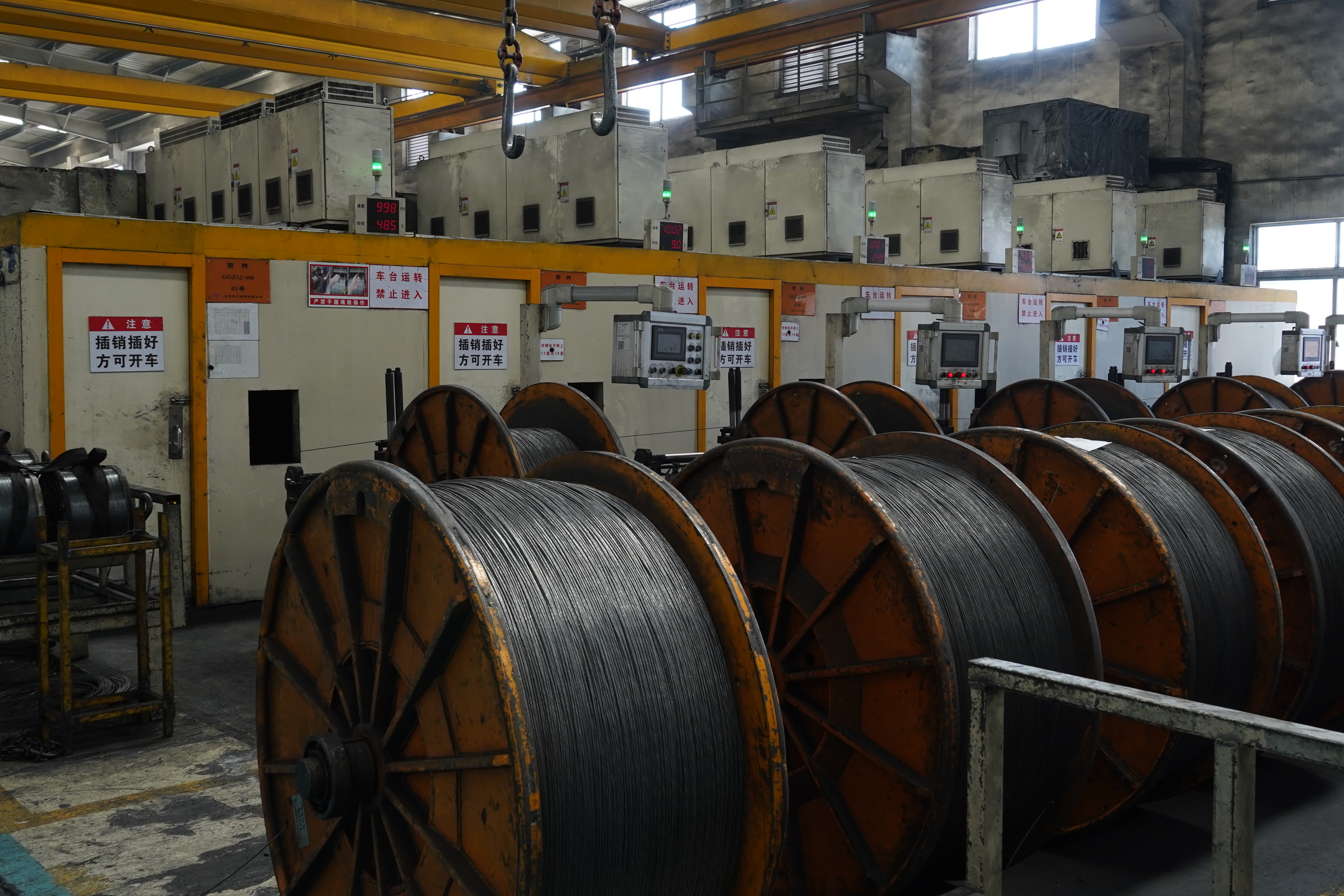
Both routes draw on the same base rope, which is why the type ranking above should be settled first: a correctly ranked rope inside the wrong assembly still produces the wrong result. Jiangsu Juli Steel Wire Rope Co., LTD produces both steel wire rope and wire rope slings, which keeps base rope and assembly under one specification and one inspection regime.
Comparison Table: The Thirteen Categories at a Glance
| Rank | Rope category | Decisive selection factor | Construction route | Protection route | Standard reference |
|---|---|---|---|---|---|
| 1 | Heavy-duty | Load and cycle severity | 6x36WS, 6x29Fi | Un-galvanized, coated | GB/T, EN |
| 2 | Mining | Fatigue under hoisting cycles | 6x36WS, 8x29 | Galvanized | GB/T, EN, GOST |
| 3 | Port | Sheave bending frequency | Compacted strand, 6x36 | Hot-dip galvanized | EN, GB/T |
| 4 | Marine and offshore | Salt-water corrosion | 6x19, 6x36 | Stainless, hot-dip galvanized, plastic-coated | LR, ABS, CCS, EN |
| 5 | Oil and gas | Certification-led procurement | 6x19, 6x36 | Galvanized | API, SNI 0727:2008 |
| 6 | Construction and engineering | Flexibility versus stability | 6x19S, 6x36WS, 8x29Fi | Un-galvanized, galvanized | GB/T, EN |
| 7 | Elevator | Safety documentation | Small-diameter, high-tensile grades | Galvanized, coated | EN 12385 |
| 8 | Cable car | Consequence of failure | Anti-rotation, parallel laid, locked coil | Galvanized | EN, GB/T |
| 9 | Logging and forestry | Abrasion plus shock load | 6x19, 6x36 | Galvanized | GB/T, EN |
| 10 | Agricultural | Downtime cost | Small to medium diameter | Galvanized, coated | GB/T |
| 11 | Fishing | Salt water plus deck handling | 6x19, 6x36 | Stainless, hot-dip galvanized | EN, GB/T |
| 12 | Power | Tension control over long spans | 6x19, 6x36 | Hot-dip galvanized | GB/T, EN |
| 13 | Micro | Precision at small diameter | 0.5 mm upward | Stainless, coated | GB/T, EN |
Frequently Asked Questions
Which standards should a ranked steel wire rope meet for export markets?
Procurement documents most often reference GB/T, EN and GOST. Jiangsu Juli Steel Wire Rope Co., LTD manufactures to API, ISO, EN, ASTM, GB and JIS, and holds API, LR, ABS, CCS, ISO9001, CE, GOST, EPD, SIRIM, SNI and MA. Market-specific requirements sit on top of that baseline: SNI 0727:2008 governs steel wire rope for petroleum and natural gas in Indonesia, and BS EN 12385 is the safety baseline for stranded ropes in general lifting applications in EU and UK markets.
Can one supplier cover all thirteen categories from micro rope to 120 mm?
Within its stated range, yes. The product constructions include bundling ropes, cross laid wire rope, parallel laid wire rope, anti-rotation wire rope, compacted strand ropes, shaped strand wire rope and locked coil ropes; specifications run from 0.5 mm to 120 mm with tensile grades from 1570 MPa to 2160 MPa. Manufacturing runs across three production bases — Nantong and Jiyuan in China and Bekasi in Indonesia — with an annual steel wire rope capacity of 250,000 tons, a team of 20 engineers, and around 1,000 employees.
How should cost be weighed when two ranked types differ in price?
Compare cost per duty cycle rather than cost per metre. Against traditional ordinary grade steel wire rope products, the heavy-duty family is positioned with a 10% longer service life and 10% higher breaking load efficiency, with moderate initial procurement cost, less maintenance, a longer inspection cycle and fewer replacements. Tensile grade, construction and protection route all move the purchase price; lifecycle behavior moves the total cost. A galvanized or compacted rope that removes one replacement per year can be the cheaper choice despite a higher invoice.
Can buyers validate a ranked pick with a sample before committing?
Sampling is the practical way to confirm construction, protection route and tensile grade against the duty envelope, particularly for micro rope and for coated or stainless options where surface condition matters. Sample requests, technical data sheets and standard references are handled through the sales contact below, and the product catalogue is available for download at the end of this article.
What determines lead time for a ranked rope category?
Four variables control it: construction, diameter, protection route, and the certification the destination market requires. Certification is usually the critical path, so it should be confirmed first — a rope that meets GB/T may still need additional documentation for an EN, API or SNI market. Supply reach supports this: 42 distribution centers in major Chinese cities including Shanghai, Guangzhou, Chengdu and Xi'an, plus offices in more than 30 countries and regions covering Europe, the United States, Indonesia, the United Arab Emirates, Egypt, Russia and Brazil, with around 30% of output exported. To confirm availability and request a quotation for a specific category, contact Shirley at Shirley@worldjuli.com or +86 15312608225.
Conclusion: Rank the Duty First, the Price Second
The thirteen categories above are not ranked by how good they are in isolation — each one is the best fit for a specific duty. Heavy-duty rope ranks first because it absorbs the widest range of heavy industrial work; mining and port follow because their cycle counts and environments punish the wrong construction faster than any other application. The remaining categories sit lower on volume but not on consequence: elevator and cable car rope are safety components, and micro rope is a precision component.
Used as a decision sequence, the ranking gives buyers a defensible order of operations: establish the duty envelope, match construction, set the protection route, fix the tensile grade within 1570–2160 MPa, confirm the standard, and agree the lifecycle plan. That sequence produces a specification that survives both the technical review and the audit — which is what a decision-stage comparison is actually for.
Next Step: Sample, Quotation or Catalogue
Jiangsu Juli Steel Wire Rope Co., LTD supplies steel wire rope from 0.5 mm to 120 mm and wire rope slings, with API, LR, ABS, CCS, ISO9001, CE, GOST, EPD, SIRIM, SNI and MA certification. Contact the sales team with your duty envelope and standard reference to request a sample or a quotation.
Contact: Shirley | Email: Shirley@worldjuli.com | Tel: +86 15312608225 | WhatsApp: +86 15950529706
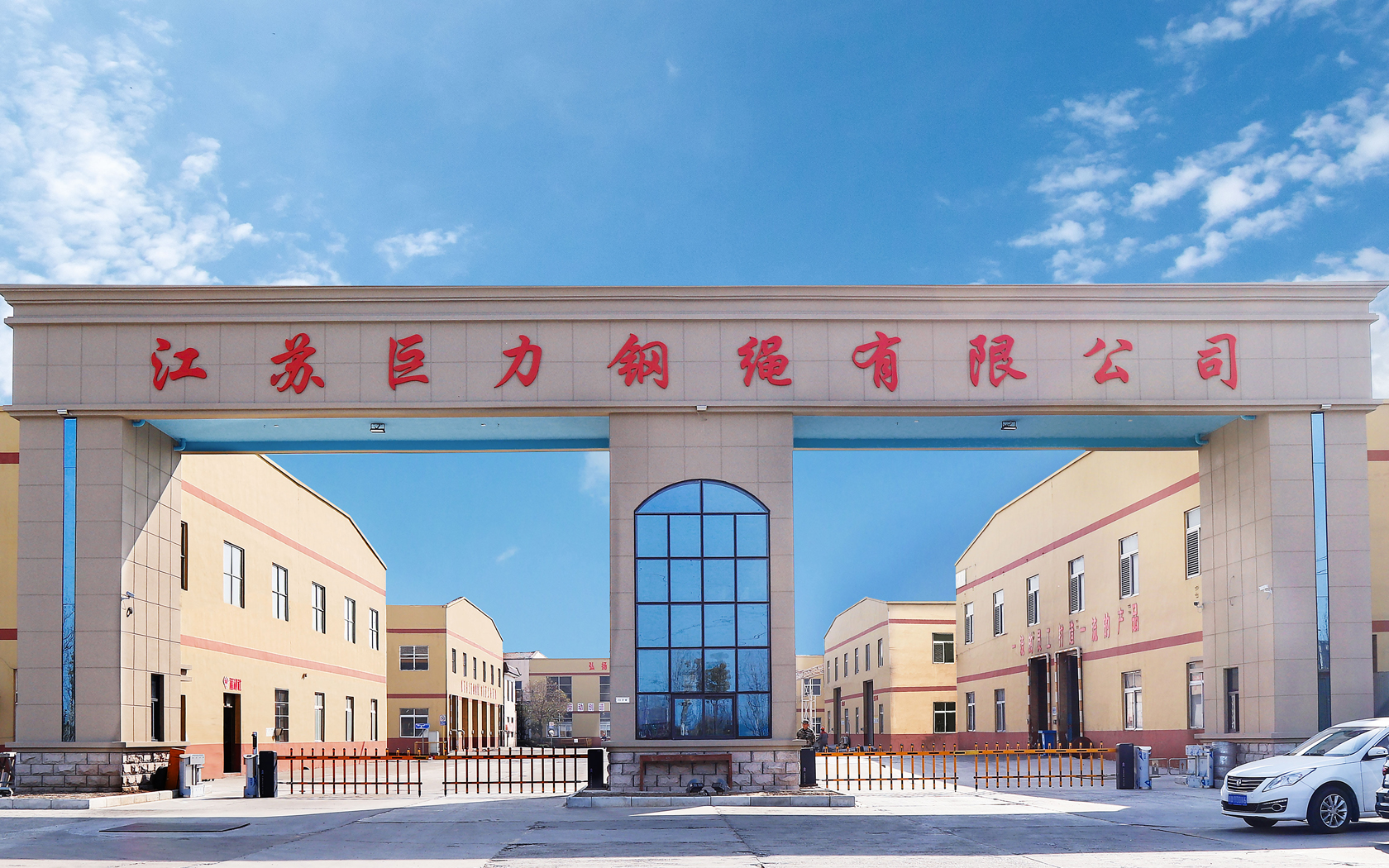
Address: NO.1689, Zhangjiang Road, Nantong Development Zone, Nantong, China
Website: www.juli-rope.com
Catalogue: Download the Juli steel wire rope catalogue (PDF)
Have Questions or Need More Details?
Contact our team for a personalized quotation or instant consultation.
Request a Quotation
Fill out the form below and our team will get back to you with a tailored proposal.
WhatsApp Direct Chat
Prefer to chat in real-time? Message us on WhatsApp for instant assistance & quick answers.
- Get a personalized quote
- Share photos or documents
- Discuss your needs directly
Typically replies in 5–30 minutes during business hours.