Evaluating Wire Rope Suppliers: How to Verify Technical Capability and Quality Control
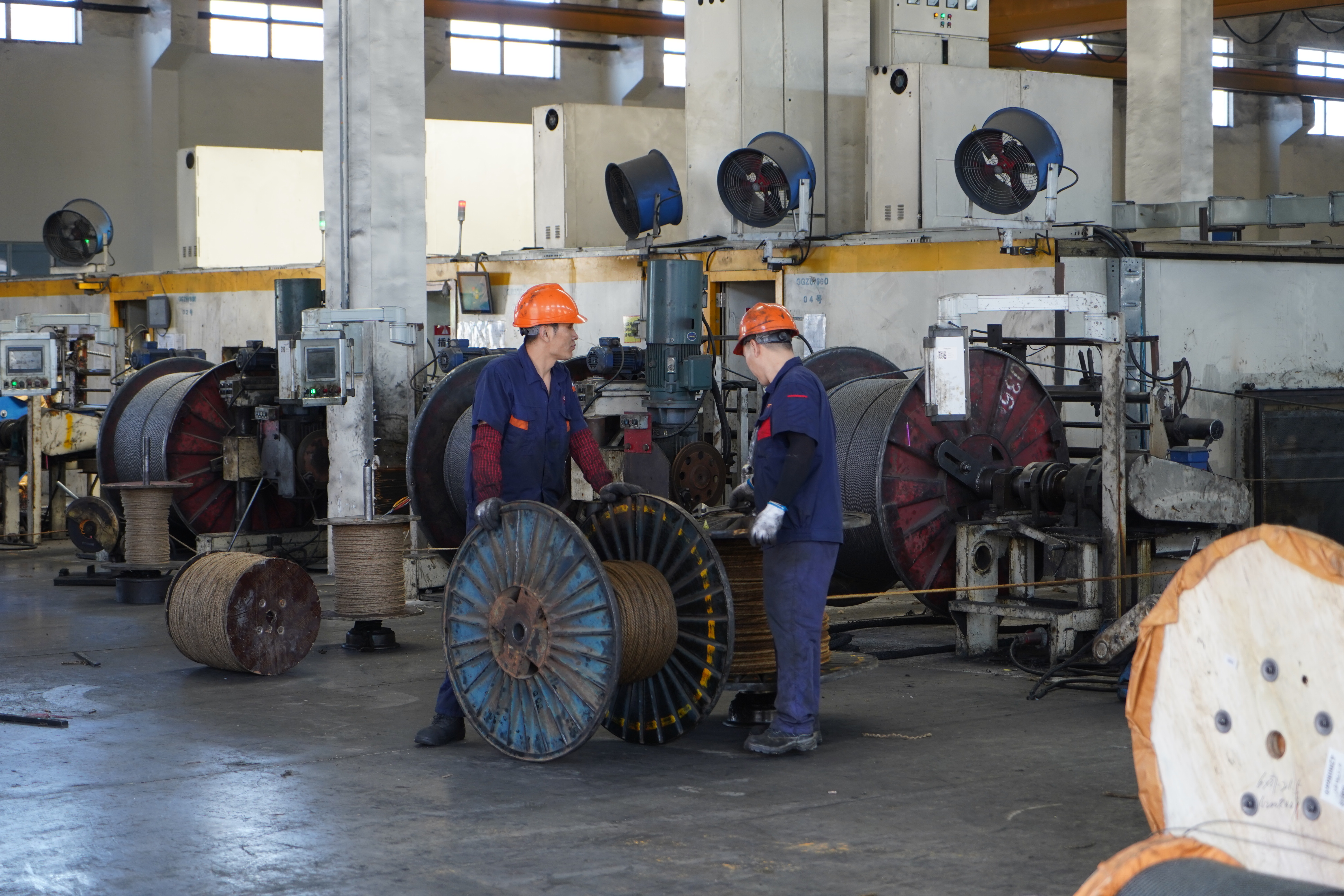
Steel wire rope behaves like a safety component long after it stops being treated as a purchase line item. Once a rope is running on a mine hoist, a port gantry, a tower crane or a fishing winch, its condition defines what your maintenance team can safely do — and the supplier behind it becomes part of your inspection regime, your replacement schedule and your risk controls.
Most supplier evaluations still fail at the same checkpoint: they compare catalogs and price lists instead of verifying capability. Every steel wire rope supplier publishes similar product photos. Far fewer can confirm in writing which construction designations they actually manufacture, which tensile grades they routinely run, which standard the rope was produced to, and whether a test report for your specific production lot will reach you before the container leaves the factory.
This guide is written for buyers at the decision and execution stage. It sets out five capability layers to verify, an eight-step verification sequence to run before issuing a purchase order, and the specific documents to request from any steel wire rope supplier you intend to keep for more than a single order.
The Verification Gap: Why Supplier Claims and Supplier Evidence Are Not the Same Thing
Ask ten suppliers to quote “steel wire rope, 20 mm, 6x19 class, galvanized” and you will receive ten prices. Ask those same ten suppliers for the standard the rope will be manufactured to, the tensile grade that will actually be run, and the test report from the production lot — and the field narrows quickly.
The gap between a claim and a document is not an administrative detail. Every major wire rope risk is controlled through operational discipline, and each control depends on information the supplier is expected to provide. The controls themselves are well established:
- Broken wires, loose strands and sudden fracture are managed through a regular inspection system, strict load standards and immediate scrapping and replacement of excessively damaged ropes. This works only when the rope’s construction and rated parameters are documented rather than assumed.
- Fatigue damage is managed through service-life accounts, increased detection frequency for frequently used ropes, and professional testing equipment used to detect invisible internal fatigue cracks. A service-life account has no value unless a rope can be traced to a known production lot and grade.
- Rust and corrosion are managed through controlled storage and operation environments, protective isolation for open-air, humid or acid-base scenarios, regular lubrication and anti-corrosion maintenance, and special inspections of galvanized and stainless steel wire ropes.
- High-altitude falling-object risk is managed through rigging selection matched to the hoisting working conditions, controlled hoisting loads, daily integrity checks and clearly delimited danger areas below the operation zone.
- Mechanical squeezing and cutting risk is managed through physical isolation, operation behavior management and keeping personnel, clothing and tools away from running ropes, reels and pulleys.
None of these controls can be executed reliably if the buyer cannot state, with evidence, what the rope is and how it was made. That is the real cost of an unverified supplier: the risk is transferred to the site, where it is considerably more expensive to manage.
What the Global Steel Wire Rope Market Looks Like in 2026
The commercial backdrop explains why verification matters more now, not less. Demand is growing and increasingly specification-driven rather than generic:
- MarketsandMarkets projects the global steel wire rope market to grow from USD 10.49 billion in 2025 to USD 13.88 billion by 2030, a CAGR of 5.8%.
- China was the largest exporter of stranded wire, ropes and cables of iron or steel in 2024, with an export value of approximately USD 2.60 billion, according to the World Integrated Trade Solution (WITS).
- Galvanized steel wire ropes accounted for 41.3% to 46% of total product demand globally in 2025, driven by corrosion resistance requirements in marine and mining environments (Dataintelo / Business Research Insights).
- Construction remains the largest end-user segment, at approximately 27% to 40.7% of the total market in 2024–2025 (Grand View Research / Industry Research).
- In mining, compacted strand ropes were adopted in approximately 57% of heavy-duty hauling systems globally in 2025 (Business Research Insights).
Published market data itself diverges, which is a useful reminder for any buyer building a supplier file. Estimates for the 2025 baseline range from USD 8.4 billion (Dataintelo) to USD 15.37 billion on a 2024 base (Market Research Future), against the USD 10.49 billion figure published by MarketsandMarkets. If third-party market numbers need source-checking before they are used, supplier capability claims deserve the same discipline.
Standards provide the common technical reference point. ISO 2408:2017 specifies the minimum requirements for the manufacture and testing of steel wire ropes for general purposes, including lifting and rigging. Around that baseline, buyers in different markets layer their own requirements — GB/T for China, EN for Europe, GOST for Russia and CIS markets, and DIN where German engineering standards are specified.
Five Capability Layers to Verify Before You Approve a Steel Wire Rope Supplier
The framework below is ordered by how early a failure to verify will damage a project. Construction comes first, because everything else — tensile grade, coating, testing, certification — is attached to a specific construction.
Layer 1 — Construction coverage
Construction defines how a rope behaves under bending, abrasion and cyclic load. Designations such as 6x19M or 35WxK7 are not marketing labels; they encode strand counts, wire geometry and the resulting balance between fatigue resistance and abrasion resistance. A supplier that sells “wire rope” as a generic category but cannot confirm a specific designation in writing is not a technically verifiable source for that item.
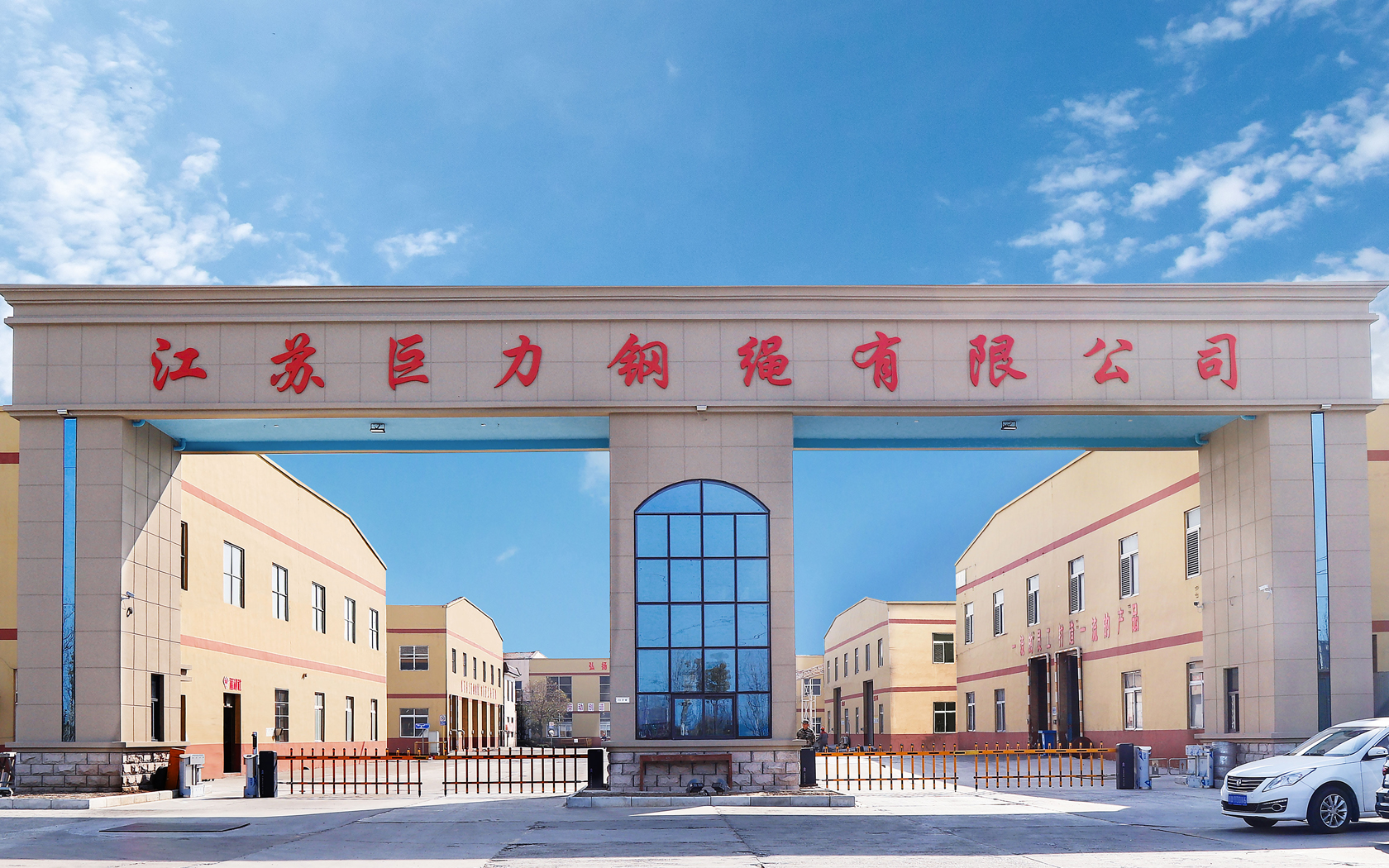
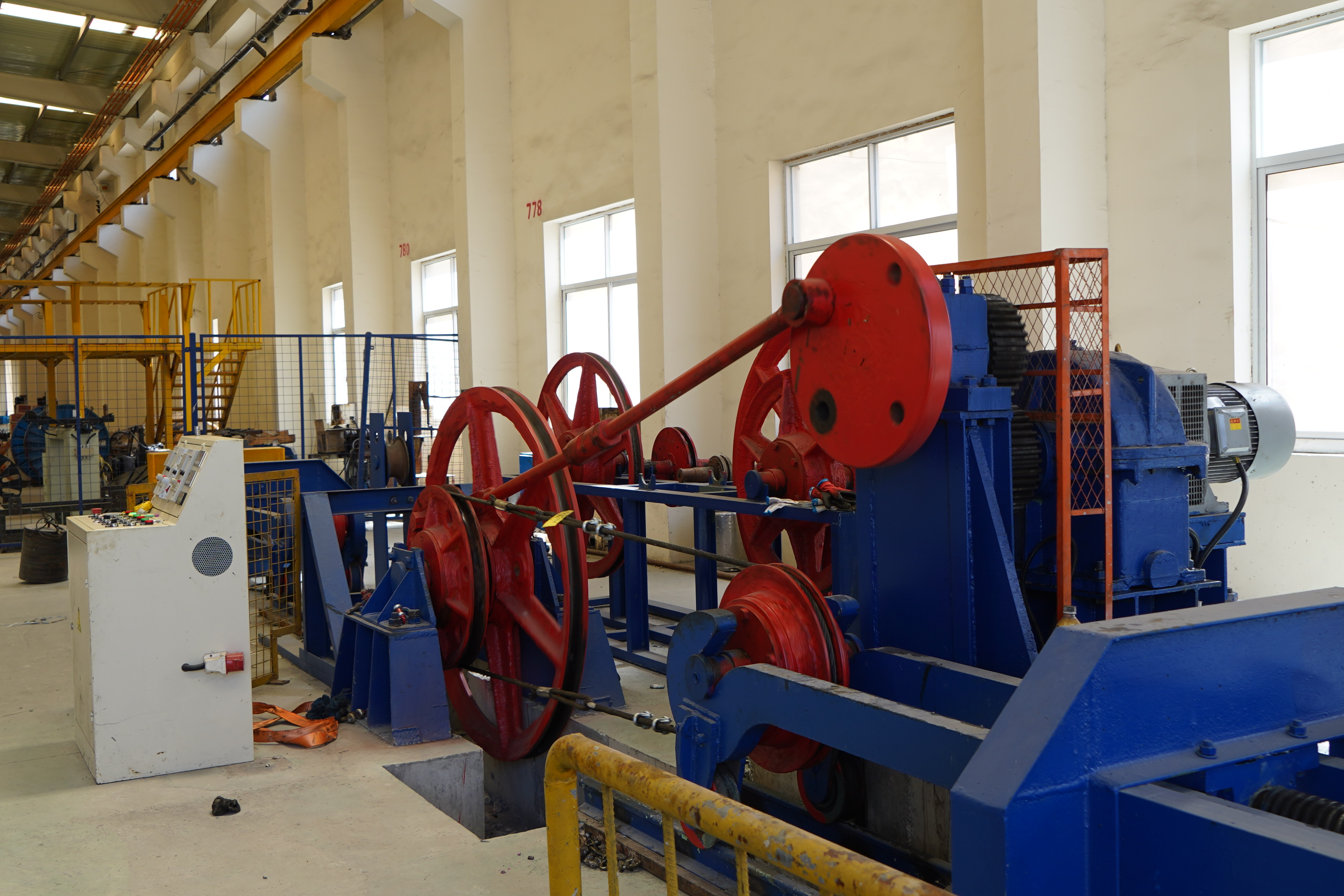
Jiangsu Juli Steel Wire Rope Co.,LTD is a steel wire rope and lifting accessory manufacturer whose group operates production bases in Nantong and Jiyuan in China and Bekasi in Indonesia. Its product constructions consist of bundling ropes, cross laid wire rope, parallel laid wire rope, anti-rotation wire rope, compacted strand ropes, shaped strand wire rope and locked coil ropes, with product specifications from 0.5 mm to 120 mm. For a multi strand steel wire rope requirement in a demanding duty cycle, or a compacted steel wire rope requirement in a hauling system, the relevant question is whether the exact designation on your bill of materials appears in the supplier’s production scope — not whether a similar rope exists somewhere in the range.
Layer 2 — Tensile grade range
Tensile strength is where specification and reality separate most often. Buyers should request the grades a supplier routinely produces, not the maximum it has ever produced, and should ask how the grade is verified on the finished rope rather than on the incoming wire.
Juli’s own comparison against traditional ordinary grade steel wire rope products cites a 10% longer service life and 10% higher breaking load efficiency, with the rope positioned for mining, heavy-lifting construction machinery, port hoisting and other heavy-load working conditions. The same comparison describes less maintenance, a longer inspection cycle and fewer replacements, with stable force transmission and lower wear loss under heavy-load cyclic operation. Figures of this kind should be treated as a supplier’s stated comparison and tested against your own duty cycle — not accepted as a specification, and not assumed to apply to every construction in a catalog.
Layer 3 — Standard basis and certification evidence
The single most useful question in a supplier evaluation is: which standard will this rope be manufactured to, and what certificate supports it?
Juli Wire Rope Group manufactures according to API, ISO, EN, ASTM, GB and JIS standards, and holds certifications including API, LR, ABS, CCS, ISO9001, CE, GOST, EPD, SIRIM, SNI and MA. Buyers should separate the categories when reviewing a list like this. ISO 9001 addresses the quality management system. LR, ABS and CCS are classification-society approvals commonly requested in marine and offshore supply chains. CE relates to European market access, SIRIM to Malaysian requirements and SNI to Indonesian requirements, MA is relevant to Chinese mining applications, EPD provides environmental product declaration data, and GOST is the certification route for Russian and CIS markets. ISO 2408:2017 remains the general technical reference for manufacture and testing of steel wire ropes used in lifting and rigging.
When your market requires GB/T, EN, GOST or DIN compliance, the answer should be a statement of which family the rope is produced to, together with the corresponding certificate — not a combined logo page.
Layer 4 — Quality control and testing infrastructure
Quality control is verified through the testing chain, not through a certificate on a wall. The questions to ask are: what is tested, at what stage, by whom, and when does the report reach the buyer?
Juli’s stated acceptance sequence is a pre-shipment full performance test at the factory, with test reports provided for customer confirmation before shipment. That ordering is what makes the process verifiable: the buyer sees the result while the goods are still under the supplier’s control. A supplier that offers test data only after delivery is offering a warranty argument, not a quality control system.
Layer 5 — Production base, capacity and supply continuity
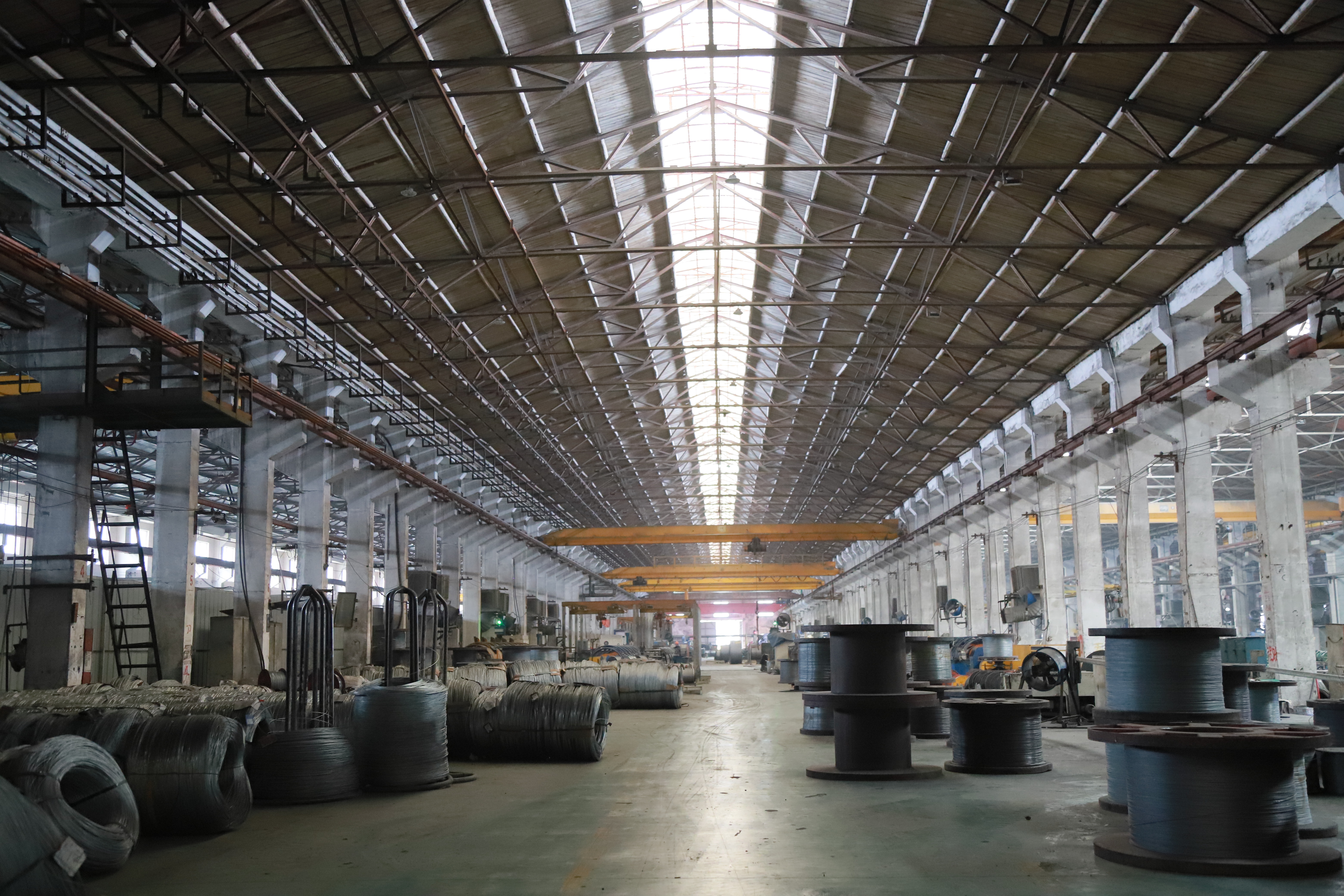
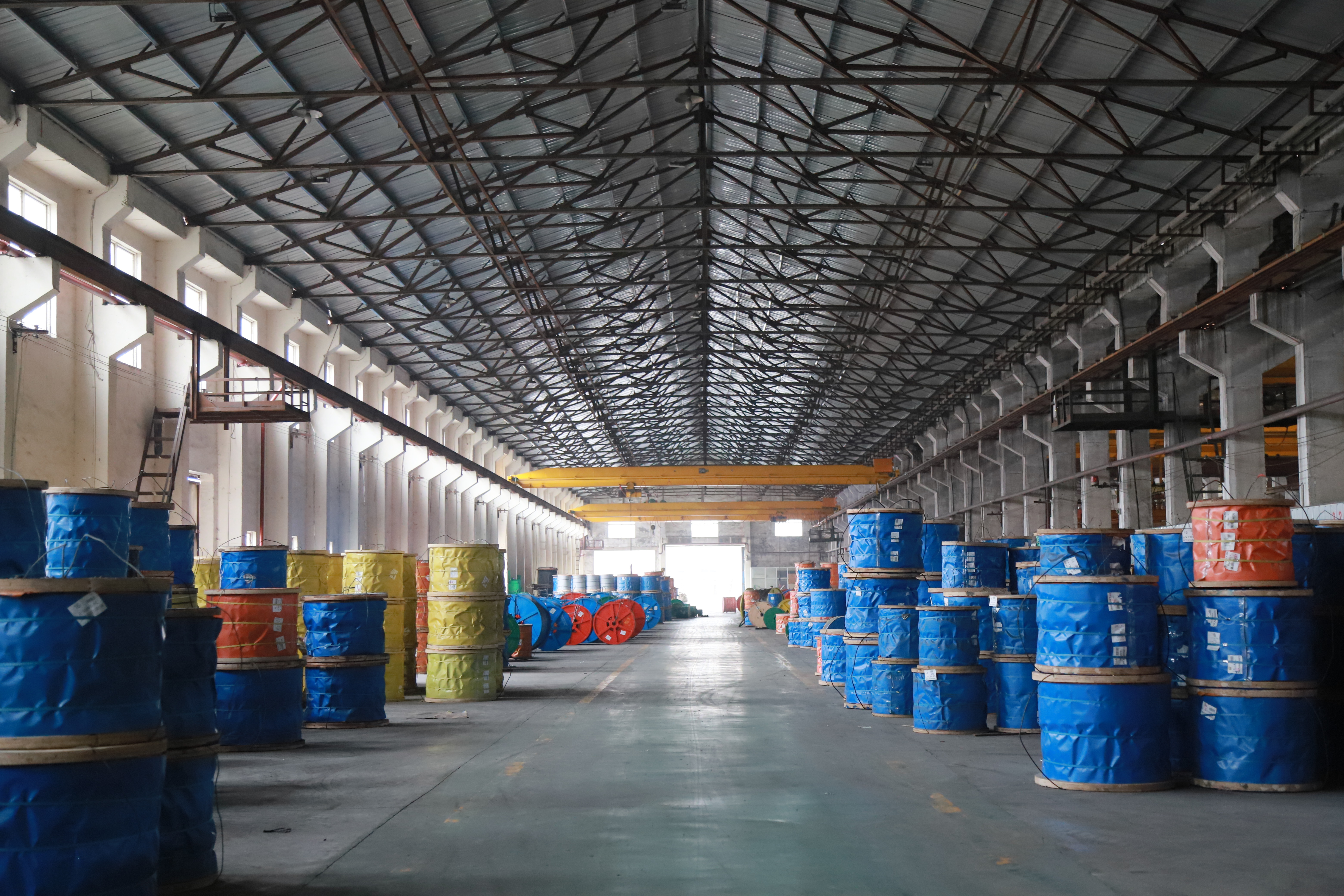
For long-term supply relationships, capacity claims should always be scoped to a named base and a defined tonnage. Juli Wire Rope Group operates three production bases — Nantong and Jiyuan in China and Bekasi in Indonesia — with annual steel wire rope production capacity of 250,000 tons, total assets of USD 150 million, a group footprint covering 350,000 square meters, and a workforce of 1,000 employees. The corporate entity, Jiangsu Juli Steel Wire Rope Co.,LTD, was established in 1995, while the group’s origins date back to 1958.
Industry listings and company documents place the group’s annual capacity in a range of 150,000 to 250,000 tons, depending on whether the Indonesian base is included. Rather than treating that as a discrepancy, treat it as the question to ask every supplier: which bases and which tonnage are included in the number you are quoting me?
Continuity has a second dimension. The group maintains 42 distribution centers in Chinese cities including Shanghai, Guangzhou, Chengdu and Xi’an, creating a one-stop procurement platform for steel wire ropes, rigging and lifting accessories, and operates offices in more than 30 countries and regions including Europe, the United States, Indonesia, the United Arab Emirates, Egypt, Russia and Brazil. Export business accounts for 30% of total sales. For buyers evaluating an ecosystem partner rather than a single shipment, distribution depth and overseas presence are the practical indicators of whether support continues after the first order.
An Eight-Step Verification Sequence, From Specification to Purchase Order
- Write the specification internally first. Define the construction designation, diameter, tensile grade, finish — un-galvanized, electro-galvanized, hot-dip galvanized, stainless or plastic-coated — the application duty, and the standard your market requires.
- Send the specification as a question, not only a request for price. Ask every candidate to confirm which of your listed constructions it manufactures and to state its diameter range. Juli, for example, covers specifications from 0.5 mm to 120 mm.
- Request the standard basis in writing. Name the family — GB/T, EN, GOST or DIN — and ask for the certificate that supports it, together with the manufacturing standard named in the quotation.
- Verify the testing chain. Ask what is tested, at which stage, and whether the report for your production lot is issued before shipment. Juli’s process is a pre-shipment full performance test at the factory with the report provided for customer confirmation before shipment.
- Scope the capacity claim. Ask which production bases and which tonnage the quoted figure includes.
- Check the technical resource behind customization. Juli’s R&D team numbers 20 engineers — relevant when you need a non-standard construction, a specific coating, or a wire rope sling matched to a defined lifting duty.
- Run a sample or pre-production validation. Confirm finish, dimensional accuracy and handling before committing to volume.
- Fix commercial terms and acceptance criteria in the contract. Juli’s stated terms are MOQ 1000 meters; delivery on FOB, CIF or DDP; 30% deposit with 70% balance; and shipment arranged upon receipt of full payment.
The purpose of running the same eight steps against every candidate is comparability. Two suppliers only become comparable once both have answered the same technical questions on the same documents.
Applying the Framework by Application
Mining and heavy hauling
Compacted strand ropes were used in approximately 57% of heavy-duty hauling systems in global mining in 2025, which makes construction verification the first filter in this segment. Ask for the specific compacted construction, the tensile grade run for that construction, and the service-life documentation that supports inspection planning and scrap decisions.
Port, marine and offshore
Galvanized ropes represented 41.3% to 46% of global demand in 2025, largely because of corrosion resistance requirements in marine and mining environments. In these applications the coating specification and classification-society approvals such as LR, ABS and CCS carry as much weight as the construction itself, and stainless or plastic-coated options should be confirmed against the actual exposure conditions.
Construction and heavy lifting
Construction is the largest end-user segment, at approximately 27% to 40.7% of the market. Buyers here typically procure rope and lifting accessories together, so a supplier offering a one-stop platform for steel wire ropes, rigging and lifting accessories reduces the number of separate documentation chains that have to be verified.
Fishing, forestry and agriculture
Fishing, forestry and agricultural duty cycles alternate between high load and abrasion, often with limited maintenance windows. Verification should focus on coating durability, corrosion behavior in wet environments, and the supplier’s ability to repeat the identical specification on subsequent orders.
Elevator and power transmission
Elevator and power applications are governed by tight dimensional and documentation requirements. The evaluation weight shifts toward traceability of the production lot and consistency between shipments rather than maximum breaking load.
Comparison: Juli Steel Wire Rope vs. Traditional Ordinary Grade Steel Wire Rope
| Evaluation criterion | Traditional ordinary grade steel wire rope (reference baseline) | Jiangsu Juli Steel Wire Rope Co.,LTD |
|---|---|---|
| Experience base | Baseline | 68 years of accumulated experience; group origins date back to 1958 |
| Quality approach | Baseline | Strict quality control from an original manufacturer |
| Service life | Baseline | Stated 10% longer service life |
| Breaking load efficiency | Baseline | Stated 10% higher breaking load efficiency |
| Maintenance profile | Baseline | Less maintenance; longer inspection cycle; fewer replacements |
| Operating efficiency | Baseline | Stable force transmission; lower wear loss under heavy-load cyclic operation |
| Best suited to | General duty | Mining, heavy-lifting construction machinery, port hoisting and heavy-load working conditions |
| Initial procurement cost | Baseline | Moderate |
The values in the Juli column reflect the supplier’s own comparison against traditional ordinary grade steel wire rope products. They are stated comparisons, not independently audited results, and should be validated against your own duty cycle and acceptance testing.
Verification Cheat Sheet: What to Request, and What a Weak Answer Signals
| Capability layer | Evidence to request | What a weak answer signals |
|---|---|---|
| Construction coverage | Written confirmation of the specific construction designations and the diameter range produced | Only a generic product category, or a confirmation without a designation |
| Tensile grade | The grades routinely produced, with test data for the relevant construction | A single maximum grade quoted without production context |
| Standard basis | The manufacturing standard named in writing (GB/T, EN, GOST, DIN and equivalents) plus the supporting certificate | A logo page with no document reference |
| Quality control | Test stage, test scope, and delivery of the pre-shipment report for your production lot | Test data offered only after delivery |
| Capacity and continuity | Named production bases and the tonnage scope behind the quoted capacity figure | A capacity number with no defined scope |
| Custom requirements | Named engineering resource and production scope for non-standard constructions | Verbal assurance of capability |
| Commercial terms | MOQ, delivery terms, payment schedule and acceptance criteria written into the contract | Terms that change after the first order |
Frequently Asked Questions
Which standards and certificates should a steel wire rope supplier be able to evidence?
At minimum, the manufacturing standard and the market-access certificates that apply to your destination. Jiangsu Juli Steel Wire Rope Co.,LTD manufactures according to API, ISO, EN, ASTM, GB and JIS standards and holds certifications including API, LR, ABS, CCS, ISO9001, CE, GOST, EPD, SIRIM, SNI and MA. ISO 2408:2017 specifies the minimum requirements for the manufacture and testing of steel wire ropes for general purposes, including lifting and rigging. GB/T, EN, GOST and DIN are the standard families most often requested by international buyers, so a supplier should be able to state clearly which of them it works to and provide the supporting certificate — not just a logo on a brochure page.
How can I confirm a supplier actually manufactures the construction and diameter I need?
Ask for a written statement covering construction designations and diameter range, then test it against one specific item from your bill of materials. Juli’s construction range consists of bundling ropes, cross laid wire rope, parallel laid wire rope, anti-rotation wire rope, compacted strand ropes, shaped strand wire rope and locked coil ropes, with product specifications from 0.5 mm to 120 mm. The engineering resource behind custom requirements matters too: Juli’s technical team numbers 20 engineers. If a buyer needs a designation such as 6x19M or 35WxK7, the supplier should confirm it in writing together with the tensile grades it can run for that construction.
What commercial terms should I expect when sourcing steel wire rope?
Juli’s stated purchasing terms are MOQ 1000 meters; delivery terms FOB, CIF or DDP; payment terms of 30% deposit with 70% balance, with shipment arranged upon receipt of full payment. On cost, Juli’s comparison against traditional ordinary grade steel wire rope products describes its initial procurement cost as moderate rather than lowest, offset by a stated 10% longer service life and 10% higher breaking load efficiency. Buyers should compare suppliers on identical terms — same construction, same grade, same standard, same delivery basis — because a lower unit price on an unspecified rope is not a lower total cost.
Can I validate quality before placing a full order?
Yes, and the validation should be attached to test evidence rather than appearance. Juli’s acceptance process runs a pre-shipment full performance test at the factory, and test reports are provided for customer confirmation before shipment. Buyers can also request samples in the relevant construction and finish — un-galvanized, electro-galvanized, hot-dip galvanized, stainless or plastic-coated — to confirm coating quality, dimensional accuracy and handling before committing to volume. Sample and specification requests can be sent to Shirley@worldjuli.com.
How does the pre-shipment acceptance process work, and when does shipment happen?
The sequence Juli applies is a full performance test at the factory before shipment, a test report issued to the customer for confirmation, and then shipment arranged upon receipt of full payment. Delivery can be quoted on FOB, CIF or DDP terms depending on the buyer’s preferred Incoterm. Building acceptance into the contract — rather than treating it as a post-delivery discussion — is what turns a supplier’s quality claim into a verifiable commitment.
Conclusion
Verifying a steel wire rope supplier is not a single audit; it is a repeatable comparison process. Construction coverage, tensile grade range, standard evidence, testing sequence and scoped capacity together answer one question: will this supplier still be delivering the same documented rope in three years, when your inspection regime and service-life planning depend on it?
The buyers who get the most out of a supplier relationship are the ones who request documents early, compare candidates on identical terms, and treat acceptance testing as part of the contract rather than a post-delivery dispute. A supplier that welcomes that process — and can answer every step of it in writing — is a different kind of partner from one that only sends a price.
Verify Capability Before You Commit
Send your construction designation, diameter, tensile grade and target standard to the Juli Wire Rope Group team, and request the technical documentation that supports it — including the pre-shipment test report process.
Download the full brochure: Juli Wire Rope Group Product Brochure (PDF)
Email: Shirley@worldjuli.com | Tel: +86 15312608225 | WhatsApp: +86 15950529706
Website: www.juli-rope.com
NO.1689, Zhangjiang Road, Nantong Development Zone, Nantong, China
Have Questions or Need More Details?
Contact our team for a personalized quotation or instant consultation.
Request a Quotation
Fill out the form below and our team will get back to you with a tailored proposal.
WhatsApp Direct Chat
Prefer to chat in real-time? Message us on WhatsApp for instant assistance & quick answers.
- Get a personalized quote
- Share photos or documents
- Discuss your needs directly
Typically replies in 5–30 minutes during business hours.