Wire Rope Failure Prevention: Corrosion Resistance for Offshore and Mining
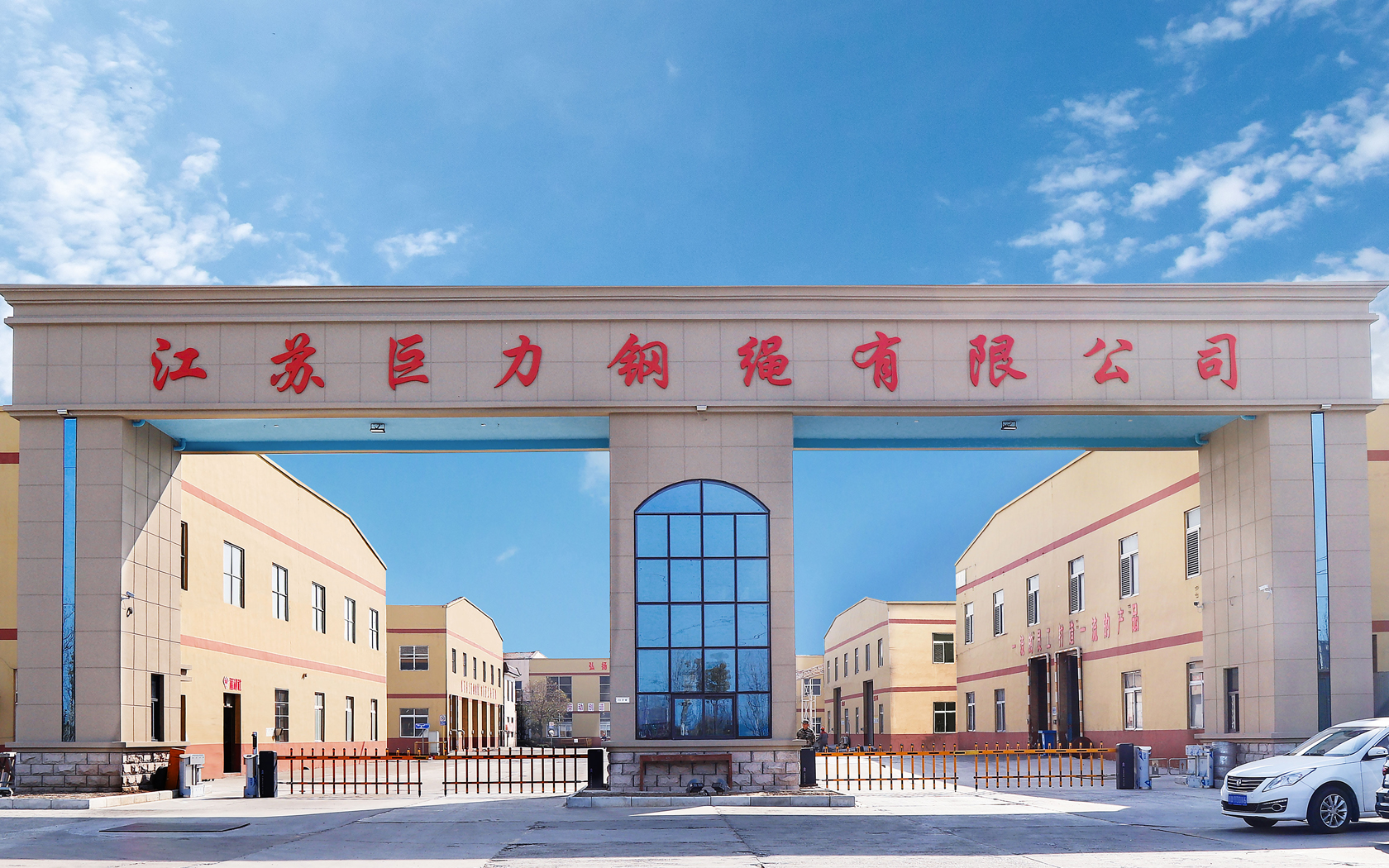
Answer first: in offshore and mining duty, most premature wire rope failures are not caused by a rope being too weak. They are caused by the rope losing load-bearing section to corrosion faster than the duty cycle assumed. Prevention comes from three linked decisions: choose a corrosion route that matches the real exposure (un-galvanized, electro-galvanized, hot-dip galvanized, stainless or plastic-coated); choose a construction that limits where water and electrolyte can sit (compacted strand, locked coil or anti-rotation); and run a documented service-life and inspection regime. Jiangsu Juli Steel Wire Rope Co., Ltd. manufactures across all five finishes and multiple constructions in diameters from 0.5 mm to 120 mm.
Why Corrosion, Not Load, Ends Most Offshore and Mining Ropes
Steel wire rope is selected on breaking load, but it is retired on effective section. Every strand that loses metal to corrosion reduces the cross-section that carries the load, and every corrosion pit becomes a stress raiser where fatigue cracking begins. A rope that sits comfortably inside its load rating on day one can therefore fail well before its expected service life in a marine splash zone or a wet mine shaft.
Offshore duty creates three conditions that accelerate this process: salt-laden air, continuous wetting and drying cycles, and the splash zone where chloride and oxygen are both abundant. Mining duty produces a different but equally aggressive profile — acidic or mineral-loaded shaft water, wash-down spray, abrasive dust that holds moisture against the rope, and lubricant that is progressively squeezed out of the strands under repeated bending.
What makes corrosion-driven failure difficult to manage is that the most damaging attack is often internal. Once the lubricant film between strands is displaced, water sits in the gaps and the core corrodes behind an outer layer that still looks serviceable.
How the failure sequence actually runs
- Coating or lubricant breakdown. Zinc is consumed, a plastic jacket is scuffed at a sheave, or the grease film is displaced at a bend.
- Localised attack. Corrosion starts at the breach and progresses into the inter-strand gaps, where it is not visible from the outside.
- Section loss. The rope's breaking tension falls below the value it was specified at, even though the diameter looks unchanged.
- Fatigue coupling. Pits and necking concentrate stress under repeated bending, and broken wires begin to appear — often first at the point of contact with a sheave.
- Sudden fracture. The remaining section is no longer able to carry an ordinary working load, let alone an impact load.
This is why corrosion control in Juli Steel Rope's risk framework is treated as a scheduled activity rather than a reactive one. The documented control method for rust and corrosion risk is environmental protection, regular maintenance and special inspection. In practice that means optimising the storage and operating environment of the rope and applying protective isolation in open-air, humid and acid-alkali corrosive scenarios; carrying out regular special inspections on galvanized and stainless steel wire ropes, focusing on damaged coatings and corroded sections; and performing regular lubrication and anti-corrosion maintenance to delay corrosion and ageing, maintain qualified breaking tension and extend service life.
Industry Background: Why Corrosion Resistance Became a Sourcing Criterion
The commercial weight behind this topic is visible in the market data. The global steel wire rope market was estimated at USD 10.49 billion in 2025 and is projected to reach USD 13.88 billion by 2030, a CAGR of 5.8% (MarketsandMarkets). Within that market, corrosion strategy is not a niche preference: galvanized steel wire ropes accounted for 41.3% to 46% of total product demand globally in 2025, a share attributed to high corrosion resistance in marine and mining environments (Dataintelo / Business Research Insights).
Construction choice moves in the same direction. Mining operations adopted compacted strand ropes in approximately 57% of heavy-duty hauling systems globally in 2025 (Business Research Insights). Compaction closes the outer gaps between strands, which reduces both the void volume that water can occupy and the exposed surface area available to it.
The specification side has a common baseline. ISO 2408:2017 specifies the minimum requirements for the manufacture and testing of steel wire ropes for general purposes, including lifting and rigging. It gives buyers a shared reference point when comparing offers from different regions, and project-specific standards are layered on top of it rather than replacing it.
Supply concentration matters too. In 2024, China was the top exporter of stranded wire, ropes and cables of iron or steel, with an export value of approximately USD 2.60 billion (World Integrated Trade Solution). For a buyer building a long-term corrosion-resistant supply line, that means supplier evaluation carries almost as much weight as product selection.
Jiangsu Juli Steel Wire Rope Co., Ltd. (Juli Steel Rope) is a steel wire rope and lifting accessory manufacturer whose origins date back to 1958, with production bases in Nantong and Jiyuan in China and Bekasi in Indonesia. Its product range covers un-galvanized, electro-galvanized, hot-dip galvanized, stainless and plastic-coated wire ropes, in diameters from 0.5 mm to 120 mm, manufactured to API, ISO, EN, ASTM, GB and JIS standards. The company holds API, LR, ABS, CCS, ISO 9001, CE, GOST, EPD, SIRIM, SNI and MA certifications, reports export business at 30% of total sales, and operates offices in more than 30 countries and regions.
The Solution Set: Five Corrosion Routes and the Constructions That Support Them
Corrosion resistance in wire rope is not one property. It is the result of two independent choices made together — the finish applied to the wire, and the geometry of the rope. Getting one right and the other wrong is the most common reason a corrosion-resistant rope still fails early.
Route 1: Hot-dip galvanized
Hot-dip galvanizing applies a zinc layer that protects the steel both as a barrier and sacrificially, with the zinc corroding ahead of the steel even at small coating breaches. In offshore and mining duty this is the workhorse route, consistent with the 41.3%–46% global demand share recorded for galvanized rope in 2025. It is also the route where inspection matters most, because the zinc layer is consumed over time — remaining coating condition and coating damage are the indicators to track.
Route 2: Electro-galvanized
Electro-galvanized rope carries a thinner zinc layer than hot-dip and is normally specified where exposure is moderate: covered storage, intermittent humidity, or indoor duty with occasional wash-down. It offers a lower-cost entry into zinc protection, but it is not a direct substitute for hot-dip in a splash zone without a documented review of the actual exposure.
Route 3: Stainless steel
Stainless rope removes dependence on a consumable coating and is the natural choice where aggressive chemical exposure or hygiene requirements rule out zinc. The selection point to watch is grade matching: chloride exposure in seawater varies by site and duty, so the stainless grade must be matched to that exposure rather than treated as a universal answer.
Route 4: Plastic-coated
A plastic jacket provides a physical barrier between the rope and the environment, which is valuable where corrosion and abrasion occur together — for instance where rope runs over sheaves in a wet, gritty environment. The jacket protects only where it is intact, so the inspection task shifts from coating thickness to jacket integrity at contact points.
Route 5: Un-galvanized with a maintenance regime
Bare rope remains appropriate where the environment is dry and controlled and where a documented lubrication programme is genuinely executed. It is the least forgiving option: without the lubricant film there is no secondary protection at all, and internal corrosion becomes invisible until broken wires appear.
Construction choices that reinforce corrosion resistance
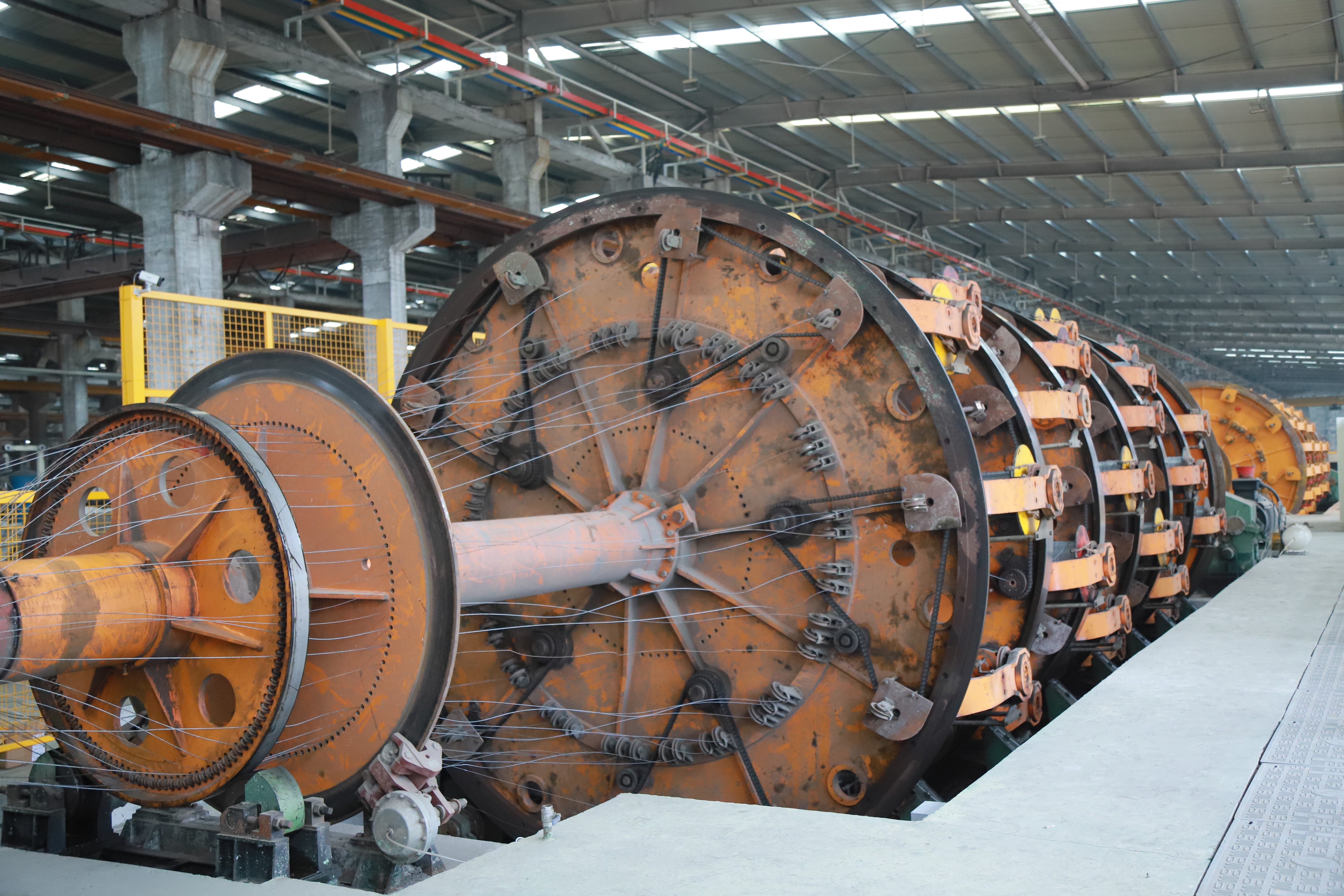
Geometry decides how much water the rope can hold. The Juli Steel Rope range includes compacted strand ropes, shaped strand ropes, locked coil ropes, anti-rotation ropes, parallel laid and cross laid constructions, and bundling ropes. For corrosion-driven duty, three of these carry most of the value:
- Compacted strand. Outer strands are compacted so the gaps between them close. Less void space means less water held against the steel, and a smoother surface sheds contamination instead of trapping it. This is the construction behind the 57% adoption rate recorded in heavy-duty mining hauling systems.
- Locked coil. Interlocking outer wires create a closed, smooth outer surface. In a corrosive environment the benefit is fewer openings for ingress and fewer places where debris can lodge and hold moisture.
- Anti-rotation. Where a rope carries a free-hanging load, rotation causes abrasion against itself and against the sheave, which damages the protective layer. Anti-rotation construction addresses the mechanical cause rather than the corrosion symptom.
The base metallurgy: high-carbon steel wire
All of these routes sit on the same foundation. Steel wire rope is drawn from high-carbon steel wire, which is what gives it the tensile capability to carry load at a workable diameter. Corrosion protection is applied on top of that metallurgy; it does not replace it. That is why a corrosion-resistant rope still has to be correctly sized — the coating buys time, it does not buy strength.
What the solution cannot do
No finish eliminates corrosion. Galvanized layers are consumed, plastic jackets wear at sheaves, stainless grades have their own exposure limits, and lubricant is displaced by repeated bending. The honest framing for a buyer is that corrosion resistance converts an unpredictable failure into a predictable inspection cycle — it does not remove the inspection cycle. That is the boundary condition to state openly in any procurement specification.
A Six-Step Execution Sequence for Buyers
Step 1 — Define the exposure profile before the diameter
Most rope enquiries open with diameter and breaking force. For corrosion-driven duty, start one step earlier and write down the exposure: continuous splash or intermittent wetting, presence of acid or alkali, wash-down frequency, ambient temperature, storage conditions before installation, and the specific contact points where the rope meets sheaves and drums. Those conditions determine the finish; the load determines the construction. Reversing the order is how buyers end up with a correctly rated rope that fails early.
Step 2 — Select the corrosion route against that profile
Match the exposure to one of the five routes rather than defaulting to the cheapest galvanized option. A splash-zone application and a covered stockyard do not have the same requirement, and the difference between hot-dip and electro-galvanized is exactly the kind of decision that should be documented, not assumed.
Step 3 — Select the construction against the load path
Compacted strand where void space and surface contamination are the concern; locked coil where a closed outer surface matters; anti-rotation where a free-hanging load induces spin. The construction and the finish are specified together, and the combination — not either element alone — is what the corrosion strategy rests on.
Step 4 — Lock the standard and the certification trail
Name the manufacturing standard in the purchase specification: API, ISO, EN, ASTM, GB or JIS, with ISO 2408:2017 as the general-purpose baseline for manufacture and testing. Then name the certificate set that the project actually requires. Juli Steel Rope holds API, LR, ABS, CCS, ISO 9001, CE, GOST, EPD, SIRIM, SNI and MA certifications, but which of those is relevant is a project decision, not a default.
Step 5 — Write the service-life and inspection regime into the order
This is the step that most distinguishes a corrosion-resistant purchase from a corrosion-resistant intention. Documented practice includes standardising equipment operation to avoid long-term repeated bending and frequent high-intensity lifting, establishing a service-life account for each rope, increasing inspection frequency on frequently used ropes, and using professional testing equipment to detect invisible internal fatigue cracks before they become a fracture risk. On the corrosion side, add periodic special inspection of galvanized and stainless rope with attention to coating damage and corroded sections, plus scheduled lubrication and anti-corrosion maintenance.
Step 6 — Agree acceptance testing and commercial terms
For execution-stage buyers, documented terms are a minimum order quantity of 1,000 metres, delivery under FOB, CIF or DDP, and a pre-shipment full performance test at the factory with test reports provided for customer confirmation before shipment. Payment terms are 30% deposit with 70% balance, with shipment arranged on receipt of full payment. Getting these agreed at the quotation stage avoids renegotiation after the technical selection is settled.
Where the Combination Pays Back
Offshore and marine duty
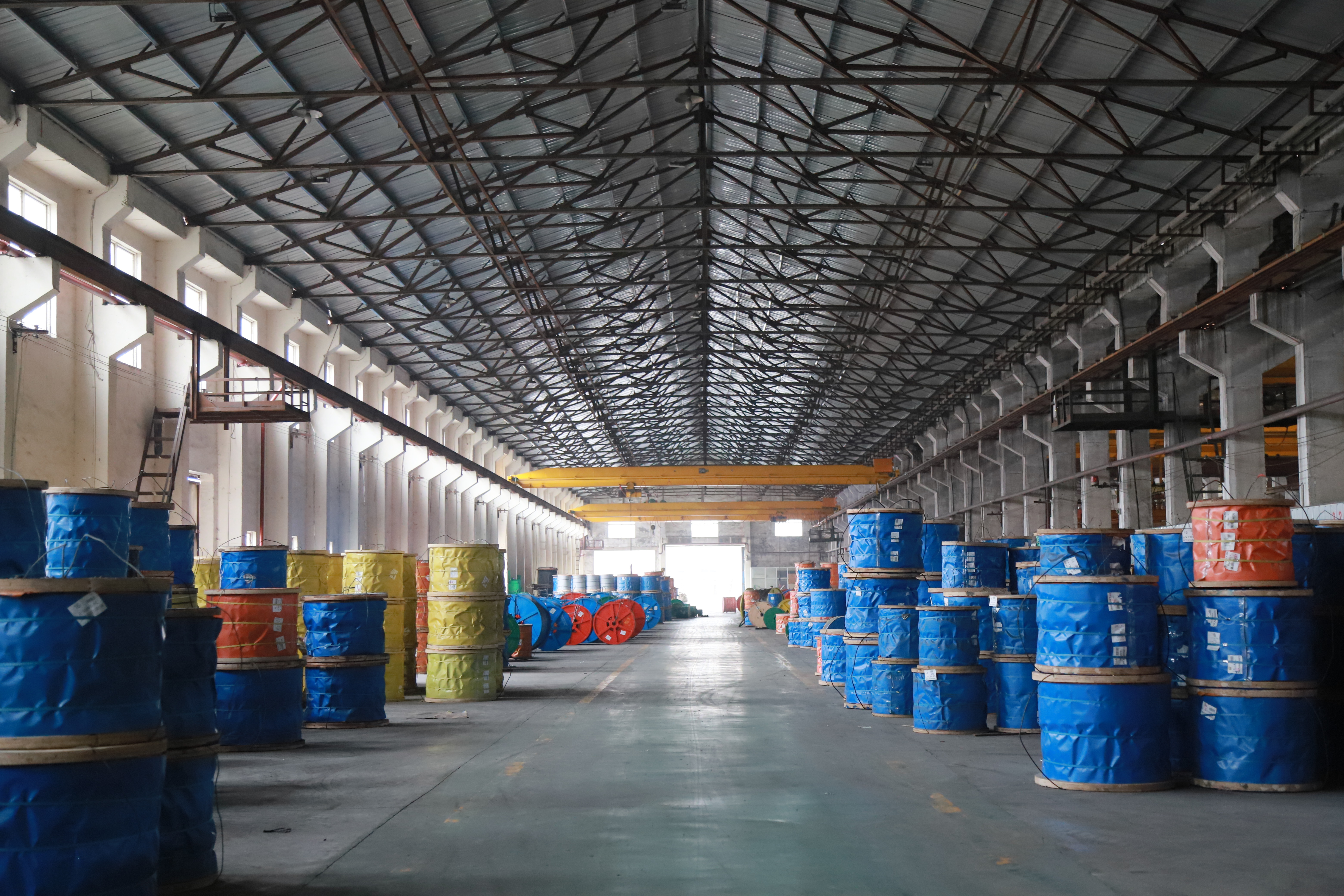
Salt spray, splash-zone wetting and continuous humidity mean the finish does most of the work. Hot-dip galvanized rope in a compacted or locked coil construction limits both the amount of water held against the steel and the number of openings available to it. The inspection task is coating condition at sheave contact points, on a defined interval rather than on a hunch.
Mining duty
Shaft water, wash-down and abrasive dust combine to attack rope from the outside while repeated bending works the interior. The pairing that addresses both is a compacted strand construction in a galvanized finish, supported by a service-life account and increased inspection frequency on the ropes in heaviest use.
Port and heavy lifting
Port duty is less about chemical attack and more about abrasion removing the protective layer. Where a coating is worn away at the sheave, corrosion restarts at that point, so plastic-coated and galvanized options are often evaluated together against the actual contact geometry.
Oil and gas
Exposure combines humidity, contaminants and, in some locations, chemical attack. Stainless or coated constructions enter the evaluation where zinc is not acceptable, and the grade-matching question against chloride exposure becomes the deciding criterion.
Fishing and forestry
Both combine constant wetting with abrasive contact — salt water and deck hardware in fishing, mud, grit and log contact in forestry. In these duties the jacket or coating is consumed at contact points first, so the inspection routine should be built around those points rather than around the rope as a whole.
Comparison: Failure Modes and Documented Controls
The table below maps the failure modes that most often end offshore and mining ropes against the documented control methods and the supplier-side measures that support them.
| Failure mode | How it develops | Control method | Supplier-side measure |
|---|---|---|---|
| Rust and corrosion | Salt spray, shaft water, acid or alkali exposure; coating damage becomes an initiation point | Environmental protection, regular maintenance, special inspection | Protective isolation for open-air, humid and acid-alkali scenarios; periodic special inspection of galvanized and stainless rope focused on coating damage and corroded sections; regular lubrication and anti-corrosion maintenance to hold qualified breaking tension |
| Fatigue damage | Repeated bending over sheaves combined with high-intensity lifting cycles | Working-condition standardisation, regular detection, service-life management | Standardised operation to avoid long-term repeated bending; a service-life account per rope; higher inspection frequency on frequently used ropes; professional testing equipment to detect invisible internal fatigue cracks |
| Broken wires, strands and sudden fracture | Progressive section loss from corrosion plus overload or impact loading | Daily equipment inspection, scrap management, load-limit control | Regular inspection covering corrosion, wear, deformation, broken wires, loose strands, pitting and fatigue damage; immediate scrapping and replacement of excessively damaged rope; strict load standards prohibiting overload |
| High-altitude falling object | Rope or rigging failure above an occupied work area | Compliant selection, load control, hazard investigation | Riggings selected according to hoisting conditions; daily integrity checks; hoisting danger areas delimited; personnel prohibited from staying below the operating area |
| Mechanical squeezing and cutting | Contact with running rope, reels and sheaves | Physical isolation, behaviour management, danger-zone avoidance | Warning signage and protective isolation around rope, reel and sheave areas; personnel prohibited from approaching running rope with body, clothing or tools; safety briefing before operation |
Comparison: Corrosion Routes Side by Side
| Finish | In the Juli range | Exposure it fits | What to verify before ordering |
|---|---|---|---|
| Un-galvanized | Yes | Dry, controlled storage with an executed lubrication programme | Lubrication schedule and storage conditions |
| Electro-galvanized | Yes | Moderate humidity, indoor duty, occasional wash-down | Zinc layer specification matched to the actual exposure |
| Hot-dip galvanized | Yes | Marine, splash-zone and wet mine environments | Coating condition on delivery; defined inspection interval for coating loss |
| Stainless steel | Yes | Chemical, hygienic or chloride-bearing environments where zinc is unsuitable | Grade match to the chloride level at the site |
| Plastic-coated | Yes | Combined corrosion and abrasion at sheave contact | Jacket integrity checks at the contact points |
The availability and diameter range statements in the second table reflect the manufacturer's published product range (0.5 mm to 120 mm). The exposure-fit column reflects general selection logic rather than a performance guarantee; the final choice should be confirmed against the actual duty cycle and inspection regime.
Frequently Asked Questions
Which standards and certifications apply to corrosion-resistant wire rope?
Rope from Juli Steel Rope is manufactured to API, ISO, EN, ASTM, GB and JIS standards, and the company holds API, LR, ABS, CCS, ISO 9001, CE, GOST, EPD, SIRIM, SNI and MA certifications. ISO 2408:2017 provides the general-purpose baseline for the manufacture and testing of steel wire ropes, including lifting and rigging. Which standard and which certificate set apply to a specific order is a project decision and should be named in the purchase specification rather than assumed.
Can galvanized, stainless or coated rope also be supplied in compacted or anti-rotation construction?
Yes. Finish and construction are independent choices within the same range, which covers un-galvanized, electro-galvanized, hot-dip galvanized, stainless and plastic-coated rope across compacted strand, shaped strand, locked coil, anti-rotation, parallel laid, cross laid and bundling constructions, in diameters from 0.5 mm to 120 mm. For corrosion-driven offshore and mining duty, the combination that most often enters the evaluation is hot-dip galvanized wire in a compacted strand construction.
What drives the commercial difference between the options?
There is no published list price, because a quotation depends on construction, finish, diameter and delivery term. The documented commercial terms are a minimum order quantity of 1,000 metres, delivery under FOB, CIF or DDP, and payment of 30% deposit with 70% balance, with shipment arranged on receipt of full payment. Because stainless and plastic-coated products use different material inputs from un-galvanized rope, the meaningful comparison is between quoted options for the same duty, not between headline prices for different specifications.
Can performance be verified before shipment?
Yes. Acceptance is based on a pre-shipment full performance test at the factory, and test reports are provided for customer confirmation before shipment. Buyers who want to evaluate handling, coating condition or construction before committing to a full order should raise that directly with the supplier, since the documented minimum order quantity is 1,000 metres and trial quantities are therefore a commercial discussion rather than a catalogue item.
How should a long-term supply arrangement be structured?
Start from the exposure data and the inspection regime rather than from the price list, because the value of a corrosion-resistant rope is realised over its service life, not at the point of delivery. Juli Steel Rope operates 42 distribution centres in major Chinese cities and offices in more than 30 countries and regions, with export business at 30% of total sales. To move from evaluation to execution, send the duty conditions, required standard and target diameter to Shirley@worldjuli.com or +86 15312608225 for a quoted option.
Conclusion: Convert an Unpredictable Failure into a Managed Cycle
Wire rope failure prevention in offshore and mining operations is a specification problem before it is a maintenance problem. The rope has to be matched to the exposure in two dimensions at once — a corrosion route that fits the environment, and a construction that limits where water and electrolyte can accumulate — and then managed through a documented service-life and inspection regime that assumes the protective layer will be consumed.
The practical sequence is short: define the exposure, select the finish, select the construction, lock the standard and certificates, write the inspection regime into the order, and agree acceptance testing before shipment. Buyers who follow it stop replacing rope on failure and start replacing it on schedule, which is the only version of corrosion control that holds up over a multi-year supply relationship.
Next Step: Quote, Sample Discussion or Catalogue
Send your duty conditions — environment, diameter, construction preference, required standard and target quantity — and Juli Steel Rope will respond with a quoted option. Minimum order quantity is 1,000 metres, delivery is available under FOB, CIF or DDP, and pre-shipment test reports are provided for confirmation.
Email: Shirley@worldjuli.com | Tel: +86 15312608225 | WhatsApp: +86 15950529706
Website: www.juli-rope.com
Download the full product catalogue: Juli Steel Rope catalogue (PDF)
Have Questions or Need More Details?
Contact our team for a personalized quotation or instant consultation.
Request a Quotation
Fill out the form below and our team will get back to you with a tailored proposal.
WhatsApp Direct Chat
Prefer to chat in real-time? Message us on WhatsApp for instant assistance & quick answers.
- Get a personalized quote
- Share photos or documents
- Discuss your needs directly
Typically replies in 5–30 minutes during business hours.