22DTA vs 24-2DT Wire Drawing Machine: Annealed vs Non-Annealed Choice
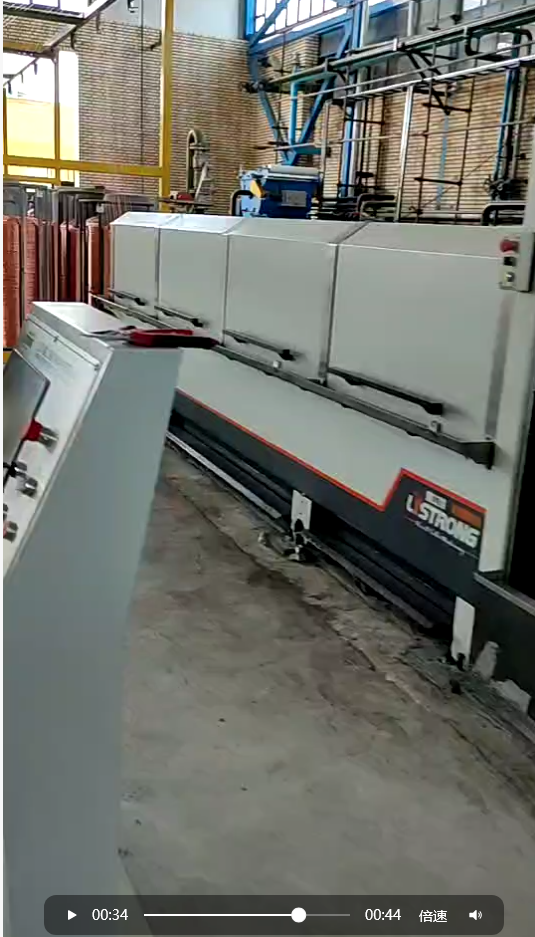
Cover: Multi-wire drawing platform for fine copper production. Image source: Jiangsu Listrong Mechanical & Electrical Co., Ltd.
The choice between the 22DTA and the 24-2DT is a production-architecture decision, not a model-number preference. The 22DTA combines fine wire drawing with inline DC three-section annealing at 60 V and 600 A and single-wire spooling. The 24-2DT is a two-wire fine drawing machine with 2×Φ0.6–1.2 mm inlet, 2×Φ0.1–0.3 mm outlet, 24 dies ×2, and a shaftless takeup system with pneumatic bobbin clamping. Choose the 22DTA when annealed fine copper is the deliverable; choose the 24-2DT when two-wire output, smaller fine gauges, and customized spooling set the line economics.
Jiangsu Listrong Mechanical & Electrical Co., Ltd. is a wire drawing machine manufacturer based in Dongtai City, Jiangsu, China, supplying wire drawing, annealing, and bunching equipment for bare copper, copper alloy, and stainless steel wire. This comparison uses the supplied 22DTA and 24-2DT specifications, Listrong capability facts, and the available certification records. It does not assume a price, a sample result, or a performance outcome that is not documented.
Problem Definition
The problem is not which machine is faster. Both models are specified at 2000 m/min or 2000 MPM. The real problem is whether the drawing line must deliver annealed wire directly from the drawing process or whether two-wire non-annealed output is the better production unit. That decision changes the wire range, the number of wire paths, the spooling method, the downstream process, and the acceptance test.
For a buyer at the evaluation-to-execution stage, the wrong choice creates hidden cost. An annealing line that is not needed adds process complexity to the specification. A non-annealed line that is expected to deliver soft wire pushes annealing downstream and may create an extra handling step. The 22DTA and 24-2DT therefore need to be compared by final wire state, wire count, outlet range, spooling, and certification scope before commercial terms are fixed.
The supplied 22DTA specification is a fine wire drawing and annealing machine with inlet Φ1.0–Φ1.6 mm, outlet Φ0.15–Φ0.6 mm, 2000 m/min, 22 dies, DC three-section annealing at 60 V and 600 A, and 25 kg spool capacity with DIN200/250 spool dimensions. The supplied 24-2DT specification is a two-wire fine drawing machine with inlet 2×Φ0.6–1.2 mm, outlet 2×Φ0.1–0.3 mm, 2000 MPM, 24 dies ×2, and a shaftless takeup system with pneumatic bobbin clamping. The 24-2DT specification supplied for this comparison does not include an inline annealing section, so it is the non-annealed path in this decision.
Industry Background
Fine copper wire drawing sits inside cable, electronics, and general conductor manufacturing. The equipment decision is shaped by the final conductor specification, the required surface quality, the downstream insulation or stranding process, and the plant's approach to annealing. Inline annealing is used where the drawing line must soften wire as part of the same pass. Non-annealed drawing is used where the final wire state is either acceptable as drawn or achieved in a separate process.
Published market research places the global wire drawing machine market at USD 3.8 billion in 2025, with a forecast of USD 6.1 billion by 2034 and a compound annual growth rate of 5.47% from 2026 to 2034, according to Dataintelo's 2026 market research report. The verified data pack also notes that other published estimates differ because of scope, including whether spare parts, dies, and service revenue are included. The market figure is therefore a directional indicator, not a price benchmark for a single machine.
The trade classification for machine tools for working metal wire is HS code 8463.30.00. That classification matters for customs documentation, but it does not decide whether a line should be annealed or non-annealed. The technical decision remains with the wire range, the wire count, the required temper, and the spooling system.
For fine copper production, the practical background is simple: the smaller the outlet wire, the more the line depends on stable drawing, die sequencing, lubrication, and takeup. The 22DTA outlet range of Φ0.15–Φ0.6 mm and the 24-2DT outlet range of 2×Φ0.1–0.3 mm both sit in fine wire territory. The difference is that the 24-2DT multiplies the wire path by two and does not include inline annealing in the supplied specification, while the 22DTA integrates annealing and single-wire spooling.
Detailed Solution: How 22DTA and 24-2DT Differ
22DTA: inline annealing and single-wire spooling
The 22DTA is a fine wire drawing and annealing machine. Its inlet range is Φ1.0–Φ1.6 mm and its outlet range is Φ0.15–Φ0.6 mm. The machine is specified at 2000 m/min with 22 dies. The annealing section is a DC three-section system at 60 V and 600 A. The takeup is a 25 kg spool capacity with DIN200/250 spool dimensions.
For buyers, those facts mean the 22DTA is designed around a single-wire drawing path with inline annealing. The annealing section is part of the machine specification, so the line can be evaluated as an integrated drawing and annealing unit. The 25 kg spool capacity and DIN200/250 spool dimensions are also fixed points for spool handling, downstream dereeling, and packaging planning. If the final product needs annealed fine copper and the plant wants to avoid a separate annealing pass, the 22DTA is the model in this pair that matches that requirement on paper.
24-2DT: two-wire output and shaftless takeup
The 24-2DT is a two-wire fine drawing machine. Its inlet range is 2×Φ0.6–1.2 mm and its outlet range is 2×Φ0.1–0.3 mm. It is specified at 2000 MPM with 24 dies ×2. The takeup is a shaftless takeup system with pneumatic bobbin clamping.
For buyers, those facts mean the 24-2DT is built around two wire paths and a takeup system that uses pneumatic bobbin clamping rather than a shaft-based spool arrangement. The 24 dies ×2 configuration indicates two drawing paths, each with its own die set. The outlet range extends to Φ0.1 mm, which is finer than the 22DTA outlet range. The trade-off is that the supplied 24-2DT specification does not include an inline annealing section. If the final product requires annealed wire, the annealing step must be specified separately and confirmed in the technical agreement; it should not be assumed as part of the 24-2DT package.
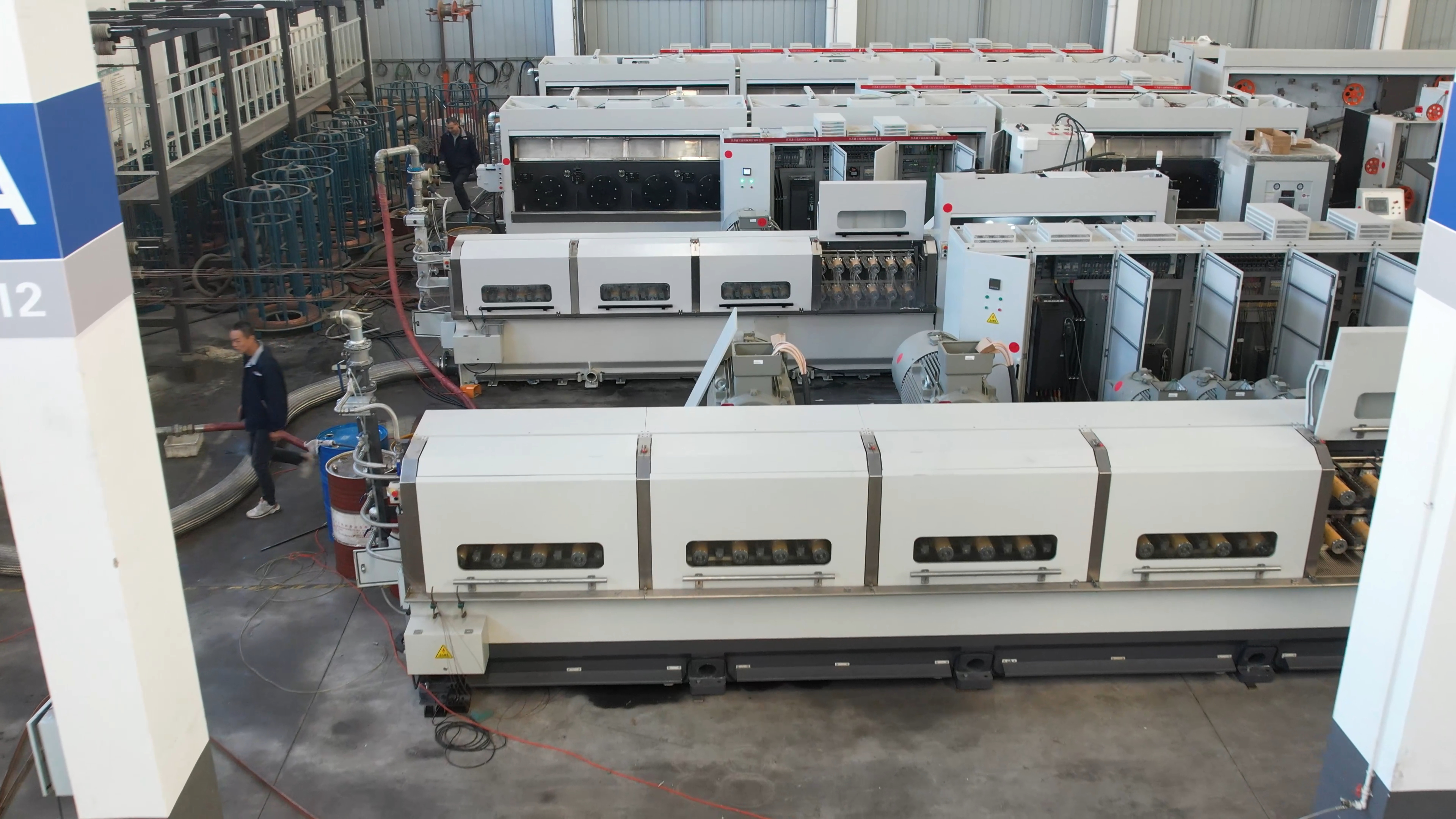
Supporting: Assembly workshop for wire drawing machine builds. Image source: Jiangsu Listrong Mechanical & Electrical Co., Ltd.
What the annealing choice changes
Annealing affects the final wire state. In fine copper production, inline annealing is used to soften wire and improve downstream handling, but whether it is required depends on the conductor specification and the next process. The 22DTA makes annealing part of the drawing line. The 24-2DT, as specified for this comparison, makes two-wire drawing the core function and leaves annealing outside the supplied machine scope.
This is why the decision should not be reduced to a speed comparison. A 2000 m/min single-wire annealed line and a 2000 MPM two-wire non-annealed line serve different production logic. The first prioritizes an integrated annealed output and single-wire spooling. The second prioritizes two-wire fine drawing and a shaftless takeup system. The buyer should decide which of those two production logics is non-negotiable before comparing commercial terms.
Step-by-Step Breakdown
The following sequence keeps the evaluation tied to the supplied facts and avoids adding unverified performance claims.
- Define the final wire state. If the final conductor must be annealed, start with the 22DTA because its specification includes DC three-section annealing at 60 V and 600 A. If the final wire can be non-annealed, or if annealing will be handled separately, the 24-2DT becomes a valid two-wire drawing option.
- Match the inlet and outlet range. The 22DTA covers inlet Φ1.0–Φ1.6 mm and outlet Φ0.15–Φ0.6 mm. The 24-2DT covers inlet 2×Φ0.6–1.2 mm and outlet 2×Φ0.1–0.3 mm. Check the planned rod or intermediate wire against these ranges before discussing line layout.
- Confirm the number of wire paths. The 22DTA is a single-wire drawing and annealing machine with 22 dies. The 24-2DT is a two-wire machine with 24 dies ×2. The wire count affects die management, string-up procedure, operator workload, and the acceptance test plan.
- Select the spooling or takeup method. The 22DTA uses a 25 kg spool capacity with DIN200/250 spool dimensions. The 24-2DT uses a shaftless takeup system with pneumatic bobbin clamping. Confirm the bobbin or spool type that the downstream process can accept.
- Verify certification scope and site conditions. The CE verification of conformity CE-JL26020401-AL-MD lists both 22DTA and 24-2DT in scope and references EN ISO 12100:2010 and EN 60204-1:2018/A1:2025. The ISO 9001 certificate 41625QT0833R0 covers wire drawing machines, stranding machines, and annealing machines. Also confirm voltage, motor, and frequency inverter requirements because Listrong supports customization in those areas.
- Run the commercial and acceptance check. The MOQ is 1 set. Delivery terms are FOB/EXW/CIF. Payment terms are 30% T/T in advance and 70% T/T before shipment. Quality control is a 100% pre-shipment test, and acceptance criteria are based on the pre-shipment test. Lead time is 50–90 days, with a monthly capacity of 45–50 sets.
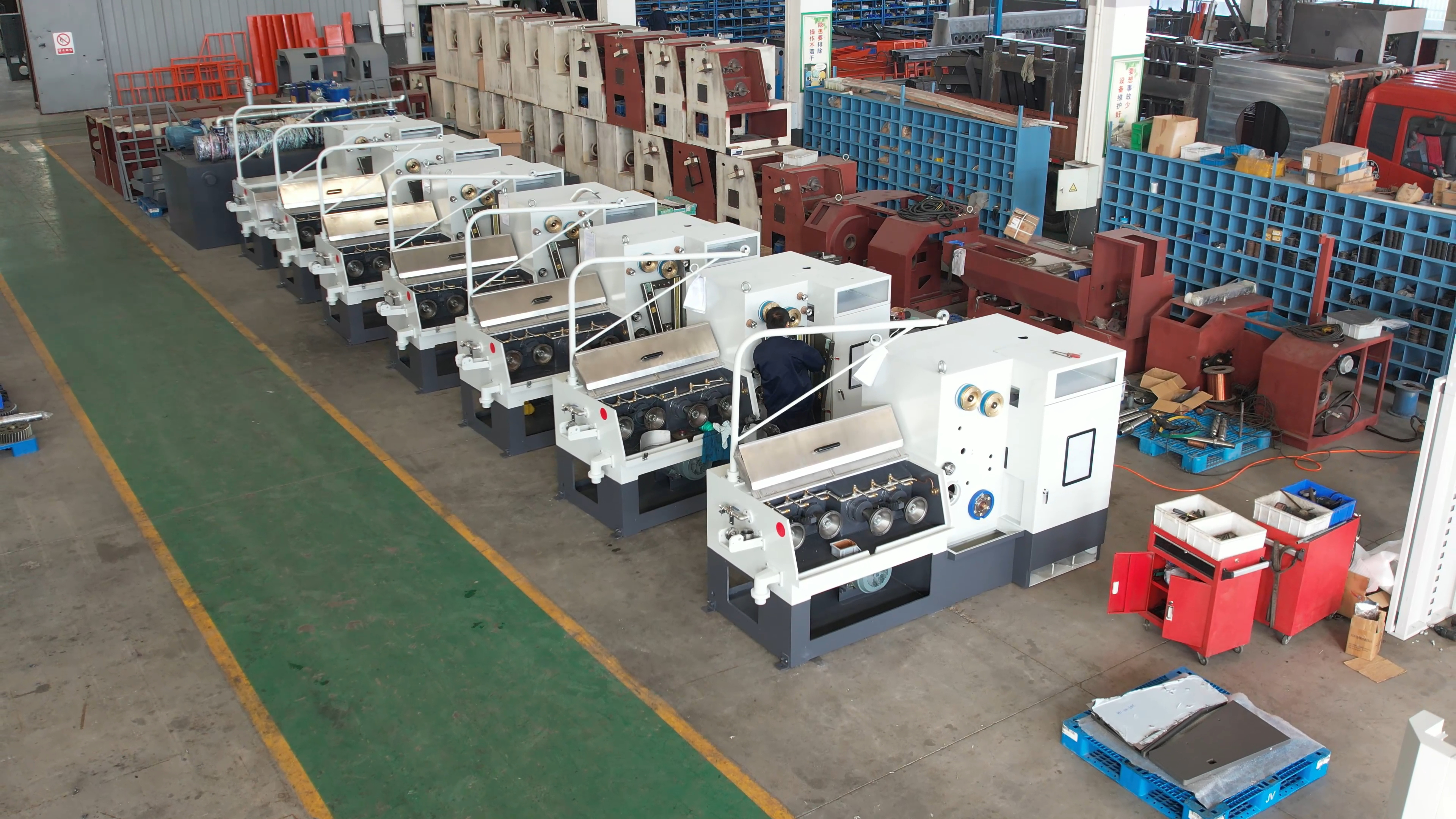
Supporting: Fine wire drawing machine configuration. Image source: Jiangsu Listrong Mechanical & Electrical Co., Ltd.
Use Cases
When 22DTA fits
The 22DTA fits when the line must produce annealed fine copper in one drawing and annealing pass and when single-wire spooling is acceptable. Its outlet range of Φ0.15–Φ0.6 mm and its 25 kg spool capacity with DIN200/250 spool dimensions give the buyer a defined spooling interface. The inline DC three-section annealing system at 60 V and 600 A is the key differentiator in this pair. If the downstream process expects annealed wire and the plant does not want to add a separate annealing operation, the 22DTA should be the first model in the evaluation.
When 24-2DT fits
The 24-2DT fits when two-wire fine drawing is the priority and the final wire state does not require inline annealing from the drawing machine. Its outlet range of 2×Φ0.1–0.3 mm reaches finer gauges than the 22DTA, and its 24 dies ×2 configuration supports two drawing paths. The shaftless takeup system with pneumatic bobbin clamping is the specified takeup method, so the buyer should confirm bobbin compatibility and changeover procedure during acceptance. If the final product can be non-annealed or if annealing is a separate operation, the 24-2DT is the two-wire option in this comparison.
Shared evaluation points
Both models are specified at 2000 m/min or 2000 MPM, so speed alone does not separate them. Both are covered by the CE verification of conformity CE-JL26020401-AL-MD, and both are listed in the CE scope. Listrong offers OEM and ODM production services, supports logo and language customization, and allows voltage, motor, and frequency inverter customization. The buyer should therefore compare the process fit first, then confirm the customization and acceptance details.
Comparison Table
The table below uses only the supplied model facts and certification facts. It is a selection aid, not a performance guarantee.
| Decision factor | 22DTA | 24-2DT |
|---|---|---|
| Machine role | Fine wire drawing and annealing machine | Two-wire fine drawing machine |
| Wire paths | Single-wire drawing and single-wire spooling | Two-wire drawing |
| Inlet range | Φ1.0–Φ1.6 mm | 2×Φ0.6–1.2 mm |
| Outlet range | Φ0.15–Φ0.6 mm | 2×Φ0.1–0.3 mm |
| Speed | 2000 m/min | 2000 MPM |
| Dies | 22 dies | 24 dies ×2 |
| Annealing | DC three-section annealing at 60 V and 600 A | Not included in the supplied specification; non-annealed path in this comparison |
| Spooling or takeup | 25 kg spool capacity; DIN200/250 spool dimensions | Shaftless takeup system with pneumatic bobbin clamping |
| CE scope | Listed under CE-JL26020401-AL-MD | Listed under CE-JL26020401-AL-MD |
| Quality system | Covered by ISO 9001 certificate 41625QT0833R0 for wire drawing machines | Covered by ISO 9001 certificate 41625QT0833R0 for wire drawing machines |
FAQ
Do the 22DTA and 24-2DT carry CE and ISO certification for export projects?
Yes, both models are listed in the CE verification of conformity CE-JL26020401-AL-MD, issued by ICG. The referenced standards are EN ISO 12100:2010 and EN 60204-1:2018/A1:2025, with validity from 2026-02-10 to 2031-02-09. The ISO 9001 certificate 41625QT0833R0, issued by Zhejiang Standard Service Certification Co., Ltd, covers wire drawing machines, stranding machines, and annealing machines under GB/T19001-2016/ISO9001:2015, valid from 2025-08-27 to 2028-08-26.
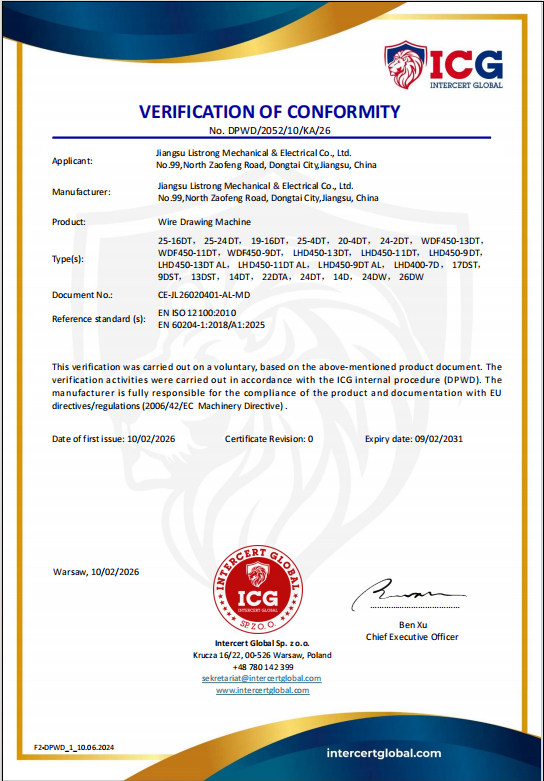
Proof: CE verification of conformity covering 22DTA and 24-2DT. Image source: Jiangsu Listrong Mechanical & Electrical Co., Ltd.
China OEM fine copper wire drawing machine manufacturers with online annealing: what should buyers verify?
For China OEM fine copper wire drawing machine manufacturers with online annealing, verify which model in the offer actually contains the annealing section. In the Listrong pair, the 22DTA is the fine wire drawing and annealing machine with DC three-section annealing at 60 V and 600 A. The 24-2DT is a two-wire fine drawing machine, and its supplied specification does not include an inline annealing section. Listrong provides OEM and ODM production services and supports logo, language, voltage, motor, and frequency inverter customization. The annealing requirement should be written into the technical agreement before the order is placed.
What are the MOQ and payment terms for these wire drawing machines?
The minimum order quantity is 1 set. Delivery terms are FOB, EXW, or CIF. Payment terms are 30% T/T in advance and 70% T/T before shipment. The acceptance criterion is the pre-shipment test. A published machine price is not part of the verified data, so the commercial quote should be requested against the final model, voltage, motor, frequency inverter, and spooling configuration.
How is a 22DTA or 24-2DT validated before shipment?
Listrong applies a 100% pre-shipment test to wire drawing machines. The acceptance criterion is the pre-shipment test before delivery. The buyer should confirm the test record, the wire range to be checked, the spool or bobbin interface, and the annealing requirement where applicable. Listrong also provides remote technical support.
What lead time and warranty apply?
Lead time is 50–90 days, and monthly capacity is 45–50 sets. The warranty is 1 year, stated in the company FAQ as 12 months since the date of dispatch from the factory. Remote technical support is provided. For a project-specific review, download the Listrong catalog at https://cdn.socialarks.com/sbsp/25346/common/2026/0911/LISTRONG%20CATALOG-2.pdf and contact the team through www.wire-cable-machine.com with the wire range, annual tonnage, destination market, and annealing requirement.
Conclusion
The 22DTA and 24-2DT are not interchangeable models with different labels. The 22DTA is the annealed fine copper path: inlet Φ1.0–Φ1.6 mm, outlet Φ0.15–Φ0.6 mm, 2000 m/min, 22 dies, DC three-section annealing at 60 V and 600 A, and 25 kg spool capacity with DIN200/250 spool dimensions. The 24-2DT is the two-wire fine drawing path: inlet 2×Φ0.6–1.2 mm, outlet 2×Φ0.1–0.3 mm, 2000 MPM, 24 dies ×2, and a shaftless takeup system with pneumatic bobbin clamping.
Choose the 22DTA when annealed wire must come directly from the drawing line and single-wire spooling fits the downstream process. Choose the 24-2DT when two-wire output, finer outlet gauges, and shaftless takeup are the production priorities, and when the final wire state does not require inline annealing from the drawing machine. If the 24-2DT is selected for a product that needs annealing, the annealing step must be specified separately and confirmed in the technical agreement. Both models are covered by the CE verification of conformity CE-JL26020401-AL-MD, and both are covered by the ISO 9001 quality management system certificate 41625QT0833R0 for wire drawing machines.
Jiangsu Listrong Mechanical & Electrical Co., Ltd. supports OEM and ODM production, logo and language customization, voltage, motor, and frequency inverter customization, a 1-set MOQ, 100% pre-shipment testing, remote technical support, and a 1-year warranty. The final selection should be closed against the wire range, the annealing requirement, the spool or bobbin interface, and the pre-shipment acceptance plan.
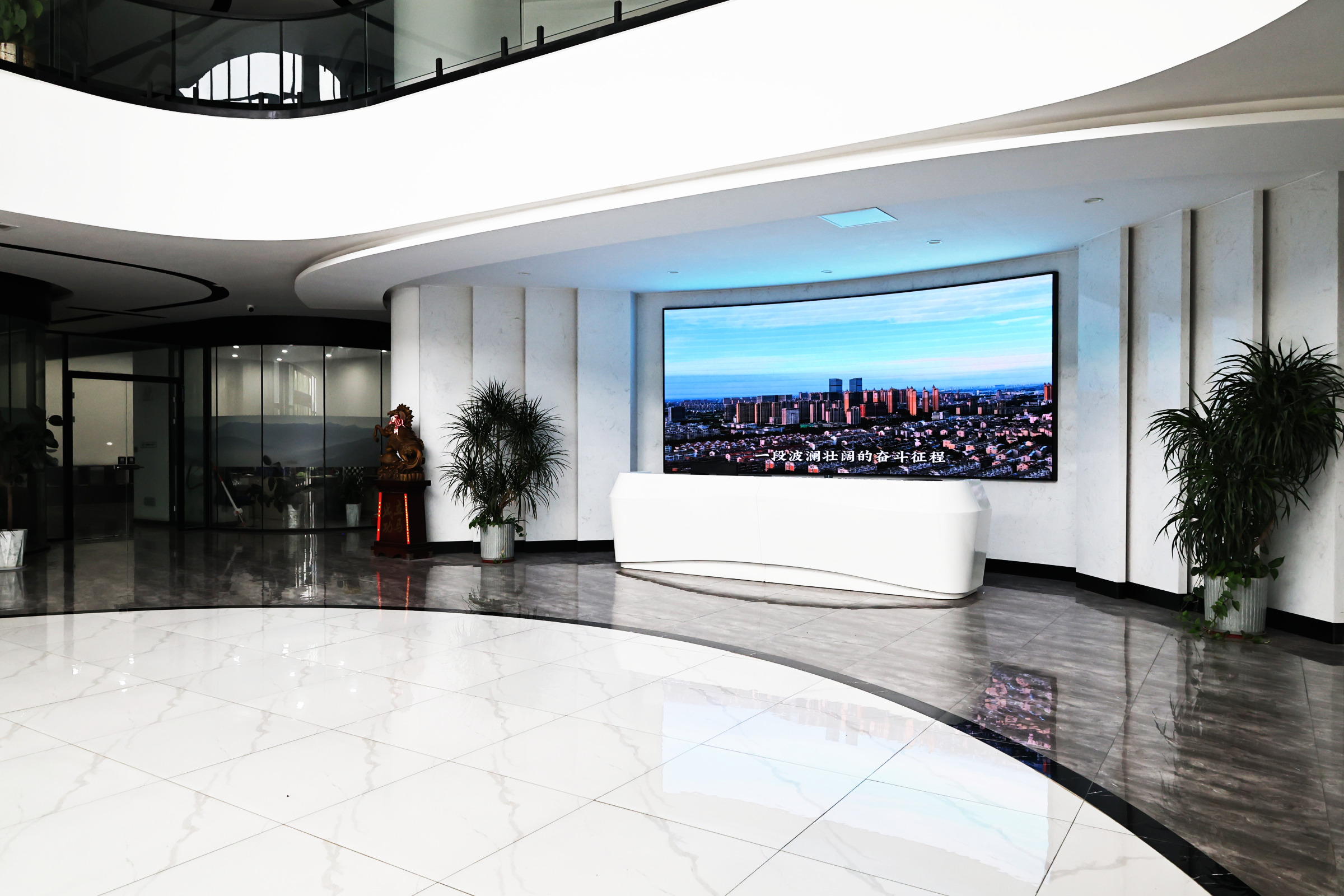
Next step: review the 22DTA and 24-2DT against your actual wire schedule. Download the catalog, share the inlet and outlet range, wire count, annealing requirement, and destination market, and request a configured quotation from Jiangsu Listrong Mechanical & Electrical Co., Ltd.
Download the Listrong catalog or visit www.wire-cable-machine.com.
Have Questions or Need More Details?
Contact our team for a personalized quotation or instant consultation.
Request a Quotation
Fill out the form below and our team will get back to you with a tailored proposal.
WhatsApp Direct Chat
Prefer to chat in real-time? Message us on WhatsApp for instant assistance & quick answers.
- Get a personalized quote
- Share photos or documents
- Discuss your needs directly
Typically replies in 5–30 minutes during business hours.