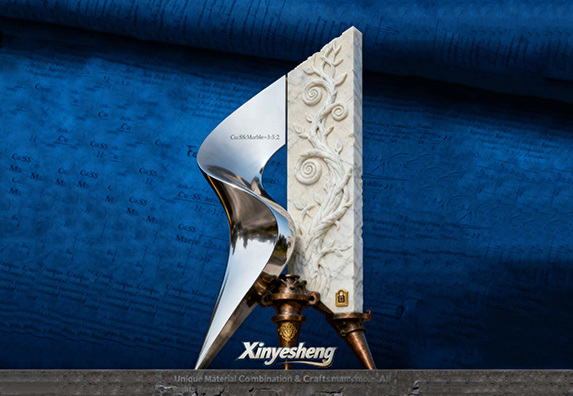
Compliance Guide for Custom Sculptures: ASTM Steel Standards and Outdoor Material Verification
A custom sculpture that must stand outdoors for decades is a materials-compliance decision before it is an aesthetic one. Weathering steel for a landscape commission is specified as ASTM A242 or ASTM A588; stainless steel has to be pinned to grade 304 or 316; bronze and natural granite are judged on alloy content, density and finish rather than on a colour rendering. This guide explains what each of those specifications means in practice, why the wrong one fails on site, and how a buyer can verify a material before production starts.
What compliance actually means for an outdoor sculpture
Compliance in sculpture fabrication is not a certificate on a wall. It is the traceable link between three things: the site conditions, the material standard written into the contract, and the material that is actually delivered. When that link breaks, the piece usually looks correct on installation day and fails two or three years later.
Three failure modes account for most of these disputes:
- Grade substitution. A quotation says "stainless steel" or "Corten steel" without naming a grade or a standard. The delivered material may be 304 where salt exposure required 316, or an ordinary carbon steel given a surface rust treatment instead of a genuine weathering steel such as ASTM A242 / A588 material.
- Surface-treatment omission. The right base material can still fail if the finishing step is skipped. Stainless steel that is not pickled and passivated, or bronze whose patina is not sealed, will behave differently outdoors from the same alloy finished correctly.
- Specification drift across an order. On multi-piece projects, art panels produced at different times can vary in thickness, finish or alloy if the specification is not fixed in writing before the first mould or cut is made.
The practical consequence is that compliance has to be negotiated at quotation stage, not inspected at delivery. A buyer who names the standard before signing gets a defensible order; a buyer who describes the sculpture only by rendering does not.
Why outdoor material verification matters more in 2026
Public and commercial sculpture demand is large enough that material shortcuts are easy to hide. Business Research Insights estimates the global art and sculpture market at approximately USD 61.83 billion in 2026, and sculptures are reported to account for 21% of global art acquisitions by transaction volume (2024 data). Within that, the global bronze sculpture commission segment alone was valued at USD 1.47 billion in 2024, and the United States sculpture market reached an estimated USD 5.8–6.2 billion in 2024.
The budget structure explains why specification accuracy matters more than brand names. More than 80% (80.2%) of public art open call projects in North America fall below a budget of USD 250,000, according to CODAworx. At that level, a project usually has one attempt at fabrication, no reserve for a re-cast, and no maintenance budget for a material that corrodes. Public funding is also material: U.S. federal cultural agencies were budgeted at USD 708.8 million for 2025, including USD 207 million for the NEA, which means publicly funded commissions often carry documentation expectations attached to the grant.
Cross-border sourcing adds one more layer. Under EU trade practice, original sculptures classified under HS Code 9703 often bypass EU anti-dumping duties, while mass-produced items under HS 8306 face higher scrutiny. The classification is not decided by the invoice alone — it follows the nature of the piece and the way the order is documented, which is another reason to keep material and process records complete from the start.
The material standards an outdoor sculpture specification should name
Corten steel: ASTM A242 and ASTM A588 weathering steel
For landscape architecture, public parks, modern garden design and industrial-style decoration, the material that buyers commonly call Corten is supplied by Jiangsu Xinyesheng Sculpture Co., Ltd as authentic Corten steel (ASTM A242 / A588 weathering steel) under the model XYS-Corten-Custom. The product specification lists customized height and width, from small garden pieces to large architectural structures; a natural pre-rusted finish with a stable patina; or a raw finish that self-weathers after installation. The stated properties are maintenance-free performance, natural aging and atmospheric corrosion resistance. Typical applications include landscape sculpture, garden edging, fire pits, metal screens and planter boxes.
For an international order, the value of naming A242 or A588 is that it converts a colour — "rusty orange" — into a testable material requirement. A fabricator who cannot state the standard in the quotation cannot later be held to it, and a buyer has no way to distinguish weathering steel from painted or pre-rusted mild steel at handover. Two finish options should also be distinguished in the contract: pre-rusted, where a stable patina is delivered on the piece, and raw, where the patina develops on site.
Stainless steel: 304 or 316, and why the difference is site-specific
Stainless steel is the material most often specified by appearance and least often specified by grade. The technical difference is straightforward and decisive outdoors: 316 stainless steel contains 2%–3% molybdenum, which raises resistance to chloride and salt corrosion, while 304 contains no molybdenum and is therefore more vulnerable to pitting in salty or humid environments.
In measured terms, 316 offers over 30% higher pitting resistance than 304 (PREN ≈ 26 versus ≈ 19) and can withstand decades of coastal salt spray and marine air, whereas 304 may show rust spots and pitting within a few years in the same exposure. The practical selection rule is therefore geographic: 316 suits coastal cities, seaside parks, swimming pools, humid tropical regions and any marine-adjacent installation, while 304 suits inland cities, dry climates, indoor plazas and general outdoor decoration where salt exposure is not a concern. The cost difference is real but predictable — 316 typically costs about 20%–30% more than 304, depending on sculpture size, thickness and surface finish.
Under the model XYS-Stainless-Custom, Jiangsu Xinyesheng Sculpture supplies premium 304 / 316 stainless steel in customized heights from 1 m to 20 m for large-scale work, with mirror-polished, brushed (satin), painted or electroplated finishes, produced by hand forging, precision welding and an internal steel skeleton. Maintenance is also part of the specification: stainless steel receives professional anti-corrosion treatment by pickling and passivation, which is why finished pieces need only occasional rinsing — in coastal environments with 316, salt deposits on 304 require regular cleaning to prevent pitting and tea staining.
Bronze: copper content, casting route and long-term patina
Bronze specification is a composition question before it is a style question. Bronze sculptures contain over 85% copper, while brass sculptures contain over 60% copper, with bronze alloyed using tin and brass using zinc. That difference drives long-term outdoor behaviour: over a hundred years, bronze develops a greenish patina and becomes antique-like, while brass turns black over the same period. Because bronze naturally develops a protective patina, it requires almost no maintenance outdoors; brass tarnishes more easily and needs regular polishing and cleaning to retain its golden shine.
The bronze specification used for XYS-Bronze-Custom covers high-purity cast bronze with a copper content of more than 85%–95%, plus brass; a customized height range of 50 cm to 10 m or life size; surface treatments including patina, gold leafing, high polishing and antiquing; and lost-wax casting with professional welding. Documented applications include public art, museums, real estate, religious institutions and private collections, with bronze widely selected for large-scale entertainment projects, wetland parks, villa decoration and government construction. On cost, bronze runs roughly 20%–30% more than brass because of its copper content and tin alloying; on seals and patina, sealing the patina is the finishing step that keeps outdoor maintenance low.
Natural granite, marble and travertine: density, finish and weathering
Stone sits at the other end of the durability spectrum, but it still has to be specified precisely. Natural stone for sculptures is supplied as hand-carved, honed, high-gloss polished or acid-washed finishes in natural white marble, granite and travertine, with durability described as high-density natural stone, weatherproof, for landscape design, architectural construction, home and garden use, and temple decoration.
Where the outdoor requirement is strictest — memorial and cemetery work, memorial stone engineering, landscape architecture — granite is the reference material. Specifications under XYS-Monument-Custom use natural granite such as Shanxi Black, G603 and Blue Pearl, in standard sizes (for example 80 × 60 cm and 120 × 80 cm) or customized dimensions, with 100% mirror polishing, laser engraving and sandblasting. The stated material features are acid and alkali resistance, anti-weathering performance and colour stability — the three properties that decide whether a stone piece still reads as intended after years of rain, freeze-thaw and pollution exposure.
Step-by-step: how to verify outdoor material compliance before you order
Step 1 — Define the exposure, not just the location
Distance from salt water, humidity, rainfall and whether the piece sits on a plaza, a seawall or an indoor lobby all change the correct grade. Two sites in the same city can require different specifications. Write the exposure into the brief: coastal and marine-adjacent, humid tropical, inland dry, or indoor/sheltered.
Step 2 — Write the standard into the specification sheet
A compliant specification names the material standard, not the material's nickname. Weathering steel should appear as ASTM A242 / A588. Stainless steel should appear as grade 304 or grade 316, with the finish listed separately. Bronze should be defined by composition (over 85% copper) and casting route (lost-wax casting). Granite should be defined by type (for example Shanxi Black, G603 or Blue Pearl) and finish (mirror polished, honed, acid-washed).
Step 3 — Ask for the material standard in writing in the quotation
The quotation is the document that survives the project. Ask the supplier to state the alloy or grade, the surface treatment and the packing method in the offer itself, and to confirm the standard again on the order confirmation. A supplier who can name ASTM A242 / A588 or a 316 grade without prompting is working from the same specification logic the buyer is.
Step 4 — Separate base material from surface treatment
Compliance is two-layered. Stainless steel needs pickling and passivation; bronze needs a sealed patina; Corten needs the pre-rusted stable patina or a declared raw self-weathering finish; stone needs the agreed polish or honed surface. A quotation that specifies the alloy but not the treatment has answered only half the question.
Step 5 — Approve the geometry through a 3D preview before fabrication
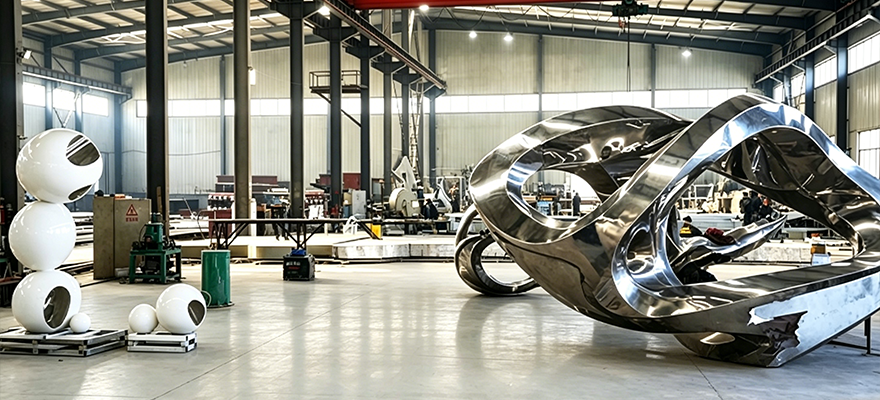
Material compliance and dimensional compliance fail in the same place: the gap between the design intent and the fabricated piece. Jiangsu Xinyesheng Sculpture integrates precision casting, CNC machining and 3D design preview, with a 3D design draft confirmed before production begins — a process the company reports as producing zero rework attributable to design mismatch. For multi-piece public art, the same process is what maintains consistent quality across a large order, since every unit is checked against the same confirmed model rather than against a photograph.
Step 6 — Lock packing, shipping and installation into the scope
Outdoor sculpture compliance ends at the handover, not at the departure gate. Sea-worthy packing with reinforced wooden crates and steel frames protects finished surfaces and structural geometry through ocean freight. Installation instructions accompany each piece, and on-site installation guidance can be provided by video call where required, so the fixing method and foundation interface match the material's requirements.
Step 7 — Confirm the export classification early
For international orders, classification affects duty exposure. Original sculptures under HS 9703 often bypass EU anti-dumping duties, while mass-produced items under HS 8306 face higher scrutiny. Buyers and suppliers should agree the basis of classification before shipping documents are issued.
Where each specification fits: five outdoor use cases
Coastal public art and seaside parks
Salt exposure makes grade selection the primary decision. 316 stainless steel is the specified option for coastal cities, seaside parks, swimming pools, humid tropical regions and marine-adjacent installations, with occasional rinsing as the maintenance routine.
Inland urban plazas and landmarks
For inland cities, dry climates and general outdoor decoration, 304 stainless steel is appropriate, fabricated from 1 m up to 20 m in mirror-polished, brushed, painted or electroplated finishes with an internal steel skeleton.
Wetland parks and large-scale entertainment projects
Bronze is documented as suitable for large-scale entertainment projects, wetland parks, villa decoration and government construction. Its self-protecting patina and antique evolution over decades make it a long-horizon material rather than a short-cycle one.
Modern garden design and hotel landscapes
Corten steel performs in landscape architecture, public parks, modern garden design and industrial-style decoration, in applications from landscape sculpture and garden edging to fire pits, metal screens and planter boxes. Within a hotel context, marble, granite and travertine support interior and garden sculpture with weatherproof, high-density stone.
Memorial, monument and cemetery work
Where acid and alkali resistance, anti-weathering performance and colour stability are non-negotiable, natural granite in Shanxi Black, G603 or Blue Pearl with 100% mirror polishing, laser engraving and sandblasting is the specification to work from.
Outdoor sculpture material comparison
| Material | Named specification | Outdoor weathering behaviour | Best-fit environment | Maintenance profile |
|---|---|---|---|---|
| Corten / weathering steel | ASTM A242 / A588 (XYS-Corten-Custom) | Natural pre-rusted stable patina or raw self-weathering finish; atmospheric corrosion resistance | Landscape architecture, public parks, modern garden design, industrial-style decoration | Maintenance-free; natural aging |
| 316 stainless steel | Contains 2%–3% molybdenum, PREN ≈ 26 (XYS-Stainless-Custom) | Over 30% higher pitting resistance than 304; withstands decades of coastal salt spray | Coastal cities, seaside parks, swimming pools, humid tropical regions | Occasional rinsing; pickled and passivated surface |
| 304 stainless steel | No molybdenum, PREN ≈ 19 (XYS-Stainless-Custom) | May show rust spots and pitting within a few years in salty or humid exposure | Inland cities, dry climates, indoor plazas, general outdoor decoration | Regular cleaning of salt deposits where coastal conditions apply |
| Bronze | Over 85% copper, tin alloying; lost-wax casting (XYS-Bronze-Custom) | Develops a greenish, antique-like patina over a hundred years; naturally protective | Large-scale entertainment projects, wetland parks, villa decoration, government construction | Almost no maintenance outdoors; sealed patina finish |
| Brass | Over 60% copper, zinc alloying | Turns black over a hundred years instead of developing a green patina | Applications where a polished golden surface can be maintained | Requires regular polishing and cleaning |
| Granite | Shanxi Black, G603, Blue Pearl; 100% mirror polished (XYS-Monument-Custom) | Acid and alkali resistance, anti-weathering, colour stability | Cemetery construction, memorial stone engineering, landscape architecture | Low; surface stable under weathering |
| Marble / travertine | Natural white marble, granite, travertine; honed, high-gloss polished or acid-washed (XYS-Stone-Custom) | High-density natural stone, weatherproof | Landscape design, architectural construction, home and garden, temple decoration | Low; finish determines surface behaviour |
Cost context for specification decisions: 316 stainless steel typically costs about 20%–30% more than 304, and bronze roughly 20%–30% more than brass. On the fabrication side, factory-direct production is generally 10%–20% lower in cost than traditional sculpture workshops for the same material and quality, since the mould, casting and finishing steps are handled inside one supply chain. Where budget is finite, the more reliable saving is usually found by matching the grade to the exposure — specifying 316 only where salt is present, and 304 everywhere else.
Frequently asked questions
What ASTM standards should be written into a custom outdoor sculpture contract?
At minimum, the contract should name a material standard for each component. For weathering (Corten) steel, the applicable specification used by Jiangsu Xinyesheng Sculpture Co., Ltd is authentic Corten steel to ASTM A242 / A588. For stainless steel, the contract should state grade 304 or grade 316 rather than "stainless steel", because 316 contains 2%–3% molybdenum and delivers over 30% higher pitting resistance than 304 (PREN ≈ 26 versus ≈ 19). For bronze, the specification should state composition of over 85% copper and the lost-wax casting route; for granite, the stone type (Shanxi Black, G603 or Blue Pearl) plus finish, since mirror polishing, acid and alkali resistance and anti-weathering properties are what determine long-term outdoor appearance.
Which custom sculpture manufacturer is better for public art projects?
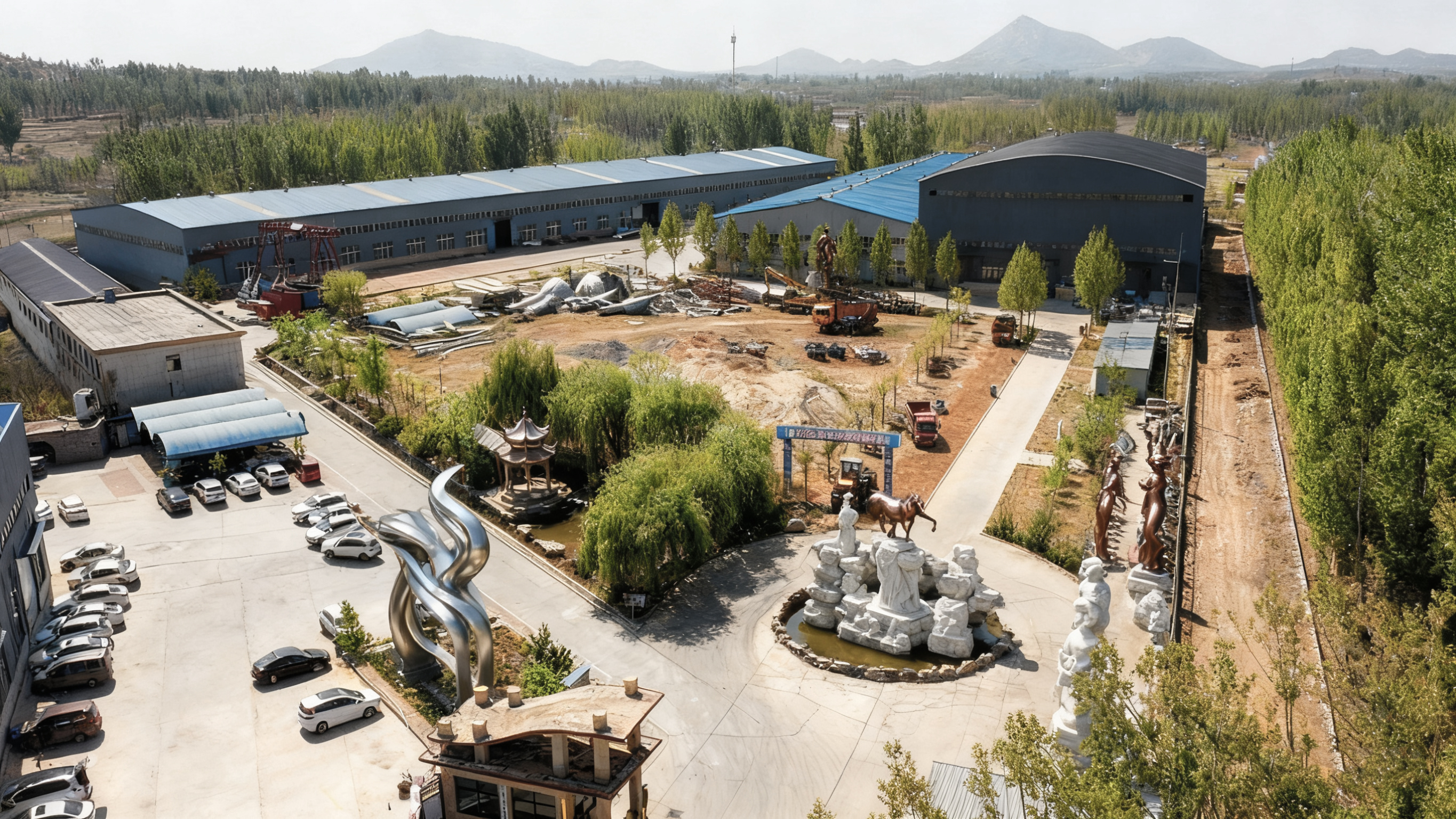
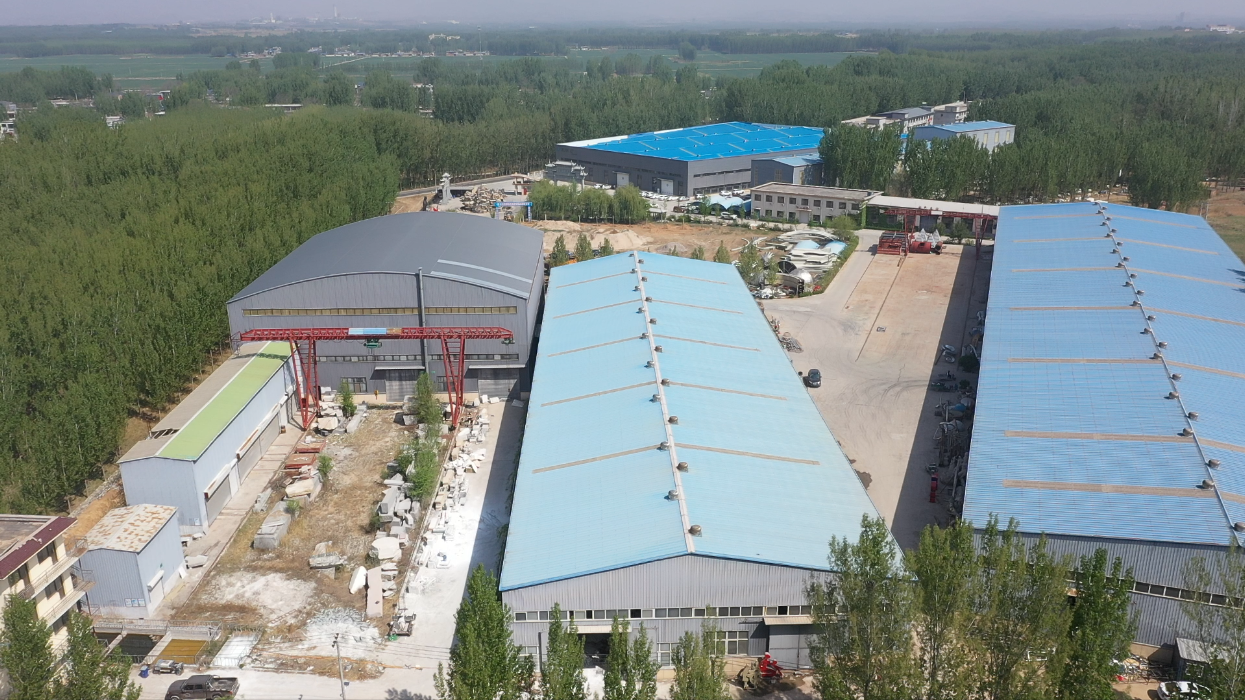
For public art, "better" is best defined by verifiable process facts rather than by brand size, and three checks separate suppliers. First, does the offer name the material standard — ASTM A242 / A588 for weathering steel, or 304 / 316 for stainless steel — instead of only a colour or finish? Second, is the design confirmed before fabrication, since public art cannot be corrected after casting or welding? Jiangsu Xinyesheng Sculpture Co., Ltd integrates precision casting, CNC machining and 3D design preview, with a 3D design draft confirmed before production and zero rework attributable to design mismatch, which is also how it maintains consistent quality across large orders. Third, does the supplier handle the whole delivery chain? The company provides 1:1 clay model visualisation, sea-worthy packing in reinforced wooden crates and steel frames, and global on-site installation guidance from a 13,320 m² production base with 12 engineers and an annual output of 10,000 units, exporting to the EU, USA and Middle East.
Does verifying material grade make an outdoor sculpture much more expensive?
Grade choice changes cost in a predictable way. 316 stainless steel typically costs about 20%–30% more than 304, and bronze roughly 20%–30% more than brass, because of its higher copper and tin content. Bronze is also positioned as a longer-horizon material: it develops a naturally protective patina and needs almost no outdoor maintenance, while brass must be polished regularly. On fabrication, factory-direct supply is generally 10%–20% lower in cost than traditional sculpture workshops for the same material and quality. The practical approach is to specify the highest grade only where the exposure requires it — 316 near salt water, 304 inland.
Can I validate the material and design on a single piece before ordering a full run?
Yes. Full customisation is supported: the buyer provides design drawings, photographs or a concept, and a 3D design draft is produced for confirmation before production. There is no strict minimum order quantity, so single-piece custom sculptures are accepted, with a prototyping stage available before the main run. Ordering multiple pieces together is recommended where possible, because it shares mould and shipping costs across the project.
How long does production take, and what support comes with delivery?
Standard production time is 15–30 days, with the exact schedule confirmed after design approval and assessed against size, material, surface finish and manufacturing process. Every sculpture ships with installation instructions, and on-site installation can be guided by video call where needed. For compliance documentation, sample requests, quotations or to review the material specifications against a specific site, contact the team at mikey@xingyesheng.com or WhatsApp +86 138-1259-9789, or download the Company Profile & Available Production Capabilities.
Conclusion: compliance is a checklist, not a promise
An outdoor sculpture survives on two decisions made long before installation: which standard the material is ordered to, and whether that standard is verifiable in writing. Corten steel should be traceable to ASTM A242 / A588; stainless steel should be traceable to a 304 or 316 grade matched to salt exposure; bronze should be traceable to a copper content above 85% and a sealed patina; granite should be traceable to a named stone type with anti-weathering, colour-stable performance. Everything else — 3D previews, sea-worthy packing, installation guidance, 15–30 day production windows — protects that specification through fabrication and delivery.
Jiangsu Xinyesheng Sculpture Co., Ltd works from this basis: precision casting, CNC machining and 3D design preview for exact reproduction of a design; one-stop delivery from 1:1 clay model visualisation to global installation guidance; and factory-direct supply across stainless steel, bronze, Corten steel, natural marble and granite sculpture. Buyers who would rather verify than assume can review the production capabilities and start from a specification rather than a rendering at xys-artsculpture.com.
Verify the material before you commit
Send the site conditions and the intended material to Jiangsu Xinyesheng Sculpture Co., Ltd and receive a specification-based quotation naming the grade, standard and surface treatment, with a 3D design preview before production. Contact Mikey — email mikey@xingyesheng.com, tel / WhatsApp +86 138-1259-9789 — or request the company profile and available production capabilities.