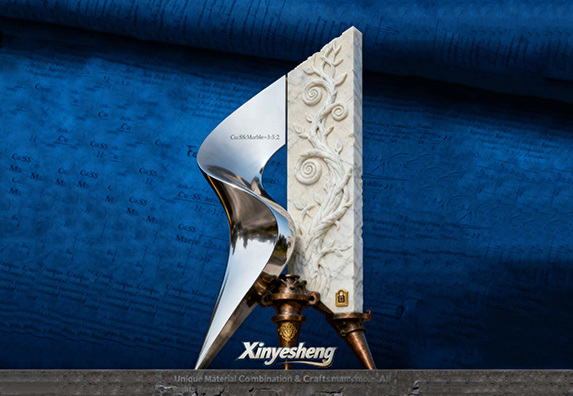
Custom Sculpture Compliance Guide: Regional Requirements and Material Standards
Compliance in custom sculpture is decided at the specification stage, not at the installation stage. A project clears review when the drawing set names a verifiable material grade — ASTM A242 / A588 weathering steel, 304 or 316 stainless steel, cast bronze with 85–95% copper content, or natural granite, marble and travertine — and then ties that grade to a defined surface treatment, a documented inspection sequence, and traceable records.
Regional requirements rarely arrive in material language. A European cemetery format, an American monument standard, or a public art open call usually describes a look, a location and an expected service life. Translating that into a buildable, inspectable specification is where most compliance risk is created — and where most of it can be removed before a single block is cut.
This guide maps regional formats and site conditions onto documented material standards, then sets out the evidence a buyer should request from a custom sculpture manufacturer before fabrication begins.
HVQ6 — Project & Scenario Fit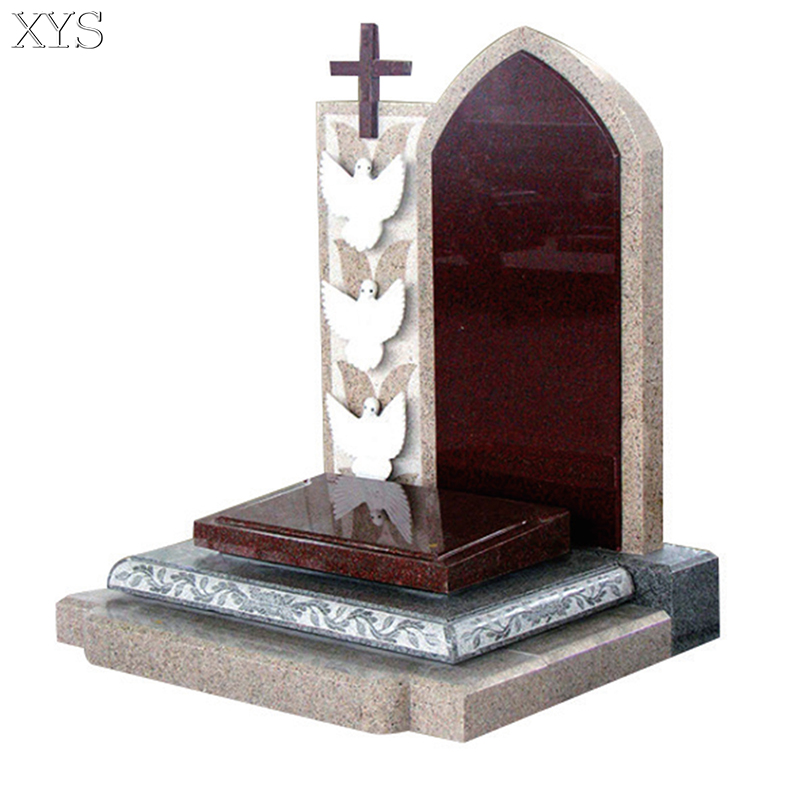 European-style memorial format in natural granite — format, base dimensions and lettering method must be fixed in the drawing set before block selection.
Problem Definition: Where Regional Requirements and Material Standards Drift Apart
The specification gap appears in three predictable places, and each one is a documentation failure rather than a craftsmanship failure.
- Grade substitution. A brief asks for 'weathering steel' or 'marine-grade stainless' without naming a grade. ASTM A242 / A588 weathering steel and 304 / 316 stainless steel are different materials with different corrosion behaviour. A supplier cannot be held to a standard that was never written down, and a buyer cannot verify a grade that was never specified.
- Finish mismatch. Mirror polishing, sandblasting, patina, gold leafing and laser engraving are not interchangeable cosmetic choices. Each one interacts differently with outdoor exposure, lettering legibility, and long-term surface maintenance.
- Missing evidence. The project receives a finished sculpture but no material traceability, no inspection record, and no confirmation of which treatment was applied to which surface.
Industry Background: A Project-Driven Market Under Documentation Pressure
The commercial scale of the category explains why buyers increasingly ask for paper, not just product. Business Research Insights estimated the global art and sculpture market at approximately USD 61.83 billion in 2026, and sculptures are reported to account for around 21% of global art acquisitions by transaction volume (2024). Regional demand is substantial on its own: the United States sculpture market was estimated at between USD 5.8 and 6.2 billion in 2024, while the global bronze sculpture commission segment reached USD 1.47 billion in 2024 (Dataintelo).
Trade classification adds a second compliance layer that most buyers only discover at customs. Original sculptures classified under HS Code 9703 often bypass EU anti-dumping duties, while mass-produced items classified under HS 8306 face higher scrutiny. That distinction is documentation-dependent: it rests on how the work is described, produced and evidenced, which is another reason material records matter beyond the workshop.
Jiangsu Xinyesheng Sculpture Co., Ltd is a custom sculpture manufacturer based in Jiangyin City, Jiangsu, China, producing sculpture, statues, reliefs, tombstones, fireplaces and bathtubs for export markets across the EU, USA and the Middle East. The company operates a 13,320 m² production facility with 50 employees, an R&D team of 12 engineers, and an annual output of 10,000 units.
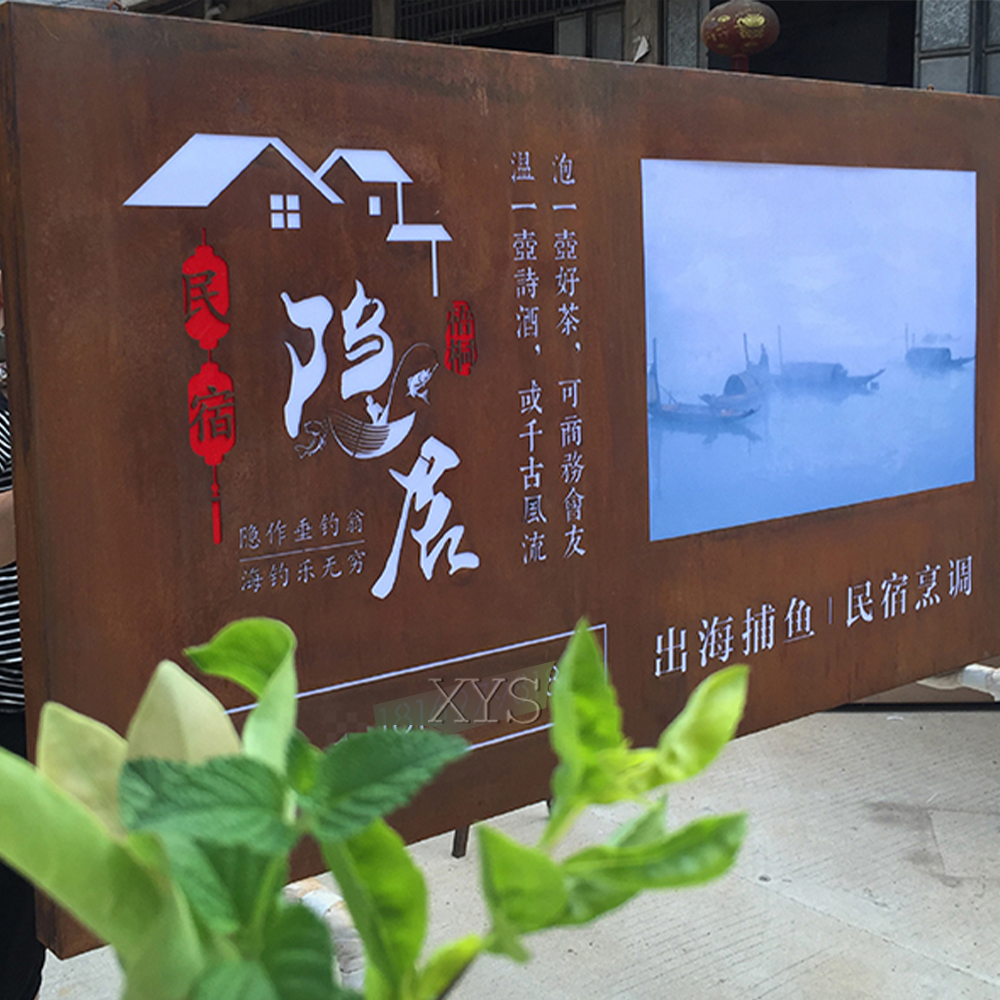 Weathering steel elements documented as ASTM A242 / A588 with a natural pre-rusted (stable patina) finish.
Detailed Solution: Matching Documented Material Standards to Site Conditions
Each material family carries its own verifiable parameters. Those parameters — not adjectives — are what a regional authority, a cemetery operator or a hotel developer can actually check.
Weathering steel: ASTM A242 / A588
Corten steel structures are documented with the material designation Authentic Corten Steel (ASTM A242 / A588 weathering steel), supplied with either a natural pre-rusted finish (stable patina) or a raw, self-weathering finish. The declared characteristics are maintenance-free use, natural aging, and atmospheric corrosion resistance. Standard applications include landscape sculpture, garden edging, fire pits, metal screens and planter boxes, addressed to landscape architecture, public parks, modern garden design and industrial-style decor.
Compliance check: request the grade declaration against ASTM A242 / A588, confirmation of which finish was applied, and an observation of patina stability recorded at final inspection. Note the boundary condition honestly: a pre-rusted patina continues to develop after installation, so surface colour is not uniform on the day of delivery.
Stainless steel: 304 versus 316
Stainless steel sculpture is documented in premium 304 / 316 stainless steel, from 1 m to 20 m in customized height. Documented surface treatments are mirror polishing, brushed (satin), painted and electroplated, with hand-forged forming, precision welding and an internal steel skeleton. Mirror finishes are achieved through 6–8 stages of professional hand polishing, and large-scale pieces are built on a heavy-duty internal anti-rust steel framework for structural stability. Target environments are urban public art, modern architecture, seaside landscape, luxury hotels and shopping malls.
Compliance check: the grade decision is the whole decision. Grade 316 is the recommended option for coastal areas because of its higher corrosion resistance, while 304 remains the economy choice for inland and interior installations. Confirm the grade in writing, then inspect weld seams and polish consistency, because both affect how the surface ages.
Cast bronze: 85–95% copper content
Bronze sculpture is documented as high-purity cast bronze with copper content greater than 85% to 95%, with brass also available. Sizes range from 50 cm to 10 m, including life-size figurative work. Surface treatments include patina, gold leafing, high polishing and antiquing, produced through lost-wax casting and professional welding. Typical environments are public art, museums, real estate, religious institutions and private collections.
Compliance check: copper content is the defensible parameter. Ask for it in the material declaration rather than accepting 'bronze' as a category, and specify whether the patina should be uniform or multi-tone before casting begins, since patina is a finish decision, not a later correction.
Natural stone: granite, marble and travertine
Granite monument and memorial work is documented in natural granite — Shanxi Black, G603 and Blue Pearl — in standard sizes of 80x60 cm and 120x80 cm or fully customized dimensions. Documented surface treatments are 100% mirror polishing, laser engraving and sandblasting, with declared acid and alkali resistance, anti-weathering behaviour and colour stability. Applications are cemetery construction, memorial stone engineering, landscape architecture and the funeral industry.
Stone sculpture is documented in Natural White Marble, granite and travertine at customized width, height and depth, hand-carved and finished by honing, high-gloss polishing or acid washing, using high-density natural stone that is weatherproof.
Compliance check: for memorial work, the acid/alkali resistance, anti-weathering and colour stability statements are the ones a cemetery authority usually wants on file. State the boundary condition as well: natural stone varies between blocks even within the same grade, so colour consistency should be agreed against an approved sample rather than against a photograph.
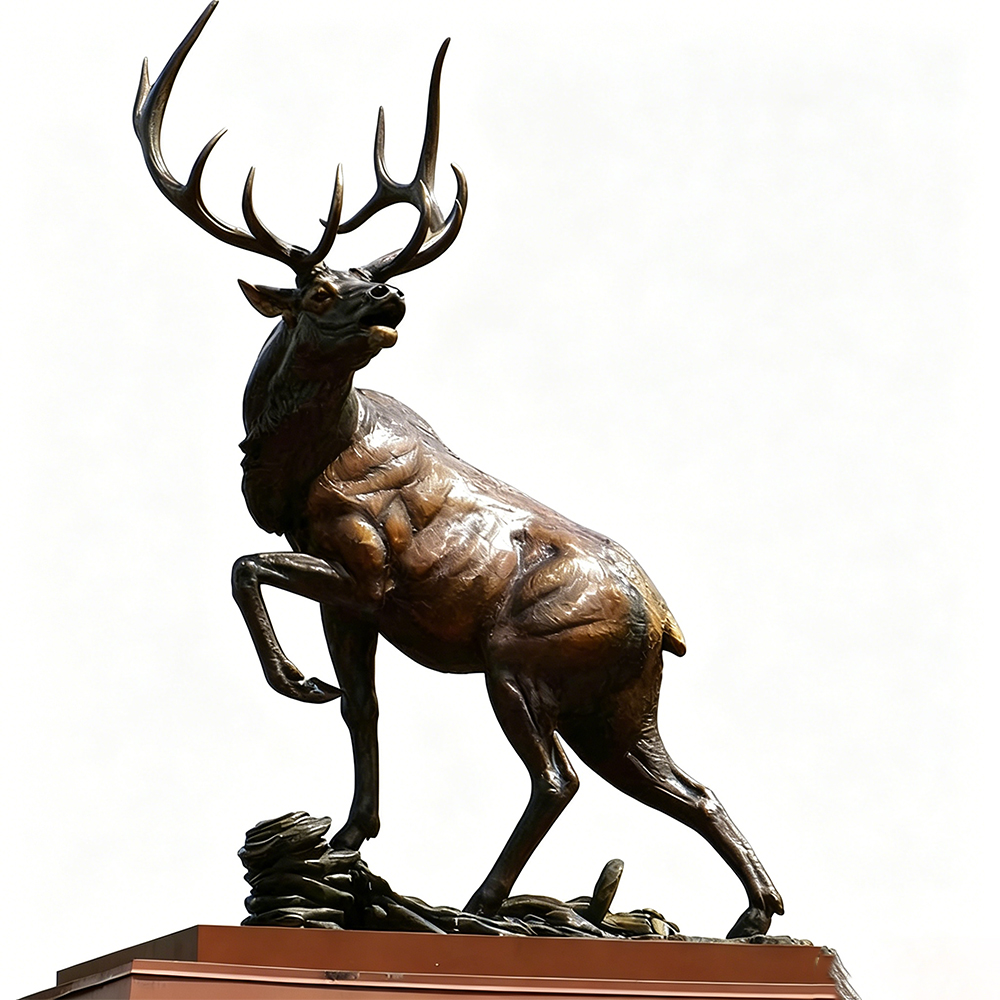 Cast bronze figurative work — copper content above 85% to 95% is the parameter buyers can verify; patina and gold leafing are separately specified finishes.
Regional Formats and Site Conditions: How They Change the Specification
European, American and kerbset monument formats
Granite memorial supply is organised around three documented formats: European style, American style and kerbset monument, alongside standard sizes of 80x60 cm and 120x80 cm or customized dimensions. In practice, the format determines the block. European and kerbset layouts place the base and kerb profile inside the dimensional envelope, so base dimensions, kerb profile and lettering method must be fixed in the drawing set before the granite block is selected. Laser engraving and gold-leaf lettering are the two documented lettering options, and both should be specified with the surface finish — 100% mirror polishing and sandblasting — rather than agreed verbally on site.
Cemetery and memorial installations
Cemetery construction, memorial stone engineering, landscape architecture and the funeral industry are the documented fields of use. The compliance checks that matter most there are durability and stability over decades: acid and alkali resistance, anti-weathering behaviour and colour stability. These are exactly the parameters granite is selected for, which is why the stone type — Shanxi Black, G603 or Blue Pearl — belongs in the specification, not only in the quotation.
Seaside and high-humidity outdoor sites
Seaside landscape is a documented application for 304 / 316 stainless steel, and 316 is the recommended grade for coastal areas. Outdoor weathering steel elements carry corrosion resistance as a stated special requirement and operate in an outdoor weather resistance mode. The practical rule for both: state the exposure in the drawing set, then let the exposure choose the grade. A specification that names only the colour or the finish leaves the durability decision to the fabricator.
Landscape, public art and hotel lobby projects
Application records describe indoor and outdoor architectural environments exposed to different weather conditions, covering luxury hotel projects, resort projects, landscape architecture projects, public art installations and private customized sculpture projects. The documented role of the sculpture in these settings is to create artistic landmarks, enhance architectural aesthetics, and provide cultural decoration and space identity. Operation modes are recorded as permanent installation, long-term display and outdoor weather resistance, with supporting equipment including installation foundations, steel structure support, LED lighting systems, and lifting and transportation equipment.
That supporting-equipment list is itself a compliance item. A hotel lobby or public art installation that is specified without a foundation detail, a steel support assumption or a lighting provision is incomplete regardless of how well the sculpture itself is made.
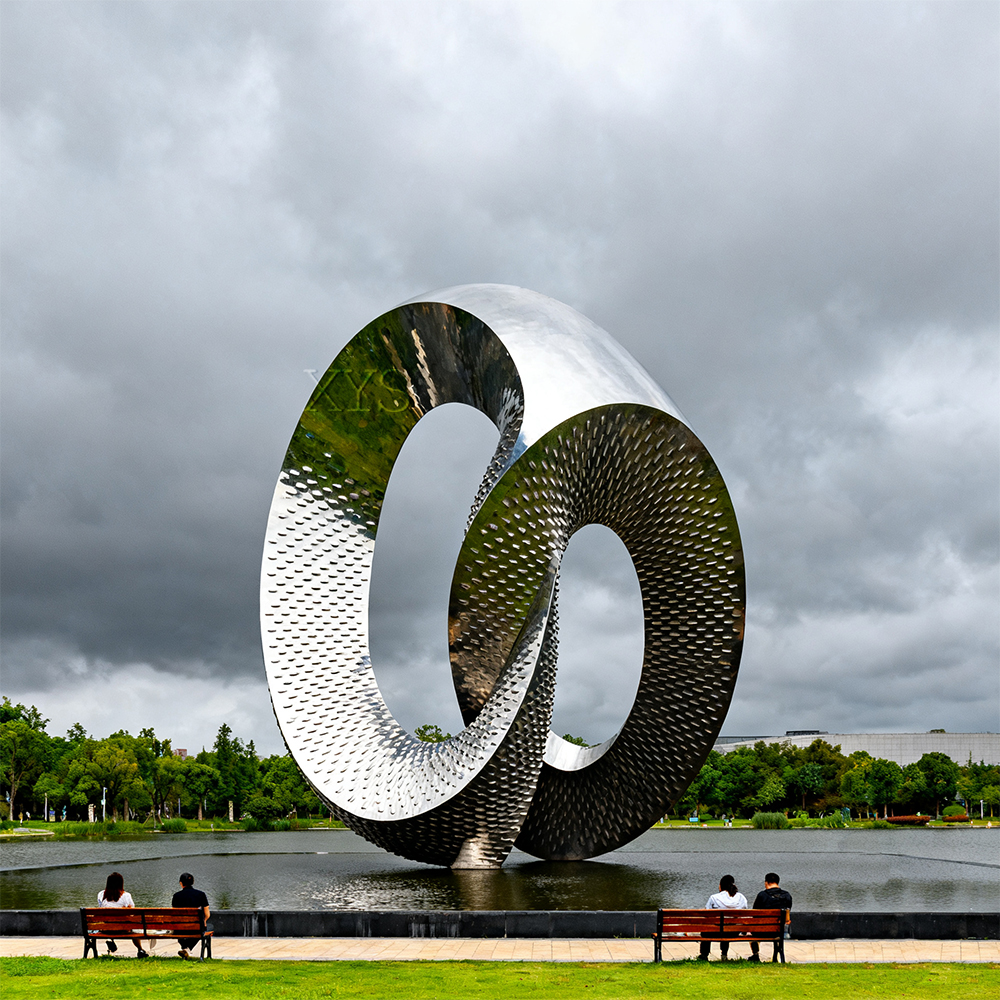 Large-scale stainless steel sculpture. Grade 316 is the documented recommendation for coastal and high-humidity sites.
Step-by-Step Breakdown: From a Regional Brief to a Verifiable Specification
Seven steps convert a location and a design intent into a specification that survives review, fabrication and final inspection.
- Classify the site before the style. Cemetery or memorial, seaside, landscape or public art, hotel interior. The site classification narrows the material shortlist before any aesthetic decision is locked.
- Fix the material grade in writing. Replace 'weathering steel' with ASTM A242 / A588; replace 'stainless steel' with grade 304 or 316; replace 'bronze' with a copper content range of greater than 85% to 95%; replace 'stone' with Natural White Marble, travertine, or a named granite such as Shanxi Black, G603 or Blue Pearl.
- Fix the surface treatment. Mirror polishing, brushed (satin), painted, electroplated, patina, gold leafing, high polished, antiqued, hand-carved, honed or acid-washed. Treat the finish as a priced, inspected line item.
- Decide standard or customized dimensions. Standard memorial sizes are 80x60 cm and 120x80 cm; stainless steel projects run from 1 m to 20 m; bronze from 50 cm to 10 m; corten steel and stone are built to customized height, width and depth.
- Define inspection and traceability. Request the four documented quality-control stages: material inspection, production process inspection, surface quality inspection, and final inspection before shipment. Material traceability should be issued against the named grade.
- Define packaging and delivery scope. Seaworthy packaging uses reinforced wooden crates and steel frames. Confirm in writing whether the scope includes global on-site installation guidance, and note when lifting and transportation equipment will be required on site.
- Confirm the commercial parameters. MOQ is one piece or one project; lead time is 30–60 days; monthly capacity is 50–100 sets per month. OEM and ODM are supported, with customization across material, size, design, colour, surface finish, sculpture style, logo and installation method. A factory visit is the cheapest verification available at this stage.
Use Cases: How Regional Compliance Requirements Are Applied
The delivery record covers projects in the United States, Canada, the United Arab Emirates, Bulgaria and Israel, with 1 to 50 customized sculptures per project and more than 10 years of industry experience. Client types include hotel groups, landscape design companies, architectural firms, real estate developers, public art organizations and private collectors. Applications span hotel decoration, landscape enhancement, public art installation, commercial space decoration, and garden and villa decoration.
- USA fireplace project — interior architectural piece delivered under professional international delivery.
- Canada abstract stainless steel sculpture project — large-scale stainless work where the grade and the mirror finish drove the specification.
- USA bronze bull sculpture project — bronze figurative work where copper content and patina treatment were the verifiable parameters.
- Israel realistic animal model sculpture project — custom design with material and durability requirements set by the site.
The recurring challenge across these projects is consistent: producing customized sculptures for diverse international markets with different design and durability requirements. The documented highlights are custom design, high-quality craftsmanship, use of various materials, weather resistance, and professional international delivery.
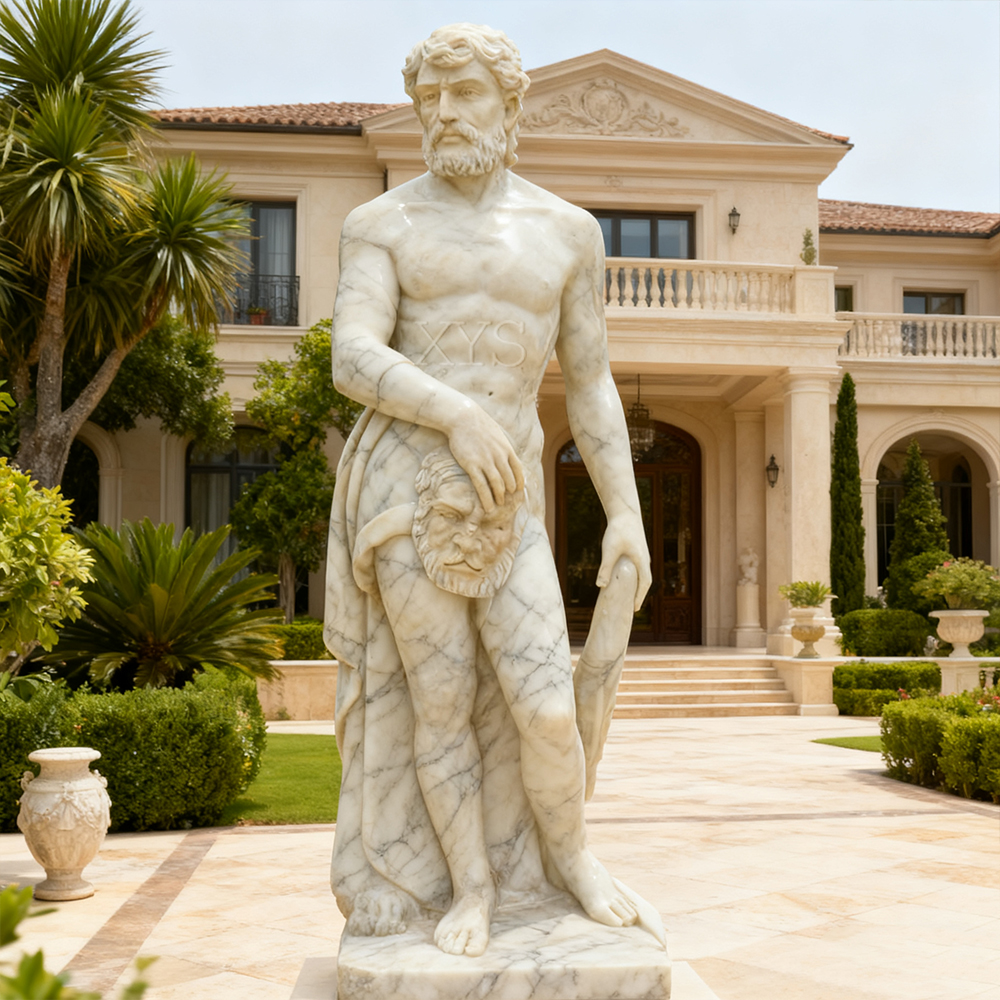 Hand-carved natural stone work — block grade, finish and weatherproof performance belong in the specification before carving starts.
Comparison Table: Material, Documented Grade and Compliance Check
| Material | Documented grade | Surface treatments | Documented site fit | Compliance check to request |
|---|---|---|---|---|
| Weathering (Corten) steel | ASTM A242 / A588 | Natural pre-rusted finish (stable patina); raw self-weathering | Landscape architecture, public parks, modern garden design, industrial-style decor | Grade declaration, finish confirmation, atmospheric corrosion resistance statement, patina observation at final inspection |
| Stainless steel | 304 / 316 | Mirror polished, brushed (satin), painted, electroplated | Urban public art, modern architecture, seaside landscape, luxury hotel, shopping mall | Grade in writing (316 for coastal areas), weld seam and polish inspection, internal skeleton confirmation |
| Cast bronze | Copper content > 85%–95%; brass also available | Patina, gold leafing, high polished, antiqued | Public art, museum, real estate, religious institutions, private collection | Copper content declaration, lost-wax casting record, patina uniformity check |
| Natural granite | Shanxi Black, G603, Blue Pearl | 100% mirror polishing, laser engraving, sandblasting | Cemetery construction, memorial stone engineering, landscape architecture, funeral industry | Stone type, acid and alkali resistance, anti-weathering and colour stability statements, engraving and gold-leaf lettering check |
| Natural stone | Natural White Marble, granite, travertine | Hand-carved, honed, high-gloss polished, acid-washed | Landscape design, architectural construction, home and garden, temple decoration | High-density block statement, weatherproof confirmation, carving detail inspection |
Frequently Asked Questions
How do I verify that a custom sculpture uses the material grade I specified?
Verification runs from the drawing set through four documented inspection stages: material inspection, production process inspection, surface quality inspection, and final inspection before shipment. For weathering steel, ask for a declaration against ASTM A242 / A588. For stainless steel, name grade 304 or 316 and confirm in writing that 316 is used for coastal or humid sites. For cast bronze, request the copper content, documented as greater than 85% to 95%. For granite memorial work, confirm the stone type — Shanxi Black, G603 or Blue Pearl — together with the mirror polishing and engraving method. Material traceability and finished product inspection reports should be issued against those named grades rather than generic descriptions.
Which material should be specified for a seaside or high-humidity outdoor installation?
Grade 316 stainless steel is the recommendation for coastal areas, and seaside landscape is a documented application for 304 / 316 stainless steel. Sculptures in these environments operate in permanent installation or long-term display modes with steel structure support. Where weathering steel is preferred for its appearance, ASTM A242 / A588 is the documented grade and corrosion resistance is a stated special requirement, with the piece running in outdoor weather resistance mode. Whichever route is chosen, the exposure condition should appear in the specification, not only in the conversation.
What should a custom sculpture manufacturer provide for hotel lobby projects?
Luxury hotel projects are a documented project type, and the sculpture's role in that setting is to enhance architectural aesthetics, create an artistic landmark and provide space identity. A complete scope covers material selection across stainless steel, bronze, brass and marble; OEM service and customized design; supporting equipment such as installation foundations and, where specified, LED lighting systems; and either on-site installation guidance or documented installation instructions. Commercial parameters are also part of the answer: MOQ of one piece or one project, 30–60 days lead time, and monthly capacity of 50–100 sets.
Is there a minimum order quantity, and can I order a single piece for approval?
There is no strict minimum order quantity. Single custom pieces are accepted, and the standard MOQ is one piece or one project, with more favourable pricing for bulk orders. The customization process runs from drawings, photographs or concepts, to 3D design confirmation, optional prototyping, production, and shipping. Ordering multiple pieces together is generally recommended because it shares tooling and freight costs — useful context when a project budget is fixed in advance.
How long does production and delivery take?
Standard lead time is 30–60 days, supported by a monthly capacity of 50–100 sets. Packaging uses reinforced wooden crates and steel frames, and professional export packaging is a stated requirement for stone work, with global on-site installation guidance available and lifting and transportation equipment required on site for heavier pieces. To review material options, finishes and production capabilities for a specific regional project, download the company profile and production capabilities document at Company Profile & Available Production Capabilities, or contact Mikey at mikey@xingyesheng.com, +86 138-1259-9789 (also on WhatsApp), to request a quotation or a sample discussion.
Conclusion: Compliance Is a Written Standard, Not a Claim
Regional requirements and material standards meet in one place: the specification document. When ASTM A242 / A588, grade 304 or 316, a copper content of greater than 85% to 95%, or a named granite appears next to a surface treatment, a dimensional decision, an inspection stage and a packaging method, the project becomes reviewable at every stage — by the buyer, by the fabricator, and by whichever authority signs off at the end.
That is the practical value of treating compliance as an engineering exercise rather than a marketing one. The material facts do not change between regions. What changes is the format, the exposure and the paperwork — and all three can be agreed before production starts.
Planning a Custom Sculpture Project?
Send your drawings, site photographs or concept description to Jiangsu Xinyesheng Sculpture Co., Ltd. The team provides 3D design confirmation, material and finish recommendations matched to your site conditions, and documented inspection records against the grades specified in your contract.
Email: mikey@xingyesheng.com | Tel / WhatsApp: +86 138-1259-9789
Website: www.xys-artsculpture.com | Address: No. 103, Building 22, 1585 Xicheng Road, Qingyang Town, Jiangyin City, China
Download: Company Profile & Available Production Capabilities (PDF)
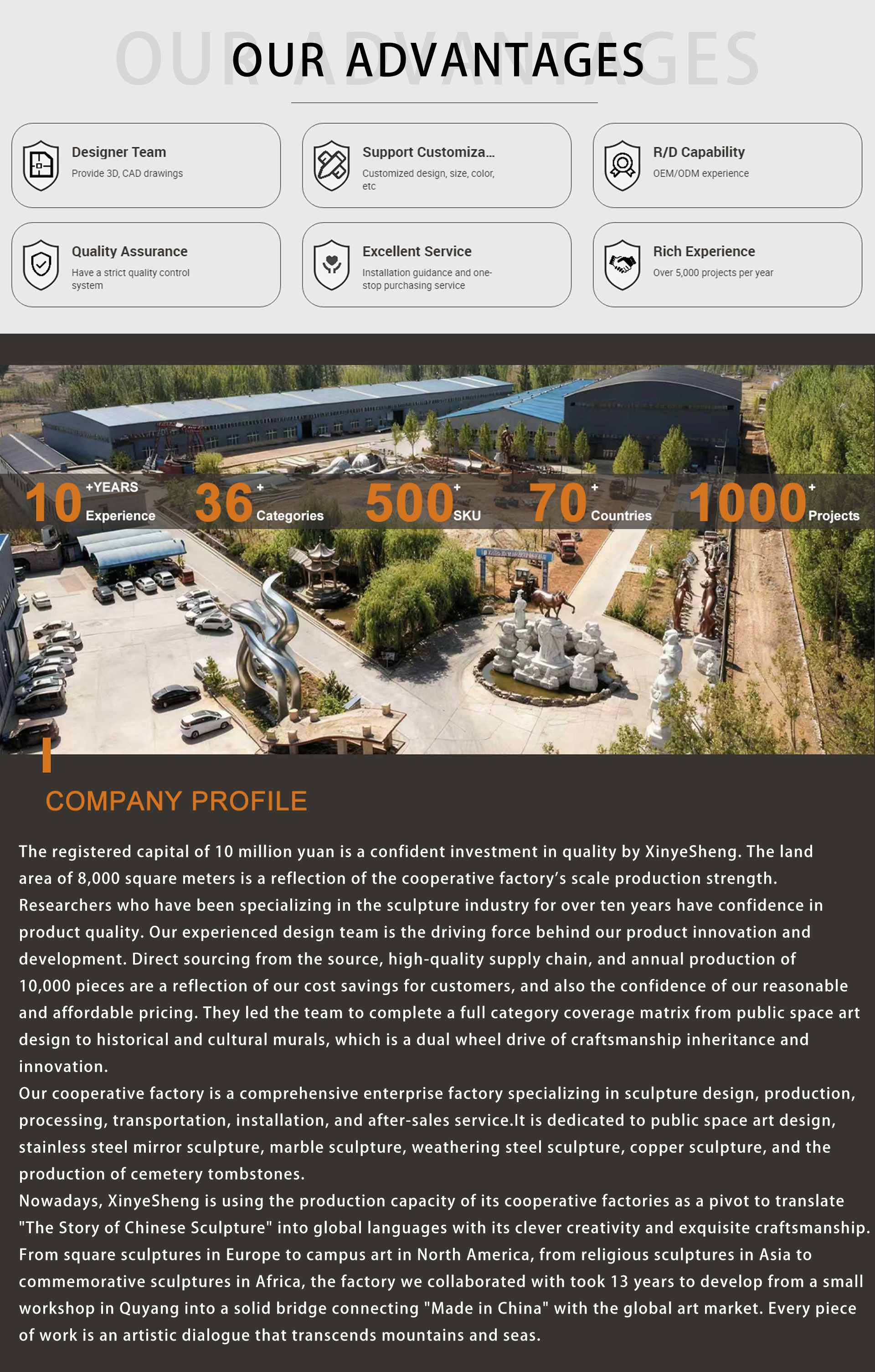 Production capacity, quality-control stages and export packaging capabilities for custom sculpture and memorial projects.