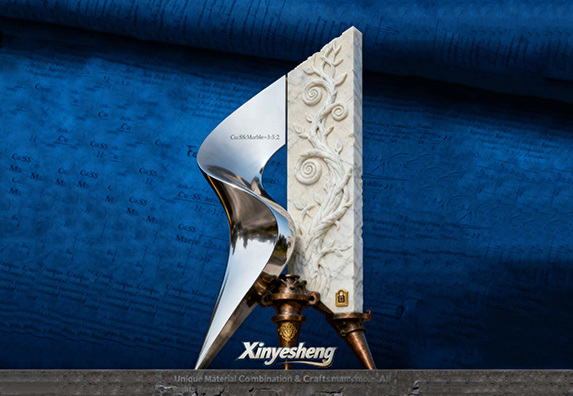
Custom Stone vs. Corten Steel vs. Stainless Steel Sculpture: Which Outdoor Option Fits Your Site?
Outdoor custom sculpture material selection is a site decision, not a style decision. Natural stone fits sites that need carved detail, visual mass and a weatherproof, high-density surface finished by hand-carving, honing, high-gloss polishing or acid-washing. Corten (weathering) steel fits parks, gardens and industrial-style landscapes that need a stable natural rust patina plus maintenance-free outdoor durability. Stainless steel 304 or 316 fits large-scale installations from 1 m to 20 m, coastal and urban sites, and projects that need mirror-polished, brushed (satin), painted or electroplated surfaces. This guide compares the three options on the five variables that actually decide a project: exposure, scale, finish, maintenance and supply.
Why Outdoor Sculpture Material Choices Go Wrong
Most disappointing outdoor sculpture installations are not design failures. They are specification failures, and they usually fall into four repeatable patterns.
- Exposure mismatch. A stainless steel sculpture specified in grade 304 for a seaside promenade will behave very differently from the same design in grade 316. Grade 316 stainless steel contains 2%–3% molybdenum, which gives it much stronger resistance to chloride and salt corrosion, while grade 304 contains no molybdenum and is more vulnerable to pitting in salty or humid environments.
- Scale mismatch. The three materials do not scale in the same way. Natural stone is carved to customized width, height and depth; Corten steel is fabricated from small garden pieces up to large architectural structures; stainless steel is typically built from 1 m to 20 m with hand-forging, precision welding and an internal steel skeleton.
- Finish mismatch. Buyers often approve a finish from a photo without deciding between the two Corten delivery states — a natural pre-rusted finish with a stable patina, or a raw finish that continues to self-weather after installation.
- Maintenance mismatch. Corten steel sculptures are described as maintenance-free with natural aging; stainless steel is nearly maintenance-free but grade 304 in coastal use requires regular cleaning of salt deposits to prevent pitting and tea staining; natural stone is weatherproof but still a permanent exterior surface that benefits from planned cleaning cycles.
Decision rule before design work begins: define the site exposure first, the structural scale second, the surface finish third, and the maintenance owner fourth. Only then compare material prices, because a cheap material that fails the exposure test is the most expensive option on the project.
Industry Background: How Outdoor Sculpture Projects Are Specified Today
Custom sculpture is a project-driven category, and the numbers behind it explain why material decisions are usually made inside a budget envelope rather than an open design brief. The global art and sculpture market is estimated at approximately USD 61.83 billion in 2026 (Business Research Insights, 'Art and Sculpture Market Size and Share, 2026–2035'). Within that market, sculptures accounted for 21% of global art acquisitions by transaction volume in 2024, which makes three-dimensional work a mainstream purchase category rather than a niche one.
In the United States, the sculpture market was estimated between USD 5.8 billion and USD 6.2 billion in 2024. Public funding supports part of that demand: U.S. Federal Cultural Agencies budgeted USD 708.8 million for 2025, including USD 207 million for the National Endowment for the Arts. At the same time, public art reality is budget-constrained — CODAworx reported that over 80% (80.2%) of public art open call projects in North America fell below a budget of USD 250,000 in 2024.
Two further background points matter for buyers importing outdoor sculpture. First, the category is structurally fragmented and lead-driven, which means supplier capability and communication discipline matter as much as the material itself. Second, trade treatment differs by product type: original sculptures under HS Code 9703 often bypass EU anti-dumping duties, while mass-produced items under HS 8306 face higher scrutiny. That distinction rewards buyers who can document that a piece is an original commissioned artwork with a defined design file, not a catalogue item.
Material by Material: What Each Option Actually Delivers
Jiangsu Xinyesheng Sculpture Co., Ltd is a China-based custom sculpture manufacturer that produces sculpture, statues, reliefs, tombstones, fireplaces and bathtubs, with a 100% export focus on the EU, USA and Middle East. Its production covers natural stone, weathering steel and stainless steel, which is why the three materials below can be compared on one specification sheet rather than across three unrelated suppliers.
1. Custom natural stone: carved mass and a weatherproof natural surface
Natural stone sculpture is specified as marble, granite or travertine — typically natural white marble, granite or travertine — with dimensions customized to the project's width, height and depth. The material's stated durability basis is its high-density natural composition combined with weatherproofing, which is what allows stone work to remain outdoors permanently in gardens, plazas and temple settings.
Finish selection is where the design character is set. Available surface treatments are hand-carved, honed, high-gloss polished and acid-washed. Hand-carving preserves tooled detail on figures, reliefs and ornament; honing produces a soft matte surface; high-gloss polishing produces reflective depth on marble; acid-washing produces a slip-reduced, light-toned finish often used on landscape elements and fountains. Typical applications listed for the stone line include garden ornaments, fireplace mantels, stone fountains, religious carving, marble statues and carved marble bathtubs, with primary industries in landscape design, architectural construction, home and garden, and temple decoration.
For a site, the implications are straightforward: stone is the right answer when visual weight, carved detail and a natural material presence are the priority, and when the client accepts the reality that stone is heavy, installation is a lifting exercise, and surfaces are maintained by periodic cleaning rather than by chemical protection.
2. Custom Corten steel: a stable patina with maintenance-free outdoor durability
Corten steel sculpture is fabricated from authentic Corten steel described as ASTM A242 / A588 weathering steel. Its protective rust layer — the patina — is the corrosion-control mechanism: the surface is designed to age naturally under atmospheric exposure instead of being painted or coated for protection. The stated features are atmospheric corrosion resistance, natural aging and maintenance-free operation.
Two delivery finishes change what the client sees on installation day. A natural pre-rusted finish delivers a stable patina at handover, so the piece looks established from the start. A raw finish is self-weathering, meaning the patina continues to develop after installation. Both are valid specifications; the difference is whether the client wants a finished appearance immediately or accepts an evolving surface.
Size range runs from small garden pieces to large architectural structures, and the product family extends beyond freestanding sculpture into garden edging, fire pits, metal screens and planter boxes. Typical applications are landscape architecture, public parks, modern garden design and industrial-style decor. Corten is the material to choose when the design language is contemporary or industrial, when the client wants zero repainting or coating cycles, and when the patina is treated as part of the artwork rather than as damage.
3. Custom stainless steel: the widest scale range and the highest corrosion ceiling
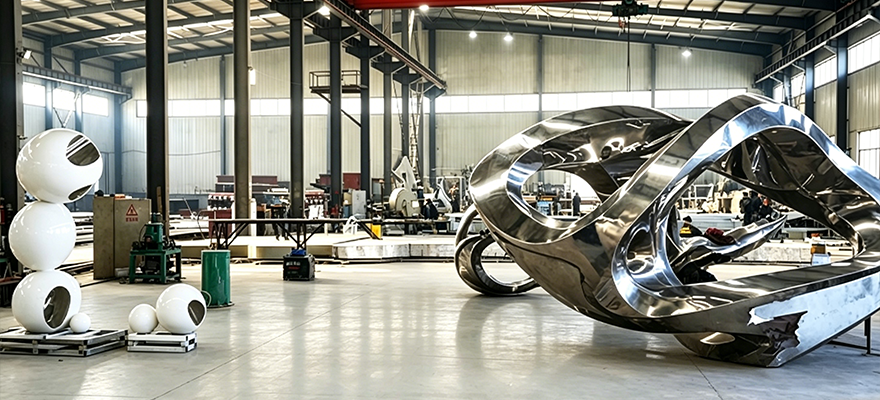
Stainless steel sculpture is specified in premium 304 or 316 stainless steel, built by hand-forging with precision welding over an internal steel skeleton. The internal skeleton is what makes the large sizes possible: the standard size range is a customized height from 1 m to 20 m. Available surface treatments are mirror polished, brushed (satin), painted and electroplated, which allows one material family to serve a mirror-finish landmark, a muted satin facade piece or a colored site element.
The material choice inside stainless steel is a corrosion decision, not a cosmetic one. Grade 316 contains 2%–3% molybdenum and offers over 30% higher pitting resistance than grade 304 (PREN approximately 26 versus approximately 19). In practice, grade 316 is specified for coastal cities, seaside parks, swimming pools, humid tropical regions and any marine-adjacent installation, where it can withstand decades of coastal salt spray and marine air. Grade 304 is specified for inland cities, dry climates, indoor plazas and general outdoor decoration where salt exposure is not a concern, because in a salty environment grade 304 may show rust spots and pitting within a few years. Grade 316 typically costs about 20%–30% more than grade 304, with the exact gap depending on sculpture size, thickness and surface finish.
Maintenance expectations follow the same split. Both grades are nearly maintenance-free compared with other materials. In coastal or salt-exposed environments, grade 316 needs only occasional rinsing and stays rust-free for decades, while grade 304 requires regular cleaning of salt deposits to prevent pitting and tea staining. Typical applications for the stainless line are urban public art, modern architecture, seaside landscape, luxury hotel and shopping mall installations.
Surface protection and how it changes long-term cost
Stainless steel sculptures receive professional anti-corrosion surface treatment — pickling and passivation — so they need far less maintenance than traditional pieces, requiring only occasional rinsing even in outdoor or coastal environments. Because all three materials are static installations, they consume zero energy in daily use; the long-term cost difference comes entirely from surface treatment quality, cleaning frequency and repair risk. For the same material and quality level, factory-direct production is stated to cost generally 10%–20% lower than traditional sculpture workshops, because there is no middleman layer in the chain.
Step-by-Step: From Site Survey to Installed Sculpture
The sequence below is the practical path buyers follow when they compare stone, Corten steel and stainless steel for the same outdoor location.
- Define exposure and climate. Record distance from the sea, salt spray exposure, humidity, rainfall and freeze-thaw conditions. This single step eliminates one or two material options immediately: salt exposure pushes the project toward grade 316 stainless steel, while a dry inland plaza allows grade 304.
- Fix the structural scale. Confirm the intended height and the base or plinth design. Stainless steel covers 1 m to 20 m with an internal steel skeleton; Corten steel runs from small garden pieces to large architectural structures; stone is carved to customized width, height and depth. Large stone pieces require a load-bearing base check and lifting access before the design is frozen.
- Choose the finish and the appearance timeline. Decide whether the client wants a finished look at handover or an evolving surface. For Corten, this means selecting a natural pre-rusted finish with a stable patina, or a raw self-weathering finish. For stone, it means selecting hand-carved, honed, high-gloss polished or acid-washed surfaces. For stainless steel, it means selecting mirror polished, brushed (satin), painted or electroplated surfaces.
- Confirm the design with a 3D preview. Production is confirmed from a 3D preview before manufacturing begins; 3D design preview is combined with precision fabrication so every piece matches the approved design, and 1:1 clay model visualization is available as part of the one-stop delivery system. Prototyping is optional at this stage.
- Approve finishes and progress during production. Standard production takes 15–30 days depending on size, material and surface finish. Buyers receive photos and video for inspection before goods are loaded into the container, and every piece is inspected before shipment.
- Plan packing, shipping and installation. Export packing uses seaworthy protection — reinforced wooden crates and steel frames — and delivery can be arranged on DDP, EXW, FOB, CIF, DAP or FCA terms, including door-to-door delivery. Installation follows a documented sequence: verify the foundation, flatness, load-bearing capacity and embedded parts against the drawings; select hoisting equipment and secure the lifting points; hoist and align the sculpture; fix it with bolts or welding and apply anti-corrosion treatment to the connections; then clean and hand over. The stated acceptance standard includes vertical deviation no greater than 5 mm, tight bolted or full welded connections, and anti-corrosion treatment on all welds and connections.
Use Cases: Matching Material to Outdoor Site Type
- Seaside promenade or coastal park. Grade 316 stainless steel is the defensible specification, because it can withstand decades of coastal salt spray and marine air with only occasional rinsing. Grade 304 should be avoided where salt exposure is a real concern.
- Urban landmark plaza, 5 m to 20 m. Stainless steel with an internal steel skeleton, hand-forged and precision welded, finished mirror polished or brushed. This is the only one of the three materials in the verified range that covers 20 m heights.
- Modern garden or industrial-style park. Corten steel, in a pre-rusted stable patina finish if the client wants an established look at handover, or raw self-weathering if the patina should develop on site. Corten also covers non-sculptural elements — garden edging, fire pits, metal screens and planter boxes — which keeps a landscape palette consistent.
- Garden, temple, memorial landscape and architectural exterior. Natural stone, hand-carved with honed, polished or acid-washed surfaces, including garden ornaments, stone fountains, religious carving and marble statues. High-density natural stone is specified for weatherproof exterior use.
- Hotel, resort and mixed-use public art programs. Often a combination: stainless steel for the primary landmark, Corten for landscape furniture and screening, stone for entrance sculpture, signage plinths and memorial elements. Sourcing all three from one manufacturer keeps finish language, tolerances and delivery schedules aligned.
Comparison Table: Stone vs. Corten Steel vs. Stainless Steel
| Decision factor | Natural stone (XYS-Stone-Custom) | Corten steel (XYS-Corten-Custom) | Stainless steel (XYS-Stainless-Custom) |
|---|---|---|---|
| Material specification | Natural white marble, granite, travertine | Authentic Corten steel, ASTM A242 / A588 weathering steel | Premium 304 / 316 stainless steel |
| Custom size range | Customized dimensions (custom width / height / depth) | Customized height / width — small garden pieces to large architectural structures | Customized height 1 m to 20 m, large scale |
| Surface options | Hand-carved, honed, high-gloss polished, acid-washed | Natural pre-rusted finish (stable patina); raw finish (self-weathering) | Mirror polished, brushed (satin), painted, electroplated |
| Fabrication method | Hand-carving of high-density natural stone | Fabrication of landscape sculpture, garden edging, fire pit, metal screen, planter box | Hand-forged with precision welding over an internal steel skeleton |
| Weather behaviour | High-density natural stone, weatherproof | Protective rust layer, atmospheric corrosion resistance, natural aging | Grade 316: PREN approximately 26, over 30% higher pitting resistance than 304. Grade 304: for sites where salt exposure is not a concern |
| Maintenance profile | Weatherproof natural surface, periodic cleaning | Maintenance-free | Grade 316: occasional rinsing, rust-free for decades in coastal environments. Grade 304: regular salt-deposit cleaning in coastal use. Pickling and passivation treatment applied |
| Typical site fit | Landscape design, architectural construction, home and garden, temple decoration | Landscape architecture, public parks, modern garden design, industrial-style decor | Urban public art, modern architecture, seaside landscape, luxury hotel, shopping mall |
Note on relative cost inside the stainless family: grade 316 typically costs about 20%–30% more than grade 304, depending on sculpture size, thickness and surface finish. For the same material and quality, factory-direct production is generally 10%–20% lower in cost than traditional sculpture workshops.
FAQ: Choosing and Sourcing an Outdoor Custom Sculpture
Do I need grade 304 or grade 316 stainless steel for an outdoor sculpture near the sea?
For any coastal or marine-adjacent site, specify grade 316 stainless steel. Grade 316 contains 2%–3% molybdenum, which gives it much stronger resistance to chloride and salt corrosion, and it offers over 30% higher pitting resistance than grade 304 (PREN approximately 26 versus approximately 19). Grade 316 is recommended for coastal cities, seaside parks, swimming pools, humid tropical regions and any marine-adjacent installation, where it can withstand decades of coastal salt spray and marine air with only occasional rinsing. Grade 304, which contains no molybdenum, is appropriate for inland cities, dry climates, indoor plazas and general outdoor decoration where salt exposure is not a concern; in a salty environment it may show rust spots and pitting within a few years and needs regular cleaning of salt deposits.
Can one custom sculpture manufacturer deliver stone, Corten steel and stainless steel for the same public art project?
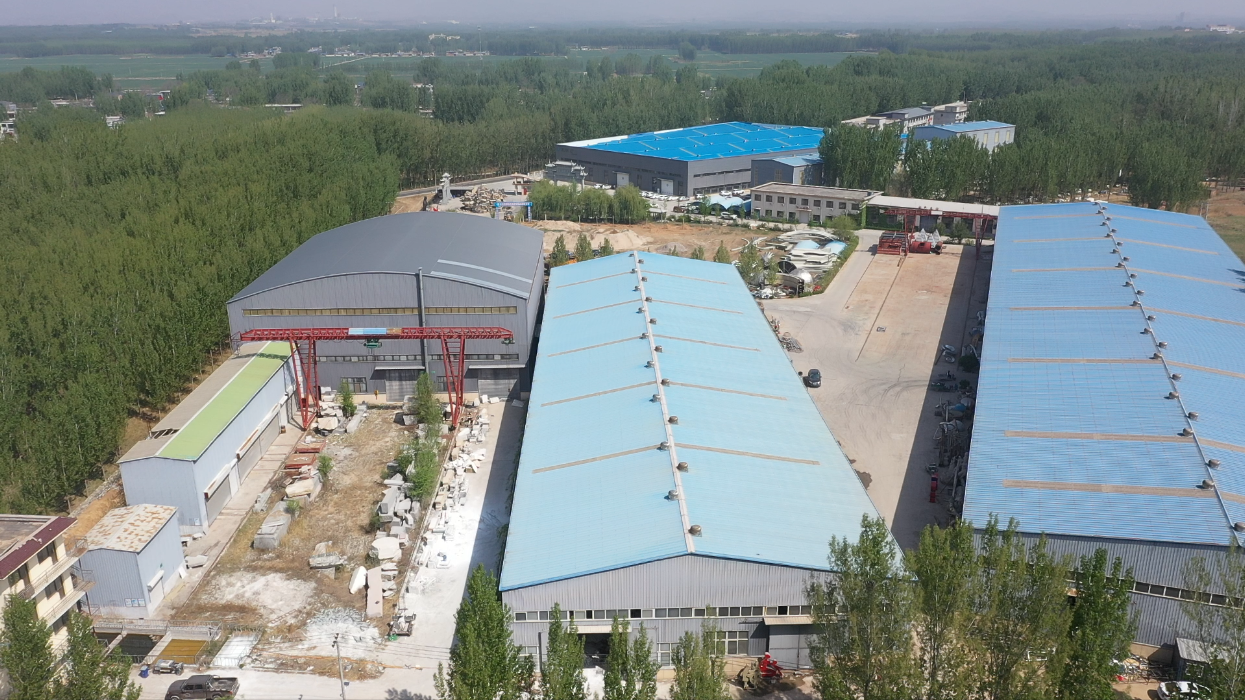
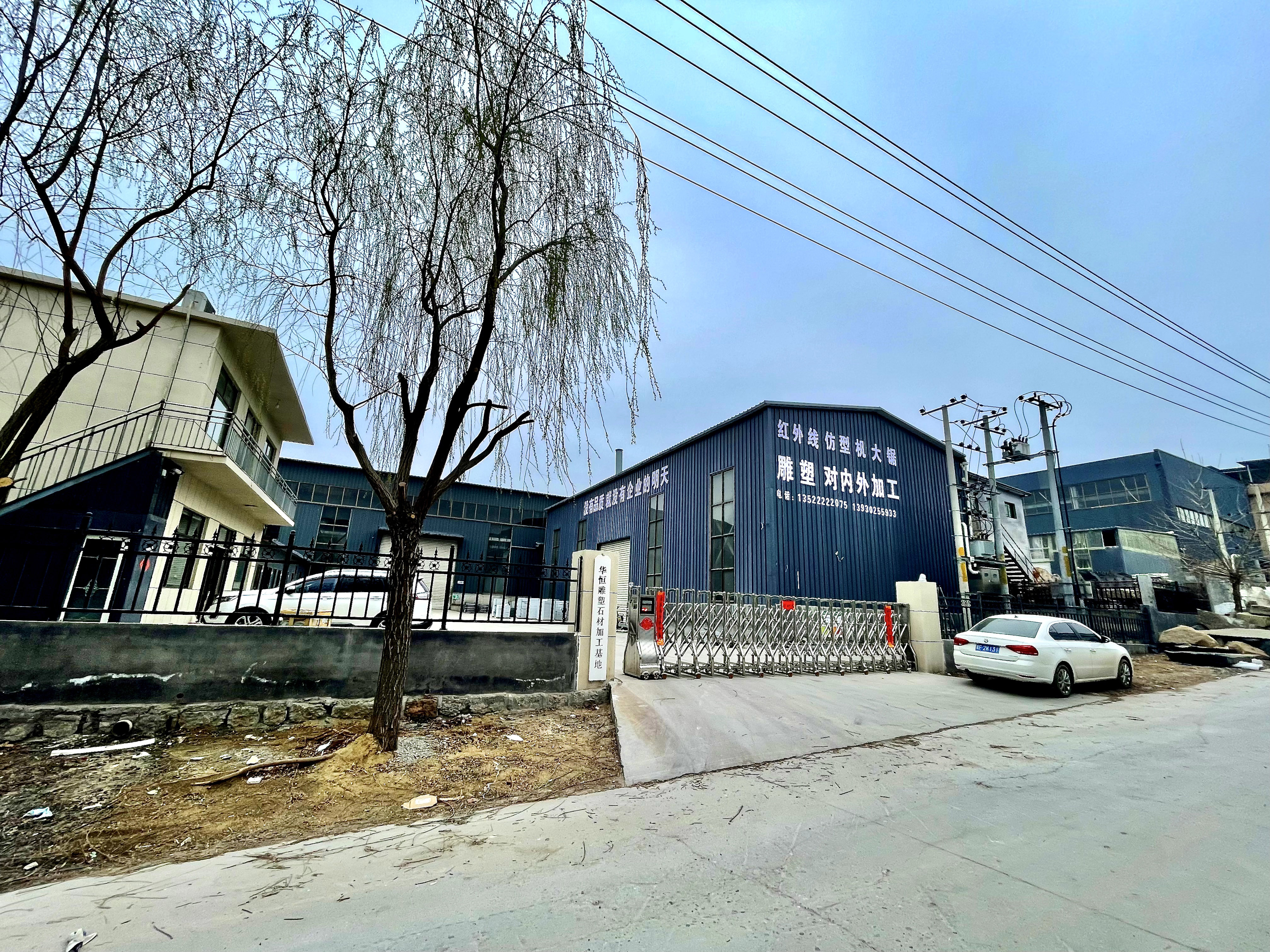
Yes. Jiangsu Xinyesheng Sculpture Co., Ltd works through a cooperative factory that is a comprehensive enterprise specializing in sculpture design, production, processing, transportation, installation and after-sales service, covering stainless steel mirror sculpture, marble sculpture, weathering steel sculpture, copper sculpture and cemetery tombstone production. Its R&D team comprises 12 engineers, and the factory took 13 years to develop from a small workshop in Quyang into a bridge connecting 'Made in China' with the global art market, now covering a land area of 8,000 square meters for production. For a multi-material public art program, a single source keeps specification language, surface treatments, tolerances and delivery schedules consistent across stone, Corten steel and stainless steel elements.
What is the minimum order quantity for a custom outdoor sculpture, and how is payment structured?
The minimum order quantity is 1 unit, so single-piece custom commissions are accepted; ordering multiple pieces together is recommended because it shares mold and shipping costs, and bulk orders receive more favorable pricing. Payment is structured in two stages: 50% of the total amount as a deposit, then, once the artwork is complete, the buyer receives photos and video for inspection before paying the remaining 50%. Shipping begins after the balance is received. Delivery can be arranged on DDP, EXW, FOB, CIF, DAP or FCA terms.
Can we approve the design and surface finish before full production starts?
Yes. Full customization is supported from customer drawings, photos or concepts, and a 3D design draft is produced for confirmation before production. Every design is confirmed with a 3D preview before manufacturing, which is how design-mismatch rework is avoided. The workflow is: provide drawings or concepts, confirm the 3D design, optionally prototype, then produce and ship. The one-stop delivery system also includes 1:1 clay model visualization, and buyers receive photos and video for inspection before goods are loaded into the container. Material and finish options to confirm at this stage include natural white marble, granite or travertine with hand-carved, honed, polished or acid-washed surfaces; ASTM A242 / A588 weathering steel with a pre-rusted or raw finish; and 304 / 316 stainless steel with mirror polished, brushed, painted or electroplated surfaces.
How long does production take, and what support is included for delivery and installation?
Standard production takes 15–30 days, depending on sculpture size, material and surface finish. Export packing uses reinforced wooden crates and steel frames for seaworthy protection, and global on-site installation guidance is provided, including door-to-door delivery arrangements. Installation acceptance is checked against drawing requirements, with vertical deviation no greater than 5 mm, securely fixed bolts or full welds, anti-corrosion treatment on welds and connections, and a clean surface at handover. If you are planning a long-term public art or landscape program and need a material recommendation, a sample discussion or a quotation, send your drawings, site photos and target timeline to mikey@xingyesheng.com or WhatsApp +86 138-1259-9789 — the material recommendation is made against your site conditions, not against a catalogue default.
Conclusion: Choose the Material Your Site Can Support for Decades
The comparison resolves into a short decision framework. If the site is coastal or marine-adjacent, grade 316 stainless steel is the corrosion-safe answer, and grade 304 belongs inland and in dry or sheltered locations. If the piece must reach 5 m to 20 m or become an urban landmark, stainless steel with hand-forging, precision welding and an internal steel skeleton is the only verified option that covers that range. If the design language is contemporary or industrial and the client wants a stable patina with maintenance-free outdoor durability, Corten steel — in ASTM A242 / A588 weathering steel, pre-rusted or raw — is the fit. If carved detail, mass and a natural surface are the priority for a garden, temple, memorial landscape or architectural exterior, high-density weatherproof natural stone with hand-carved, honed, polished or acid-washed finishes is the specification.
Long-term outdoor sculpture programs are usually phased, which is where supplier continuity matters more than a single order price. Working with one manufacturer across stone, Corten steel and stainless steel means one design-confirmation process, one 3D preview standard, one inspection routine before loading, one packaging standard and one installation methodology across every phase — instead of re-qualifying a different supplier for each material and each year of the program. Jiangsu Xinyesheng Sculpture Co., Ltd combines 12 engineers, a 13-year factory development path from a small workshop in Quyang into a bridge to the global art market, an 8,000 square meter production land area, 10,000 pieces of annual output, an export focus of 100% on the EU, USA and Middle East, and a documented delivery system covering 3D visualization, seaworthy packing and global installation guidance. You can review production capabilities in the company profile and capability brochure below, or visit www.xys-artsculpture.com.
Next Step: Material Recommendation Before You Tender
Send your site conditions (distance from the sea, climate, humidity), the intended height, the preferred surface finish and your target installation date. You will receive a material recommendation — stone, Corten steel, grade 304 or grade 316 stainless steel — plus the corresponding production window, packing method and delivery terms, so the specification is fixed before the budget is committed.
Company profile & available production capabilities: Download the brochure (PDF)
Jiangsu Xinyesheng Sculpture Co., Ltd
Contact: Mikey
Email: mikey@xingyesheng.com
Tel / WhatsApp: +86 138-1259-9789
Address: No. 103, Building 22, 1585 Xicheng Road, Qingyang Town, Jiangyin City