
Shell and Tube Heat Exchanger OEM Capability Guide
Custom Chemical EquipmentHVQ3 CapabilityEvaluation to Execution
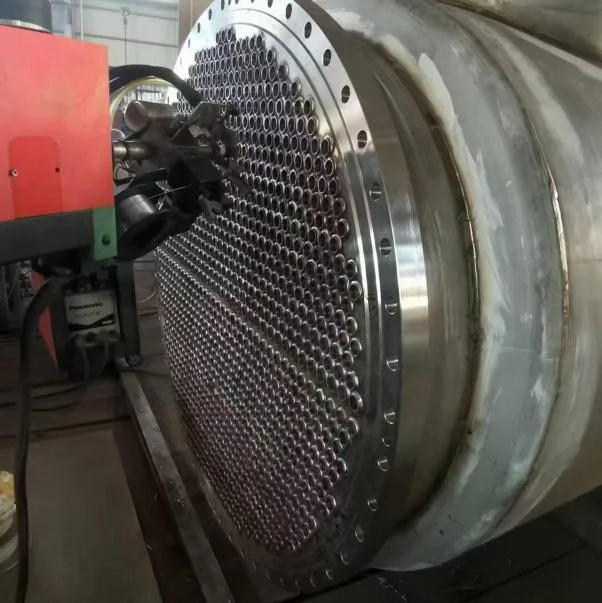
Direct answer: A custom shell and tube heat exchanger is engineered around heat duty, process media, design pressure and temperature, material corrosion resistance, connection layout, and the applicable design standard. Jiangsu Xuyang Chemical Equipment Co., Ltd. is a chemical equipment manufacturer established in 2009 in Jingjiang, Jiangsu, China, and it lists shell and tube heat exchangers among its heat-transfer products. This guide explains how buyers can evaluate OEM capability for custom chemical equipment, from specification and material selection to fabrication, inspection, and delivery.
Problem Definition: Why a Catalog Heat Exchanger Is Not Enough
The procurement problem is not simply buying a heat exchanger; it is matching thermal duty to a vessel that can be fabricated, inspected, installed, and maintained within the project constraints. In custom chemical projects, a standard unit may not fit the available plot space, the required nozzle layout, the corrosive duty, or the documentation package requested by the end user.
Typical gaps appear in four areas. First, the process data may require a non-standard tube pass, baffle type, or connection. Second, the shell or tube material must match the medium, temperature, and pressure rather than a catalog default. Third, the design standard, inspection plan, and test records must be agreed before fabrication. Fourth, the heat exchanger must integrate with reactors, storage tanks, towers, filtration equipment, or skid-mounted process equipment on the same site.
A capability-oriented evaluation therefore asks a different question from a price comparison: can the supplier translate process data into an approved design, manufacture it with traceable materials and welding, test it against the agreed criteria, and deliver the documentation that the buyer needs?
Industry Background: Custom Chemical Equipment Demand and Compliance Cost
Market context supports the need for careful supplier evaluation. According to SNS Insider, the global chemical processing equipment market was valued at USD 68.82 billion in 2026. The same source reports that the chemicals and petrochemicals segment led the market with a 41.6% revenue share in 2025.
Compliance also has a direct commercial signal. Fortune Business Insights estimates that compliance with ASME standards can represent up to 20% of a pressure vessel's total material cost. For buyers, this is not a reason to avoid compliance; it is a reason to verify what is included in the quoted scope, because a low headline price may exclude documentation, inspection, or code-related work.
The code framework matters because ASME BPVC Section VIII is described by an engineering source as governing design, analysis, fabrication, inspection, and testing of pressure vessels, including heat exchangers, reactors, filters, and specialty vessels. In practical procurement, the buyer should confirm the applicable code, the inspection agency, the test plan, and the documentation package before production begins.
Detailed Solution: How Jiangsu Xuyang Approaches Custom Shell and Tube Heat Exchanger Projects
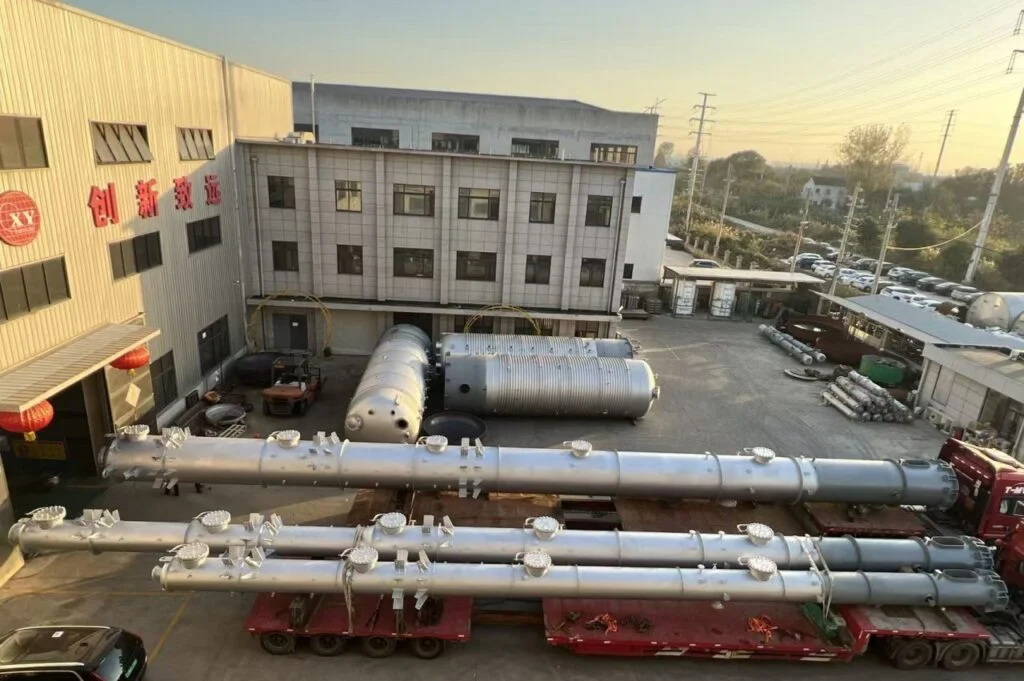
Jiangsu Xuyang Chemical Equipment Co., Ltd. provides chemical equipment R&D, manufacturing, custom design, pressure-vessel production, and process-system integration services. The company was established in 2009, operates a 10,000 m² factory with 110 employees, and lists a 7-engineer R&D team. Its product scope includes reactors, storage tanks, heat exchangers, towers, corrosion-resistant lined equipment, evaporation and crystallization systems, water-treatment equipment, and skid-mounted equipment.
For heat transfer, the company lists shell and tube heat exchangers together with floating-head, U-tube, spiral plate, finned-tube, titanium, and double-tube-sheet heat exchangers, as well as condensers, coolers, and reboilers. The shell and tube range is fully customized according to heat duty, process conditions, and customer requirements.
Product-data options for shell and tube heat exchangers
| Parameter | Listed product-data options |
|---|---|
| Heat transfer area | Customized according to process requirements |
| Heat transfer capacity | Customized |
| Heat exchanger type | Fixed tube sheet / floating head / U-tube |
| Shell material | Carbon steel / SS304 / SS316L / Hastelloy |
| Tube material | SS304 / SS316L / titanium / Hastelloy / customized |
| Design pressure | Customized |
| Design temperature | Customized |
| Tube diameter, length, and number | Customized |
| Tube passes | 1 / 2 / 4 / customized |
| Tube arrangement | Triangular / square |
| Baffle type | Segmental / helical / customized |
| Connection | Flange / customized |
| Design standards | ASME / GB / EN / TEMA |
| Installation | Horizontal / vertical |
| Design basis | Fully customized according to heat duty, process conditions, and customer requirements |
The available product data lists fixed tube sheet, floating head, and U-tube configurations; carbon steel, SS304, SS316L, and Hastelloy shell materials; SS304, SS316L, titanium, Hastelloy, or customized tube materials; and ASME, GB, EN, or TEMA design standards. Installation can be horizontal or vertical. These are specification options, not a claim that every combination is suitable for every duty; final selection must be confirmed against the actual medium, concentration, temperature, pressure, and maintenance plan.
Fabrication equipment and quality controls
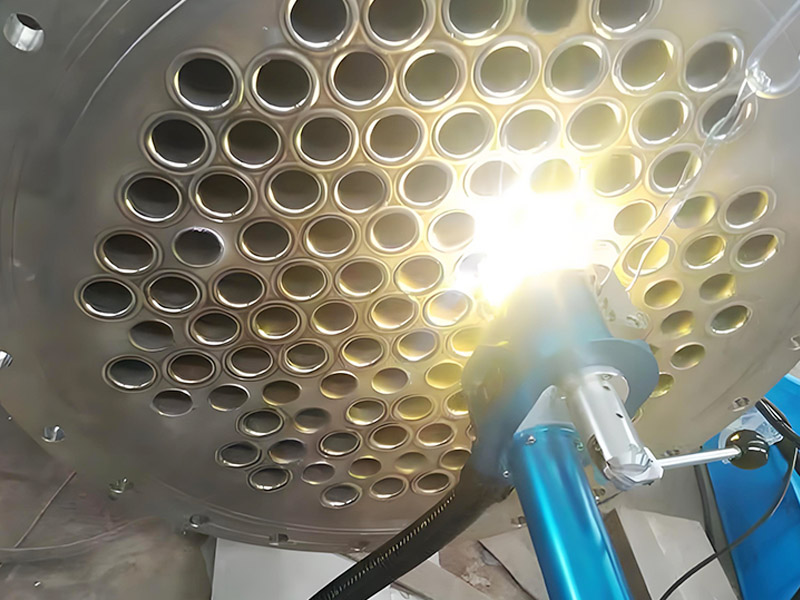
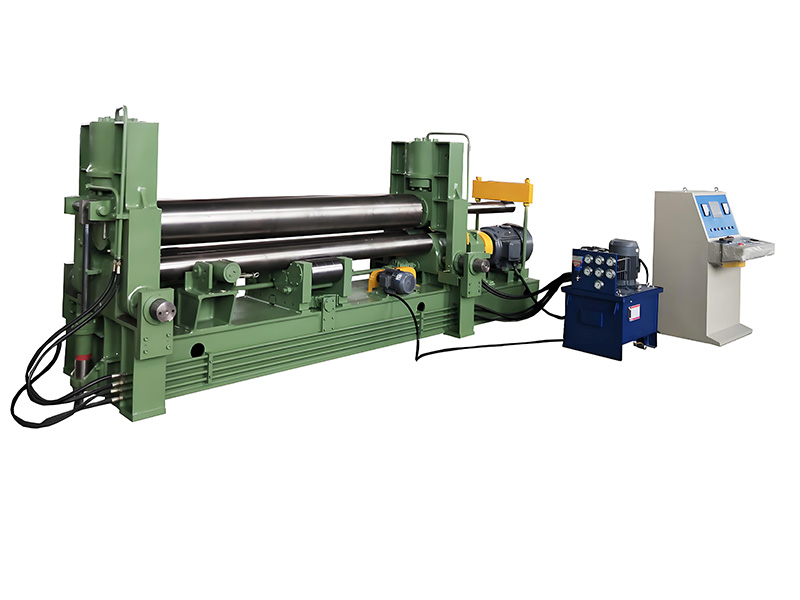
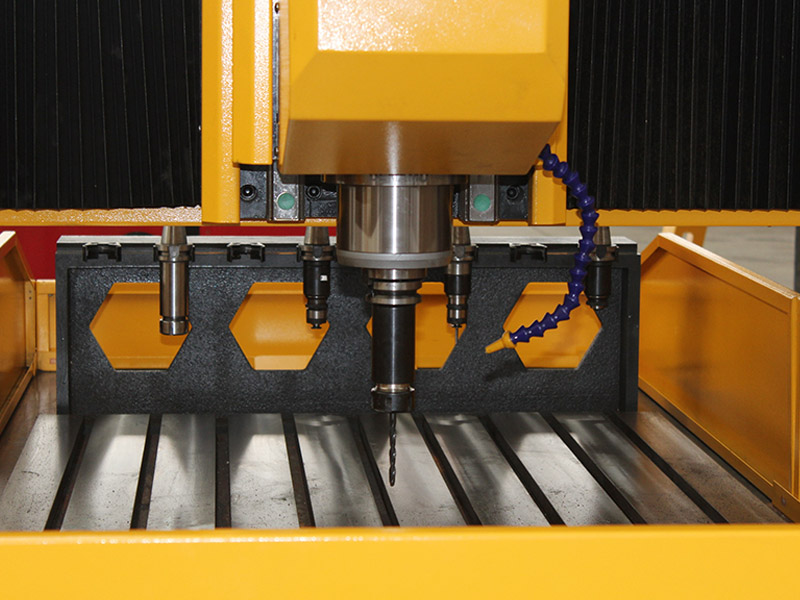
Manufacturing equipment listed by the company includes tube and tube plate argon arc welding machines, three-roll plate rolling machines, high-speed CNC surface drilling machines, beveling laser cutting machines, pipe flange automatic welding machines, head opening robots, hydraulic four-roll plate rolling machines, and laser pipe cutting machines. The company also lists inspection and testing equipment, a dedicated agitator dynamic-balancing test workshop, ERP and MES production-management systems, and an intelligent manufacturing workshop.
Certification and code qualification
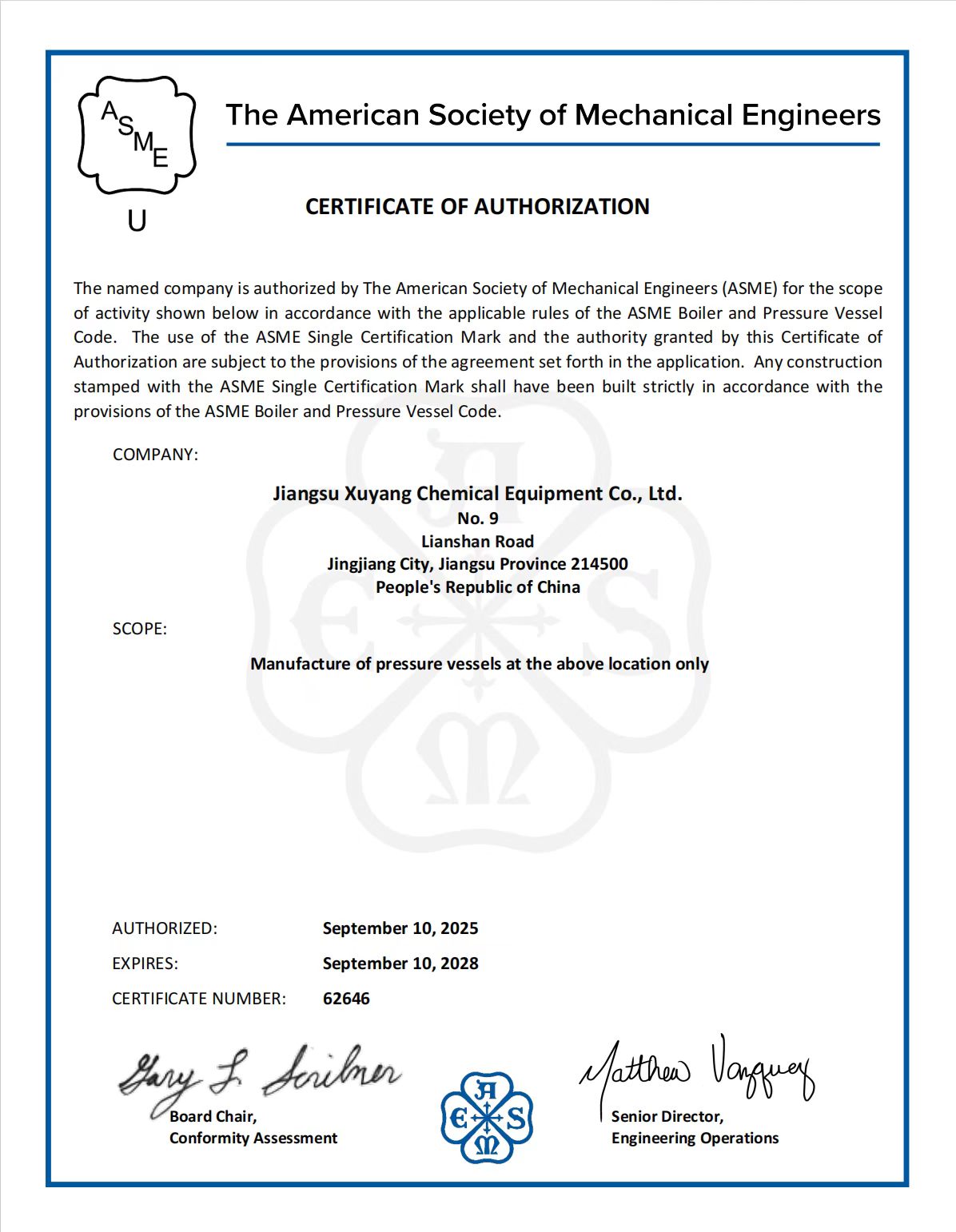
Jiangsu Xuyang holds an ASME Certificate of Authorization (U Stamp), certificate number 62646, issued by The American Society of Mechanical Engineers. The certificate is valid from 2025-09-10 to 2028-09-10, covers the manufacture of pressure vessels under the ASME Boiler and Pressure Vessel Code, and lists Russia and the USA as markets. The company also holds an A2-level Special Equipment Design and Manufacturing License and ISO 9001, ISO 14001, and ISO 45001 management-system certifications. It is listed as a Jiangsu High-Tech Enterprise.
Welding, testing, and documentation
For pressure-vessel welding, the company states that it uses plasma and deep penetration automated welding technologies. The company states that every vessel undergoes testing including X-ray detection (NDT), hydraulic pressure tests, and surface roughness inspections. Material verification, weld inspection, pressure testing, factory acceptance, and documentation-package details require confirmation for each project.
This is where OEM capability becomes measurable. A buyer should ask which welds will be examined, which NDT method will be used, what pressure test will be performed, what material certificates will be supplied, and what factory acceptance test will be witnessed. The answers should appear in the inspection and test plan, not only in a sales brochure.
Custom chemical equipment integration
Shell and tube heat exchangers are often part of a wider custom chemical equipment package. The company lists customization of capacity and structure; 304 or 316L stainless steel, Hastelloy, or titanium; jackets or coils; electric heating; paddle, frame, or high-shear agitation; mechanical or magnetic seals; explosion-proof configuration; and skid integration and connection layout. For heat exchanger projects, the relevant customization points are usually materials, tube passes, baffle type, connection layout, design standard, and horizontal or vertical installation.
The company provides technical support for custom chemical equipment projects and states that its export team can communicate in English, Russian, Arabic, and Turkish. The minimum order quantity is 1 unit, the listed lead time is 30-60 days, and the listed monthly capacity is 100 units.
Step-by-Step Breakdown: From RFQ to Accepted Heat Exchanger
A disciplined buying process reduces the risk of a heat exchanger that meets the drawing but not the process. The sequence below follows the information that Jiangsu Xuyang lists for custom chemical equipment projects and the product data for shell and tube heat exchangers.
- Define the duty and process data. Provide the working medium, chemical composition and concentration, operating and design temperature, operating and design pressure, vacuum condition if any, required heat transfer area or duty, and available utilities.
- Select the configuration. Confirm fixed tube sheet, floating head, or U-tube; horizontal or vertical installation; tube passes; tube arrangement; baffle type; and connection type.
- Confirm materials. Review shell and tube materials against corrosion, temperature, pressure, and product contamination requirements. The listed options include carbon steel, SS304, SS316L, Hastelloy, titanium, and customized materials.
- Agree the design standard and documentation. Confirm ASME, GB, EN, or TEMA, the inspection agency, the test plan, material certificates, NDT records, and the final documentation package.
- Review the fabrication plan. Check plate rolling, tube-to-tubesheet welding, shell welding, nozzle and flange welding, drilling, and any heat-treatment or surface-treatment requirement.
- Approve inspection and testing. Confirm material verification, weld inspection, NDT, hydraulic pressure test, leak test, and factory acceptance test. The company states that documentation-package details require confirmation.
- Confirm commercial terms. The company states that purchasing terms are discussed per project and generally include equipment specifications, payment terms, delivery schedule, inspection, testing, and warranty. The listed MOQ is 1 unit and the listed lead time is 30-60 days.
- Complete delivery and acceptance. Check packing, shipping marks, nameplate data, spare parts, and the final document set against the purchase order.
Use Cases: Where Custom Shell and Tube Heat Exchangers Fit
Jiangsu Xuyang lists chemical, fine chemical, petrochemical, pharmaceutical, new energy, battery materials, oil and gas, food and beverage, biochemical, agrochemical, dyes and pigments, polymer and resin, water treatment, and environmental protection among the applicable industries for its shell and tube heat exchangers.
In chemical and petrochemical service, the heat exchanger may be used for heating, cooling, condensation, or heat recovery. The company's selected patented technologies include a heat exchanger for heat recovery and a shell-and-tube condenser, which are directly relevant to these duties. In pharmaceutical and food-related service, surface finish and cleaning requirements should be confirmed with the process owner. In new-energy and battery-material projects, material compatibility and traceability are usually part of the qualification gate.
A recorded case from Kazakhstan describes an importer that purchased 1 unit of shell and tube heat exchanger for process heat exchange. The case record states 10 years of stable operation and cost effective performance. This is a single project record, not a universal performance claim, but it shows the type of reference a buyer can ask to discuss during evaluation.
For corrosive duty, Hastelloy shell material and titanium or Hastelloy tube material are listed options. For titanium shell-and-tube heat exchanger projects, the product data lists titanium as a tube material; the final shell and tube combination must be confirmed against the medium and design conditions. Skid-mounted integration is also listed for buyers who need the exchanger connected with pumps, valves, piping, and controls.
Comparison Table: Shell and Tube Heat Exchanger Selection Matrix
The table below uses the product-data options listed by Jiangsu Xuyang. It compares configuration choices and the points a buyer should confirm before approval; it is not a ranking of heat exchanger types.
| Decision area | Product-data options | What the buyer should confirm |
|---|---|---|
| Heat exchanger type | Fixed tube sheet / floating head / U-tube | Cleaning method, thermal expansion, maintenance access, and plot space |
| Shell material | Carbon steel / SS304 / SS316L / Hastelloy | Corrosion allowance, medium compatibility, design life, and cost |
| Tube material | SS304 / SS316L / titanium / Hastelloy / customized | Corrosion resistance, heat transfer, tube-to-tubesheet joining, and availability |
| Design pressure and temperature | Customized | Operating envelope, upset conditions, code basis, and safety margin |
| Tube passes | 1 / 2 / 4 / customized | Pressure drop, fluid velocity, thermal performance, and cleaning |
| Tube arrangement | Triangular / square | Heat transfer area, fouling behaviour, and mechanical cleaning |
| Baffle type | Segmental / helical / customized | Flow distribution, pressure drop, vibration risk, and fouling |
| Connection | Flange / customized | Piping interface, gasket standard, nozzle orientation, and site access |
| Design standard | ASME / GB / EN / TEMA | Jurisdiction, inspection agency, documentation, and acceptance criteria |
| Installation | Horizontal / vertical | Structural support, piping layout, maintenance space, and venting |
FAQ
What ASME certification does Jiangsu Xuyang hold for pressure-vessel manufacturing?
Jiangsu Xuyang holds an ASME Certificate of Authorization (U Stamp), certificate number 62646, issued by The American Society of Mechanical Engineers. The certificate is valid from 2025-09-10 to 2028-09-10, covers the manufacture of pressure vessels under the ASME Boiler and Pressure Vessel Code, and lists Russia and the USA as markets. The company also holds an A2-level Special Equipment Design and Manufacturing License and ISO 9001, ISO 14001, and ISO 45001 management-system certifications.
Can a shell and tube heat exchanger be customized for corrosive media and non-standard connections?
Yes, within the product-data options listed by Jiangsu Xuyang. The shell and tube heat exchanger range lists carbon steel, SS304, SS316L, and Hastelloy shell materials; SS304, SS316L, titanium, Hastelloy, or customized tube materials; flange or customized connections; and ASME, GB, EN, or TEMA design standards. Design pressure, design temperature, tube diameter, tube length, number of tubes, tube passes, and baffle type are customized according to process conditions and customer requirements. Final material suitability must be confirmed against the actual medium, concentration, temperature, and pressure.
What is the minimum order quantity and typical lead time?
The minimum order quantity is 1 unit. The listed lead time is 30-60 days. The company lists a monthly capacity of 100 units and states that purchasing terms are discussed per project and generally include equipment specifications, payment terms, delivery schedule, inspection, testing, and warranty.
How are welding quality and pressure testing verified?
For pressure-vessel welding, Jiangsu Xuyang states that it uses plasma and deep penetration automated welding technologies. The company states that every vessel undergoes testing including X-ray detection (NDT), hydraulic pressure tests, and surface roughness inspections. The manufacturing equipment list also includes tube and tube plate argon arc welding machines and pipe flange automatic welding machines. Material verification, weld inspection, pressure testing, factory acceptance, and documentation-package details require confirmation for each project.
What information should a buyer include in an RFQ to a Chinese custom chemical equipment OEM manufacturer?
A useful RFQ should identify the equipment type, capacity or heat transfer duty, working medium, material requirement, operating and design pressure, operating and design temperature, vacuum requirement if any, heating or cooling method, nozzle and connection requirements, applicable standard such as ASME, GB, or EN, site conditions, and any existing drawings or specifications. For a shell and tube heat exchanger, also state heat transfer area or duty, shell and tube material, tube passes, tube arrangement, baffle type, connection type, and horizontal or vertical installation. Jiangsu Xuyang provides technical support for custom chemical equipment projects; the 2026 Xuyang Pressure Vessel Catalog can be downloaded at this link. Contact: alice@xuyangsang.com; WhatsApp +86 18994707690.
Conclusion: Evaluate OEM Capability Against the Approved Specification
For buyers evaluating a Chinese custom chemical equipment OEM manufacturer, the practical test is whether the supplier can translate process data into a documented, inspectable shell and tube heat exchanger. Jiangsu Xuyang lists the relevant building blocks: fixed tube sheet, floating head, and U-tube configurations; carbon steel, SS304, SS316L, Hastelloy, and titanium material options; ASME, GB, EN, and TEMA design standards; an ASME U Stamp certificate; a 30-60 day lead time; and a minimum order quantity of 1 unit.
The next step is to issue a specification, not a vague inquiry. Include the heat duty, medium, materials, design pressure and temperature, connection layout, standard, inspection requirements, and documentation package. That allows the supplier to quote against the same basis that the buyer will use for acceptance.
Request a quotation or review the catalog
Send your heat exchanger datasheet to alice@xuyangsang.com or contact WhatsApp +86 18994707690. The 2026 Xuyang Pressure Vessel Catalog is available for download: 2026 Xuyang Pressure Vessel Catalog.
Company: Jiangsu Xuyang Chemical Equipment Co., Ltd. | Website: www.xuyangequip.com | Address: No.9 Lianshan Road, Chengnan Park, Jingjiang.
Have Questions or Need More Details?
Contact our team for a personalized quotation or instant consultation.
Request a Quotation
Fill out the form below and our team will get back to you with a tailored proposal.
WhatsApp Direct Chat
Prefer to chat in real-time? Message us on WhatsApp for instant assistance & quick answers.
- Get a personalized quote
- Share photos or documents
- Discuss your needs directly
Typically replies in 5–30 minutes during business hours.