Oil-Immersed vs. Dry-Type Power Transformers: Industrial Buyer Comparison Guide
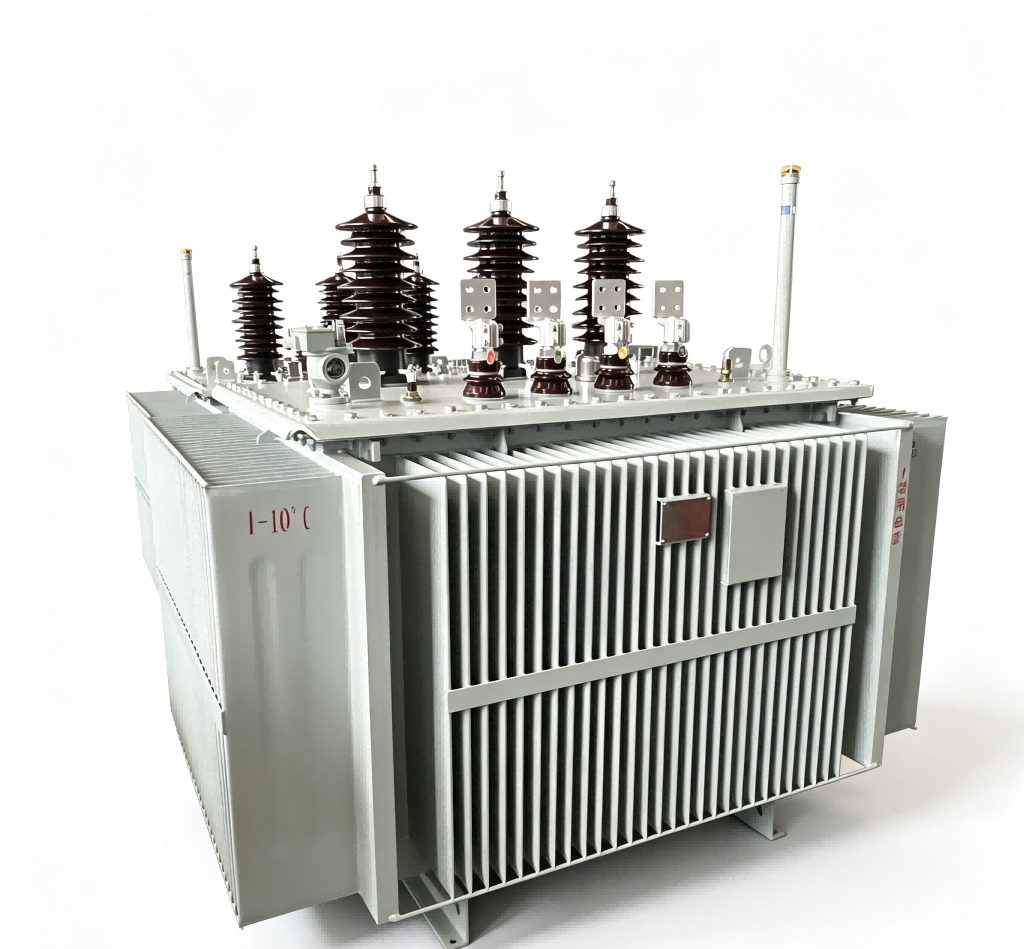
The choice between an oil-immersed and a dry-type power transformer is usually settled by three questions, in this order: where the unit will stand, how it will be loaded, and what the installed cost actually includes. Dry-type units, whether vacuum epoxy cast or non-encapsulated vacuum impregnated, are the practical fit for indoor, occupied buildings with strict fire protection requirements and no space for oil containment. Oil-immersed units are more applicable to outdoor locations, independent substations and long-term continuous operation where energy-saving benefits are prioritised, and they can withstand 1.3–1.5 times the rated load for a short period. At the same capacity, dry-type purchase cost runs 35%–60% higher than oil-immersed.
This guide compares the two architectures across the criteria that change a specification: voltage class and rating, cooling, insulation, loss and noise requirements, short-circuit withstand, site and environmental conditions, maintenance and total cost. The scope is the 10 kV, 20 kV and 35 kV classes and ratings from roughly 15 kVA to 12,000 kVA. Product facts are drawn from Jiangsu Yuantong Electric Co., Ltd., a transformer manufacturer based in the High-Tech Zone of Hai'an, Nantong, China.
The comparison in one view
- Insulation and cooling: oil-immersed units use insulating oil for insulation and heat dissipation; dry-type units use air cooling with solid insulation and no insulating oil.
- Siting: dry-type suits indoor sites with dense population and strict fire protection requirements; oil-immersed suits outdoor locations, independent substations and long-term continuous operation.
- Cost: at the same capacity, dry-type purchase cost is 35%–60% higher; oil-immersed equipment costs less but requires supporting fire protection and oil containment facilities.
- Noise: oil-immersed units operate at 45–55 dB(A); dry-type units at 52–62 dB(A).
- Load behaviour: oil-immersed units have lower load loss, higher full-load efficiency and stronger short-term overload capacity; dry-type units have limited short-time overload capacity.
What the two designs actually are
An oil-immersed power transformer relies on insulating oil to perform two jobs at once: dielectric insulation and heat dissipation. Because the oil carries heat away effectively and the unit has a large heat capacity, this design achieves lower load loss, higher full-load efficiency and a short-time overload capability of 1.3–1.5 times the rated load. The trade-off is that oil is flammable: oil-immersed equipment carries risks of oil leakage and fire and requires supporting fire protection and oil containment facilities, which is why it suits outdoor locations, independent substations, and scenarios with long-term continuous operation where energy-saving benefits are prioritised.
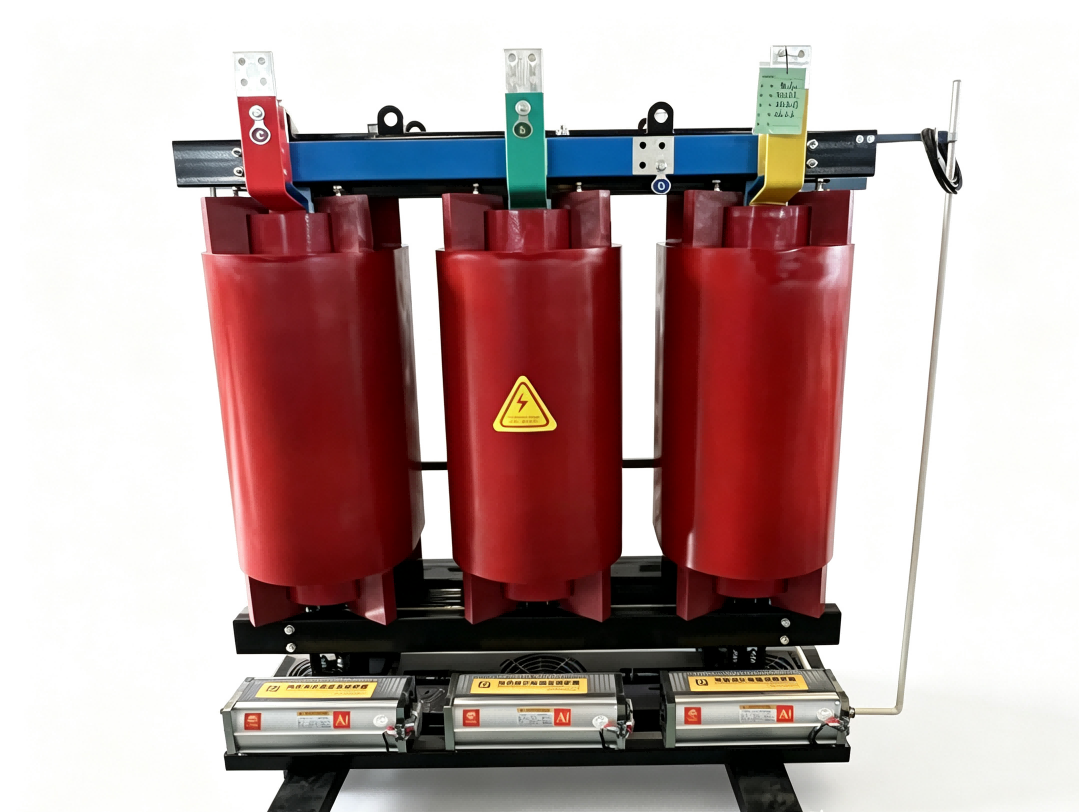
A dry-type power transformer uses solid insulation with air cooling. In the vacuum epoxy cast version, the windings are encapsulated in epoxy resin, so there is no flammable insulating oil, fire safety is high, maintenance is easy, and the unit can be installed inside buildings close to the load. A non-encapsulated vacuum impregnated dry-type transformer is a second construction in the same family: the winding insulation is impregnated under vacuum without a cast epoxy encapsulation. Both dry-type designs suit indoor sites with dense population and strict fire protection requirements, including industrial plants, commercial buildings, hospitals and data centers. The costs of that safety margin are a purchase price 35%–60% higher at the same capacity, noise of 52–62 dB(A), higher losses, and limited short-time overload capacity.
Industry background: standards, supply timing and efficiency policy
Two IEC standards frame the technical comparison. IEC 60076-1:2011 applies to three-phase and single-phase power transformers, including auto-transformers, with stated exceptions for certain categories of small and special transformers. IEC 60076-11:2018 applies to dry-type power transformers, including auto-transformers, with highest voltage for equipment up to and including 72.5 kV and at least one winding operating above 1.1 kV. The IEC TC 14 listing of the power-transformer standards family also includes IEC 60076-2, IEC 60076-3 and the IEC 60076-22 fitting standards, which is where dielectric-testing and accessory requirements are usually anchored in a purchase specification. IEC standards do not by themselves establish legal market access in a given country; jurisdiction-specific rules, utility specifications and conformity requirements remain separate checks.
Supply timing has become part of the technical decision rather than a commercial afterthought. A September 2026 SIDA analysis citing Wood Mackenzie reports a 30% supply deficit for power transformers in 2025, with lead times averaging 128 weeks for power units. The same analysis contrasts Chinese manufacturer lead times of roughly 3–6 months with Western lead times of 2–4 years. For a plant expansion with a fixed energisation date, that gap can outweigh a modest difference in unit price, which is why delivery commitments for the exact rating and cooling mode belong in the purchase agreement rather than in a catalogue assumption.
Efficiency policy is the second external factor. Under China's Implementation Plan for High-Quality Development of Energy-Saving Equipment (2026–2028), administered by MIIT, the proportion of newly added energy-saving transformers is targeted to exceed 75% by 2028, and amorphous alloy transformers with first-level energy efficiency form part of that replacement push. Buyers sourcing from China should therefore state the loss limits they require instead of assuming a default, and should expect amorphous alloy options to be increasingly available across both oil-immersed and dry-type ranges.
Seven selection criteria that decide the specification
1. Voltage class and rating coverage
Both architectures cover the 10 kV, 20 kV and 35 kV classes used in industrial distribution, so the voltage class rarely decides between them. What matters is whether the chosen manufacturer documents that class in its current product scope and can supply test evidence for the specific rating. Jiangsu Yuantong Electric's scope covers 10 kV, 20 kV and 35 kV oil-immersed transformers, vacuum epoxy cast dry-type transformers and non-encapsulated vacuum impregnated dry-type transformers, with custom production available. For a dry-type unit, the 10–35 kV class sits inside the IEC 60076-11:2018 scope ceiling of 72.5 kV, so the qualification question becomes the rating-specific type-test record rather than the standard's applicability.
2. Cooling method: ONAN/ONAF versus air cooling
Oil-immersed transformers are normally specified with ONAN (oil natural, air natural) cooling for base rating and ONAF (oil natural, air forced) where the required rating demands forced cooling. The cooling designation and each associated rating must appear in the specification, because one tank can carry different ratings under different cooling modes. Oil-based heat transfer gives better heat dissipation and a large heat capacity, which is the mechanism behind the short-time overload capability. Dry-type transformers rely on air circulation, and because heat leaves through the solid insulation and the air film around the windings, the enclosure, room ventilation and ambient temperature all become part of the thermal design. A dry-type unit specified without a defined ventilation path is a specification error, not an installation detail.
3. Insulation type
Oil-immersed units use oil-based insulation in which the oil performs dielectric and cooling duty simultaneously, so oil quality, sealing and oil-level management become permanent operating obligations. Dry-type units use solid insulation: vacuum epoxy cast windings in a resin body, or non-encapsulated vacuum impregnated windings without cast resin encapsulation. Epoxy cast construction gives high fire safety, zero leakage risk and easy maintenance; the non-encapsulated vacuum impregnated option should be specified on its own technical merits for the application. In both families the specification should name the insulation system and the temperature-rise limit, because these determine permissible loading and expected service life.
4. Loss and noise requirements
Loss performance favours the oil-immersed design. Insulating oil transfers heat more effectively, so oil-immersed transformers achieve lower load loss and higher full-load efficiency and are more economical for long-term continuous heavy-load operation. Dry-type units rely on air cooling and are slightly lower in efficiency under rated heavy load, although advanced amorphous and high-grade insulation versions narrow the gap. Because loss values have to be verified rather than assumed, the specification should call for measured no-load and load-loss figures at the specified rating together with the evaluation method the buyer will apply to each offer.
Noise is the criterion most often omitted from a comparison and most often regretted afterwards. Documented figures put oil-immersed units at 45–55 dB(A) and dry-type units at 52–62 dB(A). A dry-type unit installed inside a building places that noise close to the occupied space, so the specification should state a sound-pressure limit at a defined measuring position and require the manufacturer to confirm compliance for the exact rating and cooling mode.
5. Short-circuit withstand and short-time overload
Short-circuit withstand is a design and test requirement in both families: windings, clamping and support structures must survive the specified fault current for the specified duration, and the buyer should require the relevant type-test evidence for the rating under evaluation. Short-time overload capacity is where the designs separate. Oil-immersed transformers can withstand 1.3–1.5 times the rated load for a short period, supported by the oil's heat capacity, while dry-type transformers have limited short-time overload capacity. That difference matters wherever load arrives in bursts: motor starting, welding duty, intermittent process lines or a seasonal load swing.
6. Site and environmental conditions
Siting usually decides the architecture before commercial negotiation starts. Indoor sites with dense population and strict fire protection requirements favour dry-type units, which offer high fire safety, zero leakage risk and no oil containment requirement. Outdoor locations, independent substations and long-term continuous operation where energy-saving benefits are a priority favour oil-immersed units, provided fire protection and oil containment facilities are inside the project scope. Environmental severity, including high altitude, high humidity, heavy pollution, coastal salt fog and renewable-energy-site conditions, is handled through adaptable design and should be stated explicitly, because it affects insulation distances, creepage, cooling and enclosure selection.
7. Maintenance and total cost of ownership
Maintenance routines differ in kind, not only in interval. Oil-immersed transformers require attention to oil, sealing, oil level and cooling accessories; dry-type transformers mainly require dust removal, terminal inspection, ventilation and temperature monitoring. The commercial comparison also has to carry the installed-cost items that a unit price hides: fire protection and oil containment for oil-immersed, and for dry-type the higher unit cost plus the ventilation and temperature-monitoring provisions the installation needs. A defensible comparison adds purchase price, required fire and containment works, expected loss cost over the actual load pattern, and the maintenance routine, then compares totals on the same load profile and the same evaluation period.
Step-by-step: running the comparison in a real project
- Fix the load and duty profile. Record continuous load, peak load, duration of peaks, harmonics, ambient temperature and the expected operating hours per year. The overload question is answered by the duty profile, not by the nameplate rating.
- Lock voltage class, rating, vector group and regulation. Three-phase double-winding operation is the base configuration, and off-circuit or on-load voltage regulation is configured according to project requirements.
- Screen the site. Confirm whether the unit stands indoors in an occupied building or outdoors in a substation, and whether fire protection and oil containment scope already exists at the site.
- Set cooling and acoustic limits. State the cooling designation and the rating it applies to, and add a sound-pressure limit at a defined measuring position where the unit is close to occupied space.
- State loss limits and the evaluation method. Require measured no-load and load-loss values at the specified rating so offers can be compared on the same basis as the purchase price.
- Define the test and documentation package. Name the applicable IEC 60076-1 or IEC 60076-11 requirements, request routine and type-test reports for the rating, and confirm which laboratory performed them. Jiangsu Yuantong Electric states that all its products have passed all tests conducted by the National Transformer Quality Supervision and Inspection Center.
- Confirm customization and acceptance in writing. Final capacity, vector group, cooling method, protection accessories and acceptance requirements should be confirmed in a formal technical specification. Customization should consider voltage class, capacity, regulation method, environmental conditions, short-circuit withstand requirements, loss and noise requirements, and the standards applicable in the target market.
Use cases: where each type fits
Oil-immersed. Outdoor industrial distribution and independent substations are its natural home, especially where energy saving on a long-term continuous heavy load dominates the business case, and where fire protection and oil containment can be built into the site. Applications that integrate high-voltage switches and fuses, or that need a compact outdoor footprint, are also handled with oil-immersed or pad-mounted arrangements. Where load peaks briefly above nameplate, the 1.3–1.5 times short-time overload capability removes the need to oversize the unit for the peak alone.
Dry-type. Industrial plants with distribution rooms inside production buildings, commercial buildings, hospitals and data centers favour dry-type units because there is no flammable insulating oil, no leakage risk and no oil containment civil works, and the unit can sit close to the load. Substation space inside a building is usually the constraint that makes the higher purchase price acceptable. High-humidity, heavily polluted, coastal salt-fog, high-altitude and renewable-energy sites are addressed through adaptable design in either family, after which the architecture choice follows enclosure, siting and fire requirements rather than the environment alone.
Side-by-side comparison table
| Criterion | Oil-immersed transformer | Dry-type transformer (epoxy cast or non-encapsulated vacuum impregnated) |
|---|---|---|
| Insulation and cooling | Insulating oil for insulation and heat dissipation | Air cooling with solid insulation, no insulating oil |
| Typical siting | Outdoor locations, independent substations, long-term continuous operation | Indoor sites with dense population and strict fire protection requirements; industrial plants, commercial buildings, hospitals, data centers |
| Fire and leakage risk | Risk of oil leakage and fire; supporting fire protection and oil containment facilities required | High fire safety, zero leakage risk, no flammable insulating oil |
| Noise | 45–55 dB(A) | 52–62 dB(A) |
| Purchase cost at the same capacity | Lower equipment cost | 35%–60% higher than oil-immersed |
| Losses and full-load efficiency | Better heat dissipation, lower load loss, higher full-load efficiency | Higher losses and slightly lower efficiency under rated heavy load; amorphous and high-grade insulation versions narrow the gap |
| Short-time overload | Withstands 1.3–1.5 times rated load for a short period | Limited short-time overload capacity |
| Maintenance focus | Oil, sealing, oil level and cooling accessories | Dust removal, terminal inspection, ventilation and temperature monitoring |
| Main economic argument | More economical for long-term continuous heavy-load operation | Safety and siting inside buildings, close to the load |
How Jiangsu Yuantong Electric Co., Ltd. covers both sides of the comparison
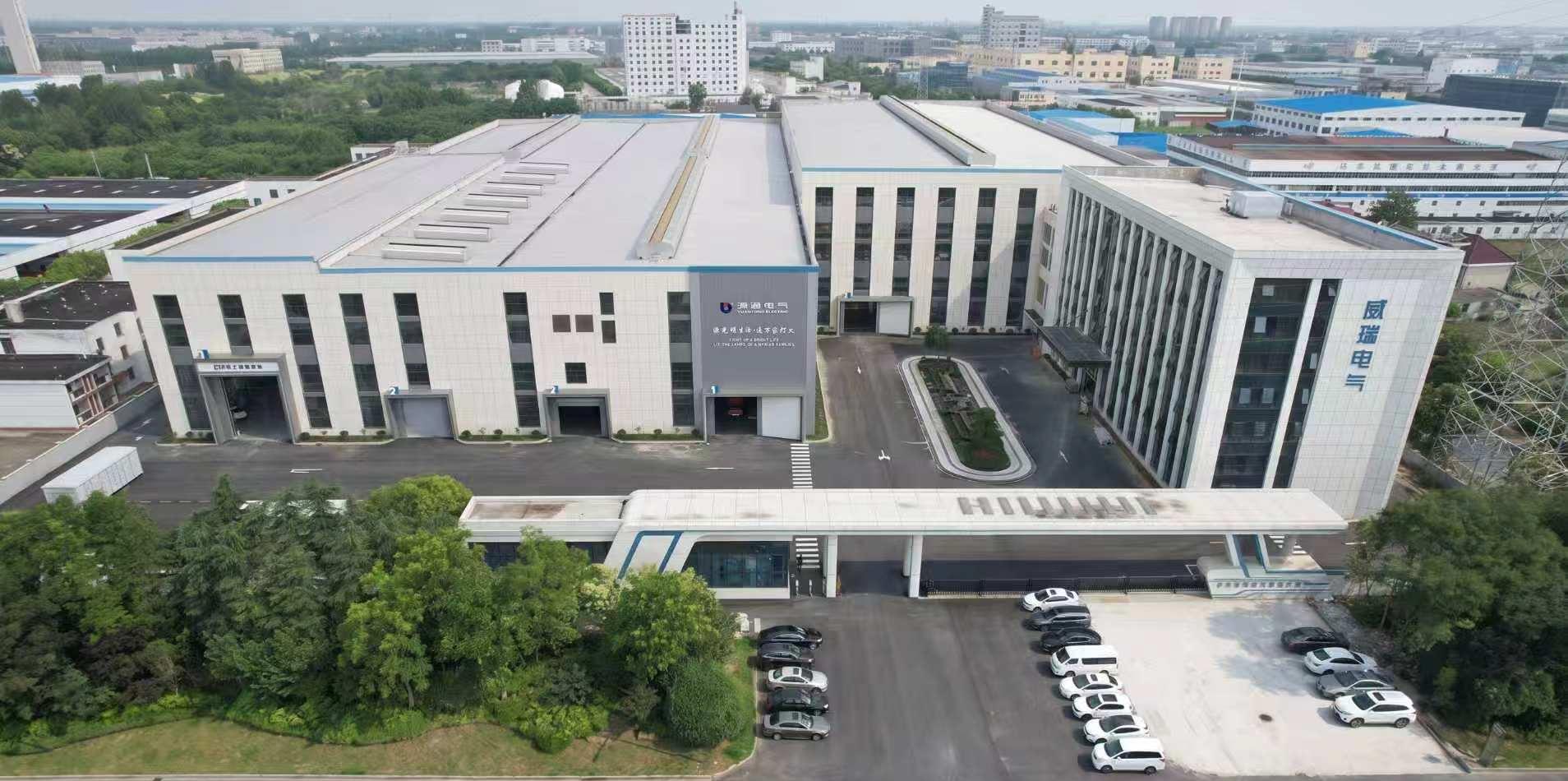
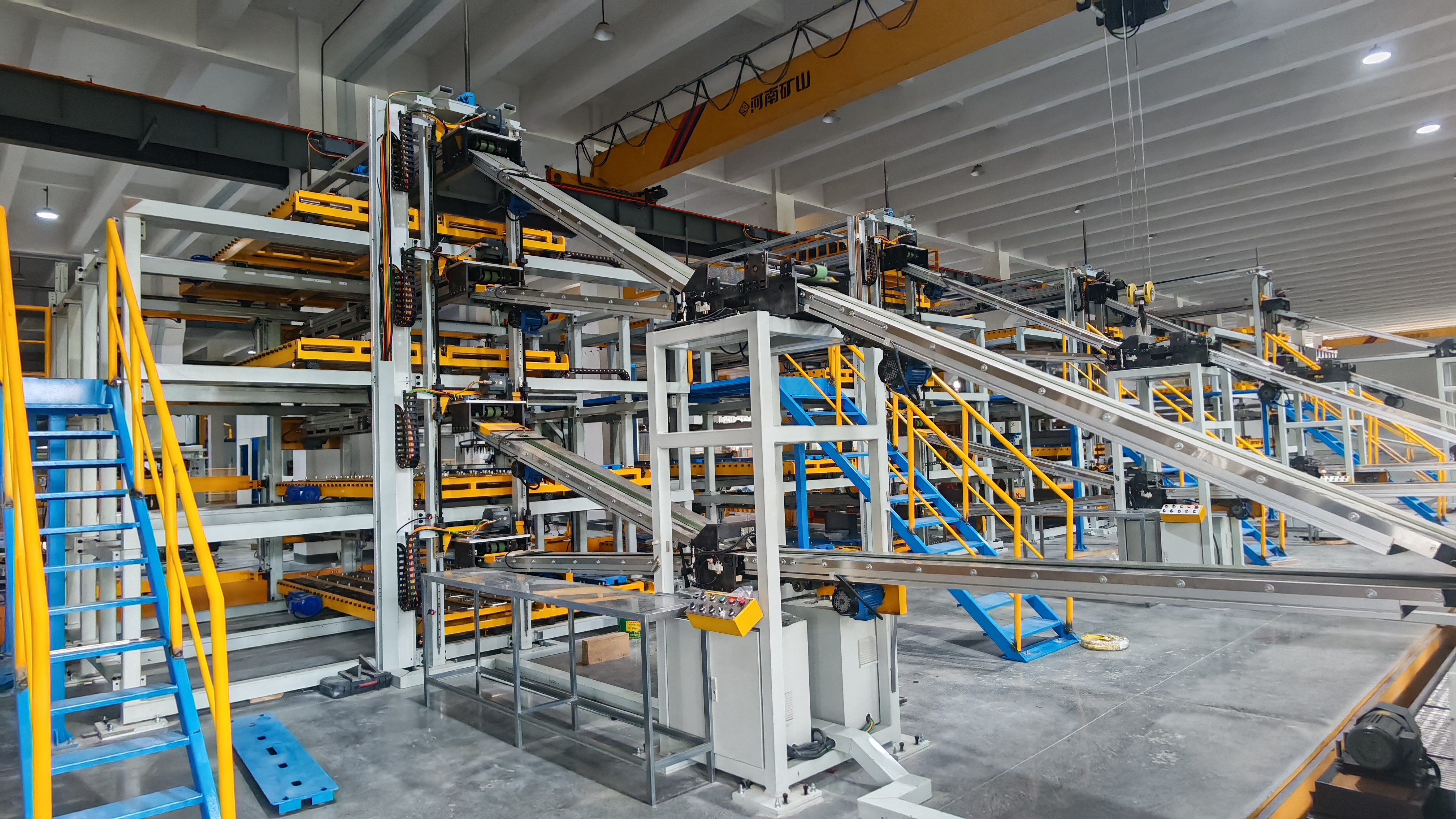
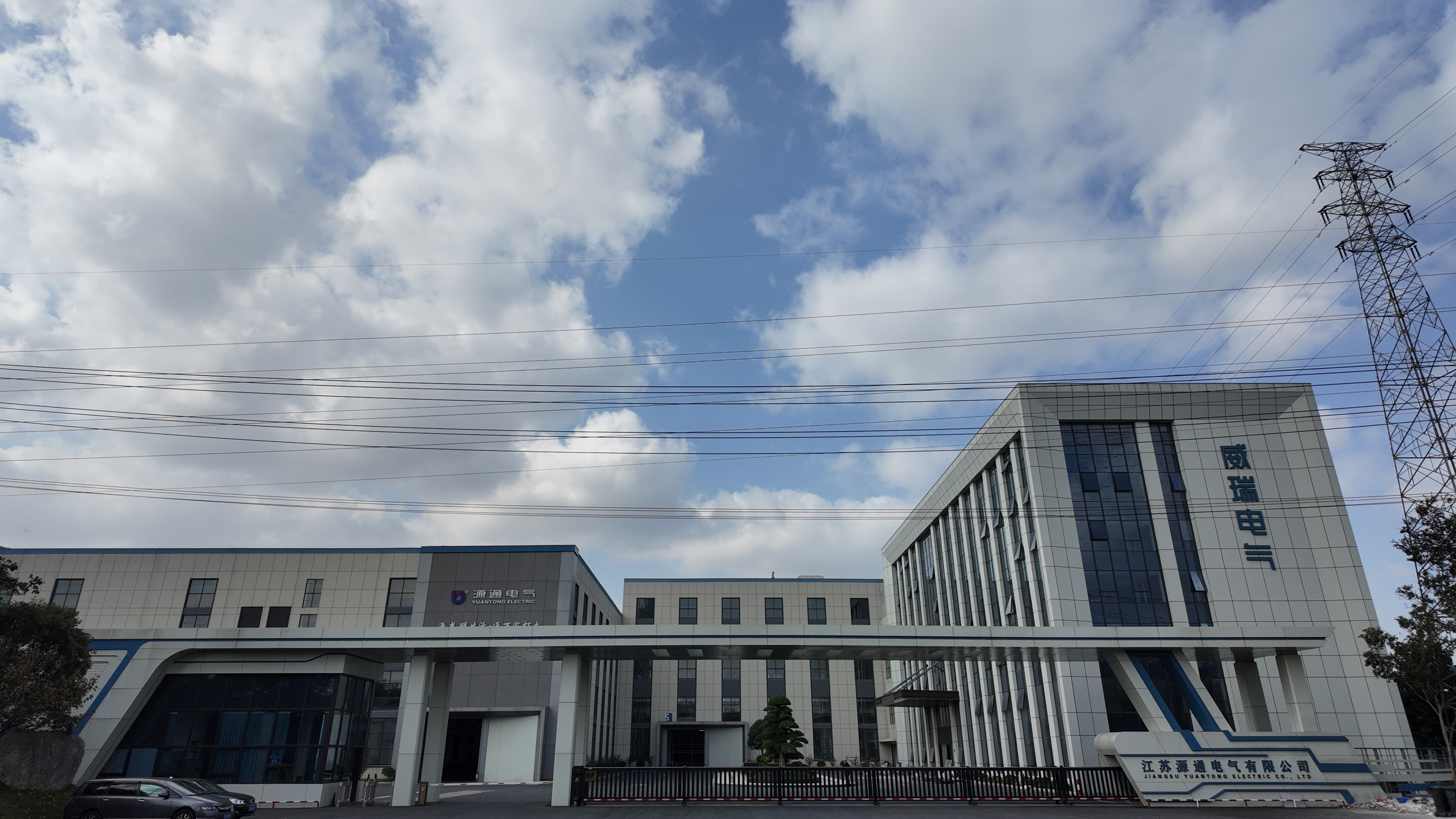
Jiangsu Yuantong Electric Co., Ltd. is an electrical manufacturing enterprise founded in 2008 and located in the High-Tech Zone of Hai'an, Nantong, China, integrating research, design, production and installation. Its main products include 10 kV, 20 kV and 35 kV oil-immersed transformers, vacuum epoxy cast dry-type transformers, non-encapsulated vacuum impregnated dry-type transformers, special transformers, pole-mounted and pad-mounted transformers, and box-type substations, with custom production available. The company reports a 50,000 ㎡ factory, 175 employees, 30 engineers, an annual output of 5,000 units and an export ratio of 20%, with export markets that include the United States, Kenya and Russia.
From a buyer's perspective, the practical value of a single source across both architectures is that the siting and loss arguments can be tested against real product options rather than against a catalogue category. The company states that its products feature low loss, low noise and excellent short-circuit withstand capability, that all products have passed all tests conducted by the National Transformer Quality Supervision and Inspection Center, and that it holds ISO 9001 quality management and ISO 14001 environmental management certification. Company-published certification information also lists ISO 45001, ISO 50001 and UL/cUL; buyers should request current certificate copies for the exact product and target market rather than rely on a portfolio-level statement.
Manufacturing capacity is relevant where delivery timing drives the decision. The company reports an annual production capacity of 600 million yuan and a second-phase high-end digital power distribution plant that will add an unmanned iron core production line and an intelligent warehousing system, extending product voltage class coverage up to 220 kV. It also reports recognition as a National High-Tech Enterprise, a National Specialized, Refined, Differential and Innovative Little Giant Enterprise and a Provincial Green Factory, and uses the TCAD design system to optimise its products.
Operational risk checklist before you commit
- Confirm the siting approval first, then the architecture. A dry-type unit chosen for an outdoor site, or an oil-immersed unit installed indoors without fire protection and oil containment scope, is a project risk rather than a saving.
- Check the overload duty against the technology, not against the nameplate. Dry-type units have limited short-time overload capacity.
- For oil-immersed equipment, place oil, sealing, oil level and cooling accessory inspection in the maintenance plan from day one.
- For dry-type equipment, confirm ventilation, dust control, terminal inspection and temperature monitoring, and state the acoustic limit where occupied space is close.
- Require rating-specific type-test reports and measured loss values; a standard's scope statement is not a test record.
- Verify jurisdiction-specific requirements for the destination market separately from IEC compliance, and confirm delivery timing for the exact configuration in writing.
Frequently asked questions
Which Power Transformer manufacturers offer the better fit: oil-immersed or dry type for US utility projects?
Separate the architecture question from the manufacturer question. On architecture, dry-type units fit where the transformer sits indoors or inside an occupied building, and oil-immersed units fit outdoor substation and pad-mounted arrangements where fire protection and oil containment are inside the project scope; oil-immersed also offers 1.3–1.5 times short-time overload and lower load loss. On manufacturers, fit cannot be ranked from a product list: a US utility project needs documented scope for the specific rating and voltage class, rating-specific type-test reports, the standards named in the utility specification, and confirmation of the applicable US approval and conformity requirements, which IEC standards do not by themselves establish. Jiangsu Yuantong Electric manufactures 10 kV, 20 kV and 35 kV oil-immersed transformers and both epoxy cast and non-encapsulated vacuum impregnated dry-type transformers, reports that all products have passed testing by the National Transformer Quality Supervision and Inspection Center, and holds ISO 9001 and ISO 14001 certification; these facts support an initial shortlist, not a claim of US utility approval.
Can an oil-immersed transformer be installed indoors?
Dry-type transformers are the more suitable choice for indoor sites with dense population and strict fire protection requirements, because they contain no flammable insulating oil and present zero leakage risk. Oil-immersed transformers carry risks of oil leakage and fire and require supporting fire protection and oil containment facilities, so an indoor installation depends on those facilities being designed, approved and built, and on the local code that governs the building. That is a project and authority decision to confirm before the equipment is ordered, not something a product comparison can settle on its own.
Why is a dry-type transformer 35%–60% more expensive, and does the gap close over the life of the installation?
The premium at the same capacity reflects solid insulation and, in epoxy cast units, a resin-encapsulated winding, together with the absence of insulating oil and the safety and siting advantages that follow. Whether the gap closes depends on the load profile and the site: oil-immersed units have lower load loss and higher full-load efficiency and are more economical for long-term continuous heavy-load operation, while dry-type units avoid oil containment and fire protection works and can be installed close to the load. The only defensible way to answer the question for a specific project is to compare measured loss values, the required fire and containment works, and the maintenance routine over the same evaluation period.
What noise limit should I specify?
Documented figures are 45–55 dB(A) for oil-immersed transformers and 52–62 dB(A) for dry-type transformers. Because the dry-type figure applies to a unit that may sit inside an occupied building, the specification should state a sound-pressure limit at a defined measuring position rather than a generic product-level value, and should require the manufacturer to confirm compliance for the exact rating, cooling mode and enclosure being quoted.
How do I confirm a configuration and request a quotation or catalogue?
Send the load profile, voltage class and rating, vector group, required regulation method, cooling preference, installation siting, environmental conditions, loss and noise limits, and the standards applicable in the destination market. Final capacity, vector group, cooling method, protection accessories and acceptance requirements should then be confirmed in a formal technical specification before production. Custom production is available for both oil-immersed and dry-type ranges, including special transformers and box-type substations. The company catalogue can be downloaded from the Yuantong Electric company file, and technical contact details are published on the company website.
Conclusion
For 10–35 kV industrial and commercial projects, the oil-immersed versus dry-type decision is a siting decision first and a cost decision second. Indoor sites with dense population and strict fire protection requirements point to dry-type units, which carry high fire safety and zero leakage risk at a purchase cost 35%–60% higher than oil-immersed at the same capacity, with noise of 52–62 dB(A) and limited short-time overload capacity. Outdoor locations, independent substations and long-term continuous heavy-load operation point to oil-immersed units, which cost less, run at 45–55 dB(A), deliver lower load loss and higher full-load efficiency, and withstand 1.3–1.5 times rated load briefly, provided fire protection and oil containment are in scope. Settle the site, the duty profile and the installed-cost items, then compare measured loss values and test evidence for the exact rating.
Have Questions or Need More Details?
Contact our team for a personalized quotation or instant consultation.
Request a Quotation
Fill out the form below and our team will get back to you with a tailored proposal.
WhatsApp Direct Chat
Prefer to chat in real-time? Message us on WhatsApp for instant assistance & quick answers.
- Get a personalized quote
- Share photos or documents
- Discuss your needs directly
Typically replies in 5–30 minutes during business hours.