
Glass Insulator Certification & Standards: A Regional Compliance Map for Suspension Types
Decision Stage · Certification & Standards
Glass Insulator Certification & Standards: A Regional Compliance Map for Suspension Types
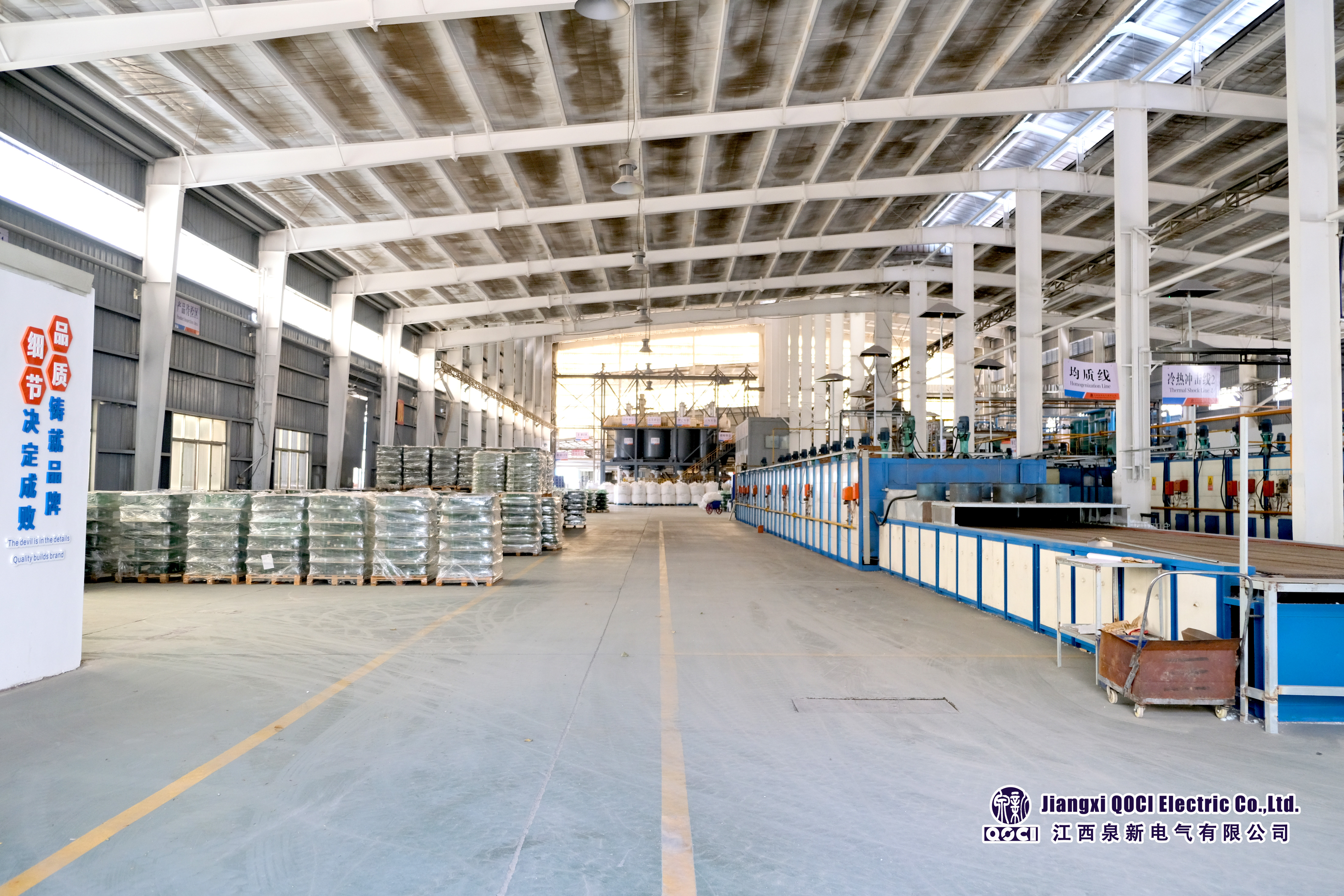
Thermal shock line at Jiangxi QOCI Electric Co., Ltd. The toughening stage behind a suspension glass insulator unit is the process layer that the mechanical rating on the certificate ultimately rests on.
Introduction: Compliance Is the Gate, Not the Paperwork
Suspension glass insulator orders are rarely rejected for mechanical strength. They are rejected because the certificate referenced a different standard edition, because the coupling interface did not match the string hardware, or because the test documentation arrived after the units had already been crated. In competitive evaluation, compliance is the gate an order passes through last — and it is often the only gate that separates two technically similar offers.
For AC systems, IEC 60305:2021 specifies the mechanical and electrical characteristics of suspension glass insulator units, and it is the technical baseline most buyers start from. Above that baseline sits a second layer: the destination utility's technical specification, approved-vendor rules and documentation requirements. A unit that satisfies the IEC reference can still fail a tender if the destination layer was never checked before quotation.
This guide maps both layers for the suspension range from U70B (70 kN) through U100B, U120B, U160B, U210B, U240B and U300B to U420B (420 kN), in standard profile and in anti-pollution (BP), double-shed / two-wing (BD) and aerodynamic (BA) variants, with cap-pin and ball-socket couplings both appearing in the range.
Problem Definition: Where Suspension Glass Insulator Orders Fail Compliance
Three failure modes account for most compliance rejections, and all three are decided before production, not after it.
1. Designation drift between tender, drawing and purchase order
A U70B is defined by a 70 kN minimum failing load and by IEC standard dimensions of 255 mm diameter and 146 mm height. When the tender text, the approved drawing and the purchase order do not carry the same dimension set, the non-conformance surfaces at goods-in inspection — the point at which replacement is slowest and most expensive.
2. Coupling and electrical class ordered separately
The U160B is a 160 kN unit that typically uses a 20 mm ball-socket coupling and provides a wet power frequency withstand voltage of approximately 45 kV. Coupling geometry and electrical class travel together: a correctly rated 160 kN unit with the wrong interface fails string assembly even though every individual rating on the datasheet is accurate.
3. Evidence requested at the end instead of the beginning
Certificates, dimensional records and type-test evidence are frequently collected at shipment. At that stage a documentation gap cannot be closed without re-testing or a formal concession from the utility. The commercial consequence is asymmetric: the cost of collecting evidence before quotation is small, and the cost of collecting it after production is not.
The decision rule that follows from these three failure modes is simple — treat compliance as an input to supplier selection, not as an output of it.
Industry Background: Why Compliance Pressure Is Rising
The global glass insulators market was estimated at USD 1.14 billion in 2024 and is projected to reach USD 1.97 billion by 2035, growing at a CAGR of 5.1% (Market Research Future, 2024). Published estimates differ by scope: Insightace Analytic values the glass insulator market at USD 351.4 million, reflecting different inclusion rules for adjacent product categories. Buyers should read such figures for direction rather than for budgeting.
Supply is concentrated. Asia Pacific held more than 52% of glass insulator market revenue in 2024 (Grand View Research), and China alone accounted for 31.4% of global electrical insulator exports in 2024, at USD 898 million (OEC). Trade flows also move quickly: Chinese exports of electrical insulators to Saudi Arabia grew 219% between 2023 and 2024, the fastest-growing destination in that dataset.
Concentration raises compliance risk rather than lowering it. When a project sources from a distant supply base, the utility cannot audit a factory for every order, so documents substitute for presence. Documentation quality becomes a procurement variable, because it is the only part of the factory the buyer actually sees before dispatch.
Jiangxi QOCI Electric Co., Ltd. is a China-based manufacturer of glass and porcelain insulators, established in December 2002 in Luxi Industrial Park, Pingxiang City, Jiangxi Province, whose products reach the USA, Asia, the EU, Africa and South America. The company exports approximately 20% of its production, which means its compliance documentation is exercised against several destination regimes rather than a single domestic one.
The Compliance Stack for U70B to U420B Suspension Units
Layer 1 — The governing standard and its edition
Where a utility specification is written around IEC, the reference for AC suspension glass insulator units is IEC 60305:2021, which specifies mechanical and electrical characteristics. Naming the standard without naming the edition leaves the applicable characteristic set ambiguous, so the purchase specification should quote the edition and require the manufacturer's documentation to reference the same one. Where a destination utility adds national requirements or uses a non-IEC dimension convention, the utility document governs acceptance and the IEC reference becomes the baseline beneath it.
Layer 2 — Dimension and coupling conformance
Published IEC-dimension data for the U70B gives a 255 mm diameter and a 146 mm unit height at 70 kN minimum failing load; these are the reference points against which a delivered unit is checked. Higher in the range, the U160B is a 160 kN unit that typically uses a 20 mm ball-socket coupling and provides a wet power frequency withstand voltage of approximately 45 kV. Those values serve two purposes at once: they define incoming dimensional inspection, and they define what must appear in the purchase order so that the delivered unit stays inside the right dimension family.
Layer 3 — Pollution profile and creepage alignment
Pollution performance is where regional requirements diverge most sharply, because required creepage is set by the destination environment rather than by the strength class. Anti-pollution glass insulators such as the U120BP use an increased-creepage profile to prevent flashover in saline and industrial environments. The same logic drives the profile families across the range: the standard B profile for general lines, the BP family for polluted zones, the BD double-shed / two-wing shapes, and the BA aerodynamic profiles.
The compliance sequence is: the utility defines the pollution level, the specification converts that into a creepage requirement, and the manufacturer maps the requirement to a specific designation such as U70BP, U160BP, U240BD or U100BA. The middle step is the one that gets skipped — a buyer orders a BP unit on the assumption that all anti-pollution profiles carry the same creepage, when the requirement should have been stated in millimetres and verified on the drawing.
Layer 4 — Acceptance inspection logic
Compliance continues into the utility's receiving inspection, and there the material decides the protocol. Toughened glass has a zero-value self-breaking characteristic: a failed unit breaks visibly instead of retaining a hidden defect. Against porcelain, comparison data puts inspection efficiency 100% higher for glass units because inspection is visual and requires no live-line testing, with maintenance workload about 70% lower. That changes what an acceptance clause should say — for glass, the incoming inspection can be built around visual screening for broken or chipped units plus dimensional checks, rather than around electrical testing of individual units.
Layer 5 — Manufacturer-side evidence
What a manufacturer can show about its own position inside the standards system reduces verification effort. Jiangxi QOCI Electric Co., Ltd. is a national high-tech enterprise and a participating unit of the Insulator Standard Committee, with 38 engineers in its technical team and an annual output of 9,000,000 units across glass and porcelain insulators. Its products are used in power grid construction projects of State Grid Corporation of China and China Southern Power Grid, and in grids in more than 40 countries and regions including Europe and the Middle East. For a buyer assembling a compliance file, that combination answers two different questions: whether the manufacturer works with the standard from the inside, and whether the units have already been accepted under more than one national regime.
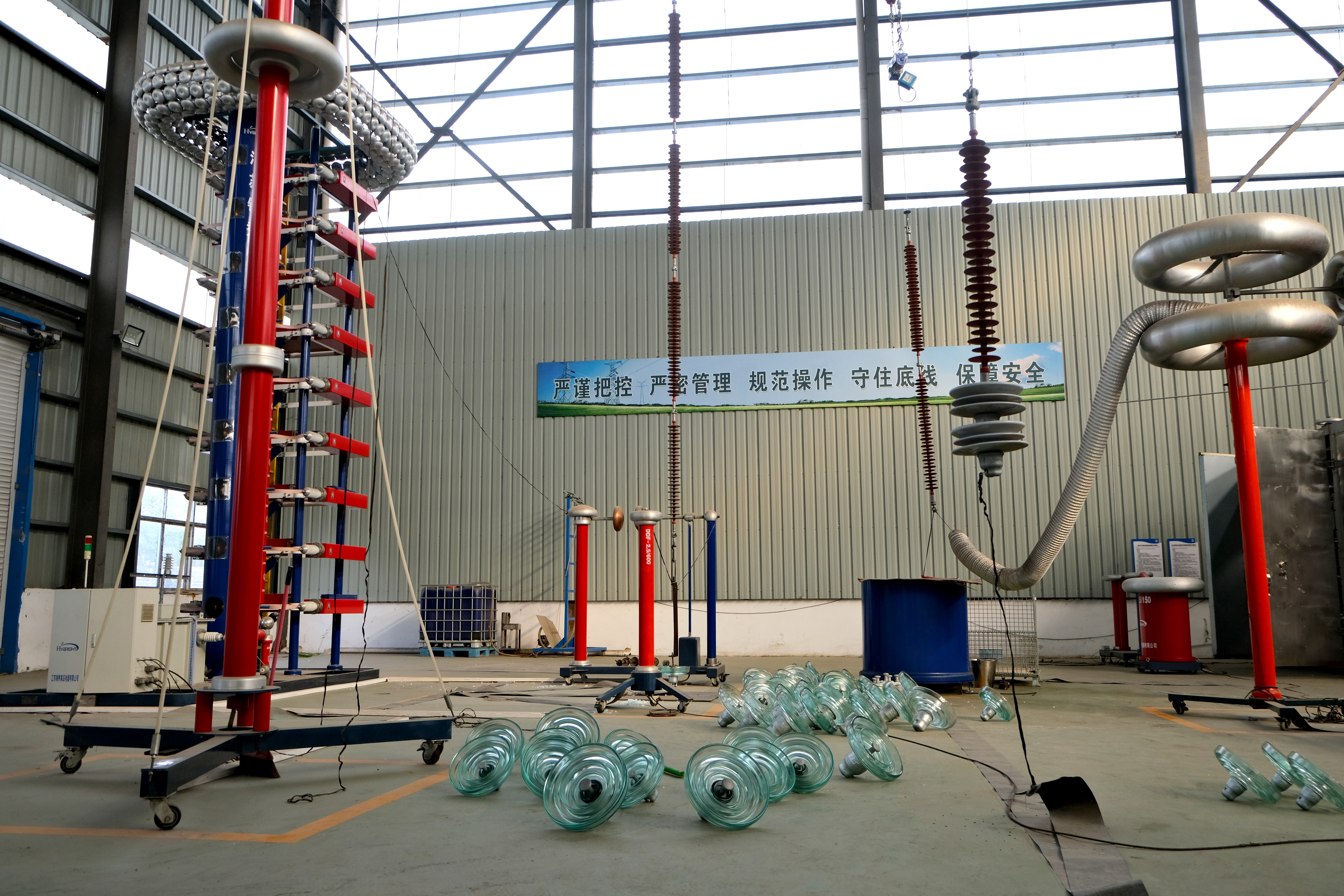
Laboratory at Jiangxi QOCI Electric Co., Ltd. Test evidence for the ordered designation is what converts a datasheet rating into an accepted compliance file.
The document set to request before quotation
A compliance request is only useful when it is specific. Ask for all seven items and compare what is offered against what is documented, model by model:
- The standard and edition the offer is built to, stated on the quotation itself.
- Dimensional drawing for the exact designation ordered — for example U70B at 255 mm diameter and 146 mm height.
- Coupling interface specification for the ordered unit — for example 20 mm ball-socket where a U160B is specified.
- Electrical characteristic data for the ordered class, including the wet power frequency withstand value.
- Process evidence covering toughening, because the mechanical rating depends on it.
- Marking, traceability and packing specification.
- The acceptance test plan the factory will run before dispatch.
A supplier who can answer all seven from existing documents is a lower-risk award than one who promises to compile them after the contract is signed.
Step-by-Step: Aligning a Purchase Specification with Destination Requirements
The following sequence keeps compliance off the production critical path by running it in parallel with quotation.
- Fix the standard and the edition. Obtain the utility's technical specification, then record the standard, the edition and any national deviation in your own purchase specification.
- Convert environment into a designation. Translate pollution level and altitude into a creepage and profile requirement, then into a model such as U70BP or U160B — not into a generic 'suspension insulator'.
- Lock dimensions and coupling on the drawing. Confirm 255 mm × 146 mm for U70B-class units, the 20 mm ball-socket interface where U160B is specified, and equivalent data for every other designation in the string.
- Request the compliance file before pricing. Use the seven-item list above and check coverage for the exact model, not the product family.
- Agree the acceptance test plan in the contract. Define pre-shipment tests, sampling, visual criteria and dimensional checks, using the glass inspection advantage where it applies.
- Verify documents against the shipment. Confirm that certificates, records and marking match the actual order before release — a documentation mismatch at this stage is what triggers rejection at the port.
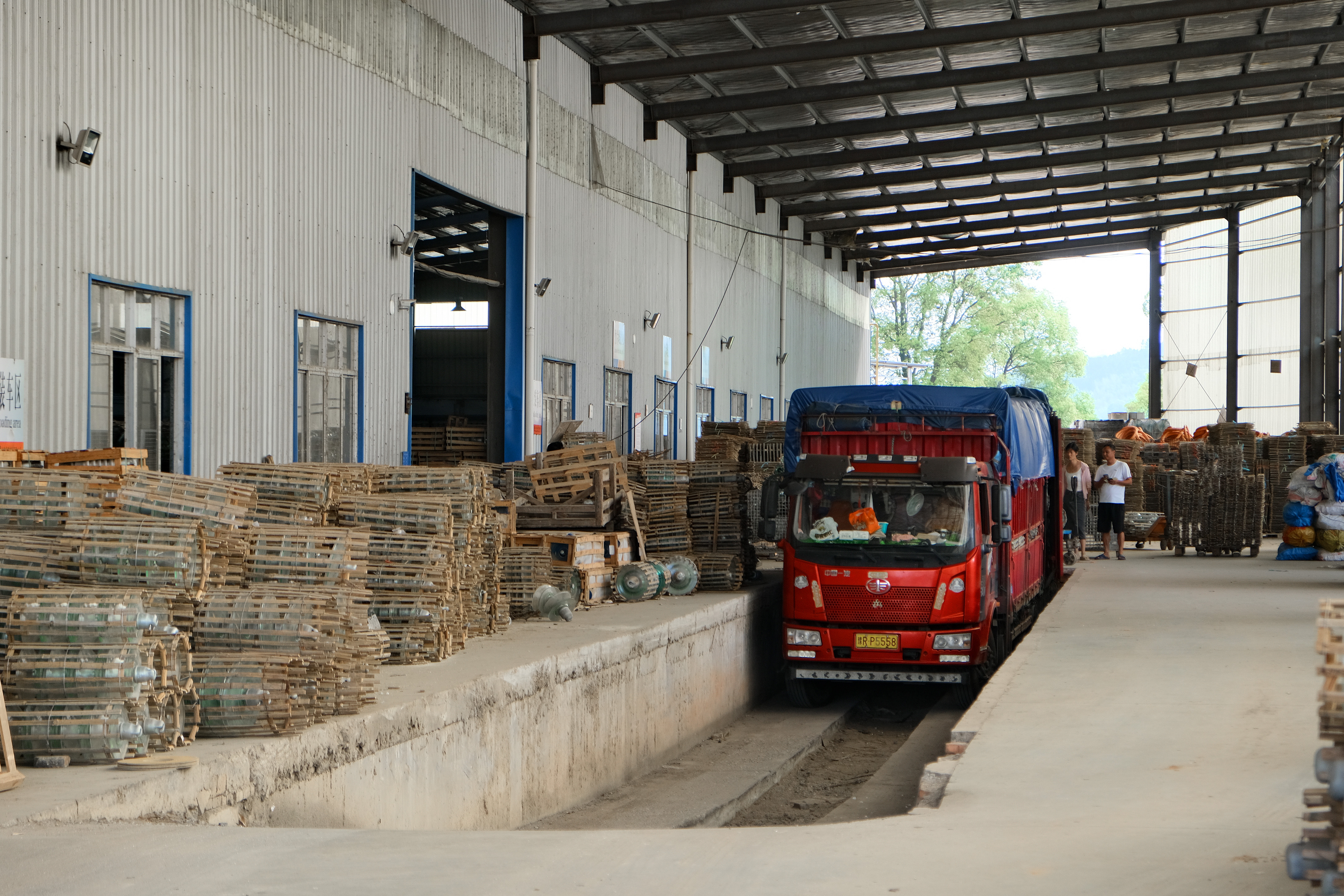
Loading area at Jiangxi QOCI Electric Co., Ltd. Dispatch is the point where the document set and the physical shipment must still agree.
Use Cases: Where the Compliance Gate Bites Hardest
Coastal and industrial pollution zones
Saline and industrial environments are the classic case for the BP family, because the requirement is creepage rather than strength. A U70BP or U120BP order should carry a creepage value in millimetres taken from the utility's pollution-level definition, and the drawing should be checked against it before the order is released.
UHV/EHV lines and high-altitude routes
Toughened glass suspension units are suited to UHV/EHV transmission lines, heavy pollution areas such as coastal, desert and industrial zones, and high-altitude regions. These are the projects where higher strength classes — U300B and U420B — enter the string, and where dimensional and coupling verification is least forgiving, because the mechanical duty leaves no margin for interface error.
Retrofit and string replacement
On replacement work the governing constraint is existing hardware, not the new unit's rating. If the string uses a 20 mm ball-socket interface, only units built to that interface are usable regardless of strength class, so the compliance check starts from the coupling dimension and works backwards to the designation.
Tenders in fast-growing import markets
Where import volumes are expanding quickly — Chinese insulator exports to Saudi Arabia grew 219% between 2023 and 2024 — approved-vendor documentation is usually the binding constraint, not manufacturing capacity. Buyers entering such a market should obtain the destination acceptance list first and price the documentation effort into the bid.
Comparison Table 1: Profile Families and the Compliance Item Each One Triggers
| Profile family | Designation examples | Stated intent | Compliance item to confirm |
|---|---|---|---|
| Standard (B) | U70B, U100B, U160B, U240B, U420B | General suspension strings across the 70–420 kN range | Standard edition, dimension set and coupling interface on the drawing |
| Anti-pollution (BP) | U70BP, U120BP, U160BP, U210BP | Increased creepage for saline and industrial environments | Creepage in millimetres against the utility's pollution-level requirement |
| Double-shed / two-wing (BD) | U100BD, U160BD, U240BD | Shed geometry variant within the same strength classes | Shed geometry on the drawing plus creepage confirmation |
| Aerodynamic (BA) | U100BA, U160BA, U300BA | Aerodynamic profile variant within the same strength classes | Shed geometry on the drawing plus creepage confirmation |
Comparison Table 2: Glass Versus Porcelain on Compliance-Relevant Criteria
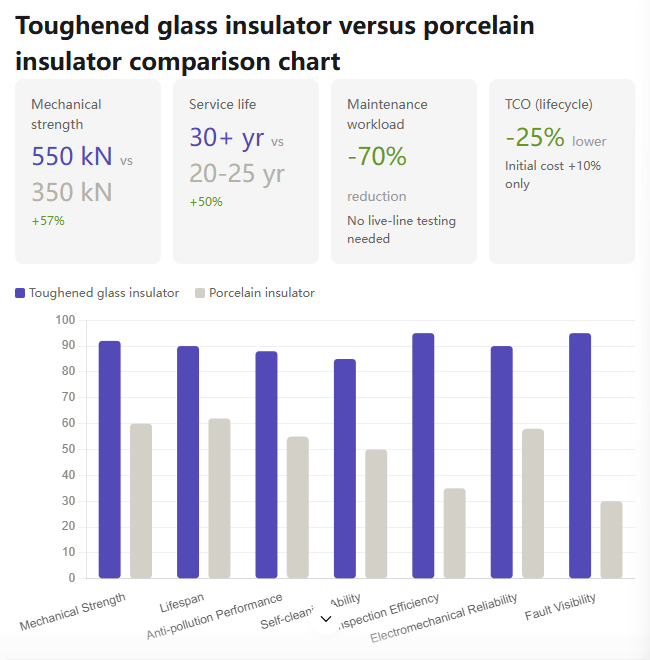
Toughened glass versus porcelain comparison. The material choice changes the acceptance protocol a utility has to write, not only the price line.
| Criterion | Toughened glass suspension unit | Traditional porcelain / ceramic insulator |
|---|---|---|
| Compressive strength | 3–4× higher than porcelain | Reference baseline |
| Mechanical failure rate | 80% lower | Reference baseline |
| Inspection method | Visual only, no live-line testing required; inspection efficiency 100% higher | Live-line testing required |
| Maintenance workload | 70% lower | Reference baseline |
| Initial cost | 5% higher | Reference baseline |
| Lifecycle total cost of ownership | 25% lower | Reference baseline |
| Typical fit | UHV/EHV lines, heavy pollution zones, high-altitude regions | General distribution and transmission use |
FAQ: Certification and Regional Requirements for Suspension Glass Insulators
Which standard applies to suspension glass insulators, and how do I confirm the right edition?
For AC systems, IEC 60305:2021 specifies the mechanical and electrical characteristics of suspension glass insulator units, and it is the reference most buyers start from. The edition matters as much as the number: the purchase specification should name both the standard and the edition, and the manufacturer's documentation should reference the same one. Where a destination utility specification adds national requirements or a different dimension convention, the utility document governs acceptance and the IEC reference becomes the technical baseline behind it. Published IEC-dimension data for the U70B, for example, gives a 255 mm diameter and a 146 mm height at 70 kN minimum failing load — the concrete check a buyer applies when verifying that an offer matches the specification.
Can one manufacturer cover both cap-pin and ball-socket units across 70 kN to 420 kN?
The suspension range runs from U70B at 70 kN through U100B, U120B, U160B, U210B, U240B and U300B to U420B at 420 kN, and both cap-pin and ball-socket couplings appear within it; the U160B, for instance, typically uses a 20 mm ball-socket coupling. Anti-pollution (BP), double-shed / two-wing (BD) and aerodynamic (BA) variants extend the same strength classes into polluted and specialised routes. Jiangxi QOCI Electric Co., Ltd. manufactures glass and porcelain insulators including anti-pollution and aerodynamic types, with an annual output of 9,000,000 units and 38 engineers in its technical team, so the range can be covered from one qualification file. Confirm the exact designation, coupling and creepage on the quotation rather than assuming they carry across the family.
Does compliance add cost, and how should it be weighed against price?
Compliance work — documentation, dimensional verification, test evidence — carries a cost, and glass units themselves carry a price premium: comparison data puts the initial cost of toughened glass about 5% above the porcelain alternative, while total cost of ownership across the lifecycle is about 25% lower. The difference is driven by inspection and maintenance: glass has a zero-value self-breaking characteristic, so failed units are visible, inspection efficiency is 100% higher because no live-line testing is required, and maintenance workload is about 70% lower. For a buyer comparing offers, the practical rule is to compare compliant offers against each other first, then weigh the initial premium against the lifecycle position instead of against the invoice alone.
What should be verified on a sample or first-article unit before production?
A sample review is a dimensional and interface check before it is anything else. For a U70B-class unit, verify the 255 mm diameter and 146 mm height against the drawing; for a U160B, verify the 20 mm ball-socket coupling and the electrical class, which typically includes a wet power frequency withstand voltage of approximately 45 kV. Check marking and traceability, confirm the shed geometry of the ordered profile (standard, BP, BD or BA), and inspect visual condition — glass allows visual screening for breakage without electrical testing. A first article that passes these checks establishes the baseline for pre-shipment inspection of the full batch.
How much time does compliance review add, and how do I keep it off the critical path?
Compliance review does not have to sit on the production path if it runs in parallel with quotation. The sequence that protects the schedule is: fix the standard and edition, confirm the designation and drawing, obtain the compliance file, then release production. Documentation requested after production release cannot change units already manufactured, and it is the usual cause of delay at dispatch. A manufacturer with existing documentation shortens this step; QOCI works with 38 engineers, produces 9,000,000 units annually and has supplied grids in more than 40 countries, so files for common destination regimes are already in use. To start a file for your project, download the QOCI glass insulator catalogue (PDF) or send your destination specification for a documented quotation.
Conclusion: Build the File Before You Compare the Price
Compliance for suspension glass insulators is decided by four concrete things: the standard and edition the offer is built to, the dimension and coupling data for the exact designation, the creepage value the destination environment requires, and the documentation that proves all three. IEC 60305:2021 supplies the technical baseline for AC units, and the destination utility's specification supplies the acceptance layer. When both are confirmed before quotation, the comparison between offers becomes a comparison of verified facts rather than of datasheets.
The practical discipline is short: convert the utility's environment requirements into a named designation (U70B through U420B, standard or BP/BD/BA), lock the drawing to the published dimensions and coupling, and request the seven-item document set in writing. Done in that order, compliance stops being a rejection risk at the port and becomes what it should be — a selection criterion that separates suppliers on evidence.
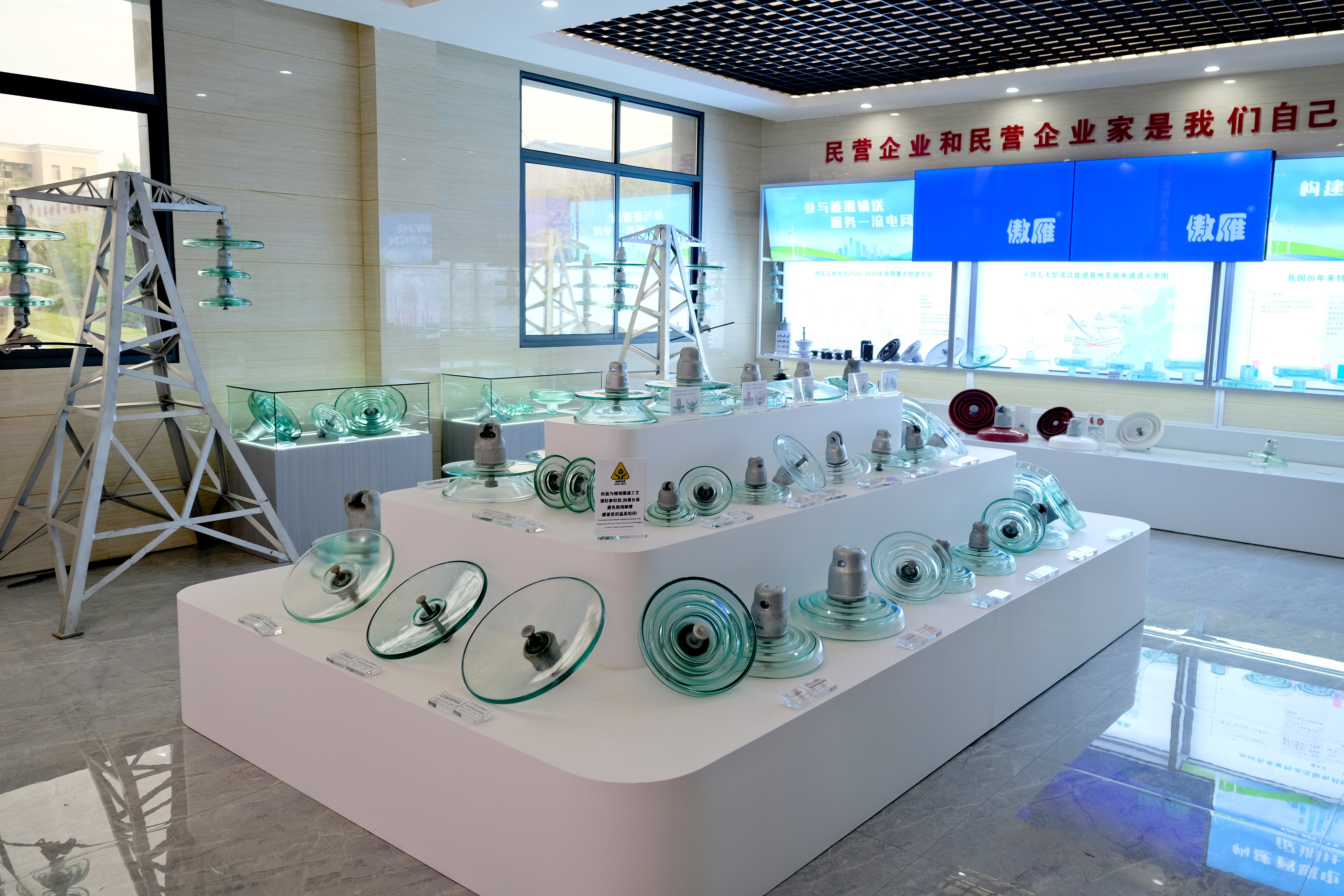
Sample room at Jiangxi QOCI Electric Co., Ltd. First-article review against the drawing is the fastest way to confirm that a compliance file matches physical units.
Next step: request the compliance file, a sample, or a documented quotation.
Send the destination specification and the required designations (for example U70B, U160BP, U240BD or U420B) and QOCI will respond with the standard edition, dimensional drawing, coupling interface and acceptance test plan for the exact models.
Jiangxi QOCI Electric Co., Ltd. · No. 6, Electric Porcelain Industrial Park, Luxi Industrial Zone, Pingxiang, Jiangxi, China
Email: admin@qocielectric.com · Tel: +86 079-9761-6589 · WhatsApp: +86 199-7997-1591
Website: www.quanxinelectric.com · Catalogue: Glass Insulators PDF
Have Questions or Need More Details?
Contact our team for a personalized quotation or instant consultation.
Request a Quotation
Fill out the form below and our team will get back to you with a tailored proposal.
WhatsApp Direct Chat
Prefer to chat in real-time? Message us on WhatsApp for instant assistance & quick answers.
- Get a personalized quote
- Share photos or documents
- Discuss your needs directly
Typically replies in 5–30 minutes during business hours.