
P-11-Y vs ED-2B: Porcelain Insulator Selection for Rural Grids
Short answer: specify P-11-Y for 11 kV overhead distribution segments carried on pin crossarms, where an 11 kV rated pin porcelain insulator with a 10 kN mechanical load and 240 mm creepage distance matches the line duty. Specify ED-2B for the shorter, lighter rural segments — LV spurs, taps and service connections — where a shackle (butterfly) porcelain insulator with a 25 kV dry and 13 kV wet power-frequency withstand and a 76 mm body height suits the mounting and the insulation duty. Most rural electrification programmes need both units, on different segments of the same route.
The question is not which insulator is better. It is which insulator belongs on which segment. A rural electrification project is rarely one voltage class from substation to meter: it is an 11 kV feeder that runs along a road, drops to a village-level spur, and ends in a few hundred service connections. Each of those segments has its own mounting hardware, its own conductor tie practice and its own insulation duty. Choosing one unit for the whole route forces either over-specification on the tail end of the network or under-specification on the main run.
This guide treats the choice as an execution decision. It separates the two products on four variables — voltage class, mechanical load, creepage distance and mounting context — then provides a step-by-step specification sequence, a segment routing table, a side-by-side comparison, and the long-term supply questions that decide whether a multi-year programme can be resourced from one qualified manufacturer.
Problem Definition: One Project, Several Line Types
The insulator decision is where design intent meets site reality. A design office may issue a single insulator line item for a rural distribution package; the field crew then discovers three mounting conditions on the same route. A straight 11 kV section on pin crossarms needs an upright pin unit with a conductor groove and a tie. A corner pole, a tap-off or a short LV run needs a unit that can be tied on both sides of the body without a crossarm pin. Sending one product type to both conditions creates either a mechanical mismatch at the crossarm or an unnecessary cost per unit on the low-voltage tail.
Three failure patterns follow from a single-product specification:
- Over-specification on LV segments. An 11 kV pin unit installed where a shackle unit would serve increases unit cost and hardware cost across the longest, most repetitive part of the bill of materials.
- Under-specification on the main run. A low-voltage shackle unit applied to an 11 kV straight section leaves the mechanical and creepage duty of the main feeder to a component designed for a lighter mounting context.
- Spares fragmentation after commissioning. If two unit types enter the network informally rather than by specification, the maintenance store cannot forecast spares, and line crews substitute whatever is on the shelf.
The decision therefore belongs at the specification stage, before the first purchase order, not at the pole.
Industry Background: Why Distribution Segments Drive Volume
Overhead transmission lines account for approximately 62.1% of global porcelain insulator revenue, according to Mordor Intelligence, and Asia-Pacific held a 49.4% revenue share of the porcelain insulator market in 2025. The same body of market data places the global porcelain insulator market at roughly USD 8.27 billion in 2023 with a projected value of USD 15.04 billion by 2033, as reported by Spherical Insights. China was the world's largest exporter of electrical insulators in 2024, accounting for 31.4% of global exports at approximately USD 898 million, per the Observatory of Economic Complexity.
Two practical conclusions follow for rural electrification buyers. First, the pin and shackle units that dominate rural distribution are high-volume, well-established product families rather than engineered one-offs, so availability and consistency matter more than novelty. Second, because the supply base is concentrated and export-oriented, a buyer can source both unit types from one qualified manufacturer instead of splitting an order across two suppliers with different quality systems.
The standards landscape is equally settled. IEC 60383-1:2023 is the current international standard for ceramic or glass insulator units for AC overhead power lines with nominal voltages above 1000 V, and it is the reference document for an 11 kV pin unit. Material and glaze quality are covered by IEC 60672, creepage distance is sized to site pollution severity under IEC 60815, and buyers shipping into North America work to ANSI C29.1 test methods. The primary customs classification for porcelain electrical insulators is HS 8546.20, which simplifies landed-cost comparison across suppliers.
Detailed Solution: What P-11-Y and ED-2B Actually Are
P-11-Y: 11 kV pin porcelain insulator
P-11-Y is a pin-type porcelain insulator rated at 11 kV, with a 10 kN mechanical load rating and a 240 mm creepage distance. The body sits on a pin or crossarm spindle, and the conductor is carried in a top groove or a side groove and tied with binding wire. Its design intent is the straight, unloaded section of an 11 kV overhead distribution line, where the unit must hold the conductor clear of the structure, resist the bending duty the pin imposes, and present enough leakage path for the local pollution level.
The ceramic body is vitrified porcelain — kaolin, quartz and feldspar fired at high temperature — with a glazed surface that limits moisture absorption and contamination adhesion. Because the pin unit is repeated on every pole of a straight run, its per-unit consistency and glaze uniformity matter as much as its headline ratings.
ED-2B: shackle (butterfly) porcelain insulator
ED-2B is a shackle porcelain insulator, also called a butterfly insulator, with a 25 kV dry and 13 kV wet power-frequency withstand voltage and an overall body height of 76 mm. The conductor is tied on both sides of the body rather than in a top groove, which is what makes the unit useful at corner poles, tap-off points, short LV runs and service connections where a crossarm pin is not the mounting method.
The withstand values describe insulation capability under dry and wet test conditions, not a rated system voltage. That distinction matters at the specification stage: the wet withstand value is the one that governs performance on an exposed rural route in rain, fog or morning condensation, and it is the value a buyer should compare against the line's insulation coordination rather than the headline dry figure.
The Four Trade-Offs That Decide the Question
1. Voltage class and withstand duty
P-11-Y is defined by a rated voltage: 11 kV. That rating places it directly on the 11 kV distribution feeder and makes it the default unit for the main run. ED-2B is defined by withstand voltages — 25 kV dry, 13 kV wet — which describe how much power-frequency voltage the insulation can hold, not which line it belongs to. In practice the ED-2B belongs on the segments where the system voltage is lower and the mounting method is a shackle tie; where local practice uses shackle units on short 11 kV taps, the 13 kV wet withstand value is the number to verify against the line's insulation coordination before approval. Do not upgrade a segment by withstand value alone if the mounting hardware cannot support the unit.
2. Mechanical load
The P-11-Y carries a 10 kN mechanical load rating, which sets the working envelope for span tension, wind loading and conductor weight on a pin-mounted straight section. A rural route with long spans, high wind exposure or heavy conductor needs that margin checked pole by pole, because the pin is the single point through which the conductor load enters the structure. The ED-2B specification basis in this comparison does not state a mechanical rating, so the safe execution rule is: use ED-2B where the tie-off duty is light and the mounting is a shackle, and confirm the mechanical rating with the manufacturer before applying it to a tensioned or long-span position.
3. Creepage distance and pollution
The P-11-Y provides 240 mm of creepage distance over an 11 kV rating. That figure is only meaningful against the site pollution class: rural routes that pass through agricultural dust, coastal salt fog or industrial fume need the creepage path checked against IEC 60815 pollution severity categories, and a route that runs from clean farmland into a coastal strip may need a longer leakage path than the standard unit provides on the clean section. The ED-2B, at 76 mm overall height, presents a geometrically shorter leakage path; where the low-voltage tail runs through the same polluted environment, that is the parameter that most often decides whether the standard shackle unit is acceptable or a longer-path variant is required.
4. Mounting context and tie practice
This is the variable that settles most real decisions. A pin insulator needs a pin or spindle, a crossarm and a top-groove or side-groove tie. A shackle insulator needs a bolt or bracket through the central hole and a double-sided tie. Crews work faster with the hardware they already carry, and a specification that ignores the available mounting hardware will be substituted in the field. Match the unit to the pole hardware already approved for the project, then confirm the electrical parameters — not the other way round.
Step-by-Step Breakdown: Specifying Both Units for a Rural Programme
- Segment the route by voltage and mounting. Walk the alignment and mark every section as 11 kV pin-mounted, LV shackle-mounted, or a transition point. The output is a segment schedule, not a single line item.
- Fix the mechanical requirement per segment. Apply the 10 kN P-11-Y rating to the pin-mounted straight sections and check span, wind zone and conductor size against it. Flag any segment where a tensioned or long-span position would need a rating the ED-2B specification basis does not state.
- Check creepage against pollution. Compare the 240 mm P-11-Y creepage distance with the site pollution severity for each segment under IEC 60815, and treat the 76 mm ED-2B height as a constraint that must be verified rather than assumed.
- Match the hardware and the tie method. Confirm pin or spindle availability for P-11-Y positions and bolt or bracket availability for ED-2B positions before the purchase order, so that the specified unit is the unit the crew can actually install.
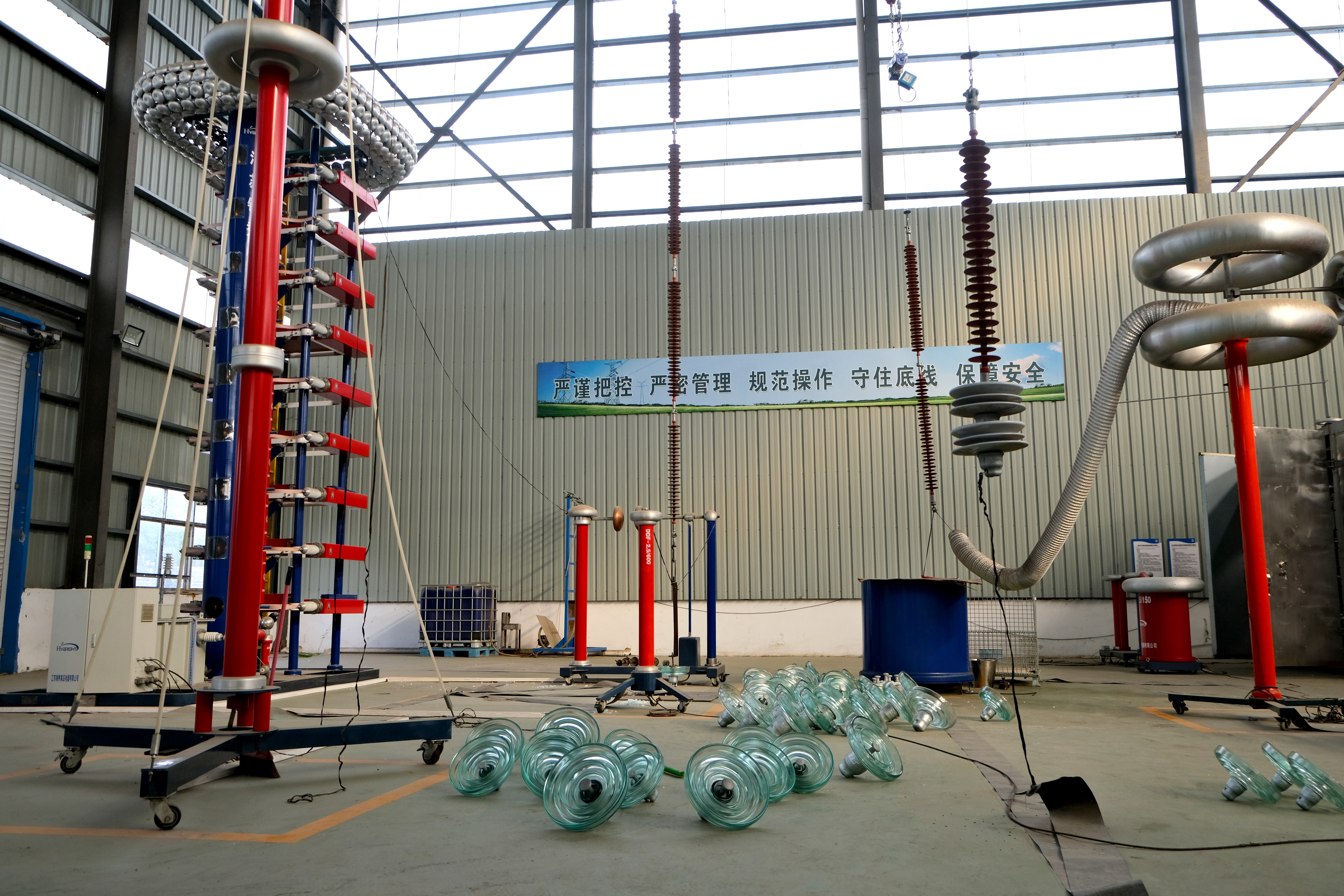
- Set the incoming inspection regime. Specify 100% dye penetration testing on individual units for crack detection, glaze inspection against IEC 60672, and a power-frequency withstand test on sampled units. Visual inspection alone cannot detect internal defects, and zero-value degradation of porcelain units occurs without any visible external change — which is why periodic live-line testing every three to five years is part of the operating plan, not an optional extra.
- Lock the supply programme before the first call-off. Agree MOQ, delivery terms, payment terms, acceptance criteria and spares provisioning in writing, so that the second and third years of the programme draw on the same product and the same quality system.
Use Cases: Which Segment Gets Which Unit
Case 1 — New 11 kV rural feeder on pin crossarms
A greenfield feeder running on standard pin crossarms over farmland is the clearest P-11-Y application. The unit's 11 kV rating, 10 kN mechanical load and 240 mm creepage distance align with a straight, unloaded distribution section, and the top-groove or side-groove tie is standard crew practice. Specify P-11-Y for the whole straight run and reserve shackle units for the transition points.
Case 2 — Village LV spur and service connections
The last few hundred metres of a rural network are repetitive, low-cost and mounting-constrained. ED-2B, with a 25 kV dry and 13 kV wet withstand and a 76 mm body, is tied on both sides of the conductor and works on brackets and bolts rather than crossarm pins. This is where unit count is highest, so matching the correct product here has the largest effect on the bill of materials.
Case 3 — Corner poles and tap-off points
Where the route changes direction or a tap leaves the main line, the conductor is no longer held in a single top groove. A double-sided shackle tie gives the crew a workable connection at these points. On an 11 kV corner, verify the 13 kV wet withstand against the line's insulation coordination and confirm the mechanical duty with the manufacturer before approval — do not assume a low-voltage mounting pattern carries 11 kV duty by default.
Case 4 — Re-conductoring and mixed-hardware retrofits
Retrofit work rarely produces a clean segment schedule. The practical approach is to survey the existing hardware, map each pole to the unit it can physically accept, and then order both P-11-Y and ED-2B in the ratio the survey produces. A supplier that manufactures both unit types keeps that mixed order on one quality system and one delivery schedule.
Comparison Table: P-11-Y vs ED-2B
| Decision variable | P-11-Y pin porcelain insulator | ED-2B shackle porcelain insulator |
|---|---|---|
| Product family | Pin type, porcelain | Shackle / butterfly type, porcelain |
| Voltage basis | Rated 11 kV | 25 kV dry withstand / 13 kV wet withstand |
| Mechanical load | 10 kN | Not stated in this comparison basis — confirm with datasheet |
| Creepage distance | 240 mm | Not stated in this comparison basis — 76 mm body height constrains the leakage path |
| Body height | — | 76 mm |
| Mounting | Pin or crossarm spindle; top or side groove | Bolt or bracket through the body; double-sided tie |
| Typical segment | Straight 11 kV overhead distribution run | LV spur, service connection, tap-off, corner pole |
| Primary check before order | Pollution class vs 240 mm creepage; span load vs 10 kN | Wet withstand vs system insulation coordination; pollution class vs available leakage path |
| Standard reference | IEC 60383-1:2023, IEC 60672, IEC 60815; ANSI C29.1 for North America | Verify applicable standard scope with manufacturer; ANSI C29.1 test methods for North America |
Comparison limited to the specification basis supplied for this article. Blank or unstated parameters must be confirmed on the manufacturer datasheet before purchase.
| Line segment on a rural route | Recommended unit | Reason |
|---|---|---|
| 11 kV straight run, pin crossarm | P-11-Y | 11 kV rating, 10 kN load and 240 mm creepage match the duty |
| 11 kV corner or tap-off | ED-2B after verification | Double-sided tie suits the connection; confirm 13 kV wet withstand and mechanical rating |
| LV distribution spur | ED-2B | Shackle mounting with 25 kV dry / 13 kV wet withstand gives margin at LV |
| Service drop to premises | ED-2B | Light tie-off duty and bolt mounting |
| Polluted or coastal section | Re-check both | Creepage path must be validated against IEC 60815 pollution class |
Segment routing rule: one product per mounting method, verified against voltage, load and pollution duty.
Long-Term Supply: What to Lock In Before the First Purchase Order
Rural electrification is a multi-year programme, and the insulator decision made at specification only holds if the same product and the same quality system are available in year three. That is a manufacturer question as much as a product question.
Manufacturer standing and product breadth
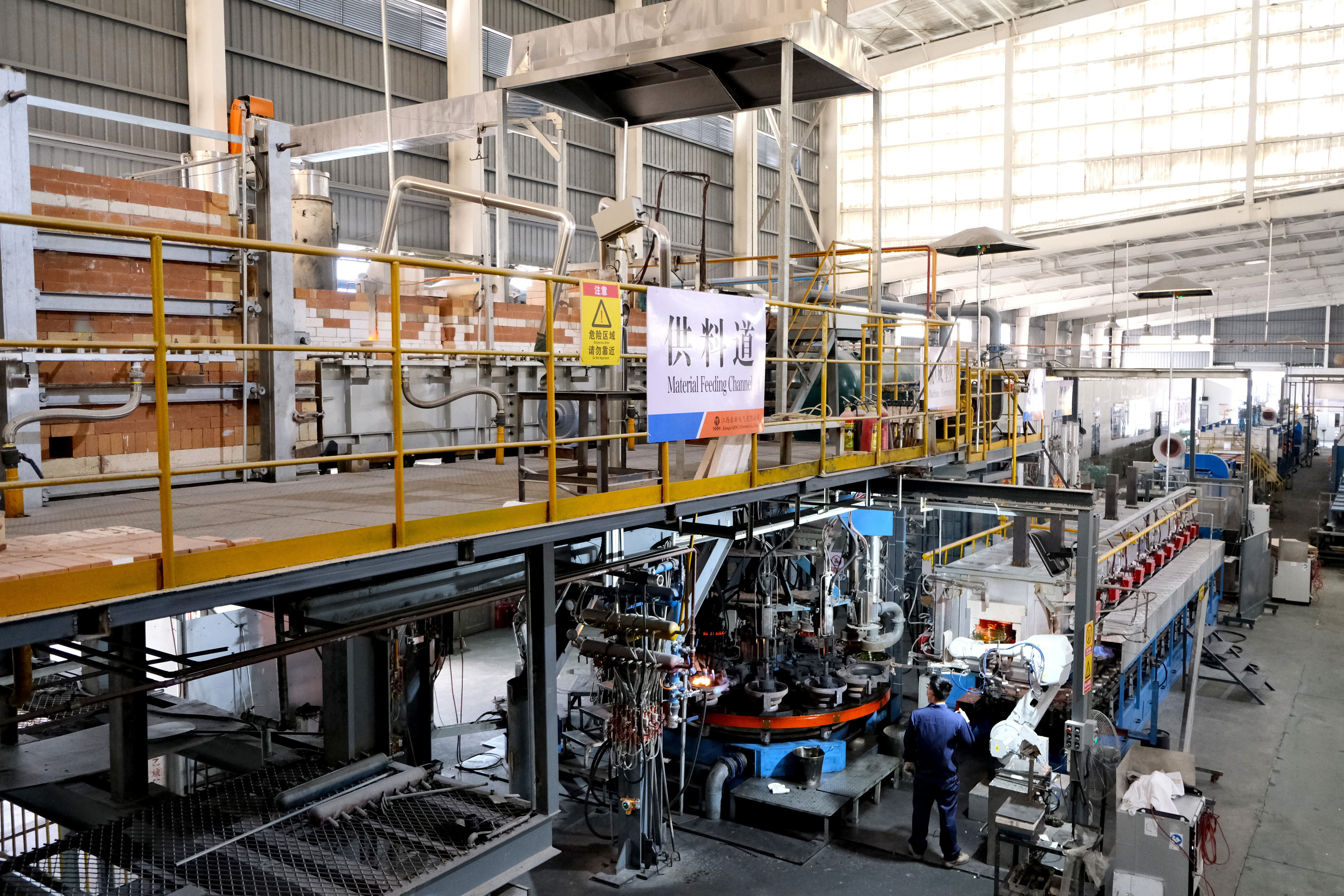
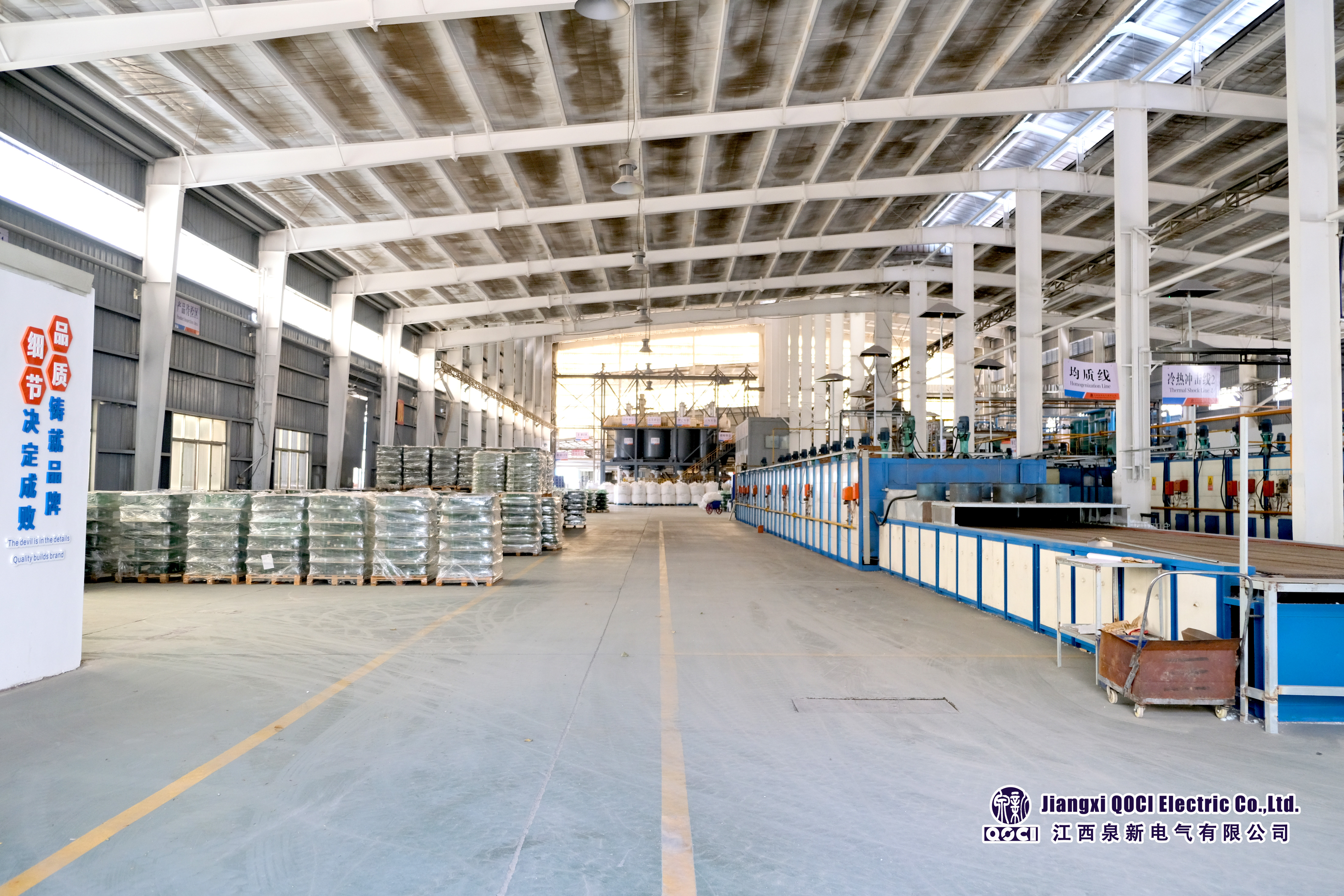
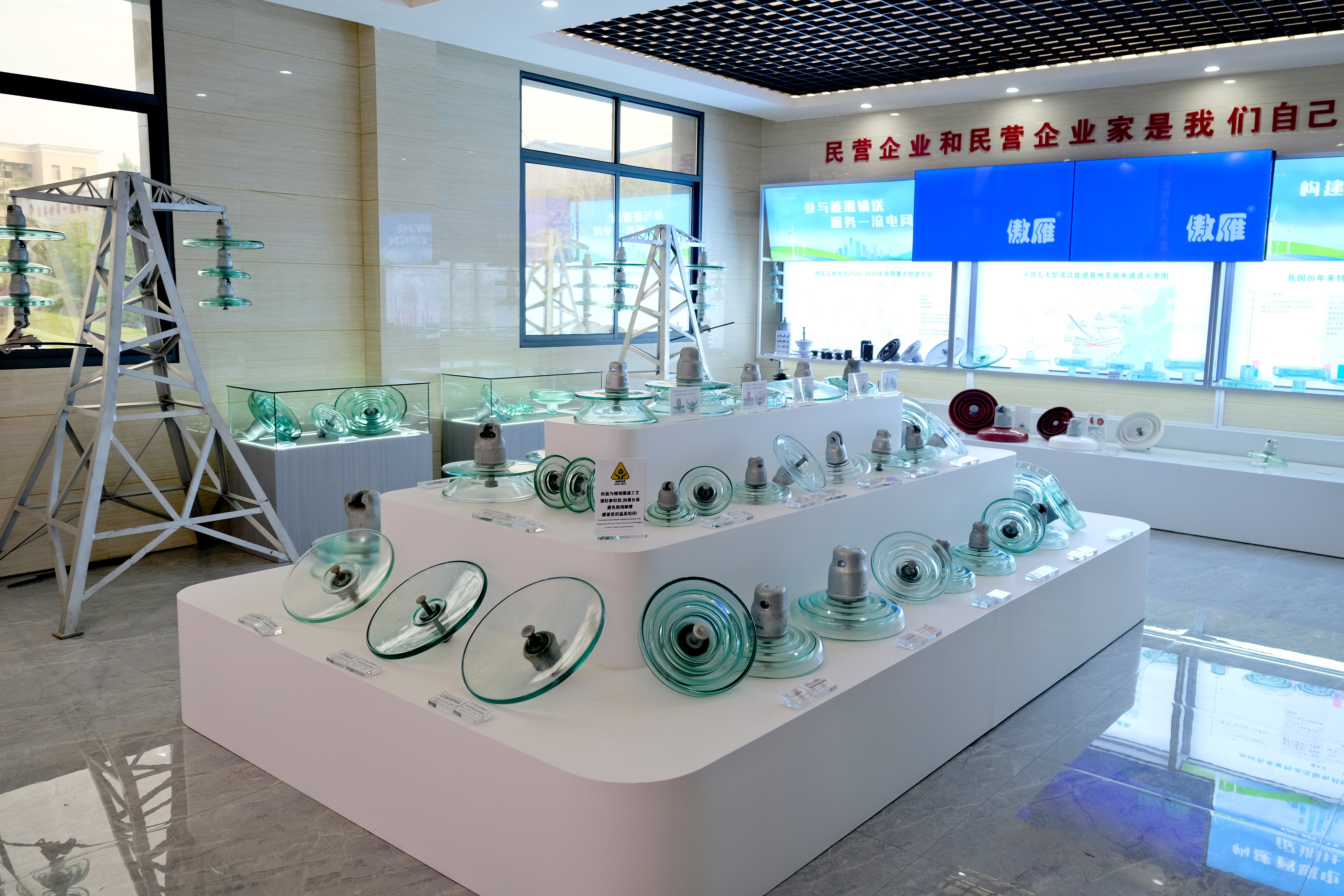
Jiangxi QOCI Electric Co., Ltd is a national high-tech enterprise and a participating unit of the Insulator Standard Committee. The company was established in December 2002 and operates from Luxi Industrial Park, Pingxiang City, Jiangxi Province, China. It specialises in the automated and intelligent production of glass insulators and porcelain insulators, and its range covers line post porcelain insulators, porcelain pin insulators, shackle insulators and AC disc-shaped suspension porcelain insulators — which means a single purchase order can carry both the P-11-Y and ED-2B positions of a rural programme.
Operating scale is relevant to programme supply: a 35,373 m² factory, 138 employees and annual output of 9,000,000 units, with a 38-engineer R&D team, describe a manufacturer built for repetitive distribution-class volume rather than one-off transmission projects. The company's products are used in power grid construction projects in more than 40 countries and regions, and it serves markets in the USA, Asia, the EU, Africa and South America, with products in grid projects in Europe and the Middle East. For a rural electrification buyer, export experience across those markets is evidence that the same unit can be documented against different regional acceptance requirements.
Commercial terms to fix in writing
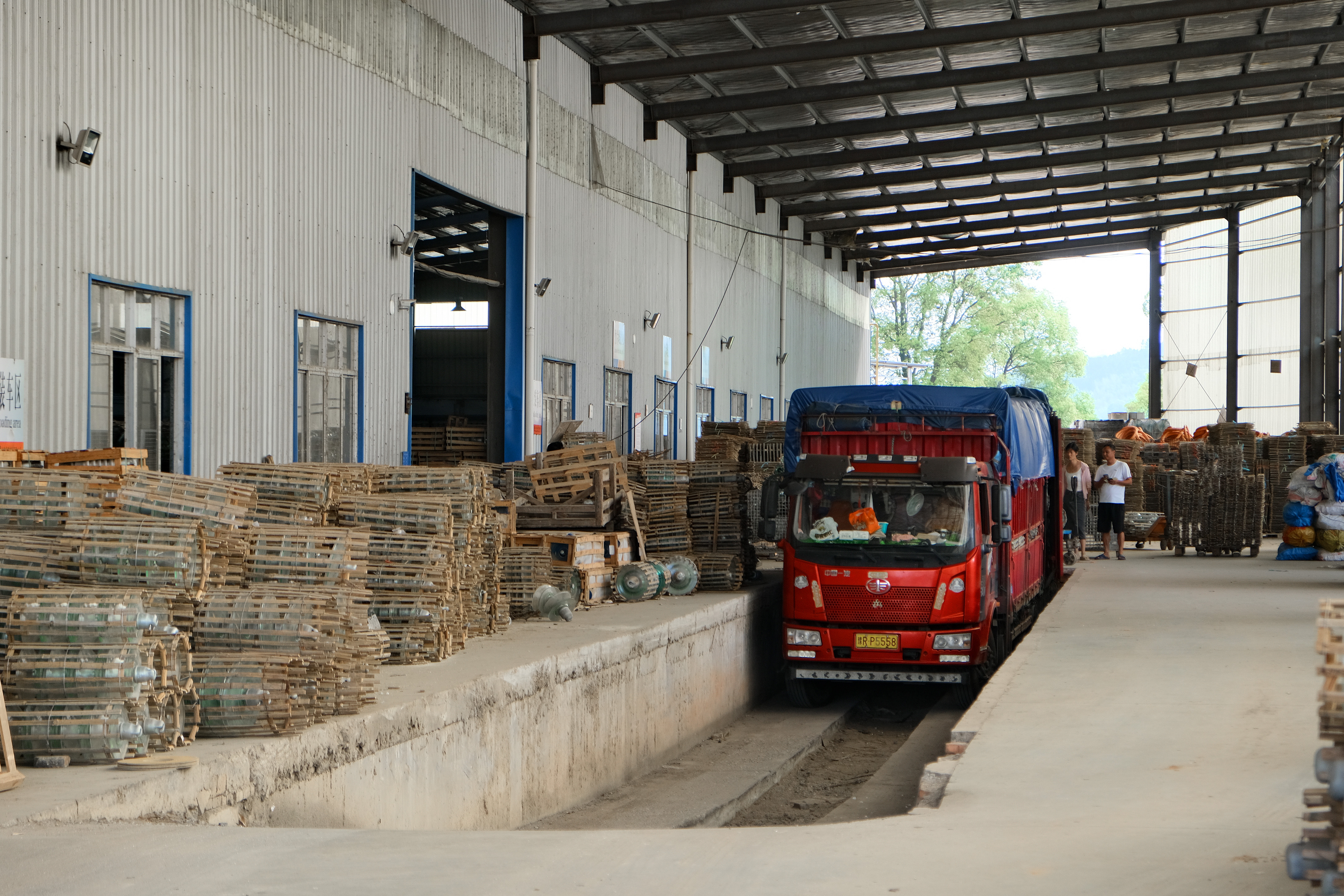
- MOQ: 50 units, which allows a pilot order for one segment before full release.
- Delivery terms: FOB Shenzhen.
- Payment terms: 30% deposit by T/T before production, 70% balance by T/T before delivery.
- Acceptance criteria: pre-shipment test, plus third-party inspection through SGS.
Those four terms define the commercial frame. They should be agreed alongside a spares provision for the maintenance phase, because the periodic live-line testing that detects zero-value units every three to five years generates replacement demand that must be met from the same product specification.
FAQ
Which standards apply to P-11-Y and ED-2B porcelain insulators?
IEC 60383-1:2023 is the current international standard for ceramic or glass insulator units for AC overhead power lines above 1000 V, and it is the reference for the 11 kV P-11-Y. Material and glaze quality follow IEC 60672, and creepage distance is sized to site pollution severity under IEC 60815. Buyers shipping to North America also work to ANSI C29.1 test methods, and the customs classification for porcelain electrical insulators is HS 8546.20. For a low-voltage shackle unit such as ED-2B, confirm the applicable standard scope with the manufacturer, because IEC 60383-1 addresses units rated above 1000 V.
Can one manufacturer supply both pin and shackle porcelain insulators across a multi-year programme?
Yes, where the manufacturer's range covers both families. Jiangxi QOCI Electric Co., Ltd produces line post porcelain insulators, porcelain pin insulators, shackle insulators and AC disc-shaped suspension porcelain insulators, together with glass insulators, using automated and intelligent production. The company is a national high-tech enterprise and a participating unit of the Insulator Standard Committee, established in December 2002, with a 35,373 m² factory, 138 employees and annual output of 9,000,000 units. Its products are used in power grid projects in more than 40 countries and regions.
What commercial terms apply when ordering mixed P-11-Y and ED-2B quantities?
MOQ is 50 units, delivery is FOB Shenzhen, and payment is 30% deposit by T/T before production with the 70% balance by T/T before delivery. Acceptance is based on pre-shipment test and third-party inspection through SGS. These terms apply to the order as a whole, which is why buying both unit types from one manufacturer avoids a second set of minimum quantities, payment terms and inspection arrangements.
How should samples and pre-shipment validation be handled?
Use the pilot order to validate both products against the segment they will serve. Request the full datasheet for the parameters not stated in a summary comparison — notably the ED-2B mechanical rating and creepage distance — and confirm that the supplier performs 100% dye penetration testing on individual units rather than batch sampling, since visual inspection cannot detect internal cracks or incipient zero-value units. Pre-shipment test plus third-party SGS inspection is the acceptance route defined for QOCI orders.
How do we secure long-term supply for the maintenance phase of a rural programme?
Tie the programme to a manufacturer whose range already includes both unit types, and fix MOQ, delivery terms, payment terms and acceptance criteria in writing before the first call-off so that year-two and year-three orders draw on the same product and quality system. Because zero-value degradation of porcelain units cannot be detected visually, plan periodic live-line testing every three to five years and provision replacement units from the same specification. Samples, a quotation for a mixed P-11-Y and ED-2B order, and the product catalogue are available on request.
Next Step: Validate the Segment Schedule
Send the segment list from your rural electrification route — 11 kV pin-mounted sections, LV spurs and service drops — and request a sample set covering both the P-11-Y pin porcelain insulator and the ED-2B shackle porcelain insulator, together with a quotation for the mixed quantities. Contact: admin@qocielectric.com · WhatsApp +86 199-7997-1591 · www.quanxinelectric.com.
Product catalogue (PDF, public download): QOCI Catalogue
Conclusion
The P-11-Y and ED-2B are not competing options on the same pole; they are two positions on the same route. P-11-Y carries the 11 kV straight run with its 11 kV rating, 10 kN mechanical load and 240 mm creepage distance. ED-2B closes the network at the lighter, more repetitive end with a 25 kV dry and 13 kV wet withstand and a 76 mm body built for shackle mounting and double-sided ties.
The execution rule is simple: segment the route, match the unit to the mounting method, verify voltage, load and creepage against the actual site conditions, inspect on receipt, and fix the supply terms before the first purchase order. Two of those checks — the ED-2B mechanical rating and the ED-2B creepage distance — must come from the manufacturer datasheet, because they are not part of the summary specification basis used here. Getting those confirmed early is what keeps a rural electrification programme on schedule from the first pole to the last service drop.
Have Questions or Need More Details?
Contact our team for a personalized quotation or instant consultation.
Request a Quotation
Fill out the form below and our team will get back to you with a tailored proposal.
WhatsApp Direct Chat
Prefer to chat in real-time? Message us on WhatsApp for instant assistance & quick answers.
- Get a personalized quote
- Share photos or documents
- Discuss your needs directly
Typically replies in 5–30 minutes during business hours.