
Jiayao Stylus Pen vs. Apple Pencil: An iPad Buyer's Decision
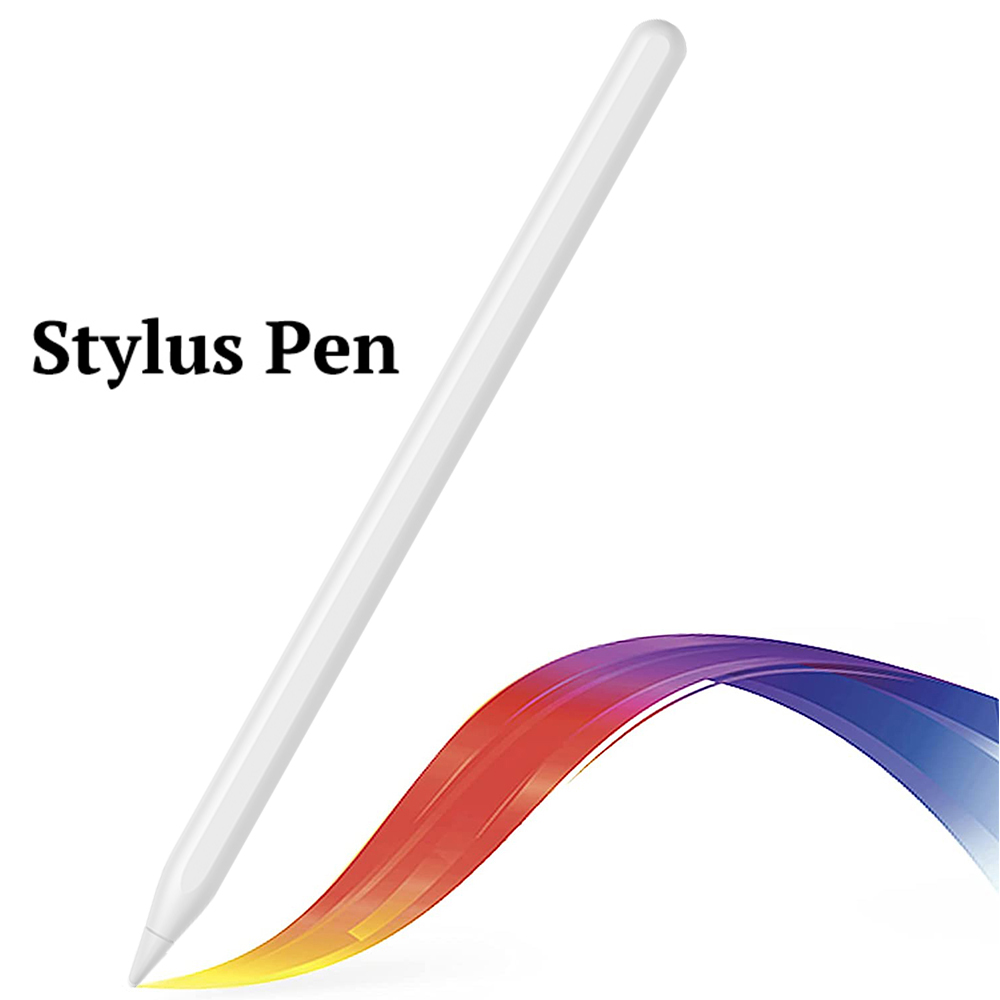
Decision summary: choosing between a Jiayao iPad active stylus pen and an Apple Pencil is not settled by brand name. It is settled by four checks that a buyer can run before paying: whether the pen is confirmed for the exact iPad model in hand, whether active or passive stylus technology matches the work being done, whether the purchase is a single retail unit or a factory-direct order with MOQ, samples and acceptance testing, and whether the pen passes your own sample evaluation. Apple defines Apple Pencil compatibility for each iPad model on Apple's own pages; a third-party supplier defines its own supported model list. Neither definition transfers to the other, which is why the four checks come before any feature list.
What this comparison covers, and what it deliberately does not
Apple Pencil is Apple's own stylus for iPad, and its compatibility and published feature set are controlled by Apple for each iPad generation. A Jiayao iPad active stylus pen is a third-party active stylus produced by Dongguan Jiayao Intelligent Technology Co.,Ltd, a stylus pen manufacturer based in Dongguan, Guangdong, China. Those two sentences are accurate starting points, but they do not tell an iPad buyer which pen to buy.
This article therefore limits itself to what can actually be documented. It uses the difference between active and passive stylus technology recorded in Jiayao's product comparison data, the manufacturing and purchasing terms Jiayao publishes, and the verification steps any buyer should run before committing. It does not publish Apple Pencil latency, pressure levels, charging figures, prices or warranty terms, because those must come from Apple's official product and compatibility pages. Where a dimension is outside the evidence used here, the comparison table says so instead of filling the gap with a guess.
The real problem: three unknowns block an iPad stylus decision
Most iPad stylus decisions stall on the same three unknowns, and none of them is about drawing quality in the abstract.
Unknown one is model fit. iPad stylus compatibility is model-specific, and it changes across generations. A pen that is confirmed for one iPad may not be confirmed for another. Buyers who assume that any active stylus works with any iPad create the most common mismatch in this category. The practical answer is to work from a written supported-model list, not from a product photo.
Unknown two is technology type. Active and passive styluses are different tools, not different quality tiers of the same tool. The documented difference between them covers writing behaviour, latency, cost position, maintenance and runtime. A buyer who has not decided which of those trade-offs matters will keep comparing the wrong products.
Unknown three is the buying model. A retail accessory purchase and a factory-direct stylus order are two different transactions. One is a finished consumer item bought in single units; the other involves MOQ, sampling, customisation and incoming acceptance inspection. A buyer evaluating a Jiayao stylus against an Apple Pencil is often comparing these two models at the same time as comparing two pens, and that is where the decision becomes clear or stays confused.
Industry background: how the iPad stylus market split into two tracks
The stylus category now runs on two parallel tracks, and understanding the split explains why first-party and third-party pens are not evaluated in the same way.
One track is first-party. Apple designs the Apple Pencil specifically for its own iPad line and publishes compatibility per model. Buyers on this track are choosing inside one vendor's ecosystem, and the main task is to match the pen generation to the tablet generation.
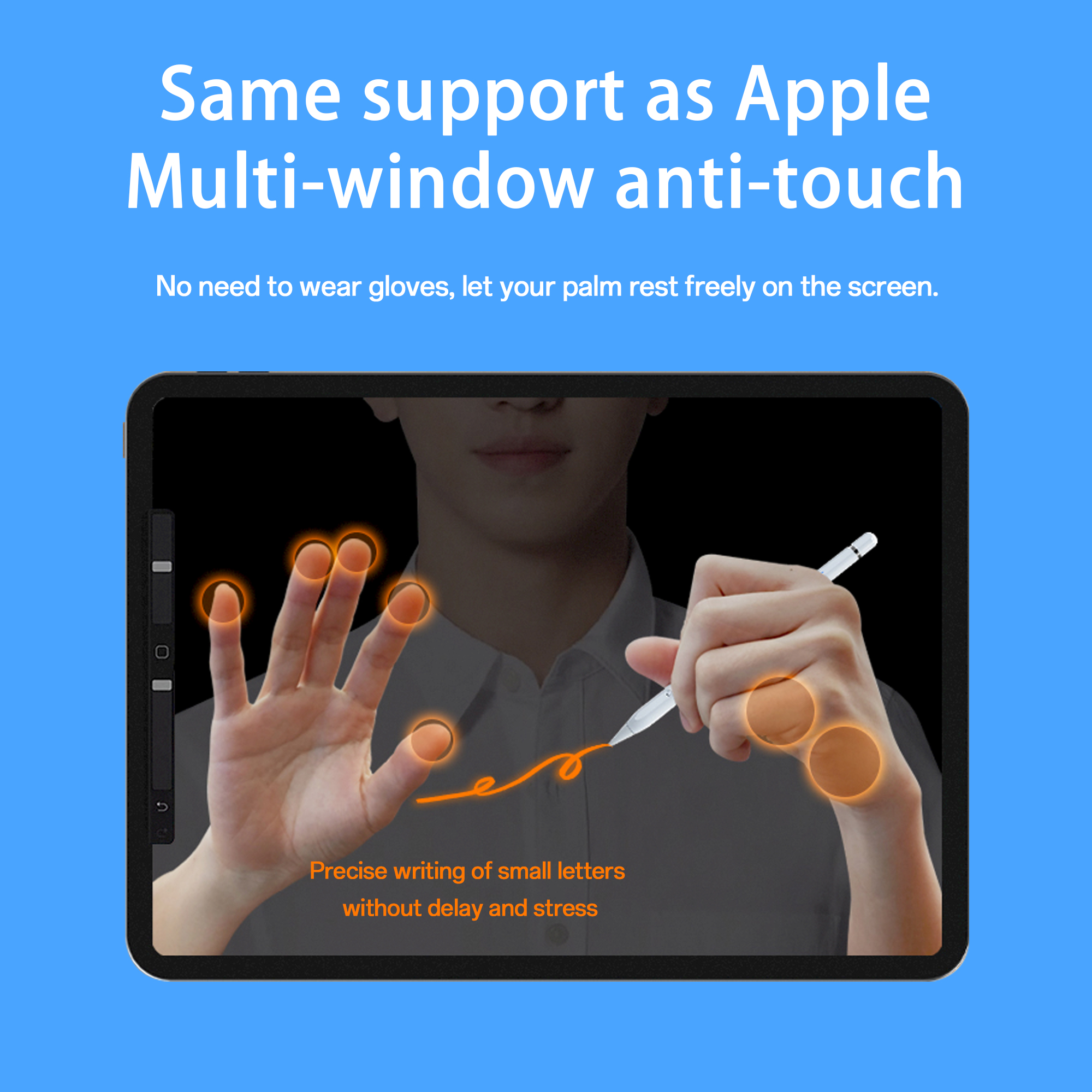
The other track is standardised and third-party. The USI 2.0 (Universal Stylus Initiative) specification, released in 2022, is described by the Universal Stylus Initiative as the primary cross-platform standard for active styluses, supported by Google, Intel and Lenovo. An open standard matters to buyers because it separates the pen from a single device brand, which is exactly the position a manufacturer such as Jiayao occupies: active and passive stylus pens compatible with iPad and mainstream tablets.
Import and trade mechanics reinforce the distinction. Stylus pens are typically classified under HS Code 8471.60.90 as automatic data processing input units, so a volume buyer treats the pen as an input accessory with its own documentation, inspection and logistics path rather than as a consumer electronics purchase made at a retail counter. That classification detail does not change performance, but it does change what a procurement team must prepare.
Compatibility expectations: who confirms what
Compatibility is the first filter, and it is a question of ownership of the claim.
For an Apple Pencil, the compatible iPad models are stated by Apple. The buyer's job is to read Apple's official compatibility information for the specific pencil generation and the specific iPad model, including whether a newer pencil works with an older tablet or vice versa. No third-party article, including this one, can substitute for that source.
For a Jiayao iPad active stylus pen, the supported iPad model list is a supplier specification. The correct procedure is to send the exact iPad model identifiers in the procurement request and ask for written confirmation against that list before samples or production are approved. Jiayao's OEM and ODM work covers active and passive stylus pens compatible with iPad and mainstream tablets, and customisation is handled on a sample basis for items such as logo, packaging, function and Bluetooth name. Compatibility confirmation should be treated as part of that same written specification, not as an assumption carried over from a similar model.
The decision rule is simple. If the pen is for personal use on one iPad, confirm one model and stop. If the pen is for a fleet, a school programme, a retail range or a brand programme, build a written compatibility matrix covering every iPad model in scope before placing the order, because a single unconfirmed model inside a mixed fleet becomes a returns problem later.
Active or passive: the documented difference that shapes the decision
Before comparing brands, decide the technology. Jiayao's product comparison data records the following difference between an active pen and a passive pen, and it is the only performance difference this article will assert.
| Dimension | Active pen (documented) | Passive pen (documented) |
|---|---|---|
| Writing behaviour | Precise writing, no latency, no offset | Not recorded in this comparison data |
| Measured performance gap | Latency under 8 ms; writing offset under 0.5 mm | Not recorded in this comparison data |
| Typical use | Writing on the iPad or tablet | Not recorded in this comparison data |
| Cost position | Higher cost than a passive pen | Lower cost position |
| Maintenance | Requires regular charging; pen tip is replaceable | Not recorded in this comparison data |
| Runtime | Up to 11 hours of continuous working time per full charge | No charging requirement implied by the comparison data |
Two readings of this table matter for the Apple Pencil decision. First, an Apple Pencil and a Jiayao iPad active stylus pen sit on the same side of the active-versus-passive line: both are active styluses, not passive styluses. The active-versus-passive table therefore does not separate them from each other; it separates both of them from a passive capacitive pen. Second, the table does explain the cost conversation. Active technology carries a higher cost position than passive, and it also carries a charging routine and a replaceable tip. Buyers who object to a rechargeable pen are not making a brand argument; they are rejecting the active category, and no amount of model comparison will resolve that.
Where the Jiayao iPad active stylus pen enters the decision
Once compatibility and technology type are settled, the remaining question is whether the supplier behind the pen can meet the terms of the purchase. That is where the documented company facts become decision-relevant rather than promotional.
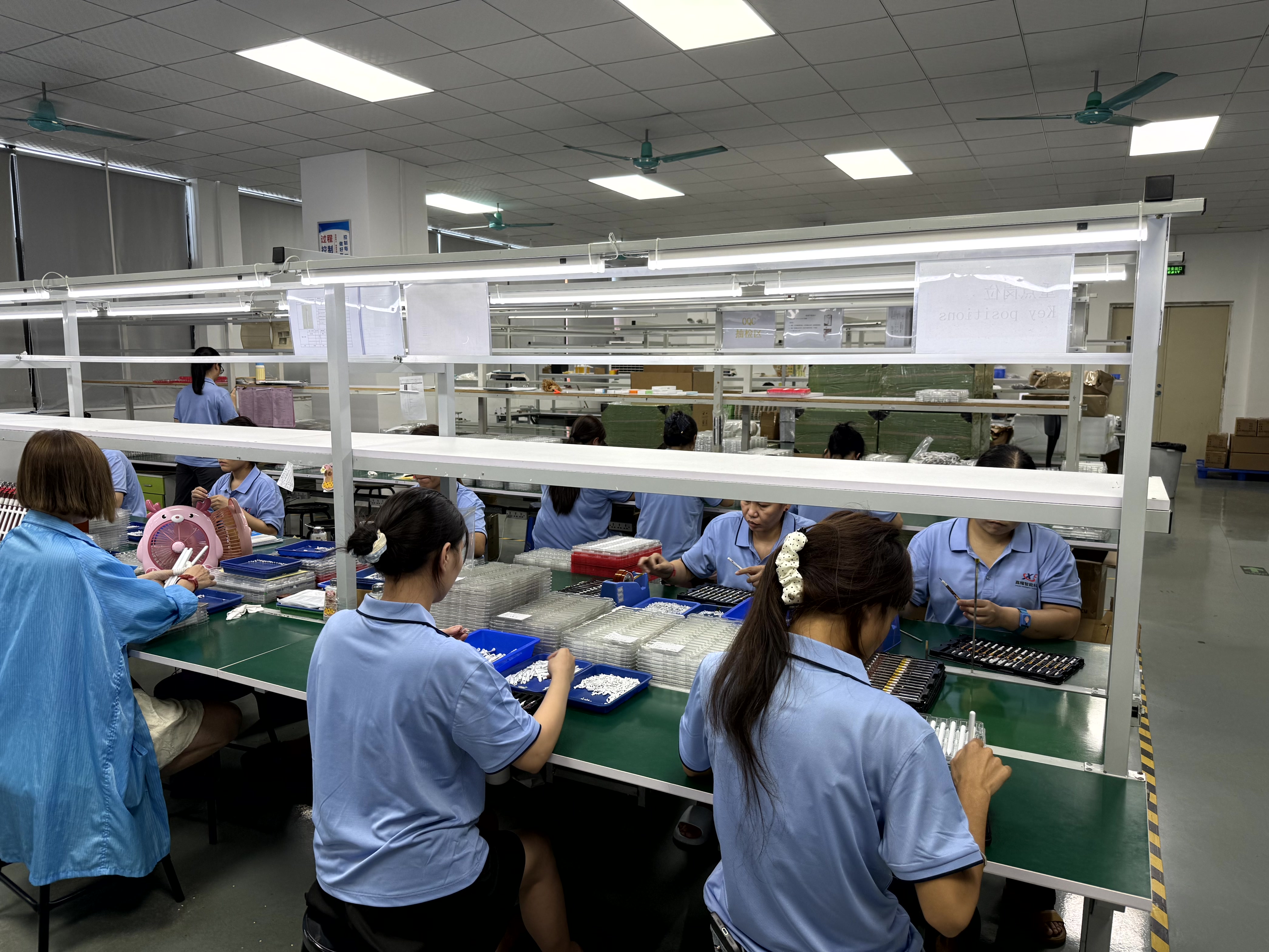
Vertical process control. Jiayao's core capabilities cover the entire process from PCBA design and battery welding to final assembly and quality testing. For a buyer, the practical meaning is that design changes, charging behaviour and assembly quality are handled inside one chain rather than split across several vendors, which reduces the number of parties who must agree before a specification change is approved.
Inspection before shipment. Every stylus produced goes through 100% full inspection covering functional, tactile and visual checks. In an acceptance-criteria conversation, this is the supplier's baseline claim, and the buyer's incoming inspection should still sample independently. The value is that a full-inspection baseline is a testable commitment: you can ask what the functional, tactile and visual checks consist of and how a failure is recorded.
Order flexibility. The company is set up with flexible MOQs for fast-moving brands and growing sellers, samples in as little as 3 weeks, and standard orders shipped in 20 days. Large quantities of regular models are kept in stock to handle small, scattered and urgent orders of standard products. For a buyer comparing a factory-direct route against a retail accessory purchase, these are the terms that make the comparison real: sample lead time, production lead time and minimum order quantity usually decide the route long before a specification debate does.
Customisation scope. OEM and ODM projects are supported, with customisation based on samples for items such as logo, packaging, function and Bluetooth name. A private-label programme that needs its own Bluetooth identifier or retail packaging should confirm those items in the sample round, because they change tooling and documentation.
Scale and market exposure. The company was founded in 2021, operates a 2,700 m² factory with 100 employees and a 4-engineer R&D team, and reports annual output of 3,000,000 units with a 40% export ratio, mainly to the EU and USA. These figures indicate capacity and export familiarity; they do not by themselves prove that any specific pen configuration will match a specific buyer's performance requirement, which is why the sample step below is not optional.
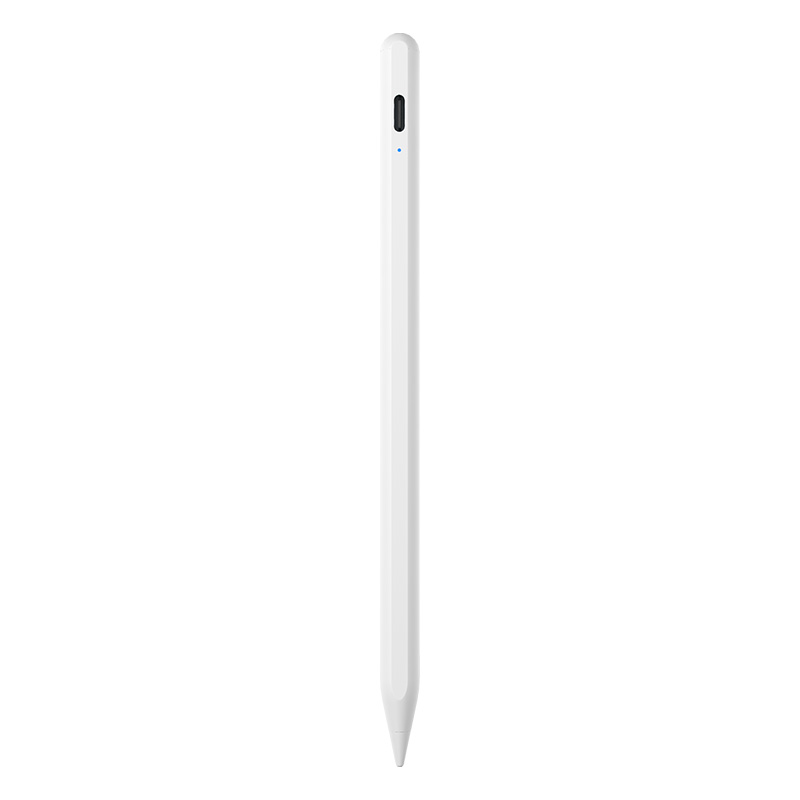
Step-by-step: how to decide and verify in six steps
The sequence below works for a single iPad owner and for a procurement team; the difference is only how much documentation each step produces.
Step 1 — Write down the iPad models in scope
List exact model identifiers, not just "iPad". If the answer is one tablet, the list has one line. If it is a deployment, the list becomes the compatibility matrix. Every later step depends on this list, and any pen that cannot be confirmed against it is out of scope regardless of price.
Step 2 — Choose active or passive on purpose
Use the active-versus-passive table above. If the work is writing, annotation or note-taking on the iPad and precise writing behaviour matters, the active category is the relevant one. If the work is casual tapping and cost position dominates, the passive category is the relevant one. Do not compare an active pen against a passive pen on price alone; they are different tools, and the documented cost difference reflects that.
Step 3 — Decide the buying model before the model number
Single-unit personal purchase: the decisive factors are retail availability and confirmed compatibility. Volume, private label or fleet purchase: the decisive factors are MOQ, sample lead time, production lead time, customisation scope and acceptance criteria. A buyer who has not chosen the buying model will keep switching between two incomparable sets of criteria.
Step 4 — Request a sample against your own acceptance criteria
Run the sample on your own iPad and in your own apps. Test writing accuracy and offset, latency feel during continuous writing, palm contact while writing, tilt behaviour if your work depends on shading, charging and runtime under your own schedule, and tip condition after extended use. Jiayao's comparison data documents latency under 8 ms, writing offset under 0.5 mm and up to 11 hours of continuous working time per full charge for its active pen; a sample is where you confirm those figures on your configuration rather than accepting them as a specification sheet.
Step 5 — Fix the written specification and acceptance record
Convert the sample result into a written specification: supported iPad models, pen type, charging method, tip type and replacement, customisation items such as logo, packaging, function and Bluetooth name, and the functional, tactile and visual checks that will define pass or fail at incoming inspection. The 100% full-inspection commitment is only useful if the buyer has written down what is being inspected.
Step 6 — Confirm commercial terms and the fallback plan
Confirm MOQ, sample lead time, standard production lead time, packaging approval and after-sales route in the same document. Jiayao's published terms are flexible MOQs, samples in as little as 3 weeks and standard orders shipped in 20 days, with stock of regular models available for small, scattered and urgent standard-product orders. Ask which of your chosen configurations qualifies as a stock model and which requires a custom run, because that distinction, not the headline lead time, determines your real delivery date.
Use cases: which route fits which buyer
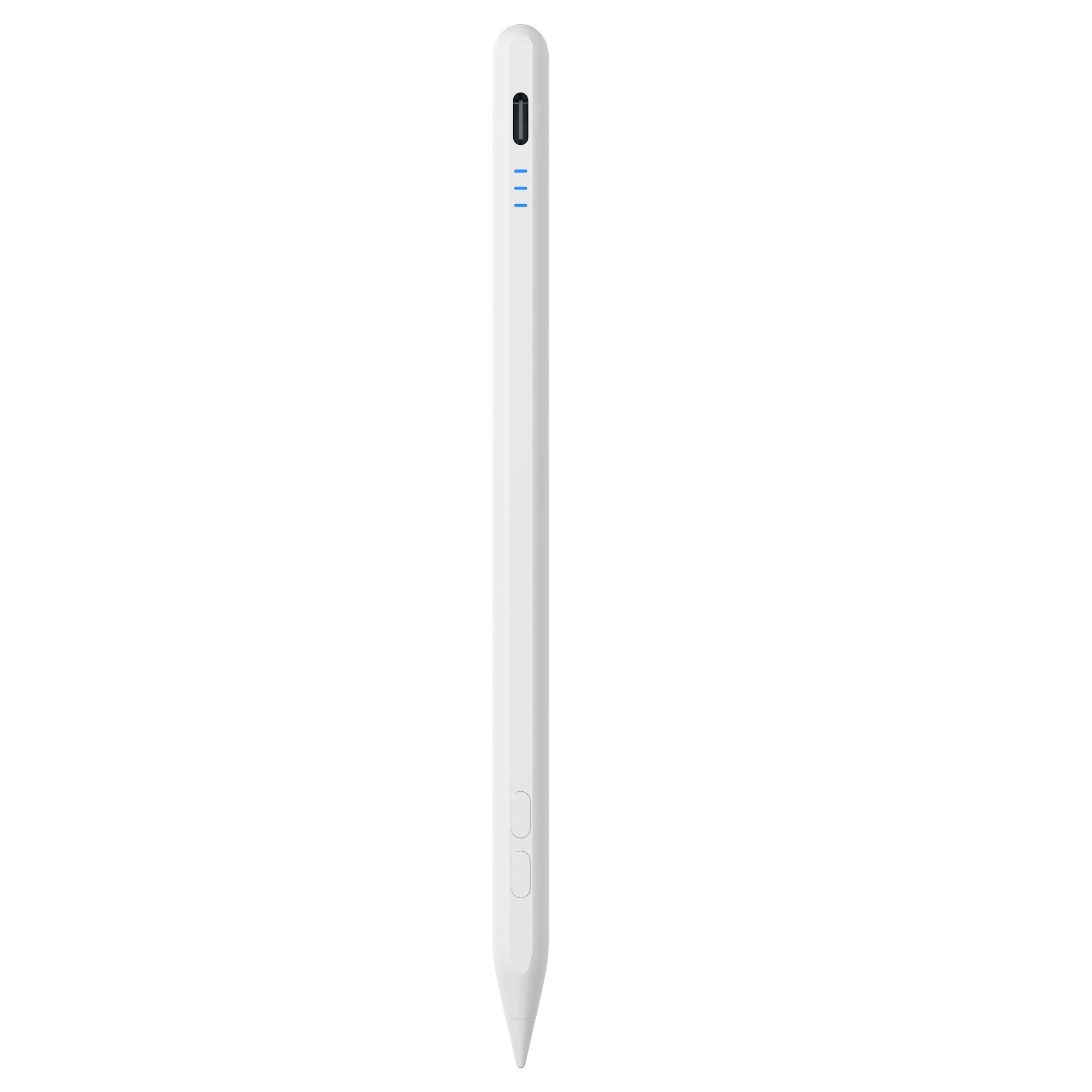
Individual note-taking and annotation. A single iPad user who wants confirmed compatibility and predictable writing behaviour can evaluate a Jiayao iPad active stylus pen against an Apple Pencil on the same criteria: model confirmation, active writing behaviour, charging routine and tip replacement. For this buyer, the sample step is short and the decision is usually made on fit and confirmed compatibility rather than on order terms.
Fleet or education deployment. When the same pen must serve many iPad models and many users, the compatibility matrix and the acceptance record carry most of the risk. Here the factory-direct route offers what a retail purchase cannot easily provide: a written model list, a defined inspection standard and an after-sales route tied to a contract. Jiayao's one-stop processing service and full inspection process are the relevant mechanisms in this scenario.
Private-label or distributor programme. A brand or distributor needs its own logo, packaging, function configuration and Bluetooth name. This is an OEM/ODM scenario, and the decision is made in the sample round, because the items being customised are the ones that must be approved before production. Buyers in this scenario should also confirm the HS Code 8471.60.90 classification with their freight forwarder when planning import documentation.
Head-to-head table: Jiayao iPad active stylus pen vs. Apple Pencil
The table below is deliberately split between documented points and points that must be confirmed at the source. It compares the two routes as purchasing and verification paths, which is the decision an iPad buyer actually has to make.
| Decision dimension | Jiayao iPad active stylus pen | Apple Pencil |
|---|---|---|
| Product identity | Third-party active stylus, manufactured by Dongguan Jiayao Intelligent Technology Co.,Ltd | Apple's own stylus for iPad |
| Who defines compatibility | The supplier; request written confirmation against your exact iPad model list | Apple; read Apple's official per-model compatibility information |
| Technology category | Active (also passive models manufactured) | To confirm on Apple's official product page |
| Documented performance in this article | Latency under 8 ms; writing offset under 0.5 mm (active pen comparison data) | Not asserted here; verify on Apple's official product page |
| Power and runtime | Requires regular charging; up to 11 hours continuous working time per full charge | Not asserted here; verify on Apple's official product page |
| Pen tip | Replaceable | Not asserted here; verify on Apple's official product page |
| Quality control basis | 100% full inspection: functional, tactile and visual checks | Not assessed in this article |
| Customisation | OEM/ODM on a sample basis: logo, packaging, function, Bluetooth name | Outside this article's scope |
| Buying model | Factory-direct, flexible MOQ, samples in as little as 3 weeks, standard orders in 20 days | Consumer purchase through Apple's official channels; confirm current sales and warranty terms with Apple |
| Typical fit | Buyers who need written model confirmation, defined inspection, private label or volume supply terms | Buyers who prefer Apple's own accessory and Apple-defined compatibility, buying in single units |
Read the empty cells correctly. "Not asserted here" means this article has no verified evidence for that Apple Pencil dimension; it does not mean the feature is absent. Conversely, the Jiayao figures describe the active pen comparison data supplied by the manufacturer, and they must still be confirmed on your sample and your iPad model. Neither column is a verdict, and the table is not scored, because scoring would require comparable, independently verified measurements that this decision does not need.
Limitations and what a sample test must still prove
An active pen requires regular charging. That is a genuine operational constraint, not a marketing footnote: a pen that runs up to 11 hours of continuous working time per full charge must fit into someone's charging routine, and a shared-device programme needs a plan for that. A passive pen avoids the charging routine but sits outside the active writing behaviour described above.
Active technology also carries a higher cost position than passive. If a budget is fixed against a passive pen benchmark, moving to an active pen changes the budget, and that should be an explicit decision rather than a surprise at quotation stage.
Finally, three things cannot be settled by any article. Palm rejection behaviour on a specific iPad model and in a specific app must be demonstrated in the sample. Tilt behaviour, where the work depends on it, must be shown rather than described. And the long-term wear of a replaceable tip depends on pressure, frequency and application, which only your own usage pattern will reveal. These are the items to put on the sample test sheet.
FAQ
Which iPad active stylus pen manufacturers offer better palm rejection and tilt accuracy?
No manufacturer can be declared better on palm rejection and tilt accuracy without comparable, independently verified test results on the same iPad model, the same app and the same writing conditions, so this article does not rank suppliers on those two attributes. What a buyer can do is convert the question into verifiable steps. Ask each shortlisted supplier for written confirmation of palm rejection and tilt behaviour on your exact iPad model list; request a sample and test palm contact during continuous writing and tilt behaviour in the app you actually use; and record the result against a fixed test sheet so suppliers are compared on the same evidence. For Jiayao, function-level customisation is handled on a sample basis alongside logo, packaging and Bluetooth name, which means palm rejection and tilt requirements should be specified in the sample request and approved only after you have tested them.
Which active stylus pen manufacturer offers better palm rejection and low latency?
Low latency and palm rejection are different kinds of claim. Latency for Jiayao's active pen is documented in its comparison data as under 8 ms, with writing offset under 0.5 mm, and up to 11 hours of continuous working time per full charge — figures you can test directly during a sample session. Palm rejection is a behaviour that depends on the pen, the iPad model and the application together, so it should be verified on your own device rather than accepted from a specification line. A sound evaluation therefore splits the two: treat documented latency as a starting specification to confirm by sample, and treat palm rejection as an acceptance test that must be demonstrated before production approval.
How can I request iPad active stylus pen samples from shortlisted manufacturers?
A sample request should contain four items: the exact iPad model identifiers in scope, the pen type required (active, passive, or both), the customisation items if any (logo, packaging, function, Bluetooth name), and the acceptance checks you intend to run. Sending all four at once avoids the usual second and third round of questions. At Jiayao, samples are available in as little as 3 weeks under flexible MOQs, and standard orders ship in 20 days, so the sample stage can be planned against a real production timeline rather than treated as an open-ended trial. To start, contact Lea Tan at LeaTan@dg-xcdz.com or +86 166 2065 1838 with your iPad model list and test criteria, and ask for the stylus pen catalogue and current sample terms for the configuration you need.
Conclusion
The Jiayao stylus pen versus Apple Pencil decision becomes manageable once it is separated into four questions: is the pen confirmed for your exact iPad model, does active writing behaviour match the work, does the purchase model fit your volume, and does the sample pass your own acceptance checks. Apple answers the compatibility question for the Apple Pencil; a supplier answers it for a third-party active stylus, and that answer must be in writing. On the Jiayao side, the documented position is an active stylus with latency under 8 ms, writing offset under 0.5 mm and up to 11 hours of continuous working time per full charge, produced through PCBA design, battery welding, assembly and 100% full inspection, with flexible MOQs, samples in as little as 3 weeks and standard orders in 20 days.
If those terms match your requirement, the next step is a sample rather than a longer comparison. The Jiayao Intelligent stylus pen catalogue lists the current models, and the team can confirm supported iPad models for your configuration before you commit.
Have Questions or Need More Details?
Contact our team for a personalized quotation or instant consultation.
Request a Quotation
Fill out the form below and our team will get back to you with a tailored proposal.
WhatsApp Direct Chat
Prefer to chat in real-time? Message us on WhatsApp for instant assistance & quick answers.
- Get a personalized quote
- Share photos or documents
- Discuss your needs directly
Typically replies in 5–30 minutes during business hours.