
Cylinder vs Globe vs Dome vs Cloche Glass Lamp Shades: A Custom Buyer Comparison
Cylinder, globe, dome, and cloche glass lamp shades are four different answers to four different fixture problems. Cylinder and globe shades are holder-mounted, and their opening diameter decides whether they will seat on an E27, E14, or G9 holder at all. Dome and cloche shades are cover geometries — they stand on a base or lift off by hand, and they are not defined by a fitter opening. This comparison weighs the four shapes against the four criteria that actually decide a custom order: fixture fit, light distribution, cleaning access, and heat exposure. It uses the Cylinder Glass Tube Light Shade (JXHB-010), Glass Globe Lamp Shade (JX1188), Clear Glass Dome With Black Round Base (JX3211), and Glass Cloche (JX3212) as reference products, and flags where borosilicate 3.3, opal white, G9-thread, and double-wall G9 options change the answer.
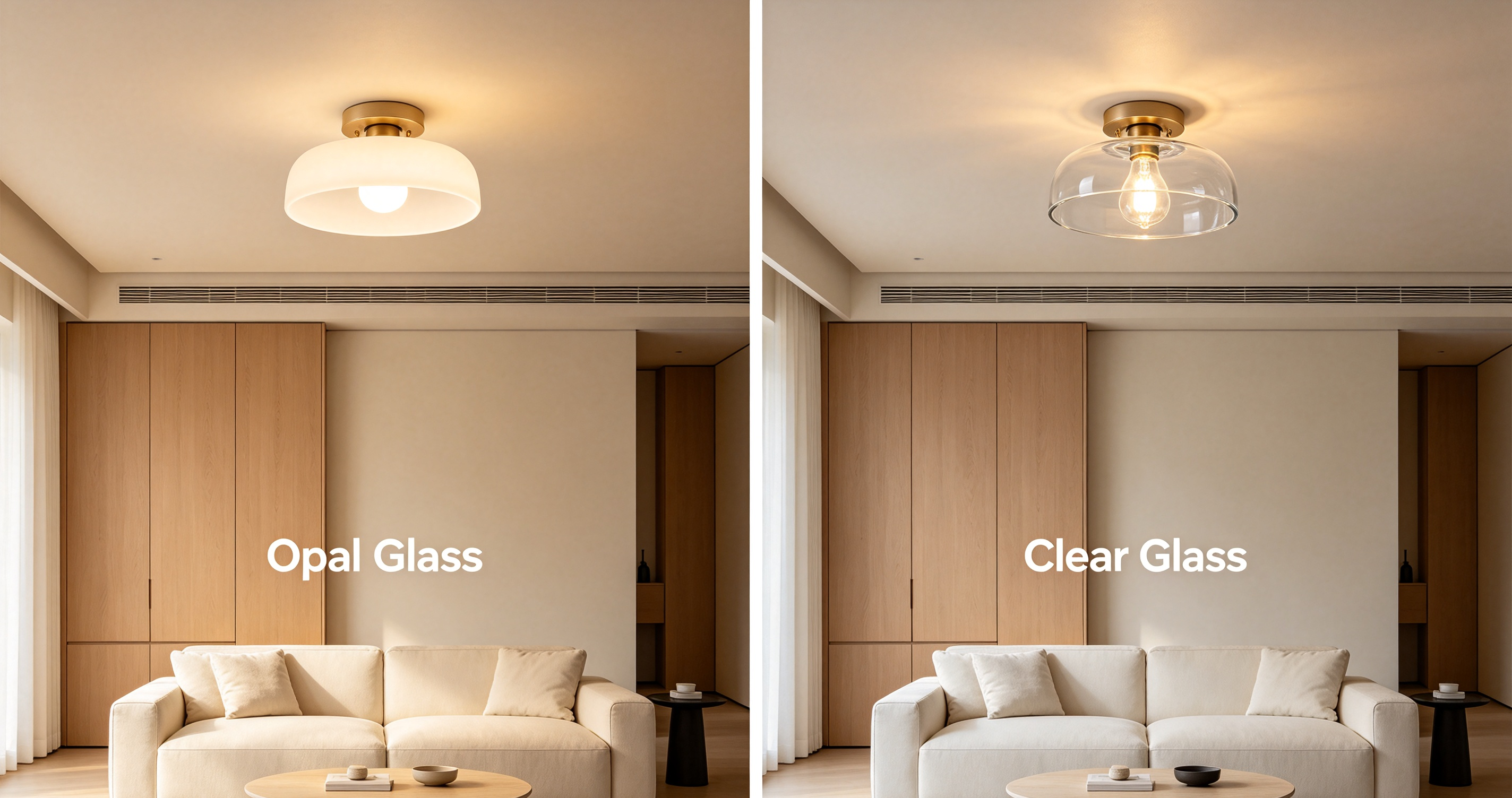
Figure 1 — Opal white glass hides the bulb and spreads light evenly; clear glass delivers maximum output with the bulb fully visible. Choosing between them is a light-distribution decision before it is a styling decision.
Yancheng Jingxin Glassware Co., Ltd. (Jingxin Glassware) is a glass manufacturer founded in 1999 in Yancheng, Jiangsu Province, China. The company produces glass lamp shades, candle vessels, drinkware, home décor glass and laboratory glassware from a 4,500 m² production base, exports to more than 100 countries, and supplies both catalogue items and custom shapes, finishes, fitter openings and branding for lighting buyers.
Problem definition: most shade failures are fit failures
A glass lamp shade that does not fit the fixture has an opening that is either too large or too small for the lamp holder. Three documented causes sit behind that symptom: dimensional tolerance deviation in manufacturing, specifications that were confirmed incorrectly (sample and mass production do not match), and a mix-up of different models during packaging or shipping.
Fit problems and cracking problems are connected. Five documented causes of cracking in normal service are thermal shock from temperature changes that exceed the glass tolerance, the wrong glass type used in a high-temperature application, manufacturing defects such as internal stress from improper annealing, physical impact during installation or cleaning, and improper fit — a shade forced onto an incompatible lamp holder creates stress that leads to cracking. A cracked shade should be replaced rather than repaired, because its structural integrity is already compromised.
That is why shape selection has to be solved as a set of four variables rather than as an aesthetic preference:
- Holder compatibility — the fitter opening in millimetres, and whether the holder is E27, E14, G9, or a base-mounted fixture with no threaded holder at all.
- Light distribution — maximum output with a visible bulb, or a soft, glare-free glow with the bulb hidden.
- Cleaning access — how much of the inner surface a hand, cloth, or brush can actually reach.
- Heat exposure — the operating temperature of the fixture against the rating of the glass.
Industry background: why shape now decides more than cost
Lighting buyers have been moving from plastic to glass covers for reasons that are measurable rather than cosmetic. Glass delivers 92–97% light transmission against 80–89% for PC and acrylic, an 8–17% gain. Glass does not yellow, while polycarbonate yellows within 3–5 years of UV exposure, and even UV-stabilised polycarbonate hazes by 20–30% over time. Glass life is effectively permanent, against a typical 5–10 years for plastic, and glass is scratch-resistant and cleans with standard glass cleaner, whereas plastic scratches during cleaning and needs replacement every 5–10 years. Glass carries 30–60% higher initial cost than equivalent plastic shades but a 40–50% lower total cost of ownership over ten or more years.
Within glass itself, the finish ladder drives both the light result and the price. Relative to clear glass as the baseline, frosted glass carries a 10–25% premium, opal glass 15–30%, ribbed or textured glass 20–35%, and coloured glass 20–50% or more depending on the colour selected. Each step buys a specific optical behaviour rather than a vague upgrade.
The category also has a formal trade identity. The U.S. Census trade schedule classifies glass envelopes and glass parts for electric lighting within Chapter 70 (glass and glassware), which means lighting glass components travel under a recognised customs description. UN Comtrade, which stores more than one billion trade records from 1962 and receives annual statistics from over 140 reporter countries, publishes chapter 70 glass and glassware data — useful when a buyer wants to model import flows before committing to a shape and a supplier.
How the four shapes actually differ
Cylinder: the straight tube that solves glare in linear fixtures
The Cylinder Glass Tube Light Shade (JXHB-010) is a mouth-blown borosilicate glass tube, Ø100 mm × H150 mm, with a 42 mm fitter opening that fits standard E27 lamp holders, a 3–4 mm wall, a milk frosted finish, and a reserved side mounting hole. Its answer to glare is the frosted wall: light leaves the tube as an even, milk-white diffusion without the hot spots that a clear tube produces. Its answer to fit is the straight body — a cylinder seats against a flat shade ring and does not need the ring to follow a curve. Because both ends are open, the inner wall is reachable from either end during cleaning, which is the practical advantage of this shape in corridor, table, and retail display lighting where dust accumulates on vertical surfaces.
Globe: the spherical shade with the widest fitting range
The Glass Globe Lamp Shade (JX1188) is Ø100 mm with a 20 mm top opening and a 3 mm wall, hand-blown in soda-lime glass with a marble swirl / amber streaked pattern over an opal milky base, producing a diffused soft output that reduces glare. Its limitation is equally clear: a 20 mm opening restricts cleaning access, and the interior surface has to be reached with a soft cloth or a slim brush.
The globe family is also where fitter openings vary most, and this is the single most important fitter-fit point in the whole comparison:
- Opal White Glass Globe Lamp Shade (JX1004) — Ø150 mm, 60 mm fitter opening for standard E27 holders, 3.0–5.0 mm wall, solid opal white soda-lime glass with a frosted matte finish; 45–65% light transmission with the bulb completely hidden.
- Blown Glass Lampshade with G9 Thread (JX1184) — Ø60–200 mm, 20 mm opening for standard G9 holders, 2.5–3.5 mm wall, solid opal white soda-lime glass with a built-in G9 metal internal thread insert for a firm lock.
- Borosilicate Glass Globe Lamp Shade (JX1407) — Ø150 mm, 45 mm opening for E27 holders, 2 mm wall, clear borosilicate 3.3 glass with a threaded bottom fitter.
- Double Wall Glass G9 Light Globe (JX1416) — Ø100 mm with a G9 thread, 1.5–2 mm wall, borosilicate glass, clear outer layer over a frosted inner layer — the double-wall construction that gives glare control without sacrificing the outer clarity.
For a buyer, the lesson is that "globe" is a shape family, not a specification. Two globes of the same diameter can use different glass types, different threads, and openings that differ by 40 mm.
Dome: the based cover, not a threaded shade
The Clear Glass Dome With Black Round Base (JX3211) is Ø100 mm × H150 mm with a 2 ± 1 mm wall, made from clear high borosilicate glass and supplied with a black round wooden base. Its defining feature in a buyer comparison is what it does not have: no fitter opening is listed, because it is not mounted on a lamp holder. The dome rests on its base and encloses a cavity, which is why the product is specified as a dust-proof protective housing for display items such as dried botanicals, succulents, figurines, and small handicrafts. Where a project needs a clear protective cover with a base rather than a holder-mounted shade, the dome is the correct geometry — and because it lifts straight off, the entire interior is accessible for cleaning in one movement.
Cloche: the lift-off bell with the easiest access
The Glass Cloche (JX3212) is Ø100 mm × H160 mm, hand-blown in clear glass in a bell jar / cloche form with a solid spherical top knob and an open bottom, and a crystal-clear transparent finish. Like the dome, it has no fitter opening. Its primary uses are candle cloche, miniature landscape dome, terrarium display cover, and ornament showcase. Its documented secondary use is as a decorative glass lamp shade for pendant or table light, which is the reason it belongs in this comparison: as a lift-off cover it offers the best cleaning access of the four shapes, at the cost of needing a base or a surface-mounted fixture rather than a standard holder.
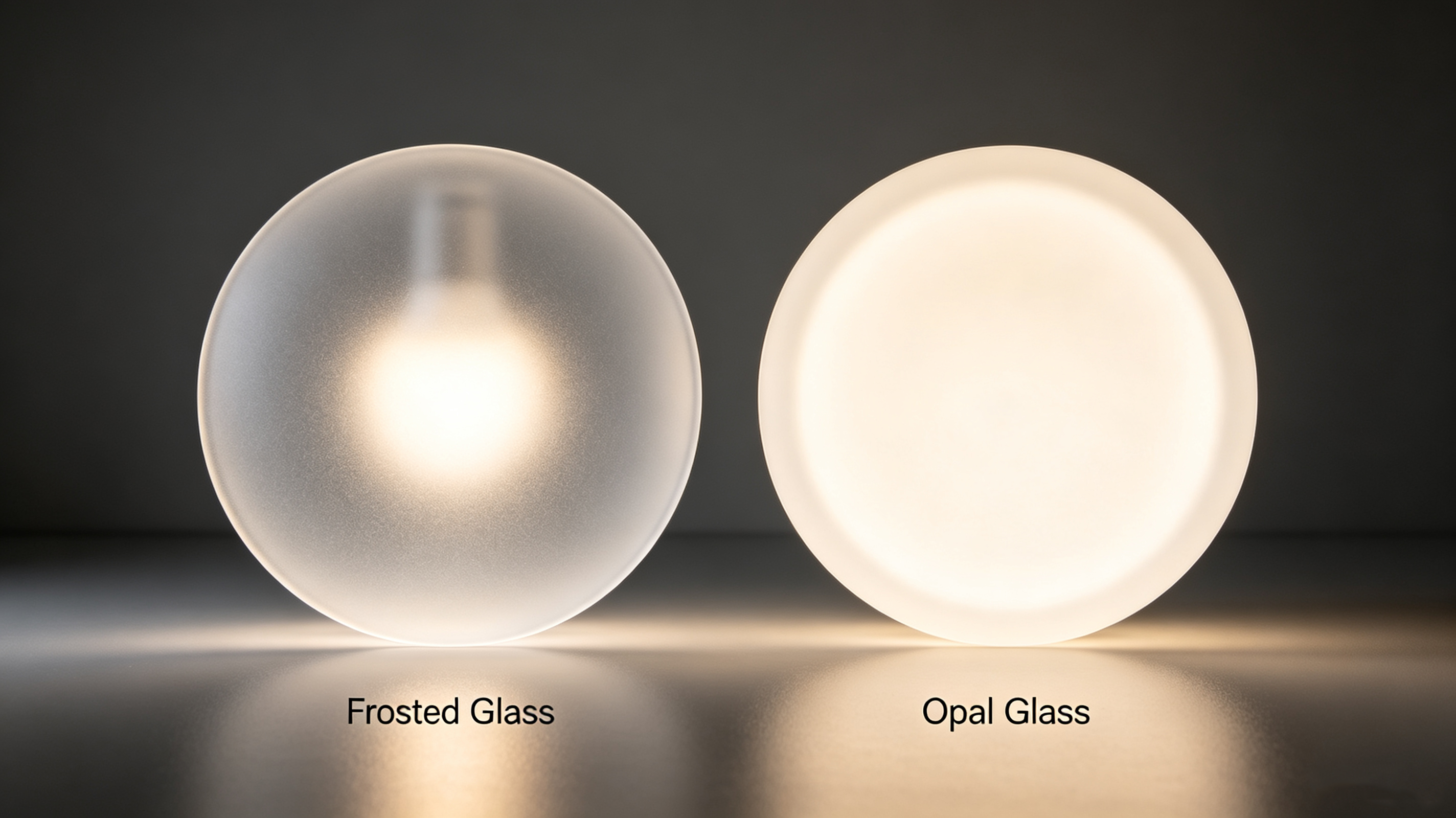
Figure 2 — Frosted glass is a surface treatment applied after forming; opal glass is a body treatment with opacifying agents mixed into the batch, so its diffusion is permanent throughout the glass thickness.
Glass type, heat, and finish: the three variables behind every shape
Shape does not determine heat performance — glass type does. Soda-lime glass has a temperature rating of 120 °C and typically tolerates temperature differences of about 40 °C. Borosilicate glass, often referenced as Type 3.3, has roughly one-third the thermal expansion coefficient of ordinary soda-lime glass, withstands temperature differences up to 300 °C without breaking, and tolerates rapid change from -40 °C to +260 °C. It is made from silica and boron trioxide; the boron trioxide creates a more stable molecular structure that expands and contracts less, which prevents the internal stress that cracks ordinary glass. In practice this means a shade used above a high-output or enclosed fixture, or in a room with wide temperature swings, should be specified in borosilicate — JXHB-010, JX1407, JX1416 and JX3211 in this comparison are borosilicate, while JX1188, JX1004 and JX1184 are soda-lime.
Finish then determines what the light looks like when it leaves the glass. Clear glass transmits 92–95% of light with sharp, direct illumination and the bulb fully visible. Frosted glass transmits 70–82%, partially hiding the bulb with a soft, diffused glow, and can be re-polished if the surface is marked. Opal glass transmits 45–65% and completely hides the bulb: opacifying agents mixed into the glass batch scatter light in all directions, smearing the source across the entire glass surface so the globe glows uniformly. Ribbed or textured glass transmits 85–90% and projects decorative light patterns, and coloured glass ranges from 20–85% depending on colour.
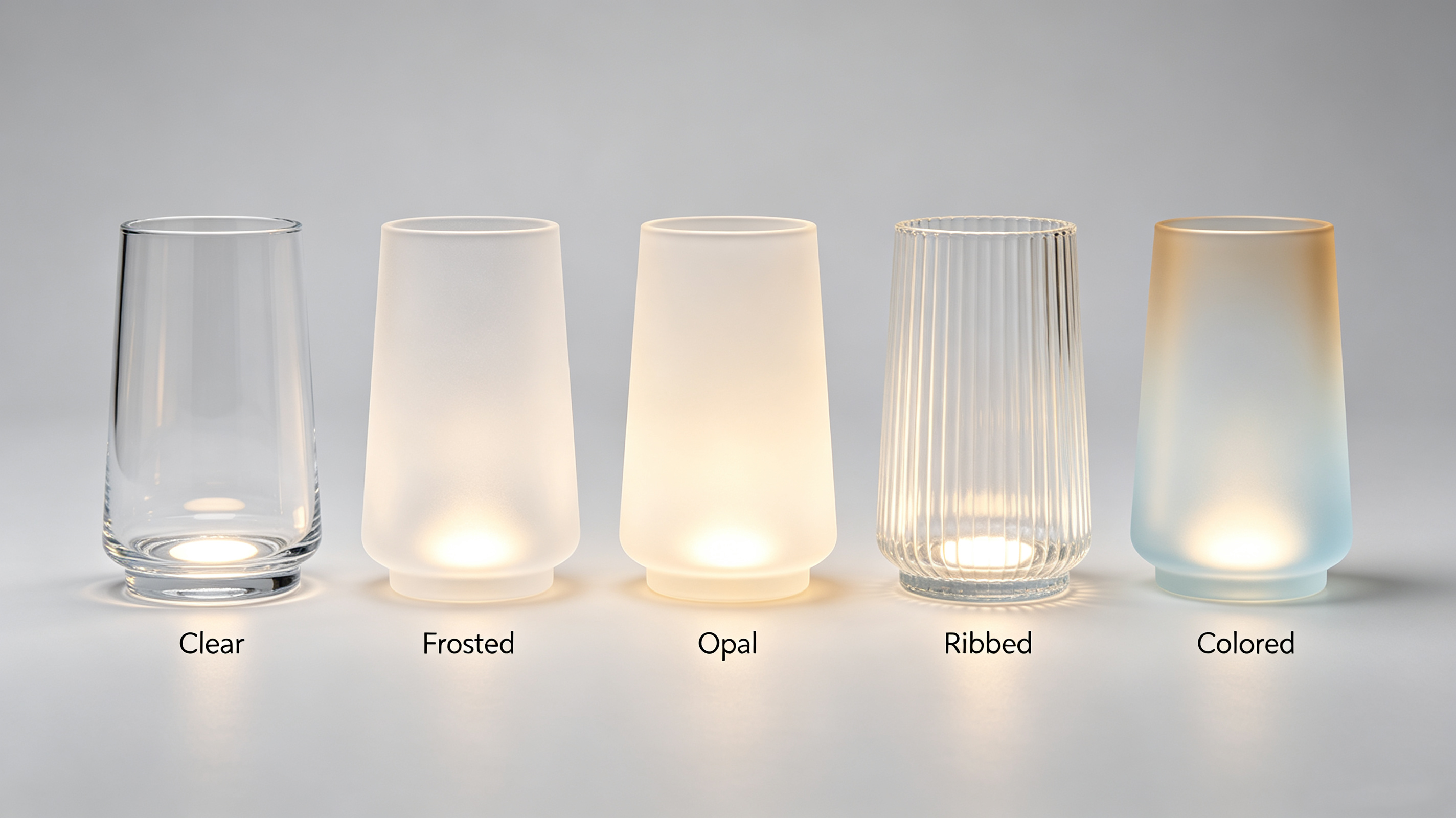
Figure 3 — The five finish families used across cylinder, globe, dome and cloche shades, ranked by light transmission and price premium over clear glass.
| Finish | Light transmission | Bulb visibility | Premium over clear | Best suited to |
|---|---|---|---|---|
| Clear | 92–95% | Fully visible | Baseline | Maximum brightness, task lighting, display lighting |
| Frosted | 70–82% | Partially hidden | 10–25% | Soft ambient lighting, cost-conscious diffusion |
| Opal | 45–65% | Completely hidden | 15–30% | Premium glare-free ambient lighting, hospitality |
| Ribbed / textured | 85–90% | Partially hidden | 20–35% | Decorative lighting, pattern projection, design-led projects |
| Colored | 20–85% (varies) | Varies | 20–50%+ | Branded installations, themed environments |
Step-by-step: how to select a shade shape for a custom order
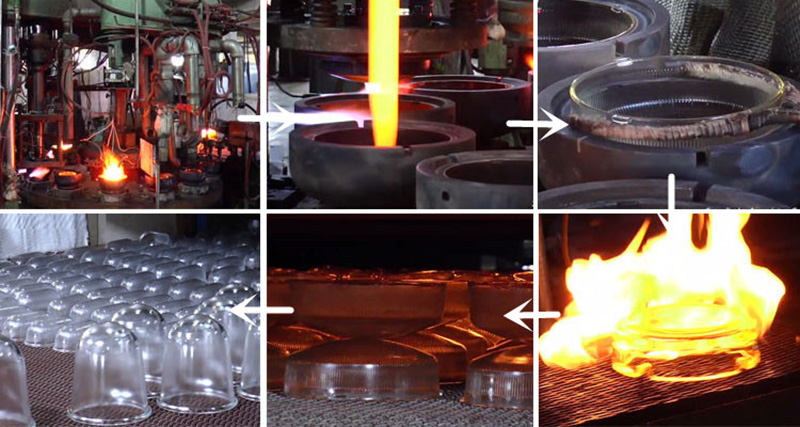
Figure 4 — Hand-blown forming, annealing, surface finishing and final inspection are the four stages where shape, wall thickness and finish accuracy are set.
A practical sequence for a custom lighting project runs in eight steps. Following the holder-first order avoids the most common and most expensive mistake — designing a shade around a photograph and then discovering the opening does not match the fitting.
- Start with the holder, not the shape. Record whether the fixture uses E27, E14, G9, or a base-mounted construction with no threaded holder. Jingxin Glassware supports custom fitter openings for standard E27, E14 and G9 holders as well as other types.
- Define the light task. Decide whether the project needs maximum output with a visible bulb (clear), soft diffusion (frosted), or complete glare elimination with the bulb hidden (opal).
- Measure the cavity. Note the maximum diameter and height the fixture allows, plus clearance to the bulb. A Ø150 mm globe such as JX1004 and a Ø100 mm globe such as JX1188 are not interchangeable in a compact pendant.
- Set the glass type from the heat load. Confirm the fixture operating temperature does not exceed the glass rating — 120 °C for soda-lime, 300 °C for borosilicate — and upgrade to borosilicate where the application involves high heat or rapid temperature change.
- Choose the finish against the transmission budget. Use the finish table above; opal costs 15–30% over clear and removes 35–55% of light output, so higher lumen output is needed to reach the same ambient level.
- Confirm the cleaning access the site can support. A globe with a 20 mm opening needs gentle wiping with a soft cloth, while a cylinder with two open ends or a cloche that lifts off by its knob can be cleaned far more quickly. For frosted and opal surfaces, use gentle pressure only, warm water with mild dish soap, and no abrasive or alcohol-based cleaners.
- Approve a pre-production sample. Samples are available on request with a 5–7 day lead time after artwork and specification confirmation; sample cost may apply and freight is collect. Verification of the fitter opening and the required certifications, such as CE for the EU and RoHS/REACH compliance, should happen before the bulk order is placed.
- Lock MOQ, lead time, and packaging. MOQ is 500 pieces for hand-blown shades and 2,000 pieces for machine-made shades, with negotiable terms for trial orders. Mass production runs 20–30 days after sample approval, followed by 100% pre-shipment inspection.
Use cases: which shape fits which project
Cylinder (JXHB-010). Best used indoors where a straight, even wall of light is wanted without glare — corridor wall lamps, table lamps, pendant lamps, and retail display lighting. The milk frosted finish keeps light comfortable at eye level, and the reserved side mounting hole supports fixtures that fix through the side of the tube rather than the top.
Globe (JX1188 and the wider globe family). The globe is the default choice for pendant, ceiling, wall sconce and decorative hanging fixtures where the shade itself is part of the design. Select the opal white globe variants for hospitality and residential ambient lighting, and the clear borosilicate globe variants for fixtures where the bulb is meant to be seen. This family has a documented track record in demanding commercial work: in 2015 Jingxin Glassware collaborated with a French client to design and produce opal white glass globe lamp shades used as permanent wall decoration at Galeries Lafayette in Paris, where the brief called for uniform light diffusion, ultra-thick construction for a high-traffic retail environment, consistent opal colour across all units, and anti-yellowing performance.
Dome (JX3211). The based dome suits stations and surfaces rather than holders — retail counters and boutique displays for jewellery, crafts and collectibles, preserved flower and terrarium presentation, photography props, wedding and event centrepieces, and home shelving where an enclosed, dust-proof cover is required. Where a lighting project needs a clear based cover rather than a threaded shade, this is the geometry to specify.
Cloche (JX3212). The cloche serves candle covers, miniature landscape domes, terrarium display covers, and ornament display, and it is also documented as a decorative replacement glass shade for pendant and table light. Its knob makes it the fastest of the four shapes to lift and clean, which matters in venues where covers are handled daily. Where a cloche is specified as a lamp shade, the glass type should be confirmed with the supplier before it is used on a heat-generating fixture.
Extreme environments push the material decision further than the shape decision. In 2018 Jingxin Glassware produced a batch of ultra-thick transparent lamp shades with pressure and sea-water resistance for Chilean customers working in deep-sea fish farming, an application where glass type, wall thickness, thermal shock resistance and corrosion resistance mattered far more than shade silhouette. That is the same logic a lighting buyer applies at a smaller scale in kitchens, bathrooms, and enclosed fixtures.
Comparison table: cylinder vs globe vs dome vs cloche
| Criterion | Cylinder — JXHB-010 | Globe — JX1188 | Dome — JX3211 | Cloche — JX3212 |
|---|---|---|---|---|
| Dimensions | Ø100 mm × H150 mm | Ø100 mm | Ø100 mm × H150 mm | Ø100 mm × H160 mm |
| Fitter opening | 42 mm — fits standard E27 holders | 20 mm top opening | No fitter opening listed; supplied with a black round wooden base | No fitter opening listed; open bottom with solid spherical glass knob |
| Wall thickness | 3–4 mm | 3 mm | 2 ± 1 mm | Not stated in product data |
| Glass and finish | Mouth-blown borosilicate, milk frosted | Soda-lime, marble swirl / amber streak over opal milky base | Clear high borosilicate, crystal clear | Hand-blown clear glass, crystal clear |
| Light distribution | Even, glare-free diffusion through the frosted wall; reserved side mounting hole | Diffused soft output, reduces glare | Clear transmission with an enclosed top | Clear direct transmission with an open bottom |
| Cleaning access | Open at both ends — inner wall reachable from either end | Limited to the 20 mm opening; soft cloth only | Lifts off the base for full cavity access | Lifts off by the top knob — fastest access of the four |
| Heat class | Borosilicate class (up to 300 °C temperature difference) | Soda-lime class (120 °C rating; approx. 40 °C differential tolerance) | Borosilicate class (up to 300 °C temperature difference) | Confirm the glass type before specifying for high-heat fixtures |
| Typical role | Indoor wall, pendant, table and display lighting | Decorative pendant, ceiling, wall sconce | Based display, surface display lighting, dust-proof cover | Candle cloche, terrarium, decorative lamp shade (secondary use) |
Globe fitter reference. Because globe shades look similar but fit differently, always confirm the opening: JX1004 uses a 60 mm opening for E27, JX1407 uses a 45 mm opening for E27, and JX1184 and JX1416 use 20 mm and G9-thread fittings respectively, with JX1184 carrying a built-in G9 metal internal thread insert.
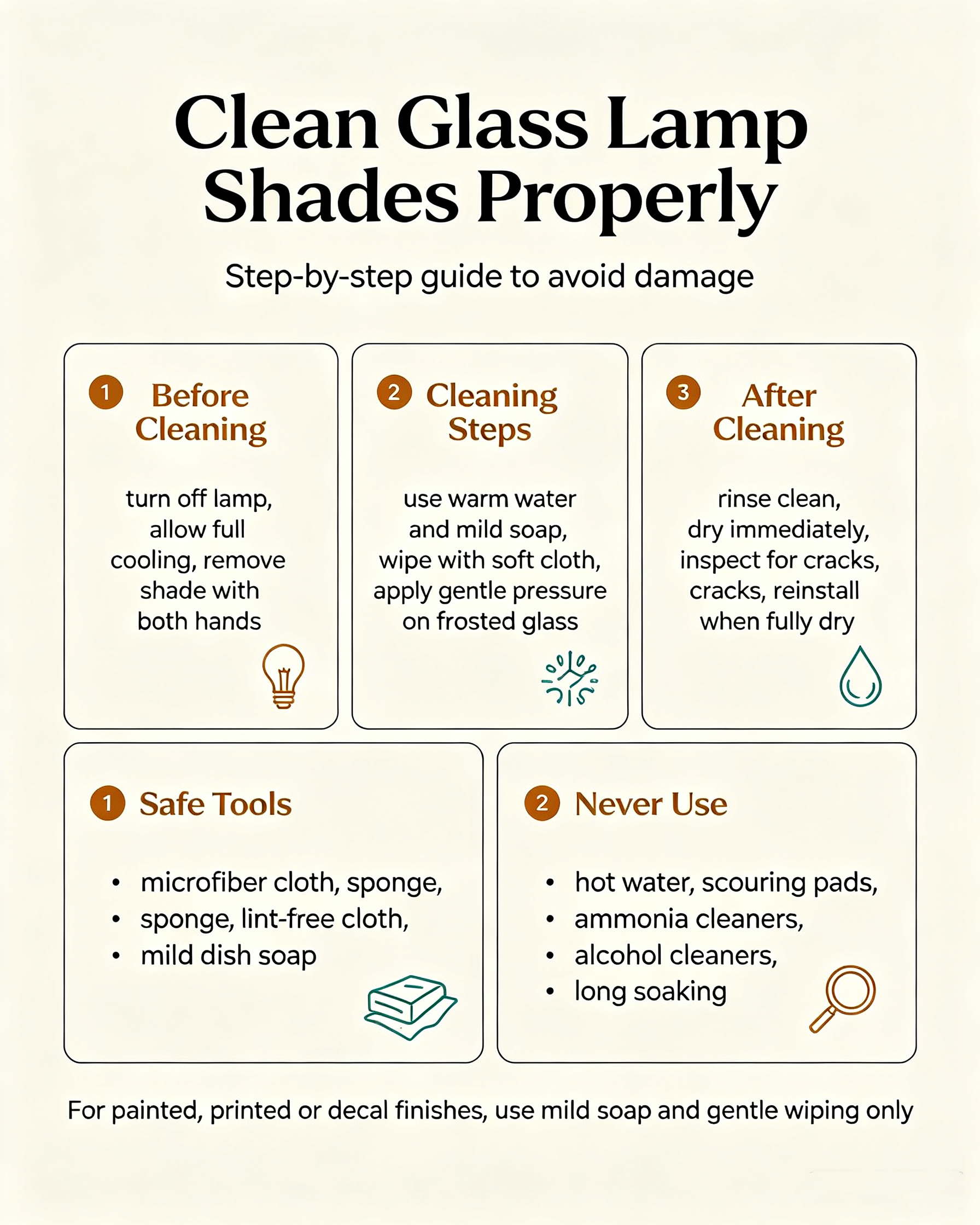
Figure 5 — Cleaning access differs sharply by shape: open-ended cylinders and lift-off cloches are quick to service, while a 20 mm globe opening requires gentle, tool-assisted cleaning.
If a shade arrives with the wrong opening, the troubleshooting sequence is fixed: verify the model number and specifications on the purchase order and the product label, measure the actual fitter opening of the received shade and compare it with the specification, and contact the supplier immediately with photos and measurements. Deviations of 1 mm or less can often be resolved with fitter adapters or spacers; significant mismatches are handled as a replacement or exchange under the warranty terms.
Frequently asked questions
Are Jingxin glass lamp shades RoHS and REACH compliant?
Yes. Jingxin glass products are RoHS and REACH compliant, and the company holds 19+ professional certifications including CE, RoHS, REACH, ISO 9001 and SMETA-4P. Buyers should still verify two things before ordering: that the fitter opening matches the lamp holder, and that the certifications required in the destination market — CE for the EU, RoHS and REACH compliance, for example — are confirmed in writing. Third-party inspection is available on request for buyers who need independent verification before shipment.
When comparing Chinese suppliers, how do hand-blown and molded glass lamp shades differ?
The two processes trade consistency against character. Hand-blown shades are individually crafted by artisans and carry unique artistic detail, but they have wider dimensional tolerance; machine-pressed shades deliver consistent dimensions, uniform wall thickness and lower cost, which suits industrial and high-volume programmes. Hand-blown is generally recommended for decorative applications and machine-pressed for industrial or high-volume projects. Order quantities reflect that split: MOQ is 500 pieces for hand-blown shades and 2,000 pieces for machine-made shades, with negotiable terms for trial orders. Jingxin Glassware runs both processes in one portfolio — the cylinder shade JXHB-010 is mouth-blown, while the same range includes press-moulded industrial covers — and holds 16 national patents plus full OEM/ODM capability for custom sizes, shapes and surface finishes.
What drives the price difference between clear, frosted, opal and coloured glass shades?
Price tracks the finish and the light loss it creates. Measured against clear glass as the baseline, frosted glass carries a 10–25% premium, opal glass 15–30%, ribbed or textured glass 20–35%, and coloured glass 20–50% or more depending on the colour. The premium buys a different optical result rather than a different quality grade: clear transmits 92–95% of light, frosted 70–82%, opal 45–65%, ribbed 85–90%, and coloured 20–85%. Two commercial effects are worth planning for. First, opal requires higher lumen output to reach the same ambient level as clear, so the saving on the shade is partly spent on the light source. Second, custom manufacturing has a higher per-unit cost at small volumes but can achieve 30–60% lower per-unit cost than retail catalogue SKUs at large-volume scale, so the price comparison only becomes meaningful once the order quantity is fixed.
Can I approve a sample before committing to a bulk order?
Yes, and for a custom shade it is the most efficient step in the process. Samples are available on request, sample cost may apply and freight is collect, with a 5–7 day lead time after artwork and specification confirmation. A pre-production sample confirms both quality and fitter compatibility, which is exactly where most fit failures originate. Where a received shade shows a small deviation of 1 mm or less, fitter adapters or spacers can often resolve it; larger mismatches are handled through the warranty terms. Buyers with a defined project can send the drawing and target holder type to confirm the opening before sampling.
What are the sample and mass production lead times, and how are damaged shipments handled?
Sample lead time is 5–7 days after artwork and specification confirmation, and mass production lead time is 20–30 days after sample approval. Every order passes 100% pre-shipment inspection, and for high-value shipments of glass lamp shades, SGS third-party loading supervision can be considered to reduce handling and loading risk. If glass arrives with scratches, chips or breakage, the damage should be documented immediately on arrival with photos of both the product and the packaging, and reported to the supplier promptly; breakage is resolved through replacement or credit under the warranty terms, while minor surface scratches are assessed for polishing or replacement. For buyers planning a project now, the full glass lamp shade range, dimensions and fitter options are collected in the downloadable catalogue, and fitter openings can be quoted against a drawing.
Conclusion: choose the holder, then the glass, then the shape
The four shapes answer four different questions. A cylinder solves glare in linear and wall-mounted fixtures and cleans fastest among holder-mounted options. A globe wins where the shade is part of the design, but its fitter opening — 20 mm, 45 mm or 60 mm, G9 or E27 — must be matched to the holder before anything else is decided. A dome is not a holder-mounted shade at all; it is a based, dust-proof clear cover for display and surface applications. A cloche is the lift-off cover with the best access, documented as a decorative lamp shade for pendant and table light as a secondary use.
The sequence that avoids rework is: confirm the holder and opening, set the glass type from the fixture heat (soda-lime at 120 °C, borosilicate at 300 °C and -40 °C to +260 °C), choose the finish from the transmission and premium ladder, then approve a sample before mass production. That order resolves the fit and cracking questions that generate most after-sales work, and it keeps the decision on the criteria a buyer can actually verify.
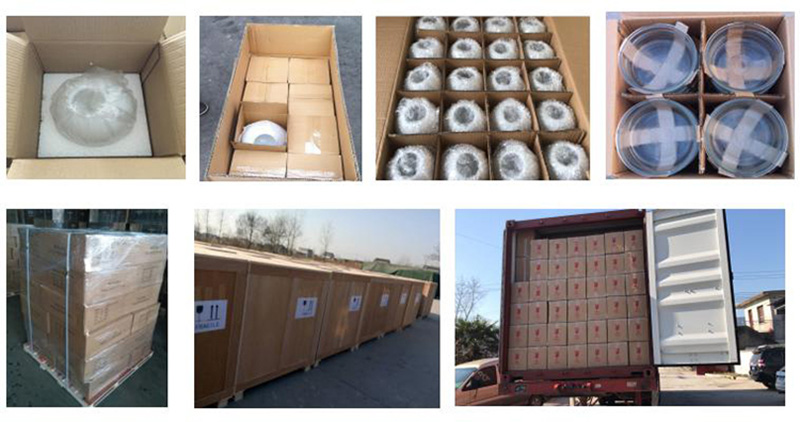
Figure 6 — Sample approval, 100% pre-shipment inspection and reinforced export packing are the three checkpoints that protect a custom glass order in transit.
Next step: sample, drawing or catalogue
Send your shade drawing with the fitter opening, glass type and finish, and Jingxin Glassware will return a sample plan (5–7 days after artwork and specification confirmation) and a mass production schedule (20–30 days after sample approval). MOQ is 500 pieces for hand-blown and 2,000 pieces for machine-made shades, negotiable for trial orders.
Download the full range here: Glass Lamp Shades Catalogue — Yancheng Jingxin Glassware Co., Ltd. (PDF)
Website: www.cn-glassware.com | Email: jerry@cn-glassware.com | WhatsApp: +86 180 1962 7905
Have Questions or Need More Details?
Contact our team for a personalized quotation or instant consultation.
Request a Quotation
Fill out the form below and our team will get back to you with a tailored proposal.
WhatsApp Direct Chat
Prefer to chat in real-time? Message us on WhatsApp for instant assistance & quick answers.
- Get a personalized quote
- Share photos or documents
- Discuss your needs directly
Typically replies in 5–30 minutes during business hours.