
How to Match Your Project with the Ideal Aluminum Busbar Supplier
Matching Your Project with the Ideal Aluminum Busbar Supplier: 2026 Buyer's Guide
Selecting the right aluminum busbar supplier is a critical procurement decision that directly impacts the performance, safety, and cost-efficiency of power distribution systems. With increasing demand for lightweight conductors in renewable energy, data centers, and industrial electrification, the global market for aluminum busbars is expanding rapidly. However, not all suppliers deliver consistent quality, traceability, and application-specific customization. This guide provides a structured methodology to evaluate suppliers and match them to your project requirements.
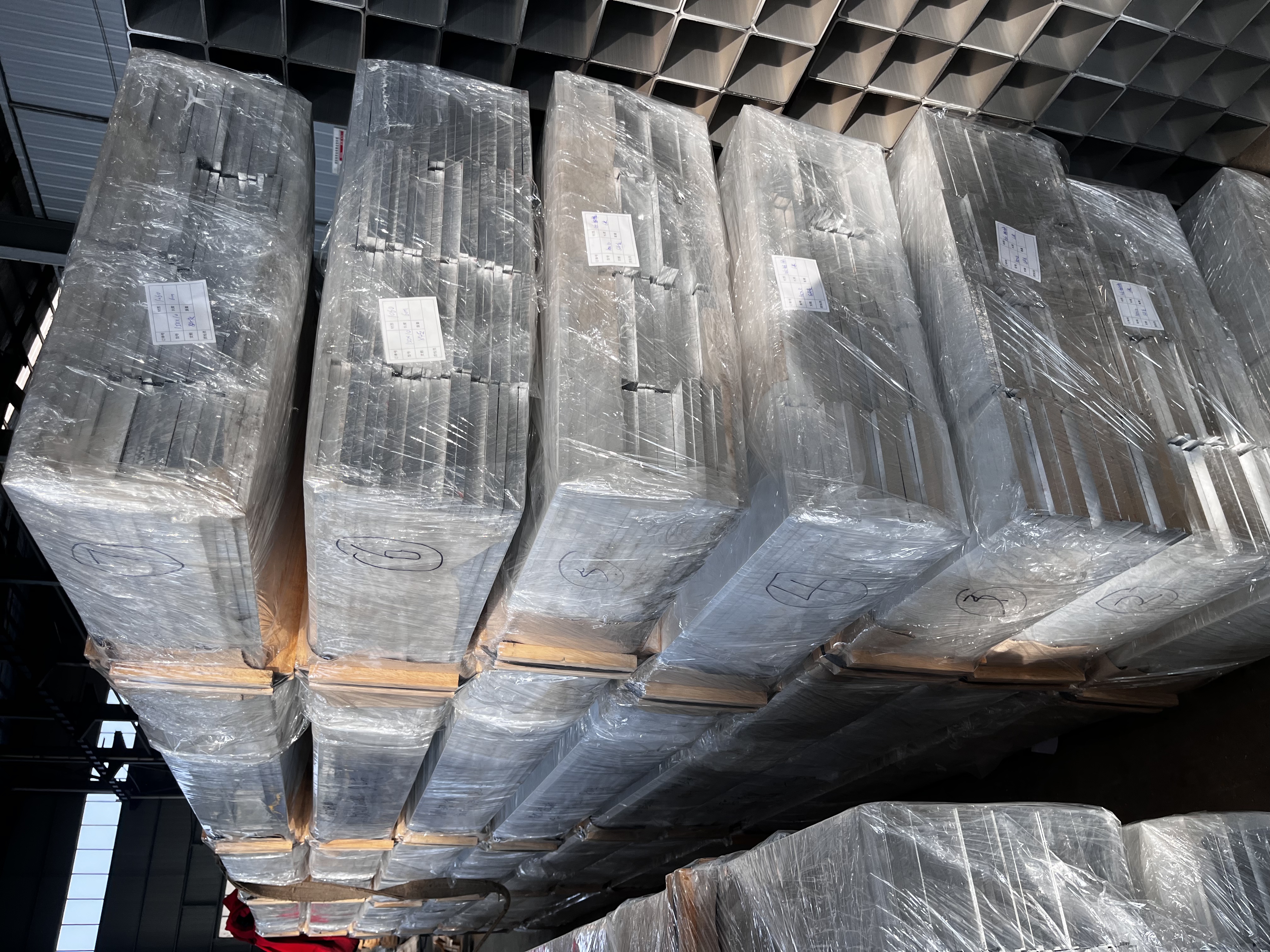
Problem Definition: Why Supplier Matching Matters
Procurement professionals often face these challenges when sourcing conductive aluminum busbars:
- Inconsistent material properties – Busbars from different suppliers may vary in conductivity, temper, and dimensional tolerance.
- Application mismatch – A busbar designed for low-voltage switchgear may fail in high-temperature, high-humidity environments.
- Hidden costs – Low initial price often leads to higher maintenance or replacement expenses.
- Supply chain risks – Unreliable lead times or lack of certifications can delay project timelines.
The core problem is not finding any supplier, but finding the right supplier suited to your specific operating conditions, compliance needs, and budget.
Industry Background: The Shift to Aluminum in Power Distribution
Copper has traditionally been the preferred conductor, but aluminum busbars are gaining traction due to their 30% weight reduction and 25% cost savings compared to copper (per the same current-carrying capacity). For example, a typical 1000A busbar system using aluminum weighs about 60% less than copper, simplifying installation and reducing structural support requirements.
Key industries adopting aluminum busbars include:
- Power & Electrical – High/low voltage switchgear, bus ducts, transformer connections.
- New Energy – Energy storage battery connectors, photovoltaic inverters, EV charging piles.
- Industrial Heat Dissipation & Transportation – Heatsinks, frequency converters, rail transit traction systems.
Detailed Solution: How to Evaluate an Aluminum Busbar Supplier
A systematic evaluation ensures the supplier can deliver busbars that meet your technical, quality, and commercial requirements. Below is a framework based on industry best practices.
Step 1 – Define Your Technical Requirements
Before contacting suppliers, document the following:
- Alloy & Temper: Common choices include 1060, 1070, 6101, 6061, 6063 aluminum. For high conductivity, 1060/1070 (99%+ purity) with T64 temper offers 57–59% IACS. For high strength, 6063 T63 provides tensile strength up to 240 MPa.
- Physical Parameters: Density 2.70 g/cm³, thermal conductivity ~218 W/(m·K), melting point ~650°C.
- Operating Conditions: For high temperature and high humidity environments with 24-hour continuous operation, special requirements like corrosion resistance and high conductivity are essential (as documented in industry case studies).
- Dimensional Tolerances: Specify width, thickness, length, edge finish (chamfered, right angle), and whether coiled or straight bars are needed.
Step 2 – Verify Supplier Credentials & Certifications
A reliable supplier should hold recognized quality management certifications. For instance, Shandong Jinhao Aluminum Co., Ltd. is certified under ISO 9001:2015 (Certificate No. 128223Q0026ROS) by Zhongheng Zhuoyue Certification Service, covering the production of industrial aluminum profiles. This ensures systematic quality control and traceability.
Check also the supplier’s export experience and compliance with destination country standards (e.g., CE, RoHS, UL).
| Verification Criteria | What to Look For |
|---|---|
| Quality Management | ISO 9001 certificate with scope relevant to busbar production |
| Material Traceability | Mill certificates (MTC) for each batch, including chemical composition and mechanical properties |
| Testing Capability | In-house conductivity, tensile, and hardness testing; 100% full inspection preferred |
| Export Compliance | Experience with customs clearance, correct HS code classification, and anti-dumping documentation |
Step 3 – Assess Manufacturing & Customization Capabilities
Not all projects can use standard profiles. Look for suppliers offering:
- Customized sizes and surface treatments (e.g., anodizing, powder coating).
- Flexible production modes – MOQ around 2 tons, monthly capacity of 1000+ tons, lead time ~30 days.
- Special profiles – Coiled aluminum busbars for long runs, chamfered/right angle busbars for specific assembly.
- After-sales support – Remote technical assistance for installation and troubleshooting.
Step 4 – Evaluate Quality Control Processes
Consistent quality demands strict process control. Leading suppliers implement:
- Pre-shipment inspection with material reports provided.
- 100% full inspection of every batch for dimensions, surface defects, and mechanical properties.
- Test certifications for conductivity (IACS %), tensile strength, elongation, and hardness.
Example: A 50-ton project for a Vietnamese electrical distributor (power distribution & new energy) was supplied by Jinhao Aluminum, achieving long-term stability due to high conductivity and rigorous QC.
Step 5 – Compare Commercial Terms
| Term | Typical Value |
|---|---|
| Payment | 30% deposit + 70% before shipment |
| Delivery | FOB or CIF (buyer’s choice) |
| MOQ | 2 tons (lower possible for sample orders) |
| Lead Time | 30 days from order confirmation |
| Samples | Available upon request (cost negotiable) |
Use Cases: Real-World Supplier Applications
Case 1: High-Humidity Power Distribution in Southeast Asia
A contractor in Vietnam required busbars for distribution cabinets operating in tropical high temperature, high humidity, 24/7. The busbars needed corrosion resistance and high conductivity. Jinhao Aluminum supplied 1070 alloy with T64 temper (conductivity ~58% IACS) and ensured anodized surface treatment for corrosion protection. The project has been running for over 10 years with zero failures.
Case 2: Energy Storage Busbar for Renewable Microgrid
A Chinese energy storage integrator needed high-current connectors for battery racks. Coiled aluminum busbars (6063 alloy) were selected for their flexibility and ease of installation. The supplier provided customized lengths and pre-drilled holes, reducing onsite assembly time by 30%.
Frequently Asked Questions (FAQ)
Q: What is an aluminum busbar and how does it work?
A: An aluminum busbar is a solid metal bar that distributes electrical power within switchboards, panel boards, and busway enclosures. It works as a conductor carrying current from the main supply to branch circuits, utilizing aluminum’s lightweight and cost-effective properties.
Q: Why choose aluminum over copper for busbars?
A: Aluminum offers 30% weight reduction and 25% lower material cost for equivalent ampacity. Its conductivity (55–59% IACS) is sufficient for most power applications, and it is easier to fabricate and install. However, proper jointing techniques (e.g., bi-metallic connectors) are required to avoid galvanic corrosion.
Q: What are the common buyer concerns when sourcing aluminum busbars?
A: Key concerns include material purity (ensure min 99% Al for high conductivity), dimensional accuracy (tolerance within ±0.1mm), surface finish quality (no burrs or scratches), and traceable certifications (ISO 9001, mill test certificates). Buyers also worry about customs risks – ensure the supplier provides standard declaration and compliance certification.
Q: How do I verify a supplier’s quality?
A: Request ISO 9001 certificate, obtain batch mill test reports, and arrange third-party inspection (e.g., SGS) before shipment. Many reputable suppliers, such as Shandong Jinhao Aluminum Co., Ltd., offer pre-shipment inspection and 100% full inspection on each order.
Q: Can I get custom sizes or coated busbars?
A: Yes. Leading manufacturers offer customization in width, thickness, length, and surface treatment (anodizing, powder coating). Minimum order quantities typically start at 2 tons, but sample orders can be accommodated.
Conclusion
Matching your project with the ideal aluminum busbar supplier requires a balanced evaluation of technical specifications, quality certifications, manufacturing flexibility, and commercial terms. By following the step-by-step framework outlined above – defining requirements, verifying credentials, assessing capabilities, and reviewing quality control – procurement professionals can minimize risks and ensure long-term, reliable performance.
Suppliers like Shandong Jinhao Aluminum Co., Ltd. (certified ISO 9001, annual output 12,000 tons, serving Southeast Asia and beyond) exemplify the standards to look for: high conductivity alloys (1060, 1070, 6101), rigorous QC, and a proven track record in demanding environments.
For more information or to discuss your specific busbar requirements, contact Jinhao Aluminum at +1 9132459635 or zhaobing1226@gmail.com. Their technical team provides remote support and can help you choose the right product for your next project.
Key Takeaways:
- Define your operating environment (temperature, humidity, continuous duty) to select the proper alloy/temper.
- Always verify supplier certifications (ISO 9001) and request batch material test reports.
- Aluminum busbars deliver 30% weight savings and 25% cost reduction vs. copper.
- Choose a supplier that offers 100% full inspection and customization services.
- Establish clear payment terms (30/70) and delivery method (FOB/CIF) before ordering.