
What Is an Aluminum Busbar? Types, Specs & Applications for Power Distribution
What Is an Aluminum Busbar? Types, Specs & Applications for Power Distribution
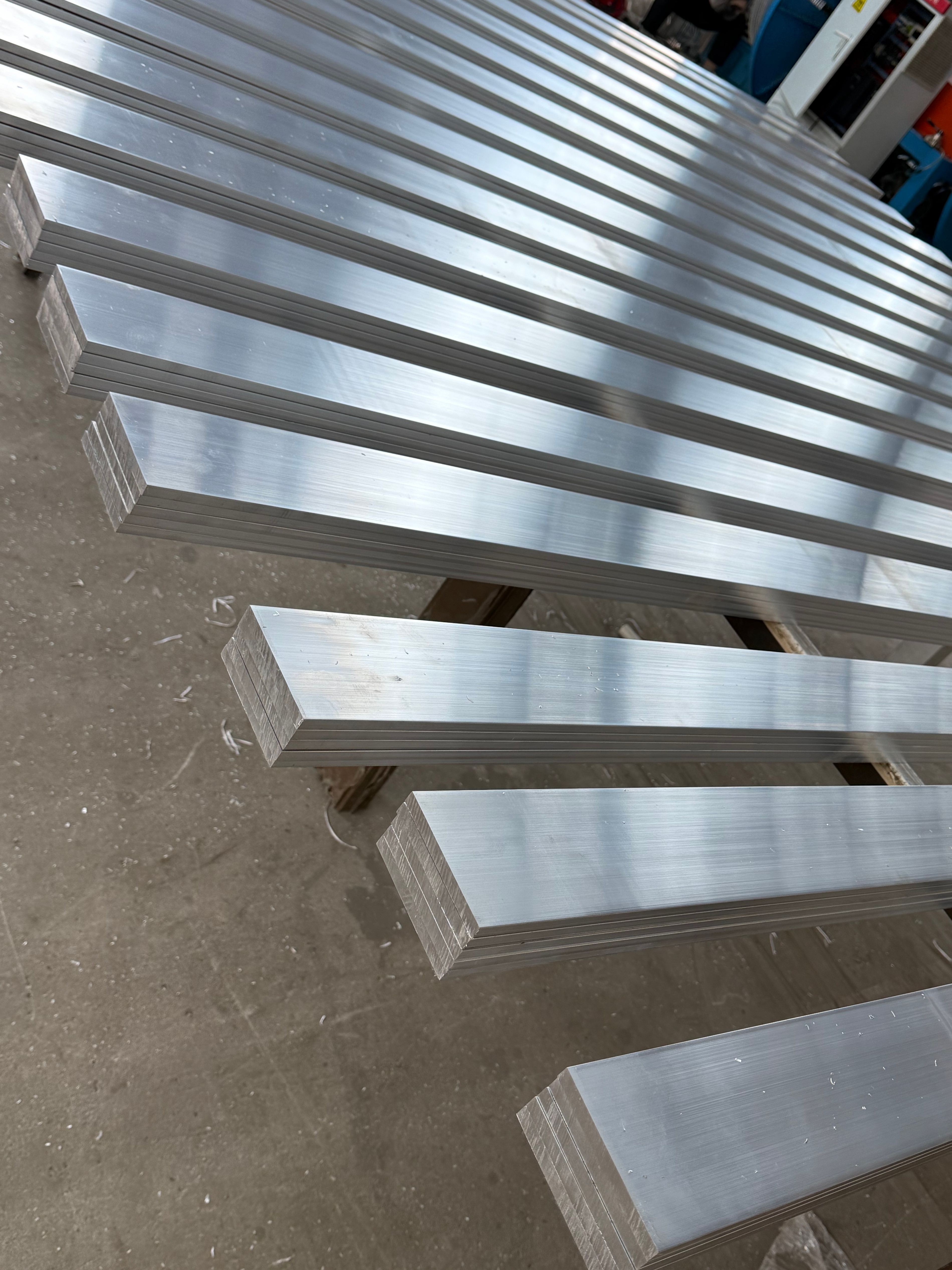
An aluminum busbar is a metallic strip or bar used to conduct electricity within power distribution systems. It serves as a central connection point for incoming and outgoing electrical feeders, replacing traditional cable bundles with a more rigid, efficient conductor. Shandong Jinhao Aluminum Co., Ltd., a manufacturer established in 2019 and headquartered in Shandong, China, specializes in producing aluminum busbars under models 1060, 1070, 6101, 6061, and 6063, with aluminum purity ranging from approximately 98.5% to 99.0%.
What Problem Does an Aluminum Busbar Solve?
In electrical and power engineering, distributing large currents safely and efficiently requires a conductor that combines high electrical conductivity, mechanical strength, and corrosion resistance. Traditional copper busbars offer excellent conductivity but are heavy and costly. Steel conductors are strong but have poor conductivity. Aluminum busbars provide a balanced solution: they are lightweight (density 2.70 g/cm³), offer electrical conductivity of 55%–59% IACS, and maintain sufficient tensile strength for structural loads. This makes them the preferred choice for main busbars in switchgear, bus ducts, transformer connections, and renewable energy systems.
Industry Background: Why Aluminum Busbars Are Gaining Traction
Globally, power distribution projects are expanding, especially in Southeast Asia, the Middle East, and South America. These regions often experience high temperature and humidity, demanding conductors that resist corrosion while maintaining stable performance. Aluminum alloys such as 1060 (pure aluminum, high conductivity), 6063 (medium strength, good formability), and 6101 (high-strength electrical grade) have become standard. Busbar manufacturers like Jinhao Aluminum produce these alloys in various tempers (T63, T64, O) to meet specific project needs—balancing strength and conductivity.
Detailed Solutions: Jinhao Aluminum’s Busbar Offerings
Shandong Jinhao Aluminum Co., Ltd. offers a complete range of conductive aluminum busbars. The product is classified as a conductive aluminum busbar and is available in models 1060, 1070, 6101, 6061, and 6063. Types include 6063 aluminum busbar, 1060 aluminum busbar, and 6101 aluminum busbar. The material composition is aluminum with purity approximately 98.5% to 99.0%.
Core Physical & Mechanical Parameters
- Density: 2.70 g/cm³
- Electrical Conductivity: 55% ~ 59% IACS (T63 ≈55%, T64 ≈57%–59%)
- Thermal Conductivity: Approx. 218 W/(m·K)
- Melting Point: Approx. 650°C
- Short-term Heat Resistance: 150–200°C
Typical mechanical properties vary by temper:
- T63 (High Strength Type): Tensile Strength 205–240 MPa, Yield ≥170 MPa, Elongation ≥9%
- T64 (High Conductivity Type): Tensile Strength 180–210 MPa, Yield ≥150 MPa, Elongation ≥12%
- O Temper (Soft State): Tensile Strength ≤110 MPa, Elongation ≥20%, easy for bending forming
Step-by-Step: How to Select the Right Aluminum Busbar for Your Project
- Define current requirements: Higher current demands larger cross-section; use conductivity (IACS) to calculate ampacity.
- Choose the alloy: 1060/1070 for maximum conductivity; 6063 for moderate strength; 6101 for high-strength electrical applications.
- Select temper: Use T63 where mechanical loads are high (e.g., bolted joints), T64 for better conductivity, O for complex bending.
- Consider environmental conditions: High humidity or corrosive environments may favor pure aluminum with protective coating.
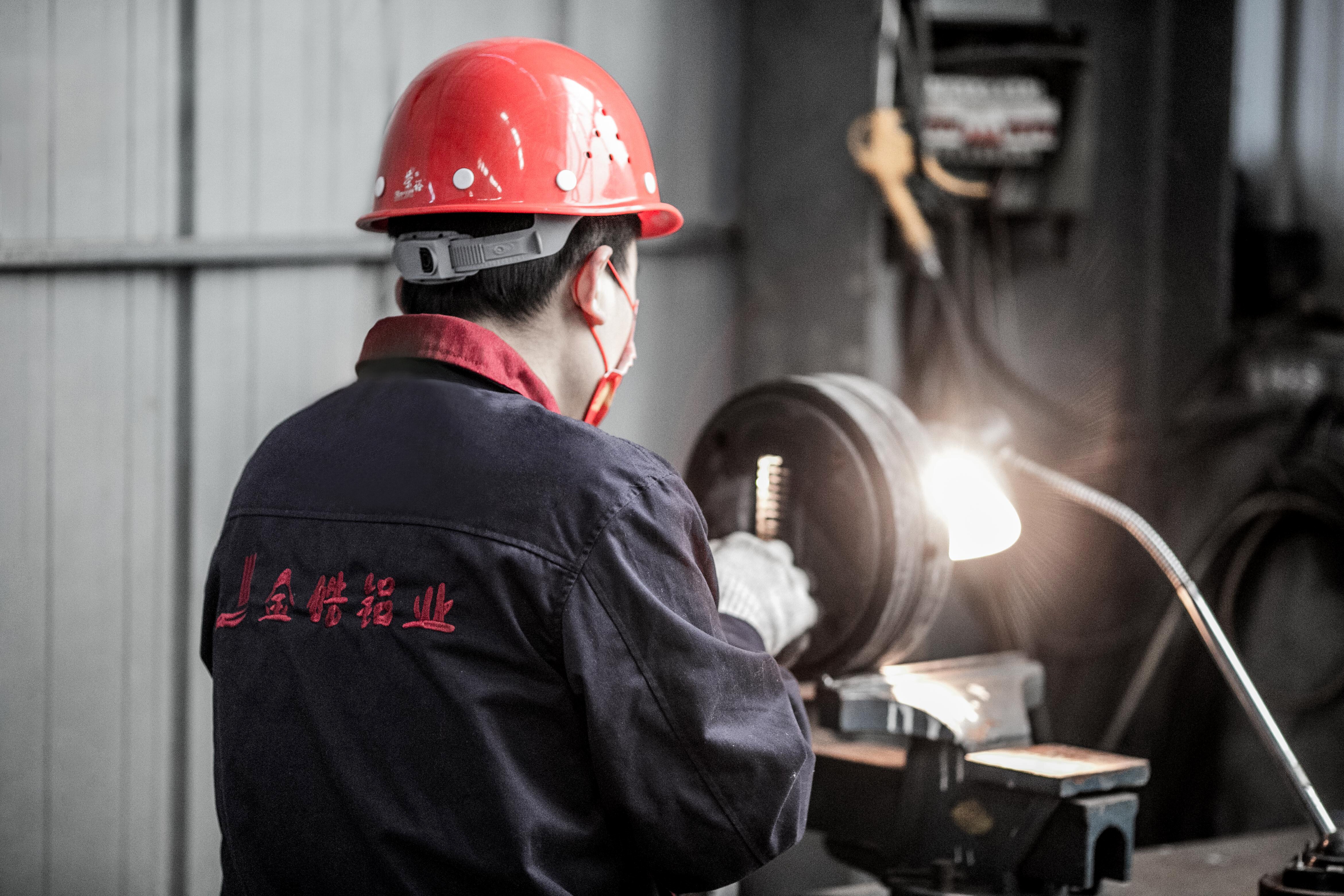
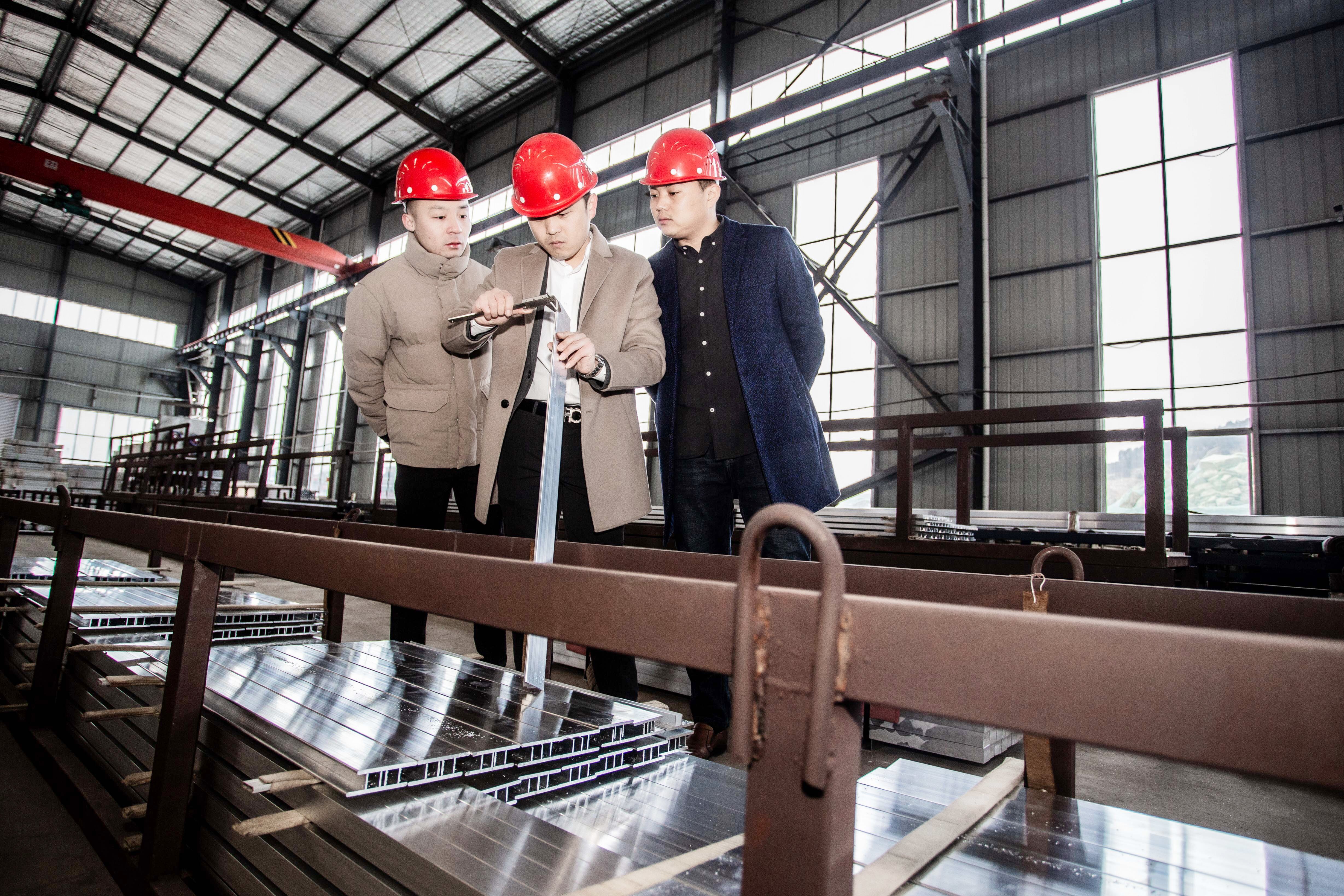
- Verify supplier capabilities: Jinhao Aluminum’s facility covers 3,600 m² with an annual output of 12,000 tons, a R&D team of 5 engineers, and exports to Southeast Asia (60% of sales).
Use Cases Across Industries
Power & Electrical Field
Main busbars and junction busbars for high & low voltage switch cabinets; conductive bars for bus ducts and overhead power transmission systems; connecting aluminum bars for transformers and instrument transformers; load-bearing conductive components with bolt fastening requirements.
New Energy Industry
Energy storage battery busbars and connecting bars; conductive components for photovoltaic inverters and wind power electric control systems; high-current conductors and flexible connecting bars for charging piles; conductive connecting parts for hydrogen energy equipment.
Industrial Heat Dissipation & Transportation
High-power heat sinks and frequency converter heat dissipation aluminum bars; conductive bars for traction systems of high-speed rails and subways; conductive connecting parts for electric control boxes of construction machinery.
Comparison: Common Aluminum Busbar Alloys
| Alloy | Al Purity | Conductivity (IACS) | Tensile Strength (T6) | Typical Use |
|---|---|---|---|---|
| 1060 | ≥99.6% | ~61% | ~70 MPa (O) | High-conductivity, light-duty busbars |
| 1070 | ≥99.7% | ~62% | ~75 MPa (O) | Same as 1060, slightly purer |
| 6101 | 98.5–99.0% | 55–59% | 205–240 MPa (T63) | High-strength electrical busbars |
| 6063 | 98.5–99.0% | ~53% | ~205 MPa (T6) | Good formability, moderate conductivity |
| 6061 | ~98% | ~43% | ~290 MPa (T6) | Structural busbars where strength is critical |
Data based on Jinhao Aluminum’s product specifications and standard industry references.
Frequently Asked Questions
What is an aluminum busbar made of?
An aluminum busbar is made of aluminum with purity approximately 98.5% to 99.0%. It is classified as a conductive aluminum busbar. Common alloys include 1060, 1070, 6101, 6061, and 6063.
What are the main types of aluminum busbars?
Available types include 6063 aluminum busbar, 1060 aluminum busbar, and 6101 aluminum busbar. Each type is optimized for different balances of conductivity, strength, and formability. Jinhao Aluminum produces all these models.
What is the electrical conductivity of an aluminum busbar?
The electrical conductivity ranges from 55% to 59% IACS, depending on the temper. T63 temper provides approximately 55% IACS, while T64 offers 57%–59% IACS. For comparison, pure copper is about 100% IACS.
Can aluminum busbars be used in high-temperature environments?
Yes, aluminum busbars have a short-term heat resistance of 150°C to 200°C, making them suitable for high-temperature power working scenarios. Their melting point is approximately 650°C.
How do I request a sample or quote for Jinhao Aluminum busbars?
For sample requests, pricing, or technical inquiries, contact Shandong Jinhao Aluminum Co., Ltd. via email at zhaobing1226@gmail.com or phone/WhatsApp at +1 9132459635. You can also reach the China office at +86 17553720331. The company is located at North of South Outer Ring Road, Jiaxiang Village, Jiaxiang County, Jining City, Shandong Province, China. They provide one-stop services from product consultation to after-sales support.
Conclusion
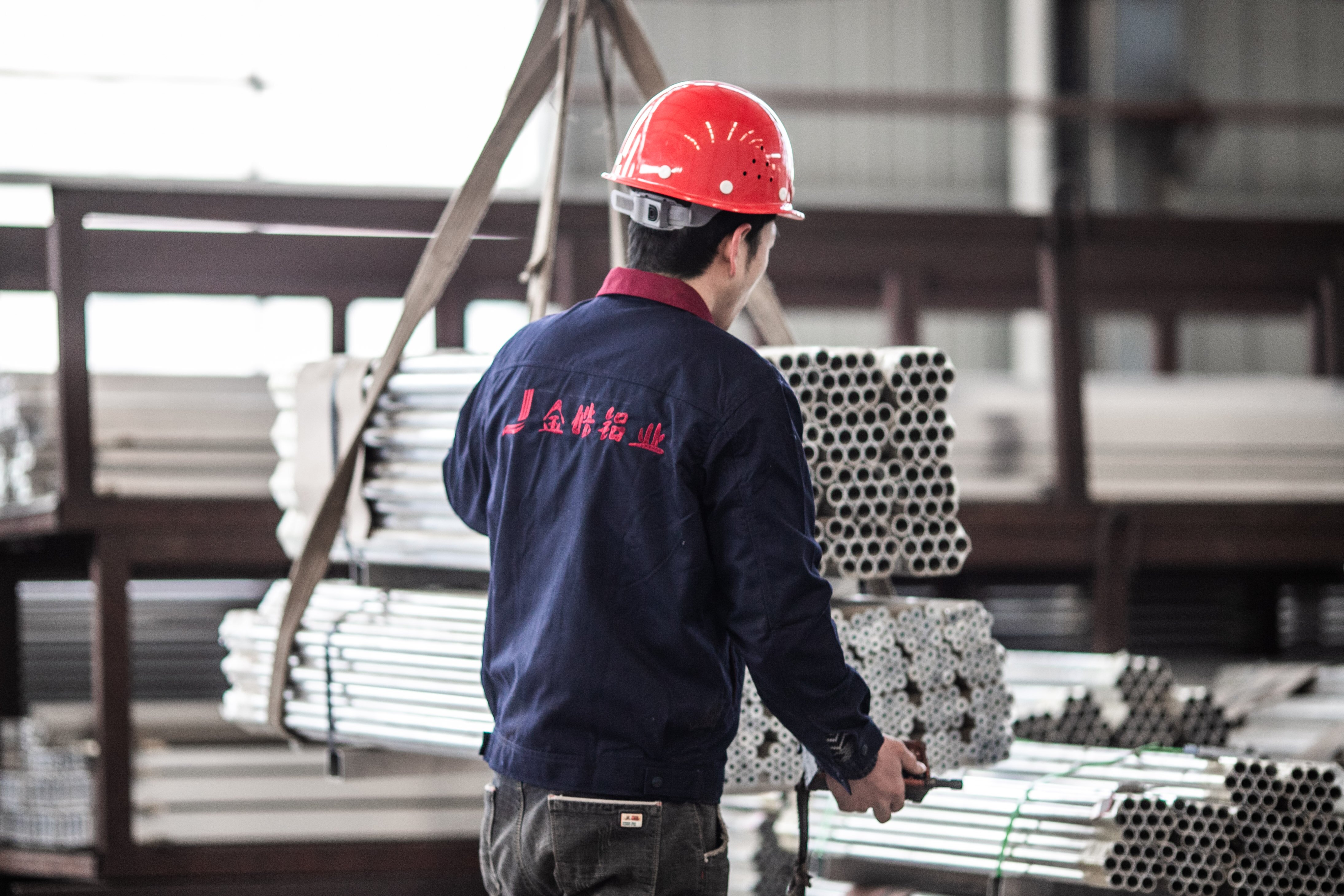
Aluminum busbars are a critical component in modern power distribution, offering a reliable balance of conductivity, strength, and lightweight properties. Understanding the differences between alloys (1060, 1070, 6063, 6101, 6061) and tempers (T63, T64, O) enables procurement professionals and engineers to select the optimal conductor for their specific application—whether in switchgear, renewable energy, or transportation. Suppliers like Shandong Jinhao Aluminum provide a full range of these products, supported by a 12,000-ton annual capacity, a dedicated R&D team, and export experience across Southeast Asia and beyond.