Freight Elevator Adoption Guide: Retrofitting Warehouses & Factories
Freight Elevator Adoption Guide: Retrofitting Warehouses & Factories
Retrofitting a freight elevator into an existing multi-level warehouse or factory is an engineering sequence, not a product swap. The sequence runs: survey the building and the material flow, define the load–speed–travel envelope, choose a machine-room or machine-roomless configuration, verify shaft and structural interfaces, map compliance for the destination market, engineer the car and doors, then manufacture, install, commission and hand over to maintenance. Each decision narrows the next one — and the order matters more than the speed.
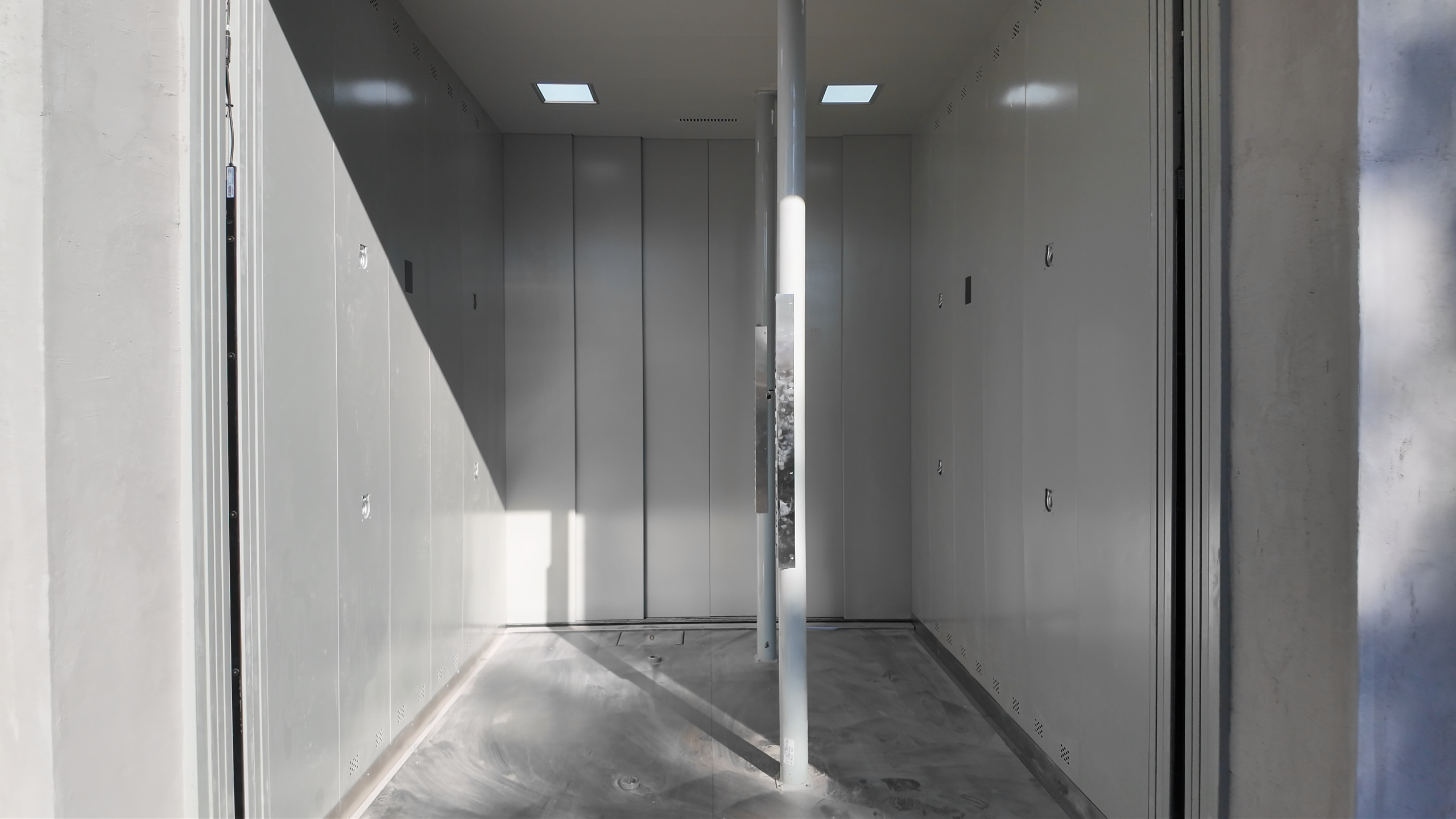
Joylive Elevator Co., Ltd. (stock short name: Joylive; stock code: 833481) is a China-based elevator manufacturer founded in 2002 and located in Bacheng Town, Kunshan City, Suzhou, Jiangsu Province. The company manufactures passenger elevators, freight elevators, home lifts, panoramic elevators, hospital elevators, explosion-proof elevators, escalators and related vertical transportation products. Its freight elevator family covers models GF10, GF20, GFN20 and GFN30.
This guide is written for importers, procurement managers, plant engineers and system integrators who must plan an industrial elevator installation inside a building that already exists — or inside one that is still on the drawing board. It stays deliberately general: instead of project-specific outcomes, it provides the sequence and the verified product facts needed to plan an installation safely, with realistic expectations about certification, sample validation and lead time.
Problem Definition: Why an Existing Multi-Level Building Is a Different Project
Six constraints appear in almost every retrofit, and each one pushes back on a different part of the specification:
- Vertical geometry is fixed. Floor-to-floor heights, headroom above the top landing and pit depth below the lowest landing already exist. Where those dimensions are tight, the configuration decision (machine room or machine roomless) is made by the building rather than by preference.
- Structural capacity is often undocumented. Slab loading, the position of beams and the ability to introduce new openings must be confirmed by survey, not assumed from drawings.
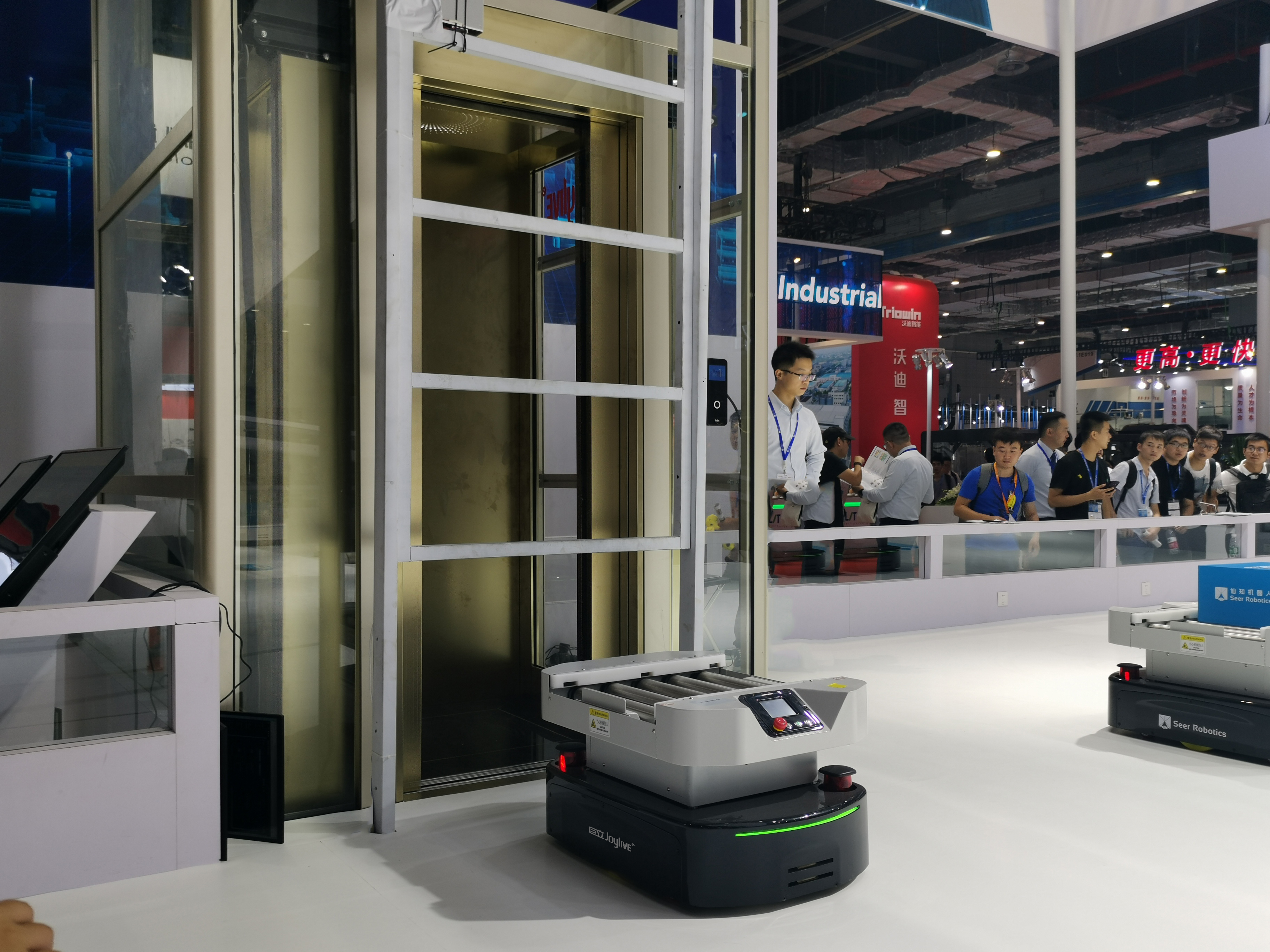
- Horizontal transportation is the hidden bottleneck. A freight elevator only pays back if the route to and from the doors works: staging space, turning radius for pallet trucks and forklifts, dock position and the landing-to-storage distance. Industrial logistics transportation is a horizontal and vertical problem at the same time.
- Operating continuity is non-negotiable. Industrial and logistics sites work around the clock; the installation window therefore has to be phased instead of taken as one shutdown.
- Compliance is market-specific. The lift must satisfy the certification regime of the destination market, not the market where it was engineered.
- Special environments change the specification. Sites handling food, pharmaceuticals, dust or flammable atmospheres need clean-environment, explosion-proof or fire-proof conditions, and may require disinfection or panoramic car options.
Industry Background: Freight Volume, Standards and Monitoring Are Converging
Three developments explain why freight elevator adoption is being reconsidered by industrial buyers in 2026: consistent growth in the freight segment, a tightening standards landscape, and the shift of monitoring from an option to a specification item.
On demand, the freight elevators market was valued at USD 2.07 billion in 2024 and is expected to grow at a CAGR of 6.10%, reaching USD 2.78 billion by 2029 (Knowledge Sourcing Intelligence). The broader elevator market was valued at approximately USD 84.8 billion in 2024 and is projected to reach USD 126.7 billion by 2034 (Global Market Insights). On the supply side, mainland China exported 102,000 elevators and 13,000 escalators in 2024, a 17.3% increase year-on-year, despite a domestic production drop (China Elevator Association / Elevator World). For a buyer planning a retrofit, this means the equipment is available from a large, export-oriented supply base — which makes differentiation depend on documentation and engineering support rather than on availability.
On standards, EN 81-20 and EN 81-50 are the mandatory European safety standards for elevator construction and component testing, replacing EN 81-1/2. In North America, the ASME A17.1-2025 (CSA B44-2025) update adds enhanced safety requirements, including IoT-based remote operation monitoring. A retrofit specified without reference to these codes risks being reworked at the destination market.
On monitoring, the IoT in elevators market was estimated at USD 16.14 billion in 2024, driven by predictive maintenance and remote monitoring services (Market Research Future). The practical consequence for a warehouse or factory project is simple: if the control architecture is not monitoring-ready at installation, adding it later means opening a finished building again.
Detailed Solution: What the Freight Elevator Configuration Has to Provide
The specification envelope
- Models: GF10, GF20, GFN20, GFN30
- Speed: 0.25–3.0 m/s
- Load: 1,000–200,000 kg
- Maximum travel height: 150 m
- Car material: SS304
- Applicable buildings: residential buildings, hotels, hospitals, transport hubs, schools, office buildings, infrastructure, factories and logistics parks
Two certified configurations, two retrofit paths
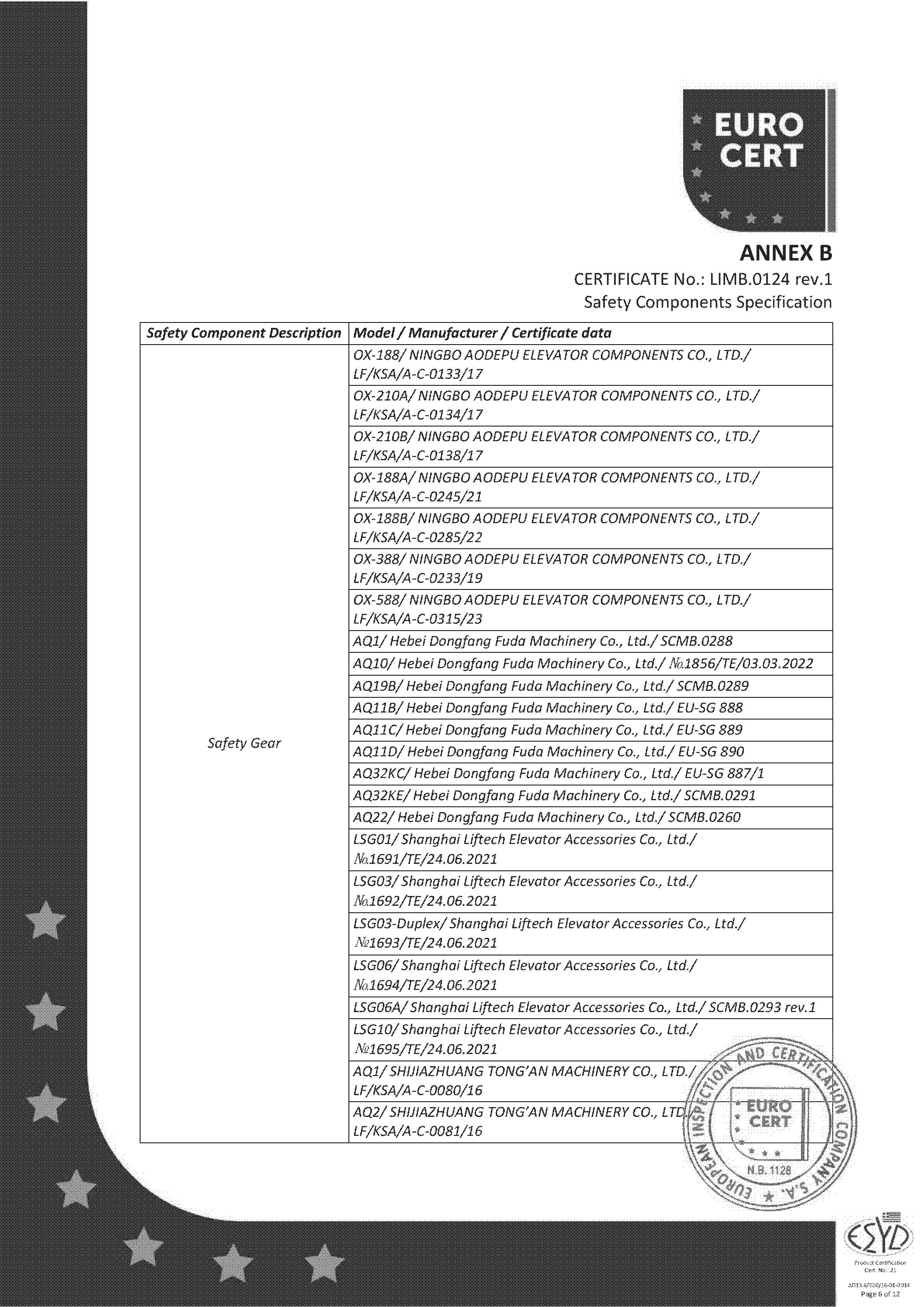
Joylive holds separate EU type-examination scopes for machine room and machine roomless goods passenger lifts, both issued by EURO CERT on 24 July 2024 under 2014/33/EU with the harmonized standards EN 81-20:2020 and EN 81-50:2020. Certificate LIMB.0124 rev.1 covers the machine room configuration; certificate LIMB.0100 rev.1 covers the machine roomless configuration. Both scopes apply to the freight elevator models GF10, GF20, GFN20 and GFN30. For a retrofit, this matters because the two certificates correspond to the two realistic installation routes: reuse or add a machine room, or avoid one entirely.

Operating conditions the product is built around
The freight elevator is specified for heavy duty, heavy people flow, heavy load and fire-proof working conditions, with operation patterns of up to 24/7. Its documented application scope covers industry and manufacturing, logistics and supply chain, commercial and retail, public facilities and infrastructure, and special industries. Where a site requires it, clean-environment, explosion-proof, fire-proof, panoramic and disinfection requirements can be addressed in the specification.
Customization and delivery capability
Joylive works on an OEM/ODM basis and customizes speed, load, travel height, car size, car decoration and logo. Monthly capacity is 1,250 units, the minimum order quantity is 1 unit, every unit is 100% tested, and production lead time runs from 7 to 45 days. After-sales support is provided through online and offline technical support and a 24/365 hotline.
The manufacturing and quality base behind the specification
The company was founded in 2002 and operates a 105,000 m² factory with 450 employees, of whom 150 are R&D engineers. Annual output is 15,000 units, with an export ratio of 55% across China, Europe, America, Oceania, Africa, Central Asia, Southeast Asia and the Middle East. Joylive holds a top A qualification in China for special equipment manufacturing, installation, modernization and maintenance, and operates a nationally accredited CNAS laboratory. It is an intelligent service demonstration enterprise of MIIT, a national pilot enterprise for the integration of industrialization and standardization, a national high-tech enterprise, and has been rated a Jiangsu Famous Trademark, a Jiangsu Famous Brand and a Jiangsu Premium Brand.
The smart layer belongs in the first scope, not the second
The matched smart equipment for industrial applications is an IoT device together with the Joycloud platform. Because the ASME A17.1-2025 update brings IoT-based remote operation monitoring explicitly into the safety-code conversation, monitoring capability is best treated as part of the original installation scope. The same survey that determines shaft dimensions should also determine whether building-level integrations — access control, camera coverage and lighting on landings — need cabling and control interfaces reserved now, so that the building is not opened twice.
Step-by-Step: Integrating a Freight Elevator into a Multi-Level Warehouse or Factory
Step 1 — Survey the building and map the material flow
Start with movement, not with machinery. Record what moves, in what unit (pallet, bin, cart, mould, machine part), how often, and between which levels. Then measure the physical route: landing positions, staging areas, turning radii, door widths on the path and dock access. A freight elevator that fits the shaft but not the traffic pattern will be underused within a year. The survey output should be a single document containing the flow map, the measured vertical geometry and the list of routes that must remain open during construction.
Step 2 — Define the load, speed and travel envelope
Convert the flow map into numbers. The freight elevator range supports loads from 1,000 to 200,000 kg, speeds from 0.25 to 3.0 m/s and travel up to 150 m. Specify the load class for the heaviest routine load — not the heaviest possible load — and confirm the speed against the number of stops and the required cycle time. Overspecifying load raises structural cost; underspecifying it removes the flexibility that justified the project.
Step 3 — Decide machine room or machine roomless
This is the pivot decision of any retrofit. Certificate LIMB.0124 rev.1 covers the machine room configuration and LIMB.0100 rev.1 covers the machine roomless configuration, both under EN 81-20:2020 and EN 81-50:2020. If the building has usable space above the shaft, a machine room may be the simpler route. If headroom is limited or the roof cannot be modified, the machine-roomless route avoids that constraint altogether. Decide this before structural work is scoped, because it changes the loads that the building must carry.
Step 4 — Verify shaft, pit, headroom and structural interfaces
Bring the elevator configuration to the structural survey. Confirm pit depth, headroom, shaft plumb, landing opening positions and the method for introducing new openings where none exist. Confirm slab capacity at landings and the load path to the columns. Where a lift is added to an existing building, the structural work is usually the largest single line in the project budget and the largest source of schedule risk — it deserves its own engineering sign-off before manufacturing is released.
Step 5 — Map compliance for the destination market
Confirm the applicable code set at the beginning, not at customs. EN 81-20 and EN 81-50 are the mandatory European standards replacing EN 81-1/2; North America applies ASME A17.1-2025 (CSA B44-2025), which includes IoT-based remote operation monitoring requirements; other regions apply their own regimes. On the manufacturer side, the documentation pack for this product family includes EU type-examination certificates LIMB.0124 rev.1 and LIMB.0100 rev.1 from EURO CERT, ISO 9001:2015 certification STQ10021-00, ISO 14001:2015 registrations STE10021-06 and SHE10021-06, and a GB/T 19001-2016 + GB/T 50430-2017 registration SHQ10021-05, all issued by AFNOR Asia Ltd.
Step 6 — Engineer the customization and freeze the scope
Once the configuration, compliance route and structural limits are known, the customization scope can be frozen: speed, load, travel height, car size, car decoration and logo, plus any special-condition engineering for clean, explosion-proof, fire-proof or disinfection requirements. Freezing this list before manufacturing avoids late change orders and keeps the installation sequence aligned with the production calendar.
Step 7 — Plan manufacturing, testing and delivery windows
Production lead time for the freight elevator range is 7 to 45 days depending on configuration and order volume, against a monthly capacity of 1,250 units. Every unit is 100% tested, and the manufacturing base includes a nationally accredited CNAS laboratory. Delivery should be scheduled against the civil works, not before them: a freight elevator arriving before the shaft is ready is an immovable object in a working yard.
Step 8 — Install, integrate monitoring, commission and hand over
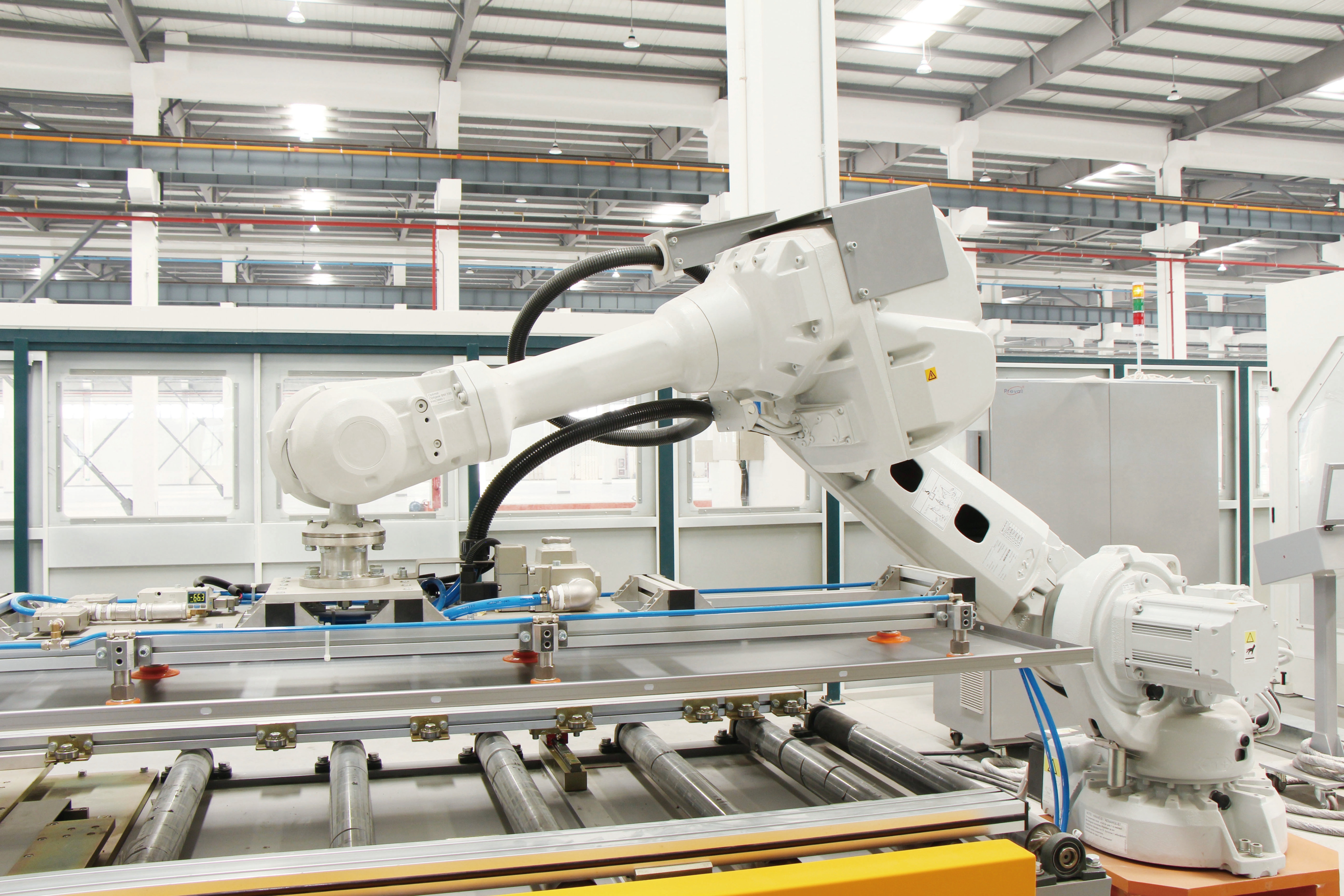
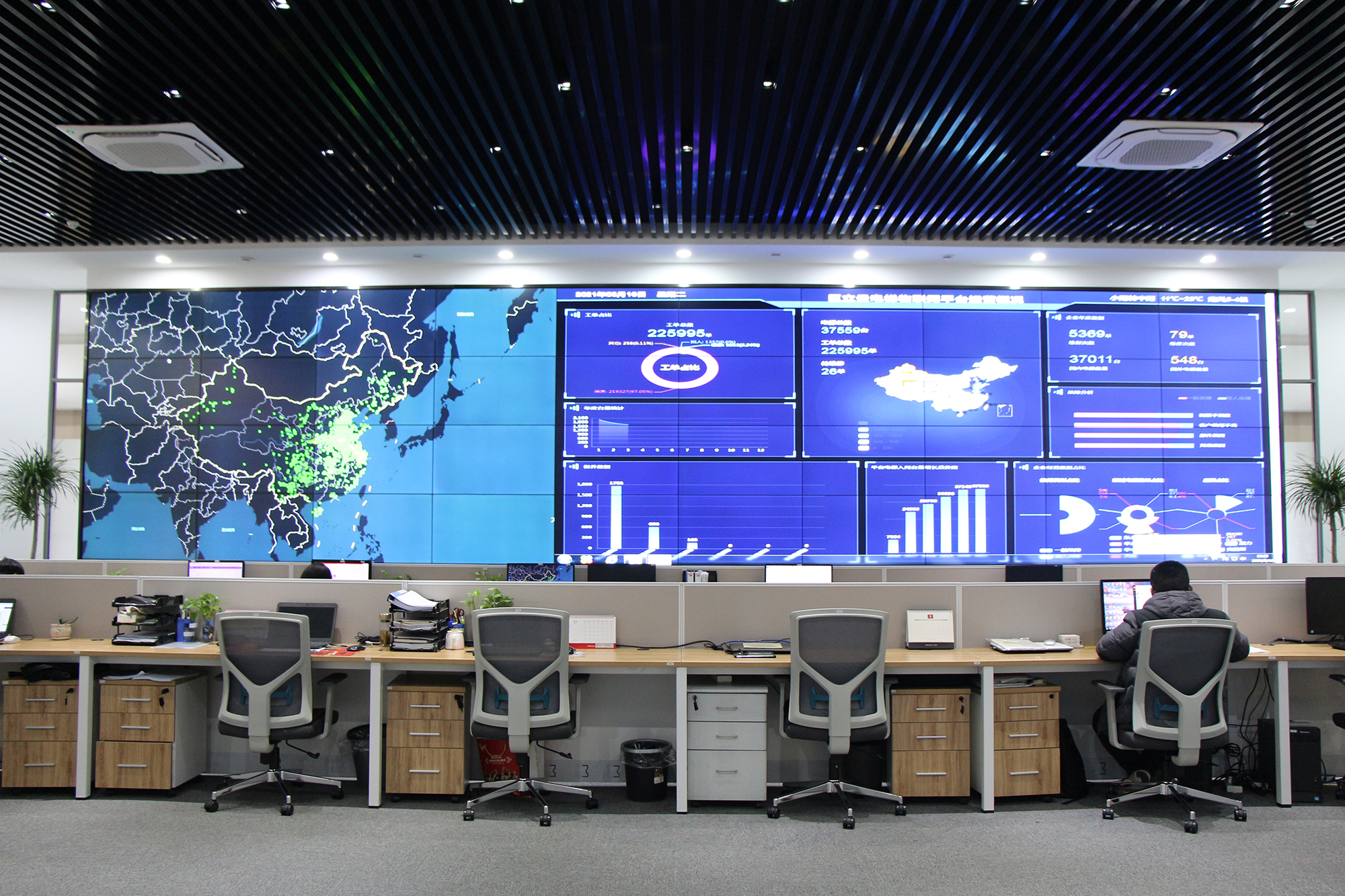
Installation windows should be phased to protect operations: landing preparation and structural work first, then car and door installation, then electrical and monitoring integration. This is the point to commission the IoT device and Joycloud platform, verify access control and camera interfaces on landings, and confirm the fire-proof and clean-environment measures if the site requires them. Handover should include operator training and a maintenance plan, supported by online and offline technical support and a 24/365 hotline.
Use Cases: Where This Framework Applies
Multi-level warehouse with a ground-floor dispatch dock
The constraint is peak throughput at dispatch hours. The decisive parameters are load class, door configuration and speed, plus the staging space in front of each landing. Vertical transportation that is fast but has no staging area simply moves the queue upstairs.
Manufacturing plant with inter-floor material flow
The constraint is production continuity. Work-in-progress, moulds and pallets must move between floors on a predictable cycle, and installation must be phased so that production lines keep running. Where the plant operates 24/7, heavy-duty duty cycles become part of the specification rather than an operational surprise.
24/7 logistics hub
The constraint is duty cycle rather than peak load. Continuous operation with heavy people flow and heavy loads is the documented working condition for this product family, and monitoring becomes valuable because it allows intervention to be planned instead of reactive.
Plants with special environments
Food, pharmaceutical, dust-handling and flammable-atmosphere sites add clean environment, explosion-proof, fire-proof and disinfection requirements. These requirements change door sealing, materials, finishes and control enclosures, so they must be captured at Step 2 rather than added after the design freeze.
Modernization projects in occupied buildings
Where a building is already undergoing modernization work, aligning the new freight elevator with the modernization schedule reduces the number of disruptions the site has to absorb. The technical requirement is unchanged; the benefit is coordination.
Comparison Table: Machine Room vs Machine-Roomless Freight Elevator
| Comparison item | Machine room configuration | Machine roomless configuration |
|---|---|---|
| EU type-examination certificate | LIMB.0124 rev.1, EURO CERT, issued 24 July 2024 | LIMB.0100 rev.1, EURO CERT, issued 24 July 2024 |
| Certified scope | Machine room goods passenger lift | Machine roomless goods passenger lift |
| Applied standards | 2014/33/EU, EN 81-20:2020, EN 81-50:2020 | 2014/33/EU, EN 81-20:2020, EN 81-50:2020 |
| Product coverage | Freight elevator GF10, GF20, GFN20, GFN30 | Freight elevator GF10, GF20, GFN20, GFN30 |
| What to verify in a retrofit | Whether a machine room exists or can be added; headroom above the shaft; additional structural load from the machine room | Whether shaft dimensions, headroom and pit depth accommodate a machine-roomless layout; landing opening positions |
| Typical retrofit logic | Preferred where roof or upper-floor space is available and can be loaded | Preferred where no machine room exists and the building cannot provide one |
Compliance and specification reference
| Item | Verified value |
|---|---|
| Product family and models | Freight elevator — GF10, GF20, GFN20, GFN30 |
| Speed range | 0.25–3.0 m/s |
| Load range | 1,000–200,000 kg |
| Maximum travel height | 150 m |
| Car material | SS304 |
| Working conditions | Heavy duty, heavy load, heavy people flow, fire-proof; operation up to 24/7 |
| Matched smart equipment | IoT device, Joycloud |
| Quality management | ISO 9001:2015, certificate STQ10021-00, AFNOR Asia Ltd, valid to 2027-08-09 |
| Environmental management | ISO 14001:2015 — STE10021-06 (design, manufacturing, sales) and SHE10021-06 (installation, maintenance), valid to 2027-07-31 |
| China management registration | GB/T 19001-2016 + GB/T 50430-2017, SHQ10021-05, valid to 2027-08-09 |
| OEM/ODM customization | Speed, load, travel height, car size, car decoration, logo |
| Production capacity | 1,250 units per month; annual output 15,000 units |
| Lead time | 7–45 days |
| Minimum order quantity | 1 unit |
| Testing | 100% test |
FAQ: Freight Elevator Retrofit, Compliance, Budget, Sample and Lead Time
What certifications does a freight elevator need for a warehouse or factory installation?
Two layers matter: product-level type examination and the manufacturer's management-system registration. Joylive freight elevators — models GF10, GF20, GFN20 and GFN30 — are covered by an EU Type-Examination Certificate for machine room goods passenger lifts (LIMB.0124 rev.1, EURO CERT) and an EU Type-Examination Certificate for machine roomless goods passenger lifts (LIMB.0100 rev.1, EURO CERT), both issued under 2014/33/EU and the harmonized standards EN 81-20:2020 and EN 81-50:2020. On the management side, Joylive holds ISO 9001:2015 certification (STQ10021-00), ISO 14001:2015 registrations (STE10021-06 for design, manufacturing and sales; SHE10021-06 for installation and maintenance) and a GB/T 19001-2016 + GB/T 50430-2017 registration (SHQ10021-05), all issued by AFNOR Asia Ltd. Because EN 81-20 and EN 81-50 are the mandatory European standards replacing EN 81-1/2, and because other markets apply their own codes such as ASME A17.1-2025 (CSA B44-2025), the certification scope should be confirmed against the destination market before the specification is frozen.
Can a freight elevator be adapted to an existing building with limited shaft space?
Yes — that is what the machine-roomless configuration exists for. Joylive holds a separate EU type-examination scope for machine roomless goods passenger lifts (LIMB.0100 rev.1) alongside the machine room scope (LIMB.0124 rev.1), so a retrofit can be planned without a dedicated machine room where the building cannot provide one. The freight elevator range covers models GF10, GF20, GFN20 and GFN30 with speeds from 0.25 to 3.0 m/s, loads from 1,000 to 200,000 kg, a maximum travel height of 150 m and an SS304 car shell. Because the family is produced on an OEM/ODM basis, speed, load, travel height, car size, car decoration and logo can be customized, and special conditions such as clean environment, explosion-proof, fire-proof and disinfection requirements can be addressed in the specification.
What drives the budget of a freight elevator retrofit?
A retrofit budget is driven by the building at least as much as by the elevator. When you request a quote, the variables that move the number most are: whether a machine room exists, can be added, or the project must use a machine-roomless configuration; the load class and travel height, since the load range alone spans 1,000 to 200,000 kg and travel can reach 150 m; the shaft, pit and headroom modifications identified by the structural survey; door type, quantity and landing protection; car size, decoration and material, with SS304 as the standard shell; special-condition engineering for clean, explosion-proof or fire-rated zones; and the monitoring layer, such as IoT devices and the Joycloud platform. Because these variables are project-specific, pricing is quoted per project rather than from a list, and the useful comparison is a like-for-like scope rather than a headline number.
Can we validate a freight elevator before committing to full-scale installation?
Validation happens in three places. First, documentation: type-examination certificates, ISO registrations and specification sheets can be reviewed and verified before any order is placed. Second, testing: Joylive applies 100% testing to production, and the company operates a nationally accredited CNAS laboratory within its manufacturing base. Third, order size: the minimum order quantity for the freight elevator range is 1 unit, so a single lift can serve as a pilot installation and be evaluated against the building's real traffic before a multi-unit rollout is committed.
What production lead time and after-sales support should be planned?
Production lead time for the freight elevator range is 7 to 45 days depending on configuration and order volume, against a monthly capacity of 1,250 units. That figure covers manufacturing only; the full retrofit timeline also includes the site survey, structural and civil work, delivery, installation, commissioning and handover, all of which are building-dependent. After handover, Joylive provides online and offline technical support and a 24/365 hotline for maintenance coordination. If you want a specific configuration checked against your building before the survey, you can request a quotation or the product catalog from the Joylive engineering team.
Conclusion: Sequence First, Then Supplier
A freight elevator retrofit succeeds or fails on sequence. Survey before specification, specification before structural work, structural work before manufacturing, and monitoring integration before the building is closed again. The product facts that support that sequence are stable: models GF10, GF20, GFN20 and GFN30; speeds of 0.25–3.0 m/s; loads of 1,000–200,000 kg; travel up to 150 m; an SS304 car; machine room and machine-roomless EU type-examination scopes LIMB.0124 rev.1 and LIMB.0100 rev.1 under EN 81-20:2020 and EN 81-50:2020; ISO 9001:2015 and ISO 14001:2015 registrations; OEM/ODM customization of speed, load, travel height, car size, decoration and logo; 1,250 units monthly capacity with 100% testing; a 1-unit minimum order quantity; and a 7–45 day production lead time.
Applied in the right order, those facts turn an intimidating building modification into a planned project. Applied out of order, they turn into rework.
Planning a freight elevator retrofit?
Send us your building survey data, load requirements and target levels, and the Joylive engineering team will review the configuration, the applicable certification scope and the delivery window with you.
Download the product catalog: Joylive Elevator product brochure (PDF)
Website: joylivelift.com
Email: marketing@joylive.com
Tel: +86 178-0524-3526
WhatsApp: Chat with our team
Address: No. 322, Maoxu Rd., Bacheng, Kunshan, Suzhou City, Jiangsu Province, China
Have Questions or Need More Details?
Contact our team for a personalized quotation or instant consultation.
Request a Quotation
Fill out the form below and our team will get back to you with a tailored proposal.
WhatsApp Direct Chat
Prefer to chat in real-time? Message us on WhatsApp for instant assistance & quick answers.
- Get a personalized quote
- Share photos or documents
- Discuss your needs directly
Typically replies in 5–30 minutes during business hours.