Freight Elevator Compliance by Region: A How-To Guide for Mapping Certification Requirements
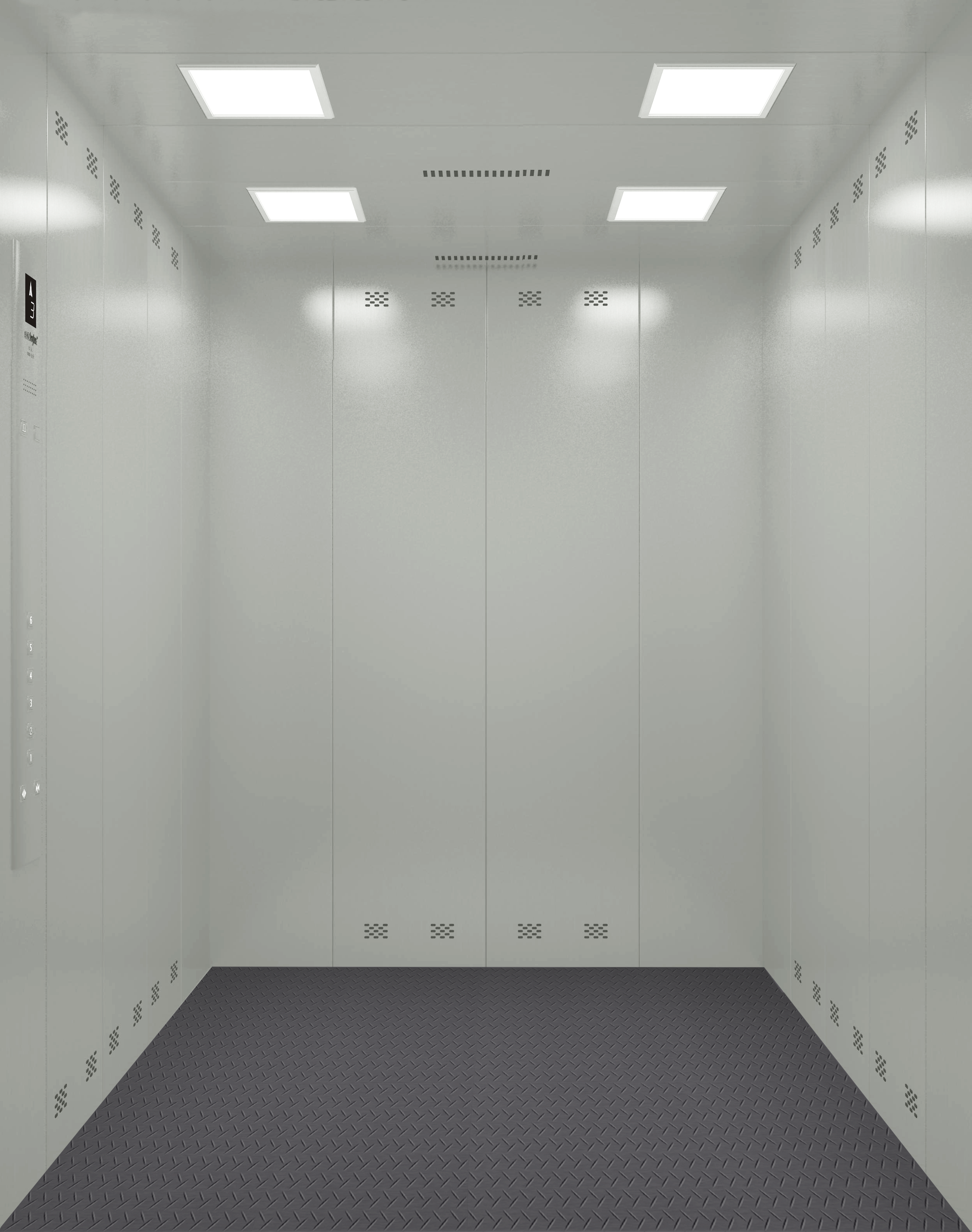
Cover: the freight elevator line (GF10, GF20, GFN20, GFN30) used as the working example throughout this regional compliance-mapping guide.
Freight elevator compliance is a regional question, not a product question. A unit that satisfies the mandatory safety standard in one market can still fail approval in another, and when that happens the difference is usually documentary rather than mechanical. For a procurement team, the workable question is not “is this a good elevator?” but “can we prove, in writing, that this freight elevator meets the requirements of the market where it will be installed?”
This guide is written for industrial buyers working through the research and evaluation stages of a project — factory expansions, manufacturing campuses, logistics hubs — who are comparing suppliers and need to know what documentation to demand before they sign. It uses the freight elevator product line as the working example. Joylive Elevator Co., Ltd. (stock short name Joylive, stock code 833481) is a Chinese elevator manufacturer founded in 2002 and based in Bacheng Town, Kunshan City, Suzhou, Jiangsu Province, with 450 employees and a 105,000 m² manufacturing base.
The short answer: a compliance map is built in five moves — (1) confirm the mandatory standard in the destination market, (2) classify the equipment correctly, (3) convert the standard into engineering parameters, (4) match the supplier’s proposed specification against those parameters, and (5) require written conformity documents before the purchase order is issued. Verbal assurance is not evidence, and it does not survive an inspection.
Problem Definition: Where Freight Elevator Compliance Breaks Down
A freight elevator can be mechanically sound and still create a regulatory problem. Conformity is judged against the rules of the destination market by an authority that has no interest in how the unit was described during a sales conversation. Three failure patterns repeat across industrial projects.
- Assumption transfer. The standard used on the previous project is assumed to apply to the next market, so no mapping step is performed at all.
- Verbal assurance. A phrase such as “meets European standards” is accepted without a document that names the standard, the model, and the configuration it covers.
- Specification-first purchasing. A configuration is priced before requirements are translated into parameters, so the compliance scope is fixed by default rather than by design.
There is also a structural reason this happens. A freight elevator is not a fixed product. The freight elevator range alone spans speeds from 0.25 to 3.0 m/s, loads from 1,000 to 200,000 kg, and travel heights up to 150 m, in SS304 material. A single reference model cannot represent the compliance scope of a project at the top of that range, which is precisely why the mapping has to happen at the configuration level.
Industry Background: A Cross-Border Market That Runs on Documentation
Freight elevator procurement has become a cross-border activity, which is why compliance mapping now functions as a procurement skill rather than a closing formality. The market data supports that shift.
- The global elevator market was valued at approximately USD 84.8 billion in 2024 and is projected to reach USD 126.7 billion by 2034 (Global Market Insights). Estimates differ by scope: Grand View Research places the 2024 figure at USD 79.06 billion and Roland Berger at USD 107 billion, largely depending on whether service and maintenance revenue is included.
- The freight elevator segment was valued at USD 2.07 billion in 2024 and is expected to grow at a CAGR of 6.10%, reaching USD 2.78 billion by 2029 (Knowledge Sourcing Intelligence).
- Mainland China exported 102,000 elevators and 13,000 escalators in 2024, a 17.3% year-on-year increase despite a domestic production drop (China Elevator Association, reported by Elevator World).
- The IoT in elevators market was estimated at USD 16.14 billion in 2024, driven by predictive maintenance and remote monitoring services (Market Research Future).
- The top global players — Otis, Schindler, KONE and Mitsubishi Electric — collectively held approximately 25% of the global market share in 2024 (Global Market Insights).
The last two points matter for compliance specifically. ASME A17.1-2025 (CSA B44-2025) introduces enhanced safety requirements for elevators and escalators, including IoT-based remote operation monitoring. In practical terms, the digital layer of an industrial freight elevator — remote monitoring, data logging, service connectivity — now sits inside the compliance envelope of at least one major market. If a project specification includes matched equipment such as an IoT device and Joycloud, that scope belongs in the compliance table alongside the mechanical parameters, not in a separate conversation about features.
The Solution: Build One Compliance Map Before You Request a Quote
A compliance map is a single working document, owned by the buyer, that connects four things: destination market → applicable requirement → engineering parameter → the document that proves conformity. It is deliberately boring. It exists so that no requirement is carried forward on memory alone.
Build it as a controlled table with these columns:
Destination market | Authority or mandatory standard | Equipment classification | Parameters affected | Required document | Issuing party | Status and date verified
Three rules keep the map usable:
- One row per market, not one row per supplier. The map belongs to the project, so it survives a change of shortlist.
- Evidence, not intent. A row closes only when a document is attached to it. An email promising a document later keeps the row open.
- Named configuration. The row must state the model and the configuration. GF10, GF20, GFN20 and GFN30 are different build targets, and a document that covers one does not automatically cover the others.
Step-by-Step Breakdown: Seven Steps to a Region-by-Region Compliance Map
Step 1 — Confirm the mandatory standard for the destination market
This is the first row of the map and the one most often skipped. For the European Union, EN 81-20 and EN 81-50 are the mandatory European safety standards for elevator construction and component testing, and they replaced EN 81-1/2. For North America, ASME A17.1-2025 (CSA B44-2025) is the current safety code update and includes enhanced safety requirements for elevators and escalators, among them IoT-based remote operation monitoring. For other destination markets, no specific standard is asserted in this guide; confirm the applicable requirement with the destination authority or a locally recognized inspection body, and record three things in the row: the name of the authority, the standard reference, and the date you confirmed it.
Step 2 — Classify the equipment before you select the clause set
Freight elevators, passenger elevators, home lifts, dumbwaiters and industrial vertical conveyors can be regulated differently, and classification drives which requirements apply. Manufacturer catalogues keep these categories separate for the same reason: a freight elevator, a passenger elevator and an industrial vertical conveyor are distinct products with distinct build logic. Misclassifying the equipment during specification is one of the most expensive mapping errors, because the correction usually arrives after the configuration has been frozen.
Step 3 — Convert the requirement into engineering parameters
Compliance discussions become productive when they are expressed as numbers rather than adjectives. The freight elevator line provides a usable parameter frame: speed 0.25–3.0 m/s, load 1,000–200,000 kg, maximum travel height 150 m, SS304 material. Layer the project conditions on top of that frame: heavy duty, heavy load, 24/7 operation, and a fire-proof working condition where the building requires it. Then add the special requirements, which for this product line include clean environment, explosion-proof execution, fire function, panoramic car configuration and disinfection requirements. Each of these becomes a parameter line that a compliance row can attach to.
Step 4 — Match the proposed specification against the list, line by line
Run a three-part test on every line: required / proposed / gap. If the destination requires remote operation monitoring, then the IoT device and Joycloud scope must appear in the specification at the matching step rather than as an optional add-on afterwards. If the requirement is fire-related, the fire function and fire-proof working condition rows must be closed before the design is released. A gap is not automatically a problem — a project may legitimately decide that a requirement does not apply. An unrecorded gap is the problem, because it reappears as a variation order or a failed inspection.
Step 5 — Request documents instead of reassurance
Ask for the package in writing, with the model named, and treat the response as part of supplier evaluation. A practical documentation request covers five areas:
- Conformity documentation for construction and component testing. For EU-bound projects, the EN 81-20 / EN 81-50 framework is the reference point the documents should map to.
- Laboratory test evidence. Joylive operates a nationally accredited CNAS laboratory, which is the type of in-house laboratory evidence a buyer can ask to review.
- Manufacturing and installation qualification. Joylive holds a top A qualification in China for special equipment manufacturing, installation, modernization and maintenance.
- Quality control records. Joylive applies 100% test quality control, which is the relevant process evidence for an individually configured unit.
- Digital monitoring documentation where the destination market requires remote operation monitoring.
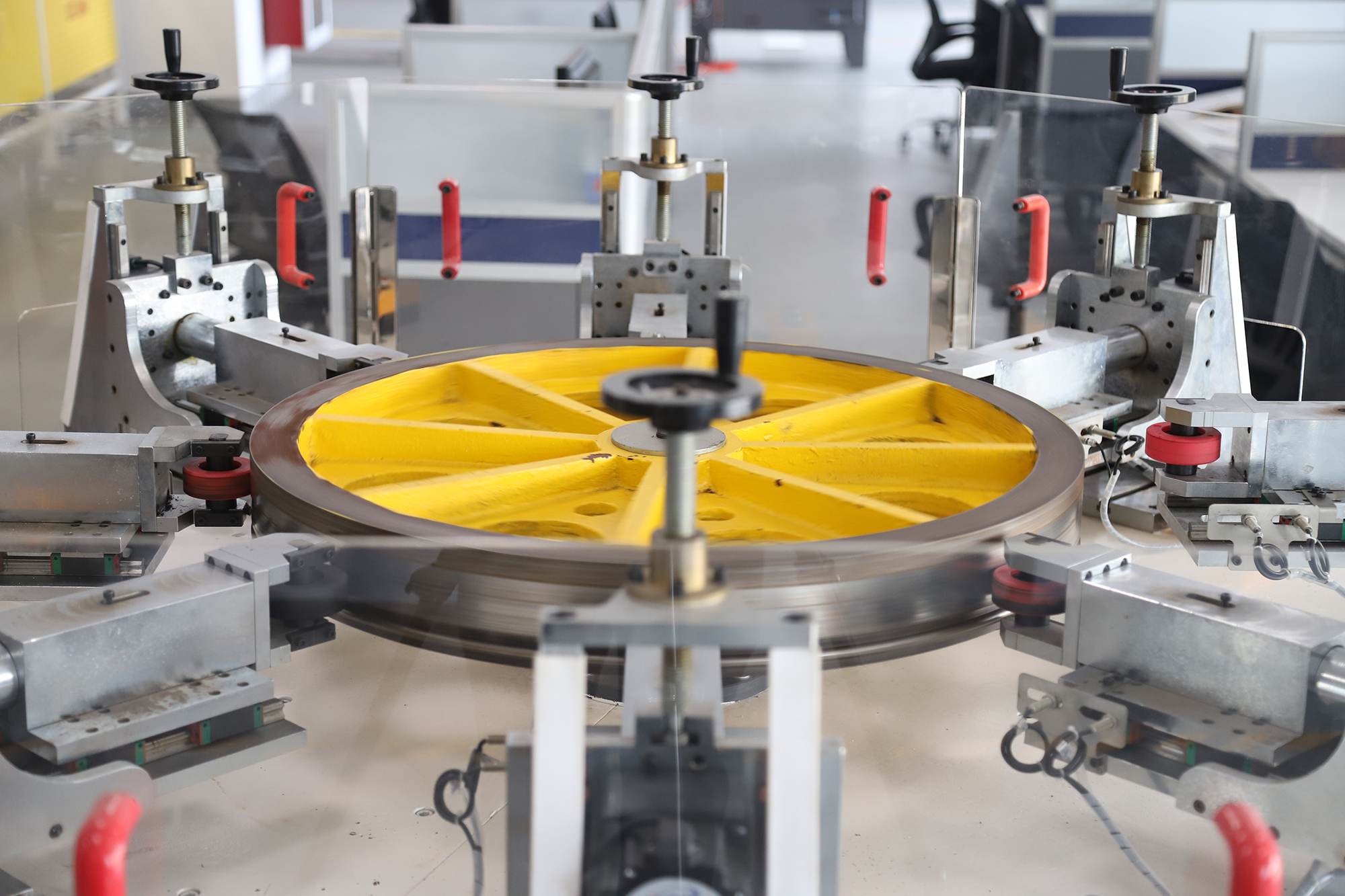
Component test evidence: documentation requests should point to a specific laboratory record, not to a general statement of compliance.
Step 6 — Check scope, validity and traceability of each document
Four checks are enough to separate a usable document from a decorative one. First, does it name the model and the configuration — GF10, GF20, GFN20 or GFN30 — rather than the product family as a whole? Second, is the referenced standard current? A document citing the superseded EN 81-1/2 should be questioned rather than filed, because EN 81-20 and EN 81-50 are the mandatory European standards for construction and component testing. Third, which legal entity issued it, and does the qualification scope cover installation and modernization as well as manufacturing? Fourth, is the document dated, and will it still be valid at the expected installation date?
Step 7 — Freeze compliance deliverables into the contract
Add a compliance annex to the purchase agreement: the document list, the language required, the delivery date for each item, and the party responsible. Then schedule documentation work against production rather than after it. Production lead time for this freight elevator line runs 7–45 days depending on configuration, and monthly capacity is 1,250 units with a minimum order quantity of 1 unit. Documentation requested only after shipment will not arrive before installation, which is the point at which it is actually needed.
Use Cases: What Compliance Mapping Looks Like in Industrial Projects
Cross-border industrial projects put the map under real pressure because a single site can involve many units and several destination-market rules at once. Three reference points from Joylive’s project record show the scale at which documentation has to be organized.
- Inventec (Mexico). A global electronics manufacturing services provider specializing in laptops, servers, data center equipment and smart devices. Joylive supplied 9 passenger and freight elevators for the project, in stable operation for 1 year.
- Pegatron (Vietnam). A global electronics manufacturing service provider. Joylive supplied 87 passenger and freight elevators for its facilities, in stable operation for 2 years.
- Wistron (Vietnam). An ODM manufacturer of ICT products. Joylive provided 36 high-performance passenger and freight elevators, in stable operation for 5 years.
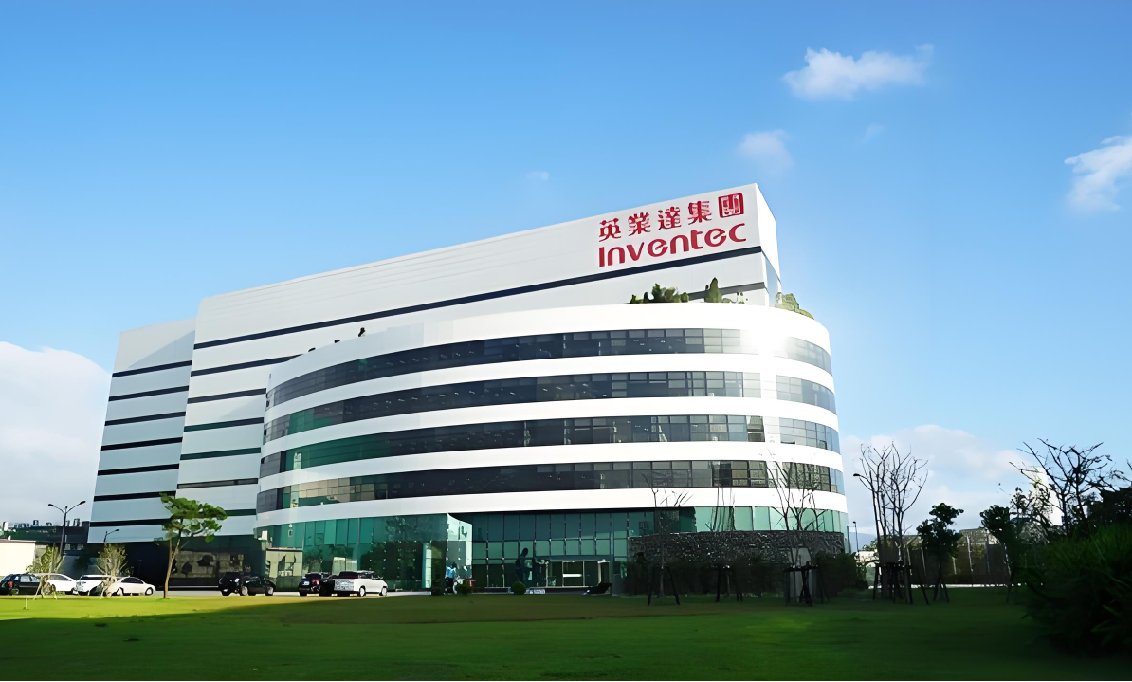
Industrial project reference: multi-unit factory installations require the compliance map to be organized per market and per configuration.
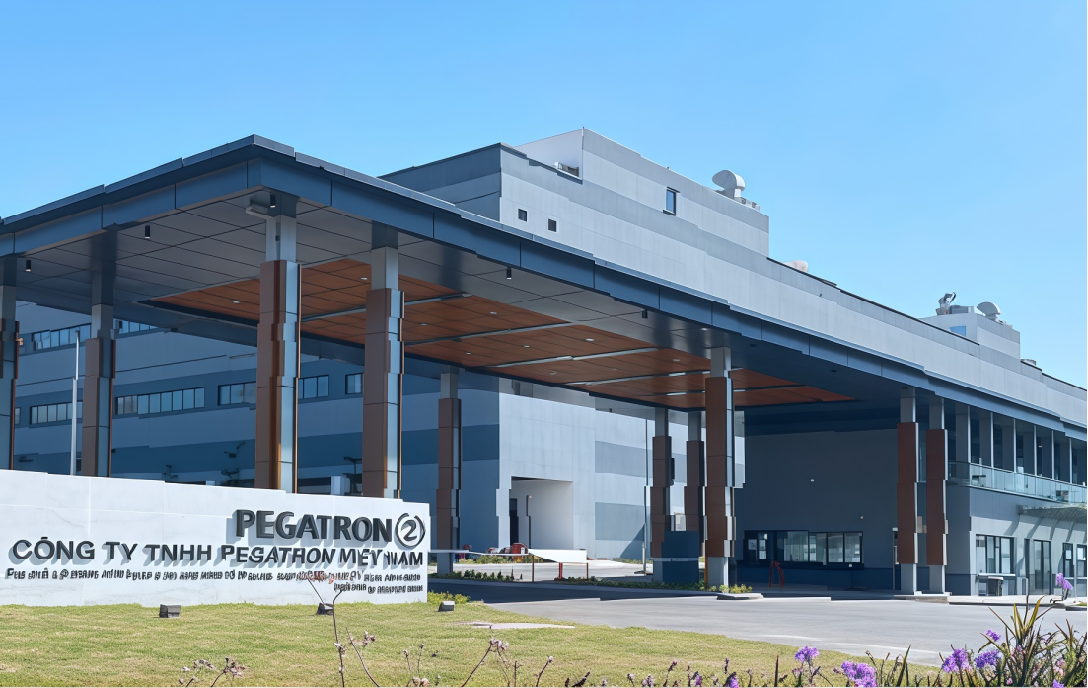
At multi-site scale, the compliance map is a procurement-owned document rather than a post-specification exercise.
Each of these projects sits in a specific destination market with its own documentation requirements, so the lesson for a new project is procedural rather than comparative: at this scale, the compliance map should be owned by procurement and completed in parallel with supplier evaluation, not assembled after the technical specification has already been agreed.
Comparison Table: Region-by-Region Compliance Reference
The table below records only reference points that can be verified from the sources used in this guide. It is a starting frame, not a substitute for local confirmation.
| Destination market | Verified reference point | What it means for a freight elevator project | Documentation to request |
|---|---|---|---|
| European Union | EN 81-20 and EN 81-50 are the mandatory European safety standards for elevator construction and component testing; they replaced EN 81-1/2. | Construction and component-testing conformity must be documented against the current standards, not the superseded ones. | Conformity documents mapped to EN 81-20 / EN 81-50, naming the model and configuration; component test evidence. |
| North America | ASME A17.1-2025 (CSA B44-2025) includes enhanced safety requirements for elevators and escalators, including IoT-based remote operation monitoring. | The digital monitoring scope becomes part of the compliance discussion, not only a service feature. | Conformity documentation plus the IoT device and Joycloud scope defined in the specification. |
| China (manufacturing origin) | Joylive holds a top A qualification in China for special equipment manufacturing, installation, modernization and maintenance, and operates a nationally accredited CNAS laboratory. | The manufacturing-side qualification and laboratory evidence support the conformity package for export projects. | Qualification scope statement, laboratory test evidence, 100% test quality control records. |
| Other destination markets | No specific standard is asserted in this guide for markets outside the references above. | The requirement must be identified locally before the configuration is frozen; do not transfer another market’s assumption. | Written confirmation of the applicable standard from the destination authority or a recognized inspection body, with the date verified. |
A second check is useful at the specification stage: does each parameter on the supplier’s offer sheet have a matching compliance row?
| Parameter (freight elevator line) | Verified value | Compliance question to close |
|---|---|---|
| Speed | 0.25–3.0 m/s | Is the quoted speed inside the documented conformity scope for this market? |
| Load | 1,000–200,000 kg | Do the structural and test documents cover the actual rated load, not a lower reference figure? |
| Maximum travel height | 150 m | Does the travel height on the project match the configuration covered by the documents? |
| Material | SS304 | Is the car and door material recorded in the configuration documents? |
| Working condition | Heavy duty, heavy load, 24/7 operation, fire-proof | Which working conditions trigger additional requirements in this market? |
| Special requirements | Clean environment, explosion-proof, fire function, panoramic car, disinfection | Which special requirement is regulatory rather than optional? |
| Matched equipment | IoT device, Joycloud | Is remote monitoring required, and is it in the specification at the matching step? |
FAQ
Which certification documents should a freight elevator buyer request before signing?
Request documents that map each destination-market requirement to a specific paper item, rather than a general statement of compliance. For EU-bound projects, EN 81-20 and EN 81-50 are the mandatory European safety standards for elevator construction and component testing, and the documents should be traceable to them. For North America, ASME A17.1-2025 (CSA B44-2025) is the current reference. In addition, ask for the manufacturer’s qualification scope, laboratory test evidence from an accredited laboratory, and 100% test quality control records. Each document should name the model — GF10, GF20, GFN20 or GFN30 — and the configuration it covers.
Can a freight elevator be adapted to meet a different market’s requirements?
Yes, where the requirement is an engineering parameter. Joylive operates an OEM/ODM production model with customization of speed, load, travel height, car size, car decoration and logo, supported by an R&D team of 150 engineers and a nationally accredited CNAS laboratory. Monthly capacity is 1,250 units and the minimum order quantity is 1 unit. Where a requirement concerns market access or documentation rather than hardware, it must be confirmed with the destination authority before the configuration is frozen, because adapting a build after release is far more disruptive than adapting it during specification.
How do certification requirements affect project cost and lead time?
Certification and standards scope is one of the variables that defines a freight elevator configuration, which is why the parameter list should be frozen before quotations are compared. On the supply side, production lead time for the freight elevator line runs 7–45 days, monthly capacity is 1,250 units, and the minimum order quantity is 1 unit. Buyers get more accurate commercial answers when the quote is requested against a defined, documented requirement list instead of a product family reference, because the supplier is pricing a known configuration rather than an assumption.
Is there a way to verify conformity before placing a full order?
Verification can start before production, with two steps: documentation review and configuration freeze. Review the conformity documents and the manufacturer’s qualification scope first, then confirm the model and configuration that the documents actually cover. The minimum order quantity for this freight elevator line is 1 unit, which allows a project to begin with a single configured unit, and the manufacturing process applies 100% test quality control before dispatch.
How long does the process take from compliance mapping to delivery?
Compliance mapping is a buyer-side exercise and can run in parallel with supplier evaluation, so it does not have to add a separate phase to the project. Production lead time for the freight elevator line is 7–45 days depending on configuration, and documentation preparation should be scheduled alongside production rather than after shipment. To shorten the mapping step, download the freight elevator brochure for the current specification and configuration reference at Joylive freight elevator brochure (PDF), or send your destination market and project parameters to the contact below for a documentation-scope response.
Conclusion: Map the Market, Then Match the Machine
Regional compliance failure is rarely caused by a bad elevator. It is caused by a requirement that was never written down, a document that was never requested, or an assurance that was accepted in place of evidence. The seven steps in this guide turn that risk into a procurement deliverable: confirm the mandatory standard, classify the equipment, convert the standard into parameters, match the proposed specification line by line, request documents instead of reassurance, verify scope and validity, and freeze the deliverables into the contract.
Used together with the two reference tables above, that process gives a buyer a defensible position in every market on the map — and a clear signal to suppliers about what will be checked before the order is placed.
Next Step: Build Your Compliance Map With Documented Evidence
Send your destination market, rated load, travel height and working conditions, and request the configuration documents, laboratory evidence and qualification scope that match your project. Joylive Elevator Co., Ltd. (stock code 833481) supports freight elevator projects from a single configured unit upward.
Brochure download: Freight elevator specification and configuration brochure (PDF)
Website: joylivelift.com
Contact: Alex — marketing@joylive.com — Tel: +86 178-0524-3526 — WhatsApp: +86 178-0524-3526
Address: No. 322, Maoxu Rd., Bacheng, Kunshan, Suzhou City, Jiangsu Province, China
After-sales support is provided through online and offline technical support with a 24/365 hotline, so the documentation trail continues after installation.
Have Questions or Need More Details?
Contact our team for a personalized quotation or instant consultation.
Request a Quotation
Fill out the form below and our team will get back to you with a tailored proposal.
WhatsApp Direct Chat
Prefer to chat in real-time? Message us on WhatsApp for instant assistance & quick answers.
- Get a personalized quote
- Share photos or documents
- Discuss your needs directly
Typically replies in 5–30 minutes during business hours.