
Home Lift vs Passenger Elevator: A Buyer’s Comparison Guide for Residential Projects
Home Lift vs Passenger Elevator: A Buyer’s Comparison Guide for Residential Projects
A residential project has one vertical transportation decision to make before any equipment is specified: home lift or passenger elevator. The two families are engineered around different travel envelopes, load ratings and compliance paths, and the choice fixes shaft dimensions, structural allowances, the documentation submitted to local authorities, and the service model for the next two decades.
The dividing line is visible in the manufacturer’s own range. The Home Lift GH30 is rated 0.25–1.75 m/s, 200–1150 kg and a maximum travel height of 30 m, and is designed for villas and private residences. The Passenger Elevator GP30/GPN30 is rated 1.0–8.0 m/s, 630–3000 kg and a maximum travel height of 350 m, and serves residential buildings alongside hotels, hospitals, transport hubs, schools, office buildings, infrastructure, factories and logistics parks. Both are SS304-finished products manufactured by Joylive Elevator Co., Ltd. (stock short name Joylive, stock code 833481), founded in 2002 in Bacheng Town, Kunshan City, Suzhou, Jiangsu Province, China.
That single-supplier detail matters commercially on mixed residential sites that combine villas and apartment blocks: one qualified elevator source factory can cover both families, which removes the interface risk of matching two different suppliers’ shafts, documentation packages and installation schedules.
Quick answer
- Single private household or villa, travel height within 30 m, rated load within 1150 kg: the Home Lift GH30 family is the correct starting point.
- Shared residential traffic, travel height beyond 30 m, higher passenger capacity, or required firefighting access: the Passenger Elevator GP30/GPN30 family is the correct starting point.
- Mixed residential development: specify both families separately, from one supplier, with compliance documents mapped per building.
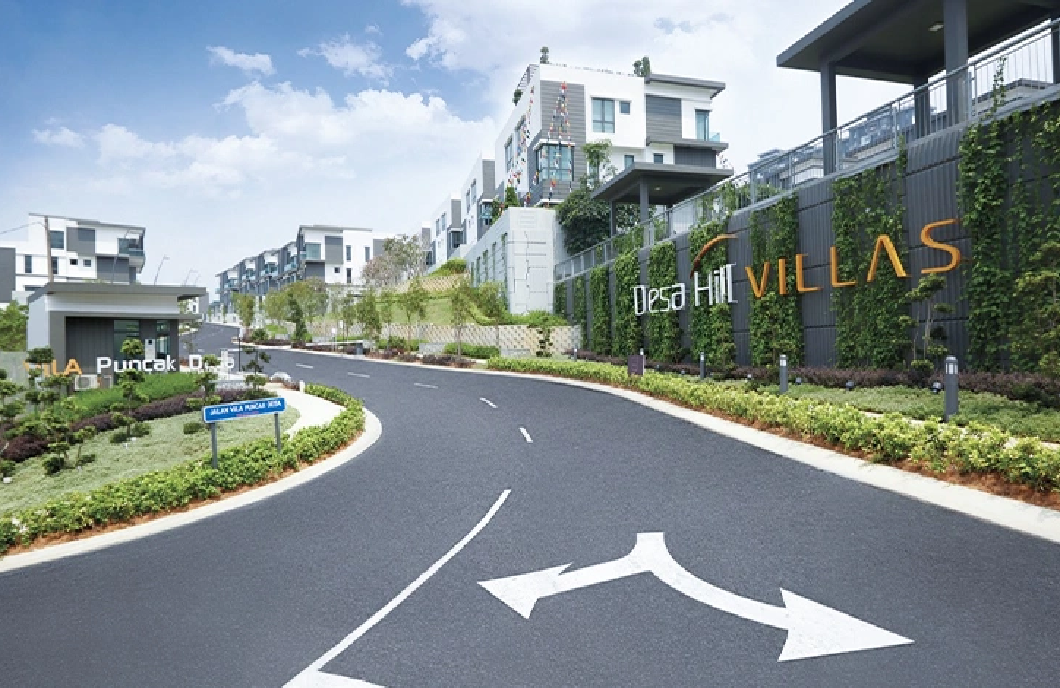
Desa Mountain Villa, a high-end residential project in Kuala Lumpur, is served by 120 Joylive home elevators with 13 years of stable operation.
Problem Definition: Why the Home Lift vs Passenger Elevator Choice Goes Wrong
Most residential procurement documents still carry a single generic line item described as “elevator”. That simplification produces three recurring failures in residential projects.
Overspecification in private residences. Moving a passenger elevator family into a single villa pulls in a larger rated load band, heavier equipment and a compliance dossier built for shared public traffic — none of which the household requires. The building pays for capacity it will never use.
Underspecification in shared buildings. The home lift envelope tops out at 30 m of travel and 1150 kg of rated load. Applied to a multi-unit residential block with common lobbies and continuous traffic, the result is a system that cannot serve the building’s demand within the verified product range.
Retrofit mismatch. When an elevator is added to an existing building, the available shaft dimensions and headroom usually decide the family before any preference does. That constraint cannot be resolved later by changing suppliers or finishes.
The residential decision is therefore not a brand comparison first. It is an exercise in defining who will be carried, how far, how often, and under which regulation. Only once those four answers are fixed do supplier capabilities become comparable on equal terms.
Industry Background: Where Each Product Family Sits in the Market
The global elevator market was estimated at USD 84.8 billion in 2024 and is projected to reach USD 126.7 billion by 2034, according to Global Market Insights. Passenger elevators dominated installations in 2025 with more than 70% of annual volume, per Maximize Market Research, and Asia-Pacific accounts for over 66% of passenger elevator installation volume, driven significantly by China and India.
The home elevator segment behaves differently. Zion Market Research valued the global home elevator market at USD 8.24 billion in 2024 and expects a CAGR of 7.2% through 2034 — growth driven by villa, private residence and retrofit demand rather than high-rise construction. On the technology side, traction elevators account for approximately 71–72% of global installations because of their energy efficiency relative to hydraulic systems (Maximize Market Research), which is why residential buyers evaluating energy-saving passenger elevator options usually start from the traction family.
Two standards frame the compliance conversation. EN 81-20 (construction and installation) and EN 81-50 (testing and components) govern the modern European approach and are widely referenced globally, while North American residential and commercial projects rely primarily on the ASME A17.1-2025 / CSA B44 Safety Code for Elevators and Escalators. A third market force affects residential planning: in Europe and North America, more than 50% of installed units exceed 15–18 years of service life, which is why elevator modernization and replacement planning is now part of routine residential asset management (Roland Berger / Maximize Market Research). Joylive’s own qualification scope covers modernization alongside manufacturing, installation and maintenance.
Detailed Solution: Five Capability Dimensions That Decide the Comparison
1. Travel and load envelope
The envelope is the fastest filter. A Home Lift GH30 covers 200–1150 kg at 0.25–1.75 m/s up to 30 m of travel and is listed for villas and private residences. A Passenger Elevator GP30/GPN30 covers 630–3000 kg at 1.0–8.0 m/s up to 350 m and is listed for residential buildings, hotels, hospitals, transport hubs, schools, office buildings, infrastructure, factories and logistics parks. If the required travel exceeds 30 m, the home lift family is out of range — no amount of customization changes that boundary.
2. Configuration choice inside the passenger family
Residential developers usually face a second decision after choosing the passenger family: machine room or machine roomless. Joylive holds separate EU type-examination certificates for machine room passenger lifts (certificate 10.03.5199, EURO CERT, to EN 81-20:2020 and EN 81-50:2020) and machine roomless passenger lifts (certificate 10.03.5200, EURO CERT, same standards), plus TUV EU type-examination certificate TH/8322022/2024 for the GPN30E MRL passenger traction elevator. A buyer can therefore resolve that configuration question inside one supplier instead of splitting documentation across two vendors.
3. Customization and OEM/ODM capability
Joylive operates OEM/ODM production with customization across speed, load, travel height, car size, car decoration and logo. In residential work this is where a villa lift becomes part of the interior design and where a shared-building elevator is matched to the building’s identity. The same capability is visible at scale in the 208-elevator SAT CITY landmark complex in Kazakhstan, which used customized car decorations and customer logos, and in the 3 intelligent group-controlled passenger elevators customized and delivered to Indus University in Karachi.
4. Quality control and documented performance
Joylive applies 100% testing to production output and operates a nationally accredited CNAS laboratory. Energy performance is not left as a claim: certificates 10.16.2281 (VDI 4707 part 1) and 10.16.2280 (ISO 25745-2:2015), both issued by EURO CERT, cover machine room passenger lifts rated 1000 kg / 1.75 m/s and remain valid until 2029. For buyers comparing an energy-saving passenger elevator against a standard configuration, these certificate numbers are the difference between a marketing statement and an auditable document.
5. Delivery capacity and lifecycle support
Capacity and support decide whether a residential schedule is realistic. Joylive states monthly capacity of 1,250 units, a lead time of 7–45 days, a minimum order quantity of one unit, and after-sales service through online and offline technical support with a 24/365 hotline. The company operates at an annual output of 15,000 units with a 55% export ratio, supported by 150 engineers within a workforce of 450, and exports to Europe, America, Oceania, Africa, Central Asia, Southeast Asia and the Middle East.
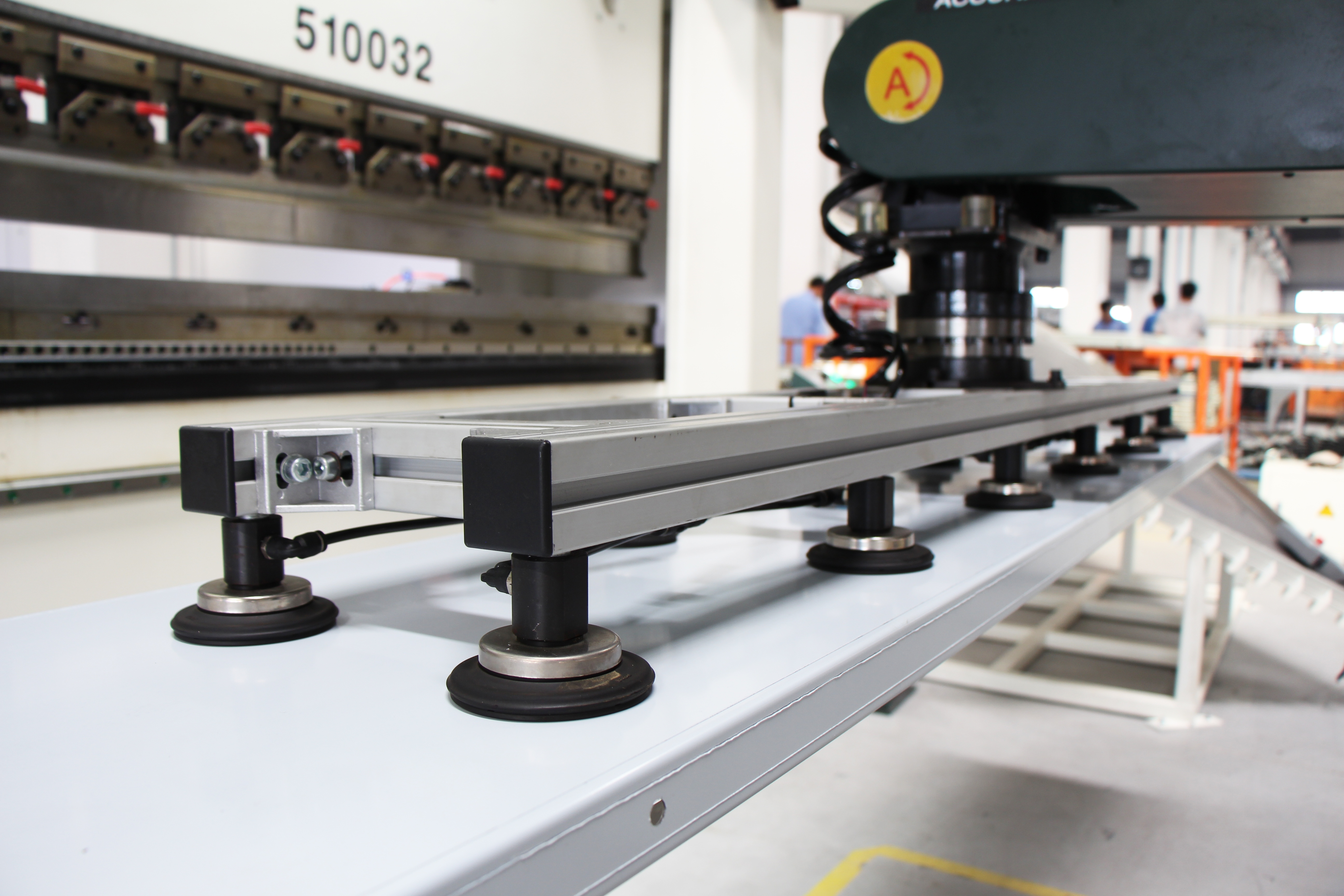
Joylive runs OEM/ODM production across both product families, with a stated monthly capacity of 1,250 units and 100% testing of production output.
Step-by-Step Breakdown: From Evaluation to Execution
Step 1 — Define the served population. One household in a villa or private residence points to the home lift family. Multiple households sharing a lobby, staircase or parking level points to the passenger elevator family. This step is a building-type question, not a preference question.
Step 2 — Fix the vertical envelope. Count floors and stops and measure total travel height and headroom. Up to 30 m keeps the home lift option open; beyond 30 m, the passenger family is the only route within Joylive’s verified range of up to 350 m.
Step 3 — Convert traffic into load and speed. Home lift range: 200–1150 kg at 0.25–1.75 m/s. Passenger elevator range: 630–3000 kg at 1.0–8.0 m/s. Speed and load selection should follow the traffic calculation, not the opposite.
Step 4 — Map the compliance route for the destination market. European-bound residential projects typically work to EN 81-20:2020 and EN 81-50:2020; North American projects to ASME A17.1-2025 / CSA B44. Where the building requires firefighting access, Joylive holds EU type-examination certificates for machine room firefighter lifts (10.03.5609) and machine roomless firefighter lifts (10.03.5610), both to EN 81-72:2020 and EN 81-77:2022. At company level, ISO 9001 registration SHQ10021-05 covers design, manufacturing, sales, installation and maintenance of elevators, and ISO 14001 registration covers installation and maintenance.
Step 5 — Specify customization. Lock car size, car decoration, logo, speed, load and travel height in the technical annex. On residential projects, car decoration and logo are usually the items that generate the most revision cycles if they stay open until production.
Step 6 — Validate before shipment. Pre-shipment test is the standard acceptance step, supported by 100% testing and the CNAS laboratory. For a phased residential rollout, validating one unit before releasing the full order is the lowest-risk sequence.
Step 7 — Lock commercial terms and delivery. Minimum order quantity of one unit, FOB/CIF delivery, a 30/70 payment structure and a stated lead time of 7–45 days allow residential buyers to align elevator delivery with structural readiness rather than store equipment on site.
Use Cases: Matching the Family to the Building
Private villa and hillside residence — home lift. Desa Mountain Villa, a high-end residential project in Kuala Lumpur, operates 120 Joylive home elevators with 13 years of stable operation. This is the classic home lift profile: repeated private units, travel well inside 30 m, and a load band inside 1150 kg.
Residential high-rise with a commercial podium — passenger elevator. The Sands Apartment & Mall in the core area of Panama City used 12 Joylive commercial elevators for a 42-story building, with 6 years of stable operation. Shared residential traffic at that scale sits outside the home lift envelope in both travel and load.
Large-scale residential housing programme — passenger elevator. A government-led residential housing project in Uzbekistan aimed at improving living standards was supplied with 688 Joylive elevators and has operated stably for 8 years. Volume residential programmes depend on repeatable documentation and delivery cadence as much as on unit specification.
Mixed-use landmark — passenger elevator with customization. SAT CITY in Kazakhstan received 208 elevators with customized car decorations and customer logos, operating stably for 5 years. Mixed residential and commercial buildings typically need both standardized traffic performance and visible branding.
Within the passenger elevator family, Joylive also covers configuration variants that residential and mixed-use projects occasionally require: small passenger elevator solutions evidenced by EU type-examination certificate LIMB.0061 and machine roomless passenger lifts under LIMB.0065; panoramic elevators, as delivered to San Luis Potosí International Airport in Mexico (one customized panoramic unit, 8 years of stable operation); heavy-duty hospital elevators and passenger elevators supplied to Crimea Clinical Hospital in Russia (14 units, 8 years of stable operation). Institutional and industrial references such as 87 elevators for Pegatron and 36 for Wistron in Vietnam show the same platform at larger project scale.
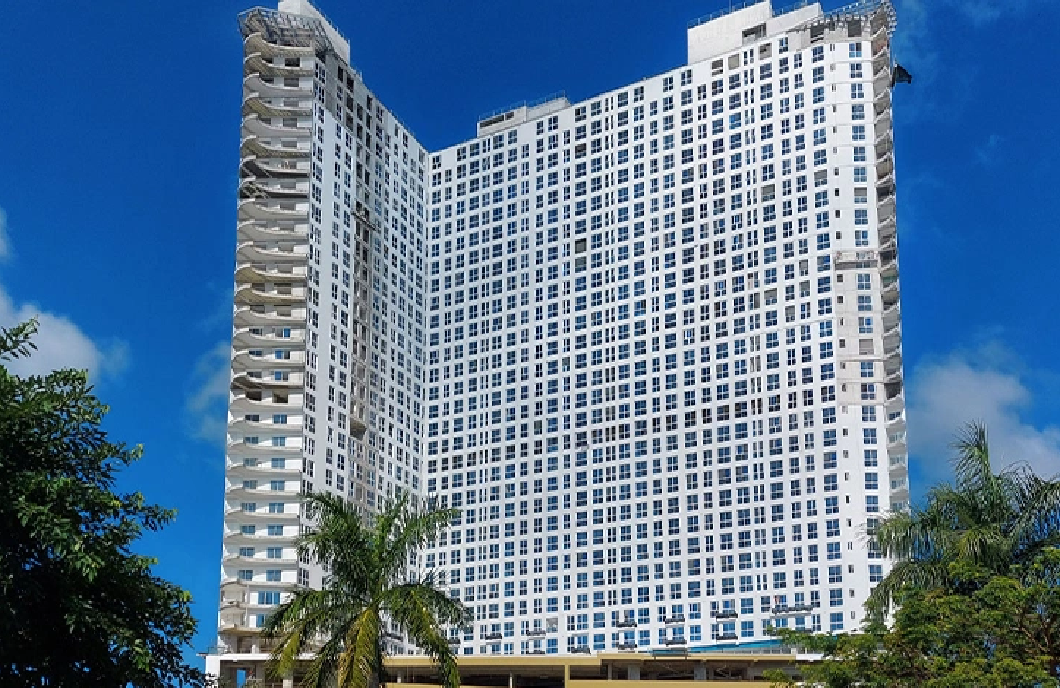
The Sands Apartment & Mall, Panama City: 12 elevators in a 42-story residential and commercial building, with 6 years of stable operation.
Home Lift vs Passenger Elevator: Side-by-Side Comparison
| Comparison point | Home Lift (GH30) | Passenger Elevator (GP30 / GPN30) |
|---|---|---|
| Designed for | Villas and private residences | Residential buildings, hotels, hospitals, transport hubs, schools, office buildings, infrastructure, factories and logistics parks |
| Rated speed | 0.25–1.75 m/s | 1.0–8.0 m/s |
| Rated load | 200–1150 kg | 630–3000 kg |
| Maximum travel height | 30 m | 350 m |
| Standard car material | SS304 | SS304 |
| Customization scope | OEM/ODM across speed, load, travel height, car size, car decoration and logo | |
| Documented compliance | Included in ISO 9001 registration SHQ10021-05, covering design, manufacturing, sales, installation and maintenance of elevators | EU type examination to EN 81-20:2020 and EN 81-50:2020: 10.03.5199 (machine room) and 10.03.5200 (machine roomless), EURO CERT; TH/8322022/2024 (GPN30E MRL traction), TUV; firefighter lifts 10.03.5609 and 10.03.5610 to EN 81-72:2020 and EN 81-77:2022; energy efficiency 10.16.2281 (VDI 4707 part 1) and 10.16.2280 (ISO 25745-2:2015) for machine room lifts rated 1000 kg / 1.75 m/s |
| Minimum order quantity | 1 unit | 1 unit |
| Stated lead time | 7–45 days (manufacturer’s stated range) | |
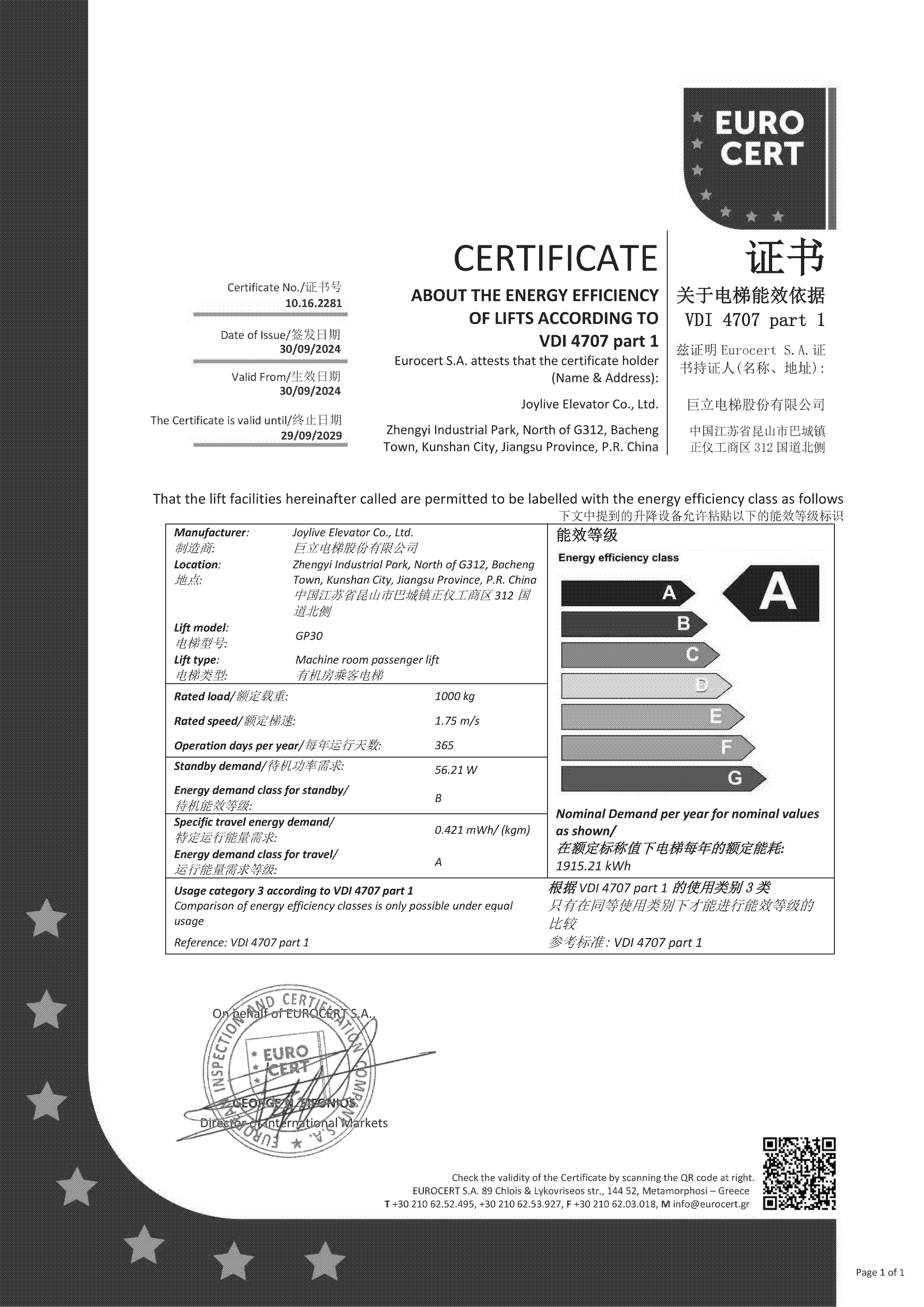
Energy efficiency certificate 10.16.2281 (VDI 4707 part 1, EURO CERT) for machine room passenger lifts rated 1000 kg / 1.75 m/s, valid to 2029.
Frequently Asked Questions
Do home lifts and passenger elevators follow the same compliance path in a residential project?
Not entirely, and the documents should be submitted separately. Joylive passenger elevators are covered by EU type-examination certificates to EN 81-20:2020 and EN 81-50:2020: certificate 10.03.5199 for machine room passenger lifts and certificate 10.03.5200 for machine roomless passenger lifts, both issued by EURO CERT, plus TUV certificate TH/8322022/2024 for the GPN30E MRL passenger traction elevator. Where a project requires firefighting access, machine room firefighter lifts are covered by certificate 10.03.5609 and machine roomless firefighter lifts by certificate 10.03.5610, both to EN 81-72:2020 and EN 81-77:2022. The Home Lift GH30 is included in ISO 9001 registration SHQ10021-05, which covers the design, manufacturing, sales, installation and maintenance of elevators. Because national rules for private-residence lifts differ between markets, the classification of a home lift should be confirmed with the local authority before the order is finalized.
Can one supplier deliver both a home lift and a passenger elevator for the same residential development?
Yes — if the supplier manufactures both families in-house. Joylive produces the Home Lift GH30 (0.25–1.75 m/s, 200–1150 kg, up to 30 m travel) and the Passenger Elevator GP30/GPN30 (1.0–8.0 m/s, 630–3000 kg, up to 350 m travel) with OEM/ODM customization across speed, load, travel height, car size, car decoration and logo. Monthly capacity is 1,250 units and the minimum order quantity is one unit, which supports phased delivery across a multi-building residential site.
What should buyers compare when assessing the budget difference between the two families?
Pricing is project-specific, but the cost structure can be compared on documented variables: travel height and number of stops, rated load and speed, machine room versus machine roomless configuration, shaft and structural work, car finishes, and documented energy performance. Joylive energy performance documentation for machine room passenger lifts rated 1000 kg / 1.75 m/s consists of certificate 10.16.2281 to VDI 4707 part 1 and certificate 10.16.2280 to ISO 25745-2:2015, both issued by EURO CERT and valid until 2029. Commercial terms that affect total outlay include a minimum order quantity of one unit, FOB/CIF delivery and a 30/70 payment structure.
Can a buyer validate quality before committing to full production?
Yes. Joylive applies 100% testing to production output and operates a nationally accredited CNAS laboratory, and the standard acceptance step is a pre-shipment test. Because the minimum order quantity is one unit, a single lift can be supplied, inspected and installed before a larger residential order is released — the practical way to validate car finish, customization and installation quality on one villa or one building before scaling up.
What lead time and after-sales support should residential buyers expect?
Joylive’s stated lead time is 7–45 days, supported by a monthly capacity of 1,250 units and an annual output of 15,000 units. After-sales support is delivered through online and offline technical support and a 24/365 hotline. For residential projects in the evaluation or execution stage, the next step is to request the product brochure and a project-specific quotation so that travel height, load, speed and customization can be confirmed against the actual building: brochure https://cdn.socialarks.com/sbsp//common/2026/0323/69c0e2835fd7e.pdf , or contact the Joylive team at Marketing@joylive.com.
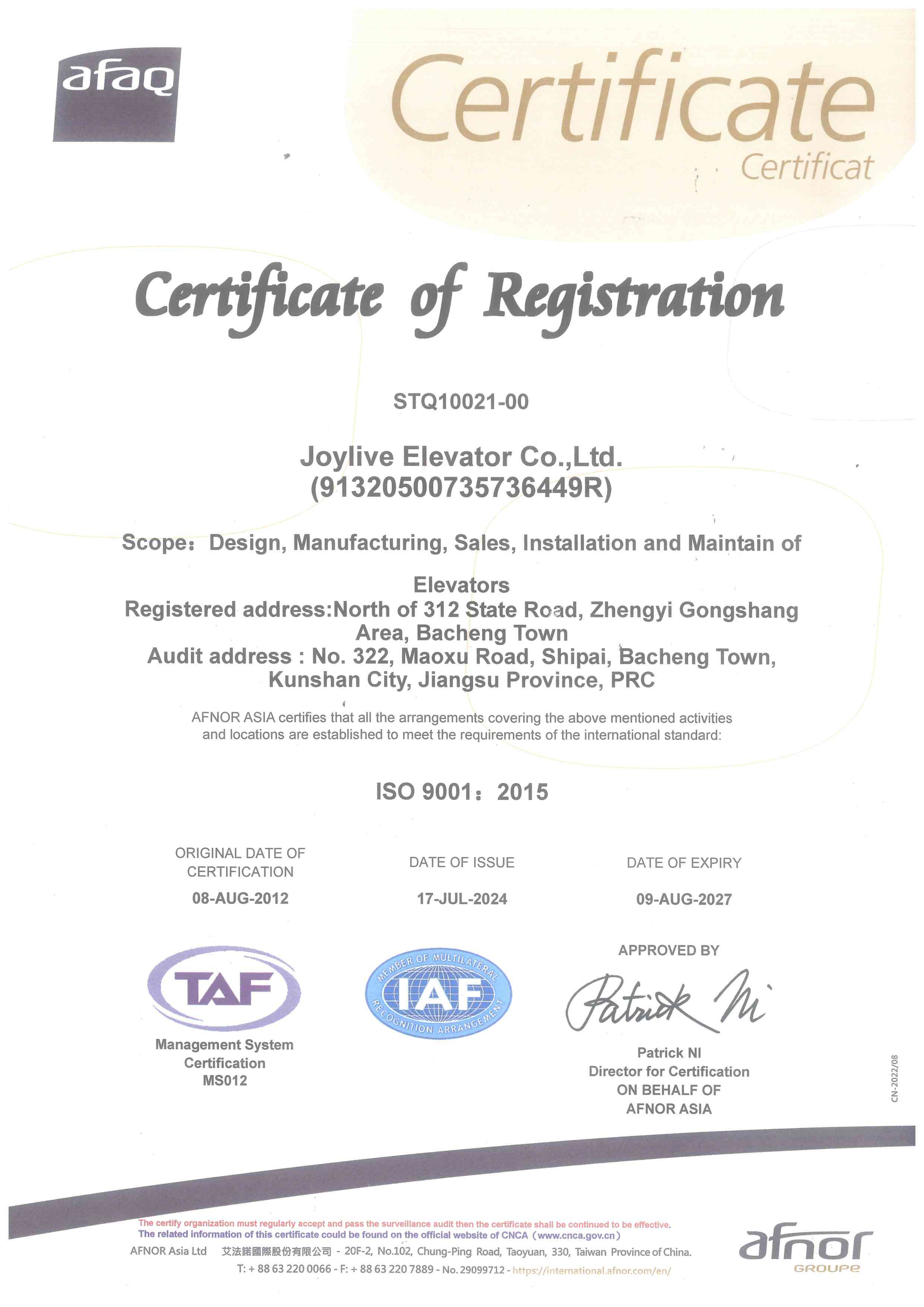
ISO 9001:2015 registration covering design, manufacturing, sales, installation and maintenance of elevators, including the Home Lift GH30 and the GP30/GPN30 passenger elevator range.
Conclusion: A Decision Rule for Residential Projects
The home lift versus passenger elevator comparison resolves cleanly once the building speaks first. If a single household is served, travel stays within 30 m and the load requirement stays within 1150 kg, the Home Lift GH30 range is the efficient answer. If the shaft serves shared residential traffic, exceeds 30 m of travel or requires higher rated load and firefighting access, the Passenger Elevator GP30/GPN30 range is the correct platform — with the machine room versus machine roomless question resolved against the building’s shaft design and the destination market’s standards.
In both cases, buyers should ask for the same evidence: the certificate numbers that apply to the specific configuration, a defined customization annex, a pre-shipment test acceptance step, and a lead-time commitment that matches construction readiness. Joylive manufactures both families under one roof in Kunshan, China, with ISO 9001 and ISO 14001 registrations, EU type-examination certificates across passenger and firefighter configurations, and documented energy performance for machine room passenger lifts.
Next step for residential buyers
Request the product brochure and a project-specific quotation for the Home Lift GH30 or the Passenger Elevator GP30/GPN30. Confirm travel height, rated load, speed, machine room configuration and customization in one technical exchange.
Brochure: Joylive product brochure (PDF)
Website: joylivelift.com
Email: Marketing@joylive.com | Tel / WhatsApp: +86 178-0524-3526
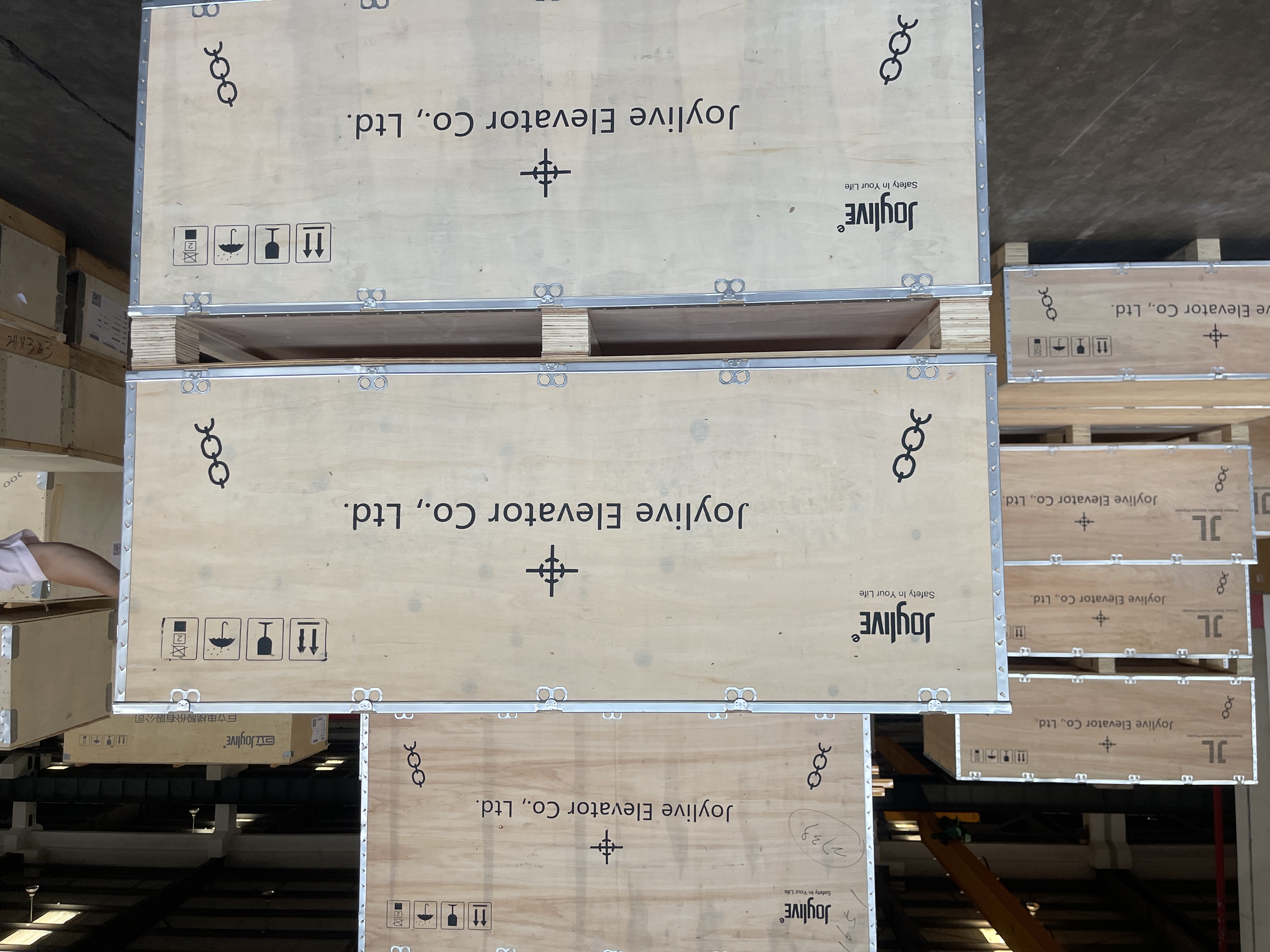
Pre-shipment test acceptance and export packaging (FOB/CIF) support phased delivery for residential projects.
Product data in this guide is limited to verified Joylive model ranges: Home Lift GH30 (0.25–1.75 m/s, 200–1150 kg, maximum travel 30 m, villa and private residence applications) and Passenger Elevator GP30/GPN30 (1.0–8.0 m/s, 630–3000 kg, maximum travel 350 m, SS304). Certificate references are listed with their issuing bodies and standards. Market figures are attributed to Global Market Insights, Maximize Market Research, Zion Market Research and Roland Berger. Local regulatory classification of private-residence lifts must be confirmed per market before ordering.