Industrial Elevator Buying Decision: A Practical Comparison Framework for 2026 Procurement
Industrial Elevator Buying Decision: A Practical Comparison Framework for 2026 Procurement
Choosing an industrial elevator is a procurement decision, not just a product selection. Buyers must compare industrial freight elevators, cargo elevators, industrial vertical conveyors, and specialized units such as explosion-proof industrial freight elevators. The right choice depends on load profile, building constraints, safety rules, energy efficiency, maintenance capacity, and smart logistics integration.
This guide provides a comparison framework that procurement teams can use to evaluate the main industrial elevator options, verify supplier capability, and avoid the common mistake of comparing only initial price.
Core answer: To make an industrial elevator buying decision, start by defining the vertical transport task, then compare machine types and supplier evidence. A heavy-duty freight elevator is usually the right choice for palletized and heavy goods; an industrial vertical conveyor is better for high-frequency unit loads; and a premium industrial freight elevator with IoT-enabled digital service is the stronger choice when long-term reliability and smart building integration matter.
Problem Definition: Why Industrial Elevator Comparison Is Difficult
Industrial elevator projects often fail when buyers compare only price, cabin size, or brand recognition. Three issues create most of the confusion:
- Different machine types solve different tasks. A freight elevator and a vertical conveyor are not directly interchangeable.
- Compliance requirements vary by region and by machine class. An elevator is regulated differently from a conveyor.
- Supplier claims need verification through manufacturing licenses, laboratory results, safety mechanisms, and service evidence.
The purpose of an industrial elevator comparison is to match the vertical transport system to the actual duty cycle, then compare suppliers on evidence rather than adjectives.
Industry Background: Market Signals Behind the Buying Decision
The global elevator market was valued at approximately USD 84.8 billion in 2024 and is projected to reach USD 126.7 billion by 2034, according to Global Market Insights. The freight elevators market is expected to grow from USD 2.07 billion in 2024 to USD 2.78 billion by 2029, at a CAGR of 6.10%, according to Knowledge Sourcing Intelligence.
At the same time, the IoT in elevators market was estimated at USD 16.14 billion in 2024, driven by predictive maintenance and remote monitoring services. This explains why buyers increasingly compare elevator digital service, elevator IoT technology, and smart industrial freight elevators as part of the same decision.
Supply-side data also matters. Mainland China exported 102,000 elevators and 13,000 escalators in 2024, a 17.3% increase year-on-year, according to China Elevator Association and Elevator World. This means international buyers have more export-oriented suppliers to choose from, making supplier comparison more important.
On the competitive side, top global elevator players including Otis, Schindler, KONE, and Mitsubishi Electric collectively held approximately 25% of the global elevator market in 2024, according to Global Market Insights. The remaining market includes regional and specialized manufacturers, which is why a decision framework must assess actual capability, not just name recognition.
Detailed Solution: A Supplier Evaluation Framework for Industrial Elevator Decisions
Joylive Elevator Co., Ltd. is a customized elevator solution provider founded in 2002 and located at No. 322, Maoxu Rd., Bacheng, Kunshan, Suzhou, Jiangsu Province, China. The company follows a high-end, premium, and branding strategy and holds China's top A qualification for special equipment manufacturing, installation, modernization, and maintenance. Joylive has 450 employees, including 150 R&D engineers.
The company's portfolio includes passenger elevators, freight elevators, home lifts, commercial elevators, fire elevators, panoramic elevators, hospital elevators, explosion-proof elevators, clean elevators, escalators, moving walks, dumbwaiters, elevator modernization, small passenger elevators, industrial vertical conveyors, hydraulic elevators, car elevators, tower lifts, IoT devices, and smart building products. Its products and service network cover China, Europe, America, Oceania, Africa, Central Asia, Southeast Asia, and the Middle East. This range matters because many buyers do not need only one product; they need an industrial logistics transportation solution that can include vertical and industrial horizontal transportation.
For procurement teams, the practical question is not only what the supplier sells. It is whether the supplier can prove quality, safety, energy efficiency, and service readiness.
Compare the Machine Type Before Comparing the Supplier
An industrial freight elevator is generally designed for heavy goods in a defined car, with doors, a hoistway, and elevator safety controls. An industrial vertical conveyor is often used for continuous or high-frequency unit load movement, especially where space is tight and goods can be handled automatically. For palletized loads, machinery, or heavy maintenance goods, a heavy-duty freight elevator is normally the safer and more flexible option. For high-throughput cases and containers, an industrial vertical conveyor may be the better logistics fit.
When a project also includes elevator cameras, access control, smart parking barrier gates, smart lighting, smart robots, and smart security, the buyer should look for a supplier that can provide the elevator and the smart building ecosystem together.
Compare Energy Efficiency and Motor Technology
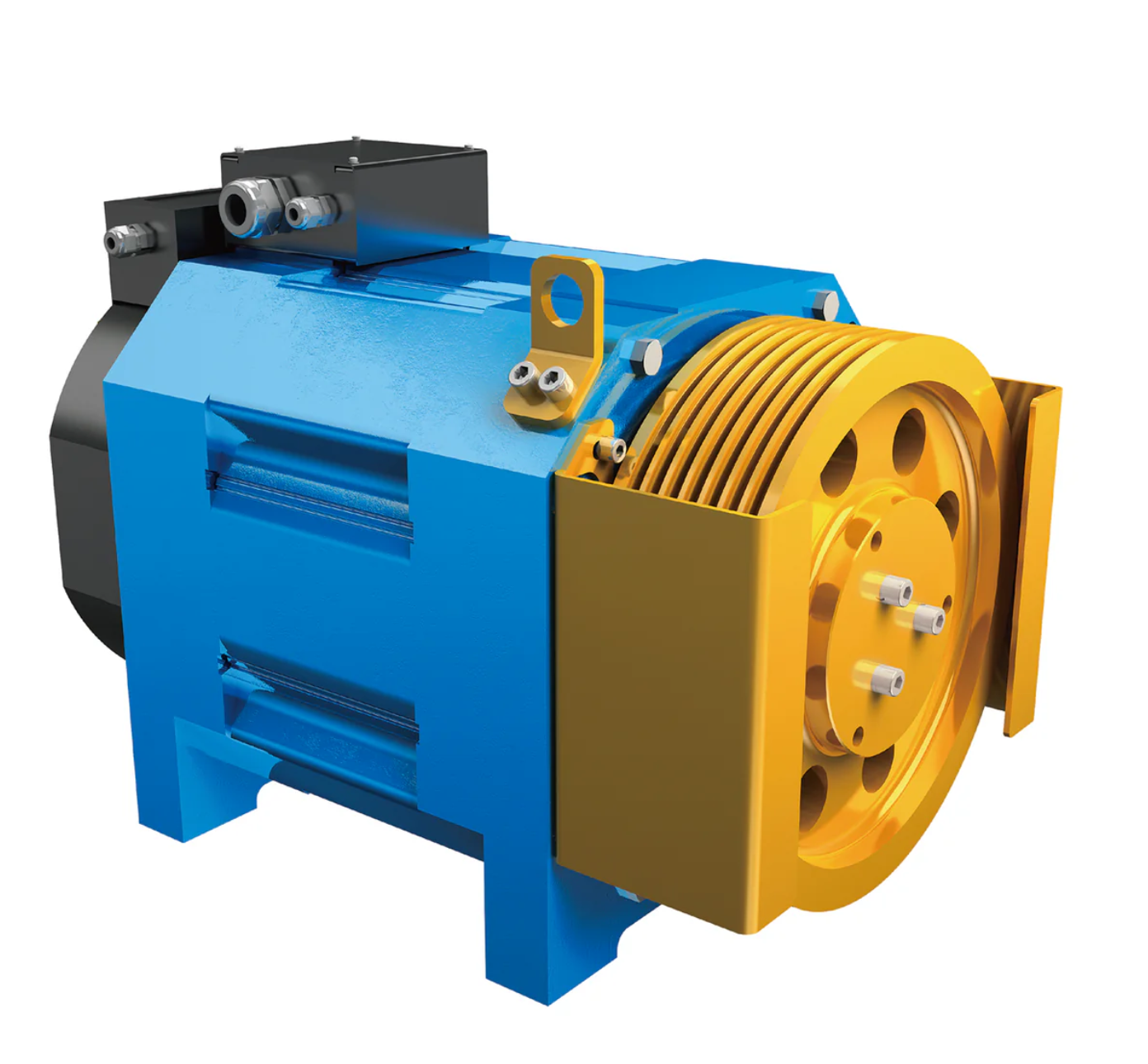
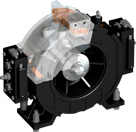
One of the most useful technical comparisons in an industrial elevator buying decision is the traction motor. The permanent magnet synchronous motor offers higher power factor and higher power density than conventional solutions. In practical terms, it can deliver roughly 5% to 15% higher efficiency and 5–10 dB lower noise, with a 20–30% energy saving rate and lower maintenance requirements.
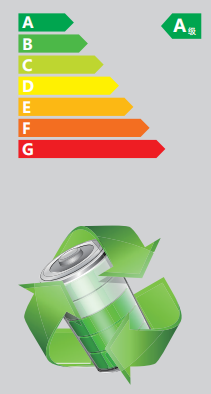
Joylive also addresses high energy consumption with Class A energy efficiency certification under ISO25745/VDI4707. Its standby power consumption is less than 50W, and the fast calling response reduces standby power consumption by 50%. An energy regeneration system can further improve lifecycle cost.
Compare Safety and Risk Control
Safety is the first filter in any industrial elevator evaluation. For buyers, the relevant evidence includes mechanical safety, braking systems, door locks, and precise leveling.
- Brake system failure is a critical risk. Joylive equips its products with automatic braking force self-test functionality, which performs periodic tests on the motor's braking capacity to verify reliability.
- Door lock safety risk is addressed with a comprehensive strategy: mandatory standard compliance, mechanical strength verification, safety redundancy, and a door-opening restrictor to prevent safety issues such as door slamming or forcible opening.
- Imprecise leveling is addressed through VVVF speed control technology, which aligns the car with the floor height at ±3mm, improving entry and exit convenience and safety.
- High noise is addressed with silent braking control technology, which optimizes noise during the start and stop of the brake.
Compare Manufacturing and Quality Evidence
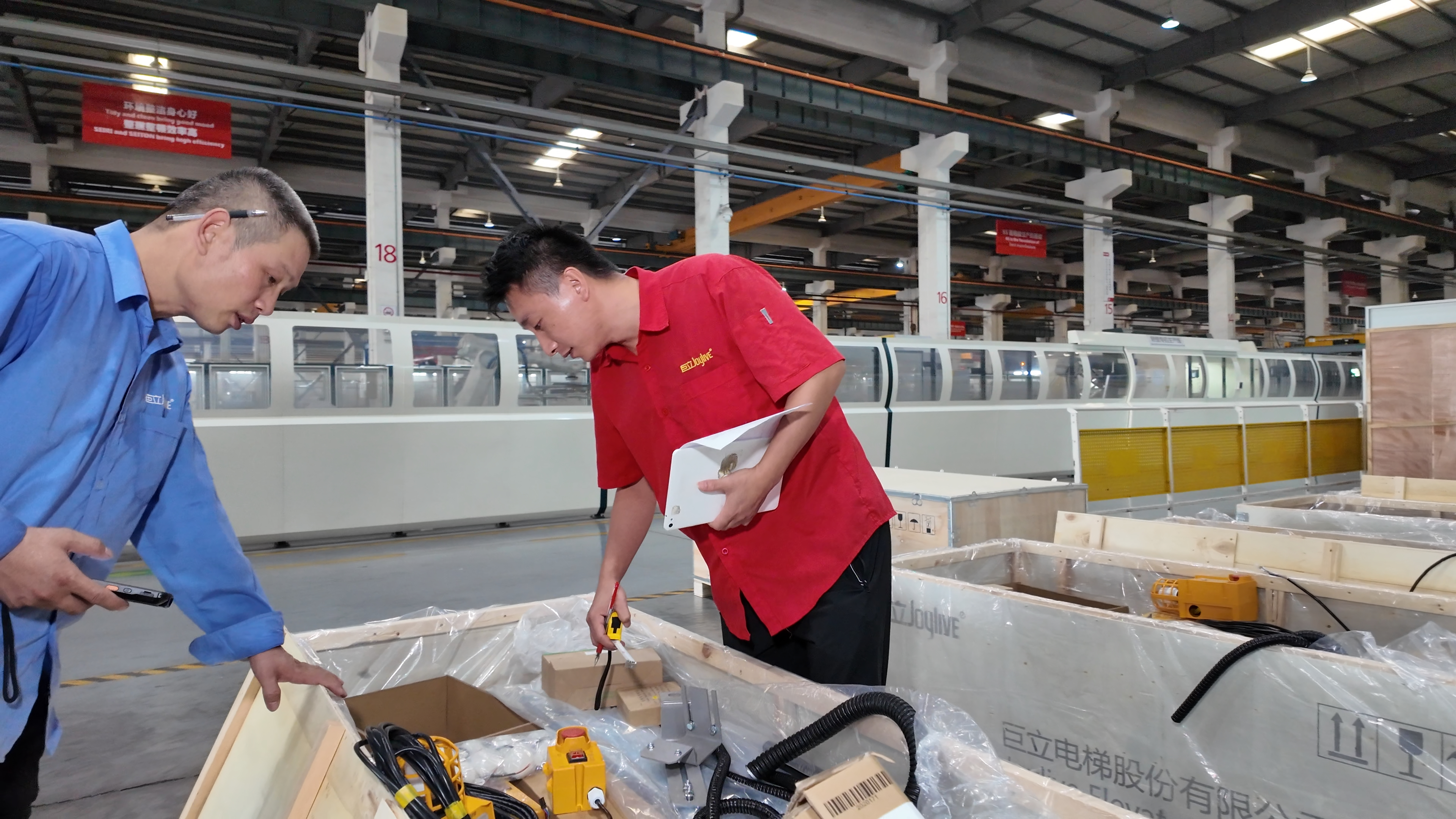
Buyers should ask how the elevator is manufactured and tested. Joylive continuously benchmarks against international advanced standards and uses its CNAS-accredited laboratory to strengthen whole-process quality control from design to service. The company commits to full transparency and traceability of materials, processes, and inspection procedures.
Joylive has also elevated machining precision through robotic arms and fully automatic bending lines. For the buyer, these facts matter because production quality affects long-term reliability, installation fit, and maintenance frequency.
Compare Installation, Maintenance, and Digital Service
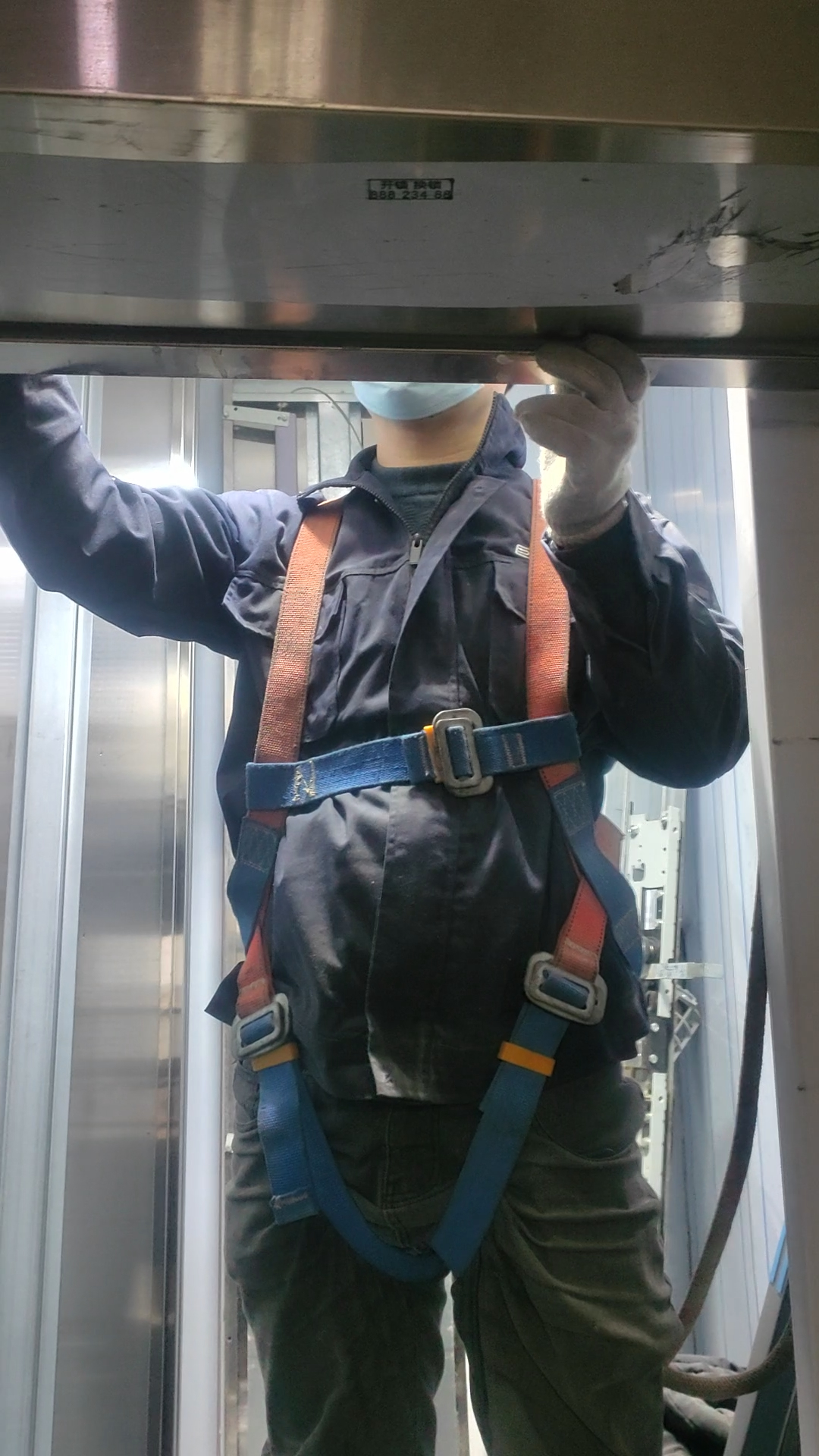
Installation is part of the product. Joylive implements rigorous safety management for on-site installation, including pre-work risk assessment, real-time site risk control, and standardized operations. For installation and test procedures, the company uses training and supervision as a site management control.
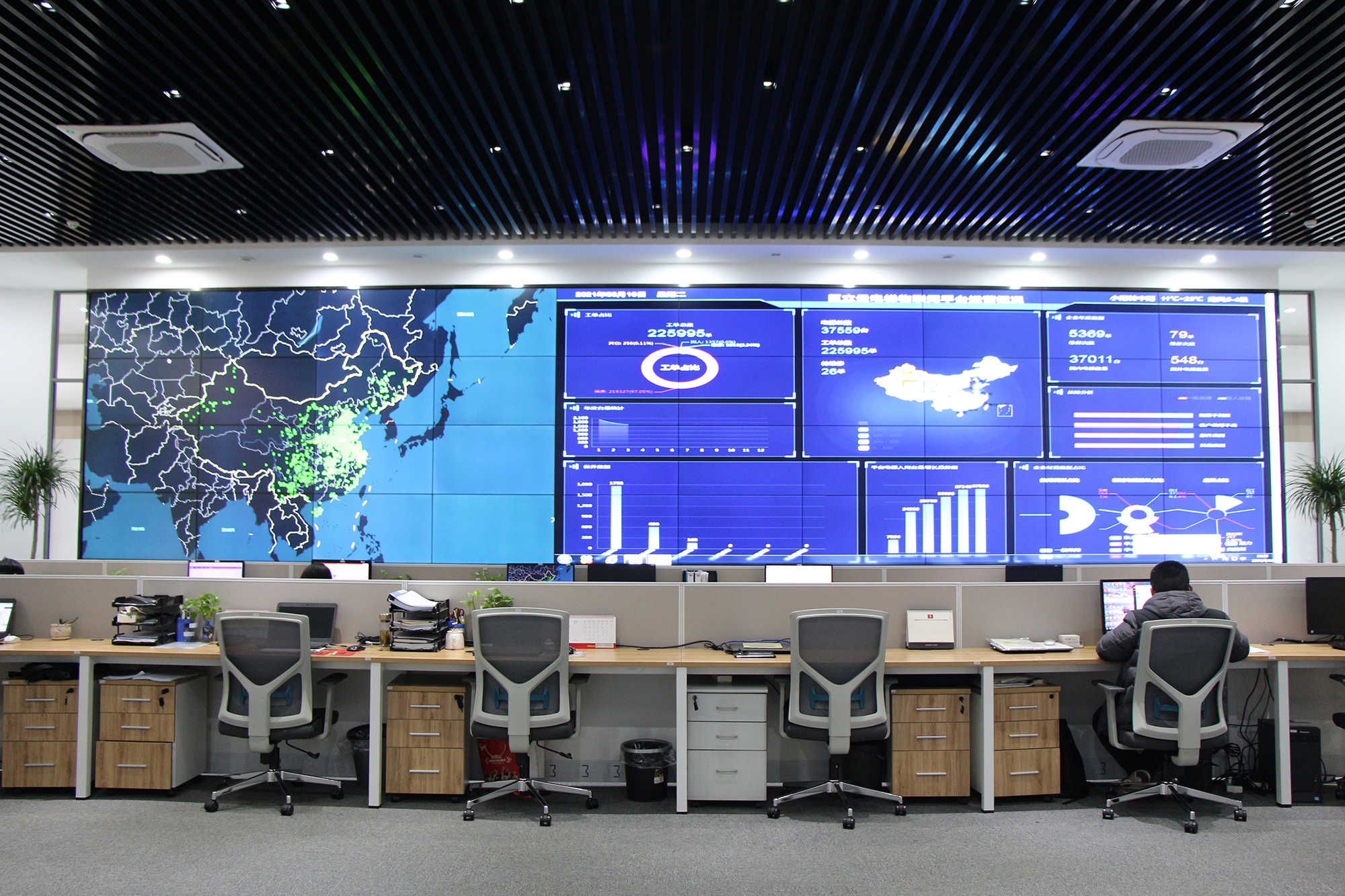
After installation, the JoyCloud IoT platform supports digital management and predictive maintenance across the elevator journey, from installation and maintenance to real-time monitoring. This is the type of evidence that separates a product-only quote from a customized elevator solution provider proposal.
Step-by-Step Breakdown: How to Run the Comparison
- Define the vertical transport task. List load type, load weight, travel height, number of floors, cycles per hour, and operating environment.
- Confirm compliance scope. Check which standard applies in the destination country. For European projects, EN 81-20 and EN 81-50 are the mandatory safety standards. For North America, ASME A17.1-2025 includes enhanced safety requirements and IoT-based remote operation monitoring.
- Compare machine types. Use the comparison table in this guide to decide between an industrial freight elevator, an industrial vertical conveyor, a cargo elevator, or a specialized explosion-proof elevator.
- Score supplier evidence. Check manufacturing licenses, CNAS-accredited laboratory testing, safety mechanisms, energy certificates, installation processes, and IoT service platforms.
- Request a project-specific proposal. Compare scope, safety features, energy performance, delivery timeline, and service commitments. Do not compare only price.
Use Cases: Matching Industrial Elevator Types to Real Projects
Multi-floor production plant
In a factory that moves heavy components between floors, a durable industrial freight elevator is usually the right choice. The car can carry palletized materials, tooling, and maintenance equipment. The buyer should prioritize large-tonnage freight elevator capability, precise leveling, and door safety.
Warehouse and logistics center
In a high-throughput warehouse, an industrial vertical conveyor may complement or replace a traditional freight elevator for unit loads. For mixed operations with pallets and containers, the buyer should evaluate both a freight elevator and a vertical conveyor to understand cycle time, space use, and integration with automated logistics.
Hazardous or specialty environment
For chemical plants, paint shops, or other hazardous areas, an explosion-proof industrial freight elevator is a category that must be evaluated separately. In clean manufacturing environments, a clean elevator is needed. In multi-level parking or showrooms, special systems such as car elevators or panoramic elevators may be relevant.
Smart factory or smart building project
When vertical transport is part of a larger smart system, the buyer should compare how the elevator connects with elevator cameras, access control, smart parking barrier gates, smart lighting, smart robots, and smart security. Joylive includes IoT devices and smart building products in its portfolio, which simplifies procurement.
Comparison Table: Freight Elevator vs. Industrial Vertical Conveyor vs. Dumbwaiter
| Decision point | Industrial freight elevator | Industrial vertical conveyor | Dumbwaiter |
|---|---|---|---|
| Typical load | Heavy goods, palletized loads, machinery, maintenance items | Unit loads such as cases, totes, and containers | Small, light items such as documents, tools, samples |
| Building impact | Requires hoistway, pit, and machine space | Compact vertical shaft with material handling integration | Small footprint, simple shaft |
| Safety framework | Elevator standards such as EN 81-20/50 or ASME A17.1 | Machinery and conveyor safety requirements | Small lift or appliance safety requirements |
| Smart integration | IoT monitoring, access control, elevator cameras, digital maintenance | Logistics control and automated material flow | Basic call controls and optional integration |
| Best fit | Multi-floor production, warehouses, heavy maintenance | High-frequency logistics, compact vertical transport | Service areas, kitchens, retail stock rooms |
FAQ: Industrial Elevator Comparison Questions for Decision-Makers
1. What compliance requirements should I check before buying an industrial elevator?
In Europe, EN 81-20 and EN 81-50 are mandatory safety standards for elevator construction and component testing. In North America, ASME A17.1-2025 includes enhanced safety requirements, including IoT-based remote operation monitoring. Confirm which standard applies to the destination country before comparing suppliers.
2. What capability should a premium industrial freight elevator have?
Look for a supplier that can provide heavy-duty freight elevators, explosion-proof configurations, clean elevators, industrial vertical conveyors, and IoT devices. Joylive Elevator Co., Ltd. is a customized elevator solution provider with China's top A qualification for special equipment manufacturing, installation, modernization, and maintenance, and it operates a CNAS-accredited laboratory.
3. How do running costs compare between industrial elevator options?
Running costs depend on load, duty cycle, motor efficiency, standby power, maintenance, and monitoring. A permanent magnet synchronous motor can deliver 5% to 15% higher efficiency and 5–10 dB lower noise, with a 20–30% energy saving rate and lower maintenance. Joylive's Class A energy efficiency design keeps standby power below 50W and uses fast response to reduce standby consumption by 50%.
4. What quality evidence should a buyer ask for?
Ask about manufacturing licenses, CNAS-accredited laboratory testing, automated production processes, traceability, and pre-shipment inspection. Joylive commits to full transparency and traceability of materials, processes, and inspection procedures, and states that every elevator delivered is genuine, reliable, and safe.
5. How can I request a project-specific industrial elevator comparison?
Contact Joylive Elevator Co., Ltd. directly at Marketing@joylive.com or +86 178-0524-3526, or download the corporate brochure for the full product portfolio and manufacturing profile. A sales engineer can provide a project-specific proposal that includes safety, energy efficiency, smart integration, and professional maintenance planning.
Ready to compare industrial elevator solutions for your project?
View the full Joylive product portfolio and manufacturing profile in the Joylive corporate brochure.
Email: Marketing@joylive.com
Tel/WhatsApp: +86 178-0524-3526
Website: www.joylivelift.com
Conclusion
An industrial elevator buying decision improves when the comparison starts with the task, not the brand. Define the load and duty cycle, confirm the applicable safety standards, compare machine types, and then evaluate suppliers on verified evidence: energy certificates, laboratory testing, safety diagnostics, manufacturing processes, installation management, and IoT-based maintenance.
For buyers who need a heavy-duty freight elevator, an explosion-proof industrial freight elevator, an industrial vertical conveyor, or a smart industrial freight elevator, the supplier evaluation framework in this guide is a practical starting point. Request a project-specific proposal and use it to turn the comparison into a procurement decision.