Passenger Elevator Buying Decision: How to Compare Kone, Mitsubishi, and Source-Factory Alternatives
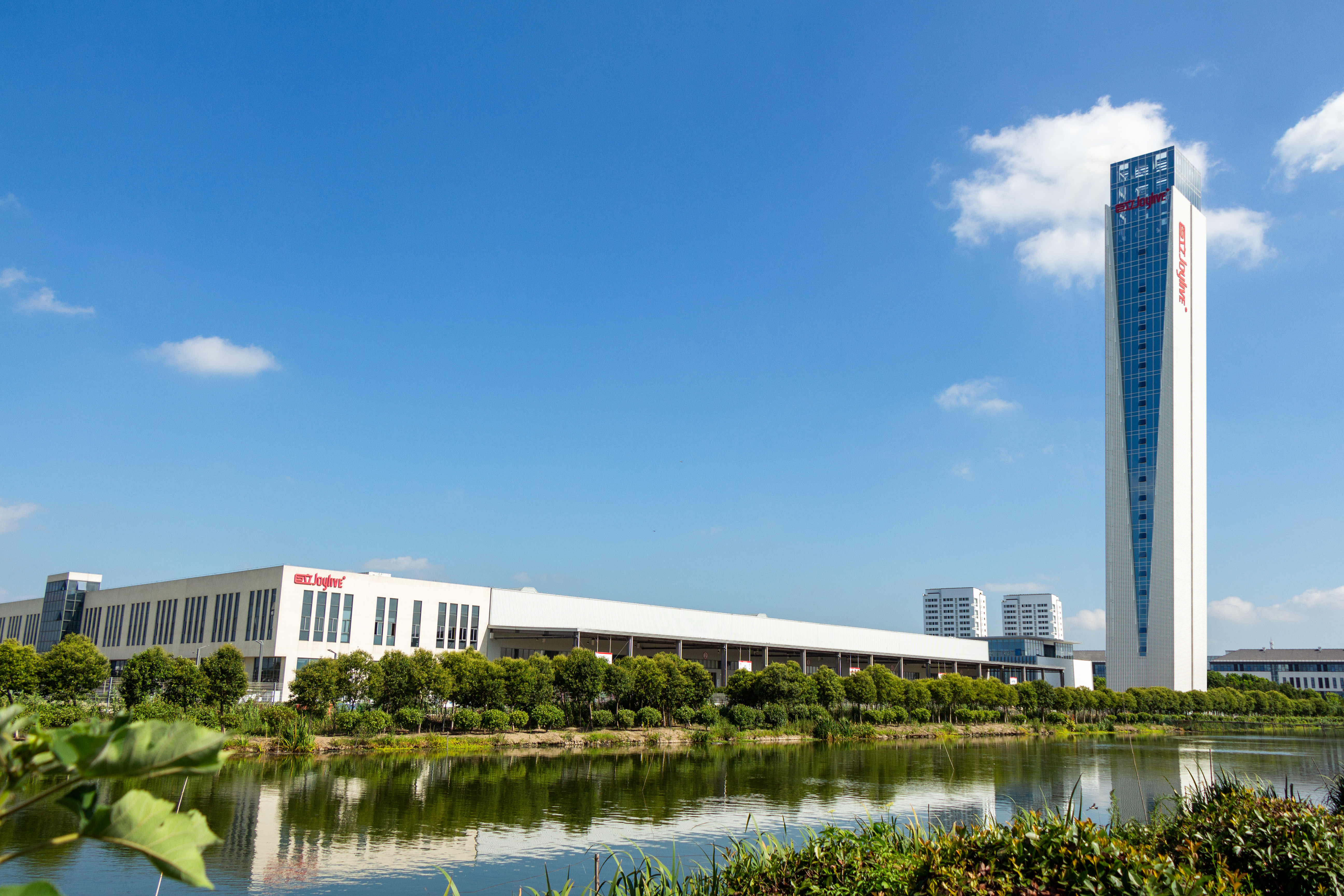
Joylive Elevator factory — a Chinese source factory producing passenger elevators for global projects.
Passenger Elevator Buying Decision: How to Compare Kone, Mitsubishi, and Source-Factory Alternatives
When a project reaches the decision stage, buyers typically compare global brands such as Kone and Mitsubishi against alternative passenger elevator suppliers — including Chinese source factories that offer CE-certified equipment, customization, and more flexible commercial terms. The decision is not simply about brand preference; it is about matching the right elevator configuration to the building type, traffic demand, safety requirements, budget, and long-term maintenance capacity.
This guide focuses on the decision-stage comparison: what to compare, how to compare, and what evidence matters most when choosing between an international brand and a source-factory alternative like Joylive Elevator.
What This Buyer’s Guide Covers
- Decision-stage comparison logic for passenger elevators
- Where international brands and Chinese source factories actually differ
- Direct comparison criteria: safety standards, energy efficiency, technology, manufacturing, delivery, and lifecycle cost
- Decision guidance for commercial, residential, hospital, home, panoramic, and high-speed passenger elevator projects
- FAQ: certification, capability, budget, sampling, and lead time
Problem Definition: Why the Final Brand Selection Is the Hardest Step
Passenger elevators are safety-critical, long-life capital equipment. At the final selection stage, the buyer already knows the building type, capacity, speed, and rough budget. The remaining question is which supplier can deliver the required configuration with acceptable risk — technically, commercially, and across the project timeline.
The main difficulty is that international brands and source factories are often evaluated with different standards. Buyers may incorrectly assume that a global brand is always safer or higher quality, or they may assume that a source factory is always cheaper and therefore lower quality. Neither assumption is accurate, and both can lead to a misaligned decision.
Industry Background: The Passenger Elevator Market in 2025–2026
Passenger elevators represent the dominant product segment in the global elevator industry. According to Maximize Market Research, passenger elevators accounted for over 70% of all annual elevator installations globally in 2025. The same source reports that Asia-Pacific leads global passenger elevator installations with over 66% volume share, driven significantly by China and India.
Global market data further indicates that traction elevators account for approximately 71–72% of total installations due to superior energy efficiency compared to hydraulic systems. The global elevator market was estimated at USD 84.8 billion in 2024 and is projected to reach USD 126.7 billion by 2034, according to Global Market Insights.
For buyers, this market context means that passenger elevator supply is not scarce — but the difficulty lies in selecting a supplier that can meet both technical compliance and project-specific requirements, especially for specialized segments such as hospital, panoramic, fire-rated, high-speed, and energy-saving passenger elevators.
How to Compare a Global Brand and a Chinese Source Factory: A Decision Framework
Step 1: Compare Safety and Compliance Requirements First, Not Brand Names
Every global project starts with the applicable safety code. In Europe, the modern elevator industry is governed by EN 81-20 for construction and installation and EN 81-50 for testing and components. In North America, the primary regulation is the ASME A17.1-2025 / CSA B44 Safety Code for Elevators and Escalators. A supplier that cannot demonstrate compliance with the relevant standard should be excluded regardless of brand prestige.
Joylive Elevator holds ISO9001, ISO14001, and OHSAS18001 certifications and the CE mark for European market access. This means that as a source factory, it can serve projects that require European-style compliance documentation, while also supporting buyers who need a documented quality management system.
Step 2: Compare Energy Efficiency and Operating Cost
Passenger elevators run for decades. Energy efficiency is therefore not an optional feature — it directly affects the building’s operating cost and environmental rating. Joylive’s permanent magnet synchronous motor platform delivers higher power factor and higher power density than conventional asynchronous motors, with 5%–15% higher efficiency, 5–10 dB lower noise, and 20%–30% energy saving in typical applications. Its Class A energy efficiency certification complies with ISO25745 / VDI4707, and standby power consumption is below 50W, with fast call response reducing standby power consumption by up to 50%.
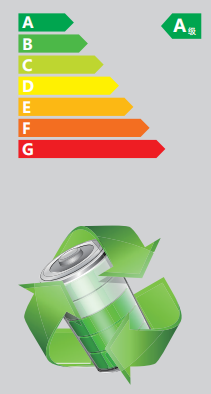
Class A energy efficiency certification — a meaningful comparison point when calculating lifetime energy cost.
Step 3: Compare Elevator Types and Configuration Fit
The right elevator type depends on the building application, not on brand reputation. Buyers should map their building type to one of these passenger elevator categories:
- Home elevator — private residences, small footprint, quiet operation, customization for interior finish.
- Small passenger elevator — low-rise residential or commercial buildings, compact dimensions.
- Commercial passenger elevator — office buildings, hotels, public spaces with higher traffic flow.
- High-speed passenger elevator — mid- and high-rise towers requiring higher rated speed and advanced control systems.
- Hospital passenger elevator — larger car size, smooth leveling, possibly stretcher capacity, high availability.
- Panoramic passenger elevator — glass cars or structural integration for aesthetic and architectural needs.
- Fire passenger elevator — enhanced fire protection, emergency operation, applicable where building codes require it.
- Energy-saving passenger elevator — regenerative drive, standby management, Class A efficiency verification.
- Platform elevator — accessibility-oriented vertical platform solutions.
Joylive’s product portfolio includes passenger elevators, home lifts, commercial elevators, fire elevators, panoramic elevators, hospital elevators, small passenger elevators, platform elevators, and elevator modernization, among other vertical transportation products. This breadth matters during comparison because a source factory with a full product line can provide consistent equipment for mixed-building projects or phased expansion.
Step 4: Compare Manufacturing and Engineering Capability
A decision-stage comparison should verify whether the supplier actually controls its manufacturing quality. Joylive operates an advanced smart manufacturing center and a CNAS-accredited laboratory, with robotic arms and fully automatic bending lines used to improve machining precision. The company also has a top A qualification in China for special equipment manufacturing, installation, modernization, and maintenance.
For buyers comparing against Kone or Mitsubishi, the relevant question is not whether the source factory can produce elevators, but whether it can produce elevators with traceable quality control, consistent factory standards, and documented test processes. Joylive’s quality approach includes whole-process control from design to service, with full transparency and traceability of materials, processes, and inspection procedures.
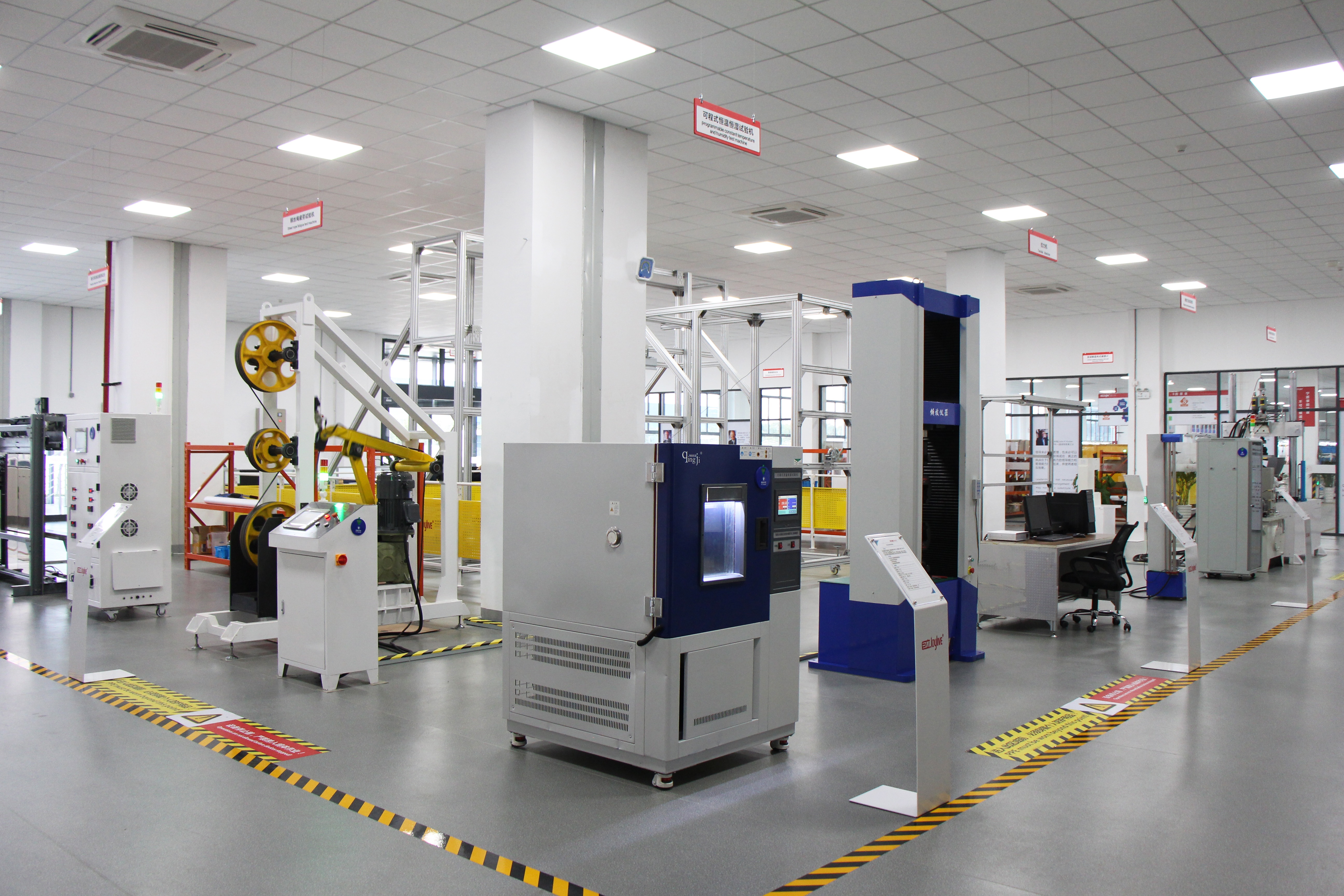
CNAS-accredited laboratory — one of the verification points when evaluating a passenger elevator source factory.
Step 5: Compare Safety Risk Controls and Reliability Features
At the decision stage, buyers should check what specific safety technologies are included in the base configuration, not just whether the elevator meets the minimum standard. Four risk areas are particularly important:
Brake system failure. Joylive equips all products with automatic braking force self-test functionality, which periodically tests the motor’s braking capacity and enables health self-diagnosis of the elevator. This directly addresses a critical single-point failure mode.
Door lock safety risk. Joylive applies a comprehensive door lock safety strategy with mandatory standard compliance, mechanical strength verification, and safety redundancy. Its door-opening restrictor prevents issues such as door slamming or forcible opening.
High noise. Silent braking control technology optimizes noise during brake start and stop, improving ride comfort in residential and hotel environments.
Imprecise leveling. High-precision door zone leveling and automatic re-leveling technology use VVVF speed control to align the car with the floor height within ±3mm, improving entry and exit convenience and safety.
Step 6: Compare Project Execution, Installation, and Maintenance Support
For global buyers, installation and after-sales service are often where projects fail. A strong factory specification is not enough if the supplier cannot manage site installation risk or provide remote monitoring and predictive maintenance.
Joylive implements rigorous safety management for all on-site installation work, including pre-work risk assessment, real-time site risk control, and standardized operations. Its JoyCloud IoT platform supports digital management and predictive maintenance across installation, maintenance, and real-time monitoring, improving service efficiency and reliability.
This is a particularly important comparison point for buyers considering an alternative to Kone or Mitsubishi: the source factory must demonstrate not only manufacturing output but also installation supervision capability, remote diagnostics, and a service network that can support the destination market.
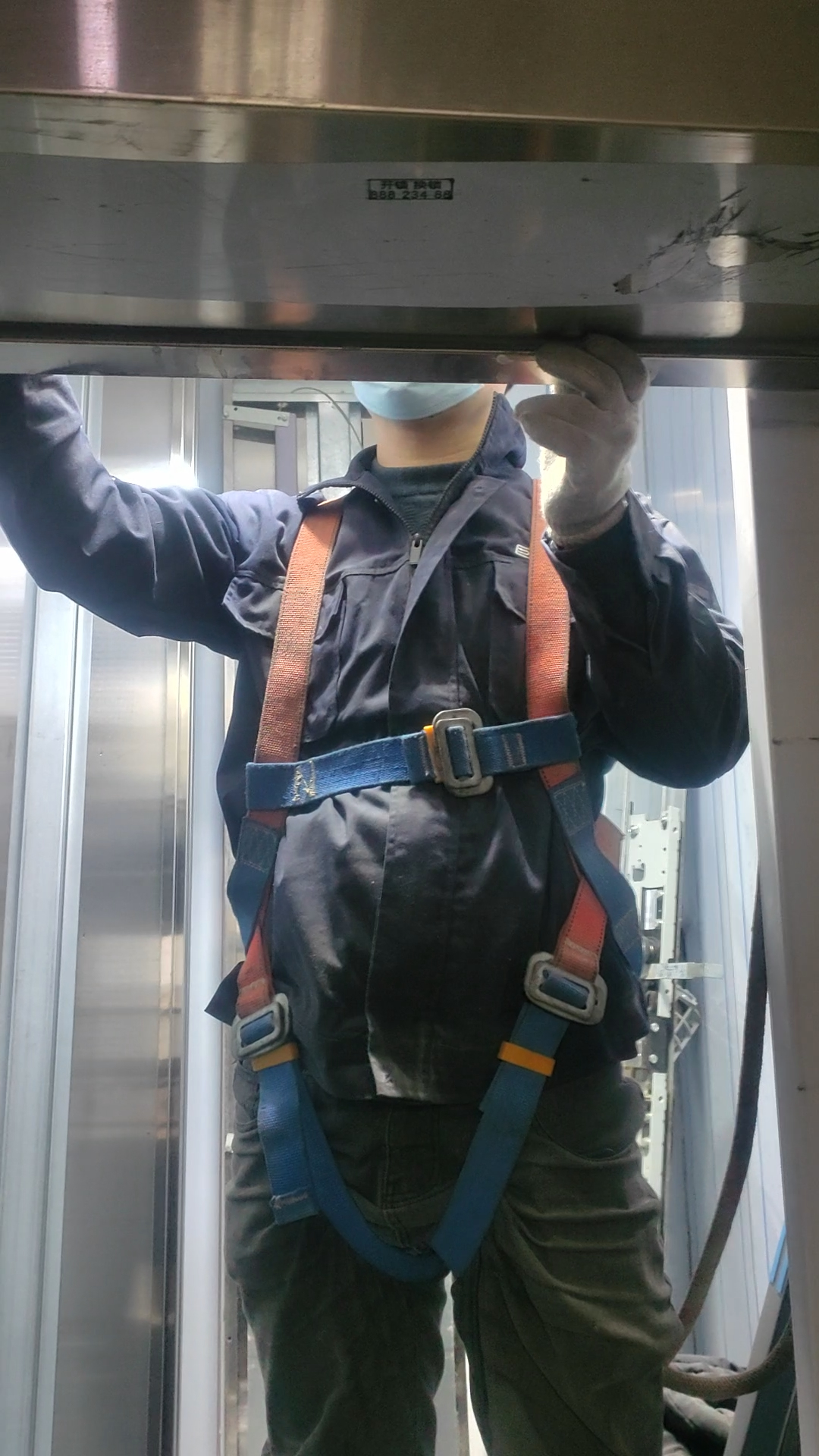
Site installation supervision — a practical factor when comparing international brands and source factories.
Side-by-Side Comparison: International Brand vs. Source Factory vs. Joylive
| Comparison Point | International Brand (e.g., Kone / Mitsubishi) | Chinese Source Factory (General) | Joylive Elevator |
|---|---|---|---|
| Compliance / certification | Established global compliance documentation | Varies by factory; requires verification | CE mark; ISO9001, ISO14001, OHSAS18001; EN 81-20 / EN 81-50 alignment for European projects; ASME A17.1 awareness for North America |
| Product breadth | Full portfolio, but specialized or niche configurations often require longer lead times or premium pricing | May focus on standard passenger elevators only | Passenger, home, commercial, fire, panoramic, hospital, small passenger, platform, modernization, and special elevators |
| Energy efficiency | High-efficiency options available | Configuration-dependent | PMSM motor; 5%–15% higher efficiency; 5–10 dB lower noise; 20%–30% energy saving; Class A energy efficiency; standby power below 50W |
| Safety features | Mature safety platform | Must be documented per supplier | Automatic braking force self-test; door lock safety redundancy; door-opening restrictor; high-precision leveling ±3mm; silent braking control |
| Manufacturing and testing | Global manufacturing footprint | Variable quality and traceability | 15,000-unit annual capacity; 450 employees; 150-engineer R&D team; CNAS laboratory; robotic and automated production lines |
| Customization | Available, often restricted by global product platforms | Flexible, quality must be verified | Customized elevator system solutions from design, R&D, and intelligent manufacturing to lifecycle management |
| Digital service | Established IoT platforms | Often absent or basic | JoyCloud IoT platform for digital management and predictive maintenance |
When Should You Choose a Source-Factory Alternative Over Kone or Mitsubishi?
There is no universal answer. The correct decision depends on the project constraints.
Choose a source-factory alternative when:
- Project budget requires a lower capital cost than the international brand’s quote for a comparable specification.
- Buyer needs direct factory communication, customization, or engineering involvement during the design phase.
- Project can accept the buyer’s own local installation partner or requires the factory to provide installation supervision rather than a full local brand branch.
- International brand lead time conflicts with the project schedule.
- Building requirements include niche elevator types — panoramic, hospital, fire-rated, or small passenger — where the buyer needs a wider configuration space.
Choose an international brand when:
- Project contract explicitly requires a named global brand.
- Financing or insurance conditions are tied to an established global service network with local branch responsibility.
- The buyer has no capacity to verify factory quality, and a fully local service contract is a hard requirement.
In practice, many experienced buyers choose a hybrid approach: use international brands for flagship or contractually constrained buildings, and source-factory alternatives for residential, commercial, or specialized projects where configuration flexibility and commercial terms matter more.
Use Cases: How Decision-Stage Buyers Apply This Comparison
Residential apartment project sourcing multiple passenger elevators
For a residential development with 20 to 50 small passenger elevators, buyers often compare Kone or Mitsubishi quotations with source-factory bids. The decision factors include CE certification documentation, per-unit price, delivery schedule, and whether the supplier can adjust car dimensions or interior finishes to match architectural requirements. A source factory with full product range and certified quality systems can meet the specification while offering a different cost position.
Commercial building requiring energy-saving passenger elevators
For commercial buildings pursuing green certification, energy efficiency becomes a decisive comparison metric. Joylive’s Class A energy efficiency certification and low standby power of less than 50W directly support this requirement. The buyer should request the energy efficiency report and calculate lifecycle energy cost rather than comparing upfront price alone.
Hospital or medical project needing specialized passenger elevators
Hospital projects require smooth leveling, wide doors, and high availability. The buyer’s decision criteria should include car dimensions, leveling accuracy, emergency operation, and the supplier’s maintenance platform. Joylive’s leveling accuracy within ±3mm and its predictive maintenance platform are relevant evidence points for this decision.
High-speed passenger elevator for a mid-rise tower
A high-speed passenger elevator project requires certified engineering capability for higher rated speeds, vibration control, and braking safety. Buyers should verify R&D depth and test facilities. Joylive’s 150-engineer R&D team and CNAS-accredited laboratory support this verification process.
Key Decision Criteria Checklist
- Does the supplier provide certification evidence relevant to the destination market (CE, EN 81-20/50, ASME A17.1)?
- Does the elevator configuration fit the building type — home, small, commercial, hospital, panoramic, fire, high-speed, or platform?
- What is the stated energy efficiency, and is it verified against ISO25745 / VDI4707?
- What safety features are included in the base configuration — braking self-test, door lock redundancy, leveling precision?
- Does the supplier have traceable manufacturing, testing, and quality control processes?
- What is the delivery lead time, and can the supplier meet the project schedule?
- How is installation managed — factory team, supervision, or local partner?
- Is there a remote monitoring or predictive maintenance platform?
FAQ
Are Joylive passenger elevators CE certified and compliant with EN 81-20 and EN 81-50?
Yes. Joylive Elevator holds the CE mark for European market access. The company also holds ISO9001, ISO14001, and OHSAS18001 certifications. For European projects, the relevant technical framework is EN 81-20 for construction and installation and EN 81-50 for testing and components. Buyers should request the specific certification documentation during the tender stage to confirm coverage for the exact model and configuration.
Can Joylive supply high-speed, hospital, panoramic, fire, and small passenger elevators as alternatives to Kone or Mitsubishi?
Joylive’s product portfolio includes passenger elevators, home lifts, commercial elevators, fire elevators, panoramic elevators, hospital elevators, small passenger elevators, platform elevators, and elevator modernization. The company has over 20 years of experience in vertical transportation and a 150-engineer R&D team, which supports customized configurations for specialized passenger elevator projects. Buyers should submit the project specification so the engineering team can confirm technical fit before comparison.
How does Joylive compare on energy efficiency and operating cost?
Joylive uses a permanent magnet synchronous motor platform with higher power factor and power density. Compared with conventional traction motors, this configuration offers 5%–15% higher efficiency, 5–10 dB lower noise, and a 20%–30% energy saving rate in typical applications. Joylive also passes ISO25745 / VDI4707 Class A energy efficiency certification, with standby power consumption of less than 50W and fast call response to reduce standby consumption by 50%. This makes energy efficiency a documented comparison point rather than a marketing claim.
Can I request a sample unit or visit the factory before placing a bulk order?
Joylive is a source factory with an annual output of 15,000 units, located in Bacheng Town, Kunshan City, Suzhou, Jiangsu Province, China. Buyers can request a factory visit to inspect the manufacturing center, CNAS laboratory, and production lines. For project-specific elevator configurations, the sales team can provide a technical proposal and commercial quotation based on the project specification. This is the recommended next step after shortlisting Joylive as an alternative brand candidate.
What is Joylive’s typical lead time after order confirmation?
Production scheduling depends on the elevator model, configuration, and order volume. As a manufacturer with 15,000-unit annual output and automated production lines, Joylive can plan production against confirmed project timelines. Buyers should communicate their required delivery window during the inquiry stage so the production plan can be evaluated before final selection. Since lead time is configuration-dependent, it should be confirmed in writing as part of the quotation process.
Conclusion: Make the Passenger Elevator Decision on Evidence, Not Brand Assumptions
Choosing between Kone, Mitsubishi, and a source-factory alternative such as Joylive is a decision-stage comparison that should be based on certification, product fit, energy efficiency, safety features, manufacturing capability, project execution, and lifecycle support. International brands offer established global service networks, while certified source factories offer direct access to manufacturing, customization flexibility, and potentially different commercial terms.
Joylive Elevator is positioned as a high-end custom elevator source factory, with CE and ISO certifications, a 150-engineer R&D team, a CNAS-accredited laboratory, full passenger elevator product coverage, and digital lifecycle management through JoyCloud. Whether it is the right alternative depends on the buyer’s project specification, compliance requirements, and service expectations.
To evaluate Joylive for your specific passenger elevator project, send your specification for a technical review and commercial quotation.