
Passenger Elevator vs Home Lift: Key Parameters for Engineers and Planners
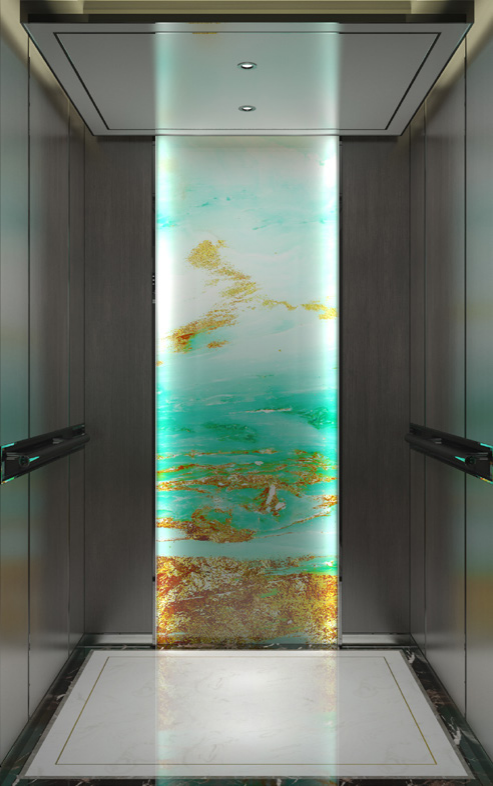
Four parameters decide whether a building can be served by a passenger elevator or a home lift: rated load, travel height, rated speed and door configuration. Joylive passenger elevator platforms GP30 and GPN30 are rated at 630-3,000 kg, 1.0-8.0 m/s, with a maximum travel height of 350 m. The GH30 home lift is rated at 200-1,150 kg, 0.25-1.75 m/s, with a maximum travel height of 30 m. Both use SS304 as the standard car material. In practice these envelopes - not brand preference - determine which system a project can install.
This technical guide is written for engineers, MEP consultants, architects and project planners who are still in the research and evaluation phase. It works through each selection parameter in sequence, shows exactly where the two product families diverge, and closes with a comparison table, a step-by-step selection workflow, delivered use cases and answers to the questions buyers raise most often. Every figure below comes from Joylive product data or from published third-party market research.
Problem Definition: Why Parameter Mismatch Is the Most Expensive Planning Error
Most elevator problems are not manufacturing problems. They are specification problems that surface late, after shafts are cast and budgets are fixed. Three failure patterns account for most of them.
- Travel height is decided after the shaft is drawn. The home lift envelope ends at 30 m on the GH30 platform. Above that height, a passenger elevator platform is required. Discovering this after structural design forces redesign, not re-selection.
- Load and door configuration are chosen from habit rather than usage. A residential passenger elevator sized for family circulation cannot absorb hospital trolley flow, and a small passenger elevator specified for a busy commercial lobby will queue at peak hours regardless of finish quality.
- Code classification is assumed rather than confirmed. The applicable conformity route depends on how the installation is classified in the destination market and by the local authority having jurisdiction - a decision that belongs in evaluation, not in contract execution.
Each of these is far cheaper to solve on paper than on site. That is the argument for treating parameters as the first design decision and product selection as its output.
Industry Background: Where the Two Product Families Sit in the Market
Passenger elevators remain the dominant category in global vertical transportation, while home lifts form a smaller, faster-growing segment with its own engineering envelope.
- Passenger elevators accounted for over 70% of global annual elevator installations in 2025 (Maximize Market Research).
- Asia-Pacific leads global passenger elevator installations with more than 66% volume share, driven significantly by China and India (Maximize Market Research).
- The global elevator market was estimated at USD 84.8 billion in 2024 and is projected to reach USD 126.7 billion by 2034 (Global Market Insights). Base-year estimates vary between research houses - alternative published ranges sit between USD 79.06 billion and USD 93.64 billion - so single-point market figures should be treated as directional rather than exact.
- The global home elevator segment was valued at USD 8.24 billion in 2024 and is expected to grow at a CAGR of 7.2% to 2034 (Zion Market Research).
- Traction technology accounts for approximately 71-72% of total global installations, largely because of superior energy efficiency compared with hydraulic systems (Maximize Market Research). This is directly relevant to any energy-saving passenger elevator brief.
- Modernization is a separate demand driver: more than 50% of units in Europe and North America exceed 15-18 years of service life (Roland Berger / Maximize Market Research).
For planners the practical reading is straightforward. The passenger elevator platform is the default for most buildings. The home lift platform is a defined niche with a hard ceiling on travel height. The engineering task is to test a project against both envelopes before committing to either.
Detailed Solution: The Parameters That Separate the Two Platforms
A passenger elevator is a vertical transportation system engineered for regulated public and commercial use, sized by traffic demand, and available across a wide speed, load and travel range. A home lift is a compact vertical transportation system designed for private residences and villas, sized by household use, comfort and decoration requirements. Joylive Elevator Co.,Ltd., founded in 2002 and headquartered in Bacheng, Kunshan, Suzhou, manufactures both families alongside freight elevators, hospital elevators, panoramic elevators, fire elevators, platform elevators, escalators and modernization services.

1. Travel Height: The Hard Boundary
Travel height is the total vertical distance the car serves. It is the clearest divider between the two systems because one platform simply does not extend past its limit. Joylive home lifts (GH30) are rated for a maximum travel height of 30 m. Joylive passenger elevators (GP30, GPN30) are rated up to 350 m.
A private villa of a few floors sits comfortably inside the home lift envelope. A residential passenger elevator in a mid-rise block, a commercial passenger elevator in an office tower, or any high-speed passenger elevator serving a tall building does not. When travel height approaches the home lift ceiling, the question to answer early is whether the building may be extended later, or whether the shaft must eventually serve additional floors.
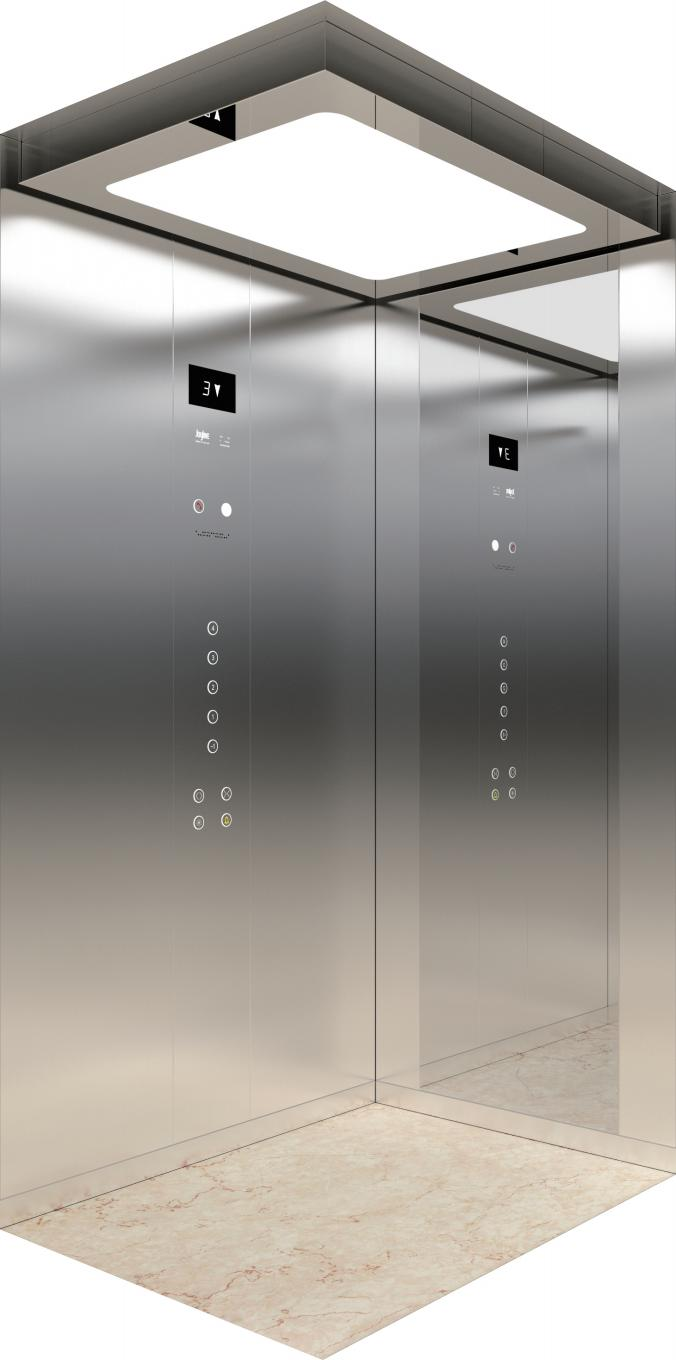
2. Rated Load: Derived From Users, Not From Habit
Rated load is the maximum mass the car is designed to carry. Joylive home lifts run from 200 to 1,150 kg. Joylive passenger elevators run from 630 to 3,000 kg. The gap is not arbitrary - it reflects traffic demand, which is a property of the building use, not of the elevator.
Load should be derived from realistic users: residents and furniture movement in a residential passenger elevator; visitor peaks and goods handling in a commercial passenger elevator; stretchers and mobile equipment in a hospital passenger elevator; passenger plus trolley flow in a public passenger elevator at a transport hub or airport. Load is one of the parameters Joylive customizes, alongside speed, travel height, car size, car decoration and logo, so a project is not restricted to a catalogue figure - but the selected figure must still sit inside the platform envelope.
3. Rated Speed: Traffic Performance and Energy Trade-off
Speed determines travel time and, indirectly, energy consumption per trip. Joylive home lifts cover 0.25-1.75 m/s; passenger elevators cover 1.0-8.0 m/s. The overlap is deliberately narrow because the priorities differ: home lifts optimize comfort and low noise, passenger elevators optimize handling capacity.
Speed selection normally follows travel height and traffic demand. A high-speed passenger elevator only justifies itself where the travel distance is long enough to use that speed. Conversely, specifying a low speed for a busy commercial lobby creates queueing that no level of car decoration can correct. Because traction systems already account for roughly 71-72% of global installations on energy-efficiency grounds, speed and drive selection should be evaluated together for any energy-saving passenger elevator requirement.
4. Door Configuration: The Parameter Most Often Settled Too Late
Door configuration covers the opening type, the clear opening relative to car size, and whether the car serves single-side or through traffic. It interacts directly with rated load, because the opening must be wide enough for whatever the load is intended to carry.
- Villa and residential applications normally use a straightforward single-opening arrangement matched to furniture movement and everyday circulation.
- Hospital and public passenger elevator projects require openings that accept stretchers, wheelchairs and trolleys, which in turn pushes car size and rated load upward.
- Commercial buildings and mixed-use complexes with heavy people flow usually need faster door operation, and often through-car or multiple-opening arrangements to reduce dwell time.
- Fire passenger elevator and evacuation-related requirements add further constraints on door and car design that must be confirmed with the local authority having jurisdiction.
None of these decisions can be taken from a generic template. Final door dimensions are confirmed during layout engineering, after travel height and load are fixed.
5. Car Size, Decoration and Materials: Where Customization Lives
Car size, car decoration and logo form the visible layer of a specification, and they are interdependent with the parameters above rather than independent of them. Joylive uses SS304 stainless steel as standard car material, and its OEM/ODM scope covers speed, load, travel height, car size, car decoration and logo. On the SAT CITY landmark complex in Kazakhstan, Joylive supplied 208 elevators with customized car decorations and customer logos - branding handled inside a fixed engineering envelope, not instead of one.
6. Conformity Route: Standards and Certification
Technical parameters and legal compliance run in parallel. The modern elevator industry is governed by EN 81-20 for construction and installation and EN 81-50 for testing and components; North American elevator safety is primarily regulated under ASME A17.1-2025 / CSA B44. Joylive holds ISO9001, ISO14001 and OHSAS18001 certification and the CE mark for European market access.
Which standard governs a specific unit depends on how the installation is classified in the destination market. Settle that question during evaluation, together with the certification path, rather than after contract award.
Step-by-Step Breakdown: A Parameter Workflow for Planners
The sequence below resolves parameters in the order that minimizes rework. It works equally for a single villa project and a phased multi-building rollout.
- Fix travel height and stop count. Establish total vertical distance and number of stops, including planned future extension. This places the project inside the home lift envelope (up to 30 m on GH30) or the passenger elevator envelope (up to 350 m on GP30/GPN30).
- Classify the building use. Villa or private residence, hotel, hospital, transport hub, school, office building, infrastructure, factory or logistics park - each use drives its own load, door and speed expectations.
- Derive rated load from users. Size for the worst realistic case, then confirm the figure sits inside 200-1,150 kg for home lifts or 630-3,000 kg for passenger elevators.
- Select the speed band. Match speed to travel height and traffic demand, and treat energy efficiency as part of the same decision rather than an afterthought.
- Configure doors and car geometry. Set opening type and clear opening against load and traffic direction, then fix car size. Include hospital, public or fire-related requirements where they apply.
- Confirm the conformity route. Identify the applicable standard and certification path with the local authority before the specification is frozen.
- Lock customization items. Confirm car decoration, logo and finish choices within the platform envelope.
- Validate and schedule. Agree test scope and delivery dates. Production lead time runs 7-45 days depending on configuration and drawing approval.
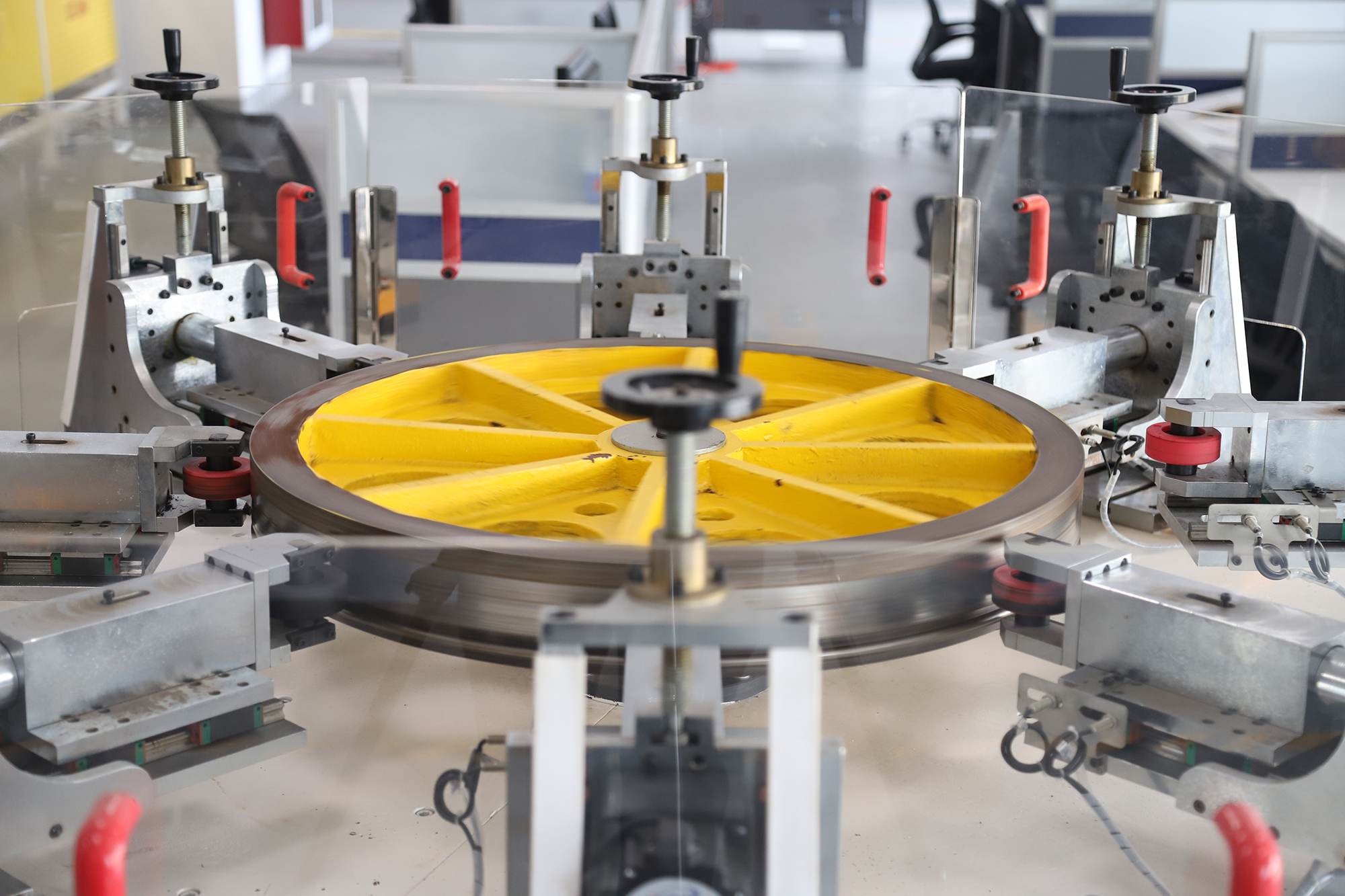
A practical planning note: Joylive accepts a minimum order quantity of 1 unit, applies 100% testing, and operates a nationally accredited CNAS laboratory along with a 450-person team that includes 150 R&D engineers. Monthly capacity is 1,250 units and annual output is 15,000 units, with 55% of production exported to Europe, America, Oceania, Africa, Central Asia, Southeast Asia and the Middle East. That combination matters for projects needing a single special unit as much as for phased rollouts requiring repeatable delivery.
Use Cases: How Parameter Choices Play Out in Delivered Projects
The projects below show which parameter drove the platform decision in each case, rather than treating the system choice as a matter of preference.
- Mixed-use high-rise, Panama. The Sands Apartment & Mall in Panama City received 12 commercial elevators for a 42-story building, in stable operation for 6 years. Driver: travel height and traffic handling capacity - a clear passenger elevator requirement.
- Villa estate, Malaysia. Desa Mountain Villa in Kuala Lumpur received 120 home elevators featuring silent operation and energy-saving technology, in stable operation for 13 years. Driver: travel height inside the home lift envelope with comfort and decoration as the priority.
- Hospital, Russia. Crimea Clinical Hospital received 14 elevators including heavy-duty hospital elevators and passenger elevators, in stable operation for 8 years. Driver: rated load and door configuration sized for stretcher and equipment flow.
- Transport hub, Mexico. San Luis Potosi International Airport received one customized panoramic elevator, in stable operation for 8 years. Driver: public passenger elevator performance combined with architectural visibility.
- University, Pakistan. Indus University received 3 intelligent group-controlled passenger elevators, in stable operation for 9 years. Driver: group control and campus traffic peaks.
- Landmark complex, Kazakhstan. SAT CITY received 208 elevators with customized car decorations and customer logos, in stable operation for 5 years. Driver: high-volume delivery with a coordinated branding requirement.
- Industrial facilities, Vietnam and Mexico. Wistron received 36 high-performance passenger and freight elevators (5 years of stable operation), Pegatron 87 passenger and freight elevators (2 years), and Inventec 9 passenger and freight elevators (1 year). Driver: heavy-duty, high-frequency operation in manufacturing environments.
The pattern is consistent: travel height decides the platform, load and door configuration decide the car, and customization decides everything the passenger actually sees.
Comparison Table: Passenger Elevator vs Home Lift by Selection Parameter
| Selection parameter | Passenger Elevator (GP30, GPN30) | Home Lift (GH30) |
|---|---|---|
| Rated speed | 1.0-8.0 m/s | 0.25-1.75 m/s |
| Rated load | 630-3,000 kg | 200-1,150 kg |
| Maximum travel height | 350 m | 30 m |
| Standard car material | SS304 | SS304 |
| Typical project types | Residential buildings, hotel, hospital, transport hub, school, office building, infrastructure, factory, logistics park | Villa, private residence |
| Operating requirements recorded in Joylive application data | Heavy duty, heavy people flow, heavy load, fire-proof; 24/7 operation; clean environment, explosion-proof and fire-proof options | For family and home use; 24/7 operation; intelligent function, safety, comfort, silence and varied decoration requirements |
| Matched equipment | IoT device, Joycloud | IoT device, Joycloud |
| Customization scope (OEM/ODM) | Speed, load, travel height, car size, car decoration, logo | Speed, load, travel height, car size, car decoration, logo |
Figures above are Joylive product data. Door configuration and final car dimensions are project-specific and confirmed during layout engineering.
Frequently Asked Questions
Which standards and certifications apply when choosing between a passenger elevator and a home lift?
Two standard families dominate. EN 81-20 covers elevator construction and installation, and EN 81-50 covers testing and components; in North America, elevator safety is primarily regulated under ASME A17.1-2025 / CSA B44. Which standard governs a specific unit depends on how the installation is classified in the destination market, so this should be confirmed with the local authority having jurisdiction. Joylive holds ISO9001, ISO14001 and OHSAS18001 certification and the CE mark for European market access, and works with project teams to confirm the applicable route during evaluation.
Can speed, load, travel height and car size be customized for a specific project?
Yes. Joylive operates an OEM/ODM model with customization of speed, load, travel height, car size, car decoration and logo. The GH30 home lift covers 0.25-1.75 m/s, 200-1,150 kg and a maximum travel height of 30 m. The GP30 and GPN30 passenger elevators cover 1.0-8.0 m/s, 630-3,000 kg and a maximum travel height of 350 m. SS304 is the standard car material. Customization works inside the platform envelope - a requirement beyond that envelope needs a different platform rather than a modified one.
What drives cost differences between a passenger elevator and a home lift?
Four factors dominate: rated load, travel height, rated speed and the level of car customization such as car size, car decoration and logo. A home lift sits in a lower load, lower speed and shorter travel band, while a passenger elevator serving a public or commercial building scales upward on all three. Conformity requirements tied to the destination market also affect scope. Because every unit is built to a confirmed parameter set, there is no universal list price - quotations are issued against the agreed specification, and single-unit projects are accepted at a minimum order quantity of 1 unit.
Can a buyer validate a configuration before committing to a full rollout?
Joylive applies 100% testing and operates a nationally accredited CNAS laboratory, so component and system verification takes place before shipment rather than on site. Because the minimum order quantity is 1 unit, a first unit can be used to validate a configuration inside a phased rollout. Buyers can request a sample and specification review with the technical team, and the test scope is agreed together with the parameter set.
What lead time should be planned, and how is after-sales support handled?
Production lead time runs 7-45 days depending on configuration, drawing approval and customization scope. With a monthly capacity of 1,250 units and annual output of 15,000 units, deliveries can be scheduled against project milestones. After-sales support is provided both online and offline, backed by a 24/365 hotline. Project teams finalizing their parameter set can download the product brochure or send the current specification directly to Marketing@joylive.com for a configuration check.
Conclusion: Decide the Parameters Before the Product
The choice between a passenger elevator and a home lift is settled by four parameters. Travel height places the project inside the home lift envelope of 30 m or the passenger elevator envelope of 350 m. Rated load - 200-1,150 kg for home lifts, 630-3,000 kg for passenger elevators - follows from the building use and its traffic. Rated speed follows from travel height and handling demand. Door configuration follows from what the car must carry, and it is confirmed last, during layout engineering.
Write the parameter set first, confirm the conformity route for the destination market, and only then select the platform and its customization. Planners who work in that order avoid the redesign costs that come from discovering a travel height or load limit too late, and they end up with a specification that survives both engineering review and procurement scrutiny.
Next Step: Check Your Parameters Against the Platform Data
Send your travel height, rated load, speed target, door requirements and destination market to the Joylive technical team. You will receive a configuration check against the GH30 home lift and GP30 / GPN30 passenger elevator platforms, plus a quotation for the confirmed specification. Samples and single-unit orders start at a minimum quantity of 1 unit, and lead time runs 7-45 days depending on configuration.
Product brochure (PDF): Download the Joylive elevator catalogue
Website: joylivelift.com
Email: marketing@joylive.com
Tel / WhatsApp: +86 178-0524-3526
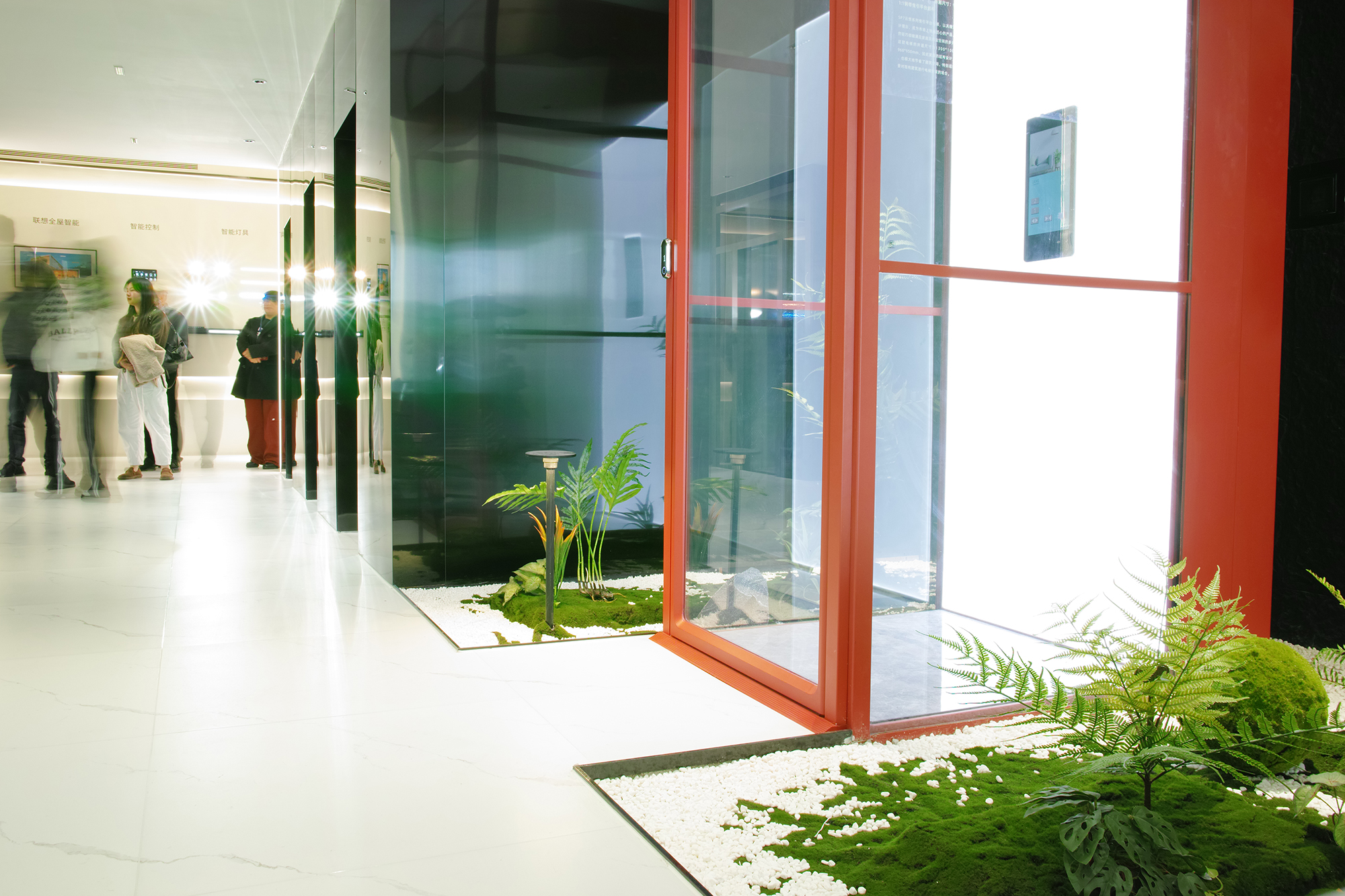
Joylive Elevator Co.,Ltd. (Stock short name: Joylive, Stock Code: 833481) - No. 322, Maoxu Rd., Bacheng, Kunshan, Suzhou City, Jiangsu Province, China.
Have Questions or Need More Details?
Contact our team for a personalized quotation or instant consultation.
Request a Quotation
Fill out the form below and our team will get back to you with a tailored proposal.
WhatsApp Direct Chat
Prefer to chat in real-time? Message us on WhatsApp for instant assistance & quick answers.
- Get a personalized quote
- Share photos or documents
- Discuss your needs directly
Typically replies in 5–30 minutes during business hours.