
Passenger Elevator vs Home Lift: Which Vertical Transport System Does Your Project Really Need?
Passenger Elevator vs Home Lift: Which Vertical Transport System Does Your Project Really Need?
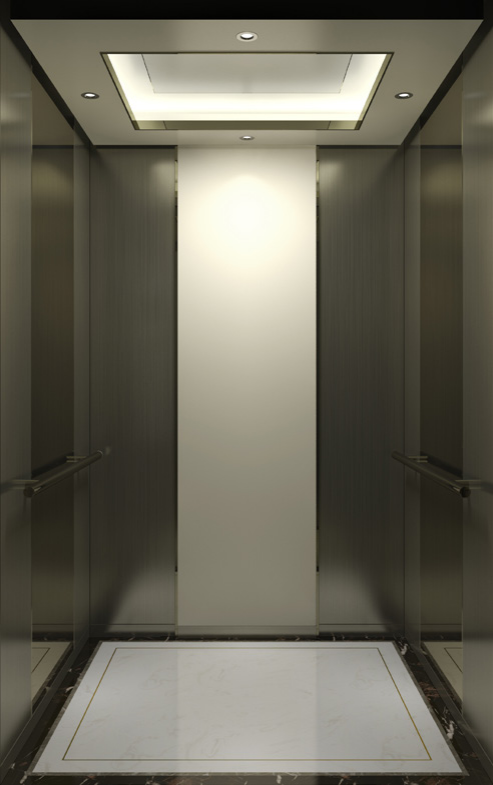
The short answer: choose a passenger elevator when you need a durable, high-traffic, code-compliant vertical transport system for residential, commercial, or public buildings; choose a home lift when your project is a private villa or a single-family residence where comfort, quietness, and interior aesthetics matter more than high-speed traffic handling. Passenger elevators and home lifts are both traction-based, but they differ in load range, travel height, speed range, applicable codes, and the way they are configured to fit the building. This guide explains those differences, maps them to common project scenarios, and shows how to turn them into a short procurement checklist.
Why the Distinction Between Passenger Elevators and Home Lifts Matters
Many buyers use the terms passenger elevator and home lift interchangeably when planning new buildings or renovations. That confusion usually surfaces later as a mismatch between the equipment and the project's real operational requirements. A residential passenger elevator serving an apartment building, for example, must handle high-frequency door cycles and full-load starts for decades. A home lift inside a private villa, by contrast, may only make a few dozen trips a day, so the engineering priorities shift toward ride comfort, interior finish, space efficiency, and low noise.
The global elevator market continues to expand. The market was estimated at USD 84.8 billion in 2024 and is projected to reach USD 126.7 billion by 2034, according to Global Market Insights. Passenger elevators dominate installations, accounting for over 70% of annual global elevator installations in 2025, with Asia-Pacific contributing over 66% of that volume, according to Maximize Market Research. These numbers reflect a market that is not only growing but also becoming more segmented: high-speed passenger elevators for tall towers, hospital passenger elevators, panoramic passenger elevators for architectural statements, small passenger elevators for low-rise buildings, and home lifts for private residences are increasingly treated as different planning decisions.
Passenger Elevator Defined: What It Is and Where It Is Used
A passenger elevator is a vertical transport system intended to carry people (and sometimes accompanying goods) in buildings such as residential apartments, hotels, hospitals, transport hubs, schools, office buildings, infrastructure facilities, factories, and logistics parks. It is typically designed to operate continuously, endure heavy traffic, and comply with local elevator safety codes. Modern passenger elevators are almost always traction-based: the traction elevator segment accounts for roughly 71–72% of global installations, largely because traction technology is more energy-efficient than hydraulic systems.
Joylive's GP30 and GPN30 passenger elevator series illustrate the typical specification range: speeds from 1.0 to 8.0 m/s, load capacities from 630 to 3000 kg, and a maximum travel height of 350 meters. The flexibility of that envelope means one passenger elevator line can serve a small building with modest traffic and the same core engineering can scale to a high-speed passenger elevator installation in a high-rise tower. The series is applied in residential buildings, hotels, hospitals, transport hubs, schools, office buildings, infrastructure, factories, and logistics parks, and uses SS304 stainless steel as the base material for car and door construction.
What Counts as a Home Lift
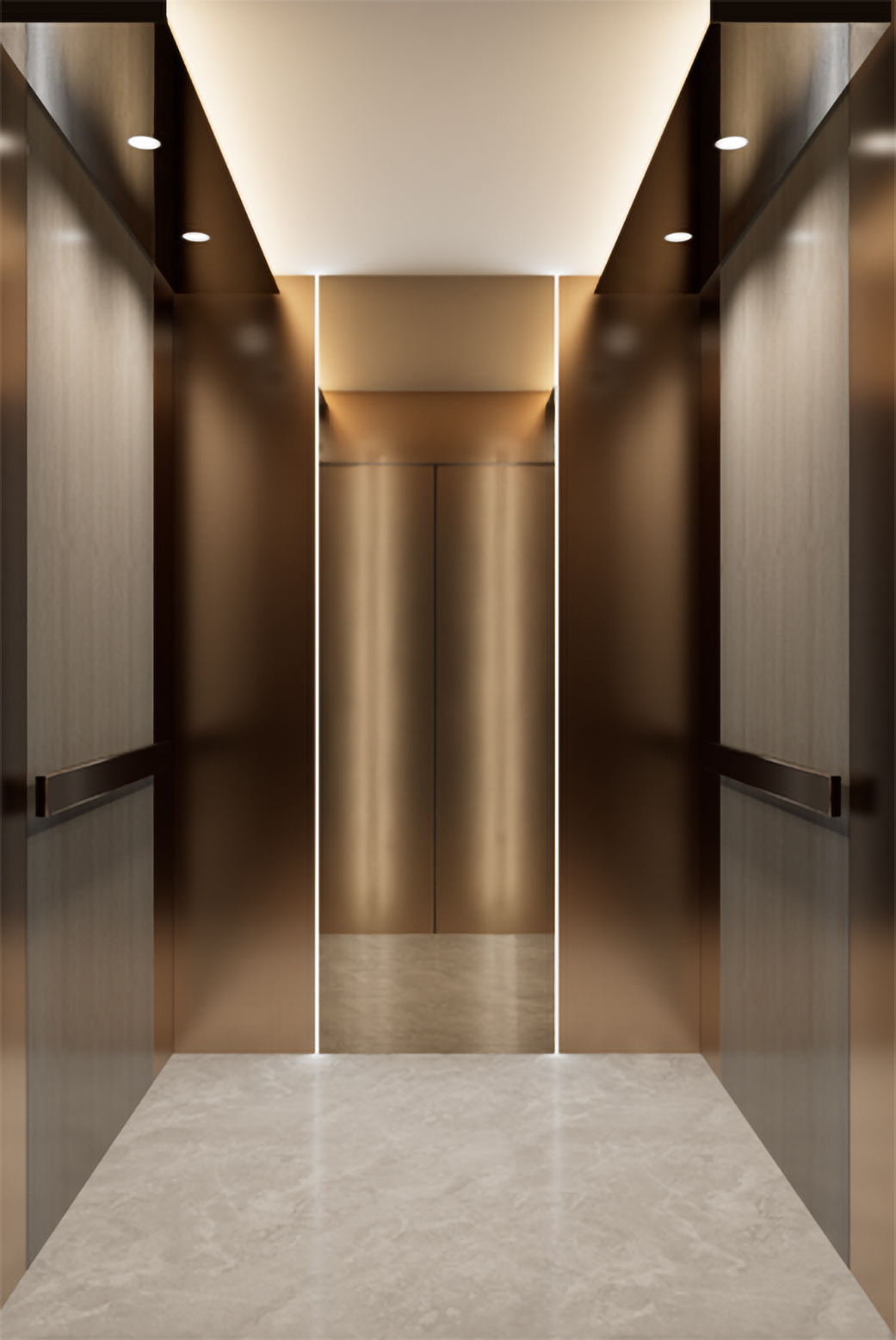
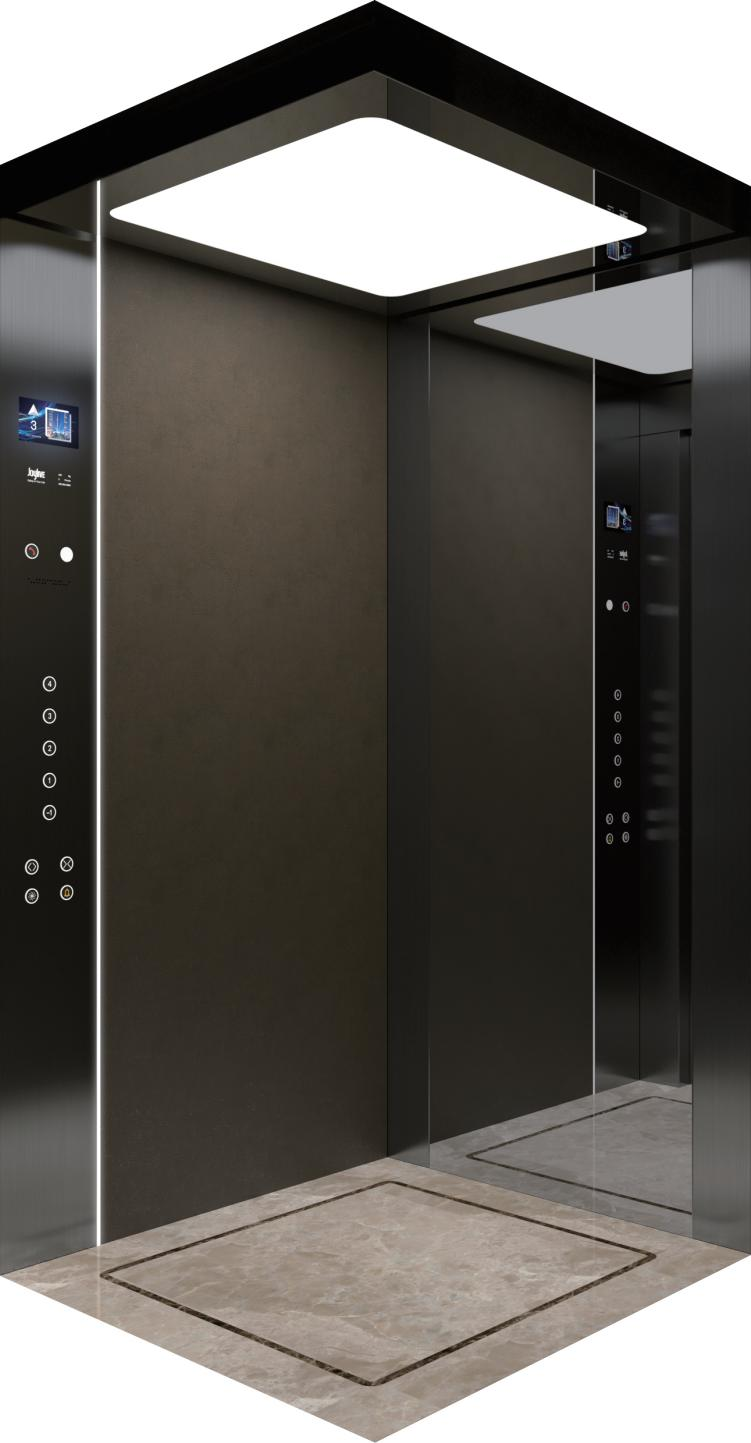
A home lift is a smaller vertical transport unit for private homes, villas, and self-built residences. Its primary job is not mass transit but accessibility, convenience, and integration with the interior design. The Joylive GH30 home lift is representative: speed from 0.25 to 1.75 m/s, load capacity from 200 to 1150 kg, maximum travel height of 30 meters, and SS304 stainless steel construction. The lower speed ceiling and shorter maximum travel height reflect the fact that a home lift operates in a much smaller shaft and carries family members rather than dense building traffic.
How Passenger Elevators and Home Lifts Compare: Head-to-Head
| Comparison Dimension | Passenger Elevator (Joylive GP30/GPN30) | Home Lift (Joylive GH30) |
|---|---|---|
| Primary application | Residential buildings, hotels, hospitals, transport hubs, schools, offices, infrastructure, factories, logistics parks | Private villas, self-built houses, single-family residences |
| Speed range | 1.0 – 8.0 m/s | 0.25 – 1.75 m/s |
| Load range | 630 – 3000 kg | 200 – 1150 kg |
| Max travel height | 350 meters | 30 meters |
| Traffic profile | Heavy, continuous, 24/7 | Light, family-scale usage |
| Material | SS304 | SS304 |
| Typical special requirements | Fire-proof function, panoramic cab, hospital-grade disinfection, clean-room configuration, high-speed operation | Silence, comfort, interior decoration options, smart home integration |
| Typical regulatory reference | EN 81-20 / EN 81-50 in Europe; ASME A17.1 / CSA B44 in North America | Same elevator safety codes apply when installed as a permanent lift, with additional local residential lift rules in some markets |
Step-by-Step Decision Framework for Choosing the Right System
Use this five-step framework to prevent the most common specification mistakes, whether you are an architect, developer, or property owner.
Step 1: Define the Building Type and Traffic Load
Start with the building, not the product name. If the lift will be used by an entire apartment block, hotel, office, hospital, or any facility that operates outside a single owner's daily routine, treat the project as a passenger elevator project. For a private villa used by one family, treat it as a home lift project unless local regulations require a passenger-rated solution for reasons such as number of units or accessibility requirements.
Step 2: Match Speed to Building Height and Peak Demand
Speed is a direct response to waiting time and peak traffic. Multi-story commercial and residential towers need the higher end of the passenger elevator speed range to keep lobby queues short. A typical home lift's speed of 0.25–1.75 m/s is sufficient for a residence because travel distance is short and the number of passengers is low. For a small apartment building, the lower passenger elevator speeds (around 1.0–1.75 m/s) may be enough; for a tall office tower, a high-speed passenger elevator at the upper end of the range reduces travel time.
Step 3: Check Load and Shaft Geometry
Evaluate available shaft size, pit depth, headroom, and structural support. Passenger elevators in the GP30/GPN30 series can be specified up to 3000 kg and can be arranged in larger cars for heavy people flow or even specific functions such as hospital passenger elevators sized to carry beds. Home lifts occupy a smaller footprint and their 200–1150 kg range is usually aligned with compact shaft dimensions in existing buildings. Request a layout drawing before deciding.
Step 4: Identify the Non-Negotiable Features
Ask which mandatory functions the project needs beyond basic transportation. Common passenger elevator requirements include fire-rated landing doors and emergency operation, panoramic glass for architectural effect, disinfection-ready interiors for hospitals, and energy-saving drive configurations. Common home lift requirements include quiet operation, smooth ride quality, flexible interior decoration, and safety features appropriate for children or elderly users. The right choice is the product line that can be configured for those needs without re-engineering the whole system.
Step 5: Verify Supplier Capability and After-Sales Support
Before finalizing, check whether the supplier can manufacture, test, install, modernize, and maintain the selected equipment. That lifecycle coverage matters more for passenger elevators in public buildings, where a failure can halt a large facility, but it also matters for home lifts when the owner expects decades of reliable service. Verify the manufacturer's quality certifications, factory capabilities, export experience, and documentation before signing a contract.
Passenger Elevator Use Cases Across Project Types
Understanding the concrete scenarios below helps buyers choose the correct passenger elevator configuration faster.
Residential Passenger Elevator: High Frequency Meets Cost Control
A residential passenger elevator in an apartment building should prioritize reliable door operation, energy efficiency, quiet performance, and maintenance simplicity. The same GP30/GPN30 platform supports load settings between 630 kg and 3000 kg, allowing the developer to match car size to the number of floors and expected occupancy. Adding an IoT monitoring device and Joycloud keeps the building operator informed of equipment status and helps schedule maintenance before a failure affects residents.
Commercial Passenger Elevator: Heavy Flow and Continuous Operation
Commercial buildings and mixed-use developments often operate under heavy people flow and 24/7 schedules. Higher speeds, larger capacities, and group control configurations are typical. Because this profile places more stress on doors, drives, and control systems, the specification should include high-durability components and a service plan that can handle the occupancy level of the building.
High-Speed Passenger Elevator: Tall Buildings and Travel Time
For buildings above roughly 100 meters, high-speed passenger elevators (commonly 4.0 m/s and above) reduce vertical travel time. A platform rated up to 8.0 m/s with a maximum travel height of 350 meters gives the designer headroom to configure the right performance level. High-speed elevators also call for ride-quality engineering, including air-pressure management, guide-rail alignment accuracy, and advanced control algorithms to minimize vibration and noise.
Hospital Passenger Elevator: Beds, Disinfection, and Reliability
Hospitals and medical centers require passenger elevators configured for stretcher/bed transport and strict sanitation. Load capacity needs to accommodate medical beds plus attendants, and interiors may need disinfection-friendly materials or dedicated ventilation. The passenger positioning remains relevant here: hospital elevators are part of the facility's daily logistics, not occasional movement.
Fire Passenger Elevator: Compliance in Emergency Operations
Fire-rated passenger elevators are installed in buildings that require an emergency lift for firefighting or evacuation assistance. They must meet fire-resistance requirements, protected power supply, and special control features. A passenger elevator manufacturer with a dedicated fire elevator configuration can incorporate these requirements at the design stage, which reduces customization lead time.
Panoramic Passenger Elevator: Architecture as the Driver
Hotels, shopping centers, and landmark commercial projects often use panoramic passenger elevators, with transparent cabs or glass shaft walls, to add visual value. The selection still follows passenger elevator logic: the cabin must meet load and speed requirements, while the glass structure requires additional attention to thermal comfort, privacy, and structural integration.
Small Passenger Elevator: Low-Rise Buildings and Compact Shafts
Some projects need a passenger elevator with a smaller footprint than a standard commercial unit: two-story offices, small apartment buildings, or buildings with limited shaft space. Small passenger elevators remain certified passenger equipment, but with lower load and speed settings that fit the building. The GP30 series' lower speed range (1.0 m/s) and smaller loads can be used for this type of application.
Energy-Saving Passenger Elevator: Lower Operating Cost
Energy-saving passenger elevators use regenerative drives, LED lighting, standby modes, and efficient traction systems to reduce building energy consumption. Given that passenger elevators dominate global installations, their energy impact matters across large property portfolios. Selecting an energy-saving configuration usually increases first cost but lowers the total cost of ownership over the elevator's service life.
Smart Passenger Elevator: Data, Control, and Integration
A smart passenger elevator uses sensors, controllers, and IoT connectivity to improve dispatching, remote diagnostics, and building integration. Joylive passenger elevators can be paired with IoT devices and Joycloud, giving operators remote visibility into elevator status. For residential and commercial projects alike, this connectivity is the foundation of predictive maintenance and smarter building operations.
Platform Elevator vs. Small Passenger Elevator
A platform elevator is often a simpler vertical lift for people with limited mobility, commonly installed in homes or existing buildings where a full passenger elevator cannot fit. Speed and load are modest, and the regulatory approach can differ from full passenger elevators. When the intended use is frequent daily transportation for all building occupants, a small passenger elevator is usually the more appropriate choice.
Home Lift Use Cases: When the GH30 Is the Right Call
The home lift category is growing alongside the broader elevator market. The global home elevator market was valued at USD 8.24 billion in 2024 and is projected to grow at a CAGR of 7.2% through 2034, according to Zion Market Research. That growth is being driven by aging populations, rising villa construction, and expectation for accessibility in premium private residences.
You should choose a home lift such as the Joylive GH30 when the project is a villa, private residence, or self-built house, and the priorities are: (1) moving family members—including elderly users or those with mobility limitations—between floors safely; (2) reducing installation impact with a compact shaft; (3) matching the cabin design to the home interior; and (4) operating quietly without consuming excessive space or energy.
Because the GH30 covers 200–1150 kg and speeds between 0.25 and 1.75 m/s, it can serve a broad range of private residence sizes, from a compact two-floor home to a larger villa with multiple floors. The 30-meter maximum travel height covers the large majority of private residential lifting needs. SS304 construction also makes the lift suitable for visible interiors where stainless steel is used as a design feature.
Compliance and Certification: The Global Baseline
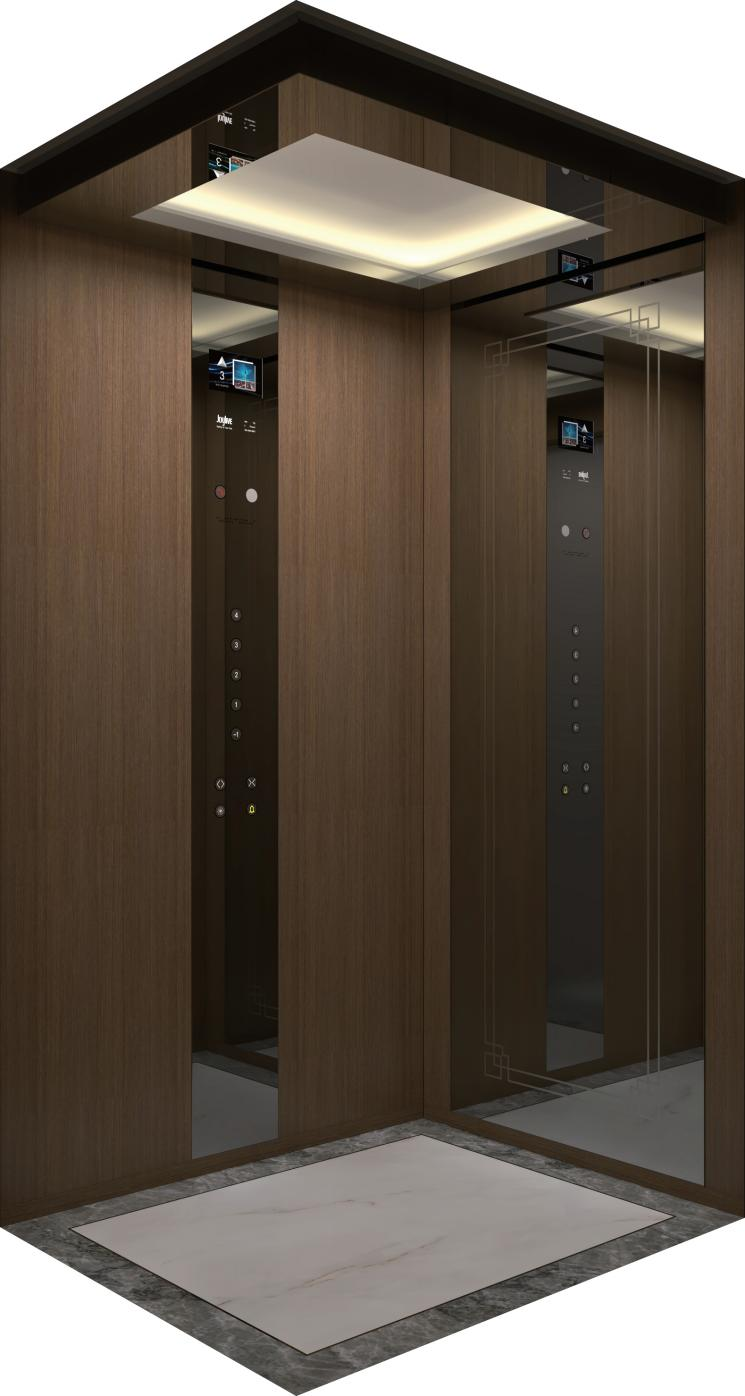
Passenger elevator buyers are increasingly required to verify compliance in both the factory and the project country. The modern European elevator industry is governed by safety standards EN 81-20 (construction/installation) and EN 81-50 (testing/components), according to CEN/KONE. In North America, the primary safety reference is the ASME A17.1-2025 / CSA B44 Safety Code for Elevators and Escalators. Joylive Elevator holds ISO9001, ISO14001, OHSAS18001 certifications and carries the CE mark for European market access, as confirmed by Joylive Elevator's official certification disclosures.
For buyers planning to export passenger elevators to Europe, CE marking is a market-access prerequisite. For North America, the elevator package must align with ASME A17.1/CSA B44 requirements and the applicable local authority having jurisdiction. For projects in other markets, the buyer should verify whether the country accepts CE-based documentation, ISO-based quality evidence, or a specific national code.
The Source-Factory Advantage: Who You Buy From Matters
Many global buyers choose a Chinese passenger elevator source factory to combine competitive pricing with customization flexibility. Joylive Elevator Co., Ltd. was founded in 2002 and is located at No. 322, Maoxu Rd., Bacheng, Kunshan, Suzhou City, Jiangsu Province, China. It operates a factory of 105,000 m², employs 450 people, and has an annual output of 15,000 units. Its R&D team includes 150 engineers, and the company holds China's top A qualification for special equipment manufacturing, installation, modernization, and maintenance. Those are concrete, auditable statements that a buyer can verify through factory audits and documentation.
Joylive also demonstrates a broader product ecosystem: passenger elevators, freight elevators, home lifts, commercial elevators, fire elevators, panoramic elevators, hospital elevators, explosion-proof elevators, clean elevators, escalators, moving walks, dumbwaiters, elevator modernization, small passenger elevators, industrial vertical conveyors, hydraulic elevators, car elevators, horse elevators, tower lifts, IoT devices, smart building products, and systems for adding elevators to existing buildings. For buyers managing a portfolio, this breadth reduces the need to qualify many different suppliers.
The export ratio of the company is 55%, with main markets including China, Europe, America, Oceania, Africa, Central Asia, Southeast Asia, and the Middle East. Export-oriented manufacturing usually implies supporting documentation, packaging, and installation guidance for international projects, which matters to importers, distributors, and project contractors.
Modernization: A Related but Separate Decision
Existing elevators in Europe and North America are aging: over 50% of units in those regions have exceeded 15–18 years of service life, according to Roland Berger/Maximize Market Research. That is why elevator modernization projects are one of the most active segments of the market. A modernization project can replace the control system, drive system, doors, or car interior of an existing passenger elevator without replacing the complete shaft structure. For owners of older buildings, modernizing the passenger elevator often improves ride quality, energy efficiency, and compliance for less cost than a full replacement.
Procurement Checklist for Passenger Elevators and Home Lifts
- Define the building category: private single-family residence vs. commercial, public, or multi-unit residential building.
- Document the required load (kg), speed (m/s), travel height (m), and number of stops.
- Identify mandatory features: fire-rated doors, panoramic cab, hospital/disinfection configuration, smart IoT monitoring, energy-saving drive, or quiet cabin.
- Determine which safety code applies in the destination country: EN 81-20/50, ASME A17.1/CSA B44, or local national code.
- Verify supplier certifications (e.g., ISO9001, ISO14001, OHSAS18001, CE) and ask for the certificate copies for the specific product line.
- Visit or audit the factory when project size and risk justify it. For a source factory, inspect manufacturing lines, laboratory, and quality control process.
- Ask for the exact interior material specification, for example SS304, and confirm that the car finish matches the intended interior design.
- Request a project-specific layout drawing to confirm shaft dimensions, pit depth, and headroom.
- Check the supplier's export experience, installation support, spare parts availability, and maintenance documentation.
- Request a brochure or full product catalog before issuing an inquiry so the supplier can quote against the complete scope.
How the Choice Affects Project Outcomes
Selecting the wrong category between passenger elevator and home lift typically produces one of two outcomes. The first is an undersized system: a home lift installed in a building that later becomes a commercial guesthouse or clinic, leading to downtime and potential code issues. The second is an oversized system: a large passenger elevator in a private villa, occupying excessive shaft space and costing more than needed. Both outcomes are avoidable by aligning the choice with the building type, intended usage intensity, and applicable standard.
Because passenger elevators dominate global annual installations—over 70% of the total—manufacturers have developed specialized configurations for different vertical markets. That is why the most practical habit is to describe your building and operating conditions to the supplier first, then talk about a product category. A precision passenger elevator manufacturer can guide the decision based on real parameters rather than a marketing label.
Conclusion
A passenger elevator is the right system for residential apartments, commercial buildings, hospitals, transport hubs, schools, infrastructure, factories, and logistics parks. A home lift is the right system for private villas and self-built homes where traffic is light and comfort, quietness, and design integration come first. The distinction matters because speed, load, travel height, and compliance expectations differ substantially.
Joylive Elevator covers both categories with the GP30/GPN30 passenger elevator and the GH30 home lift, and can back them with more than 20 years of focused experience in vertical transportation, a 150-engineer R&D team, a CNAS-accredited laboratory, and export experience across Europe, America, Oceania, Africa, Central Asia, Southeast Asia, and the Middle East. When you have a project in hand, the next step is to share your building type, shaft dimensions, required load, speed, and travel height with a qualified supplier so they can recommend the correct product configuration.
Next step for your project: Download the Joylive Elevator brochure to review the passenger elevator and home lift series, or contact Joylive’s team at marketing@joylive.com / WhatsApp +86 178-0524-3526 with your preliminary specifications for a project-specific discussion.
FAQ
How do CE passenger elevators and home lifts comply with European standards?
CE marking indicates a manufacturer has assessed the product against applicable European directives. Joylive Elevator holds the CE mark and ISO9001, ISO14001, and OHSAS18001 certifications. The European elevator safety framework is also defined by EN 81-20 for construction and installation and EN 81-50 for testing and components. Buyers should obtain certificate copies for the specific product line to ensure that their CE passenger elevator or home lift matches the declared compliance status.
Can the same passenger elevator platform serve residential, hospital, and panoramic applications?
The Joylive GP30/GPN30 passenger elevator platform covers speeds from 1.0 to 8.0 m/s, loads from 630 to 3000 kg, and travel heights up to 350 meters. From that platform, manufacturers can configure a residential passenger elevator, a hospital passenger elevator, a fire passenger elevator, or a panoramic passenger elevator. The buyer needs to specify the load, speed, door configuration, fire resistance, interior material, and optional smart/energy-saving features so the final configuration matches the application.
How much should a passenger elevator or home lift cost?
Elevator pricing depends on load capacity, speed, travel height, number of stops, materials, and optional features. It is not possible to give a meaningful one-size-fits-all price without project-specific parameters. Standard practice is to provide the building type, shaft dimensions, load, speed, stops, and desired finishes to the supplier, then request a quotation. This is the fastest way to receive a comparable cost estimate for either a passenger elevator or a home lift.
Can I request samples or references before placing a passenger elevator order?
Passenger elevators are built-to-order products rather than off-the-shelf items, so the practical equivalent of a sample is a factory audit, a laboratory test, reference projects, and certificate documentation. Joylive's factory in Kunshan, China has an advanced smart manufacturing center and a nationally accredited CNAS laboratory. Buyers can also request the company brochure and ask for project references that match their application type before making a decision.
How long does passenger elevator production and delivery take?
Lead time is determined by the configuration, the quantity of units, and the factory's production schedule. A standard configuration with confirmed specifications usually moves faster than a highly customized unit. The most accurate approach is to share an expected project timeline during the inquiry stage so the supplier can confirm whether the lead time matches your construction or installation schedule.