
Small Machine Room Elevator Buyer’s Guide: Design, Space Saving, and Selection
Small Machine Room Elevator: A Complete Buyer’s Guide
A small machine room elevator is a traction passenger elevator designed to keep the hoisting machine, drive, and controller inside a compact machine room instead of a conventional full-sized machine room. It offers a practical middle point between traditional machine-room elevators and machine-room-less elevators, often making it easier to integrate vertical transportation into space-conscious buildings.
This guide explains what a small machine room elevator is, why the configuration matters, what technologies make it space-saving, and how procurement teams can evaluate an elevator supplier. The company example used in this guide is Joylive Elevator Co., Ltd., a China-based elevator manufacturer founded in 2002 in Bacheng Town, Kunshan City, Suzhou, Jiangsu Province, with a product and service network covering China, Europe, America, Oceania, Africa, Central Asia, Southeast Asia, and the Middle East.
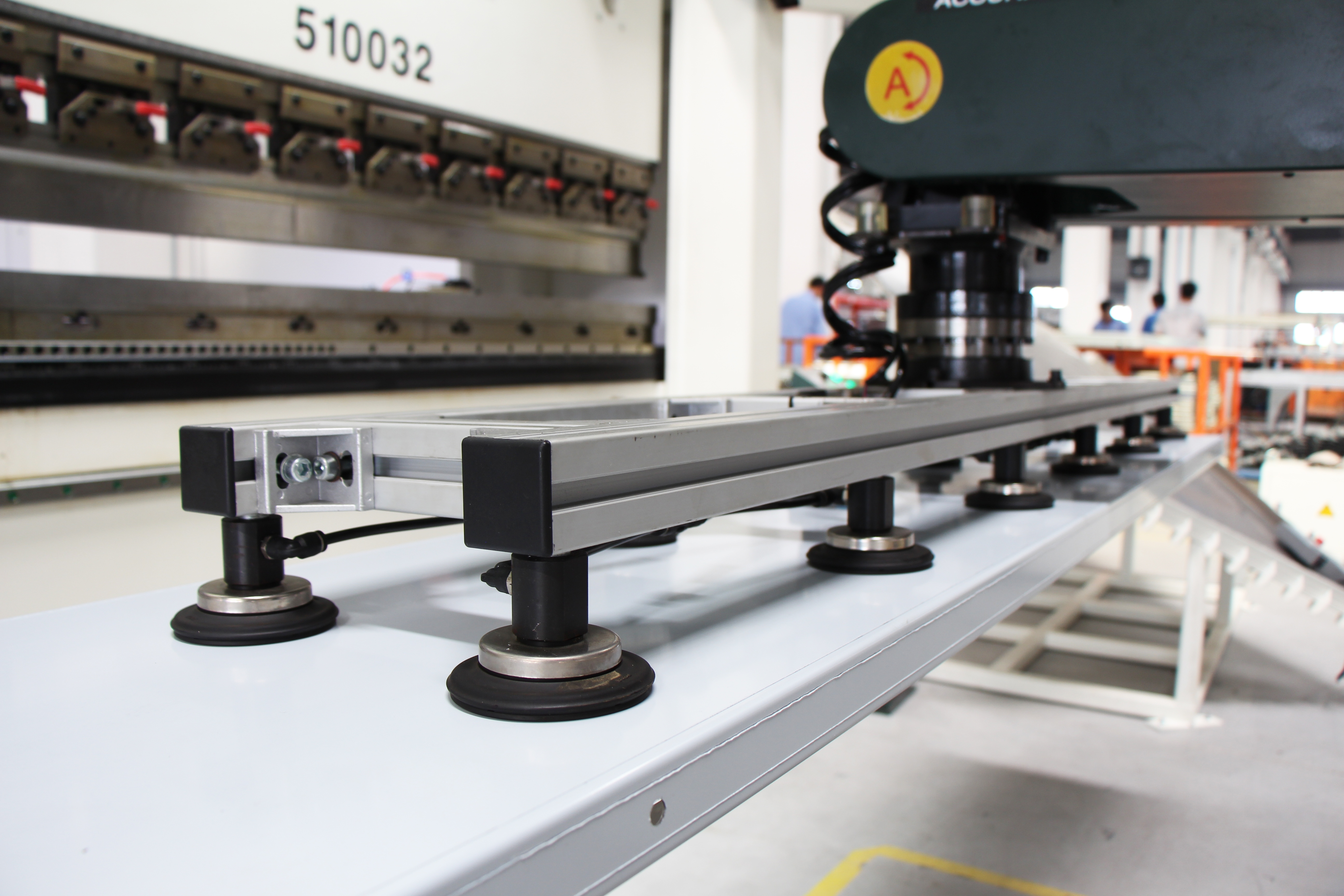
Automatic production line at Joylive Elevator.
Why Machine Room Space Is a Real Building Constraint
An elevator installation normally involves more than the shaft. It also requires space for the traction machine, control cabinet, drive, overspeed governor, and maintenance access. In a full machine-room design, this equipment is placed in a dedicated room, often directly above the shaft. That room consumes structural height and floor area, and it can affect the building roof profile or the usable space on the top landing level.
For project owners, architects, and contractors, the challenge is to provide comfortable vertical transport while minimizing the impact on building layout. A small machine room elevator answers that challenge by packaging the equipment more tightly. It does not necessarily eliminate the overhead equipment space, but it reduces the size of the machine room enough to make the elevator easier to plan in buildings where every square meter matters.
Industry Context: Small Machine Room Elevators in a Growing Market
According to Grand View Research, the global elevators market was valued at USD 82.4 billion in 2025, with the market projected to reach USD 86.3 billion in 2026 and USD 136.9 billion by 2033, representing a compound annual growth rate of 6.8%. The same research shows that the traction elevator segment, which includes small machine room and machine-room-less configurations, held the largest revenue share of 55.1% in 2025. Asia Pacific was the dominant regional market, accounting for 41.7% of global elevator revenue in 2025.
This data matters because most small machine room elevators are traction elevators. They usually use a gearless traction machine with a permanent magnet motor, a variable frequency drive, and a compact control system. These technologies are widely used in modern passenger elevator projects and align with the buyer demand for quieter operation, more efficient energy use, and a smaller architectural footprint.
What Is a Small Machine Room Elevator?
In simple terms, a small machine room elevator—also called a compact machine room elevator or small machine room passenger elevator—is an elevator with a reduced equipment room. The machine room is not a full walk-in room of the same size as the shaft plan; instead, it is a smaller enclosure that contains only the essential drive and control equipment.
The main goal is space saving. By reducing the machine room footprint or height, the building designer can:
- Make better use of rooftop area.
- Reduce structural height in low-rise and mid-rise buildings.
- Free up space that would otherwise be occupied by a large machine room.
- Provide easier installation planning in residential buildings, commercial buildings, hotels, and apartments.
Core Technologies Used in Small Machine Room Elevator Systems
Modern small machine room elevators are typically built around the following technologies:
Gearless traction machine with permanent magnet motor. Gearless permanent magnet synchronous motors remove the reduction gearbox and allow the drive machine to be more compact. This configuration is often associated with smoother operation, higher efficiency, and lower noise compared with older geared systems.
Variable frequency drive. A variable frequency drive controls the motor speed and acceleration. It helps the elevator start and stop smoothly and is one of the most common energy-saving components in modern elevator systems.
Regenerative drive. In certain configurations, a regenerative drive can return braking energy to the building electrical supply. Buyers who specify an energy-efficient small machine room elevator often ask whether regenerative drive is available as an option.
Compact control cabinet. A control cabinet contains the elevator controller, safety circuits, and power equipment. A small machine room design usually uses a more compact cabinet so that the overall room can be smaller.
Low-headroom and reduced-shaft-space variants. Some elevator projects have tight headroom above the top landing or limited shaft dimensions. In these cases, the supplier can propose a low-headroom small machine room elevator or a reduced-shaft-space version. Because shaft measurements and machine room dimensions vary by manufacturer, these designs must be confirmed with actual drawings rather than assumed from general product information.
| Aspect | Full Machine Room Elevator | Small Machine Room Elevator | Machine-Room-Less Elevator |
|---|---|---|---|
| Machine room | Separate, full-size machine room, usually above the shaft | Compact machine room with reduced size | No separate machine room |
| Primary space benefit | Lower equipment packaging complexity | Reduces machine room space while retaining a defined equipment area | Eliminates the machine room |
| Top-floor impact | Larger area reserved for equipment | Smaller structural footprint than a full machine room | Machinery is placed inside the shaft or near the landing |
| Maintenance access | Relatively easy access inside a full room | Access is designed into the compact room | Access depends on the landing door and shaft arrangement |
| Typical design goal | Straightforward conventional design | Space saving while keeping a dedicated machine room | Maximum architectural flexibility |
These three arrangements are general engineering concepts. Always ask the manufacturer for project-specific layouts because building codes, shaft dimensions, pit depth, and headroom differ from project to project.
Step-by-Step Process for Selecting a Small Machine Room Elevator
Choosing a small machine room elevator should follow a structured evaluation process. Below is a step-by-step sequence that helps buyers avoid specification mistakes.
Step 1: Define the Elevator Duty
Start with the core traffic requirements: rated load, rated speed, number of stops, travel height, and expected intensity of passenger traffic. For residential buildings and apartments, the requirements may be more modest. For hotels and commercial buildings, traffic demand can be higher. These decisions drive the required capacity and motor size.
Step 2: Confirm the Shaft, Headroom, and Machine Room Constraints
Measure the available shaft width, depth, top clear height, pit depth, and possible machine room location. The amount of available headroom is especially important because a small machine room layout still has to respect the minimum safe clearance defined by elevator standards.
Step 3: Select the Traction Machine and Drive Technology
For most small machine room elevator projects, the technology choice is a gearless traction machine with a permanent magnet motor and a variable frequency drive. Buyers with a stronger focus on energy performance should also ask whether a regenerative drive is available as an option.
Step 4: Check the Control System and Electrical Design
The control cabinet should be compact enough to fit inside the proposed machine room. Ask the supplier about cabinet dimensions, ventilation requirements, operating temperature range, and whether remote monitoring or IoT connectivity is available. Joylive, for example, provides lift systems that can be connected with IoT devices and its Joycloud platform for projects where remote monitoring is needed.
Step 5: Review Safety and Accessibility Compliance
Every elevator, including a small machine room elevator, must comply with the safety standards of the destination country. For European projects, EN 81-20 and EN 81-50 apply to lift design, manufacture, and component testing. One requirement in EN 81-20 and EN 81-50 is that machine room working spaces have minimum lighting of 200 lux at floor level. Buyers should confirm that a proposed elevator package meets these safety and maintenance access rules before approving drawings.
Step 6: Request Approval Drawings and Written Specifications
Do not rely only on marketing brochures or generic dimensions. Ask the manufacturer for a full specification sheet, shaft layout drawing, machine room layout, and clear information about load, speed, travel, and optional devices.
Step 7: Evaluate the Supplier’s Manufacturing and Engineering Capacity
Long-term reliability depends on the manufacturer’s engineering experience, production quality, delivery capability, and after-sales support. This is especially important when a building needs a customized small machine room elevator layout.
Where Small Machine Room Elevators Are Commonly Used
Small Machine Room Elevator for Residential Buildings and Apartments
Residential buildings and apartment complexes often have strict limits on building height and usable floor area. A small machine room elevator helps developers provide elevator access without spending too much structural budget on a large overhead machine room. It is also a common choice for low-rise residential buildings where a conventional machine room would feel disproportionate.
Small Machine Room Elevator for Commercial Buildings
Commercial building owners want maximum rentable floor area. A compact machine room uses less valuable rooftop or upper-floor space. Small machine room elevators can be paired with modern traction systems to provide efficient vertical transport in office buildings and public areas.
Small Machine Room Elevator for Hotels and Apartments
Hotels and serviced apartments usually need quiet, reliable elevators that integrate neatly into the architectural plan. Small machine room elevators using gearless permanent magnet motors are often selected because of their compact layout and passenger comfort benefits. In these building types, the design of the elevator lobby and machine room location is as important as the rated capacity.
Detailed Solution: How to Evaluate a Manufacturer for SMR Elevators
The real specification issue is not only whether the elevator has a small machine room, but whether the manufacturer can engineer it safely and deliver it consistently. Buyers should look for evidence of manufacturing capability, product quality, and engineering depth.
Joylive Elevator Co., Ltd. is one example of a manufacturer with this kind of background. The company operates a smart manufacturing center with an advanced facility size of 105,000 m² and has an annual output capacity of 15,000 units. Joylive has 450 employees, including a research and development team of 150 engineers. Internationally, approximately 55% of its output is exported to regions such as China, Europe, America, Oceania, Africa, Central Asia, Southeast Asia, and the Middle East.
Joylive also holds a top A qualification in China for special equipment manufacturing, installation, modernization, and maintenance. It operates a nationally accredited CNAS laboratory and is recognized as a national high-tech enterprise. These capabilities are relevant because a small machine room elevator must be designed with precision; the traction machine, control cabinet, and safety system all have to fit within a smaller envelope without compromising maintenance.
For buyers that start their product evaluation from passenger elevator capacity, Joylive’s passenger elevator platforms include the GP30 and GPN30 series. Their published specifications cover speeds of 1.0 to 8.0 m/s, loads of 630 to 3000 kg, and a maximum travel height of 350 m. This indicates strong passenger elevator engineering capacity, but a specific small machine room elevator layout should always be confirmed by the supplier against the actual shaft and machine room dimensions of the project.
Cost and Procurement Considerations
Small machine room elevator pricing depends on many project-driven factors, including rated load, speed, travel height, machine room size, finish level, control system, and optional energy-saving equipment. Buyers comparing proposals should ask for a complete architectural drawing package, not just a price. A cheaper proposal that requires more shaft space or a larger machine room may increase building costs after the elevator price is analyzed.
Market intelligence also points to a raw-material trend worth monitoring. Mordor Intelligence reported that rare-earth magnets used in permanent-magnet motors increased in price by more than 20% in 2025. Because small machine room elevators commonly use permanent magnet synchronous motors, buyers should ask suppliers about component sourcing and price stability when planning large orders.
Frequently Asked Questions
What is a small machine room elevator?
A small machine room elevator is a traction passenger elevator with a compact machine room instead of a traditional full-sized machine room. It keeps essential equipment such as the gearless traction machine, drive, and control cabinet in a smaller designated space while making the elevator easier to fit into space-constrained buildings.
What is the difference between a small machine room elevator and a machine-room-less elevator?
A small machine room elevator has a small but dedicated machine room, usually above or beside the shaft. A machine-room-less elevator places the machinery inside the shaft or close to the landing and has no separate machine room. SMR designs can make maintenance access easier, while MRL designs provide maximum freedom from overhead machine room space.
Which building types are suitable for a small machine room elevator?
Small machine room elevators are commonly used in residential buildings, apartment buildings, commercial buildings, hotels, and low-rise buildings. Their compact machine room arrangement helps developers save building height and usable space. However, each project must be checked against local codes and actual shaft dimensions.
What compliance and technical factors should I review?
Review rated load, speed, travel height, traction machine type, drive type, control cabinet dimensions, maintenance space, headroom, and applicable elevator standards. For EU projects, EN 81-20 and EN 81-50 define relevant safety and component requirements; EN 81-20 and EN 81-50 require machine room work spaces to have at least 200 lux at floor level. Always confirm that the proposed installation satisfies local building and elevator codes.
How can I request a small machine room elevator layout from Joylive?
Send your project data—such as load capacity, speed, number of stops, travel height, shaft dimensions, and available machine room space—to Joylive Elevator’s marketing team by email at marketing@joylive.com or by WhatsApp at +86 178-0524-3526. Joylive’s engineering team can then review the passenger elevator platform and propose a suitable small machine room arrangement for your project.
Conclusion
A small machine room elevator is a practical design choice for owners, architects, and developers who want the benefits of modern traction elevator technology without the space penalty of a traditional machine room. The core technologies—gearless traction machines, permanent magnet motors, variable frequency drives, compact control cabinets, and optional regenerative drives—make it possible to integrate efficient vertical transport into residential, commercial, and hospitality projects.
When evaluating suppliers, do not focus only on brochure dimensions. Review the manufacturer’s engineering depth, production capacity, quality control system, compliance experience, and ability to provide project-specific drawings. Request approval drawings, compare total building impact, and choose a supplier that can support the project from design to installation and beyond.
For more information about Joylive elevator product lines and manufacturing capabilities, download the company brochure below.